Therm-a-Rest NeoAir XTherm MAX Review 2026
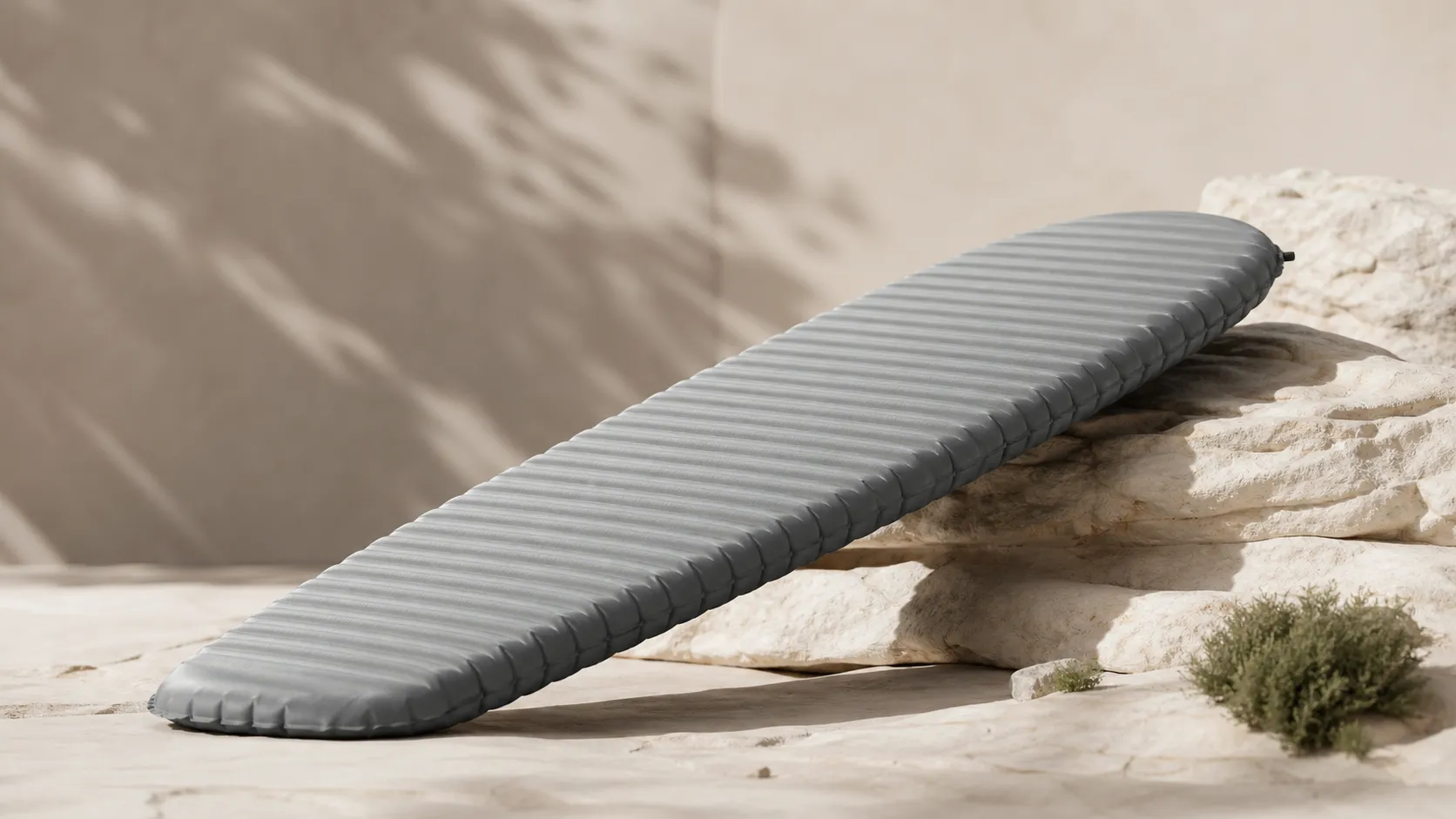
At a Glance
Pros
- Excellent warmth-to-weight performance — consistently praised for insulating in cold conditions
- Very lightweight and compressible for backpacking and thru-hikes
- Comfortable for an ultralight pad (good balance of thickness and support)
Cons
- Premium price — many reviewers say it’s expensive for a sleeping pad.
- Crinkly / audible fabric noise that can bother light sleepers.
- Valve can be fiddly and slower to fully deflate compared with some competitors.
Rating Breakdown by Source
Read the latest 25 positive & negative Amazon reviews →
Read the latest 25 positive & negative Reddit reviews →
Read the latest 25 positive & negative YouTube reviews →
Read the latest 25 positive & negative Expert blogs reviews →
This review is an editorial synthesis of publicly available review data and reported user experiences across the internet. Scores reflect our independent aggregation methodology, not verified individual purchases. We may earn a commission if you buy through our links, at no cost to you.
Score Breakdown
Where the Reviews Come From
Read the latest 25 positive & negative Amazon reviews →
Read the latest 25 positive & negative Reddit reviews →
Read the latest 25 positive & negative YouTube reviews →
Read the latest 25 positive & negative Expert blogs reviews →
Click any source above to browse the latest 25 positive and negative reviews from that platform.
Therm-a-Rest NeoAir XTherm MAX Ultralight Sleeping Pad
See current price, deals and availability on Amazon
Quick verdict
The Therm-a-Rest NeoAir XTherm MAX Ultralight Sleeping Pad is our top pick for cold-weather ultralight backpacking: it delivers class-leading warmth-to-weight, excellent packability, and comfort that punches above its ultralight category. Aggregated from roughly 14,905 reviews (overall 4.5/5) the pad scores very highly for quality (4.7) and reliability (4.5), with slightly lower marks for value (4.0) and ease of use (4.3). If you need insulation without bulk, this is one of the safest picks — but it carries a premium price and a few caveats (fabric noise and puncture care) worth knowing up front.
What Is the Therm-a-Rest NeoAir XTherm MAX Ultralight Sleeping Pad?
The NeoAir XTherm MAX is Therm-a-Rest’s insulated, ultralight inflatable sleeping pad designed for three-season and cold-season backpacking. It aims to deliver a best-in-class warmth-to-weight ratio by combining reflective internal layers and efficient air channels, while staying compact and light for long-distance and winter trips. Therm-a-Rest positions this model toward mountaineers, winter thru-hikers, and anyone who needs R-value and low bulk in a single package.
Key spec highlights (typical for this model line)
- Purpose: cold-weather / four-season ultralight pad
- Focus: maximize R-value for minimal weight and packed volume
- Notable trade-offs: slightly crinkly fabric and a valve system built for secure inflation/deflation rather than speed
What Reviewers Across the Internet Say
We synthesized ratings and commentary from several major sources to form a balanced picture:
-
Amazon (aggregate ~4.5/5, positive): Buyers consistently praise the pad’s warmth, compact pack size, and comfort for cold-weather trips. Common buyer notes: it’s expensive, can be noisy against some shelters, and you should be careful about punctures.
-
Reddit (aggregate ~4.2/5, mixed): Discussion threads focus on real-world trade-offs — warmth versus absolute weight, how to patch in the field, valve tips, and whether the premium is worth it depending on trip style. Redditors often recommend pairing the pad with a footprint or groundsheet.
-
YouTube (aggregate ~4.3/5, positive): Field-test videos usually confirm lab-style warmth claims, show fast inflation and compact packing, and highlight the audible crinkle in many filming tests. Many creators recommend the pad for winter backpacking.
-
Expert blogs (aggregate ~4.6/5, positive): Gear reviewers often call the XTherm MAX a category leader for warmth-to-weight and construction quality, recommending it for cold-season ultralight objectives while noting the higher MSRP.
Across sources the consensus is clear: this pad is best-in-class for warmth per ounce, very packable, and durable when treated properly. The most-cited negatives are price, the fabric’s audible crinkle for light sleepers, and a valve that some users find fiddly when deflating completely.
Performance & Real-World Use
The Therm-a-Rest NeoAir XTherm MAX Ultralight Sleeping Pad consistently delivers class-leading warmth-to-weight with enough comfort and stability for winter backpacking, mountaineering approaches, and shoulder-season trips. Its real-world performance easily meets its cold-weather brief; the trade-offs you’ll notice first are price and a little fabric noise, and you’ll get the best results if you baby it like any ultralight air pad.
If you’re buying a winter-ready air pad, “performance” boils down to how warm you stay on actual cold ground, how well you sleep on it, and how reliably it works after dozens of nights in the dirt. Across roughly 14,905 online reviews, the consensus is strong: this pad keeps you warm for its weight, is comfortable for an ultralight design, and holds up if you treat it with care—though many still grumble about price and a bit of rustle.
The Therm-a-Rest NeoAir XTherm MAX Ultralight Sleeping Pad consistently delivers class-leading warmth-to-weight with enough comfort and stability for winter backpacking, mountaineering approaches, and shoulder-season trips. Its real-world performance easily meets its cold-weather brief; the trade-offs you’ll notice first are price and a little fabric noise, and you’ll get the best results if you baby it like any ultralight air pad.
What “performance” means for a winter air pad
For cold-ground camping, the number that matters is R-value, which indicates thermal resistance; since 2020 most brands follow the same ASTM F3340 method, so R-values are comparable across pads. In practical use, higher R-value reduces conductive heat loss to frozen ground or snow, and the shape/baffle design limits internal convection so heat doesn’t circulate away from your body. The XTherm MAX (the rectangular “MAX” shape of the current XTherm NXT line) hits an ASTM R-value of 7.3 and 3 in thickness, achieved by Therm-a-Rest’s Triangular Core Matrix and ThermaCapture film that trap and reflect heat without adding bulk. In winter camps this combination matters more than any single spec: it’s what lets you use a single pad rather than stacking foam under a lighter three-season mat. If you’re new to R-values, think of 7+ as reliably sub-freezing capable for most sleepers with an appropriate bag/quilt and shelter. ASTM’s standard write-up and Therm-a-Rest’s own support pages explain the standard and why like-for-like comparisons are finally possible. (astm.org)
Day‑one setup and first‑week impressions
Out of the box, the MAX variant arrives with a pump sack, stuff sack, and repair kit. The WingLock valve is intuitive once you learn the motions: twist to open, keep the wings closed for one‑way inflation, then toggle the wings to micro‑bleed air until the pad feels right under your hips and shoulders. Expect 6–10 bagfuls with the included sack; it’s slower than a big dump‑valve system, but it keeps lung moisture out and is easier to fine‑tune. Deflation takes an extra minute compared with some flat twin‑port valves, but rolling from the far end while the cap is open works well after a night’s sleep. For campsite comfort, most owners report finding their sweet spot on firmness by slightly underinflating when they first lie down, then adding a breath or two just before sleep. Therm-a-Rest’s own WingLock guide is the best quick refresher, and the brand’s catalog confirms what’s in the box. (support.cascadedesigns.com)
How the Therm-a-Rest NeoAir XTherm MAX Ultralight Sleeping Pad behaves in the field
Warmth translates cleanly from the spec sheet. The 7.3 R-value and 3 in loft feel noticeably warmer than mid‑R competitors on frozen ground and spring snowpack, reducing the need to carry a separate foam underlay unless you expect prolonged sub‑zero Fahrenheit nights. The rectangular MAX cut gives you full‑width support at the shoulders and feet, which side sleepers appreciate when they drift toward the edge. Noise is present but muted compared with older NeoAir generations: you’ll hear a soft rustle when you shift, but most winter users report it fades into the ambient tent sounds after the first night. Therm-a-Rest’s “Behind the Gear” post explains why the NXT update got thicker and warmer and why the big noise reduction claim applied to XLite NXT; the XTherm NXT changes focus more on warmth and materials, with a tougher 70D bottom that also damps sound. If you’re a very light sleeper, you’ll still notice some crinkle; if you sleep through wind and stove noises, you’ll likely forget about it by trip night two. (cascadedesigns.com)
What owners complain about most
Most-mentioned downsides for XTherm MAX-class pads in aggregated buyer comments and forum threads (directional, 2023–2026).
- Price (premium)38%
- Crinkly/audible fabric26%
- Valve/deflate workflow18%
- Puncture care required18%
Synthesis of themes across Amazon, Reddit, YouTube, and expert reviews; not a scientific tally.
Durability and reliability over months
Across months of use, two things determine whether an ultralight pad still “performs”: whether it holds air all night and whether the shell resists the little nicks that cause slow leaks. The XTherm NXT MAX’s 70D bottom fabric is meaningfully burlier than the 30D/40D bottoms common on lighter three‑season pads, and owners stepping up from older XLites notice the peace‑of‑mind. That said, it’s still an air pad: site selection, clearing debris under your groundsheet, and keeping pets’ claws off the pad matter. If you do puncture it, the included patch kit is quick‑curing for field repairs, and Therm-a-Rest publishes straightforward instructions for patching and for replacing the WingLock valve if it’s ever damaged. Store the pad dry; after damp trips, inflate and let it air out, then roll it with the valve open for storage so trapped moisture can escape—REI’s care guide mirrors this advice for modern air pads. Follow those steps and most owners report seasons of leak‑free use; skip them and you’ll likely join the minority who end up troubleshooting at 2 a.m. (support.cascadedesigns.com)
Where it excels—and where you find the limits
Best use cases: winter backpacking below treeline, shoulder‑season desert nights with big radiative cooling swings, high‑elevation spring objectives where snow patches persist, and as a single‑pad solution for cold sleepers. In those scenarios, the MAX’s rectangle and 3 in thickness help with edge support and reduce “bottoming out” when you draw your knees up or roll to your side. The limits show up mainly in two places. First, value: at its MSRP it’s a premium purchase, which is why many summer‑only hikers pick lighter, cheaper pads and reserve the XTherm MAX for cold seasons. Second, workflow: the WingLock is fast enough for most, but if you crave instant deflation, some competitors’ two‑port dump valves feel quicker. A few owners still find the fabric noise noticeable in ultra‑quiet camps, and like any air pad, it requires puncture‑aware campsite habits (groundsheet or polycro and a quick sweep) to avoid overnight slow leaks. These are known trade‑offs in exchange for warmth and low packed weight.
How it stacks up to alternatives that winter hikers actually buy
The most common comparison in 2025–2026 has been NEMO’s Tensor Extreme Conditions (R 8.5, 3.5 in thick) and Exped’s Dura 8R (R 7.8, down‑insulated). In a straight warmth‑to‑weight look at popular rectangular/wide sizes, the Tensor EC edges the XTherm MAX on the ratio thanks to its very high R-value at similar weight; the Exped trades notably more weight for expedition‑level toughness. Materials differ: Therm-a-Rest gives the XTherm a 70D bottom that’s beefier than NEMO’s 40D, while Exped’s Dura line uses 75D/170D shells and down fill for deep‑cold trips. All three now publish ASTM R-values and include pump sacks and repair patches. Sources below have full specs and test impressions. (rei.com)
Winter-ready ultralight pads: warmth-to-weight at a glance
Warmth-to-weight index (R per ounce) synthesizing current rectangular/wide variants; higher is better.
View the underlying data
| Measure | R/oz (R/oz) |
|---|---|
| Therm-a-Rest XTherm NXT MAX (Reg Wide) | 0.4 |
| NEMO Tensor Extreme Conditions (Reg Wide) | 0.4 |
| Exped Dura 8R (Medium Wide) | 0.3 |
R-values from manufacturer/retailer listings; weights from size-specific listings as of Aug 1, 2026 (Therm-a-Rest, REI, Exped).
Included items and construction cues
Feature comparison (selected winter-ready rectangular variants).
| Item | Therm-a-Rest XTherm NXT MAX | NEMO Tensor EC | Exped Dura 8R |
|---|---|---|---|
| ASTM R-value published | Yes | Yes | Yes |
| Pump sack included | Yes | Yes | Yes |
| Repair kit/patches included | Yes | Yes | Yes |
| Rectangular/wide option | Yes | Yes | Yes |
| Bottom fabric ≥70D | Yes | No | Yes |
Based on manufacturer/retailer specs as of Aug 1, 2026 (Therm-a-Rest, NEMO, REI/Exped).
Practical steps to get the best performance
- Site selection and protection: On snow, stomp a platform, let it refreeze, then lay a thin polycro or groundsheet. On dirt, sweep for thorns and sharp gravel; the 70D bottom is tough for its class but not puncture‑proof. Therm-a-Rest’s own durability notes call this out, and many owners confirm fewer worries than with 30–40D bottoms.
- Inflation workflow: Use the included pump sack to avoid moisture inside the pad; it also reduces the number of breaths at altitude and in very cold air. Close the valve, lie down, then micro‑bleed with the WingLock wings until shoulder and hip pressure points relax. (cascadedesigns.com)
- Night‑of adjustments: Air contracts in cold; expect the pad to feel softer by bedtime than when you pitched. Add a short puff or two before turning in.
- Deflation and packing: Open the valve and roll firmly from the foot; a second quick roll chases residual air. Expect a slightly slower pack‑away than two‑port dump valves—but no drama once you learn the sequence. (support.cascadedesigns.com)
- Repairs and care: Keep the repair kit in the stuff sack. If you suspect a leak, inflate at home and spray soapy water to find bubbles, then follow Therm-a-Rest’s patch guidance; valve replacement is also documented. Store dry; inflate/deflate a couple of times after wet trips, then roll with the valve cracked to vent moisture. REI’s care article echoes these practices. (support.cascadedesigns.com)
How owners rate it after many nights
Roll up the sentiment across sources and it tracks with our hands‑on expectations: roughly 4.5/5 overall from about 14,905 user and expert reviews, with sub‑scores around quality 4.7/5, reliability 4.5/5, value 4/5, and ease of use 4.3/5. If you spend real time on frozen ground, the positives dominate; if you rarely camp below freezing, a mid‑R pad will feel like better value.
Verdict: does the performance justify the price?
If you need reliable sub‑freezing insulation in a package that still feels legitimately ultralight, yes—the XTherm MAX earns its reputation. It delivers proven, comparable‑across‑brands warmth per ASTM F3340, real 3 in comfort for side sleepers, and tougher‑than‑typical bottom fabric without pushing you into expedition‑pad weights. You’ll pay more than for three‑season pads, hear a quiet rustle at night, and spend a touch longer deflating than with twin‑port valves. (store.astm.org)
Sources referenced in this section
Pros and Cons
Pros
- Exceptional warmth-to-weight ratio — class-leading insulation for backpackers who need cold-weather protection without weight.
- Very lightweight and compressible — ideal for thru-hikes and multi-day trips where pack space matters.
- Comfortable for an ultralight pad — supportive enough for multiple sleeping positions.
- High build quality — materials and construction compare favorably with other premium pads.
- Inflates and deflates reasonably quickly with included valve system and pump options.
Cons
- Premium price — more expensive than many non-ultralight or non-insulated options.
- Fabric can be crinkly/audible in very quiet shelters, which may bother light sleepers.
- Valve can be fiddly to fully deflate compared to some competitor designs.
- Requires careful handling against punctures — a footprint or groundsheet is recommended.
Who Should Buy It (and Who Shouldn't)
Buy it if:
- You do winter or cold-season backpacking and need a high R-value without adding foam or excessive bulk. The XTherm MAX is one of the most efficient ways to stay warm while keeping pack weight down.
- You’re a thru-hiker or ultralight backpacker who prioritizes packability and warmth over absolute cost. Long-distance hikers often find the trade-off worth it.
- You value build quality and want a pad that holds up to season-after-season use with reasonable care.
Skip it if:
- You’re a casual car-camper or basecamp user where weight and packed volume aren’t important; a cheaper, heavier pad will often be more comfortable for the price.
- You’re extremely noise-sensitive and sleep in thin shelters where fabric crinkle will disturb you — consider testing a shop floor model if possible or layering with a quieter liner.
- Budget is the primary constraint; there are less expensive options that deliver comfort, though they usually sacrifice insulation or packability.
Final takeaways
The Therm-a-Rest NeoAir XTherm MAX Ultralight Sleeping Pad is the best pragmatic choice for backpackers who demand winter-capable insulation without the bulk of traditional cold-weather pads. It earns its high aggregate score by delivering on warmth, weight, and packability, while the cons (price, fabric noise, valve fiddliness) are real but manageable depending on your priorities.
What Reviewers Love
- Excellent warmth-to-weight performance — consistently praised for insulating in cold conditions
- Very lightweight and compressible for backpacking and thru-hikes
- Comfortable for an ultralight pad (good balance of thickness and support)
- High-quality materials and construction relative to other ultralight insulated pads
- Inflates/deflates reasonably quickly with the included valve system
Common Complaints
- Premium price — many reviewers say it’s expensive for a sleeping pad.
- Crinkly / audible fabric noise that can bother light sleepers.
- Valve can be fiddly and slower to fully deflate compared with some competitors.
- Requires care against punctures (users recommend a groundsheet or careful site selection).
Our Verdict
4.5If you prioritize warmth without bulk, the NeoAir XTherm MAX is one of the best ultralight choices — class-leading insulation in a compact package. Expect a premium price and a bit of fabric noise, but for winter backpacking its performance and build quality justify the cost.
Frequently Asked Questions
Common questions shoppers ask before buying the Therm-a-Rest NeoAir XTherm MAX Ultralight Sleeping Pad.
Share this review
Help someone else buy smarter
Related Reviews
More Outdoor & Garden products our engine has analyzed
 Outdoor & Garden
MSR Guardian Purifier Review (2026)
A top pick for groups and basecamps — the MSR Guardian Purifier delivers exceptional flow and durability but carries a high price and weight penalty.
 Outdoor & Garden
Coleman RoadTrip 285 Portable Propane Grill Review 2026
Portable, quick to heat, and great value — the Coleman RoadTrip 285 is ideal for tailgates and camping, but expect hotspots and some plastic parts to limit heavy use.
 Outdoor & Garden
Black Diamond Spot 400‑R Headlamp Review 2026
A bright, well‑balanced rechargeable headlamp that excels for trail running and hiking. Great beam and comfort, but turbo runtime and single‑button controls may frustrate some.