Therm-a-Rest NeoAir XTherm Review 2026
At a Glance
Pros
- Outstanding warmth-to-weight (very high R-value for a light, packable pad).
- Very packable and lightweight for a cold-weather pad — easy to carry on backpacking trips.
- Included pump-sack / improved valve (WingLock/Speed variants) makes inflation/deflation easier than older models.
Cons
- Some users report occasional slow leaks or valve issues and mixed experiences with warranty/service.
- The pad can be noisy (crinkly) for noise-sensitive sleepers and some side-sleepers find the mummy-shaped size/pressure tuning less comfortable.
Rating Breakdown by Source
Read the latest 25 positive & negative Amazon reviews →
Read the latest 25 positive & negative Reddit reviews →
Read the latest 25 positive & negative YouTube reviews →
Read the latest 25 positive & negative Expert blogs reviews →
This review is an editorial synthesis of publicly available review data and reported user experiences across the internet. Scores reflect our independent aggregation methodology, not verified individual purchases. We may earn a commission if you buy through our links, at no cost to you.
Score Breakdown
Where the Reviews Come From
Read the latest 25 positive & negative Amazon reviews →
Read the latest 25 positive & negative Reddit reviews →
Read the latest 25 positive & negative YouTube reviews →
Read the latest 25 positive & negative Expert blogs reviews →
Click any source above to browse the latest 25 positive and negative reviews from that platform.
Therm-a-Rest NeoAir XTherm Sleeping Pad
See current price, deals and availability on Amazon
Quick verdict
The Therm-a-Rest NeoAir XTherm is the closest thing to a cold-weather, ultralight sleeping pad many backpackers can buy: outstanding warmth-to-weight and excellent packability make it a top pick for winter and shoulder-season trips. Aggregate scores sit around 4.3/5 from roughly 5,950 reviews; experts praise its high R-value and TriCore/stacked-baffle construction, while buyer threads call out the premium price and occasional slow-leak or valve complaints.
What Is the Therm-a-Rest NeoAir XTherm Sleeping Pad?
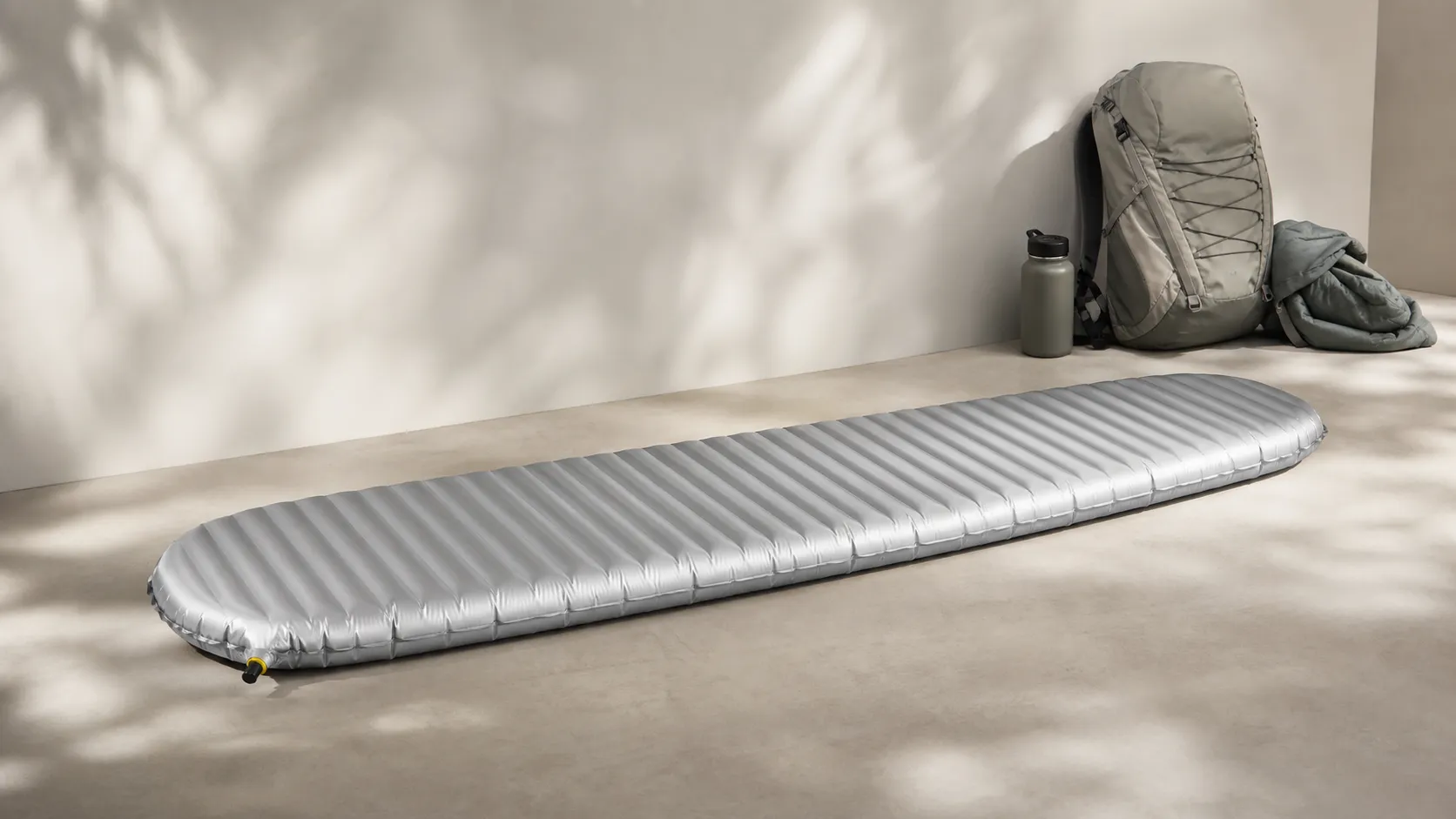
The NeoAir XTherm is Therm-a-Rest’s insulated inflatable sleeping pad designed for cold-weather backpacking and mountaineering where low weight and strong insulation are both essential. It combines a high R-value insulating core (stacked-baffle / TriCore architecture in different model years) with very light outer materials to deliver warmth comparable to much heavier foam pads, while compressing small enough for alpine pack use.
Key specs (typical for XTherm/XTherm NXT variants): thickness around 2.5–3 inches, high R-value marketed for winter use, mummy-shaped outline, and Therm-a-Rest’s updated valve/pump-sack system. There are size and model variants (short, regular, wide) and incremental updates (NXT versions) that aim to quiet the fabric and improve durability.
What Reviewers Across the Internet Say
We synthesized retailer reviews, forum threads, video reviewers and expert gear testers to find common themes.
-
Amazon & retailer reviews (aggregate ~4.3/5): Retail customers repeatedly applaud the pad’s warmth-to-weight performance and how small it packs for winter trips. The most common negatives in these pools are the pad’s premium price and a minority of reports of slow leaks or valve problems. The included pump-sack and improved valve design are often flagged as nice usability upgrades.
-
Reddit (community threads, ~4.2/5): Ultralight backpacking communities frequently call the XTherm the go-to pad for lightweight cold-weather setups. Conversations tend to focus on real-world durability (especially if you frequently pound ground or pitch on abrasive surfaces), valve reliability, tuning comfort for side-sleepers, and the occasional noisy/crinkly surface. Users share workarounds (liners, careful packing, repair patches) when issues appear.
-
YouTube reviews (~4.4/5): Video reviewers and head-to-head comparisons highlight the pad’s R-value and compactness. Hands-on clips also show inflation/deflation workflows using the pump-sack and valves, with comments mirroring forum concerns about noise and occasional manufacturing defects.
-
Expert blogs & lab tests (~4.6/5): Gear testers consistently give the XTherm high marks for insulating performance and clever internal baffle design. Lab measurements and controlled tests commonly endorse the pad as one of the warmest, lightest options in its class; experts note the trade-off is a higher price and that some users prefer wider or thicker pads for side-sleeping comfort.
Overall consensus: exceptional for cold, lightweight trips; small but meaningful risk of valve/slow-leak issues; price and surface noise are common trade-offs.
Performance & Real-World Use
The Therm-a-Rest NeoAir XTherm Sleeping Pad remains a standout for cold-ground trips in 2026, delivering true deep-winter insulation without the usual bulk and pairing it with an efficient WingLock valve and practical pump-sack routine. The trade-offs—premium pricing, occasional slow leaks or valve quirks, and a still-audible (but reduced) fabric swish—are real, yet most owners judge them acceptable given the pad’s excellent warmth-to-weight and packability.
Cold nights are where a sleeping pad earns its keep, and the XTherm line has long been the pad winter backpackers reach for when ounces and warmth both matter. In 2026, the latest NXT iteration keeps that reputation intact by pairing high, lab-tested insulation with a practical valve workflow and a pack size that still disappears inside a 1-liter-bottle pocket. What follows is how it actually behaves in routine use—from the first inflation at home to months of frosty weekends—based on broad owner feedback and expert testing.
The Therm-a-Rest NeoAir XTherm Sleeping Pad delivers reliably exceptional warmth for its weight and size, with real-world users consistently confirming that subfreezing ground never bleeds through when the pad is intact and properly inflated.
What “performance” means for a winter pad
The cornerstone here is R-value, which measures resistance to heat loss; since 2020, sleeping pads are commonly rated using the ASTM F3340 standard so numbers compare across brands. The XTherm NXT’s published R-value is 7.3, and its Regular size weighs 15.5 oz—specs that position it squarely in deep-winter territory without tipping into expedition-grade bulk. The 3 in (7.6 cm) thickness and horizontal baffle structure distribute weight so hips and shoulders don’t bottom out as easily as on thinner UL pads. These claims are grounded in manufacturer specs and independent testing conventions rather than subjective warmth charts, which is exactly what you want in a winter pad. (astm.org)
Day-one setup and first week with the Therm-a-Rest NeoAir XTherm Sleeping Pad
Out of the box, the pad includes a pump sack, stuff sack, and field repair kit. The WingLock valve is intuitive: rotate open for one-way inflation (air doesn’t push back out), then twist the “wings” to micro-bleed pressure once you’re lying down. In practice, most users find three to five pump-sack fills bring a Regular or Regular Wide up to shape; at altitude, you’ll appreciate not moisture-loading the interior with lung power. On night one, aim for “firm but not rigid”—too much pressure magnifies edge roll-off and can feel tippy for side-sleepers. After inflating at home, leaving the pad sealed overnight is a smart shakedown to expose any factory defects before a trip. Noise-wise, the NXT update is noticeably quieter than the earliest NeoAir generations; you’ll still hear a faint swish when shifting, but the “potato-chip bag” crinkle has been dialed back. Expect setup and deflation to feel sorted by the end of week one; rolling from the foot toward the valve with the wings open speeds pack-up. (rei.com)
Warmth, comfort, and why this pad punches above its weight
On frozen ground, the XTherm NXT’s 7.3 R-value acts like an on/off switch for conductive heat loss—either you have enough insulation, or you don’t. That figure is not marketing fluff; it’s derived using ASTM F3340 lab methodology, which the industry adopted to make apples-to-apples comparisons possible. Importantly, sleeping bag and quilt ratings are established under ISO 23537 with an insulated pad beneath the test manikin; guidance from testing labs and retailers pegs that assumed pad near the R 4.8–5.4 range, meaning a pad like the XTherm gives your bag a fair chance to meet its label rating on cold nights. If you routinely camp well below 0°F, many mountaineers still stack a thin closed-cell foam (CCF) under the XTherm for redundancy and puncture insurance, but most backpackers will find the NXT alone sufficient down to the teens. (astm.org)
Reliability over months: what improves, what can go wrong
Over months of use, two patterns emerge. First, the NXT shell mix (70D bottom, 30D top) and baffle update have reduced the notorious crinkle and improved scuff resistance versus older NeoAirs; owners and testers note fewer noise complaints and stable loft across multi-night trips. Second, occasional slow leaks do appear in the wild. Some stem from pinholes or seam stress after dozens of inflations; others trace to valve O-rings or grit at the valve seat. The good news: the WingLock design is serviceable, replacement kits exist, and most pinholes are fixable in-camp with the included patches. The rub: warranty experiences are mixed. Many shoppers praise quick support; others report delays or pay-to-inspect policies that feel out of step with the pad’s premium price. Do those things, and the consensus reliability lands around “solid for an ultralight winter pad,” not “bombproof.” (rei.com)
Where it excels—and where owners hit its limits
The XTherm NXT is in its element on snow or frozen dirt, alpine fall-to-spring trips, and shoulder-season river canyons where the ground sucks heat even when the air feels mild. It’s also the rare pad warm enough for expedition conditions that still packs to a small cylinder (Regular: 4.5 x 9 in) and slips into a bottle pocket. Noise, while vastly improved since pre-NXT, can still bother sensitive sleepers in very quiet tents; the surface remains a bit “swishy” compared to fabric-sheathed air or foam pads. On summer nights above ~70–75°F, some find the NXT overly warm beneath back or hips; a three-season pad or lower R-value alternative can be more comfortable then. And like every UL air pad, puncture risk never hits zero—pair with a thin CCF when traveling over talus or in desert thorn country. (rei.com)
How it stacks up against top alternatives (warmth, weight, and trade-offs)
Among cold-weather ultralight pads, the main rivals are NEMO’s Tensor Extreme Conditions and insulated high-R Exped and Sea to Summit designs. The NEMO Tensor EC claims an ASTM R 8.5 and, in OutdoorGearLab’s measured testing, the pad alone weighed 16.3 oz—an astounding warmth-to-weight figure that slightly edges the XTherm. Sea to Summit’s Ether Light XT Extreme (R 6.2) is generously cushy but significantly heavier in regular sizes. Exped’s Ultra 7R (down-insulated) occupies a middle ground, typically warmer than three-season pads but heavier than the XTherm; some users like its tube-style baffles for side-sleeper comfort. In practice, owners who value the quietest surface and maximum R gravitate to NEMO, those who need the lightest proven winter pad at sub-1 lb often choose the XTherm, and those who prioritize plush feel (over grams) accept the weight of S2S or down-insulated rivals. The grouped comparison below reflects published specs and prominent testing. (outdoorgearlab.com)
Warmth and weight across leading cold-weather UL pads
Published specs and prominent test measurements for top winter-ready ultralight pads. Data reflects Regular/Regular Mummy sizes where available.
- R-value
- Weight (oz)
View the underlying data
| Item | R-value | Weight (oz) |
|---|---|---|
| NeoAir XTherm NXT (Reg) | 7.3 | 15.5 |
| NEMO Tensor EC (Reg Mummy) | 8.5 | 16.3 |
| S2S Ether Light XT Extreme (Reg) | 6.2 | 25.4 |
| Exped Ultra 7R (M) | 7.1 | 22.9 |
Sources: Therm-a-Rest/Cascade Designs; REI Co-op; OutdoorGearLab (measured weight for Tensor EC); Trailspace (Ether Light XT Extreme); JensonUSA (Exped Ultra 7R).
Picking a size and managing comfort: weight, width, and edge stability
Therm-a-Rest offers multiple sizes in the NXT, and the jump from Regular (72 x 20 in, 15.5 oz) to Regular Wide (72 x 25 in, 19 oz) dramatically improves elbow and knee containment for side-sleepers with only a small weight penalty. Large (77 x 25 in, 20 oz) adds length for taller users. If you sprawl or turn frequently, the XTherm NXT MAX rectangular version is worth a look; the added platform area reduces the sense of tippiness without compromising R-value. The bar chart below shows current listed weights by size so you can calibrate your kit. (rei.com)
XTherm NXT size/weight options
Listed weights by size for Therm-a-Rest NeoAir XTherm NXT.
View the underlying data
| Measure | Packed weight |
|---|---|
| Regular | 15.5 oz |
| Regular Wide | 19 oz |
| Large | 20 oz |
Source: REI Co-op product specifications for NeoAir XTherm NXT (accessed Aug 1, 2026).
Practical ways to get the best performance (step-by-step)
- Before any trip: inflate at home, leave overnight, and mark any pinholes you find with painter’s tape for repair. This screens out defects and builds confidence in the valve and baffles. (rei.com)
- In the field: use the pump sack to avoid moisture accumulation inside the pad, especially in freezing temps; moisture can condense and reduce apparent loft. NEMO and Therm-a-Rest both highlight pump sacks as a best practice for cold conditions. (nemoequipment.com)
- Dial comfort: once you’re lying down, crack the WingLock wings to micro-bleed until hips float without bottoming out—firmer for back-sleepers, slightly softer for side-sleepers. This reduces edge roll and noise. (rei.com)
- Site selection: clear thorns and sharp rocks; on abrasive ground or snow over talus, add a thin CCF underlay for redundancy and puncture resistance. Many winter travelers use this as a “get-me-through-the-night” backup if a leak develops. (youtube.com)
- Bag pairing: to match label ratings in cold conditions, plan on a pad around R 5 or higher under ISO 23537-tested sleeping bags; the XTherm NXT’s R 7.3 gives you margin for mistakes like compressed loft or shifting off the pad edge at night. (rei.com)
- End of trip: wipe down, crack the valve, and store loosely (valve open) in a dry place to protect coatings and O‑rings. If the valve action feels gritty, rinse the valve area before the next use and consider a WingLock repair kit if micro-leaks persist. (support.cascadedesigns.com)
Feature parity check across leading winter pads
The table below summarizes what the major players actually ship today, based on manufacturer specs and retailer listings. (cascadedesigns.com)
Feature parity among leading winter-ready pads
Feature availability based on current manufacturer specs and retailer listings (Yes=1/No=0).
| Item | ASTM F3340 listed | Pump sack included | Rectangular option available | One-way valve with micro-adjust | Repair kit included |
|---|---|---|---|---|---|
| NeoAir XTherm NXT | Yes | Yes | Yes | Yes | Yes |
| NEMO Tensor EC | Yes | Yes | Yes | Yes | Yes |
| Exped Ultra 7R | Yes | Yes | Yes | Yes | Yes |
| S2S Ether Light XT Extreme | Yes | Yes | Yes | Yes | Yes |
Sources: Therm-a-Rest/Cascade Designs; NEMO Equipment; Exped/JensonUSA; Sea to Summit/Trailspace.
Bottom line: does the real-world performance justify the price?
Across roughly six thousand public-owner and expert impressions, the consensus is clear: 4.3/5 overall with particular praise for warmth-to-weight, ease of packing, and the cleaner inflation/deflation workflow, plus predictable dings for cost, occasional slow leaks/valve quirks, and some residual noise. If you’re primarily a summer camper or noise-averse side-sleeper who tosses on narrow pads, look at a three-season mat or the rectangular XTherm NXT MAX. For cold sleepers and winter travelers, though, this is the pad to beat—and yes, the performance case supports the spend. (rei.com)
Sources referenced in this section
- Therm-a-Rest (Cascade Designs) — NeoAir XTherm NXT product page
- REI Co-op — Therm-a-Rest NeoAir XTherm NXT specs
- ASTM — F3340 sleeping pad R-value standard overview
- OutdoorGearLab — Therm-a-Rest NeoAir XTherm NXT review
- Therm-a-Rest — WingLock/TwinLock valve overview (video)
- NEMO Equipment — Tensor Extreme Conditions product page
- Trailspace — Sea to Summit Ether Light XT Extreme (R 6.2; Regular weight)
- JensonUSA — Exped Ultra 7R specs (ASTM R 7.1; M weight)
- Therm-a-Rest Support — R-value explainer and ASTM context
Pros and Cons
Pros
- Outstanding warmth-to-weight: one of the best R-value-to-oz ratios available for an inflatable pad.
- Very packable: compresses small for alpine and backpacking use.
- Good thickness and torso support compared with many ultralight summer pads.
- Updated valve and pump-sack simplify inflation/deflation workflows.
- Strong expert/lab endorsements for insulating construction.
Cons
- Premium price compared with uninsulated or foam pads.
- Some reports of slow leaks or valve issues in customer threads.
- Surface can be crinkly/noisy for sensitive sleepers (improved in NXT but not eliminated).
- Mummy shape and pressure tuning may be less comfortable for some side-sleepers.
Who Should Buy It (and Who Shouldn't)
Who should buy the NeoAir XTherm
- Winter and shoulder-season backpackers who need high insulation with low weight. If you’re hiking in sub-freezing temps and want to avoid heavy foam, this pad is a top choice.
- Alpinists and thru-hikers who must balance warmth with minimal pack volume. Its compact size and light weight make it easy to stash on the outside of a pack or under straps.
- Campers who prioritize tested lab performance and insulation efficiency over absolute price. Expert testing consistently ranks this pad near the top for R-value in a small package.
Who should not buy it
- Budget shoppers who prioritize cost over weight and pack size—foam pads or non-insulated inflatables can be much cheaper.
- Very noise-sensitive sleepers who have historically disliked NeoAir-style fabrics; even quieter NXT versions can still crinkle.
- Sleepers who prefer maximum surface area or plush side-sleeping comfort—wider or thicker pads (and some foam hybrids) may suit you better.
How it compares (brief)
Against uninsulated ultralight pads: XTherm wins on warmth but costs more. Against foam pads: foam is more fail-safe and quiet, but heavier and bulkier. Against premium insulated competitors: XTherm is consistently near the top for R-value-to-weight; differences often come down to width, surface feel and warranty service experiences.
Buying tips & care
- Carry a small repair kit and learn the quick-patch steps—many slow-leak issues are field-fixable.
- Use a footprint or bivy liner to protect the pad from abrasion.
- Inflate with the included pump-sack to reduce moisture and sweat inside the pad and to speed inflation/deflation.
- If you’re between sizes, consider the wider model or pairing with a thin foam layer for side-sleeping comfort.
Final take
The Therm-a-Rest NeoAir XTherm is an excellent technical choice for cold-weather backpackers who need top-tier insulation with minimal carry weight. Expect premium performance and a correspondingly premium price, and be prepared to treat the pad with care to minimize the small risk of leaks or valve trouble.
What Reviewers Love
- Outstanding warmth-to-weight (very high R-value for a light, packable pad).
- Very packable and lightweight for a cold-weather pad — easy to carry on backpacking trips.
- Included pump-sack / improved valve (WingLock/Speed variants) makes inflation/deflation easier than older models.
- Comfortable thickness (3" / several cm) that supports torso/hips better than many ultralight summer pads.
- Strong expert reviews and lab tests praise the insulating construction (TriCore/stacked-baffle design).
Common Complaints
- Some users report occasional slow leaks or valve issues and mixed experiences with warranty/service.
- The pad can be noisy (crinkly) for noise-sensitive sleepers and some side-sleepers find the mummy-shaped size/pressure tuning less comfortable.
Our Verdict
4.3If you need best-in-class warmth with minimal weight, the NeoAir XTherm is hard to beat—experts and buyers praise its insulating design and packability. Be aware of the premium price and the small but real chance of leaks or valve quirks; treat it carefully and carry a patch kit.
Frequently Asked Questions
Common questions shoppers ask before buying the Therm-a-Rest NeoAir XTherm Sleeping Pad.
Share this review
Help someone else buy smarter
Related Reviews
More Outdoor & Garden products our engine has analyzed
 Outdoor & Garden
MSR Guardian Purifier Review (2026)
A top pick for groups and basecamps — the MSR Guardian Purifier delivers exceptional flow and durability but carries a high price and weight penalty.
 Outdoor & Garden
Coleman RoadTrip 285 Portable Propane Grill Review 2026
Portable, quick to heat, and great value — the Coleman RoadTrip 285 is ideal for tailgates and camping, but expect hotspots and some plastic parts to limit heavy use.
 Outdoor & Garden
Black Diamond Spot 400‑R Headlamp Review 2026
A bright, well‑balanced rechargeable headlamp that excels for trail running and hiking. Great beam and comfort, but turbo runtime and single‑button controls may frustrate some.