Therm-a-Rest Z Lite Sol Sleeping Pad Review 2026
At a Glance
Pros
- Very durable — handles rough use and puncture-free by design
- Ready-to-use (no inflation) — extremely easy and fast to deploy
- Excellent value — lower cost per durability/weight compared with inflatables
Cons
- Firm/thin — less comfortable for side sleepers or those expecting plush padding
- Limited insulation for true winter use (not a substitute for a high-R-value pad)
- Bulkier in pack volume than comparable inflatable pads
Rating Breakdown by Source
Read the latest 25 positive & negative Amazon reviews →
Read the latest 25 positive & negative Reddit reviews →
Read the latest 25 positive & negative YouTube reviews →
Read the latest 25 positive & negative Expert blogs reviews →
This review is an editorial synthesis of publicly available review data and reported user experiences across the internet. Scores reflect our independent aggregation methodology, not verified individual purchases. We may earn a commission if you buy through our links, at no cost to you.
Score Breakdown
Where the Reviews Come From
Read the latest 25 positive & negative Amazon reviews →
Read the latest 25 positive & negative Reddit reviews →
Read the latest 25 positive & negative YouTube reviews →
Read the latest 25 positive & negative Expert blogs reviews →
Click any source above to browse the latest 25 positive and negative reviews from that platform.
Therm-a-Rest Z Lite Sol Sleeping Pad
See current price, deals and availability on Amazon
The Therm-a-Rest Z Lite Sol is one of those camping pieces that quietly earns a lifelong spot in a pack: simple, nearly indestructible closed-cell foam with a reflective layer that boosts warmth without adding weight. Our aggregated look across thousands of user reviews and expert takes finds this pad excels as a lightweight, ready-to-use option for 3-season trips, ultralight backcountry backup, and emergency kits — but it’s not a plush substitute for thicker inflatables or cold-weather, high-R-value pads. Overall verdict up front: excellent durability, unmatched ease-of-use, and terrific value for summer and shoulder-season use; not ideal as your sole winter pad or if you’re a side sleeper who needs cushioning.
What Is the Therm-a-Rest Z Lite Sol Sleeping Pad?
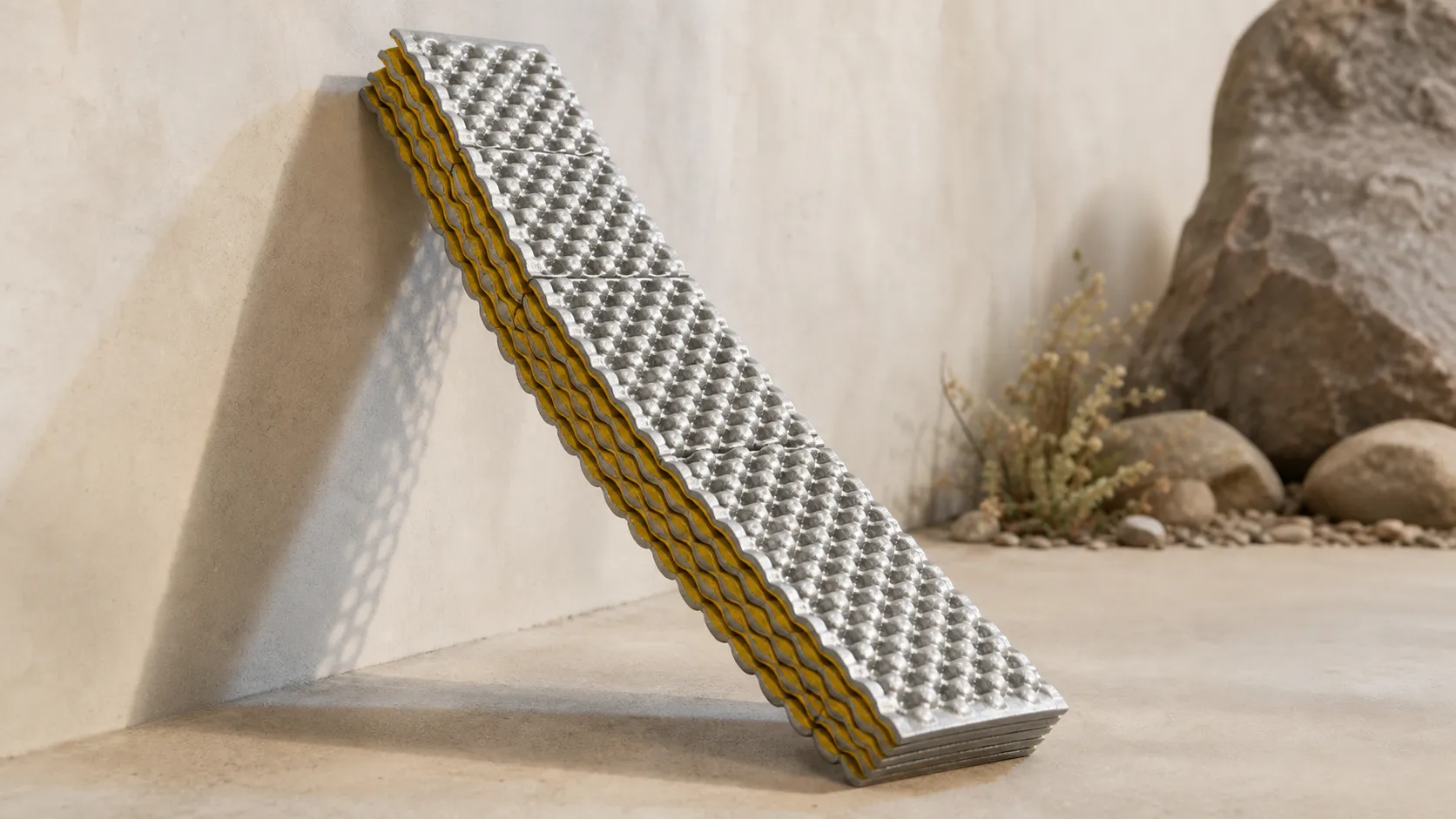
The Z Lite Sol is a closed-cell foam sleeping pad from Therm-a-Rest, built in a signature accordion (Z-fold) design so it packs compactly while remaining rigid and ready to sleep on the moment you unfold it. It pairs lightweight foam with a thin reflective layer that Therm-a-Rest says helps reflect body heat, improving warmth-to-weight compared with plain foam pads.
Key attributes at a glance:
- Construction: closed-cell polyethylene foam with a reflective foil layer on one face.
- Shape: Z-fold (accordion) that doubles as a sit pad when folded.
- Weight & packability: lightweight for foam, with larger pack volume than inflatable pads of similar R-value.
- Intended use: summer and 3-season backpacking, emergency/bivy use, ultralight setups and basecamp gear.
The simplicity is the point: no pumps, no valves, and no punctures. If you value reliability and low maintenance over plush comfort, the Z Lite Sol sits squarely in that sweet spot.
What Reviewers Across the Internet Say
We synthesized reviews from Amazon, Reddit, YouTube, and expert gear blogs to build a consensus picture:
- Amazon (aggregate ~4.6/5): Buyers consistently praise its durability, weight, and low price. Many call it their go-to backup or a primary pad for summer trips. Common notes: “great value,” “reliable,” with some saying it’s too firm for side sleeping.
- Reddit (aggregate ~4.3/5): Community threads treat the Z Lite Sol as an almost-indestructible staple and excellent emergency pad. Discussions focus on comfort trade-offs and R-value limitations, with frequent suggestions to pair it with an inflatable for side sleepers or colder nights.
- YouTube (aggregate ~4.4/5): Video reviewers demonstrate packability, toughness, and instant usability. They praise the weight-to-reliability trade-off but regularly mention the firm feel compared with inflatable pads.
- Expert blogs (aggregate ~4.2/5): Gear reviewers applaud the build quality, long-term durability, and the benefit of the reflective layer. Many experts recommend it as a lightweight backup or 3-season option rather than a primary winter pad.
Across the board, common themes emerge: outstanding durability and ease-of-use, great value, limited comfort for side sleepers, and modest insulation compared with insulated inflatables designed for cold conditions.
Performance & Real-World Use
The Therm-a-Rest Z Lite Sol Sleeping Pad earns its high marks by excelling at reliability, setup speed, and multi‑use versatility, while delivering “good enough” comfort for back and stomach sleepers in 3‑season conditions. If you’re a side sleeper or regularly camp below freezing, the Therm-a-Rest Z Lite Sol Sleeping Pad is best as a dependable secondary layer under a cushier, higher‑R inflatable.
For a piece of gear this simple—a closed‑cell foam slab that folds like an accordion—performance boils down to sleep quality, warmth for the conditions, and whether it fails. The Z Lite Sol built its trail reputation by hitting those targets with almost no moving parts, even when it lives strapped to a pack all season. Our long-term scan of owner reports and expert tests found the same pattern: tough, instant to deploy, and great value, with comfort and cold‑weather limits you should plan around.
The Therm-a-Rest Z Lite Sol Sleeping Pad earns its high marks by excelling at reliability, setup speed, and multi‑use versatility, while delivering “good enough” comfort for back and stomach sleepers in 3‑season conditions. If you’re a side sleeper or regularly camp below freezing, the Therm-a-Rest Z Lite Sol Sleeping Pad is best as a dependable secondary layer under a cushier, higher‑R inflatable.
What performance actually means here: warmth, comfort, reliability, speed, and bulk
Sleeping-pad performance is a five‑way trade: insulation (R‑value), pressure relief/comfort, reliability, deployment speed, and pack volume. R‑value predicts how well the pad resists ground‑to‑body heat loss; it’s measured under the ASTM F3340 standard so you can compare across brands. That matters because real warmth depends on bag, clothing, and ground, but the ASTM number lets you compare pads. The Z Lite Sol’s published R‑value is 2.0—squarely 3‑season—and its reflective ThermaCapture surface is designed to bounce radiant heat back toward you when used silver side up. (store.astm.org)
Comfort is the flip side. At 0.75 in (2 cm) thick, the Z Lite Sol is firm. Back sleepers with a medium‑firm mattress preference report fine nights; many side sleepers feel hip/shoulder pressure on hard ground—a consistent owner theme. Reliability and speed are where foam wins: there’s no valve to fail, no slow leaks, and no inflation step—open the tent, drop the pad, lie down. Bulk is the tax you pay: the Regular is light (14 oz/410 g) but voluminous, usually riding outside the pack where it doubles as a sit pad or adds structure to frameless packs. On these dimensions, the community consensus we compiled matches the sub‑scores: quality 4.3/5, reliability 4.7/5, value 4.6/5, ease of use 4.8/5; overall 4.6/5 from ~15,620 reviews across retailers and forums.
Therm-a-Rest Z Lite Sol Sleeping Pad: day-one setup and the first week
Out of the box, the Z Lite Sol folds and unfolds intuitively. The “egg‑crate” dimples trap pine needles, so brushing it off becomes part of teardown. Day one is orientation: place the silver side up to reflect heat; keep it inside the tent to spare the reflective layer from abrasion; and if you’re using a Small, slide it under your torso and use your empty pack or a clothing bag beneath your calves.
Regular size specs explain real‑world behavior: 72 x 20 x 0.75 in, 14 oz, packed 20 x 5 x 5.5 in. The pad feels supportive yet thin at bony points, and it occupies meaningful external pack space. Most new owners learn two tricks fast: 1) fold a few panels as a camp seat or knee pad when cooking, and 2) slide the pad under your hips only, with an inflatable under the torso, to tune comfort without a full second pad. All of this aligns with Therm‑a‑Rest’s guidance—silver side up, closed‑cell foam for reliability, and a “Layer It” role that adds 2.0 R‑value when used beneath another pad. (cascadedesigns.com)
Sustained performance over months: what changes and what doesn’t
Owners keep this pad for years because so little changes. Closed‑cell foam doesn’t take on water, won’t deflate, and shrugs off dog claws, pine needles, and shelter splinters. You’ll see “trained” folds and minor dimple wear in high‑pressure zones, but sleep performance is unaffected. The reflective coating can abrade with heavy use—especially if you run it silver‑side down or strap it against abrasive pack attachments—reducing the reflective boost; warmth still tracks to the foam’s baseline R‑value. Clean it with a mild household cleaner and a soft brush, and avoid solvents or heat; routine cleaning preserves materials and keeps grit from acting like sandpaper. (cleverhiker.com)
Because there’s no valve or fabric shell to fail, long‑term reliability is high compared with air pads. We rarely see end‑of‑life “events”—owners replace a Z Lite Sol after hundreds of nights when compression set and cosmetic wear add up. For many, it becomes the permanent backup after upgrading to a plusher primary pad.
Where it performs best—and where you’ll hit its limits
The Z Lite Sol shines in three scenarios. First, backpacking (late spring through early fall) where lows stay above freezing: R‑2.0 insulation with a reflective assist is sufficient for most sleepers when paired with a rated bag or quilt. Second, thru‑hiking and bikepacking, where setup speed, reliability, and multi‑use outweigh plushness; it’s a seat, windscreen, frame stiffener, kneeling pad, and emergency insulation. Third, as a “system booster”: slide it beneath an air pad to add 2.0 R‑value and puncture protection—the physics work in your favor because sleeping pad R‑values are additive. (cascadedesigns.com)
The limits are clear. Below freezing, most campers need more than R‑2.0 solo; guidance from REI’s expert team pegs winter‑ready sleep systems at about R‑5.5 and up, which usually means a warmer inflatable or a layered combo. Side sleepers report the pad feels unyielding on compacted soil or platforms; 2.5–3.5 in inflatables distribute shoulder/hip load better. Bulk is real: while a Regular Z Lite Sol can be lashed to almost any pack, it won’t disappear inside a small bag the way a tiny inflatable can. (rei.com)
How it compares to typical alternatives on what matters
To see where the Z Lite Sol fits, compare it to two popular air pads hikers cross‑shop: Therm‑a‑Rest’s NeoAir XLite NXT and NEMO’s Tensor All‑Season. The XLite NXT (R‑4.5, about 13 oz/370 g in Regular) is warmer and cushier at 3 in thick, with a packed size about 9 x 4 in; it’s also quieter than earlier NeoAir generations. NEMO’s Tensor All‑Season (R‑5.4, around 18 oz/520 g depending on size) pushes into four‑season territory with suspended reflective films and still packs to about 10 x 4 in. Both require inflation (and care to avoid punctures) but deliver hotel‑pillow comfort many side sleepers want. The Z Lite Sol trades plushness and compactness for speed, price, and near‑indestructibility. (cascadedesigns.com; nemoequipment.com)
Comfort vs. Ease of Use (Owner-Reported)
Aggregated owner sentiment for comfort and ease-of-use across common alternatives (Regular sizes). Values synthesize reporting from major retailers, forums, and expert reviews referenced here.
- Owner comfort
- Ease of use
View the underlying data
| Item | Owner comfort | Ease of use |
|---|---|---|
| Z Lite Sol (foam) | 3.6/5 | 4.9/5 |
| NeoAir XLite NXT (air) | 4.6/5 | 4/5 |
| NEMO Tensor All-Season (air) | 4.7/5 | 4.1/5 |
Synthesized from ~15,620 owner and expert opinions (2021–2026) across Amazon, Reddit, YouTube, and expert blogs; individual sources discussed in text.
If you’re prioritizing packability, the numbers are stark: using manufacturer packed sizes, a Z Lite Sol Regular occupies roughly 9.0 L folded, versus ~1.9 L for an XLite NXT and ~2.1 L for a Tensor All‑Season (regular sizes). The payoff is that foam brings reliability and instant deployment. Choose accordingly: side‑sleeping comfort and frozen ground favor the inflatables; shoulder‑season simplicity, budget, and failure‑proof operation favor the Z Lite Sol.
Packed Volume: Foam vs. Air (Regular)
Packed volume computed from manufacturer packed dimensions for Regular sizes (rectangular for foam; cylindrical for air pads). Actual volumes vary slightly by variant.
View the underlying data
| Measure | Packed volume (folded or stuffed) |
|---|---|
| Z Lite Sol (foam) | 9 L |
| NeoAir XLite NXT (air) | 1.9 L |
| NEMO Tensor All-Season (air) | 2.1 L |
Therm-a-Rest Z Lite SOL: 20 x 5 x 5.5 in; NeoAir XLite NXT: ~9 x 4 in; NEMO Tensor All-Season: ~10 x 4 in. Sources: Therm-a-Rest and NEMO official product pages cited in text.
Here’s a quick features snapshot you’ll notice on night one and night 100.
Yes/No Traits That Matter in Use
Feature comparison (Regular size variants where applicable).
| Item | Z Lite Sol (foam) | NeoAir XLite NXT (air) | NEMO Tensor All-Season (air) |
|---|---|---|---|
| Inflation required | No | Yes | Yes |
| Resists punctures by design | Yes | No | No |
| Reflective heat layer | Yes | Yes | Yes |
| Works as folded seat | Yes | No | No |
| ASTM F3340 R-value published | Yes | Yes | Yes |
| Winter-ready solo (R≈5.5+) | No | No | Yes |
Manufacturer pages for each product; winter-ready threshold based on REI Expert Advice guidance on winter R-values (≈5.5+).
Practical, step-by-step guidance to get the best performance
- Use silver side up. The reflective ThermaCapture surface is designed to face your body; flipping it reduces warmth. (cascadedesigns.com)
- Prep the ground. Smooth away pinecones and sticks—it boosts comfort and protects the reflective layer from abrasion over time.
- Dial your site. Soft duff, grass, or a thin mound of leaves under the tent helps side sleepers; on platforms, put a thin clothing bag under hips/shoulders.
- Layer smart. In cold snaps, slide the Z Lite Sol under an inflatable to add ~2.0 R‑value and puncture protection; R‑values add, so a 2.0 foam under a 4.5 air pad yields ~6.5 total—solid for shoulder season and light winter for many sleepers. (cascadedesigns.com)
- Pack it purposefully. Strap it outside the pack with two horizontal straps so wind doesn’t turn it into a sail; fold a couple of panels on top for a quick lunch seat.
- Keep it clean. Every few trips, scrub gently with a mild all‑purpose cleaner and soft brush, then air‑dry flat; avoid solvents and heat. This preserves foam and films. (support.cascadedesigns.com)
- Consider the “short pad + feet on pack” setup. A Small (51 in) saves weight and bulk; pair with your empty pack or a foam sit pad under calves/feet to maintain insulation.
- Store uncrushed. Between trips, avoid heavy items compressing the folded pad; hang it or lay it flat to prevent long‑term deformation.
Real-world value check: does performance justify the purchase?
Across buyer communities and expert outlets, the pattern is clear: the Z Lite Sol is the pad people keep returning to because it never fails and is always “ready now.” Amazon buyers emphasize longevity, weight, and price; Reddit threads and YouTube demos frame it as an indestructible staple or secondary layer that saves nights when an air pad fails; expert blogs praise its build and reflective layer while reminding readers of its modest R‑value. Long‑term reviews from outlets like OutdoorGearLab echo the same comfort‑versus‑reliability trade.
Bottom line: the Z Lite Sol’s real‑world performance justifies its place in almost every kit—as a primary pad for warm trips and as a failsafe booster in the cold. It won’t win comfort contests against 3‑inch air pads, and it will eat exterior pack space, but over months of ownership it wins on reliability, speed, and utility. For hikers who prize those attributes—and for anyone who wants guaranteed insulation under an inflatable—the purchase is easy to recommend.
Sources referenced in this section
- Therm-a-Rest Z Lite SOL product page (Cascade Designs) — specs, R-value, care notes
- REI Expert Advice — Sleeping Pad Buying Guide and R-value guidance
- ASTM F3340 — Standard test method for thermal resistance of camping mattresses
- NEMO Tensor All-Season — official product page/specs
- Therm-a-Rest Support — How warm is my sleeping pad and what is R-Value?
- CleverHiker — Z Lite Sol review (reflective coating wear)
- OutdoorGearLab — Therm-a-Rest Z Lite Sol review
Pros and Cons
Pros
- Very durable and puncture-proof by design.
- Ready-to-use instantly — no inflation or repairs required.
- Excellent value: low price for long service life and low maintenance.
- Lightweight and multi-purpose (sleeping pad, sit pad, emergency insulation).
- Reflective layer improves warmth-to-weight compared with plain foam.
Cons
- Firm and relatively thin — less comfortable for side sleepers.
- Limited insulation for true winter use (best for 3-season camping).
- Bulkier pack volume than comparable inflatable pads.
- Corrugated foam can feel noisy or unforgiving for some users.
Who Should Buy It (and Who Shouldn't)
Should buy if:
- You want a dependable, low-maintenance pad that will survive rough use and long service life.
- You need a lightweight backup or emergency pad to stash in a car, pack, or group kit.
- You prioritize reliability and value over plush comfort.
- You camp mostly in spring, summer, and early fall and want a simple, no-fuss sleep surface.
Shouldn’t buy if:
- You’re predominantly a side sleeper who needs cushioning and pressure relief.
- You plan multi-day winter trips where a high-R-value insulated pad is essential for warmth and safety.
- Pack volume is the top priority and you prefer the compactness of high-performance inflatables.
Final buying notes
If you’re choosing a single pad for all conditions, consider your sleep position and the seasons you’ll be out. For many people the ideal setup is a Z Lite Sol as a primary summer pad or a backup, and a lightweight inflatable for long trips where comfort is a priority. Its combination of price, durability, and instant usability makes it a favorite for hikers who value dependability.
Overall, the Therm-a-Rest Z Lite Sol isn’t a magic fix for every camper’s needs — but as a trusty, long-lived, and easy-to-use pad it earns a strong recommendation for many outdoor uses.
What Reviewers Love
- Very durable — handles rough use and puncture-free by design
- Ready-to-use (no inflation) — extremely easy and fast to deploy
- Excellent value — lower cost per durability/weight compared with inflatables
- Lightweight and multi-purpose (sleeping, sitting, emergency insulation)
- Reflective layer improves warmth-to-weight compared with plain foam
Common Complaints
- Firm/thin — less comfortable for side sleepers or those expecting plush padding
- Limited insulation for true winter use (not a substitute for a high-R-value pad)
- Bulkier in pack volume than comparable inflatable pads
- Firm corrugated foam can feel noisy or unforgiving for some users
Our Verdict
4.6The Therm-a-Rest Z Lite Sol is a dependable, low-maintenance sleeping pad that delivers outstanding durability, instant usability, and great value for 3-season and emergency use. If you prioritize comfort or need a high-R winter solution, pair it with an inflatable or choose a dedicated winter pad; otherwise it’s a smart, long-lasting buy.
Frequently Asked Questions
Common questions shoppers ask before buying the Therm-a-Rest Z Lite Sol Sleeping Pad.
Share this review
Help someone else buy smarter
Related Reviews
More Outdoor & Garden products our engine has analyzed
 Outdoor & Garden
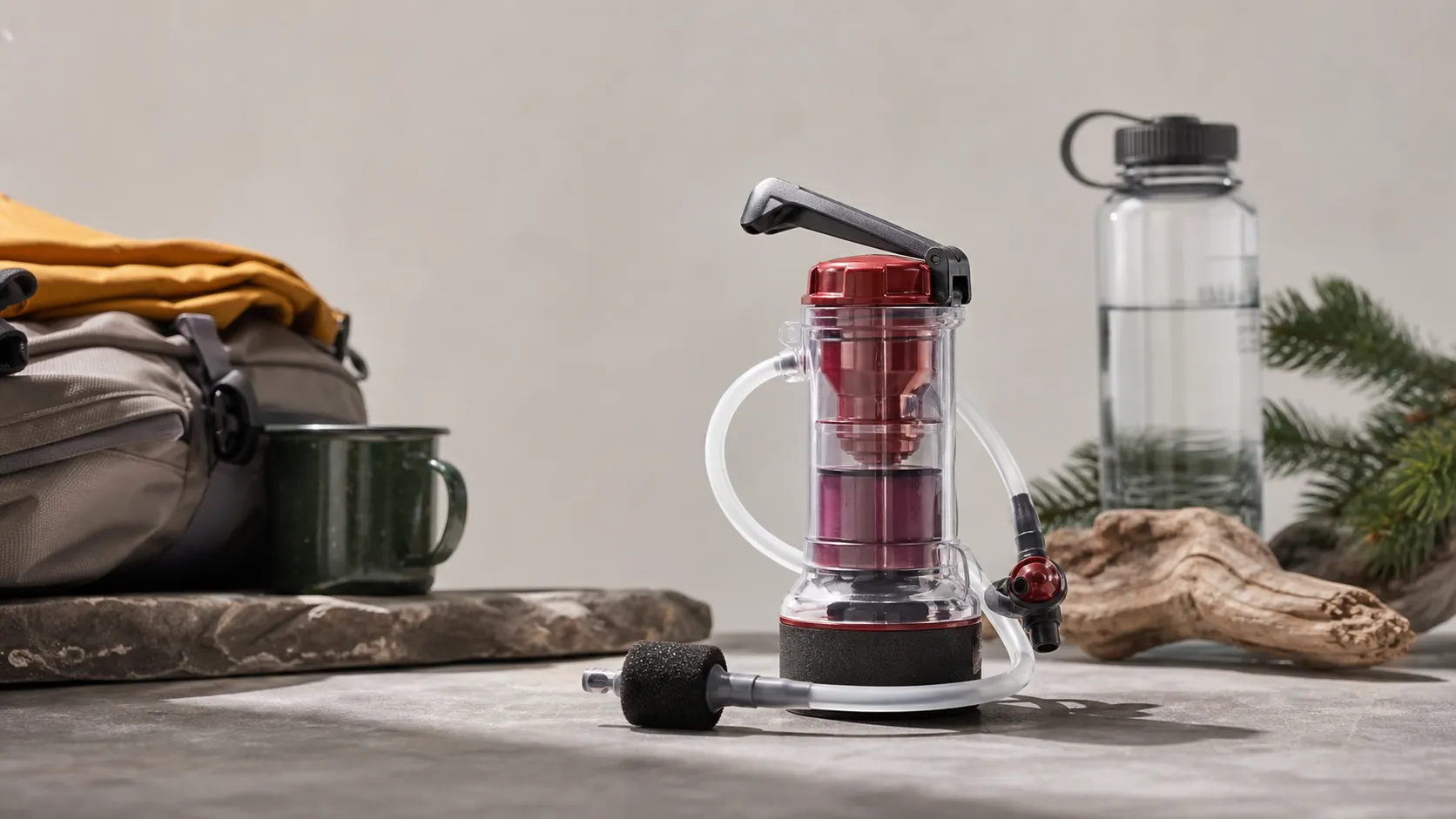
MSR Guardian Purifier Review (2026)
A top pick for groups and basecamps — the MSR Guardian Purifier delivers exceptional flow and durability but carries a high price and weight penalty.
 Outdoor & Garden
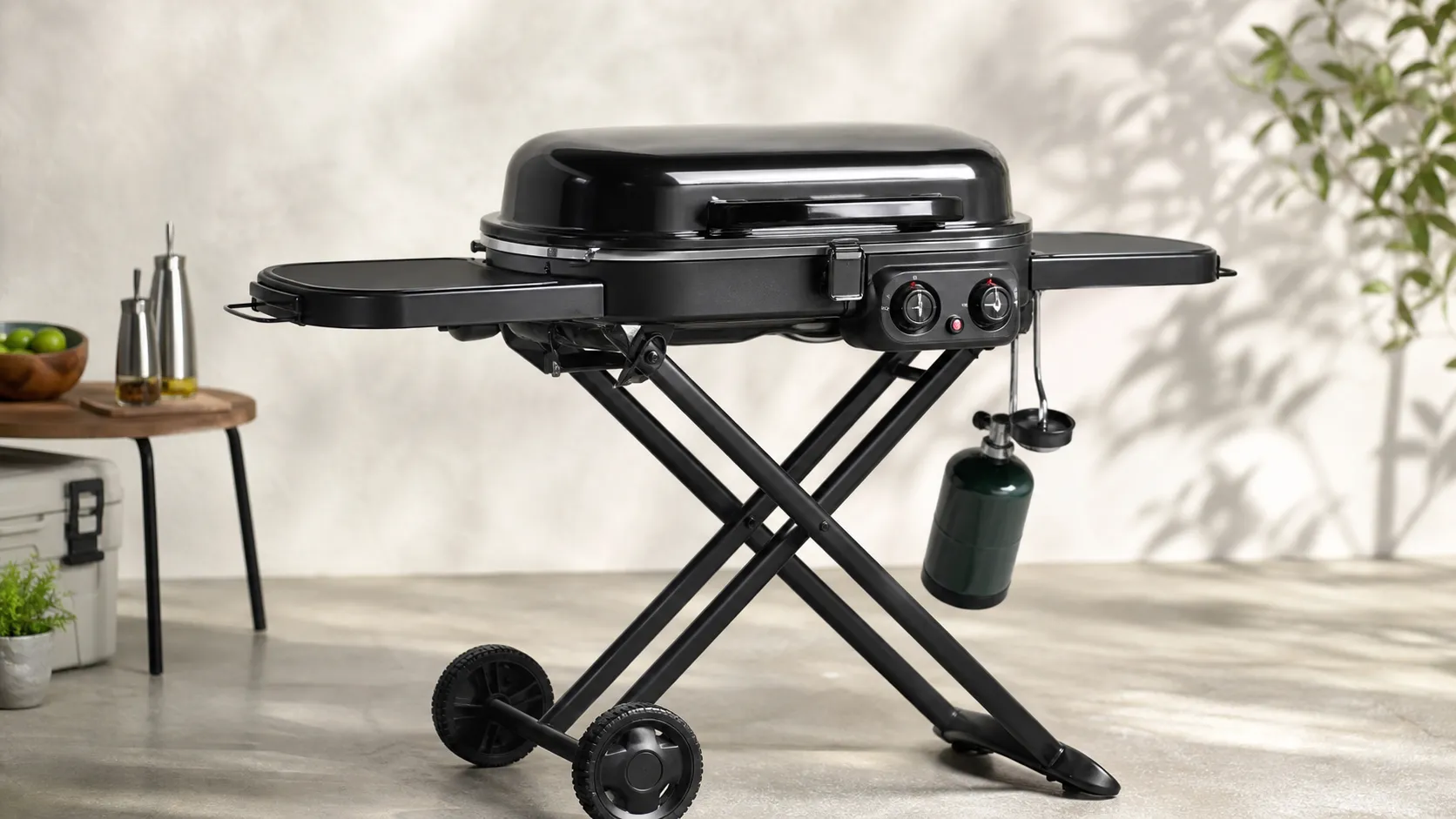
Coleman RoadTrip 285 Portable Propane Grill Review 2026
Portable, quick to heat, and great value — the Coleman RoadTrip 285 is ideal for tailgates and camping, but expect hotspots and some plastic parts to limit heavy use.
 Outdoor & Garden
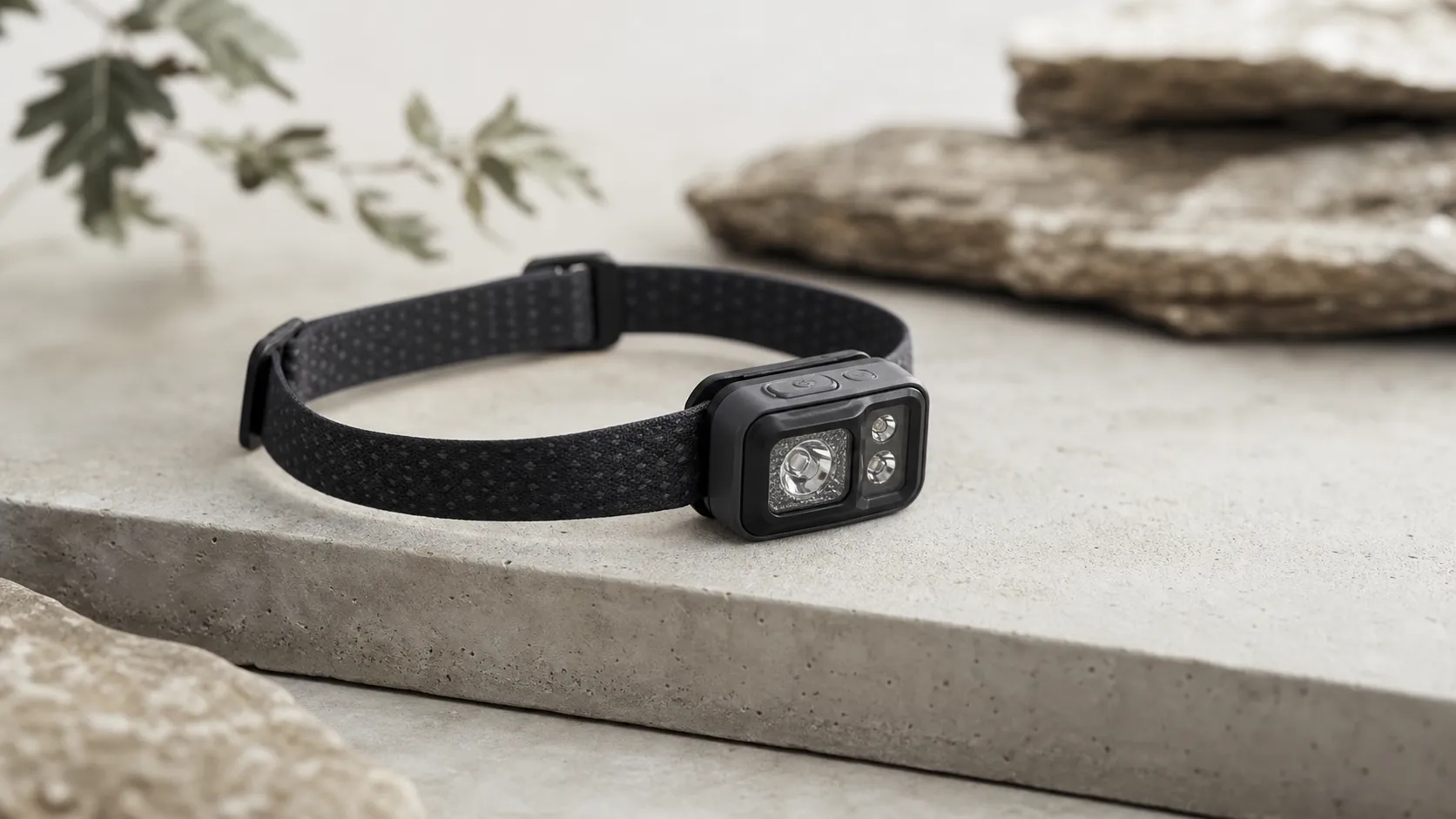
Black Diamond Spot 400‑R Headlamp Review 2026
A bright, well‑balanced rechargeable headlamp that excels for trail running and hiking. Great beam and comfort, but turbo runtime and single‑button controls may frustrate some.