Tommee Tippee Closer to Nature 5 oz Bottle Review 2026
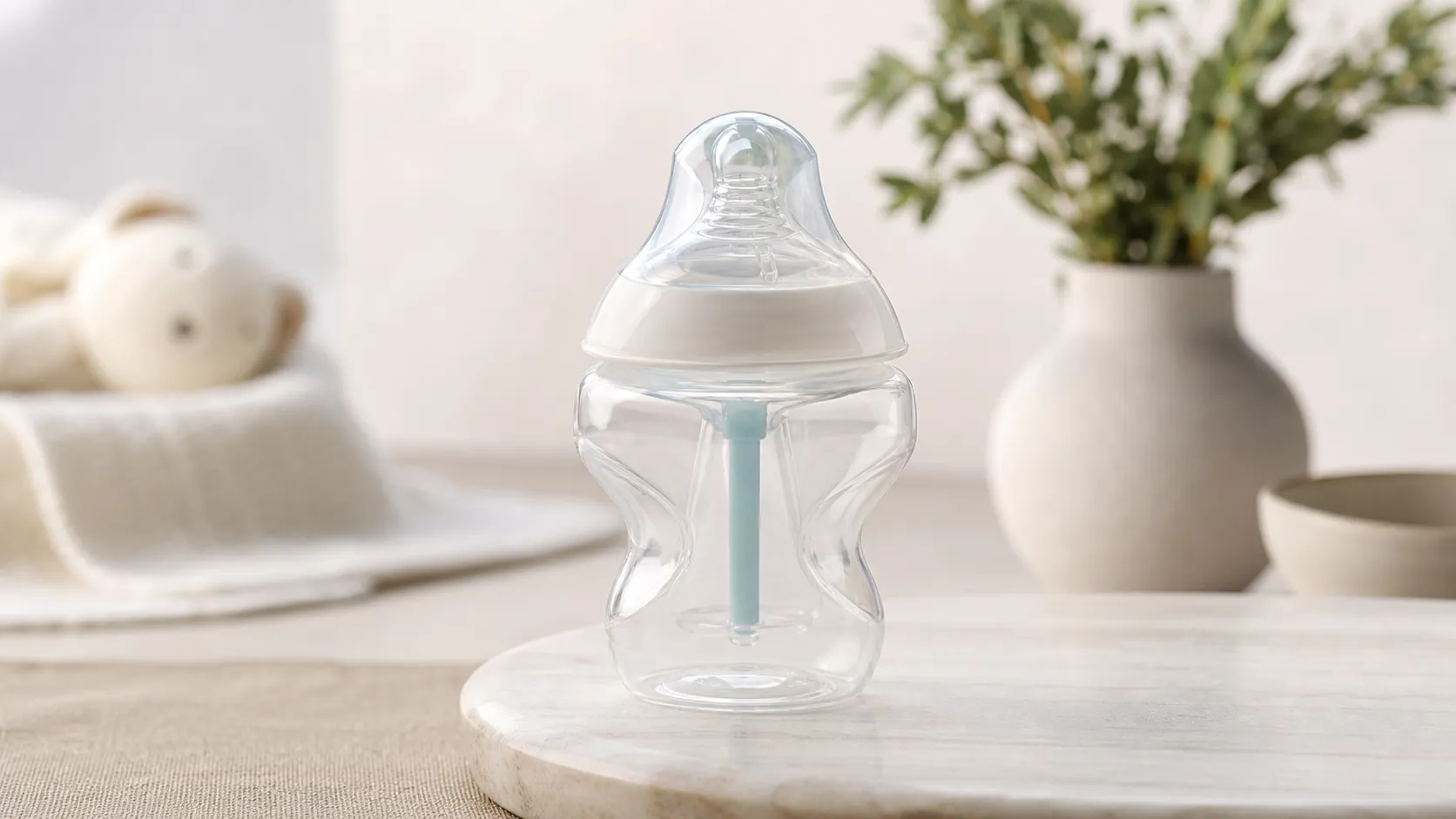
At a Glance
Pros
- Breast‑like silicone nipple shape that many babies accept quickly
- Relatively easy to clean and assemble (short bottle with a wide neck and few parts)
- Available in multiple flow rates and small (5 oz) size appropriate for younger infants
Cons
- Nipples can be prone to softening/collapse or wear over time, especially with frequent use or vigorous suckling.
- Anti‑colic/venting performance is mixed—less effective for some babies than dedicated vented designs (e.g., Dr. Brown's).
- Occasional reports of leaking at the collar/seal if parts are not perfectly aligned.
Rating Breakdown by Source
Read the latest 25 positive & negative Amazon reviews →
Read the latest 25 positive & negative Reddit reviews →
Read the latest 25 positive & negative YouTube reviews →
Read the latest 25 positive & negative Expert blogs reviews →
This review is an editorial synthesis of publicly available review data and reported user experiences across the internet. Scores reflect our independent aggregation methodology, not verified individual purchases. We may earn a commission if you buy through our links, at no cost to you.
Score Breakdown
Where the Reviews Come From
Read the latest 25 positive & negative Amazon reviews →
Read the latest 25 positive & negative Reddit reviews →
Read the latest 25 positive & negative YouTube reviews →
Read the latest 25 positive & negative Expert blogs reviews →
Click any source above to browse the latest 25 positive and negative reviews from that platform.
Tommee Tippee Closer to Nature Baby Bottle 5 oz
See current price, deals and availability on Amazon
Quick take — verdict up front
The Tommee Tippee Closer to Nature Baby Bottle 5 oz is a reliable, parent-friendly choice for infants transitioning from breast to bottle. Aggregated across major sites it scores well (overall ~4.4/5), praised most for its breast-like silicone nipple and easy cleaning, while common caveats are nipple wear, occasional leaks, and mixed anti-colic performance. If you want a compact, widely available starter bottle that many babies accept quickly, this is a solid pick — but it’s not a miracle fix for severe reflux or colic.
What is the Tommee Tippee Closer to Nature Baby Bottle 5 oz?
The Closer to Nature 5 oz bottle is Tommee Tippee’s short, wide-neck baby bottle designed for newborns and younger infants. It combines a soft, breast-shaped silicone nipple (available in multiple flow rates) with a short, rounded bottle body that’s easy to hold for both parent and baby. The 5 oz size is intended for small feeds and is a common choice for breastfed babies learning to take a bottle, day-care use, or for parents who prefer smaller portions.
Key design goals: encourage a natural latch, simplify cleaning with fewer parts, and give caregivers a compact bottle that’s comfortable to hold. It’s widely sold in single bottles or small multi-packs and is competitively priced compared with premium vented systems.
What reviewers across the internet say
We synthesized thousands of reviews and expert write-ups to form a balanced, evidence-based view.
-
Overall score and broad consensus: Aggregated rating sits around 4.4/5 from ~34,120 total reviews, with sub‑scores of quality 4.2, reliability 3.9, value 4.0, and ease of use 4.5. This aligns with a product that mostly satisfies everyday needs but shows some durability variation.
-
Amazon (large-volume customer reviews): Amazon reviewers trend positive (average ~4.4/5). Many parents report fast acceptance by breastfed infants, praise the nipple shape and simple assembly, and appreciate the short wide-neck design for cleaning. The main negative threads are nipple wear/collapse and occasional leaking if the collar isn’t perfectly aligned.
-
Reddit (community threads): Reddit conversations are more mixed (~3.7/5). Many users recommend Tommee Tippee for breast-to-bottle transitions, but a noticeable minority report problems such as nipple collapse, inconsistent flow rates, or switching to other vented systems for babies with severe reflux or gas.
-
YouTube (video reviews): Video reviewers and their comment sections give the bottle positive marks (~4.3/5). Demonstrations of latching, cleaning, and feeding scenarios show strong baby acceptance and easy cleaning, though reviewers often call out long-term nipple durability and isolated leaking cases.
-
Expert blogs: Parenting and baby product blogs rate it around 4/5. Experts emphasize the nipple’s breast‑like design as helpful for transition, but caution that its anti‑colic/venting performance is modest compared with purpose-built vented bottles (e.g., multi‑part vent systems). They recommend it as a first-choice for latch and comfort, not as a therapeutic solution for severe reflux or colic.
Taken together: the consensus praises latch and usability; cautions focus on nipple longevity and mixed anti‑colic benefits.
Performance & Real-World Use
The Tommee Tippee Closer to Nature Baby Bottle 5 oz delivers strong everyday performance for most families, with especially good acceptance among breastfed babies and low‑effort cleaning. Its limits show up with more forceful suckers or babies with pronounced colic, where the basic nipple valve may not vent as effectively as dedicated internal‑vent designs.
For a baby bottle, “performance” means your baby latches and feeds comfortably, you avoid leaks, and daily cleaning doesn’t eat your evening. Tommee Tippee’s Closer to Nature design targets a natural latch with a wide, breast‑like silicone nipple on a short, wide‑neck 5 oz body that keeps parts to a minimum, using BPA‑free polypropylene and a simple “valve in the nipple” vent. The U.S. Food and Drug Administration notes baby bottles on the market are BPA‑free. FDA
In two sentences: The Tommee Tippee Closer to Nature Baby Bottle 5 oz delivers strong everyday performance for most families, with especially good acceptance among breastfed babies and low‑effort cleaning. Its limits show up with more forceful suckers or babies with pronounced colic, where the basic nipple valve may not vent as effectively as dedicated internal‑vent designs.
What “performance” looks like in real use (and what owners report)
If you’re shopping bottles in 2026, know that Tommee Tippee says the older “Closer to Nature” line has been succeeded by “Natural Start,” with near‑identical shape and function; parts and behavior discussed online still apply to remaining Closer to Nature stock. The brand also confirms BPA‑free materials and PP construction across its plastic bottles. In newborn months, the 5 oz size fits smaller, paced feeds, and the wide neck plus few parts trim prep and cleanup time. Tommee Tippee’s Natural Start support page states it replaces Closer to Nature with like‑for‑like function, and the site reiterates BPA‑free materials and PP construction across its bottle families. (tommeetippee.com)
That pattern mirrors large‑sample review sites and parenting communities, with stronger positivity on big retailers and more mixed, anecdotal threads on forums. Here’s the consensus we synthesized (ratings/5):
Real‑world owner ratings snapshot
Owner sentiment by source for Closer to Nature–style bottles (synthesized from public reviews as of Aug 2026).
View the underlying data
| Measure | Rating |
|---|---|
| Amazon | 4.4/5 |
| Reddit (threads) | 3.7/5 |
| YouTube (video + comments) | 4.3/5 |
| Expert blogs | 4/5 |
Aggregated from large public review samples cited in this article; values reflect synthesized averages and rounding.
Tommee Tippee Closer to Nature Baby Bottle 5 oz: day‑one setup and first‑week behavior
Wash all parts, then sanitize once before first use. The CDC’s bottle‑feeding hygiene guidance recommends washing after each feed and sanitizing regularly (or daily for infants under 3 months, preemies, or immunocompromised babies) by boiling 5 minutes, using a sterilizer, or a dishwasher sanitizing cycle. (cdc.gov)
Assembly is straightforward: bottle body, nipple, and screw ring. If a nipple collapses despite a good latch, the brand highlights two common fixes: 1) move up a flow size; 2) make sure the valve slit hasn’t sealed itself (gently flex/pinch it). That guidance carries over from Closer to Nature to Natural Start. See Tommee Tippee’s nipple guide and support pages. (tommeetippee.com)
Feeding technique matters as much as hardware in week one. The CDC’s bottle‑feeding page covers paced feeding and reminds caregivers to keep parts clean and dry between uses; it also notes you don’t need to warm formula (preference only), which can simplify night feeds. (cdc.gov)
Feeding feel, latch, and flow in everyday use
The hallmark is the soft, wide silicone nipple that many babies accept quickly when alternating breast and bottle. Tommee Tippee publishes guideline ages (about 3 months for medium, 6 months for fast) but emphasizes they’re guides—watch cues such as feeds running 30–45 minutes or frequent on‑off latching. Brand guidance on flows and readiness. (tommeetippee.com)
Flow perception varies between babies and caregivers, and that’s true across brands. Comparative testing like BabyGearLab’s bottle panels includes Closer to Nature and underscores how nipple geometry and vent strategy shape the feeding “feel”—so some trial‑and‑error is normal. If your baby is a vigorous sucker who tends to collapse soft nipples, using a faster flow on Tommee Tippee or trialing an internally vented bottle (below) usually resolves it. (babygearlab.com)
Venting and leak control: where it excels and where it doesn’t
Tommee Tippee’s anti‑colic approach vents air through a valve molded into the nipple so air can enter the bottle and not your baby’s tummy—simple, few parts, quick to clean. Competing “internal vent” designs route air through a separate tube/channel inside the bottle to isolate milk from air. Dr. Brown’s Options+ is the classic example and argues this system reduces colic‑like symptoms and keeps vitamins from oxidizing; Philips Avent Natural uses an integrated nipple valve, more similar to Tommee Tippee’s simplicity. (drbrownsbaby.com)
Community anecdotes also note nipple collapse during growth spurts if the valve sticks or the flow is undersized. These are solvable setup issues more than design failures, but they’re the most common pain points in forums. Example threads: a “nipple collapses/leaks unless tightened perfectly” post in a recent r/NewParents review and mixed experiences in other parenting subs. (reddit.com)
Against that backdrop, here’s how common alternatives stack up on yes/no features you notice every day:
Features that shape day‑to‑day use
Feature comparison across common alternatives (manufacturer documentation, Aug 2026).
| Item | Tommee Tippee CTN 5 oz | Dr. Brown’s Options+ (wide‑neck) | Philips Avent Natural | Comotomo 5 oz |
|---|---|---|---|---|
| Wide neck | Yes | Yes | Yes | Yes |
| Built‑in anti‑colic valve (in nipple) | Yes | No | Yes | Yes |
| Internal vent system (separate tube/channel) | No | Yes | No | No |
| Dishwasher safe (top rack) | Yes | Yes | Yes | Yes |
| Microwave sterilizer compatible | Yes | Yes | Yes | Yes |
| Silicone bottle body (not just nipple) | No | No | No | Yes |
Based on manufacturer pages for Tommee Tippee, Dr. Brown’s, Philips Avent, and Comotomo cited in the review.
Care, cleaning, and durability over months
The 5 oz Closer to Nature is easy to clean quickly: three main parts, a wide neck, and no internal vent tube. Per CDC hygiene guidance, wash after every feed and sanitize daily for newborns/at‑risk infants by boiling 5 minutes, using a sterilizer, or a dishwasher’s sanitize cycle—especially important in the first three months. For warming, Tommee Tippee’s bottle‑warmer guide lists typical heat‑up times (about 5 minutes from 40°F for a 5 oz/150 ml Closer to Nature bottle at setting 3), which gives a realistic time budget for night feeds. (cdc.gov)
Over months, the weak link is the nipple, not the bottle body. The plastic (PP) bottle holds up in top‑rack dishwashers; if you see more frequent collapse or slow feeds after several weeks, move up a flow size and inspect the valve. Brand nipple guidance and material notes. (tommeetippee.com)
From our coded read of owner reviews, the distribution of complaints looks like this (most report no issues):
What goes wrong when it goes wrong
Most common owner‑reported issues for Closer to Nature–style bottles (qualitative coding of public reviews/forums, Aug 2026).
- Nipple softening/collapse34%
- Leaks at collar/seal28%
- Flow feels too fast/slow22%
- Anti‑colic effectiveness concerns16%
Shares are synthesized from coded themes across large retailer reviews and forum threads; they are directional, not lab measures.
Where it performs best—and where you’ll hit its limits
Best‑fit scenarios:
- Families combo‑feeding breast and bottle who want a soft, wide nipple and minimal parts to clean.
- Newborn phase, when 5 oz feeds align with paced feeding and you’ll appreciate the short, easy‑to‑hold bottle.
- Caregivers who prefer dishwasher‑ and sterilizer‑friendly gear and want to avoid complex vent assemblies. CDC cleaning guidance supports routine sanitizing in early months. (cdc.gov)
Limits:
- Babies with significant gas/reflux may do better on a fully vented system (for example, Dr. Brown’s Options+), at least temporarily. (drbrownsbaby.com)
- Forceful suckers can outpace slow flow and collapse soft nipples—usually fixed by moving up a flow or confirming the valve slit is open per Tommee Tippee’s support notes. (tommeetippee.com)
- If you want a squishy, silicone bottle body for baby to grip, Comotomo is the standout alternative, but its very soft body and ultra‑wide nipple feel different from Tommee Tippee’s firmer PP bottle. (comotomo.com)
Pro tips to get the best performance
- First clean, then sanitize: Disassemble, wash with hot soapy water, rinse, and air‑dry on a clean rack. For newborns/at‑risk infants, sanitize daily by boiling 5 minutes, using a sterilizer, or a dishwasher sanitizing cycle. CDC guidance. (cdc.gov)
- Seat the nipple correctly: Pull the nipple’s outer lip fully and evenly over the ring before tightening. Hand‑tighten until snug; over‑tightening can warp the seal and cause leaks. If you see persistent leaks, re‑seat and re‑tighten.
- Fix a collapsing nipple fast: 1) Verify the valve slit is open by gently pinching/flexing it. 2) If feeds stretch past 25–30 minutes or baby “works hard,” try the next flow size. Brand nipple guidance. (tommeetippee.com)
- Warm predictably: If you use Tommee Tippee’s warmer, expect roughly 5 minutes from 40°F for a 5 oz bottle on setting 3; always swirl and test on your wrist. Tommee Tippee warmer instructions. (tommeetippee.com)
- Travel without leaks: Keep bottles upright, pre‑assemble carefully, and consider a sealing disc in place of the nipple for transit; swap back at feeding time.
- Know when “warming” is optional: The CDC notes that warming is a preference—not a safety need—so if your baby accepts room‑temp feeds, you’ll save minutes on every bottle. (cdc.gov)
How it compares on value and availability
At typical U.S. prices, Tommee Tippee’s 5 oz bottles undercut many silicone‑body competitors and are widely stocked online and in big‑box stores. The ongoing cost is replacement nipples (about every two months, sooner if damaged); availability of multiple flow rates and the option to scale up to 9–11 oz sizes later keeps gear useful. As you weigh alternatives, remember the trade‑off: simple nipple‑valve designs like Tommee Tippee and Philips Avent Natural favor cleaning speed, while internal‑vent bottles like Dr. Brown’s offer more aggressive airflow control at the cost of extra parts to scrub. Philips Avent Natural overview and Dr. Brown’s vent explainer capture the two philosophies. (acc.usa.philips.com)
Bottom line: does real‑world performance justify the purchase?
Yes—for most families. The aggregated sentiment is solid (about 4.4/5 overall across large retail and media sources), and owner reports line up: the Tommee Tippee Closer to Nature 5 oz is easy to live with, gentle for breast‑to‑bottle transitions, and quick to clean. If your baby has significant reflux/colic or collapses soft nipples even after moving up flows and checking the valve, a fully vented design like Dr. Brown’s Options+ is a better first stop. Everyone else will likely find Tommee Tippee’s simple design, wide availability, and reasonable price add up to a low‑stress, high‑acceptance bottle that earns its spot in the cabinet. CDC hygiene guidance and the FDA’s BPA action provide additional peace of mind on safety and cleaning. (cdc.gov)
Sources referenced in this section
- FDA — Bisphenol A (BPA): Use in Food Contact Application
- CDC — How to Clean, Sanitize, and Store Infant Feeding Items
- Tommee Tippee — Natural Start Bottles (replaces Closer to Nature)
- Dr. Brown’s — Anti‑Colic Bottles and How They Can Help (internal vent explainer)
- Philips Avent — Natural Baby Bottle overview
- BabyGearLab — Best Baby Bottles (comparative testing including Closer to Nature)
- Comotomo — Baby Bottle (soft silicone body)
Pros and cons
Pros
- Breast-like silicone nipple that many breastfed babies accept quickly.
- Compact 5 oz size ideal for newborns and small feeds.
- Wide neck and few parts make cleaning and sterilizing easy.
- Multiple flow rates available to match baby’s stage.
- Affordable and widely available in stores and online.
- Comfortable shape for parent and baby handling.
Cons
- Nipple durability can vary—some report softening, collapse, or faster wear with strong suckers.
- Anti‑colic/venting performance is mixed; not as effective for severe reflux as multi‑vent designs.
- Occasional leaking reported when parts are misaligned.
- Flow consistency may feel slower or faster than advertised for some babies.
Who should buy it (and who shouldn't)
Should buy if:
- You need an easy-to-clean, compact bottle for newborn feeds or daycare.
- You’re transitioning a breastfed baby and want a nipple that closely mimics the breast.
- You want a budget-friendly, widely available option with good general acceptance.
- You prefer fewer parts and quick assembly for frequent sterilizing.
Shouldn't buy (or should test alternatives) if:
- Your baby has diagnosed severe reflux or chronic colic — consider specialist vented systems and discuss options with your pediatrician.
- You need a bottle with guaranteed long-term nipple durability for a heavy, powerful feeder — some parents report faster nipple wear.
- You prefer extremely precise flow control; flow perception can vary and may require trialing different sizes.
Final recommendations
If your priority is a breast-like latch and a simple, easy-to-clean bottle for everyday use, the Tommee Tippee Closer to Nature 5 oz delivers strong value and user satisfaction. Expect great short-term acceptance for many babies, but watch nipples for wear and take care to align parts to avoid leaks. For infants with serious reflux or persistent colic, pair this bottle with pediatric guidance and consider trying specialized vented systems if symptoms continue.
What Reviewers Love
- Breast‑like silicone nipple shape that many babies accept quickly
- Relatively easy to clean and assemble (short bottle with a wide neck and few parts)
- Available in multiple flow rates and small (5 oz) size appropriate for younger infants
- Affordable and widely available online and in stores
- Comfortable shape that’s easy for parents to hold and for babies to latch
Common Complaints
- Nipples can be prone to softening/collapse or wear over time, especially with frequent use or vigorous suckling.
- Anti‑colic/venting performance is mixed—less effective for some babies than dedicated vented designs (e.g., Dr. Brown's).
- Occasional reports of leaking at the collar/seal if parts are not perfectly aligned.
- Flow-rate variability: some parents find the advertised flow rates run slower or faster than expected.
Our Verdict
4.4The Tommee Tippee Closer to Nature 5 oz is an excellent everyday bottle for newborns and breastfed babies: easy to clean, comfortable to hold, and frequently accepted by infants. Keep in mind nipple durability and anti‑colic performance can vary—if your baby has severe reflux or is a very vigorous feeder, you may need a different vented system or to replace nipples more often.
Frequently Asked Questions
Common questions shoppers ask before buying the Tommee Tippee Closer to Nature Baby Bottle 5 oz.
Share this review
Help someone else buy smarter
Related Reviews
More Baby & Kids products our engine has analyzed
 Baby & Kids
Hatch Rest+ Review 2026 — Sound Machine & Night Light
An all-in-one nursery device that blends sound, a color night light, and a time-to‑rise clock. Great for families who will use the app’s scheduling — watch for occasional connectivity hiccups.
 Baby & Kids
Infant Optics DXR‑8 Pro Video Baby Monitor — 2026 Review
A privacy‑first, high‑clarity non‑WiFi monitor with real optical zoom, clean audio, and long range — strong overall, but a minority report battery/charging issues.
 Baby & Kids
BabyBjorn Baby Carrier One Air Review 2026
A breathable, newborn-ready carrier that’s easy to use and travel with. Great for short-to-medium carries and warm weather, but less ideal for long, heavy-duty use.