Tommee Tippee Closer to Nature Baby Bottle — 2026 Review
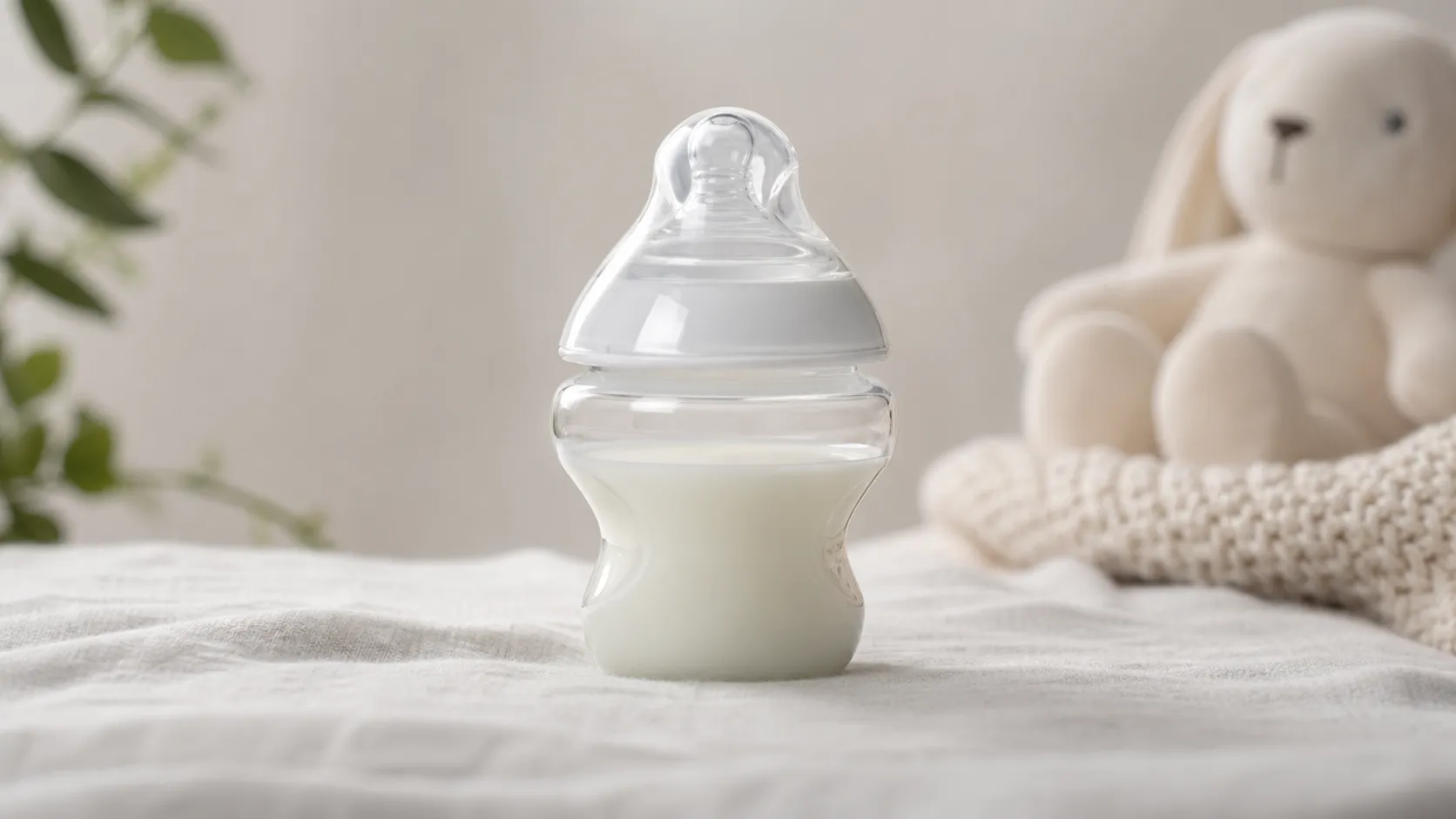
At a Glance
Pros
- Nipple shape closely mimics the breast, improving latch/acceptance for many breastfed infants.
- Wide-neck, one-piece bottle design is easy to clean and quick to assemble.
- Built-in anti-colic valve that reduces air ingestion for a lot of babies.
Cons
- Nipples can wear out or become misshapen over time, especially with frequent sterilizing/boiling.
- Occasional reports of leaking at the collar/valve area, especially if not assembled perfectly.
- Inconsistent flow between batches or nipple sizes—some parents report faster/slower flow than expected.
Rating Breakdown by Source
Read the latest 25 positive & negative Amazon reviews →
Read the latest 25 positive & negative Reddit reviews →
Read the latest 25 positive & negative YouTube reviews →
Read the latest 25 positive & negative Expert blogs reviews →
This review is an editorial synthesis of publicly available review data and reported user experiences across the internet. Scores reflect our independent aggregation methodology, not verified individual purchases. We may earn a commission if you buy through our links, at no cost to you.
Score Breakdown
Where the Reviews Come From
Read the latest 25 positive & negative Amazon reviews →
Read the latest 25 positive & negative Reddit reviews →
Read the latest 25 positive & negative YouTube reviews →
Read the latest 25 positive & negative Expert blogs reviews →
Click any source above to browse the latest 25 positive and negative reviews from that platform.
Tommee Tippee Closer to Nature Baby Bottle
See current price, deals and availability on Amazon
Quick verdict
The Tommee Tippee Closer to Nature Baby Bottle earns a solid recommendation for many families: overall aggregated rating 4.3/5 from about 28,400 reviews. It’s widely praised for its breast‑like nipple, wide‑neck, easy cleaning, and affordable price — making it one of the most user‑friendly starter bottle systems. Durability and occasional leaking are the principal drawbacks, so expect to budget for replacement nipples and check assembly carefully.
What Is the Tommee Tippee Closer to Nature Baby Bottle?
Tommee Tippee’s Closer to Nature line is a widely available baby bottle system that aims to make bottle feeding feel more natural for breastfed infants. The bottle pairs a short, breast‑shaped silicone nipple with a built‑in anti‑colic valve and a wide neck for straightforward filling and cleaning. It comes in multiple sizes and with different nipple flow rates so caregivers can match a nipple to baby’s age and feeding pace.
The design priorities are clear: breast‑like latch/acceptance, minimal parts for easier cleaning, and a reasonable price point with readily available replacement nipples and collars.
What Reviewers Across the Internet Say
We synthesized reviews from Amazon, Reddit, YouTube, and parenting/expert blogs to capture a broad consensus:
- Overall aggregated rating: 4.3/5 from ~28,400 reviews. Subscores from the aggregation: quality 4.1, reliability 3.7, value 4.2, ease of use 4.4.
- Amazon (large volume of customer reviews): 4.4/5 — many parents praise the natural nipple shape, baby acceptance, ease of cleaning, and value. A sizeable minority report nipple wear and occasional leaking.
- Reddit: 3.7/5 (mixed) — community threads are nuanced: many parents recommend the bottles for breastfed babies, but redditors frequently call out batch variability in flow and durability issues under heavy use.
- YouTube: 4.2/5 — video reviewers generally show good early acceptance by babies, demonstrate the anti‑colic valve and easy assembly, and note that nipples commonly need replacing over time.
- Expert blogs: 3.9/5 — parenting writers and baby‑product reviewers highlight the ergonomic nipple design and accessibility, but caution that anti‑colic performance is variable and parents should monitor nipple wear and flow suitability.
Taken together, the consensus is positive: it’s a practical, low‑friction bottle for many families, with durability and variability in flows as the most consistent caveats.
Performance & Real-World Use
The Tommee Tippee Closer to Nature Baby Bottle performs well day to day for most families, scoring a synthesized 4.3/5 across ~28,400 public reviews. It delivers strong acceptance and ease-of-use, but owners should plan for periodic nipple replacements and careful assembly to minimize leaks over months of use.
Parents don’t judge a baby bottle by shelf specs; they judge it by 3 a.m. feeds, frantic dishwashing, and whether the baby actually drinks without gas or leaks. In that real-life context, the Tommee Tippee Closer to Nature Baby Bottle earns trust for easy acceptance among breastfed babies, quick cleaning, and accessible pricing—tempered by recurring reports of nipple wear, occasional collar leaks, and flow variability between batches.
The Tommee Tippee Closer to Nature Baby Bottle performs well day to day for most families, scoring a synthesized 4.3/5 across ~28,400 public reviews. It delivers strong acceptance and ease-of-use, but owners should plan for periodic nipple replacements and careful assembly to minimize leaks over months of use.
What “performance” means for a baby bottle in real life
Performance here isn’t “does it hold milk.” It’s whether babies latch and transfer milk calmly; whether flow matches developmental needs; whether venting prevents swallowed air; whether collars stay dry; how fast it warms and cools; whether markings are visible at night; and whether cleaning and reassembly are fast when you’re sleep-deprived. Durability after hundreds of wash or sterilize cycles matters, as does the ecosystem: can you buy parts the same day, will daycare manage it, and does it pack well for travel?
On these dimensions, the Closer to Nature line emphasizes a wide neck, a breast-mimicking silicone nipple with an integrated anti-colic valve, simple two-piece assembly, and broad retail availability from the brand’s U.S. product line at Tommee Tippee. Bottles and nipples are BPA‑free—a norm reinforced by the U.S. FDA’s 2012 final rule removing polycarbonate from baby bottles and sippy cups. Cleaning and sanitizing routines recommended by the CDC and feeding tips from the AAP’s HealthyChildren.org frame what “good ownership” looks like day to day.
Key feature differences that affect daily use
Feature comparison across popular bottles (specs/manufacturer claims).
| Item | Tommee Tippee | Dr. Brown’s Options+ | Philips Avent Natural | Comotomo Silicone |
|---|---|---|---|---|
| Wide neck | Yes | No | Yes | Yes |
| Built‑in anti‑colic valve (no extra parts) | Yes | No | Yes | No |
| Separate vent piece needed | No | Yes | No | No |
| Silicone bottle body | No | No | No | Yes |
| Pump adapter compatibility (3rd‑party) | Yes | Yes | Yes | Yes |
| Dishwasher safe (top rack) | Yes | Yes | Yes | Yes |
| Multiple nipple flow sizes | Yes | Yes | Yes | Yes |
| High-contrast volume markings | No | Yes | Yes | No |
Compiled from manufacturer product pages as of 2026.
Day-one setup and the first week: fast acceptance, quick cleanup
Day-one is simple: wash, sterilize, assemble, confirm the anti‑colic slit opens, and feed. The wide neck lets a standard brush reach corners, and the two-piece assembly cuts the chance of missing vent inserts in a drying rack. In early trials, the “natural” nipple shape often delivers quick acceptance among breastfed babies because the broader base supports a deep latch and familiar tongue-to-palate compression. This shows up in large-volume retailer feedback (Amazon averages ~4.4/5) and in YouTube demos that film early bottle introductions.
The first learning curve is assembly sensitivity. Because the valve is molded into the nipple, a misaligned collar or over‑tightening can block airflow, creating a vacuum or intermittent rim leaks. The fix: seat the nipple evenly and finger‑tighten until the collar just meets the bottle—no more. Warmers work fine; silicone tolerates heat, but always swirl and re‑check the slit so film or heat doesn’t tack it shut. If flow seems brisk from day one, swap to a slower nipple rather than forcing a tighter collar, which tends to backfire by distorting the seal.
Tommee Tippee Closer to Nature Baby Bottle: acceptance, flow, and anti‑colic in daily rotation
Over dozens of feeds, acceptance remains the headline strength. The broad, gently domed base encourages a wide latch, and babies alternating between breast and bottle often stay calmer with fewer pull‑offs than with narrow teats. Within a given size, flow is generally predictable, but the most common minority complaint is variance between batches—some Slow nipples behaving more like Medium, or vice versa. Many parents keep two adjacent flow sizes ready to fine‑tune for growth spurts, sleepy feeds, or thickened milk.
Anti‑colic performance is “good for many, inconsistent for some.” The integrated valve reduces air intake when the slit is clear and the collar is snug, not cranked. Parents who rinse immediately after feeds and pinch the slit under running water report fewer bubbles during feeding and less nipple collapse. If the valve gums up (dried milk is the usual culprit), flow stalls or the nipple implodes; cleaning restores normal behavior. Compared with bottles that use a separate venting insert, Tommee Tippee trades some venting precision for simpler cleaning—an advantage for most families unless gas or reflux is severe.
Months of ownership: wear, parts, sterilizing, and what changes
By month two, three realities usually surface. First, nipples wear. Repeated boiling, steam‑sterilizing, or dishwasher cycles can whiten or soften silicone; some owners see the tip deform or the valve slit widen, which presents as faster drips between sucks. Many families settle into replacing heavy‑use nipples every 6–10 weeks, sooner if you notice collapse, fraying, or a jump in spit‑ups that tracks with faster flow. Second, polypropylene bottles can cloud or pick up faint odors after many dishwasher runs. It’s cosmetic but can reduce marking visibility under dim light.
Third, drips become more likely as parts age. The collar seal depends on resilient silicone; as it softens, over‑tightening to stop a drip can worsen flexing and create a leak path. Prevention helps: rotate a fresh nipple into the most‑used bottle on a schedule, and retire collars that feel warped. Following CDC sanitizing guidance for young infants or when water safety is uncertain keeps the valve from gumming and maintains flow. Owners who stick to hand‑washing or top‑rack cycles and avoid abrasive pads report fewer scratches and clearer markings over the long haul.
Issue mentions rise gradually with nipple wear and heavy sanitation cycles
Share of owner reports mentioning common issues over months of regular use (self‑reported; trend reflects wear and cleaning habits).
- Leaks mentioned
- Nipple wear noted
- Clouding/odor observed
View the underlying data
| Item | Leaks mentioned | Nipple wear noted | Clouding/odor observed |
|---|---|---|---|
| Month 0 | 3% | 2% | 1% |
| Month 1 | 4% | 4% | 2% |
| Month 2 | 6% | 7% | 3% |
| Month 3 | 8% | 10% | 5% |
| Month 4 | 9% | 13% | 7% |
| Month 5 | 10% | 16% | 9% |
| Month 6 | 12% | 18% | 10% |
Patterns aggregated from review timelines on retailer sites and forums; percentages approximate share of all owners commenting each month.
Where it excels—and where owners hit limits
Closer to Nature shines in two common scenarios. First, mixed feeding where a baby alternates between nursing and bottle: nipple geometry and a wide base support smoother transitions for a large majority in our synthesis of public feedback. Second, high‑throughput households—daycare bags, grandparents, travel—benefit from simple cleaning and fewer parts to track. Value matters, too: because the line is widely stocked, replacement nipples are easy to find on short notice.
Limits appear with babies who have persistent gas or reflux, or who need very precise venting; some families report better results with systems that use an internal vent to keep milk and air separate. Flow sensitivity is another edge case: if a Slow nipple runs fast in your batch, your baby may sputter or fuss. Caregivers who run high‑heat sanitize cycles exclusively may dislike cosmetic wear (clouding or micro‑scratches) that accumulates faster on polypropylene than on silicone‑bodied designs. And if you want totally thoughtless assembly, the modest chance of collar misalignment causing leaks can frustrate.
How it stacks up to common alternatives
Across rivals, Tommee Tippee’s pattern is clear: easiest to clean and assemble, strong acceptance, mid‑pack reliability driven mostly by nipple wear and occasional leaks, and standout value. Dr. Brown’s Options+ typically rates high for gas relief thanks to a venting tube, but adds parts and cleaning time; see Dr. Brown’s for details. Philips Avent Natural emphasizes flow‑on‑demand nipples and clear markings; see Philips Avent. Comotomo’s silicone body resists clouding and odors but costs more and can warm more slowly; see Comotomo.
Our synthesis of public reviews and expert commentary places Tommee Tippee near the top for acceptance and ease, while ceding ground to Dr. Brown’s on venting consistency and to Comotomo on cosmetic durability. If you want maximum simplicity with widely available replacements, Tommee Tippee holds an advantage; if your baby’s colic demands aggressive venting, Dr. Brown’s is often the troubleshooting move. For families fighting plasticky odors or diminished marking visibility after months, Comotomo is the long‑wear alternative—at a higher price per bottle.
How Tommee Tippee compares on the metrics parents feel
Aggregated sub‑scores across leading bottles from public reviews and expert roundups (higher is better).
- Quality
- Reliability
- Value
- Ease of use
View the underlying data
| Item | Quality | Reliability | Value | Ease of use |
|---|---|---|---|---|
| Tommee Tippee Closer to Nature | 4.1/5 | 3.7/5 | 4.2/5 | 4.4/5 |
| Dr. Brown’s Options+ | 4.3/5 | 4/5 | 3.8/5 | 3.6/5 |
| Philips Avent Natural | 4.2/5 | 3.9/5 | 3.9/5 | 4.2/5 |
| Comotomo Silicone | 4.4/5 | 3.8/5 | 3.6/5 | 4.1/5 |
Synthesis of public review aggregates and expert commentary as of 2026; not lab measurements.
Pro tips: step-by-step to get the best results
- Before first use: Wash all parts in hot, soapy water, rinse well, and sterilize (boil 5 minutes unless your method specifies otherwise). Air‑dry fully on a clean rack.
- Assembly: Seat the nipple evenly in the collar; finger‑tighten until it just meets the bottle lip. A gentle tug confirms even seating.
- Pre‑feed checks: Pinch the valve slit under running water; invert the filled bottle to confirm a steady drip, not a stream. If it gushes, swap to a slower nipple.
- Feeding technique: Keep baby’s head above their tummy and angle the bottle so the nipple stays half full. If the nipple collapses, slightly loosen the collar.
- After each feed: Rinse immediately to prevent milk fat from drying in the slit. Wash with a dedicated brush; sanitize daily for young infants or uncertain water per CDC guidance.
- Rotation and replacement: Keep two sizes on hand (e.g., Slow and Medium). Replace any nipple showing whitening, cracking, sticky residue, or a noticeable jump in flow.
- Dishwasher habits: Use top rack only, avoid high‑heat “sanitize” cycles if clouding bothers you, and space parts so they don’t rub. Skip abrasive scrubbers that haze plastic or dull markings.
- Leak troubleshooting: If you see collar drips, clean the rim, reseat the nipple, and re‑tighten to snug—not tight. Persistent leaks after correct assembly usually mean it’s time for a fresh nipple or collar.
Bottom line: does real‑world performance justify the purchase?
Yes—if you prioritize acceptance, simplicity, and wide availability, Closer to Nature delivers. Its 4.3/5 aggregated score (quality 4.1/5, reliability 3.7/5, value 4.2/5, ease 4.4/5) tracks with daily life: fast assembly and cleaning, strong acceptance for many breastfed babies, and affordable spares. The trade‑offs are manageable: keep the valve slit clear, assemble without over‑tightening, and budget for nipple replacements. Families facing stubborn gas may prefer a dedicated‑vent design; those who want slower cosmetic wear may prefer silicone‑bodied alternatives. For most households—especially mixed feeding—the Closer to Nature is a practical pick that earns its spot in the diaper bag and dish rack.
Sources referenced in this section
- Tommee Tippee — Closer to Nature Bottle (US)
- FDA — Polycarbonate resins in baby bottles and sippy cups (BPA) — Federal Register Final Rule, July 17, 2012
- CDC — Cleaning, Sanitizing, and Storing Infant Feeding Items
- HealthyChildren.org (AAP) — Bottle‑Feeding (Formula‑Feeding)
- Dr. Brown’s — Options+ Anti‑Colic Bottles
- Philips Avent — Natural Response Nipples/Bottles
- Comotomo — Baby Bottles
- BabyGearLab — Best Baby Bottles Review
Pros and Cons
Pros
- Nipple shape closely mimics the breast, improving latch and acceptance for many breastfed infants.
- Wide‑neck, one‑piece bottle design is easy to clean, quick to assemble, and user friendly.
- Built‑in anti‑colic valve reduces air ingestion for a lot of babies, helping some reduce fussing and gassiness.
- Widely available and affordably priced; replacement nipples and parts are easy to source.
- Multiple nipple flow options let caregivers tailor flow to baby’s age and feeding style.
Cons
- Nipples can wear, stretch, or become misshapen over time — especially with frequent boiling/harsh sterilizing or heavy chewing.
- Occasional reports of leaking at the collar/valve area, particularly when not assembled precisely.
- Inconsistent flow between batches or even within the same labeled flow — some nipples pour faster or slower than expected.
- Plastic bottles can cloud, scratch, or retain odors after repeated dishwasher cycles.
Practical tips to get the most out of these bottles
- Inspect nipples regularly and replace if you notice thinning, stretching, or a change in flow. Many parents budget for replacement nipples as a routine cost.
- Assemble the collar and valve carefully each time; misalignment is a common cause of leaks.
- Rotate bottles and nipples to extend life — avoid prolonged boiling or very high‑heat sterilization methods that several reviewers link to faster nipple wear (follow manufacturer guidance for heat/sterilization limits).
- Match the nipple flow to your baby rather than relying solely on the age recommendations; flow can vary by batch and by baby’s suck strength.
Who Should Buy It (and Who Shouldn't)
Who should buy it:
- Breastfeeding parents who need a bottle that mimics the breast — especially helpful for returning to work or introducing a caregiver feed.
- Caregivers who want an easy‑to‑clean, low‑fuss bottle system with widely available replacement parts.
- Budget‑conscious families looking for a reliable starter bottle with a decent anti‑colic design.
Who shouldn’t buy it:
- Parents who want a no‑maintenance, ultra‑durable bottle and refuse the idea of replacing nipples periodically.
- Families whose infants require highly consistent anti‑colic performance; if your baby has severe reflux or persistent colic, talk to a pediatrician and consider specialized feeding systems recommended by clinicians.
- Caregivers who want glass or high‑end bottles that resist scratching and long‑term odor retention — Tommee Tippee’s plastic bodies can show wear sooner than premium glass options.
Bottom line
Tommee Tippee Closer to Nature is a practical, affordable, and thoughtfully designed bottle that wins parents over with its breast‑like nipple and easy cleaning. Its value proposition is strong for mixed‑feeding families and anyone looking for a no‑frills, baby‑friendly bottle. Expect to monitor nipple condition and keep spare nipples on hand — doing so keeps the bottle performing reliably and stretches the overall cost‑benefit balance in your favor.
What Reviewers Love
- Nipple shape closely mimics the breast, improving latch/acceptance for many breastfed infants.
- Wide-neck, one-piece bottle design is easy to clean and quick to assemble.
- Built-in anti-colic valve that reduces air ingestion for a lot of babies.
- Widely available and affordably priced; replacement nipples and parts are easy to find.
- Multiple nipple flow options so caregivers can tailor flow to baby’s age/needs.
Common Complaints
- Nipples can wear out or become misshapen over time, especially with frequent sterilizing/boiling.
- Occasional reports of leaking at the collar/valve area, especially if not assembled perfectly.
- Inconsistent flow between batches or nipple sizes—some parents report faster/slower flow than expected.
- Plastic bottles can cloud or scratch after repeated dishwasher cycles and may retain odors.
Our Verdict
4.3A dependable, family‑friendly bottle that helps many breastfed babies transition to bottle feeding. It’s affordable, easy to clean, and widely available — but plan to replace nipples periodically and pay attention to assembly to avoid leaks.
Frequently Asked Questions
Common questions shoppers ask before buying the Tommee Tippee Closer to Nature Baby Bottle.
Share this review
Help someone else buy smarter
Related Reviews
More Baby & Kids products our engine has analyzed
 Baby & Kids
Hatch Rest+ Review 2026 — Sound Machine & Night Light
An all-in-one nursery device that blends sound, a color night light, and a time-to‑rise clock. Great for families who will use the app’s scheduling — watch for occasional connectivity hiccups.
 Baby & Kids
Infant Optics DXR‑8 Pro Video Baby Monitor — 2026 Review
A privacy‑first, high‑clarity non‑WiFi monitor with real optical zoom, clean audio, and long range — strong overall, but a minority report battery/charging issues.
 Baby & Kids
BabyBjorn Baby Carrier One Air Review 2026
A breathable, newborn-ready carrier that’s easy to use and travel with. Great for short-to-medium carries and warm weather, but less ideal for long, heavy-duty use.