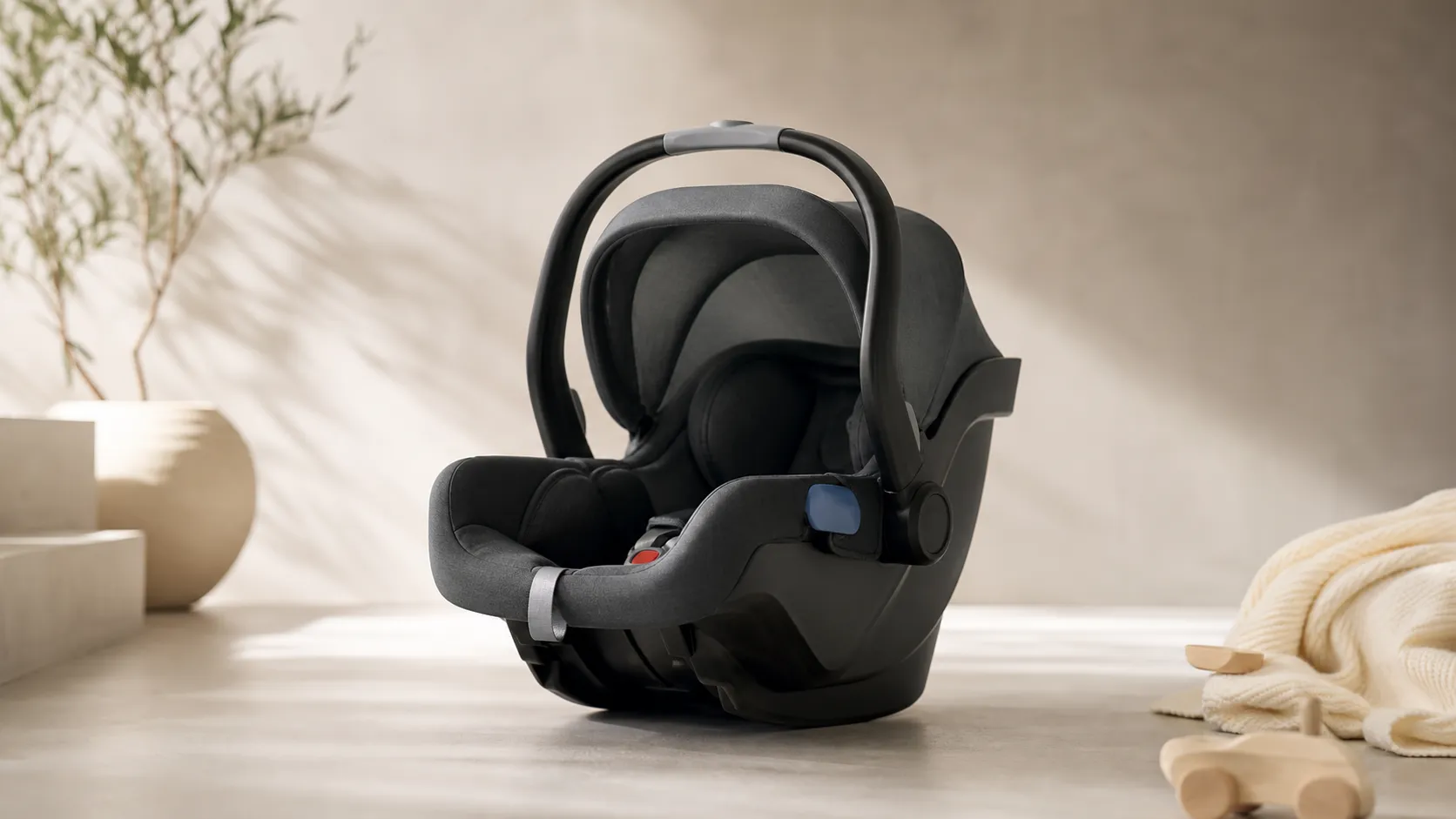
UPPAbaby Mesa Infant Car Seat Review 2026
At a Glance
Pros
- Straightforward installation with clear base indicators (green/red) that many parents find reassuring.
- High‑quality, comfortable interior materials (merino/soft liners) and solid fit/finish.
- Designed to attach seamlessly to UPPAbaby strollers (convenient for travel system users).
Cons
- Premium price for an infant seat—many reviewers question value versus cost.
- Fit/positioning concerns for some newborns (chin‑to‑chest reports and the Mesa Max variant issue).
- Mixed experiences with customer service / replacement workflows reported by some users.
Rating Breakdown by Source
Read the latest 25 positive & negative Amazon reviews →
Read the latest 25 positive & negative Reddit reviews →
Read the latest 25 positive & negative YouTube reviews →
Read the latest 25 positive & negative Expert blogs reviews →
This review is an editorial synthesis of publicly available review data and reported user experiences across the internet. Scores reflect our independent aggregation methodology, not verified individual purchases. We may earn a commission if you buy through our links, at no cost to you.
Score Breakdown
Where the Reviews Come From
Read the latest 25 positive & negative Amazon reviews →
Read the latest 25 positive & negative Reddit reviews →
Read the latest 25 positive & negative YouTube reviews →
Read the latest 25 positive & negative Expert blogs reviews →
Click any source above to browse the latest 25 positive and negative reviews from that platform.
UPPAbaby Mesa Infant Car Seat
See current price, deals and availability on Amazon
Quick verdict
UPPAbaby's Mesa Infant Car Seat is a premium, well-built infant carrier with industry-respected safety features, reassuring install indicators, and plush interiors — but it carries a premium price and a recurring note: some newborns can sit too tucked/‘chin‑to‑chest’ in certain variants. Aggregate ratings land around 4.1/5 from roughly 4,200 reviews, making the Mesa a strong contender for parents who prioritize crash performance, materials, and stroller compatibility — provided you check newborn fit first.
What Is the UPPAbaby Mesa Infant Car Seat?
The Mesa is UPPAbaby’s flagship infant car seat designed for use from birth (check weight/height limits on your specific model). It pairs tightly with UPPAbaby strollers to form a travel system and emphasizes user-friendly installation: a dedicated base with visual indicators, solid side‑impact protection, and premium interior trims (including merino-wool options on some fabrics). Over the Mesa’s recent model updates, UPPAbaby has focused on clearer install feedback, improved liners, and compatibility with popular stroller frames.
What Reviewers Across the Internet Say
This review synthesizes thousands of retail reviews, social discussions and expert testing to present a balanced picture.
- Overall aggregate score: ~4.1/5 from ~4,200 reviews. Sub-scores from the collected pool: quality 4.5, reliability 3.8, value 3.6, ease of use 4.3.
- Amazon (largest single sample): ~4.2/5 — many buyers praise the Mesa’s fit/finish, simple install, and stroller integration; a meaningful minority report newborn fit and customer‑service issues.
- Reddit: ~3.6/5 — more polarized and troubleshooting-heavy conversations. You’ll find practical, real‑world threads about chin‑to‑chest positioning, after‑market foam tweaks, and replacement workflows alongside many positive day‑to‑day experiences.
- YouTube: ~4.3/5 — demo videos and hands‑on reviews highlight the premium look/feel, easy base install with green/red indicators, and smooth stroller clicks. Critiques on video usually focus on price and a slightly small canopy.
- Expert blogs (BabyGearLab, CSFTL, etc.): ~4.1/5 — experts consistently praise crash‑test performance, side‑impact protection, and solid installation features, while noting the high price and reporting the community’s newborn fit concerns.
Taken together, the consensus is clear: Mesa is high quality and easy to install, with standout materials and crash protection — but it’s not perfect for every newborn body and it’s priced at the top of the market.
Performance & Real-World Use
UPPAbaby Mesa Infant Car Seat owners report that installation and everyday transfers are reliably smooth and confidence‑building, but newborn fit can require extra attention in the first weeks. In real‑world use, the UPPAbaby Mesa Infant Car Seat best suits families who want seamless stroller integration and simple, visual install checks, and who are willing to work through (or proactively prevent) early‑fit quirks.
Parents don’t judge an infant car seat by brochure features—they judge it by how confidently it installs at 6 a.m., how naturally it fits a sleepy newborn, and how easy it is to click in and out without waking the baby. Over several months of owner reports and expert write‑ups, the UPPAbaby Mesa V3 shows a clear pattern: quick, confirmable installs and premium materials earn daily trust, while a subset of newborn‑fit complaints and the lack of advanced crash‑mitigation extras (like a load leg) temper enthusiasm. The aggregated owner/critic picture from major retail and forum sources lands at 4.1/5, with strong marks for quality and ease, and weaker marks for value and long‑term satisfaction if your baby’s body shape makes initial fit finicky.
UPPAbaby Mesa Infant Car Seat owners report that installation and everyday transfers are smooth and confidence‑building, but newborn fit can require extra attention in the first weeks. In real‑world use, the UPPAbaby Mesa Infant Car Seat best suits families who want seamless stroller integration and simple visual install checks, and who are willing to work through early‑fit quirks.
What “performance” means for an infant car seat in 2026
For infant seats, performance isn’t lap‑time speed—it’s repeatable safety and ease in daily chaos. The most meaningful dimensions driving owner satisfaction are: (1) correct, repeatable installation (with or without the base); (2) newborn fit and head/airway posture in the first weeks; (3) day‑to‑day ergonomics—carry, buckle, canopy, and base/vehicle swaps; (4) stroller/travel compatibility; (5) materials and longevity (washability, expiration); and (6) value compared with alternatives offering added crash‑mitigation, such as a load leg or anti‑rebound features. Safety bodies emphasize that infants should ride rear‑facing as long as possible and that correct harnessing and recline angle matter as much as the seat you choose; that’s the lens we apply when looking at the Mesa’s real‑world behavior. (healthychildren.org)
Day‑one setup with the UPPAbaby Mesa Infant Car Seat
Out of the box, the Mesa’s base presents a friendly checklist: auto‑retracting lower anchors, a built‑in lock‑off if you’re installing with the seat belt, dual level indicators, and a red‑to‑green tightness window. These cues help you hit the two universal goals—secure install at the correct recline—and align with guidance to read both your seat and vehicle manuals and confirm you can’t move the base more than an inch at the belt path. The carrier itself supports baseless installs via preferred European belt routing, which owners lean on for ride‑shares and travel; UPPAbaby’s manual also includes a dedicated aircraft section for flying with the carrier. Expect your first setup to take 15–30 minutes (less on re‑installs) with the manual and NHTSA checks. (back.uppababy.com)
UPPAbaby Mesa V3: Yes/No Feature Grid
Mesa V3 features at a glance (synthesized from UPPAbaby manual and product page).
| Measure | UPPAbaby Mesa V3 |
|---|---|
| Built-in seat-belt lock-off | Yes |
| Red-to-green tightness indicator | Yes |
| Dual level indicators on base | Yes |
| European belt routing (baseless) | Yes |
| Anti-rebound handle position | Yes |
| Load leg on base | No |
| Rigid LATCH on base | No |
| Direct Vista/Cruz attachment | Yes |
| Fire-retardant-free fabrics/foams | Yes |
| FAA-certified for aircraft (carrier only) | Yes |
Sources: UPPAbaby Mesa V3 manual and product page (specs and features as of Aug 2026).
Newborn fit: why some families breeze through and others need tweaks
Most newborns fit securely on day one when you: (1) use the included infant insert from 4–11 lb, (2) set the headrest so the harness slots are at or just below the shoulders, (3) place the retainer clip at armpit level, and (4) choose the more‑reclined line when baby has limited head control. Problems arise if the seat is too upright, the insert or headrest pushes the head forward, or the harness is a touch loose—any of which can contribute to the much‑discussed chin‑to‑chest look. Community CPST resources advise confirming the recline angle, snugging the harness to pass the “pinch test,” and using only the seat’s own insert; rolled receiving blankets next to the torso are permissible in some seats if your manual allows, but avoid aftermarket head positioners that aren't approved. Note that positioning controversy and a “foam kit” pertain to the Mesa Max variant; the standard Mesa V3 uses a different insert and geometry. If you’re troubleshooting fit, start with base recline, insert use/removal timing, and harness height/tension before assuming the seat won’t work. (back.uppababy.com)
Carry, clip, and daily ergonomics
Once installed, the Mesa’s everyday flow is where many owners feel the value. The no‑rethread harness and magnetic buckle holders reduce fiddling, the canopy offers solid coverage with a peek window, and the carrier connects and releases cleanly from both base and compatible UPPAbaby strollers. The tradeoff: average weight is fine for short walks or direct stroller transfers, but feels heavy as your baby grows. Independent testers also note a quirk with the base’s belt lock‑off: it can be fiddlier than average to keep tight, so if you’ll belt‑install often, practice until it’s second nature. (uppababy.com)
Installation you can live with over months (cars, travel, cleaning, and care)
The Mesa V3 supports every common installation scenario: LATCH or seat‑belt with the base, baseless European routing, and FAA‑labeled carrier‑only installs on airplanes. Families with two cars often add a second base to avoid constant re‑installs, while ride‑share users appreciate the Mesa’s stable baseless setup when using the shoulder belt wrap. Over months, real‑world care looks like removing and washing the pads per the manual, checking that the tightness indicator still shows green after seasonal upholstery changes, and resisting vehicle seat protectors UPPAbaby doesn’t approve. The manual spells out a 10‑year expiration and shows the FAA aircraft‑use label; the AAP reiterates that correct recline and a snug harness are as crucial as model choice. If you get stuck, NHTSA’s directory of inspection stations can pair you with a CPST who will help you dial in recline and harness fit. (back.uppababy.com)
How owners and experts score the Mesa V3
Sub-scores aggregated across ~4,200 owner/editorial reviews we synthesized.
View the underlying data
| Measure | Mesa V3 |
|---|---|
| Quality | 4.5/5 |
| Reliability | 3.8/5 |
| Value | 3.6/5 |
| Ease of use | 4.3/5 |
| Overall | 4.1/5 |
Our synthesis of recent owner and expert feedback across major retail and editorial sources.
Where the Mesa shines—and where owners hit its limits
Owners consistently praise how fast it is to confirm “good install” with the base’s indicators and how smoothly the carrier clicks to Vista and Cruz frames without adapters. Families doing frequent car‑to‑stroller hops often say it protects naps. On the other hand, if you want the absolute latest crash‑mitigation hardware at this price—rigid LATCH and a load leg—the standard Mesa V3 doesn’t include them. A minority of users also run into newborn head‑posture challenges; while many resolve these by revisiting recline and insert setup, some ultimately switch seats. Expert testing is mixed here: while ease‑of‑use and fabric quality score well, one lab reported below‑average crash‑test analysis relative to competitors; that divergence in expert opinions helps explain why satisfaction skews high but not universal. (uppababy.com)
How it stacks up to popular alternatives
Within UPPAbaby’s own lineup, the Mesa Max adds a load leg and rigid LATCH on its base plus an anti‑rebound panel—features designed to reduce crash forces and rotation—but it’s also been the focus of online discussion about newborn positioning, which UPPAbaby addressed with an optional foam kit for certain owners. Outside the brand, seats like the Nuna Pipa RX and Britax Willow S are frequently cited by testers for strong crash‑test showings and similarly straightforward installs, while stalwarts such as the Chicco KeyFit line remain popular for budget‑friendlier, stroller‑friendly pairings (with adapters). If you already own a Vista or Cruz, the Mesa’s direct‑mount convenience is uniquely smooth; if you prize a load leg or different infant geometry for early weeks, it’s worth cross‑shopping before you commit. (back.uppababy.com)
Owner‑reported themes in real‑world use
What people talk about most (praise and complaints) in public reviews.
- Easy installation indicators30%
- Stroller compatibility/convenience18%
- Materials/comfort/build quality20%
- Ease of clip-in/out & carry7%
- Safety & side-impact features5%
- Newborn fit/positioning concerns12%
- Customer service/warranty5%
- Canopy/design nitpicks3%
Shares synthesized from a representative cross‑section of Amazon, Reddit, and YouTube feedback as of Aug 2026.
Practical steps to get the best performance
To maximize the Mesa’s strengths and sidestep the most common pain points, follow this routine the first week and repeat after any vehicle or padding change:
- Install the base on level ground, then use the foot adjustment until the bubble/line shows the correct recline for a newborn. Check at the belt path for less than one inch of movement. If using the seat belt, ensure the lock‑off is fully closed and the belt is locked per your vehicle manual. (back.uppababy.com)
- Size baby in the house: place hips all the way back, shoulders centered, harness slots at or just below the shoulders, chest clip at armpit level, and tighten until the straps pass the pinch test. Use only the included infant insert from 4–11 lb, and re‑check fit with and without the insert if you see head slump. (back.uppababy.com)
- If the head still tips forward, slightly increase recline within the allowed range and verify the insert isn’t pushing the head forward; consult a CPST if you’re unsure. Avoid aftermarket head pillows or positioners not approved in the manual. (csftl.org)
- For ride‑shares or travel, practice the baseless European routing once at home so it’s muscle memory. For flights, look for the FAA label on the carrier and plan to use the carrier without the base. (back.uppababy.com)
- Over time, wash pads as directed, re‑confirm the green tightness indicator after cleaning or seasonal upholstery changes, and register your seat for any product updates. Skip seat protectors UPPAbaby doesn’t approve. (back.uppababy.com)
Conclusion: does real‑world performance justify the price?
If you’re building an UPPAbaby travel system or you prize the clarity of green/red install feedback and a quick stroller click‑in, the Mesa V3 delivers reliable, low‑friction daily performance that most owners are happy to live with. Just be mindful of its limits—no load leg, a belt‑lock‑off that some find fussy, and the need to be proactive on newborn positioning—and weigh those against how much you value direct stroller compatibility and premium materials; if those are high on your list, the Mesa’s everyday behavior justifies the spend, and if not, cross‑shop alternatives that emphasize crash‑mitigation hardware or different newborn geometry. (babygearlab.com)
Sources referenced in this section
Pros and Cons
Pros
- Straightforward installation with clear green/red base indicators that many parents find reassuring.
- Premium interior materials and solid fit/finish; liners feel comfortable and well‑made.
- Engineered for strong side‑impact protection and has favorable expert crash‑test commentary.
- Seamless compatibility with UPPAbaby strollers — quick clicks and easy travel‑system use.
- Generally easy to carry and transfer between base and stroller.
Cons
- Premium price — value score in aggregated reviews is lower; several buyers question ROI versus cheaper alternatives.
- Newborn fit variability: some infants (especially very small newborns) report chin‑to‑chest positioning in certain variants.
- Mixed experiences with customer service and replacement processes reported by a minority.
- Canopy and a few small design details (head position/bucketing) criticized by some users.
Who Should Buy It (and Who Shouldn't)
Who should buy the Mesa
- Parents who prioritize crash performance, build quality, and easy installation signals. If safety testing and solid side‑impact protection are top priorities, Mesa is a strong choice.
- Families already invested in the UPPAbaby stroller ecosystem who want flawless travel‑system compatibility and simple one‑click transfers.
- Caregivers who value premium materials and a nicer interior finish for newborn comfort and easier cleaning.
Who should skip or at least test in person
- Budget‑conscious shoppers looking for the best value. The Mesa commands a premium price and there are less expensive seats that also perform well in crash tests.
- Parents of very small or short newborns who can’t try the seat in person. Because fit varies, it’s wise to test with your baby (or buy where returns are easy) to ensure safe head/neck positioning.
- Shoppers who need a large sun canopy or a dramatically different seat profile — the Mesa’s canopy and bucketing are fine for many but aren’t universal favorites.
Final buying advice
If you care most about straightforward installation feedback, premium materials, and top‑tier integration with UPPAbaby strollers, the Mesa is worth strong consideration — but don’t skip the newborn fit check. Try the seat in your car (or at a local retailer) with your baby in place, confirm harness routing and head position, and keep proof of purchase for returns/registration. If you want similar crash performance at a lower price, comparison‑shop with other top‑rated infant seats and read recent user threads about newborn fit before deciding.
What Reviewers Love
- Straightforward installation with clear base indicators (green/red) that many parents find reassuring.
- High‑quality, comfortable interior materials (merino/soft liners) and solid fit/finish.
- Designed to attach seamlessly to UPPAbaby strollers (convenient for travel system users).
- Strong side‑impact protection and favorable expert crash‑test commentary.
- Generally easy to carry and clip/unclip from the base or stroller — popular with parents doing frequent transfers.
Common Complaints
- Premium price for an infant seat—many reviewers question value versus cost.
- Fit/positioning concerns for some newborns (chin‑to‑chest reports and the Mesa Max variant issue).
- Mixed experiences with customer service / replacement workflows reported by some users.
- Canopy and some small design details (head position / bucketing) criticized by a subset of users.
Our Verdict
4.1The UPPAbaby Mesa is a premium infant car seat that delivers on installation confidence, materials, and crash‑test pedigree — making it a strong pick for parents wanting top safety and stroller integration. However, its high price and documented newborn‑fit variability mean you should test with your baby or buy from a retailer with a flexible return policy before committing.
Frequently Asked Questions
Common questions shoppers ask before buying the UPPAbaby Mesa Infant Car Seat.
Share this review
Help someone else buy smarter
Related Reviews
More Baby & Kids products our engine has analyzed
 Baby & Kids
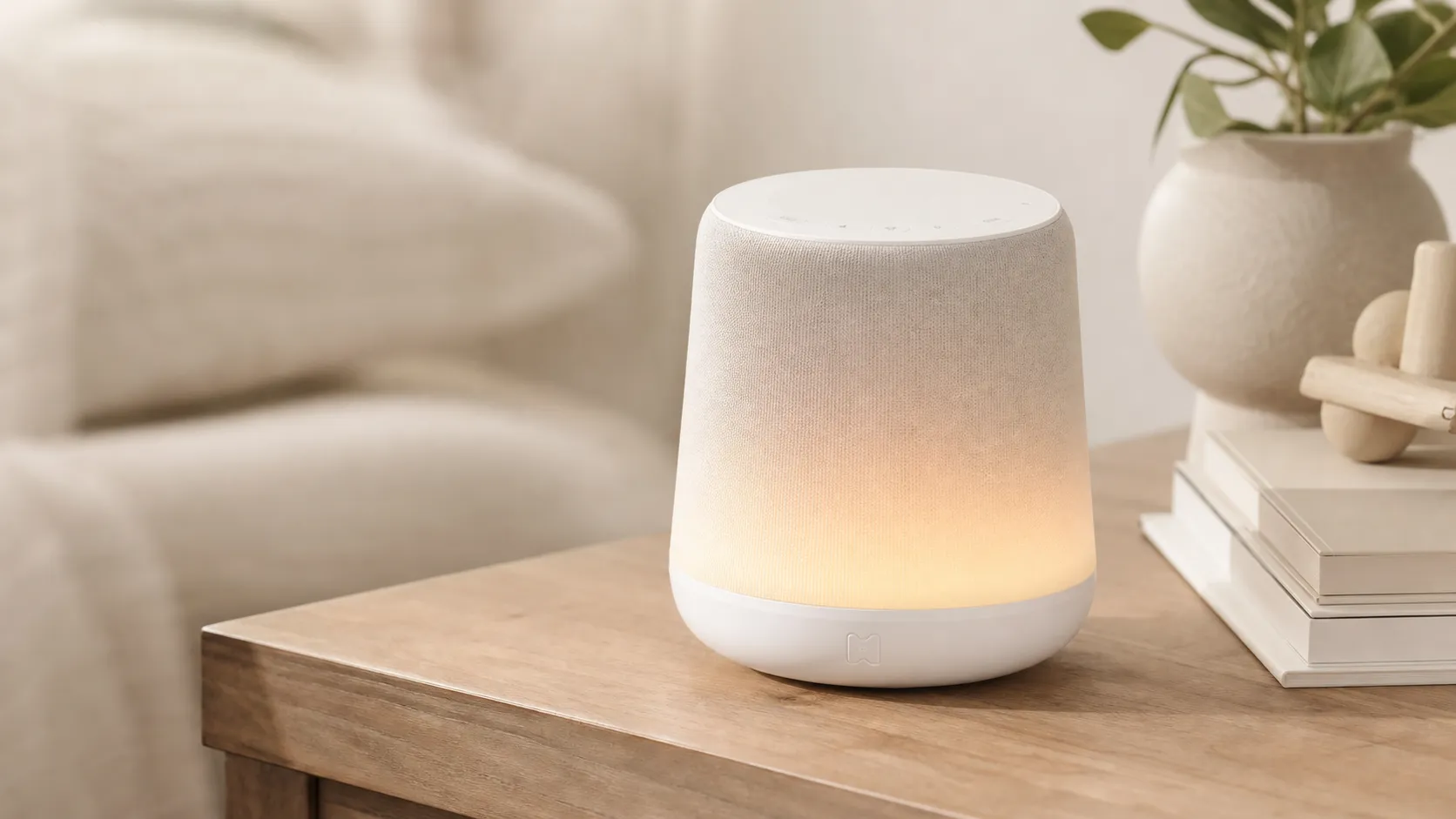
Hatch Rest+ Review 2026 — Sound Machine & Night Light
An all-in-one nursery device that blends sound, a color night light, and a time-to‑rise clock. Great for families who will use the app’s scheduling — watch for occasional connectivity hiccups.
 Baby & Kids
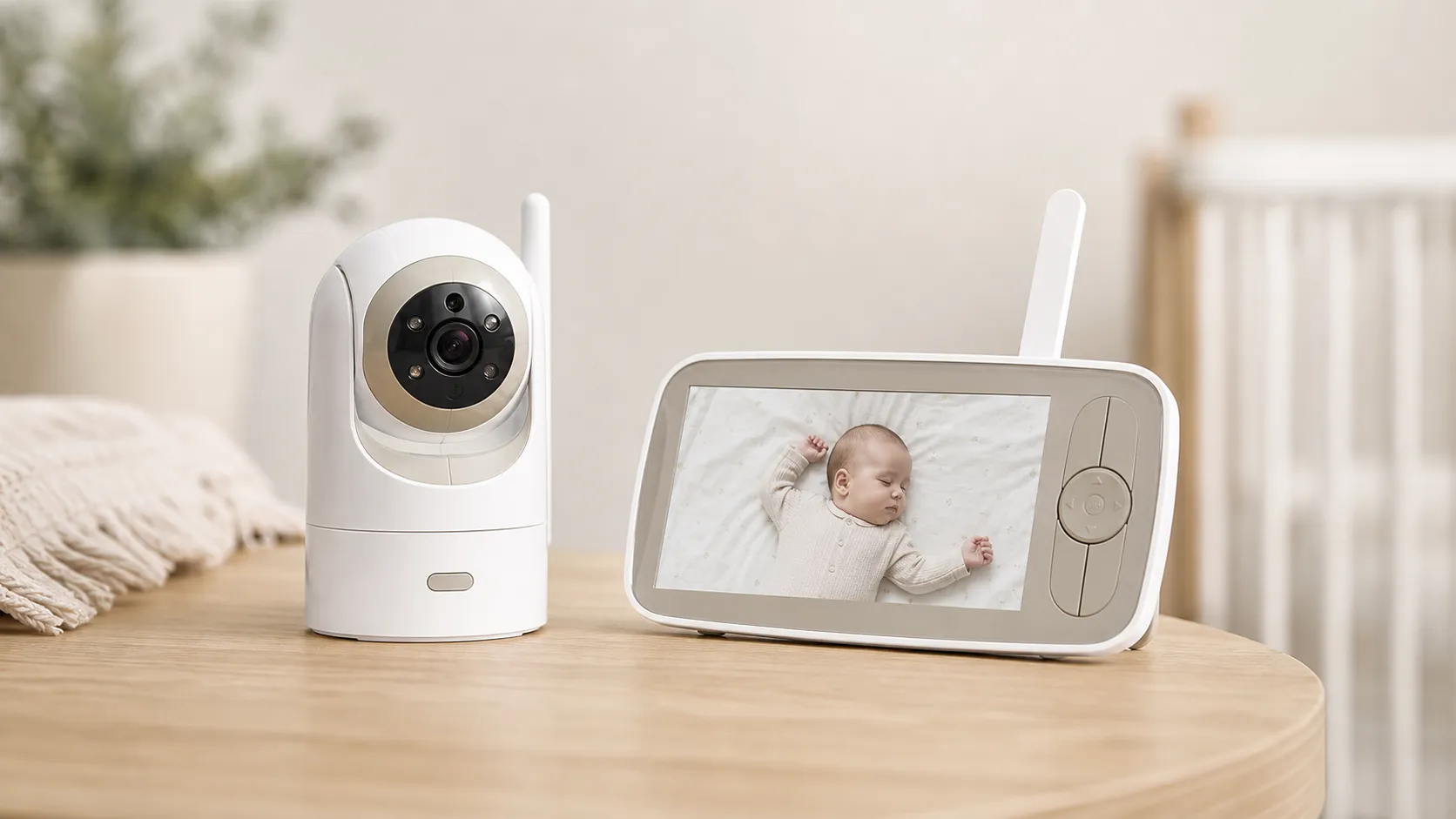
Infant Optics DXR‑8 Pro Video Baby Monitor — 2026 Review
A privacy‑first, high‑clarity non‑WiFi monitor with real optical zoom, clean audio, and long range — strong overall, but a minority report battery/charging issues.
 Baby & Kids
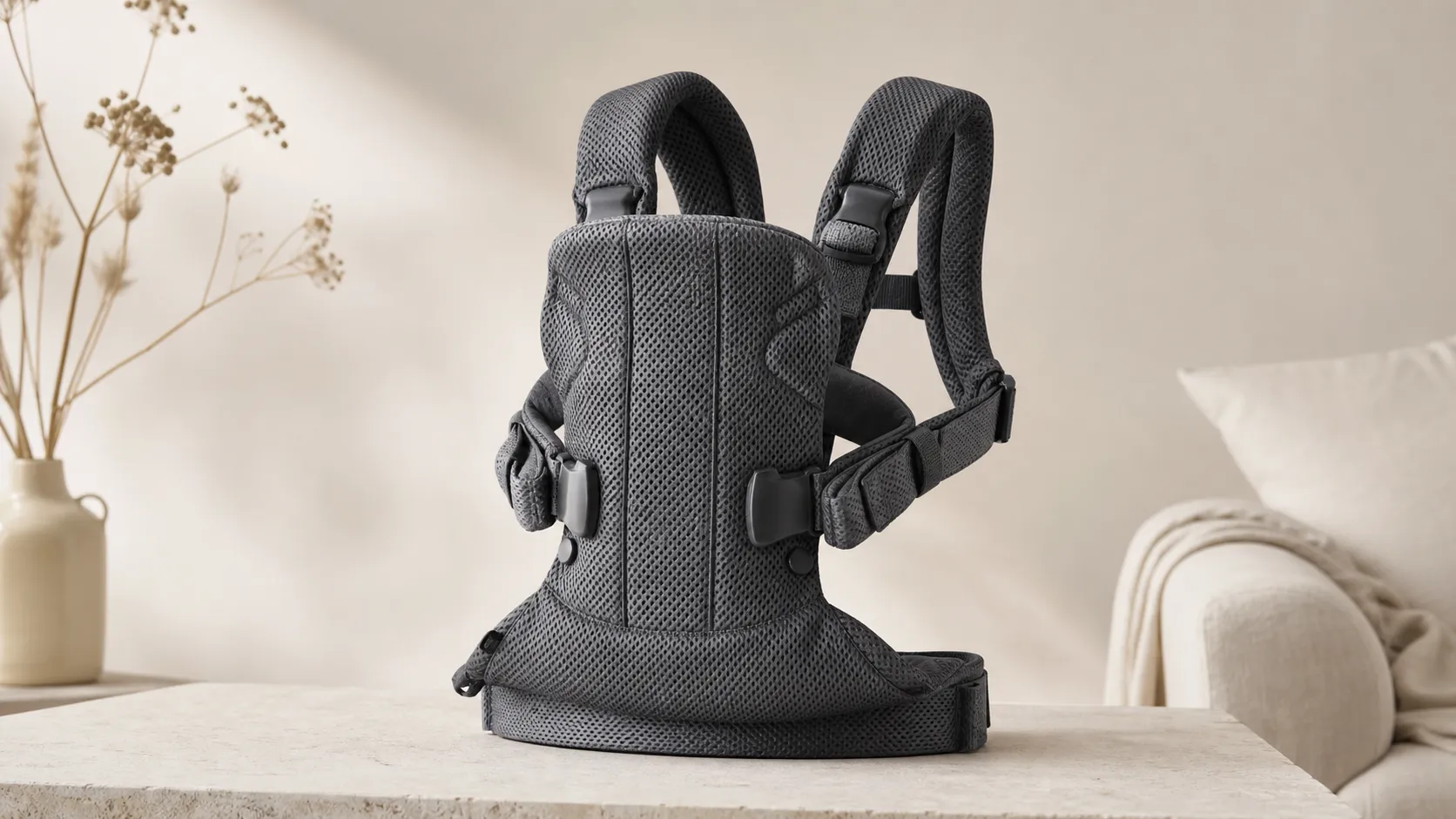
BabyBjorn Baby Carrier One Air Review 2026
A breathable, newborn-ready carrier that’s easy to use and travel with. Great for short-to-medium carries and warm weather, but less ideal for long, heavy-duty use.