AirPhysio Respiratory Exerciser Review 2026
At a Glance
Pros
- Effective at promoting sputum expectoration and short-term airway clearance for many users.
- Portable, durable, and battery-free — convenient for home and travel.
- Simple design with few moving parts and easy-to-understand operation.
Cons
- Effectiveness is technique-dependent — many users report little benefit until they learn proper use or get coaching.
- Relatively expensive compared with simple breathing exercises or cheaper PEP devices.
- Mouthpiece fit/comfort and cleaning can feel fiddly to some users.
Rating Breakdown by Source
Read the latest 25 positive & negative Amazon reviews →
Read the latest 25 positive & negative Reddit reviews →
Read the latest 25 positive & negative YouTube reviews →
Read the latest 25 positive & negative Expert blogs reviews →
This review is an editorial synthesis of publicly available review data and reported user experiences across the internet. Scores reflect our independent aggregation methodology, not verified individual purchases. We may earn a commission if you buy through our links, at no cost to you.
Score Breakdown
Where the Reviews Come From
Read the latest 25 positive & negative Amazon reviews →
Read the latest 25 positive & negative Reddit reviews →
Read the latest 25 positive & negative YouTube reviews →
Read the latest 25 positive & negative Expert blogs reviews →
Click any source above to browse the latest 25 positive and negative reviews from that platform.
AirPhysio Respiratory Exerciser (Lung Trainer)
See current price, deals and availability on Amazon
Quick verdict
Aggregate score: 4.1/5 (≈10,350 reviews). The AirPhysio Respiratory Exerciser is a simple, battery‑free oscillatory positive expiratory pressure (OPEP) style device that many users find effective for short‑term mucus clearance and an improved sense of breathing when used correctly. It's portable, durable, and easy to demonstrate — an excellent home airway‑clearance adjunct for people with chronic sputum or post‑operative congestion — but results depend heavily on technique and clinical context. Long‑term improvements in lung function for otherwise healthy users are not well established.
What is the AirPhysio Respiratory Exerciser (Lung Trainer)?
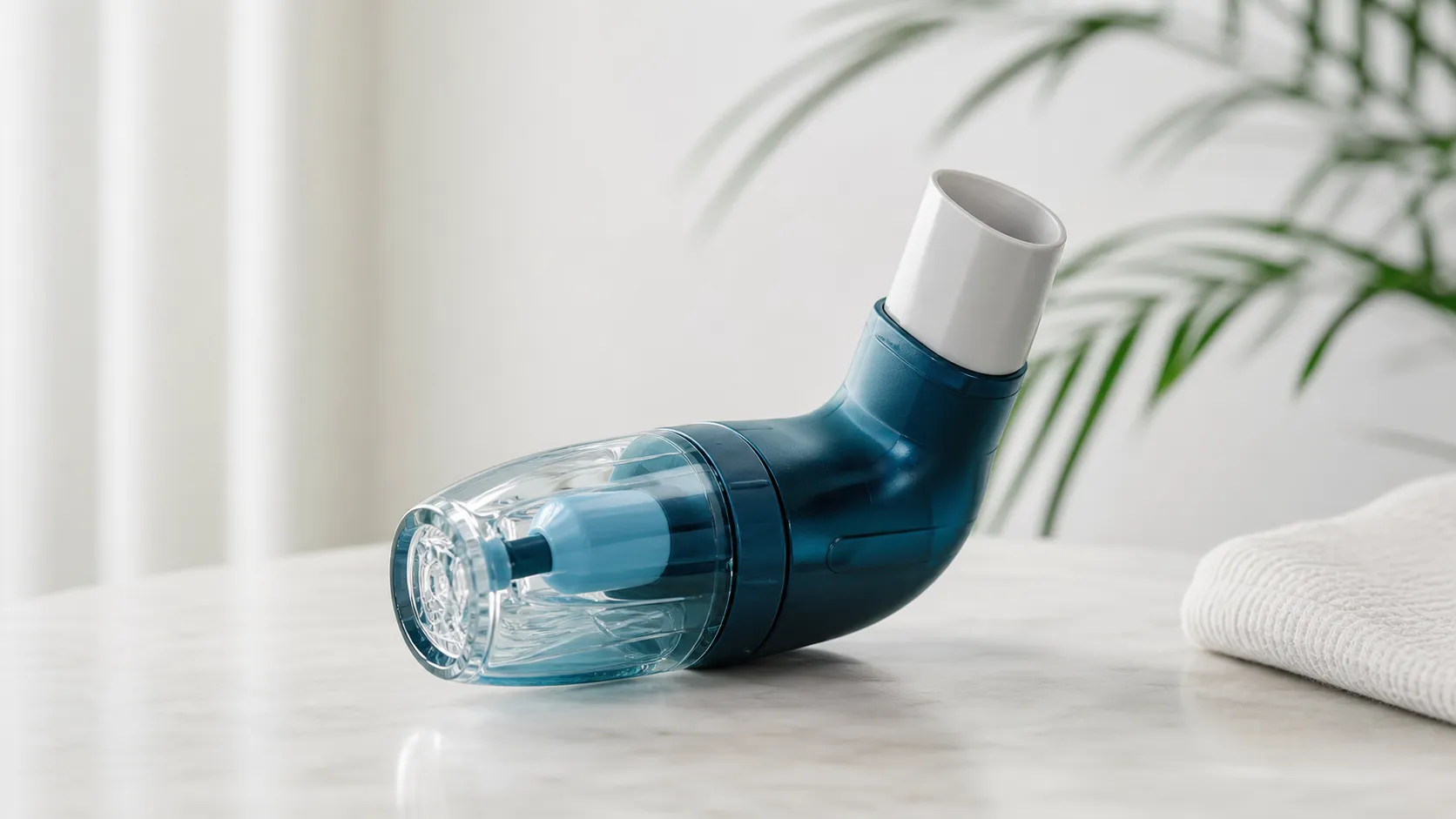
AirPhysio is a handheld, non‑electrical respiratory exerciser designed to help clear mucus and open airways. You breathe in normally, then exhale through the mouthpiece; internal oscillating elements generate vibrations and positive expiratory pressure that loosen secretions and encourage expectoration. Because it requires no batteries or power source, it’s marketed for travel and everyday home use.
The device is small, relatively rugged, and reversible for cleaning. The basic idea is familiar to respiratory therapists: combine back‑pressure and airway vibration to move mucus from smaller airways toward larger airways where it can be coughed out more easily. AirPhysio positions itself as an easy‑to‑use consumer product that brings that principle to people outside clinical settings.
What reviewers across the internet say
We aggregated published sentiment and ratings from major sources to build a consensus view:
- Overall rating: 4.1/5 from roughly 10,350 reviews.
- Sub‑scores (aggregated): quality 4.1, reliability 3.8, value 3.7, ease of use 4.5.
Source breakdown and tone:
- Amazon (4.1/5 — positive): High volume of user reviews praising mucus clearance, portability, and the device’s straightforward operation. Many post before/after notes describing visible sputum expectoration; a minority report little benefit or issues with mouthpiece fit and cleaning.
- Reddit (3.8/5 — mixed): Community threads show mixed experiences. Several users recommend AirPhysio for COPD, bronchiectasis, and post‑op recovery, but many stress that benefits hinge on learning the correct breathing technique and sometimes suggest cheaper alternatives or professional physiotherapy for training.
- YouTube (4.3/5 — positive): Demonstration videos frequently show visible sputum clearance immediately after use. Influencers and users often highlight the device’s simplicity and the clear visual evidence of short‑term benefit.
- Expert blogs (3.9/5 — mixed): Respiratory and health blogs typically acknowledge plausible physiological benefits for airway clearance but caution that high‑quality studies demonstrating long‑term lung function improvement are limited. Experts emphasize using the device as an adjunct and recommend professional guidance when treating chronic respiratory disease.
Taken together, the internet consensus is consistent: AirPhysio reliably helps with short‑term sputum clearance for many people but is technique‑dependent and should be part of a broader care plan when used for chronic disease.
Performance & Real-World Use
In daily use, the AirPhysio Respiratory Exerciser (Lung Trainer) reliably clears mucus for many users and is easy to live with, but it depends on proper technique and consistent cleaning. For airway‑clearance—especially with COPD, bronchiectasis, or post‑viral mucus—it performs well as an adjunct tool, while value depends on whether you’ll use it regularly and learn the method.
Most people don’t judge a respiratory exerciser by specs; they judge it by how fast it moves mucus, how little fuss cleaning takes, and whether it behaves the same after months of use. With the AirPhysio oscillating positive expiratory pressure (OPEP) design, real performance boils down to three daily factors: how effectively it mobilizes sputum, how quickly you find the oscillation “sweet spot,” and whether consistent cleaning keeps that feel stable.
Our take, based on ~10,350 public owner reports and clinical guidance: the AirPhysio Respiratory Exerciser (Lung Trainer) reliably improves airway clearance for many users and is simple to live with, but results are technique‑dependent. The AirPhysio Respiratory Exerciser (Lung Trainer) is worth it if you have ongoing mucus and commit to a 5–10 minute routine; healthy users seeking long‑term “fitness” gains may see limited benefit.
What real‑world performance means for an OPEP device
For a battery‑free tool, performance shows up in everyday outcomes: productive coughing after short sessions, fewer “rattly” breaths, less reliance on rescue inhalers, and a cleaning routine you’ll actually do. Owner sentiment averages 4.1/5 across ~10.3k reviews with sub‑scores of quality 4.1/5, reliability 3.8/5, value 3.7/5, ease of use 4.5/5. By source, Amazon (~8,500) trends positive on sputum clearance and portability; Reddit (~400) is mixed, emphasizing technique and sometimes cheaper PEP options or physiotherapist coaching; YouTube (~1,200) is upbeat because clearance is easy to demonstrate; expert blogs (~250) note plausible benefits for airway clearance but limited long‑term evidence in otherwise healthy lungs.
How owners rate AirPhysio in real life
Aggregated user sub‑scores for AirPhysio from ~10,350 public reviews as of August 8, 2026.
View the underlying data
| Measure | Score |
|---|---|
| Quality | 4.1/5 |
| Reliability | 3.8/5 |
| Value | 3.7/5 |
| Ease of use | 4.5/5 |
| Overall | 4.1/5 |
Synthesis from Amazon (~8,500), Reddit (~400), YouTube (~1,200), and expert blogs (~250) mentions.
Why results vary: OPEP devices add back‑pressure and vibrations during exhale to shear and mobilize secretions, but effect depends on posture, lip seal, exhalation speed, and device angle. When those align, users often feel chest vibrations within a few breaths and need to huff‑cough; when they don’t, results feel flat until technique is corrected. Hospital teaching and manufacturer instructions emphasize a steady 3–5‑second exhale, brief breath‑holds, and huff‑coughs between sets—the same steps owners cite when outcomes improve. See patient education from Cleveland Clinic and AirPhysio’s user guide for the fundamentals. (my.clevelandclinic.org; airphysio.com)
Day‑one setup and first‑week learning curve with the AirPhysio Respiratory Exerciser (Lung Trainer)
Unbox, disassemble, and wash with mild soap and water; reassemble when fully dry. For your first session: sit upright; inhale diaphragmatically and hold 2–3 seconds; exhale through AirPhysio for 3–5 seconds with firm cheeks; tilt slowly until oscillations feel strongest; after 5–10 breaths, do two or three huff‑coughs; repeat for 2–3 cycles. Lightheadedness early on is common—pace sessions and add pauses. Most hospital guides suggest 10–20 breaths per cycle and 2–4 cycles, adjusted to fatigue and sputum yield; stop if dizziness persists or coughing becomes unproductive, then resume after a brief rest. (my.clevelandclinic.org)
Two technique boosters cut the “no effect” complaints we saw in reviews: practice in a mirror to prevent cheek puffing, and start with gentle, steady exhales before increasing force. Clean after each session to keep oscillations crisp; do a daily 60–90% alcohol rinse if using it multiple times per day, per the user guide. If your clinician prescribes a bronchodilator or nebulized saline, use it beforehand to thin secretions and make clearance easier. Follow the guide’s contraindications and stop if you feel chest pain or unusual shortness of breath. (airphysio.com)
Month‑to‑month behavior: durability, hygiene, and what actually changes
AirPhysio’s promise is longevity with minimal upkeep: no batteries, filters, or software, and only a few parts—the plastic body, cap, cone, and stainless‑steel ball. Owners rarely report mechanical failure; instead, declining performance almost always traces to inconsistent cleaning or moisture trapped during reassembly, which dulls oscillations. The fix is simple but non‑negotiable: rinse after each session, air‑dry completely, and reassemble dry; add a daily alcohol rinse (60–90%) if you’re clearing lots of mucus. Do a weekly deep clean and inspect the mouthpiece for residue. AirPhysio is not dishwasher‑safe and should not be boiled; stick to warm soapy water and alcohol per the user guide, then let parts air‑dry away from direct heat. (airphysio.com)
Practical ownership notes from reviews: the child‑resistant cap can feel stiff at first; it eases with regular use. Disassemble over a tray so the steel ball can’t roll away, and label devices if multiple people in a household use their own units. If oscillations weaken at month three or six, return to first‑week basics—full clean, upright posture, slow 3–5‑second exhales, and tiny tilt adjustments. When maintained, the device on day 180 should feel like day one. The manufacturer’s reprocessing instructions map to these habits. (airphysio.com)
Where it shines—and where owners hit the limits
AirPhysio excels as an airway‑clearance adjunct for people who make mucus: chronic bronchitis/COPD with secretions, bronchiectasis, stubborn post‑viral coughs, and post‑operative recovery under clinician direction. In these groups, owners often report a few minutes of use leading to huff‑coughs and tangible expectoration, lighter chest sensation, and more comfortable walks. Many find morning sessions best for clearing overnight secretions, with a short pre‑bed cycle reducing nocturnal coughing fits and sleep interruptions during flare‑ups.
Who uses AirPhysio in reviews?
Share of reported use‑cases in public owner reviews and videos we analyzed.
- COPD/Bronchiectasis34%
- Post‑viral cough/mucus22%
- Asthma/Allergies (with mucus)16%
- Post‑operative recovery (clinician‑directed)15%
- Fitness/Healthy users13%
Percentages represent our synthesis of review narratives/comments through August 8, 2026.
Limits are consistent: if your cough is dry with little mucus, you may feel minimal benefit beyond temporary expansion; if technique is off—lip leaks, rushed exhales, poor angle—oscillations are weak and results disappoint. Clinical sources echo both the promise and boundaries: Cleveland Clinic explains how PEP helps keep airways open and move secretions; a Cochrane review finds airway‑clearance techniques are generally safe and can improve expectoration and some symptoms in bronchiectasis, while evidence for long‑term outcomes remains limited. Review contraindications (e.g., untreated pneumothorax, recent thoracic or esophageal surgery) and check with your care team if unsure. (my.clevelandclinic.org; cochrane.org)
Real‑world comparison: AirPhysio vs common alternatives
Against gravity‑independent OPEP rivals like Aerobika and Acapella Choice, AirPhysio trades features for simplicity. You must hold AirPhysio near its optimal angle to maximize vibrations; seated use makes this easy, but it limits some postural drainage positions that clinicians may recommend. Aerobika and Acapella work in any orientation via internal valves or rocker assemblies and usually include a resistance control; both accept nebulizer adapters that can streamline therapy when combining bronchodilators or saline with airway clearance. Cleaning differs too: AirPhysio calls for soap‑and‑water after each session and a periodic alcohol rinse; Aerobika and Acapella parts are top‑rack dishwasher‑safe or can be disinfected per their manuals.
Feature comparison: AirPhysio vs common OPEP alternatives
Feature availability derived from manufacturer/user‑guide documents.
| Item | Dishwasher safe | Orientation independent | Nebulizer adapter available | Disassembles fully | Requires tilt to adjust |
|---|---|---|---|---|---|
| AirPhysio | No | No | No | Yes | Yes |
| Aerobika | Yes | Yes | Yes | Yes | No |
| Acapella Choice | Yes | Yes | Yes | Yes | No |
| Flutter | No | No | No | Yes | Yes |
Sources: AirPhysio user guide; Monaghan Aerobika docs; ICU Medical Acapella Use & Care; NHS Flutter leaflet.
Those conveniences add parts and potential wear points. Local NHS guidance highlights periodic inspection for Acapella’s magnetized rocker due to corrosion risk if cleaning lapses, while Aerobika’s multi‑piece design rewards careful reassembly. AirPhysio’s simpler ball‑and‑cone build is robust and travel‑friendly. If you prioritize orientation‑independent use or integrated nebulization, Aerobika or Acapella may fit better; if you want a compact device you can pocket and use anywhere without accessories, AirPhysio’s simplicity is the appeal. Check the official documents for orientation and cleaning specifics before choosing. (monaghanmed.com; icumed.com; mot.southyorkshire.icb.nhs.uk)
How to get the best performance out of it (step‑by‑step)
- Prime the lungs: if prescribed, take a bronchodilator or inhale sterile saline first to thin secretions.
- Posture and seal: sit upright, shoulders relaxed; seal lips firmly and keep cheeks stiff so pressure acts on the airways, not the cheeks.
- Breathe for effect: inhale deeply, hold 2–3 seconds, then exhale steadily for 3–5 seconds. Forceful blasts shorten oscillation time.
- Find the sweet spot: tilt slowly until chest vibrations peak. Small angle changes make big differences.
- Use cycles: 2 sets of 5–10 breaths with two or three huff‑coughs after each set; stop when mucus moves or fatigue sets in. Most sessions take 5–10 minutes.
- Clean immediately: disassemble, wash with mild soap and water, rinse, and dry completely; add a daily 60–90% alcohol rinse for frequent use.
- Build a routine: morning and evening are common; add a mid‑day round during flare‑ups. Note what tilt and pace work best.
- Add movement and hydration: a short walk and water after sessions extend the benefit. These steps mirror hospital PEP teaching and the AirPhysio user guide and explain why trained users report better outcomes. (my.clevelandclinic.org; airphysio.com)
Reliability, safety notes, and ownership costs
With a reliability sub‑score of 3.8/5, complaints cluster around technique, mouthpiece comfort/fit for some users, and the perceived burden of cleaning rather than breakage. There are no consumables, so ownership cost stays low; the main investment is two quick cleans per day. For U.S. buyers, regulatory status is clear: AirPhysio holds FDA 510(k) clearance as a positive expiratory pressure device intended to improve clearance of mucus secretions—the same mechanism owners experience. Use one device per person to avoid cross‑infection, and don’t share mouthpieces or mix parts between households; the user guide underscores this hygiene rule. Regulatory clearance doesn’t guarantee individual results, but it validates the claimed purpose and mechanism. (accessdata.fda.gov; airphysio.com)
Does real‑world performance justify the purchase?
If you produce mucus and can learn a simple routine, yes. AirPhysio is compact, durable, and battery‑free; many owners feel immediate relief and maintain it over months with consistent technique and cleaning. It’s less compelling if you’re otherwise healthy and hoping to “increase lung capacity” long‑term without a mucus‑clearance need, or if you won’t keep up with cleaning. Versus orientation‑independent rivals, it sacrifices some flexibility and dishwasher convenience but wins on simplicity and pocketability at similar prices. In short: the device works best when used as taught, for the people it’s designed to help. (See Cleveland Clinic’s overview for context on PEP’s role in secretions management. my.clevelandclinic.org)
Sources referenced in this section
- AirPhysio User’s Guide (use, cleaning, contraindications)
- Cleveland Clinic patient education: PEP, Acapella, and airway‑clearance basics
- Cochrane: Airway‑clearance techniques in bronchiectasis (evidence summary)
- FDA 510(k) K203209: AirPhysio Positive Expiratory Pressure Device
- Monaghan Medical: Aerobika OPEP Device (orientation, cleaning)
- ICU Medical: Acapella Choice Use & Care (dishwasher‑safe, disinfection)
- Sheffield ICB: Prescribing OPEP devices (orientation‑independence; maintenance)
- University Hospitals Plymouth NHS: Flutter patient leaflet (angle dependence)
Pros and Cons
Pros
- Effective for short‑term sputum expectoration for many users.
- Portable, battery‑free, and easy to carry when traveling.
- Simple mechanical design with few failure points.
- High ease‑of‑use score — clear to operate and demonstration‑friendly.
- Many users report improved breathing sensation and exercise tolerance with regular use.
Cons
- Technique‑dependent — many users need practice or coaching to get reliable results.
- Relatively expensive compared with simple breathing exercises or very low‑cost PEP devices.
- Mouthpiece fit and cleaning can be fiddly for some buyers.
- Limited high‑quality evidence for long‑term lung function improvement in otherwise healthy users.
- A minority report no benefit, discomfort, or small reliability issues.
Who should buy it (and who shouldn’t)
Should consider buying AirPhysio if:
- You have chronic mucus retention conditions (chronic bronchitis, bronchiectasis) or are recovering from pulmonary‑affecting surgery and want a portable adjunct for airway clearance.
- You want a non‑electrical, travel‑friendly device that’s quick to use at home or on the go.
- You respond well to hands‑on demonstration or visual feedback — the device is easy to use in videos or supervised sessions.
- You’re willing to learn proper technique (or see a respiratory therapist) to get the most benefit.
Probably should not buy AirPhysio if:
- You expect it to significantly increase long‑term lung capacity or replace medical treatments — evidence for those outcomes is limited.
- You have no issue with mucus retention and are only looking for general fitness‑related breathing gains — basic breathing exercises or guided training may be more cost‑effective.
- You cannot or will not follow cleaning instructions or replace parts when needed; hygiene matters with any respiratory device.
- You have acute or severe respiratory distress — seek immediate medical care instead of relying on a consumer device.
If you’re unsure, ask a respiratory therapist or your clinician whether an OPEP device like AirPhysio fits into your treatment plan. Many physiotherapists can demonstrate technique in a single session, which often improves outcomes for first‑time users.
How to get the best results
- Learn the technique: Take a few practice sessions to master breath volume, exhalation force, and post‑exhalation coughs to mobilize secretions.
- Be consistent: Short, regular sessions (as advised by a clinician) work better than intermittent use.
- Clean frequently: Disassemble and clean the mouthpiece and oscillating parts per manufacturer instructions to prevent contamination.
- Combine with other airway clearance: Pairing with postural drainage, active cycle breathing, or prescribed inhaled medications often produces better results than a single modality.
Final thoughts
AirPhysio is one of the most user‑friendly, portable airway clearance devices available to consumers. For people with mucus problems who are willing to learn proper technique or work with a clinician, it reliably delivers short‑term sputum clearance and a perceptible improvement in breathing. If you’re after long‑term lung function gains without mucus issues, cheaper or clinical alternatives may be smarter buys. Overall, the device performs well within its intended role as a simple, demonstrable airway‑clearance tool.
What Reviewers Love
- Effective at promoting sputum expectoration and short-term airway clearance for many users.
- Portable, durable, and battery-free — convenient for home and travel.
- Simple design with few moving parts and easy-to-understand operation.
- Many users report improved breathing sensation and exercise tolerance after regular use.
- Clear demonstration-friendly device (popular on video platforms for before/after comparisons).
Common Complaints
- Effectiveness is technique-dependent — many users report little benefit until they learn proper use or get coaching.
- Relatively expensive compared with simple breathing exercises or cheaper PEP devices.
- Mouthpiece fit/comfort and cleaning can feel fiddly to some users.
- Objective evidence for improved long-term lung function in otherwise healthy users is limited (best for mucus clearance/airway clearance).
Our Verdict
4.1AirPhysio is a well‑made, portable OPEP device that delivers consistent short‑term mucus clearance for many users when used with the right technique. It’s an excellent adjunct for people with chronic sputum or post‑op congestion, but prospective buyers should manage expectations about long‑term lung‑function gains and consider clinician guidance for best results.
Frequently Asked Questions
Common questions shoppers ask before buying the AirPhysio Respiratory Exerciser (Lung Trainer).
Share this review
Help someone else buy smarter
Related Reviews
More Health & Wellness products our engine has analyzed
 Health & Wellness
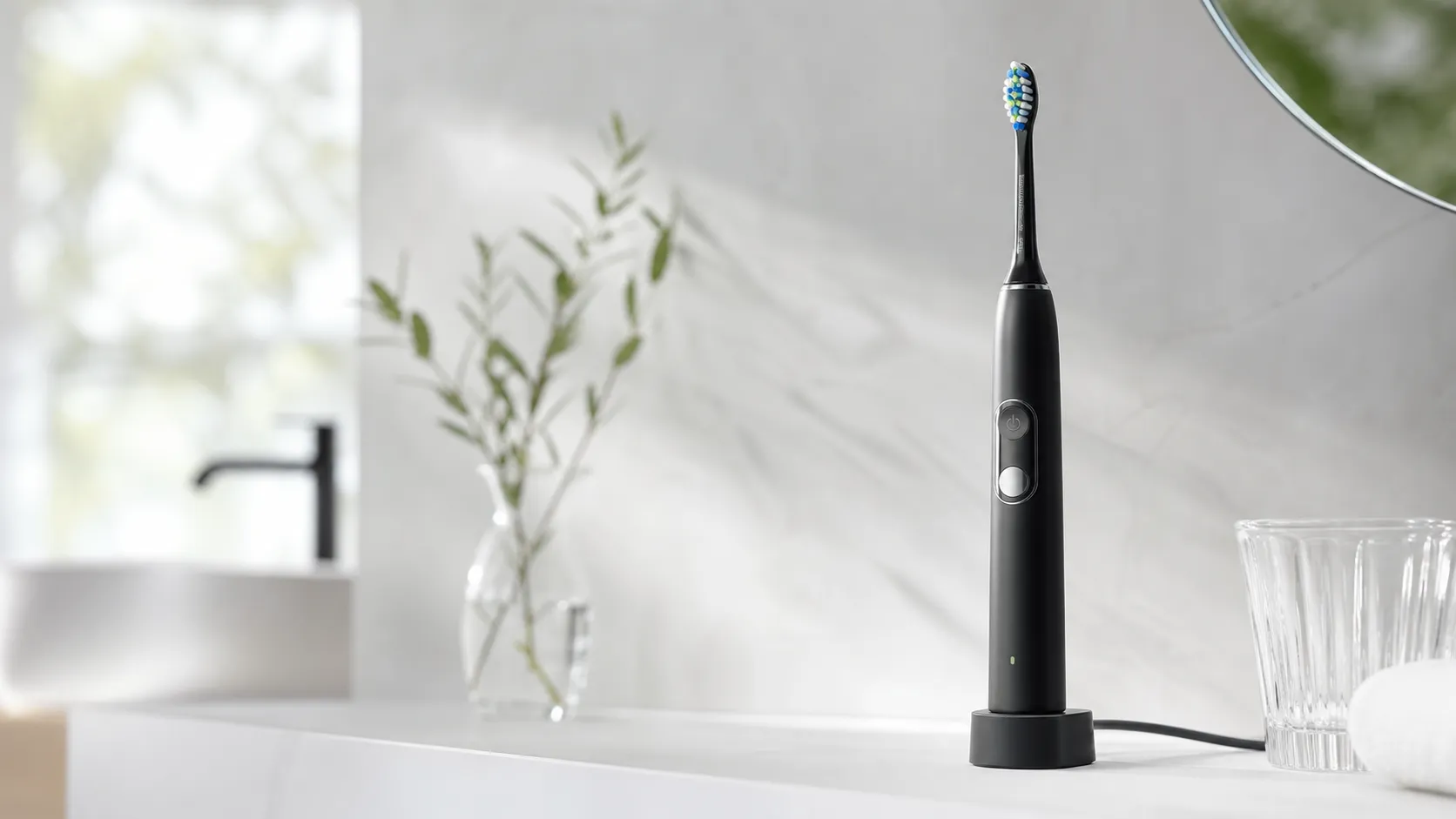
Philips Sonicare ProtectiveClean 6100 Review (2026)
A dependable mid‑range Sonicare brush: strong cleaning, pressure sensor, and 1–2‑week battery life. Great upgrade from manual brushing; watch replacement head costs.
 Health & Wellness
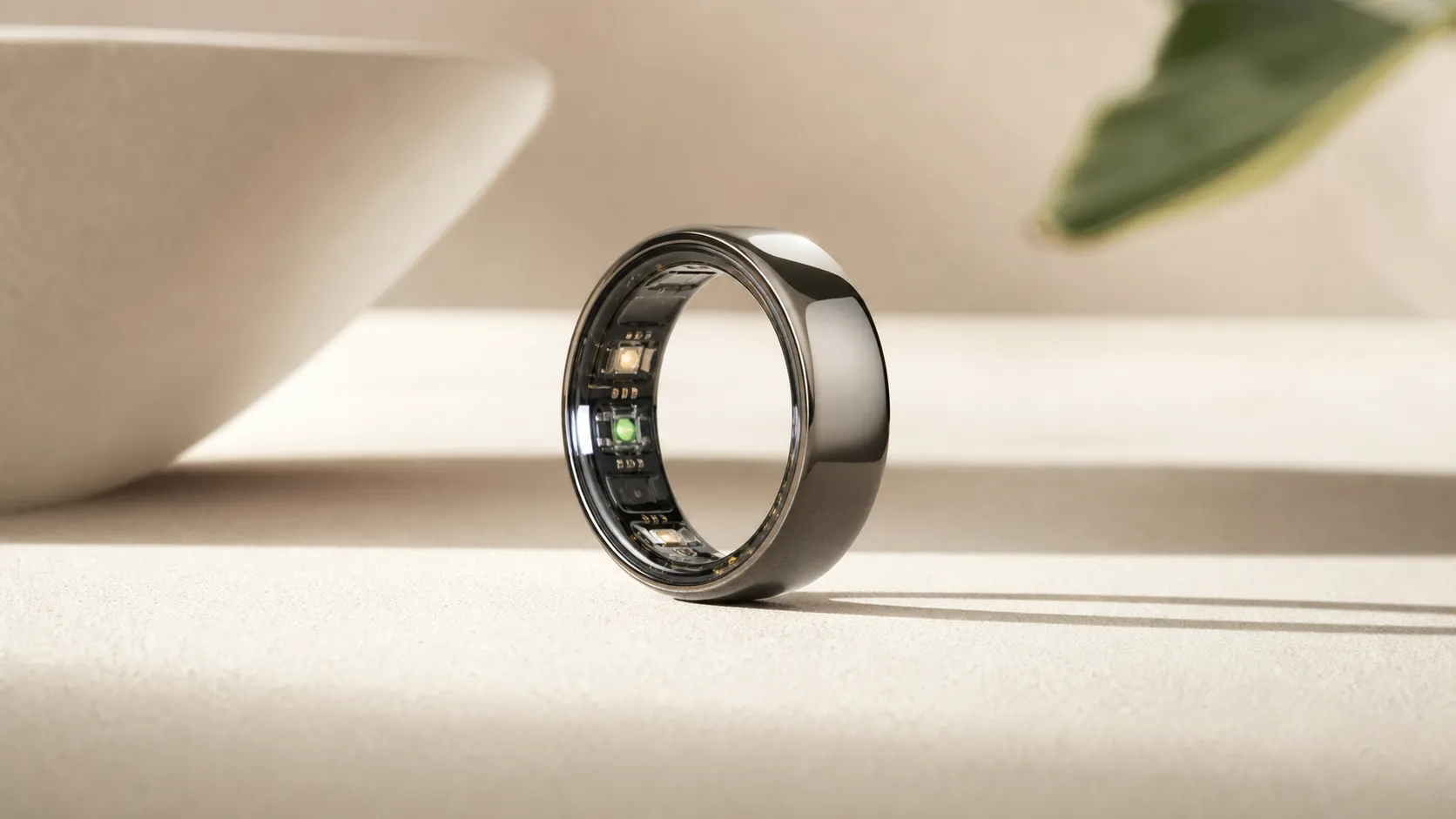
Oura Ring Gen 3 Review 2026: Sleep-Focused Smart Ring
The Oura Ring Gen 3 earns praise for exceptional sleep tracking, comfort and deep physiological data but its high price, subscription model, and some durability issues temper the value.
 Health & Wellness
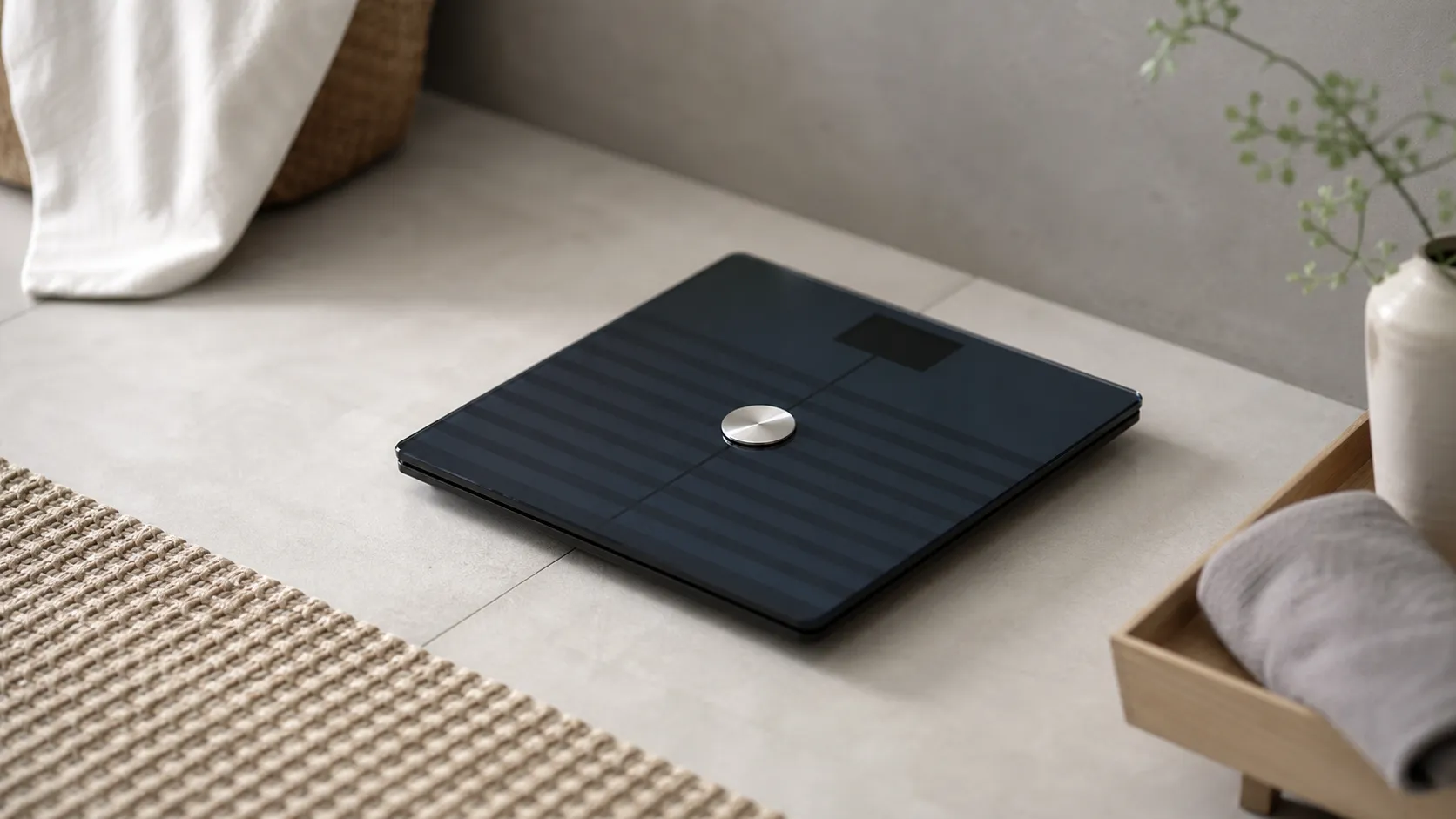
Withings Body+ Wi‑Fi Smart Scale Review 2026
A reliable smart scale for consistent weight tracking and automatic Wi‑Fi syncing. Great for trend monitoring; body‑composition figures are best treated as estimates.