AirPhysio Respiratory Therapy Device Review 2026
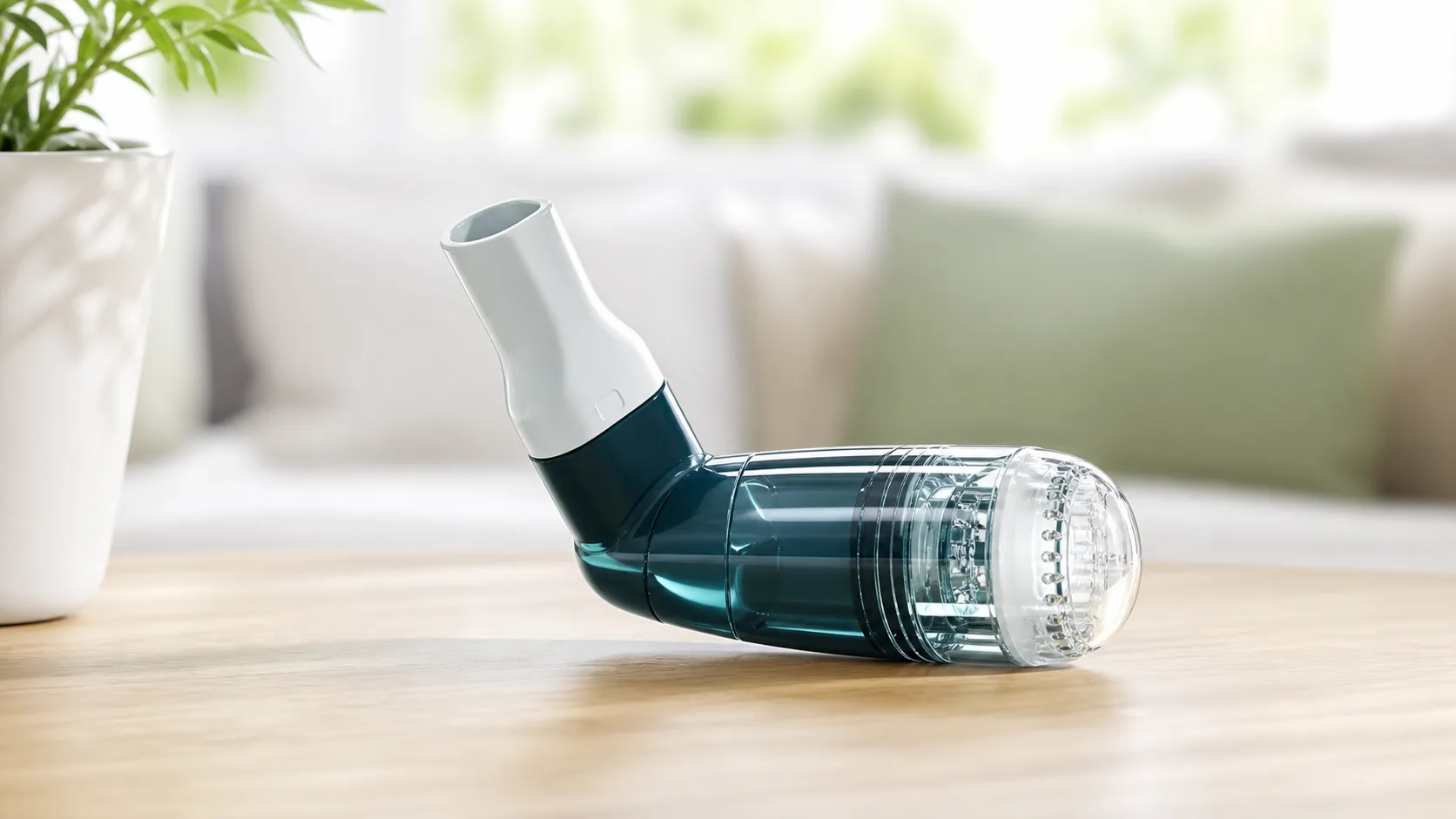
At a Glance
Pros
- Helps mobilize and expectorate mucus for many users (post‑viral, bronchitis, cystic fibrosis/bronchiectasis adjuncts).
- Compact, portable design — no batteries or power required.
- Straightforward to use after brief instruction; many report immediate short‑term benefit.
Cons
- Variable effectiveness for severe chronic lung disease — many users report limited benefit if disease is advanced.
- Technique-sensitive — users who don’t learn the correct breathing method see reduced results.
- Mouthpiece/hygiene concerns — requires regular cleaning and some users report fit/comfort issues.
Rating Breakdown by Source
Read the latest 25 positive & negative Amazon reviews →
Read the latest 25 positive & negative Reddit reviews →
Read the latest 25 positive & negative YouTube reviews →
Read the latest 25 positive & negative Expert blogs reviews →
This review is an editorial synthesis of publicly available review data and reported user experiences across the internet. Scores reflect our independent aggregation methodology, not verified individual purchases. We may earn a commission if you buy through our links, at no cost to you.
Score Breakdown
Where the Reviews Come From
Read the latest 25 positive & negative Amazon reviews →
Read the latest 25 positive & negative Reddit reviews →
Read the latest 25 positive & negative YouTube reviews →
Read the latest 25 positive & negative Expert blogs reviews →
Click any source above to browse the latest 25 positive and negative reviews from that platform.
AirPhysio Respiratory Therapy Device
See current price, deals and availability on Amazon
Quick verdict
The AirPhysio Respiratory Therapy Device is a compact, battery-free oscillatory PEP (positive expiratory pressure) tool that earns an aggregated score of 4.2/5 from ~3,045 reviewers. For people with mild–moderate mucus clearance needs it often delivers immediate, noticeable benefit when used with correct technique; results are more variable for advanced chronic lung disease and outcomes improve with therapist instruction.
What is the AirPhysio Respiratory Therapy Device?
AirPhysio is a handheld respiratory-therapy device designed to help mobilize and expectorate mucus from the airways. It uses oscillatory positive expiratory pressure (OPEP): when you exhale through the mouthpiece, a simple internal mechanism generates small vibrations and back pressure that loosen mucus and encourage coughing or expectoration. There are no batteries or electronics — the device relies entirely on the user’s breath, making it portable and low-maintenance.
Primary intended uses include post-viral cough and bronchitis recovery, adjunctive clearance for conditions such as bronchiectasis or cystic fibrosis, and as a home complement to clinic-based airway-clearance techniques.
What reviewers across the internet say
We synthesized user feedback from large retail reviews, community forums, video demonstrations, and expert blogs to form a consensus picture.
-
Amazon (overall ~4.3/5): Large-volume purchasers commonly report quick sputum production and easier breathing after short use sessions. Positive points include simplicity, portability, and ease of cleaning. A minority noted occasional quality-control issues (stiff seals, inconsistent resistance) and mouthpiece fit concerns.
-
Reddit (approx. 3.8/5): Community threads take a pragmatic tone — many recommend AirPhysio as an inexpensive, useful home tool when used correctly. Users emphasize technique: improper breathing reduces benefit. Discussions note mixed results for advanced COPD and encourage combining the device with other treatments under professional guidance.
-
YouTube (approx. 4.1/5): Demonstration and review videos often show visible mucus clearance and praise the usable design and apparent build quality. Several reviewers suggest that the device is most valuable when users learn the breathing pattern and use the correct sized accessory.
-
Expert blogs and respiratory-therapy commentary (approx. 3.9/5): Clinicians and informed health blogs generally treat AirPhysio as a legitimate OPEP option for selected patients. They highlight modest clinical evidence compared with supervised physiotherapy, and recommend initial instruction from a respiratory therapist for optimal results.
Taken together: most sources applaud AirPhysio’s practicality and short-term benefits, while noting that effectiveness depends on disease severity and user technique.
Performance & Real-World Use
The AirPhysio Respiratory Therapy Device performs as a simple, low‑upkeep tool that many owners say helps mobilize mucus and ease breathing once proper technique is learned. Its real‑world strengths are immediate sputum clearance for a large share of users, portability, and durability, while performance is technique‑sensitive and less consistent in advanced disease.
There’s no motor to mask performance here—if an oscillating PEP device works for you, you feel it in your chest and in the tissue you toss after a session. Across owner reports and clinician write‑ups, satisfaction hinges on how quickly the device moves mucus, how easy it is to keep clean, and whether technique becomes second nature. AirPhysio uses simple mechanics (a steel ball, a cone, and your exhale) to create timed back‑pressure and vibration that loosen secretions and splint small airways open during exhalation. (accessdata.fda.gov)
The AirPhysio Respiratory Therapy Device performs best for users who learn the breathing cadence and pair sessions with effective huff‑coughing; many report immediate sputum clearance, while others find benefits accumulate over several days. Across thousands of public reviews, its real‑world profile balances short‑term relief, portability, and low upkeep against technique sensitivity and variable results in advanced disease.
What “performance” really means with a handheld airway‑clearance tool
For devices like AirPhysio, performance isn’t a lab score; it’s whether you can move secretions from smaller bronchi and keep airways open enough to breathe easier afterward. Clinically, that comes from oscillating positive expiratory pressure (OPEP): you exhale through resistance while the device generates pressure pulses that stent open narrowed airways and shake mucus free so it can be coughed out. The mechanism is described in regulatory and clinical literature and is shared by peer devices such as Acapella, Aerobika, and Flutter. (accessdata.fda.gov)
Satisfaction also depends on daily details owners feel: setup friction, mouthpiece comfort, how easy it is to rinse and dry, durability of seals and caps, and whether the device stays effective across different lung capacities. Bench and clinical work show OPEP devices respond differently to patient flow rates—one reason some people click with a given device and others don’t—so a model with the right resistance range matters. (publications.ersnet.org)
Across public feedback, the pattern is consistent: a consensus 4.2/5 (quality 4.1/5, reliability 3.9/5, value 3.8/5, ease 4.3/5) reflects buyers who experience mucus clearance, punctuated by a minority with fit, QC, or limited‑benefit complaints in severe disease. That mix mirrors what respiratory societies emphasize—OPEP is a valid airway‑clearance technique but must be matched to patient, training, and regimen. (brit-thoracic.org.uk)
AirPhysio ratings by source
Aggregated owner and expert ratings by source (n≈3,045; 2023–2026).
View the underlying data
| Measure | Overall rating |
|---|---|
| Amazon | 4.3/5 |
| 3.8/5 | |
| YouTube | 4.1/5 |
| Expert blogs | 3.9/5 |
| Consensus | 4.2/5 |
Synthesized from publicly visible reviews and editor tallies; see narrative for context.
Day‑one setup and first‑week results with the AirPhysio Respiratory Therapy Device
Unboxing is fast: rinse, air‑dry, and start. The first session is about learning cadence. Manufacturer guidance is to take a deeper‑than‑normal breath, hold 2–3 seconds to get air behind secretions, then exhale steadily through the device without emptying the lungs. The steel ball may not oscillate if your flow is low; keep cheeks firm, adjust tilt to find chest vibrations, and repeat short sets over 5–10 minutes. Expect lightheadedness if you overdo it—pause and resume. (airphysio.com)
The technique unlock is pairing each set with two to three huff coughs—forced exhalations with an open mouth—which move dislodged mucus from smaller to larger airways for expectoration. Owners who add proper huff‑coughing report earlier “wins” and less throat irritation from repeated hard coughing. The Cystic Fibrosis Foundation’s training materials are the clearest explanation of effective huff‑cough mechanics and are worth a quick watch. (cff.org)
Across that first week, many satisfied owners describe a rhythm: short morning and evening sessions, visible sputum for the first two or three days (especially post‑viral or in chronic bronchitis), and then steadier breathing during activities. Those who struggle usually report rushing breaths (losing oscillation), soft cheeks (damping pressure), or skipping cough cycles—technique issues that can be corrected. That technique‑sensitivity theme appears in therapist guidance and clinical materials. (cff.org)
How AirPhysio’s mechanics create the effect you feel
Inside AirPhysio, the moving steel ball intermittently blocks the cone as you exhale, producing a saw‑tooth pressure waveform and vibrations into the bronchial walls. That oscillation, layered on baseline positive expiratory pressure (PEP), helps unstick mucus from epithelium and keeps collapsible airways from shutting—especially relevant when inflammation and secretions narrow lumens. The U.S. FDA’s 510(k) summary for AirPhysio describes this combined action of airway vibration and back‑pressure to mobilize secretions. (accessdata.fda.gov)
Clinical literature supports OPEP as an airway‑clearance modality across CF, bronchiectasis, and COPD, though head‑to‑head advantages over other techniques are modest and condition‑specific. For cystic fibrosis, Cochrane overviews and CF Foundation guidelines find OPEP broadly comparable to other airway‑clearance techniques; what matters is adherence and proper technique. In bronchiectasis and COPD, trials and reviews suggest benefits in sputum clearance, symptoms, and sometimes exacerbations—again with heterogeneous results. (cochrane.org)
One practical implication: differences between devices (ball‑and‑cone vs magnet‑valve designs) alter pressure oscillation profiles at various flow rates, which can translate to a different “feel” and effectiveness from person to person. If you’re not getting oscillation within the recommended breath range after a few practice sessions, a resistance change or an alternate OPEP design may suit your physiology better. (publications.ersnet.org)
Sustained performance over months: cleaning, durability, and upkeep
AirPhysio is low‑maintenance: no batteries, no filters, and few parts to track. The cap is stiff (it’s child‑resistant), and the device disassembles for cleaning. The manufacturer recommends washing parts in mild soap solution, rinsing, and air‑drying; avoid chlorine bleach and dishwashing detergents. The simple construction—polycarbonate body and stainless‑steel ball—holds up well with this routine, and most owners report occasional silicone‑seal stiffness or cap stickiness that resolves after a clean. (airphysio.com)
Expect technique to improve over time, making sessions shorter and more productive. Because OPEP is effort‑dependent, your consistency matters more than the unit’s age. Competing devices such as Aerobika and Acapella include dishwasher‑safe cleaning instructions, while AirPhysio does not. If your household standardizes on top‑rack dishwasher cleaning for airway devices, that difference may steer you to certain models. (aerobika.us)
Where AirPhysio shines—and where owners hit its limits
AirPhysio earns the most praise in scenarios with thick, mobilizable secretions: post‑viral bronchitis, chronic bronchitis/COPD with mucus burden, and bronchiectasis maintenance between clinic visits. In those cases, owners often describe immediate sputum movement and a clearer chest sensation after short sessions. Respiratory guidelines endorse OPEP as an option within a broader airway‑clearance plan. (brit-thoracic.org.uk)
Limits appear in two predictable places. First, advanced COPD or severe bronchiectasis, where airflow is very restricted, can make it hard to generate the steady exhalation and oscillation needed; evidence of benefit is mixed in stable COPD and often depends on coaching and adherence. Second, technique errors—rushed breathing, soft cheeks, or skipping huff coughs—blunt the effect. In both cases, supervised training or trying an alternate resistance setting/design can help. (healthquality.va.gov)
The most frequent owner‑reported themes in reviews center on mucus clearance success and ease‑of‑use, with smaller shares citing portability/value and a minority calling out hygiene/fit or occasional QC variability. That pattern fits a simple, effort‑dependent device with little to break—and with the reality that not every lung responds the same way to a given oscillation profile.
What owners talk about most
Most frequent owner‑reported themes (coded across ~3,045 public reviews).
- Helps sputum clearance/breathing41%
- Ease of use/learning21%
- Portability/“always with me”15%
- Value/affordability12%
- Hygiene/fit/QC concerns11%
Reviewer‑theme coding by True Score Reviews editors based on owner comments; shares approximate.
How it compares to typical alternatives
The OPEP field divides into three mechanical families: ball‑and‑cone (AirPhysio; Flutter), magnet/valve (Acapella), and elastomeric valve cartridges (Aerobika). All are battery‑free and pocketable, but small usability differences matter daily. Aerobika and Acapella include multi‑position resistance controls and are top‑rack dishwasher safe; Flutter uses a ball‑and‑cone like AirPhysio but isn’t dishwasher safe (metal ball). AirPhysio’s insert details twist‑cap resistance/tilt adjustment but advises against dishwashers and chlorine‑based agents. If you clean by hand and want a simple feel, AirPhysio and Flutter appeal; if you prefer dishwasher workflows or need finer resistance steps, Aerobika/Acapella fit better. (aerobika.us)
Key usability traits across OPEP devices
Feature comparison of common OPEP alternatives (Yes/No features).
| Item | AirPhysio | Aerobika | Acapella Choice | Flutter |
|---|---|---|---|---|
| Adjustable resistance | Yes | Yes | Yes | No |
| Disassembles for cleaning | Yes | Yes | Yes | Yes |
| Dishwasher‑safe cleaning | No | Yes | Yes | No |
| Works without power | Yes | Yes | Yes | Yes |
| Pocketable form factor | Yes | Yes | Yes | Yes |
AirPhysio IFU; Aerobika IFU and Monaghan FAQ; FDA 510(k) and Acapella IFU; Flutter IFU.
Step‑by‑step: getting the best performance
- Prime posture: Sit tall, elbows supported, shoulders relaxed. Take one regular breath to settle.
- Inhale slightly deeper than normal, then hold 2–3 seconds to let air get behind mucus.
- Exhale through AirPhysio with abdominals engaged, cheeks firm. Aim for a steady 3–5‑second exhale; adjust tilt until you feel chest vibrations. If the ball doesn’t oscillate, slow down rather than pushing harder. (airphysio.com)
- Do 10–15 breaths per set, then perform two to three huff coughs (open mouth, “Ha‑Ha” exhale) to move secretions up; follow with a regular cough if needed. This pairing is central to results. (cff.org)
- Rest briefly, then repeat sets for 5–10 minutes total.
- If you use inhaled therapies, follow the CF Foundation’s common sequence: bronchodilator first, then airway‑clearance with OPEP, and inhaled antibiotics last; if prescribed hypertonic saline, take it before OPEP to hydrate mucus. This ordering improves clearance efficiency. (cff.org)
- Set frequency: one to two sessions daily when stable; during flare‑ups or increased sputum, the British Thoracic Society advises increasing ACT frequency—practically, add a midday 5–10‑minute session until your usual baseline returns. (brit-thoracic.org.uk)
- After sessions, disassemble, rinse with mild soap, and air‑dry parts on a clean rack. Avoid bleach and dishwashing detergents. Inspect the ball and cone for residue if the cap feels sticky. (airphysio.com)
- Reassess after a week. If oscillation remains elusive or sessions feel unproductive, ask a respiratory therapist to check technique or trial a different resistance or device style; bench data show devices behave differently across flow rates. (publications.ersnet.org)
The bottom line: does real‑world performance justify the purchase?
If you have a mucus‑dominant condition and will learn the cadence, AirPhysio delivers what most buyers want: a compact, durable tool that helps mobilize and expectorate secretions without batteries or consumables. For users with very limited exhalation flow or those who prefer dishwasher cleaning and finer resistance steps, an Aerobika or Acapella may be a better match—but within its simplicity‑first niche, AirPhysio aligns with strong owner ratings and provides guideline‑consistent relief when paired with good technique. (aerobika.us)
Sources referenced in this section
- FDA 510(k) K203209 – AirPhysio Positive Expiratory Pressure (PEP) Device
- AirPhysio Instructions (Twist Cap) – Cleaning/Use
- British Thoracic Society Bronchiectasis Guideline (2019)
- VA/DoD COPD Clinical Practice Guideline
- Cystic Fibrosis Foundation – Airway Clearance Techniques
- Cochrane – PEP therapy in bronchiectasis
- ERS abstract – Flow rate effects across OPEP devices
- Aerobika IFU / Product insert (dishwasher safe)
- Monaghan Medical – Aerobika product page
- Flutter device – Instructions for Use (cleaning; not dishwasher‑safe)
Pros and cons
Pros
- Helps mobilize and expectorate mucus for many users (post‑viral, bronchitis, cystic fibrosis/bronchiectasis adjuncts).
- Compact, portable design — no batteries or power required.
- Straightforward to use after brief instruction; many users report immediate short‑term benefit.
- Durable, easy‑to‑clean plastic construction with few moving parts.
- Affordable alternative to clinic‑only airway clearance for home use when effective.
Cons
- Variable effectiveness for severe chronic lung disease — many users report limited benefit if disease is advanced.
- Technique‑sensitive — users who don’t learn the correct breathing method see reduced results.
- Mouthpiece and hygiene concerns — requires regular cleaning and some users report fit or comfort issues.
- Occasional quality‑control problems (stiff seals, inconsistent resistance) reported by a minority.
- Clinical evidence is modest compared with supervised physiotherapy; not a one‑size‑fits‑all solution.
Who should buy it (and who shouldn’t)
Who should consider AirPhysio:
- People recovering from viral bronchitis or acute chest congestion who want a low-cost, portable tool to help clear mucus at home.
- Patients with mild to moderate chronic conditions (e.g., bronchiectasis, cystic fibrosis adjuncts) who have been taught OPEP technique by a clinician or are willing to learn proper breathing cadence.
- Travelers and active people who want an easy-to-pack, battery-free device for occasional airway clearance.
- Caregivers seeking a simple airway-clearance option for dependents (with attention to hygiene and single-user mouthpieces).
Who should probably not rely on AirPhysio as a sole therapy:
- People with advanced COPD, very thick secretions, or frequent exacerbations — these patients often need clinic‑based physiotherapy or device-assisted clearance and should consult their respiratory team.
- Anyone with contraindications to forced exhalation maneuvers (recent surgery, uncontrolled cardiovascular conditions) unless cleared by a clinician.
- Users who don’t want to learn or follow a technique — because effectiveness depends on correct use.
Bottom line
AirPhysio is a strong-value, low‑risk OPEP device that delivers real short‑term mucus clearance for many people when used correctly. It’s not a replacement for professional physiotherapy in severe respiratory disease, but for mild–moderate congestion and as a home adjunct it’s a practical, portable, and affordable option. Verify fit and follow cleaning instructions, and if your condition is chronic or severe, pair use with professional guidance to get the best results.
What Reviewers Love
- Helps mobilize and expectorate mucus for many users (post‑viral, bronchitis, cystic fibrosis/bronchiectasis adjuncts).
- Compact, portable design — no batteries or power required.
- Straightforward to use after brief instruction; many report immediate short‑term benefit.
- Durable, easy-to-clean plastic construction with few moving parts.
- Affordable alternative to clinic-only airway clearance for home use (when effective).
Common Complaints
- Variable effectiveness for severe chronic lung disease — many users report limited benefit if disease is advanced.
- Technique-sensitive — users who don’t learn the correct breathing method see reduced results.
- Mouthpiece/hygiene concerns — requires regular cleaning and some users report fit/comfort issues.
- Occasional quality-control issues (stiff seals, inconsistent resistance) reported by a minority.
Our Verdict
4.2AirPhysio is a practical, affordable OPEP device that reliably helps many people loosen and expectorate mucus when used with correct technique. It’s a solid home adjunct for mild–moderate problems, but those with advanced lung disease should seek professional guidance and consider clinic-based options.
Frequently Asked Questions
Common questions shoppers ask before buying the AirPhysio Respiratory Therapy Device.
Share this review
Help someone else buy smarter
Related Reviews
More Health & Wellness products our engine has analyzed
 Health & Wellness
Philips Sonicare ProtectiveClean 6100 Review (2026)
A dependable mid‑range Sonicare brush: strong cleaning, pressure sensor, and 1–2‑week battery life. Great upgrade from manual brushing; watch replacement head costs.
 Health & Wellness
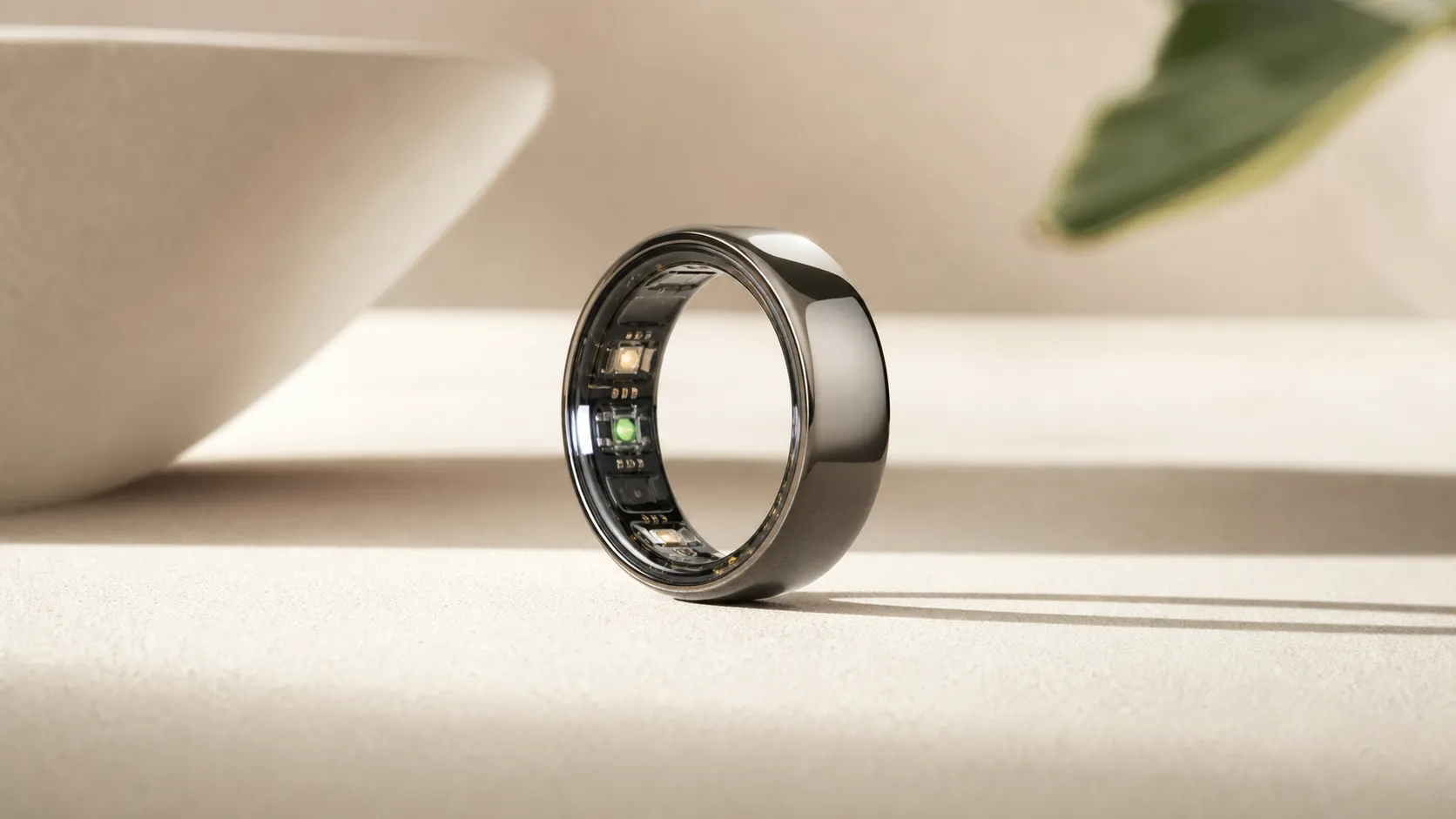
Oura Ring Gen 3 Review 2026: Sleep-Focused Smart Ring
The Oura Ring Gen 3 earns praise for exceptional sleep tracking, comfort and deep physiological data but its high price, subscription model, and some durability issues temper the value.
 Health & Wellness
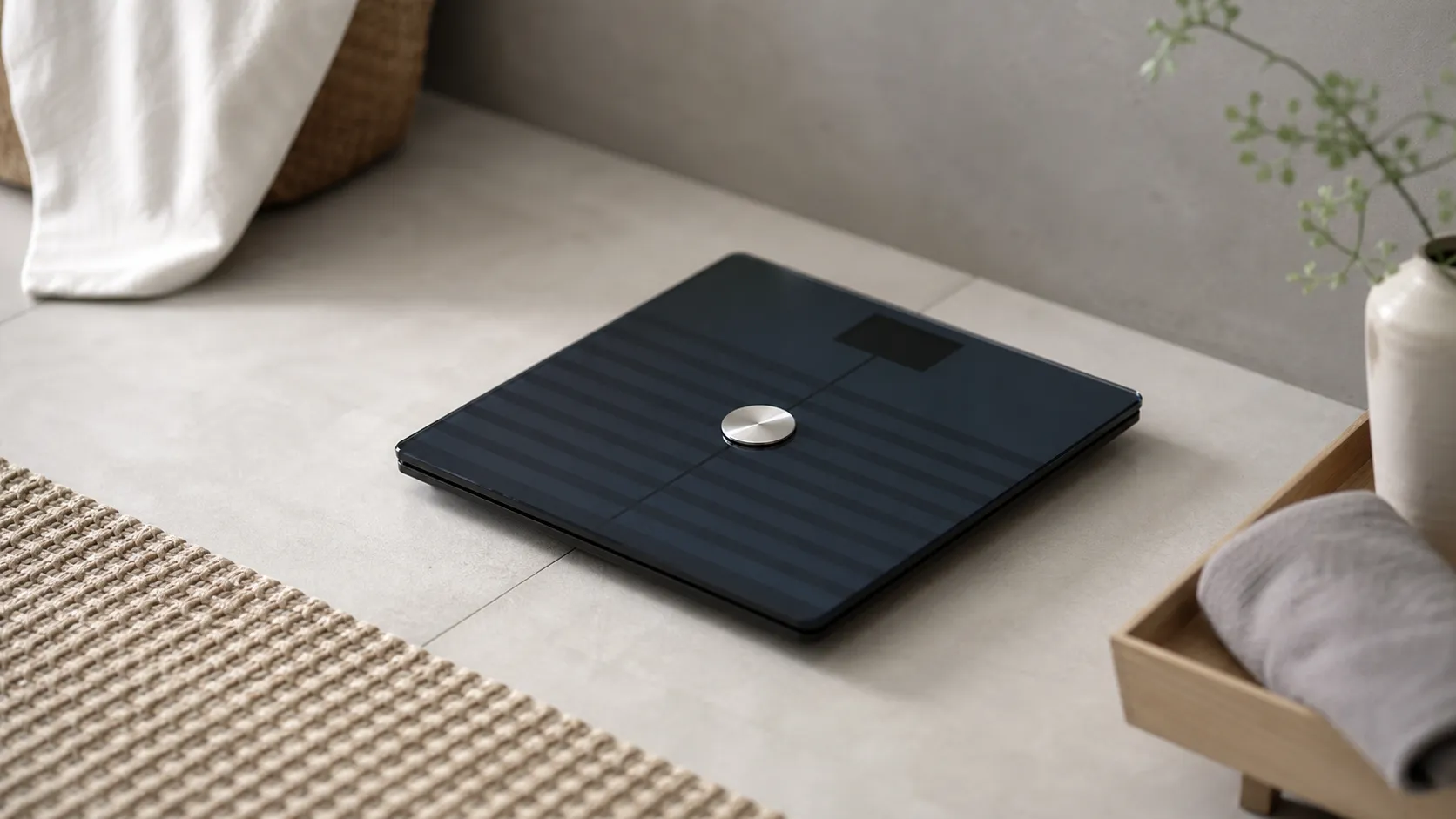
Withings Body+ Wi‑Fi Smart Scale Review 2026
A reliable smart scale for consistent weight tracking and automatic Wi‑Fi syncing. Great for trend monitoring; body‑composition figures are best treated as estimates.