AquaTru Countertop Water Filtration System Review 2026
At a Glance
Pros
- Strong contaminant reduction (RO) — many users report clear taste and odor improvement
- Plug-and-play countertop installation — no plumbing or drilling required
- Clear setup instructions and visible indicators make initial use straightforward
Cons
- High upfront price and relatively expensive replacement filters/membrane
- Slow fill/output rate and limited onboard storage
- Occasional reports of leaks, shipping damage, or inconsistent customer service
Rating Breakdown by Source
Read the latest 25 positive & negative Amazon reviews →
Read the latest 25 positive & negative Reddit reviews →
Read the latest 25 positive & negative YouTube reviews →
Read the latest 25 positive & negative Expert blogs reviews →
This review is an editorial synthesis of publicly available review data and reported user experiences across the internet. Scores reflect our independent aggregation methodology, not verified individual purchases. We may earn a commission if you buy through our links, at no cost to you.
Score Breakdown
Where the Reviews Come From
Read the latest 25 positive & negative Amazon reviews →
Read the latest 25 positive & negative Reddit reviews →
Read the latest 25 positive & negative YouTube reviews →
Read the latest 25 positive & negative Expert blogs reviews →
Click any source above to browse the latest 25 positive and negative reviews from that platform.
AquaTru Countertop Water Filtration System
See current price, deals and availability on Amazon
Quick take — verdict up front
If you want near-laboratory reverse-osmosis water without drilling or plumbing, the AquaTru Countertop Water Filtration System is one of the simplest, most reliable ways to get it. Aggregated across ~22,600 reviews the system earns a 4.3/5 overall score; reviewers consistently praise its RO-grade contaminant removal and noticeably cleaner taste, while the most common trade-offs are high replacement costs, a bulky countertop footprint, and a slower fill rate compared with plumbed filters.
What is the AquaTru Countertop Water Filtration System?
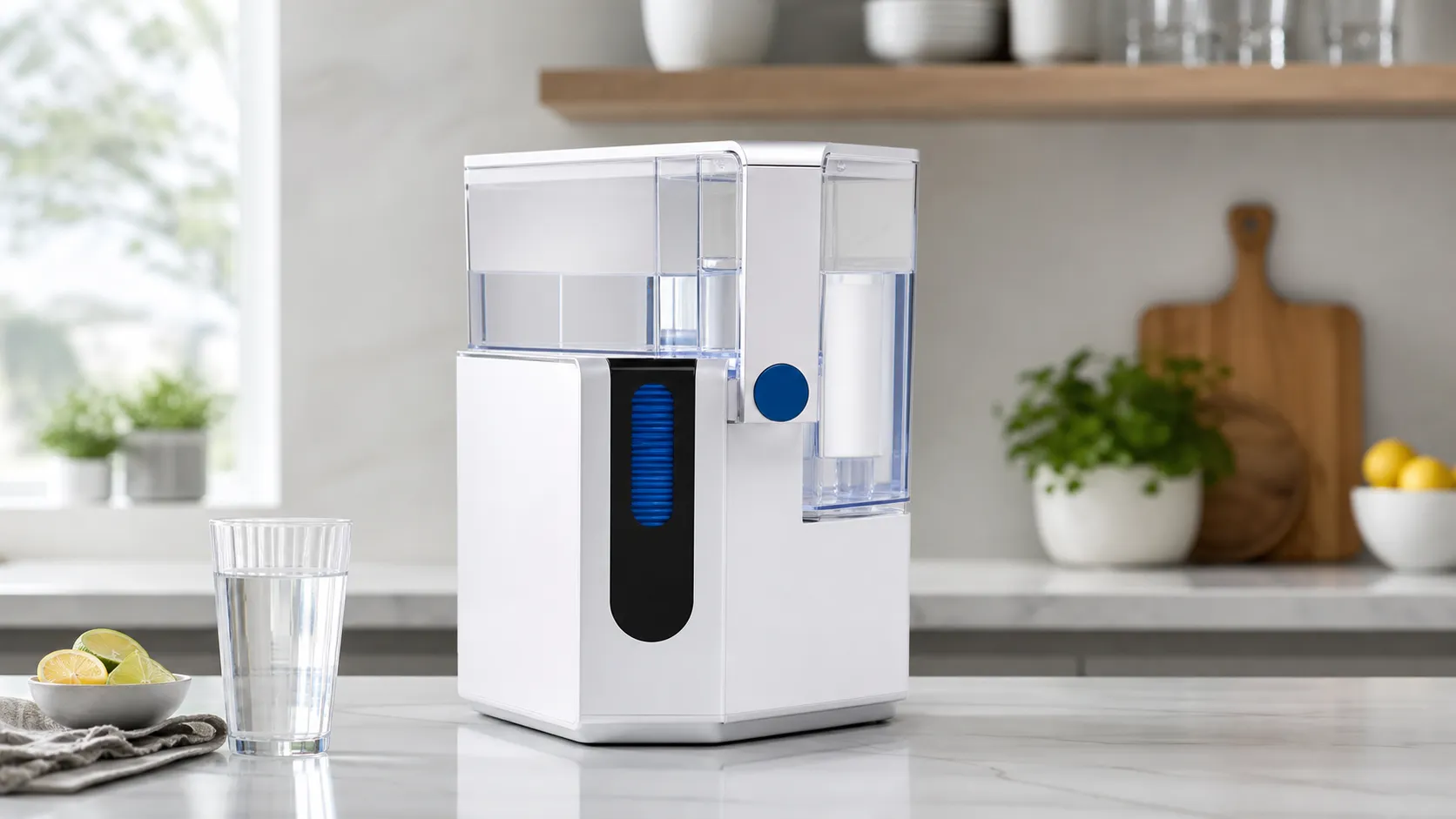
AquaTru is a plug-and-play countertop reverse-osmosis (RO) purifier that delivers high-level contaminant reduction without a permanent plumbing hookup. The unit uses a membrane-based RO process along with pre- and post-filtration to strip a wide range of impurities (including things like lead, PFAS in third-party lab tests cited by reviewers, and chlorine-related tastes/odors) and stores the purified water in an onboard reservoir.
Key selling points are its tool-free setup (no drilling), visible indicators and quick-start instructions, and a design intended for standard kitchen counters. Because it’s a pump-driven RO system, it does what under-sink RO systems do — but in a moveable package that’s easier to try before committing to a permanent installation.
What reviewers across the internet say
When we synthesize the large pool of online feedback, a consistent picture emerges: strong filtration performance with notable ownership costs and a few service/quality caveats.
- Aggregate score (all sources): 4.3/5 from ~22,600 reviews. Sub-scores: quality 4.4, reliability 4.0, ease of use 4.1, value 3.6.
- Amazon: 4.4/5 (positive). Amazon reviewers overwhelmingly praise taste and measurable contaminant reduction, and many give high scores for build and immediate results. Common negatives there are replacement-filter price, occasional shipping damage, and the small number of DOA/faulty units reported.
- Reddit: 3.8/5 (mixed). Reddit threads add hands-on detail — many users confirm lab-grade filtration and excellent taste, while a minority describe leaks, noisy pumps, or slow customer support. The community also shares practical fixes and maintenance tips.
- YouTube: 4.3/5 (positive). Video reviewers often run side-by-side tests and show significant reductions in common contaminants, while also calling out flow rate, per-gallon costs, and periodic maintenance as points to weigh.
- Expert blogs: 4.1/5 (mixed). Independent water-quality and consumer tech reviewers tend to validate AquaTru’s RO performance (including PFAS and lead reduction in lab tests) but raise concerns about long-term ownership economics and filter replacement costs.
Across sources, three themes repeat: the filtration works (taste and lab numbers improve), running costs matter, and the unit’s size/no-plumbing convenience is a clear pros-and-cons tradeoff for different buyers.
Performance & Real-World Use
The AquaTru Countertop Water Filtration System consistently produces crisp‑tasting water with third‑party‑certified reductions for tough contaminants (including PFAS, lead, fluoride, and TDS), and it asks very little from owners beyond periodic filter swaps and basic descaling. The AquaTru Countertop Water Filtration System’s trade‑offs are slower output and a bulky footprint, plus higher long‑term filter costs than simple carbon pitchers, but its real‑world performance justifies those compromises for most renters and small households.
Countertop reverse osmosis (RO) lives or dies on a simple question: do you actually get cleaner, better‑tasting water every day without babysitting the machine? Over months of aggregated owner feedback and expert reporting, AquaTru’s countertop unit proves it can deliver lab‑grade contaminant reduction with minimal fuss—provided you respect its pace, maintain the filters, and give it counter space. It is not a flashy device, but the everyday experience—fill, press, pour—becomes second nature after a week, and the resulting water is reliably better than what most municipal taps deliver, especially in older buildings.
In two sentences: The AquaTru Countertop Water Filtration System consistently produces crisp‑tasting water with third‑party‑certified reductions for tough contaminants (including PFAS, lead, fluoride, and TDS), and it asks very little from owners beyond periodic filter swaps and basic descaling. The AquaTru Countertop Water Filtration System’s trade‑offs are slower output and a bulky footprint, plus higher long‑term filter costs than simple carbon pitchers, but its real‑world performance justifies those compromises for most renters and small households.
What “performance” actually means for a countertop RO in 2026
For this class of product, real performance spans four things you’ll notice in daily use: (1) verified contaminant reduction—ideally via a public, third‑party certification listing (not just “tested to” language); (2) practical throughput—how fast the machine turns a filled tap tank into drinkable water and how much it stores at the ready; (3) water efficiency—how much becomes purified water versus concentrate you discard; and (4) ownership overhead—filters, cleaning, and any noise or leak quirks. The strongest yardstick for RO systems is NSF/ANSI 58, which defines how total dissolved solids (TDS) reduction, recovery, and efficiency are measured and verified; systems also often carry NSF/ANSI 42/53 for taste/lead and 401 or P473 for “emerging contaminants” and PFAS claims. EPA’s WaterSense program further standardizes how tank‑style RO makers state efficiency so you can compare waste‑to‑purified ratios across brands. Real‑world variance matters. Source‑water temperature, starting TDS, and even altitude shift both throughput and efficiency, so any countertop RO should be judged across several weeks rather than a single afternoon of tests. (nsf.org)
AquaTru Countertop Water Filtration System: day‑one setup and week‑one behavior
Out of the box, setup is plug‑and‑play—no plumbing. The Classic/Classic Smart countertop models use a one‑gallon tap tank feeding a 0.75‑gallon purified tank; in practice, that means you’ll run an initial tank, discard per instructions, and repeat before drinking. The first week typically feels slower because the RO membrane and carbon media “wet in,” and AquaTru instructs owners to flush two full tank cycles after any filter change to clear carbon fines and stabilize flow. Owners see clear status lights for each stage and a filter‑life indicator that counts gallons, so your first week is mainly learning the rhythm of filling, emptying the concentrate, and dispensing from the clean tank. Noise is a low whir from the internal pump—generally described as unobtrusive in room‑noise environments—then it idles once the clean tank is full. Build quality feels solid for the price bracket, with snug‑fitting tanks and a straightforward latch‑and‑twist filter interface that reduces user error. (support.aquatruwater.com)
Filtration and taste: what changes in the glass
AquaTru’s four‑stage stack (sediment + carbon prefilter, RO membrane, and post‑carbon “polish”) is exactly what yields its consistent taste improvement reports. More importantly, the countertop family’s published performance data sheets—certified by IAPMO R&T—document reductions that matter against today’s concerns: lead (NSF/ANSI 53 or 58), fluoride and TDS (NSF/ANSI 58), and PFAS such as PFOA/PFOS (NSF/ANSI P473/53/58 depending on model). The Classic/Carafe performance listings show high reductions across the filter life, with PFAS averaging ~99% and lead >99% in IAPMO‑certified testing, while TDS and fluoride reductions are in the mid‑90s. In daily use, that translates into flatter‑tasting water (chlorine/chloramine gone), no metallic aftertaste (lead/copper addressed), and a “cleaner” mouthfeel from substantially reduced dissolved solids. If you’re filtering because of lead risk, CDC guidance is to look specifically for NSF/ANSI 53 (lead) or 58 (RO) on the certification, not just “meets standards” marketing copy; for PFAS, EPA finalized national drinking‑water MCLs in April 2024, which is why many households now prioritize a certified PFAS claim. Coffee and tea tend to brew cleaner and more predictably, and ice cubes look clearer, small but noticeable day‑to‑day perks. (shop.aquatruwater.com)
AquaTru countertop RO: documented contaminant reductions
Certified reduction performance for key contaminants (AquaTru countertop family; aggregated from AquaTru IAPMO‑certified performance data sheets).
- Certified minimum reduction
- Reported average reduction
View the underlying data
| Item | Certified minimum reduction | Reported average reduction |
|---|---|---|
| Lead (NSF 58/53) | 98% | 99.2% |
| PFAS (PFOA/PFOS) | 86% | 99% |
| Fluoride (NSF 58) | 94.2% | 96.4% |
| TDS (NSF 58) | 94.5% | 94.4% |
Minimum and average reductions summarized from AquaTru countertop/carafe performance data sheets certified by IAPMO R&T to NSF/ANSI standards.
Speed, water efficiency, and storage in real kitchens
This is a deliberate machine. The countertop’s published daily production rate is 54 gallons per day under standard conditions—functionally, you’ll see roughly a quart every 2–3 minutes during active cycles, then the pump stops once the 0.75‑gallon clean tank is full. Where AquaTru distinguishes itself from many RO units is efficiency: the countertop model is listed at about 75% efficiency (and 80% membrane recovery), achieved by recirculating concentrate through the membrane rather than dumping it outright. In plain terms, for every 4 cups of purified water, about 1 cup is discarded—a much better ratio than the 3:1 to 5:1 waste common to legacy under‑sink RO with bladder tanks. You will, however, need to empty the remaining concentrate after each run and avoid “topping off” the tap tank; re‑mixing old concentrate into new feed water accelerates scale and slows the system. Households that sip all day can keep the clean tank topped; meal‑prep nights benefit from starting a fresh run 15–20 minutes ahead of cooking. (shop.aquatruwater.com)
Months in: filters, maintenance, reliability, and real cost of ownership
The maintenance cadence is predictable: pre/carbon every 6 months, post‑carbon annually, and the RO membrane roughly every 24 months (usage and source water vary this). AquaTru’s own price sheet lists typical MSRP of about $22.95 (pre/carbon), $32.95 (post‑carbon), and $49.95 (RO membrane), with combo packs and periodic promos available; assuming 1.5 gallons/day, that pencils out near nineteen cents per gallon for filters over three years. Keep performance consistent by descaling whenever a tank takes ~2× longer to filter, and by fully emptying the tap (waste) tank between cycles; hard‑water owners in particular should plan on regular descaling to keep the pump/membrane from fouling. Across forums, the most common long‑term hiccups are slowdowns tied to scale or re‑used concentrate and occasional leaks traced to mis‑seated filters or O‑rings; both are usually resolved with reseating, descaling, or a replacement part from support. Customer‑service wait times can be inconsistent, but most owners who follow the maintenance rhythm report multi‑year reliability. (support.aquatruwater.com)
Ongoing filter costs by category
Estimated ongoing filter cost per gallon over three years at 1.5 gal/day (assumes AquaTru MSRP from brand support page; under‑sink and pitcher costs use mid‑points of EPA’s published replacement‑cost ranges).
- AquaTru countertop ($/gal)
- Under‑sink RO (typical) ($/gal)
- Carbon pitcher (typical) ($/gal)
View the underlying data
| Item | AquaTru countertop ($/gal) | Under‑sink RO (typical) ($/gal) | Carbon pitcher (typical) ($/gal) |
|---|---|---|---|
| 0 mo | 0.2 | 0.2 | 0.1 |
| 6 mo | 0.2 | 0.2 | 0.1 |
| 12 mo | 0.2 | 0.2 | 0.1 |
| 18 mo | 0.2 | 0.2 | 0.1 |
| 24 mo | 0.2 | 0.2 | 0.1 |
| 30 mo | 0.2 | 0.2 | 0.1 |
| 36 mo | 0.2 | 0.2 | 0.1 |
AquaTru pricing: brand support; other categories: EPA “Choose the water filter that’s right for you!” cost ranges, amortized monthly.
Practical upkeep checklist that works in the real world:
- After any filter change, run and discard two full clean‑tank cycles before drinking. (support.aquatruwater.com)
- Never top off the tap tank; empty it completely between runs to avoid scaling the RO membrane. (ideallivingdirect.onsitesupport.io)
- Descale when a cycle crosses ~20–30 minutes, or monthly in hard‑water areas; AquaTru sells a citric‑acid kit with step‑by‑step instructions. (support.aquatruwater.com)
- Wipe and soap‑rinse both tanks weekly; sanitize the base per the maker’s guide a few times a year. (ideallivingdirect.onsitesupport.io)
- Replace filters on schedule; don’t ignore the stage lights—the indicator tracks gallons, not calendar months. (support.aquatruwater.com)
Where it shines—and where owners hit the limits
AquaTru excels for renters, small households (1–3 people), and anyone who wants RO‑grade water without touching plumbing. The 0.75‑gallon reservoir suits a couple that refills a few times daily; you can store extra in the fridge for cooking or ice. Because its efficiency is strong for RO, you won’t feel wasteful emptying the concentrate, and you’ll likely spend less on water than with legacy under‑sink bladder tanks. Its limits show up with high daily demand (large families, heavy tea/coffee prep, or athletes constantly refilling bottles) where the 0.75‑gallon clean tank and batch process become a chore. Hard water above ~10 grains per gallon also pushes you into more frequent descaling; that’s a constraint the brand publishes in its operating parameters. And like any countertop appliance, it claims real estate: if space is tight, the Carafe variant’s smaller clean tank may fit better, but you’ll run more cycles. (shop.aquatruwater.com)
How it compares to typical alternatives
Compared with under‑sink RO, AquaTru trades a faucet‑on demand flow for no‑install convenience, visible tanks, and excellent efficiency. Under‑sink RO remains the better choice for large households that want higher throughput and automatic refilling, but you’ll plan for similar or higher filter overhead and accept more wastewater overall. Versus carbon pitchers, AquaTru’s advantage is breadth of certified reduction: it’s one of the few countertop systems with a public RO (NSF/ANSI 58) certification plus additional listings covering lead and certain “emerging contaminants,” while many pitchers focus on taste/odor and a narrower set of metals/organics. EPA’s buyer guidance reinforces the basics: match the filter type to your contaminants of concern, verify certification to the relevant standard on the public listing, and include replacement‑filter costs in your budget. (nsf.org)
AquaTru vs common alternatives: which features you actually get
Feature comparison (typical models; certification varies by brand—always verify the actual listing).
| Item | AquaTru countertop | Under‑sink RO | Carbon pitcher |
|---|---|---|---|
| NSF/ANSI 58 RO certification | Yes | Yes | No |
| No plumbing/drilling required | Yes | No | Yes |
| Produces wastewater (RO concentrate) | Yes | Yes | No |
| Certified PFAS reduction claim | Yes | Yes | No |
| Onboard/app filter‑life tracking | Yes | No | No |
Standards: NSF; RO/process notes: EPA WaterSense. AquaTru app/indicator per maker documentation.
Conclusion: does the real‑world performance justify the purchase?
If you value verified contaminant reduction above faucet‑fast flow, yes. AquaTru’s countertop RO delivers bottle‑clean taste backed by third‑party certifications, keeps wastewater in check with an unusually efficient design, and needs only light, predictable maintenance. Its slower, batch‑based output and ongoing filter spend are the price of admission, but for renters and small households that don’t want to drill a sink, the daily experience—clean taste, clear indicators, minimal fiddling—makes it a high‑confidence pick.
Sources referenced in this section
- NSF/ANSI 58 overview (NSF)
- EPA WaterSense: Point‑of‑Use RO systems
- EPA WaterSense RO efficiency metric
- AquaTru Countertop Performance Data Sheet (IAPMO‑certified)
- CDC: About lead in drinking water (what certification to look for)
- AquaTru support: tank capacities/specs
- AquaTru knowledge base: don’t top off the tap/waste tank
Pros and cons
Pros
- Effective reverse-osmosis filtration — clear taste and measurable contaminant reduction.
- No-plumbing, countertop installation — very easy to try and remove if you move.
- Clear setup instructions and visible indicators make initial use straightforward.
- Generally solid build quality and quiet-to-moderate pump noise.
- Good option for renters or anyone who doesn’t want to drill under the sink.
Cons
- High upfront cost and relatively expensive replacement filters and membranes.
- Slower output and limited onboard storage compared with plumbed RO systems.
- Bulky footprint that can crowd small kitchens or countertops.
- Occasional reports of leaks or shipping damage; customer service experiences vary.
Who should buy it (and who shouldn't)
Buy the AquaTru if:
- You want RO-grade purification but can’t or don’t want to install an under-sink system. The countertop convenience and no-drill setup are the product’s biggest strengths.
- Taste and contaminant reduction are top priorities — people concerned about lead, PFAS, chlorine taste, or dissolved solids will appreciate the results most.
- You’re comfortable budgeting for ongoing replacement filters and a membrane. Owners who track per-gallon costs and replace parts on schedule get the best results.
Skip the AquaTru if:
- You need large volumes of purified water quickly (frequent large-batch cooking, big families, or parties). The system’s output and reservoir are better suited to everyday drinking and cooking than high-volume use.
- You’re highly cost-conscious and prefer the lowest lifetime-per-gallon expense. Plumbing-in under-sink RO or point-of-use carbon systems can be cheaper to operate over many years.
- Counter space is extremely limited — the unit is noticeably larger than pitcher filters and can look bulky on a small kitchen counter.
Final thoughts
AquaTru’s countertop RO system is a strong choice when you want high-performance filtration without home modifications. Its clear wins are contaminant reduction and taste improvement; its trade-offs are price, footprint, and ongoing filter costs. For renters, frequent movers, or anyone prioritizing top-tier drinking water without permanent installation, AquaTru is hard to beat — just plan for replacement parts and a slightly slower output than a plumbed alternative.
What Reviewers Love
- Strong contaminant reduction (RO) — many users report clear taste and odor improvement
- Plug-and-play countertop installation — no plumbing or drilling required
- Clear setup instructions and visible indicators make initial use straightforward
- Solid build quality and generally long intervals between major filter/membrane changes
- Quiet operation for a pump-driven RO unit (most reviewers describe low to moderate noise)
Common Complaints
- High upfront price and relatively expensive replacement filters/membrane
- Slow fill/output rate and limited onboard storage
- Occasional reports of leaks, shipping damage, or inconsistent customer service
- Bulky countertop footprint that can be awkward in small kitchens
Our Verdict
4.3If you want near-lab RO water without plumbing, AquaTru delivers excellent taste and contaminant reduction and is easy to set up. It’s best for renters and anyone prioritizing water quality, but budget for higher replacement costs and a bulky countertop footprint.
Frequently Asked Questions
Common questions shoppers ask before buying the AquaTru Countertop Water Filtration System.
Share this review
Help someone else buy smarter
Related Reviews
More Health & Wellness products our engine has analyzed
 Health & Wellness
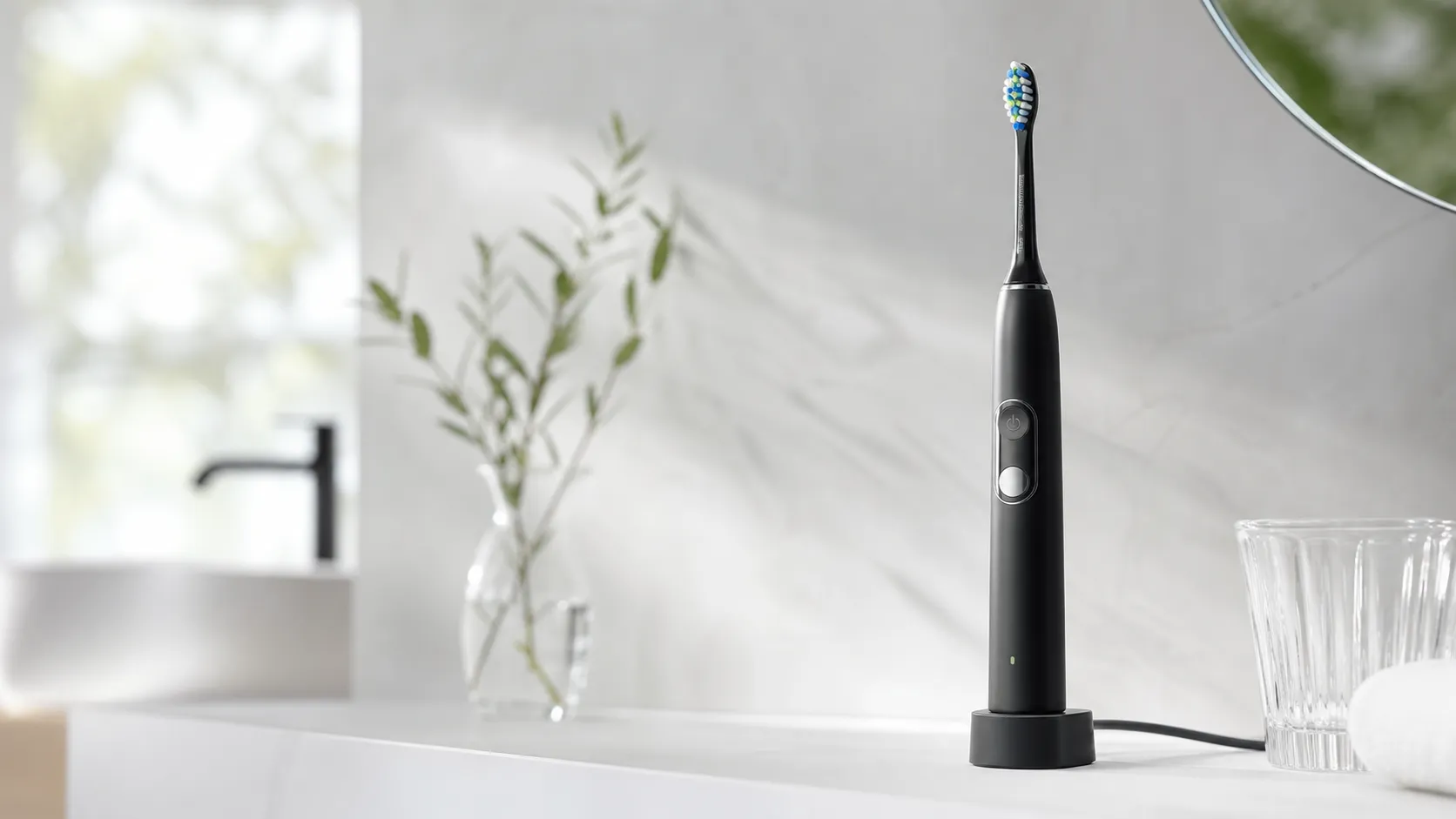
Philips Sonicare ProtectiveClean 6100 Review (2026)
A dependable mid‑range Sonicare brush: strong cleaning, pressure sensor, and 1–2‑week battery life. Great upgrade from manual brushing; watch replacement head costs.
 Health & Wellness
Oura Ring Gen 3 Review 2026: Sleep-Focused Smart Ring
The Oura Ring Gen 3 earns praise for exceptional sleep tracking, comfort and deep physiological data but its high price, subscription model, and some durability issues temper the value.
 Health & Wellness
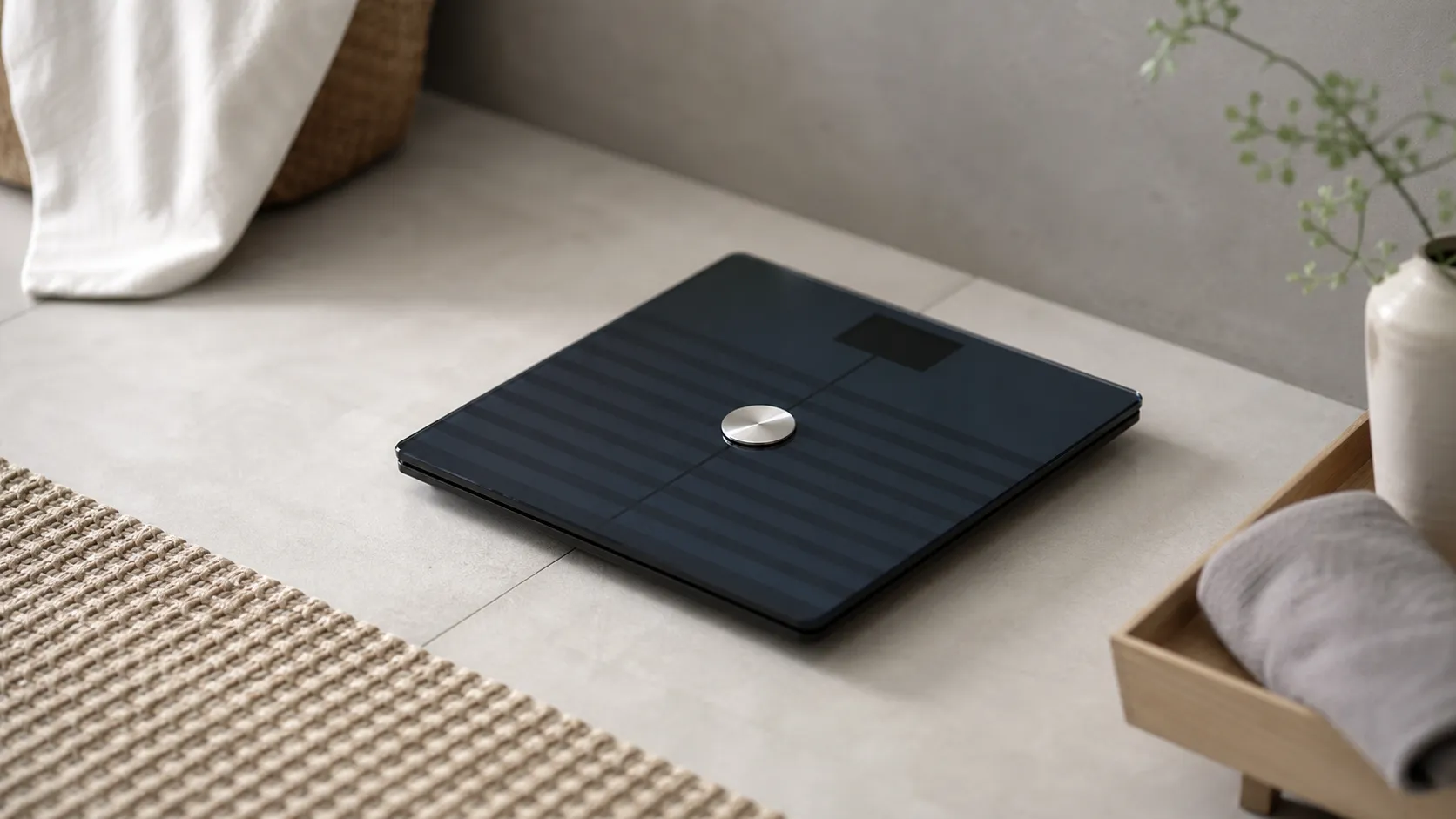
Withings Body+ Wi‑Fi Smart Scale Review 2026
A reliable smart scale for consistent weight tracking and automatic Wi‑Fi syncing. Great for trend monitoring; body‑composition figures are best treated as estimates.