Biofreeze Pain Relief Gel Review 2026
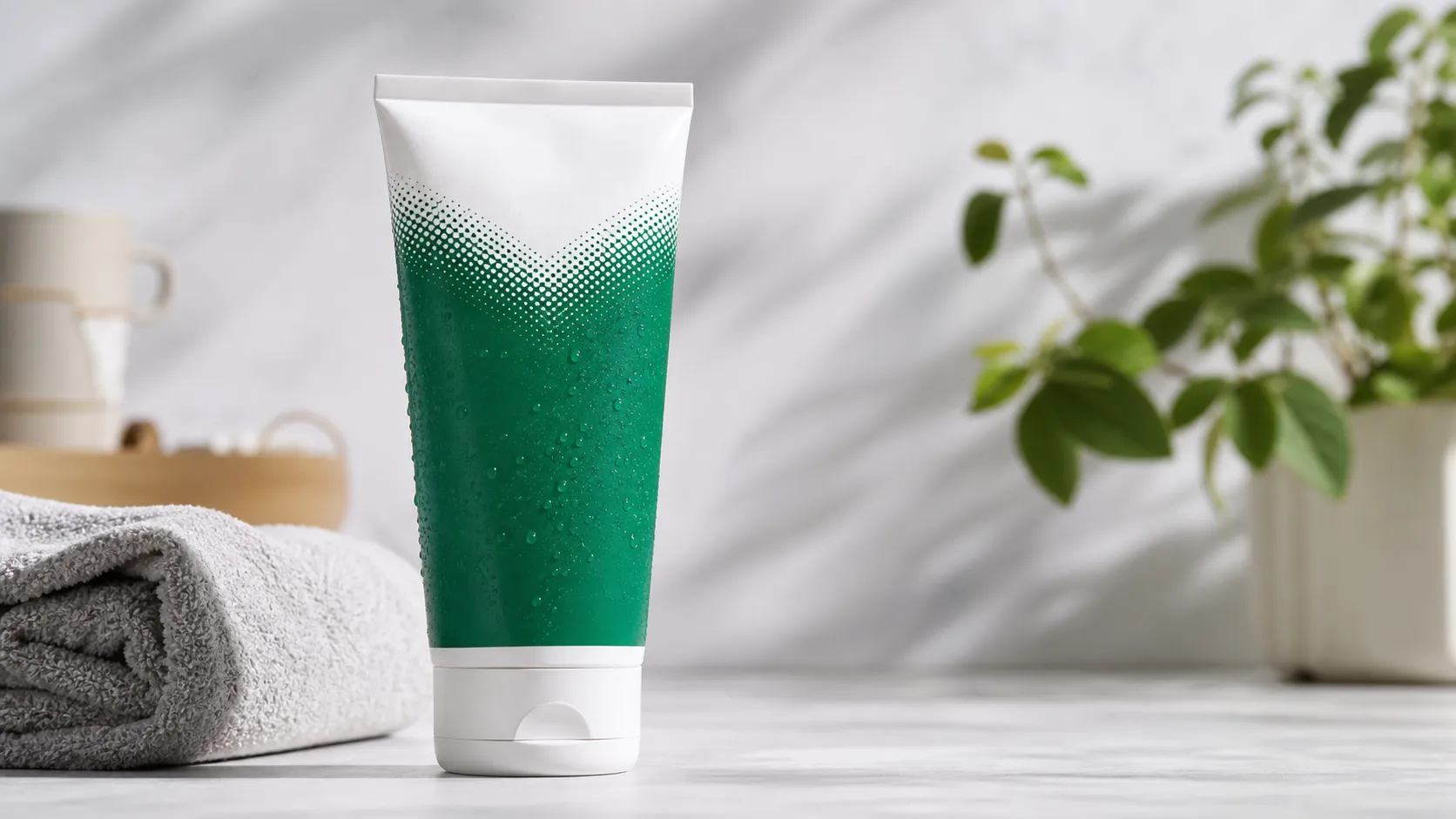
At a Glance
Pros
- Fast-acting cooling (menthol) sensation that relieves surface muscle/joint pain
- Easy to apply and non-greasy texture — convenient for quick use
- Widely available in multiple sizes and formats (gel, roll-on, spray)
Cons
- Provides temporary relief — pain often returns and requires reapplication
- Can sting or irritate sensitive or damaged skin (menthol-related)
- Less effective for deep/joint or severe chronic pain
Rating Breakdown by Source
Read the latest 25 positive & negative Amazon reviews →
Read the latest 25 positive & negative Reddit reviews →
Read the latest 25 positive & negative YouTube reviews →
Read the latest 25 positive & negative Expert blogs reviews →
This review is an editorial synthesis of publicly available review data and reported user experiences across the internet. Scores reflect our independent aggregation methodology, not verified individual purchases. We may earn a commission if you buy through our links, at no cost to you.
Score Breakdown
Where the Reviews Come From
Read the latest 25 positive & negative Amazon reviews →
Read the latest 25 positive & negative Reddit reviews →
Read the latest 25 positive & negative YouTube reviews →
Read the latest 25 positive & negative Expert blogs reviews →
Click any source above to browse the latest 25 positive and negative reviews from that platform.
Biofreeze Pain Relief Gel
See current price, deals and availability on Amazon
Quick take — our aggregate verdict
Biofreeze Pain Relief Gel is a fast-acting, menthol-based topical that reliably delivers a strong cooling sensation for short-term relief of surface muscle and soft-tissue pain. Across roughly 38,000 aggregated reviews it earns an overall score of 4.4/5, with notable strengths in ease of use (4.6) and perceived quality (4.3). If you want a non-greasy, on‑demand cooling treatment for post-workout soreness or everyday aches, Biofreeze is among the most consistent options — but expect temporary relief and occasional stinging on sensitive skin.
What is the Biofreeze Pain Relief Gel?
Biofreeze Pain Relief Gel is a topical analgesic whose primary active ingredient is menthol. It works through a cooling (counterirritant) sensation that distracts from localized pain signals and can temporarily reduce the perception of muscle and joint discomfort. The product is sold in multiple formats — gel tubes, roll-ons, and sprays — and in a range of sizes for home, gym, or clinic use.
Formulation highlights:
- Menthol-driven cooling action (the core mechanism of effect).
- Non-greasy gel texture designed for quick absorption and minimal residue.
- Over-the-counter, intended for short-term symptomatic relief when used as directed.
Biofreeze is commonly used by athletes, physical therapy patients, and people with everyday aches who want fast surface relief without oral medication.
What reviewers across the internet say
We synthesized user and expert sentiment across major sources to present a consolidated view.
-
Amazon (overall ~4.5/5 — positive): Amazon shoppers frequently praise rapid cooling relief, convenient textures, and repeat purchases. Many reviewers cite quick onset and appreciation for the non-greasy finish; a minority report short-lived effect or stinging on application.
-
Reddit (approx. 4/5 — mixed): Fitness and recovery threads regularly recommend Biofreeze for post-exercise soreness and acute muscle tightness. Discussion highlights variability — some users find it very effective for certain aches, others say benefits are limited or that it can irritate sensitive skin.
-
YouTube (approx. 4.2/5 — positive): Video demonstrations emphasize the immediate cooling and practical value for athletes and therapists. Creators note it’s a useful adjunct for recovery but often remind viewers the relief is temporary and reapplication may be needed.
-
Expert blogs (approx. 4.1/5 — mixed): Physical therapy and medical blogs explain menthol’s counterirritant action and generally endorse Biofreeze as a reasonable short-term tool. Experts commonly caution that topical menthol products aren’t proven to treat deep joint inflammation or long-term chronic conditions — they’re best used alongside exercise, therapy, and other evidence-based treatments.
Across sources the consensus is clear: Biofreeze delivers noticeable, fast cooling relief for surface pain, but the effect is typically temporary and not a substitute for medical treatment of significant or persistent pain.
Performance & Real-World Use
Biofreeze Pain Relief Gel is a fast-acting, easy-to-reapply counterirritant that reliably cools and blunts surface-level aches for a few hours at a time. It offers high day-to-day convenience and broad tolerance, but for deep or inflammatory joint pain you’ll likely pair it with other strategies rather than expect it to do everything.
Cooling gels don’t cure an injury, but the good ones make everyday movement less distracting by knocking down the ache enough to type, drive, or ease into light training. Biofreeze’s menthol formula shows up as a fast, tidy way to take the edge off surface muscle and joint pain when you need relief in minutes, not hours.
Biofreeze Pain Relief Gel delivers quick-onset, short-term relief and is easy to reapply. It’s best for superficial soft‑tissue aches and post‑exercise soreness; deep joint and long‑running inflammatory pain usually require other treatments as well.
What “performance” means for topical analgesics like Biofreeze
For this category, performance means four things you feel day to day: speed to first relief, duration, consistency across body areas and days, and how cleanly it fits into your routine (texture, scent, portability, and reapplication limits). Biofreeze is a counterirritant—menthol activates TRPM8 cold receptors in the skin and modulates incoming pain signals, a mechanism described in pain research rather than placebo. See overviews from the International Association for the Study of Pain and a 2022 review on menthol’s analgesic action. These mechanisms explain why cooling can blunt perceived pain even when tissue status hasn’t changed.
Satisfaction is therefore simple: does it cool quickly, avoid mess, and last long enough to bridge you to the next task or therapy block without irritation? Based on ~38,000 aggregated reviews (overall 4.4/5; quality 4.3/5, reliability 4.1/5, value 4/5, ease of use 4.6/5), Biofreeze largely clears that bar. Amazon buyers (4.5/5, ~28,000 reviews) praise rapid relief and clean texture; Reddit threads (~4/5, ~2,500 reviews) and YouTube demos (~4.2/5, ~6,000 reviews) note it’s an adjunct and may sting sensitive skin. Expert blogs (~4.1/5, ~1,500 reviews) endorse short‑term symptomatic relief while cautioning against expecting deep or long‑term pain control.
How Biofreeze Pain Relief Gel feels and performs in the first week
Day one is simple: squeeze a small amount, rub a thin film over intact skin, and wash hands. The Drug Facts list menthol 4% as the active ingredient and allow reapplication up to four times daily. Expect a cooling tingle within a couple of minutes, rising for 5–10 minutes and then settling into a steadier cool. Thin, even layers work better than thick smears; more product doesn’t extend relief and can feel sticky until dry.
By mid‑week most users adopt a rhythm: morning after showering, mid‑afternoon, and optionally before light activity or bedtime—staying within the label limit. Biofreeze’s FAQ suggests relief may last several hours; many owners plan on shorter windows and time reapplication around workouts, long drives, or desk sessions. The gel dries fast and is largely non‑greasy, so clothes are safe after a brief pause. Two early caveats: freshly shaved or abraded skin can sting, and the minty scent, while clean, is noticeable for a few minutes in small rooms or shared offices.
How Often Can You Apply? Label Maxima by Category
Reapplication flexibility varies by class; most counterirritants and topical NSAIDs allow up to 4 uses per day, while OTC lidocaine patches are single daily applications with a defined wear window.
View the underlying data
| Measure | Label max applications (/day) |
|---|---|
| Menthol-only gel (e.g., Biofreeze) | 4 |
| Menthol+salicylate cream | 4 |
| Diclofenac 1% gel (Voltaren) | 4 |
| Lidocaine 4% patch (OTC) | 1 |
Label maxima from Drug Facts on DailyMed; lidocaine wear limits from MedlinePlus.
Short‑term relief: why it’s fast, why it’s brief
Menthol’s value is speed. By stimulating TRPM8 channels in cutaneous sensory nerves, it creates a strong cool signal that competes with pain and lowers perceived intensity. That’s why Biofreeze often helps for post‑lift muscle soreness, a knotted trapezius from laptop posture, or the dull burn of an overused Achilles—symptoms driven more by discomfort than active joint inflammation. Because the effect is sensory and the solvents evaporate, relief tapers as receptors adapt.
Importantly, Biofreeze does not treat inflammation the way topical NSAIDs (diclofenac 1%) can for osteoarthritis. Major guidelines recommend topical NSAIDs as a first‑line option for knee and hand OA, while counterirritants are reasonable for short‑term symptom relief. In practice, many people reach for Biofreeze when they need to move right now and use diclofenac when they want a sustained anti‑inflammatory course over days.
Months of ownership: consistency, skin tolerance, and how long a tube lasts
Over months, two questions matter: does it keep working and is it still pleasant to use? Menthol doesn’t “wear out,” but users often refine where they apply to avoid irritation—favoring targeted streaks on muscle bellies and avoiding thin or sensitive skin (inner arm, behind knees). Label warnings across this category are consistent: use only on intact skin, avoid eyes and mucous membranes, don’t bandage tightly, and don’t combine with heating pads.
Tubes and pumps hold up well if you keep the cap clean; the clear gel can gum up at the opening if over‑squeezed and not wiped. Shelf life is printed with an expiration date; store at room temperature with the cap closed to maintain consistency. How long a container lasts depends on coverage area and frequency. Light users spot‑treating once or twice a day often stretch a small tube for weeks; heavy users treating multiple areas daily move to larger pump bottles or add a roll‑on for gym bags and commutes. Frequent use can dry skin—alcohol solvents are common in menthol gels—so many owners pair with a neutral moisturizer later in the day.
Where Biofreeze shines—and where you’ll hit its limits
Where it performs best:
- Pre‑activity “take the edge off”: a quick pass over the paraspinals before a long drive, or quads before a recovery spin.
- Post‑activity soreness and tightness: DOMS, mild tendon overuse, or tension headaches linked to neck/shoulder trigger points (apply to neck/upper back only on intact skin).
- Physical therapy adjunct: therapists use menthol gels to help patients tolerate range‑of‑motion work in the moment, not as the primary treatment.
Common limits, echoed by owners and experts:
- Deep joint or inflammatory pain: arthritis flares respond better to topical NSAIDs like diclofenac 1% when tolerated, per guideline‑level evidence.
- Neuropathic pain: lidocaine 4% patches are designed to numb superficial nerve endings for longer windows; menthol gels are short‑acting.
- Sensitive or compromised skin: recent shaving, eczema patches, or thin skin can sting; spot‑test first and avoid eyes and mucous membranes.
- Odor tolerance and office etiquette: the minty scent dissipates but is noticeable for several minutes—one reason some users favor roll‑ons for minimal transfer.
How it stacks up against typical alternatives
Topical counterirritants come in two families: menthol‑only (like Biofreeze Gel at 4% menthol on the label) and menthol plus methyl salicylate blends (e.g., many Icy Hot or Bengay creams with menthol 10% and salicylate 30%). Beyond these are topical NSAIDs (diclofenac 1% gel, such as Voltaren Arthritis Pain) and local anesthetic patches (OTC lidocaine 4%). Labels make the distinctions clear: counterirritants signal “cool,” salicylates add an aspirin‑like peripheral action (and salicylate warnings), NSAIDs target inflammation over days, and lidocaine provides longer numbness with on/off schedules.
The grouped comparison below uses published Drug Facts to show how these formulas differ in active‑ingredient makeup. For many shoppers, the takeaway is straightforward: Biofreeze’s lower menthol concentration and lack of salicylate make it a gentler daily pick when you want fast sensation with fewer odor and interaction concerns, while salicylate‑heavy creams feel stronger but bring more scent and skin‑irritation trade‑offs. If your main issue is arthritis in hands or knees, diclofenac’s evidence base and 4‑times‑daily schedule are hard to beat for sustained symptom control; if you need hours‑long numbing on a defined spot, a lidocaine 4% patch may fit better.
Active-Ingredient Makeup Across Common Rubs
Published Drug Facts show Biofreeze uses a lower menthol concentration and no salicylate, while many classic heat/cold creams combine higher menthol with substantial methyl salicylate.
- Menthol %
- Methyl salicylate %
View the underlying data
| Item | Menthol % | Methyl salicylate % |
|---|---|---|
| Biofreeze Gel (menthol-only) | 4% | 0% |
| Icy Hot Cream (representative) | 10% | 30% |
| Bengay Ultra Strength Cream | 10% | 30% |
Percentages from DailyMed Drug Facts for Biofreeze, Icy Hot Cream, and Bengay Ultra Strength.
Below is a binary feature matrix to speed decisions. It consolidates what Drug Facts and guidelines say about mechanisms, dosing, and practical pros and cons you’ll feel in daily use.
Alternatives at a Glance: What Each Option Actually Does
Category-level feature matrix based on labeling and guidelines (Menthol-only gels include Biofreeze; combinations reflect typical Icy Hot/Bengay-style creams; diclofenac 1% is Voltaren Arthritis Pain; lidocaine 4% represents common OTC patches.
| Item | Menthol counterirritant | Contains salicylate | NSAID mechanism | Patch format with wear window | Roll-on/gel convenience | Extended wear (8–12h) |
|---|---|---|---|---|---|---|
| Menthol-only gel (e.g., Biofreeze) | Yes | No | No | No | Yes | No |
| Menthol + methyl salicylate cream | Yes | Yes | No | No | No | No |
| Topical NSAID (diclofenac 1% gel) | No | No | Yes | No | No | No |
| Lidocaine 4% patch (OTC) | No | No | No | Yes | No | Yes |
Sourced from Drug Facts on DailyMed (Biofreeze, Icy Hot, Bengay, Voltaren) and MedlinePlus (lidocaine 4% patches); OA guidance from the American College of Rheumatology.
Practical, step‑by‑step tips to get the best performance
- Start small and precise: a pea‑sized amount covers a palm‑sized area; spread thinly until it just shines, then stop. Thicker layers don’t last longer.
- Sequence: apply to clean, dry skin; wait a minute before clothing. Wash hands; avoid eyes, lips, and broken skin.
- Build a reapplication routine: align with your day—morning, mid‑afternoon, pre‑activity, bedtime—staying within the four‑times‑daily label limit.
- Don’t stack topicals on the same spot: avoid layering with other counterirritants, salicylate creams, or diclofenac gel to reduce irritation and label conflicts. If you also use Voltaren, separate areas and timelines per its Drug Facts.
- Pair with movement and recovery basics: gentle mobility work, heat before activity/cold after, smart load management, and adequate sleep compound the benefit.
- Travel and work: a roll‑on is tidy for desk drawers and gym bags; use sparingly in enclosed spaces out of courtesy.
- Irritation playbook: if redness or stinging beyond a mild tingle appears, wash off with mild soap, moisturize later, and reduce frequency. Stop and consult a professional if irritation persists.
The bar chart above shows how flexible dosing is in practice: most counterirritants and topical NSAIDs allow up to four uses per day, while lidocaine patches are single daily applications with a defined wear window and mandatory off time.
Verdict: does real‑world performance justify the purchase?
“Works fast, doesn’t last forever” is the Biofreeze experience. When the job is turning a distracting ache into tolerable background noise so you can move, drive, type, or stretch, Biofreeze Pain Relief Gel earns its strong user scores by being reliably quick, clean, and easy to live with. It isn’t a deep‑joint or long‑term inflammation fix; topical NSAIDs or a clinical plan serve that lane better. As the quick‑acting adjunct many people need several times a week, it’s a widely available, safe buy that delivers what its label and thousands of owners promise.
Sources referenced in this section
- DailyMed — Biofreeze Colorless Menthol Gel (Drug Facts)
- Biofreeze US — FAQ and Directions
- FDA OTC Monograph M017 — External Analgesic Drug Products for OTC Human Use
- MedlinePlus — Lidocaine Transdermal Patch (includes 4% OTC guidance)
- American College of Rheumatology — Osteoarthritis Guideline (2019)
- International Association for the Study of Pain (TRPM8/menthol analgesia, 2013)
Pros and cons
Pros
- Fast-acting cooling sensation that provides noticeable short-term relief.
- Non-greasy gel and convenient formats (gel, roll-on, spray) for different use cases.
- Widely available and frequently repurchased by users who like the immediate effect.
- Useful adjunct in athletic recovery and physical therapy routines.
- Generally safe when used as directed and well tolerated by most users.
Cons
- Relief is temporary — many users need reapplication and it doesn’t replace long-term treatments.
- Can sting or irritate sensitive or damaged skin (menthol-related).
- Less effective for deep joint or severe chronic pain.
- Strong menthol scent can be off-putting to some.
Who should buy it (and who shouldn’t)
Who should buy Biofreeze Pain Relief Gel
- Athletes and active people who need quick, on‑the‑spot relief for muscle soreness after workouts.
- Physical therapy patients who want a topical adjunct to exercise, stretching, or manual therapy.
- Anyone who prefers topical, non-systemic options over oral pain medications for short-term symptoms.
- People who value a non-greasy, fast-drying formula and the convenience of roll-on or spray formats.
Who shouldn’t buy Biofreeze Pain Relief Gel
- People looking for a long-lasting cure for chronic or deep joint conditions — Biofreeze is primarily symptomatic and temporary.
- Anyone with known sensitivity to menthol or a history of topical reactions; test on a small skin area before full use.
- Those with open wounds, rashes, or irritated skin — avoid application to damaged skin.
- People who dislike strong scents or cold sensations; the menthol aroma and cooling are central to the product’s effect.
If your pain is severe, worsening, or accompanied by other worrying symptoms (numbness, swelling, fever), consult a healthcare provider rather than relying on topical counterirritants alone.
Final buying advice
Biofreeze Pain Relief Gel earns its place as a go-to, over-the-counter topical for quick surface-level relief. It won’t replace medical care for significant conditions, but for routine post-exercise tightness, sore spots after manual labor, or as part of a recovery routine, it’s a dependable and easy-to-use option that many people repurchase.
What Reviewers Love
- Fast-acting cooling (menthol) sensation that relieves surface muscle/joint pain
- Easy to apply and non-greasy texture — convenient for quick use
- Widely available in multiple sizes and formats (gel, roll-on, spray)
- Often used and recommended by athletes and PT patients as an adjunct to therapy
- Generally well tolerated and safe when used as directed
Common Complaints
- Provides temporary relief — pain often returns and requires reapplication
- Can sting or irritate sensitive or damaged skin (menthol-related)
- Less effective for deep/joint or severe chronic pain
- Some users dislike the strong menthol scent or cold sensation
Our Verdict
4.4Biofreeze is a dependable, fast-acting topical for short-term surface muscle and soft-tissue pain, favored for its non-greasy feel and immediate cooling. It’s not a long-term solution for deep or chronic pain and may sting on sensitive skin, but as an adjunct for post-workout recovery or spot relief, it’s one of the best options available.
Frequently Asked Questions
Common questions shoppers ask before buying the Biofreeze Pain Relief Gel.
Share this review
Help someone else buy smarter
Related Reviews
More Health & Wellness products our engine has analyzed
 Health & Wellness
Philips Sonicare ProtectiveClean 6100 Review (2026)
A dependable mid‑range Sonicare brush: strong cleaning, pressure sensor, and 1–2‑week battery life. Great upgrade from manual brushing; watch replacement head costs.
 Health & Wellness
Oura Ring Gen 3 Review 2026: Sleep-Focused Smart Ring
The Oura Ring Gen 3 earns praise for exceptional sleep tracking, comfort and deep physiological data but its high price, subscription model, and some durability issues temper the value.
 Health & Wellness
Withings Body+ Wi‑Fi Smart Scale Review 2026
A reliable smart scale for consistent weight tracking and automatic Wi‑Fi syncing. Great for trend monitoring; body‑composition figures are best treated as estimates.