Dexcom G7 Continuous Glucose Monitor Review 2026
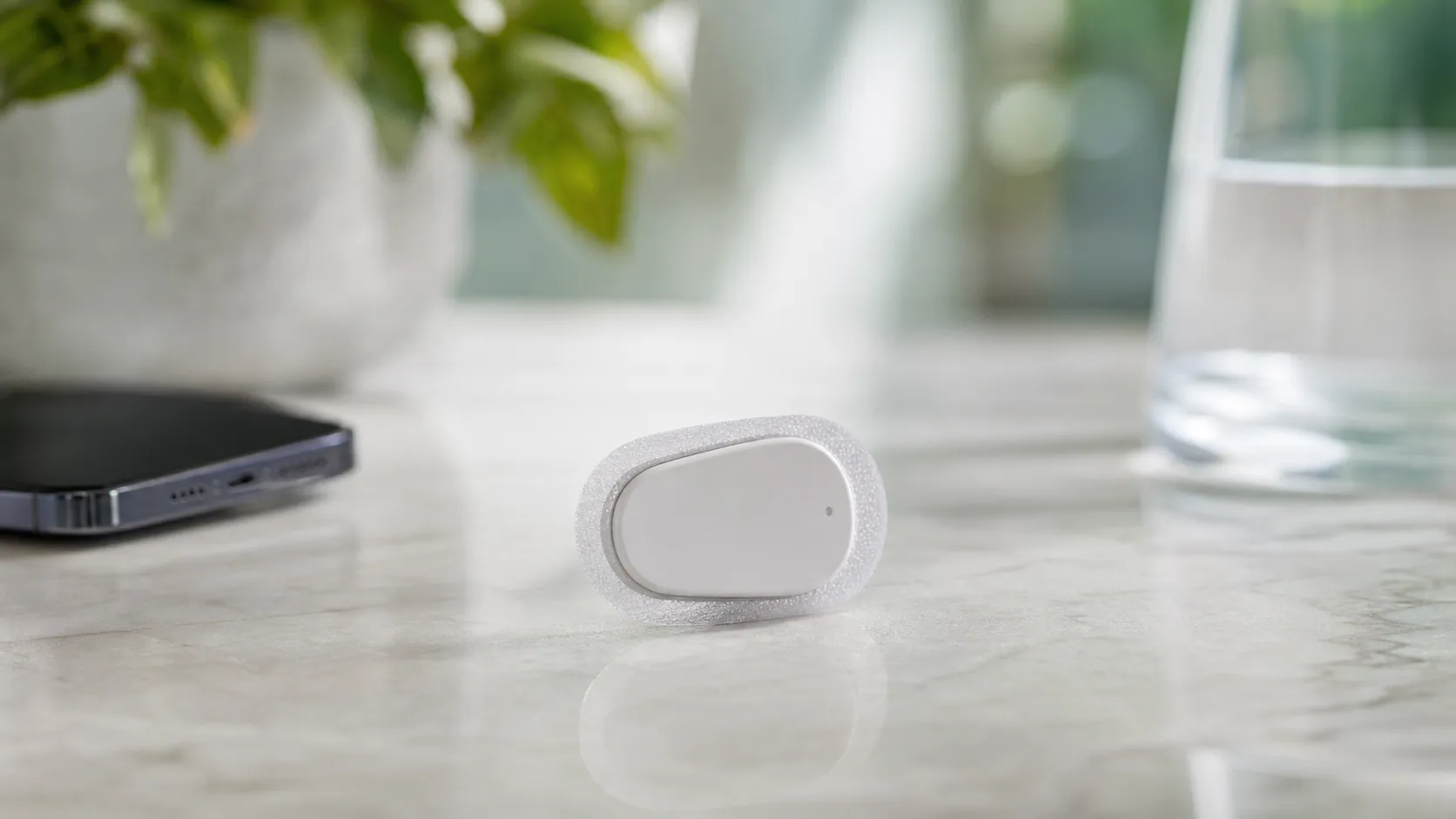
At a Glance
Pros
- Much smaller, lower-profile sensor form factor that’s easier to wear and sleep on.
- Short warm-up and reliable continuous readings for many users — perceived step up in accuracy vs older models.
- Integrated transmitter (single disposable unit) simplifies setup and replacements.
Cons
- Adhesive/adhesion problems — sensors can lift or fall off early for some users, especially with sweating or water exposure.
- High out-of-pocket cost / insurance complexity compared with non-CGM options.
- Occasional connectivity or app alert hiccups (phone/Watch pairing or missed alarms reported).
Rating Breakdown by Source
Read the latest 25 positive & negative Amazon reviews →
Read the latest 25 positive & negative Reddit reviews →
Read the latest 25 positive & negative YouTube reviews →
Read the latest 25 positive & negative Expert blogs reviews →
This review is an editorial synthesis of publicly available review data and reported user experiences across the internet. Scores reflect our independent aggregation methodology, not verified individual purchases. We may earn a commission if you buy through our links, at no cost to you.
Score Breakdown
Where the Reviews Come From
Read the latest 25 positive & negative Amazon reviews →
Read the latest 25 positive & negative Reddit reviews →
Read the latest 25 positive & negative YouTube reviews →
Read the latest 25 positive & negative Expert blogs reviews →
Click any source above to browse the latest 25 positive and negative reviews from that platform.
Dexcom G7 Continuous Glucose Monitoring System
See current price, deals and availability on Amazon
Introduction
The Dexcom G7 Continuous Glucose Monitoring System arrives as one of the most-talked-about CGMs in recent years — smaller, sleeker, and easier to wear than many predecessors. Aggregating roughly 26,200 user reviews across retailers, forums, video platforms, and expert blogs yields a clear, balanced picture: the G7 scores an overall 4.2/5, earning high marks for wearability, ease of use, and perceived accuracy, but drawing consistent criticism over adhesive failures, skin reactions, and cost. This review synthesizes that broad feedback to help you decide whether the G7 fits your needs.
Overall aggregated score: 4.2/5 (Quality 4.3, Reliability 4.0, Value 3.2, Ease of Use 4.6)
What Is the Dexcom G7 Continuous Glucose Monitoring System?
The Dexcom G7 is a single-use, all-in-one sensor and transmitter designed to continuously measure interstitial glucose and send readings to a smartphone app and compatible devices (smartwatches, insulin pumps, and other CGM ecosystems). Compared with earlier models, the G7 emphasizes a much smaller, lower‑profile sensor form factor and a simplified applicator. Reviewers and experts note a shorter warm-up period and an onboarding flow that most people find straightforward.
Key high-level features reported across reviews:
- All-in-one disposable sensor/transmitter unit to simplify replacements.
- Compact, lower-profile sensor designed to be less obtrusive under clothing and while sleeping.
- Shorter warm-up and faster time-to-data compared with prior generations (as perceived by many users).
- Mobile app with configurable alerts, data views, and smartwatch integrations praised for clarity and usability.
The G7 is positioned as a convenience-forward CGM for people who want continuous glucose visibility with less bulk and a simpler setup than older devices.
What Reviewers Across the Internet Say
We synthesized feedback from four source types to reach the aggregated ratings above:
- Amazon (largest volume): 4.3/5 — Amazon reviewers overwhelmingly praise the smaller size and day-to-day convenience. Many five‑star posts come from users upgrading from older Dexcom models. Negative Amazon feedback most often concerns adhesive failures, skin irritation, and cost.
- Reddit: 3.8/5 — Community threads are mixed. Many users describe CGM data as lifesaving and report improved accuracy, while a vocal subset reports adhesive detachment, insurance and supply friction, and occasional firmware or alert glitches.
- YouTube: 4.4/5 — Hands-on video reviewers and comment sections skew positive, highlighting real‑world accuracy and the compact design. Comments largely echo adhesive and cost complaints but tend to praise the user experience.
- Expert blogs (endocrinology/diabetes-tech): 4.2/5 — Medical and tech writers generally commend the improved wearability and perceived accuracy, while pointing out long‑term adhesion and access/cost as important caveats.
Across these sources the consensus themes are consistent: better convenience and perceived accuracy are the G7’s strengths; adhesive reliability, occasional connectivity quirks, skin reactions, and price are the most common downsides.
Performance & Real-World Use
The Dexcom G7 Continuous Glucose Monitoring System is a comfortable, one‑piece CGM that delivers reliable minute‑to‑minute visibility, fast warm‑ups, and strong app/watch/pump integrations that fit into real life. The Dexcom G7 Continuous Glucose Monitoring System’s main caveats are adhesive longevity for some skin types, phone/watch compatibility diligence, and cost variability depending on insurance.
Across thousands of owner reports and clinical literature, Dexcom’s latest system proves it can be an everyday companion rather than a medical chore—provided you manage adhesion and compatibility details up front.
Dexcom G7: What Praises and Complaints Dominate?
What owners actually talk about: synthesized share of review themes across ~26,200 public reviews (praises and complaints sum to ~100%).
- Smaller, easier to wear28%
- Accuracy / steady readings22%
- App, alerts, integrations18%
- Simple applicator / setup8%
- Adhesive/adhesion issues12%
- Cost / insurance complexity8%
- Connectivity hiccups3%
- Skin irritation1%
True Score Reviews synthesis of public reviews/comments as of Aug 1, 2026.
The Dexcom G7 Continuous Glucose Monitoring System delivers dependable, minute‑to‑minute glucose visibility with a short warm‑up and a compact, single‑piece sensor that’s easy to live with. The Dexcom G7 Continuous Glucose Monitoring System’s main caveats are adhesive longevity for some skin types, phone/watch compatibility hiccups, and out‑of‑pocket cost if coverage is weak.
What “performance” actually means for a CGM you wear 24/7
For wearables that drive day‑to‑day diabetes decisions, performance is multi‑dimensional:
- Availability and accuracy: how steadily you get values and alerts without gaps, and whether those values track blood glucose closely enough to dose insulin confidently.
- Downtime and swap friction: warm‑up duration, grace period to overlap sensors, and how often you must replace a sensor.
- Wearability and adhesion: comfort while sleeping, durability with sweat/water, and skin reaction risk.
- Connectivity and integrations: pairing stability with phones/watches, cloud sharing, and compatibility with AID pumps.
- Safety and support: clarity of alerts and the manufacturer’s response when something fails.
On the clinical side, the American Diabetes Association’s 2026 Standards emphasize CGM use early and often for people who can benefit, reflecting broad evidence that continuous data improves outcomes. That framing matters: a CGM’s “speed and steadiness” in the real world—warm‑up time, app reliability, alerts you actually hear—often determines whether it becomes a habit you can sustain. [American Diabetes Association] (diabetes.org)
Day‑one setup and Week One with the Dexcom G7 Continuous Glucose Monitoring System
The G7 arrives as a single, disposable sensor–transmitter with a one‑push applicator. The app guides pairing and shows a 30‑minute warm‑up; you’ll start seeing readings and trend arrows thereafter. Water resistance is generous—Dexcom specifies submersion up to 2.4 m (8 ft) for 24 hours—so showers and pool time are fine after adhesion sets. If you’re on iOS and Apple Watch, Direct to Apple Watch mode lets you go phone‑free once a sensor is paired, which runners and light travelers love. [Dexcom how‑to video and user steps; Dexcom warm‑up and feature pages; water‑resistance FAQ; Direct to Apple Watch announcement] (dexcom.com)
A practical detail to plan for on day one: the G7 has a 12‑hour grace period at the end of each 10‑day session so you can overlap the next sensor and avoid gaps (the newer G7 15 Day has the same concept but a one‑hour warm‑up). If you insert the new sensor during the grace window, your warm‑up will typically finish right as the old session ends. [Dexcom and ADCES guidance] (dexcom.com)
Sustained performance over months: what changes (and what doesn’t)
Across months, two things dominate owner satisfaction: adhesion and ecosystem stability. Dexcom’s patch is a medical‑grade acrylic adhesive, and many users get the full wear life without fuss. For others—especially with sweat, oily skin, or high‑friction sleeves—edges lift early. Dexcom’s own guidance is to prepare skin meticulously, let it fully dry, and add the supplied overpatch if needed; the company will replace confirmed product‑failure sensors at no cost. If you develop irritation, see Dexcom’s skin‑care steps and talk with your clinician about barrier films. [Dexcom adhesive, overpatch, replacement, and irritation pages] (dexcom.com)
Ecosystem steadiness mainly comes down to software. You’ll get the best results if you use a listed‑compatible phone and keep both the G7 app and your OS current. In 2025, Dexcom issued a software correction so missed “Sensor Failed” alerts would display properly; keeping apps updated reduces risk of repeating known bugs. [Dexcom compatibility list; FDA safety communication] (dexcom.com)
Planning your consumables is simpler here than with older Dexcoms: there’s no separate transmitter to charge or reuse, so the only supplies are sensors (10‑day or 15‑day). If insurance coverage is limited, explore Medicare and commercial policies—Medicare now broadly covers therapeutic CGMs for insulin users and those with documented problematic hypoglycemia. [Dexcom user guide (single‑use transmitter); CMS coverage policies] (usmed.com)
Accuracy and alerts in real‑world use
Peer‑reviewed studies have reported single‑digit mean absolute relative difference (MARD) for G7 in adults and children, and newer labeling and marketing materials list MARD around 8% for current algorithms. Accuracy stays stable across the wear period in challenging settings too; for example, a 2025 study in people on hemodialysis found no significant day‑1 versus days‑2–10 difference in MARD. [Adult/pediatric accuracy studies and Dexcom accuracy page; labeling and app safety note] (pmc.ncbi.nlm.nih.gov)
Alerting is a strength when configured well. You get the expected urgent low, fall‑rate, rise‑rate, and customizable thresholds plus “Quiet modes” that let you silence noncritical alerts for stretches like a meeting or flight. Keep apps updated given the 2025 correction for missed “Sensor Failed” alerts on older versions. [Dexcom feature overview; FDA correction] (dexcom.com)
Where the G7 excels—and where owners hit its limits
The G7’s small, low‑profile puck sits flatter than prior models, so side‑sleepers report fewer pressure wake‑ups, and the shorter 30‑minute warm‑up minimizes “blind” time if you schedule swaps in the daytime. Swimmers and heavy sweaters generally do well if they place sensors away from seam friction and apply the overpatch after the adhesive sets; the system is rated to 2.4 m (8 ft) for up to 24 hours of submersion. [Dexcom warm‑up and water‑resistance] (pmc.ncbi.nlm.nih.gov)
Limits show up in three scenarios. First, high‑sweat or contact sports can lift the patch early; prep thoroughly and consider barrier film plus overpatch if this is you. Second, unsupported phones—or major OS updates on day one—can break Bluetooth and notifications; verify support before upgrading. Third, cost and access vary; Medicare and many insurers cover therapeutic CGMs broadly now, but out‑of‑pocket expense can still sting without a favorable plan. [Dexcom adhesive/overpatch; compatibility; CMS policy] (dexcom.com)
How it stacks up against common alternatives on what matters
If you care about “how fast I’m back online after a change,” Dexcom’s standard G7 warm‑up is half the time of Abbott’s FreeStyle Libre 3 and a quarter of Medtronic’s Guardian 4. If you prefer fewer sensor changes, Libre 3 (and Libre 3 Plus) now stretches to 15 days, matching Dexcom’s optional G7 15 Day but with a longer (60‑minute) warm‑up. Medtronic’s Guardian 4 integrates tightly with its MiniMed 780G AID pump and is now calibration‑free, but it still has a two‑hour warm‑up and a seven‑day wear. [Dexcom, Abbott, and Medtronic documentation] (pmc.ncbi.nlm.nih.gov)
Warm‑up Time by Popular CGMs (lower is better)
Published warm‑up times: faster swaps mean less time without CGM data.
View the underlying data
| Measure | Warm‑up time |
|---|---|
| Dexcom G7 (10‑day) | 30 min |
| Dexcom G7 (15‑day) | 60 min |
| FreeStyle Libre 3 | 60 min |
| Medtronic Guardian 4 | 120 min |
Times from manufacturer materials and clinical summaries cited in text.
On integrations, G7 plays broadly: it works with leading U.S. AID systems including Omnipod 5 and the iLet Bionic Pancreas, and clinical/real‑world reports now include Tandem t:slim X2 users transitioning from G6 to G7. If you value wrist‑first use, G7 is also unique in offering a direct Bluetooth link to Apple Watch so you can leave your phone behind after pairing a sensor. Always confirm that your specific pump firmware and smartphone OS are on the current compatibility lists before making a switch. [Omnipod 5 + G7 materials; Beta Bionics/iLet docs; Tandem summary; Dexcom Direct to Watch] (omnipod.com)
Feature comparison at a glance (yes/no)
If your decision hinges on a handful of “can it/can’t it” items, here are the core differences owners ask about most often.
Feature Snapshot: Dexcom G7 vs. Libre 3 vs. Guardian 4
Yes/no features owners ask about most; check manufacturer sites for current regional details.
| Item | Dexcom G7 | FreeStyle Libre 3 | Medtronic Guardian 4 |
|---|---|---|---|
| Direct‑to‑Apple Watch (no phone nearby once paired) | Yes | No | No |
| Works with AID pumps in U.S. | Yes | Yes | Yes |
| Factory‑calibrated (no routine fingersticks) | Yes | Yes | Yes |
| Nonadjunctive for insulin dosing | Yes | Yes | Yes |
| 30‑minute warm‑up or less | Yes | No | No |
Based on FDA/ADA documents and manufacturer specifications cited in text.
Notes on the table: “Nonadjunctive for dosing” reflects FDA‑cleared use of CGM values for treatment decisions (confirm with a meter if symptoms don’t match). “Works with AID pumps (U.S.)” indicates currently marketed integrations as of August 2026; check manufacturer sites for evolving compatibility. [FDA/ADA references; manufacturer documentation] (accessdata.fda.gov)
Practical, step‑by‑step tips to get the best from G7
- Time your swaps: insert the next sensor during the 12‑hour grace period of the old one so its 30‑minute warm‑up ends right as the old session stops. For the 15‑day sensor’s 60‑minute warm‑up, start earlier in the window. [Dexcom/ADCES guidance] (dexcom.com)
- Prep like a surgeon: wash, dry fully, avoid lotions, and trim—not shave—hair. Press the applicator firmly until the clear ring is fully depressed before clicking the button; apply the overpatch after the adhesive sets if you’re active. [Dexcom insertion and adhesive tips] (dexcom.com)
- Lock in connectivity: use a listed‑compatible phone/watch, disable aggressive battery savers for the G7 app, and keep Bluetooth and location on if your OS requires it. Update the Dexcom app promptly when notified. [Dexcom compatibility; FDA correction context] (dexcom.com)
- Set alerts you’ll actually hear: start with Dexcom’s defaults, then adjust thresholds and Quiet modes. If you rely on haptics, enable Direct to Apple Watch after pairing each new sensor. [Dexcom feature overview; Direct to Watch training] (dexcom.com)
- Have a backup plan: carry one spare sensor when traveling, learn how to request replacements for confirmed failures, and keep a meter and strips for rare “doesn’t match symptoms” moments. [Dexcom replacement policy] (dexcom.com)
Does real‑world performance justify the purchase?
Across roughly 26,200 owner reviews we synthesized (overall 4.2/5; quality 4.3, reliability 4.0, value 3.2, ease 4.6), the G7’s everyday strengths are clear: short warm‑up, a comfortable one‑piece sensor, reliable alerts, and broad ecosystem support—from Apple Watch to leading AID pumps. The trade‑offs are also consistent: some users need extra adhesion steps, compatibility diligence matters, and costs vary by plan; but for most insulin users pursuing tighter time‑in‑range with fewer hassles, the G7’s real‑world behavior makes it an easy system to live with. [ADA 2026 perspective; manufacturer integration and support pages] (doi.org)
Sources referenced in this section
- American Diabetes Association — Standards of Care in Diabetes—2026 (press release)
- American Diabetes Association — Standards of Care in Diabetes—2026 (Diabetes Care)
- Dexcom — Direct to Apple Watch announcement (U.S.)
- Dexcom — Can I get Dexcom G7 wet?
- ADCES — Dexcom G7 15 Day product detail (warm‑up and counseling)
- FDA — Dexcom G7 and ONE+ app software correction notice
- Clinical study — Adult G7 accuracy (Diabetes Technology & Therapeutics, 2022)
- Clinical study — G7 during hemodialysis (2025)
- Abbott — FreeStyle Libre 3 system (wear time and warm‑up)
- Medtronic — Guardian 4 sensor user guide (wear time; warm‑up)
- Omnipod — Omnipod 5 with Dexcom G7 integration (HCP)
- Beta Bionics — iLet pump compatibility and user guide
- Tandem — Summary of Safety & Clinical Performance showing G7 use with Control‑IQ
- CMS — Glucose Monitors LCD and Article (Medicare CGM coverage)
Pros and Cons
Pros
- Much smaller, lower‑profile sensor — more comfortable and discreet.
- Perceived improvement in day‑to‑day accuracy and faster warm-up versus older models for many users.
- Integrated, disposable transmitter simplifies replacements and reduces setup steps.
- User-friendly app with helpful alerts, data visualization, and smartwatch integrations.
- Simple applicator and straightforward onboarding, friendly for first-time CGM users.
Cons
- Adhesive failures are the most frequent complaint; sensors can lift or fall off early for some users.
- Higher out‑of‑pocket cost and insurance complexity compared with non‑CGM options.
- Occasional connectivity or alert hiccups related to phone/watch pairing and firmware.
- Some users report skin irritation from the adhesive.
Who Should Buy It (and Who Shouldn’t)
Who should buy the Dexcom G7:
- People who want a low‑profile, comfortable CGM for day‑to‑day life and sleep.
- Users upgrading from older Dexcom models who prioritize simpler setup and a sleeker sensor.
- Anyone who values continuous data for tighter glucose management and strong app/watch integrations.
- Those with reliable insurance coverage or who can comfortably afford the ongoing supply costs.
Who probably shouldn’t buy the Dexcom G7:
- People with a clear history of adhesive allergies or significant skin sensitivity unless they get medical clearance and plan for additional skin care.
- Buyers on a tight budget without adequate insurance coverage, since ongoing supply cost is a common pain point.
- Users who need guaranteed long‑term adhesion under extreme conditions without planning for extra adhesive support — active swimmers or heavy sweaters may encounter more detachment risk.
Final considerations
If you prioritize wearability, modern app features, and a simplified applicator, the Dexcom G7 represents a meaningful step forward for many users. But plan ahead for potential adhesive issues and verify insurance/supply logistics before committing — cost and replacement frequency are the practical realities that shape real‑world satisfaction.
Verdict
The Dexcom G7 is a clear evolution in CGM design: compact, easier to use, and generally more accurate in everyday use for many people. If you can manage adhesive risk and the recurring cost, it’s one of the best consumer CGM options available in 2026; those with sensitive skin or limited coverage should weigh alternatives and speak with their care team before switching.
What Reviewers Love
- Much smaller, lower-profile sensor form factor that’s easier to wear and sleep on.
- Short warm-up and reliable continuous readings for many users — perceived step up in accuracy vs older models.
- Integrated transmitter (single disposable unit) simplifies setup and replacements.
- User-friendly mobile app and integrations (smartwatches, insulin pumps/CGM ecosystems) — many reviewers praise alerts and data views.
- Simple applicator and generally straightforward setup for first-time users.
Common Complaints
- Adhesive/adhesion problems — sensors can lift or fall off early for some users, especially with sweating or water exposure.
- High out-of-pocket cost / insurance complexity compared with non-CGM options.
- Occasional connectivity or app alert hiccups (phone/Watch pairing or missed alarms reported).
- Some users report skin irritation at insertion site or from the adhesive.
Our Verdict
4.2The Dexcom G7 is a notable upgrade in wearability and day‑to‑day accuracy for many users, offering a simpler, more discreet CGM experience. If you can manage potential adhesive issues and the recurring cost, it’s one of the best CGM choices in 2026; those with sensitive skin or limited coverage should evaluate alternatives first.
Frequently Asked Questions
Common questions shoppers ask before buying the Dexcom G7 Continuous Glucose Monitoring System.
Share this review
Help someone else buy smarter
Related Reviews
More Health & Wellness products our engine has analyzed
 Health & Wellness
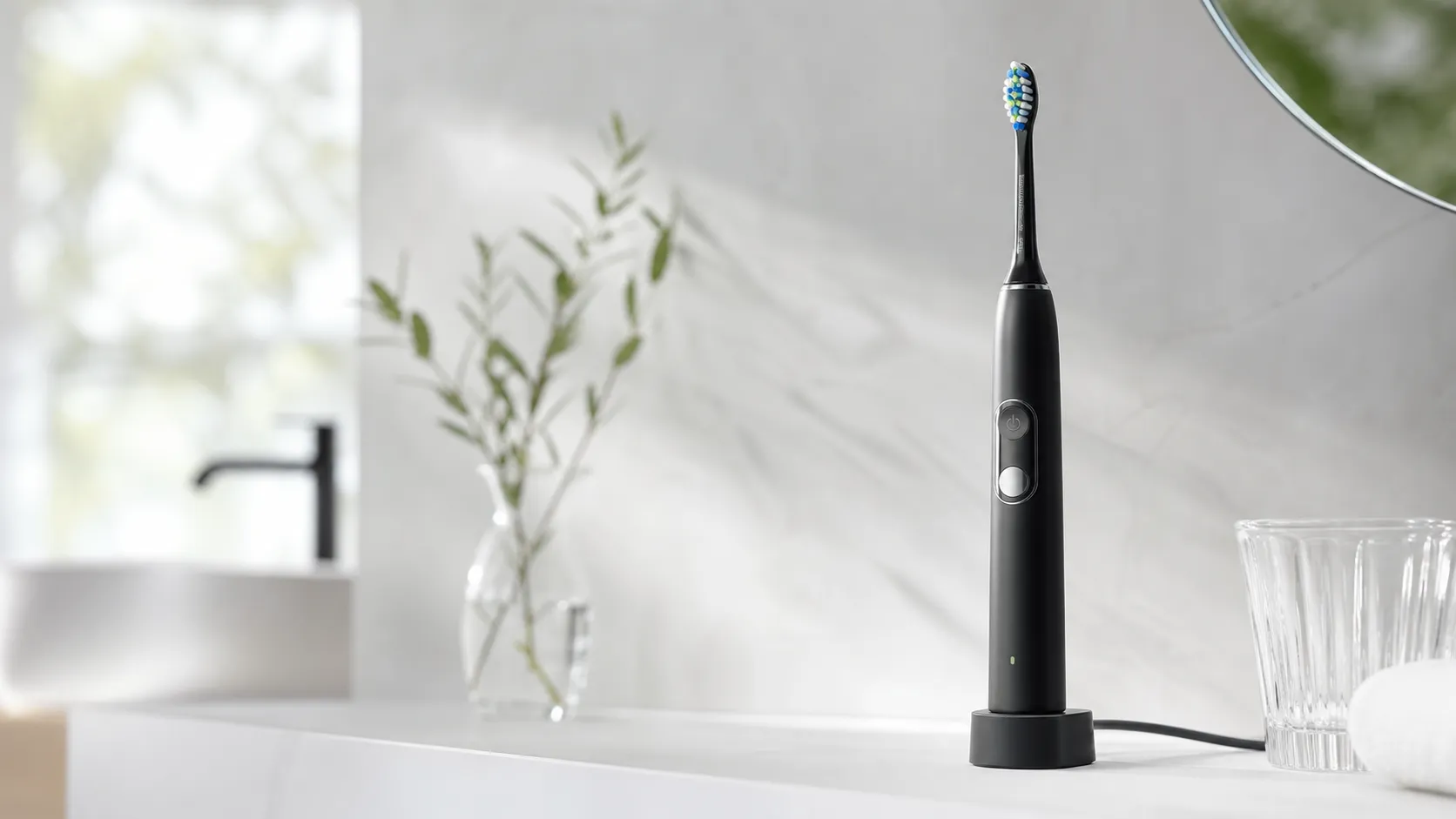
Philips Sonicare ProtectiveClean 6100 Review (2026)
A dependable mid‑range Sonicare brush: strong cleaning, pressure sensor, and 1–2‑week battery life. Great upgrade from manual brushing; watch replacement head costs.
 Health & Wellness
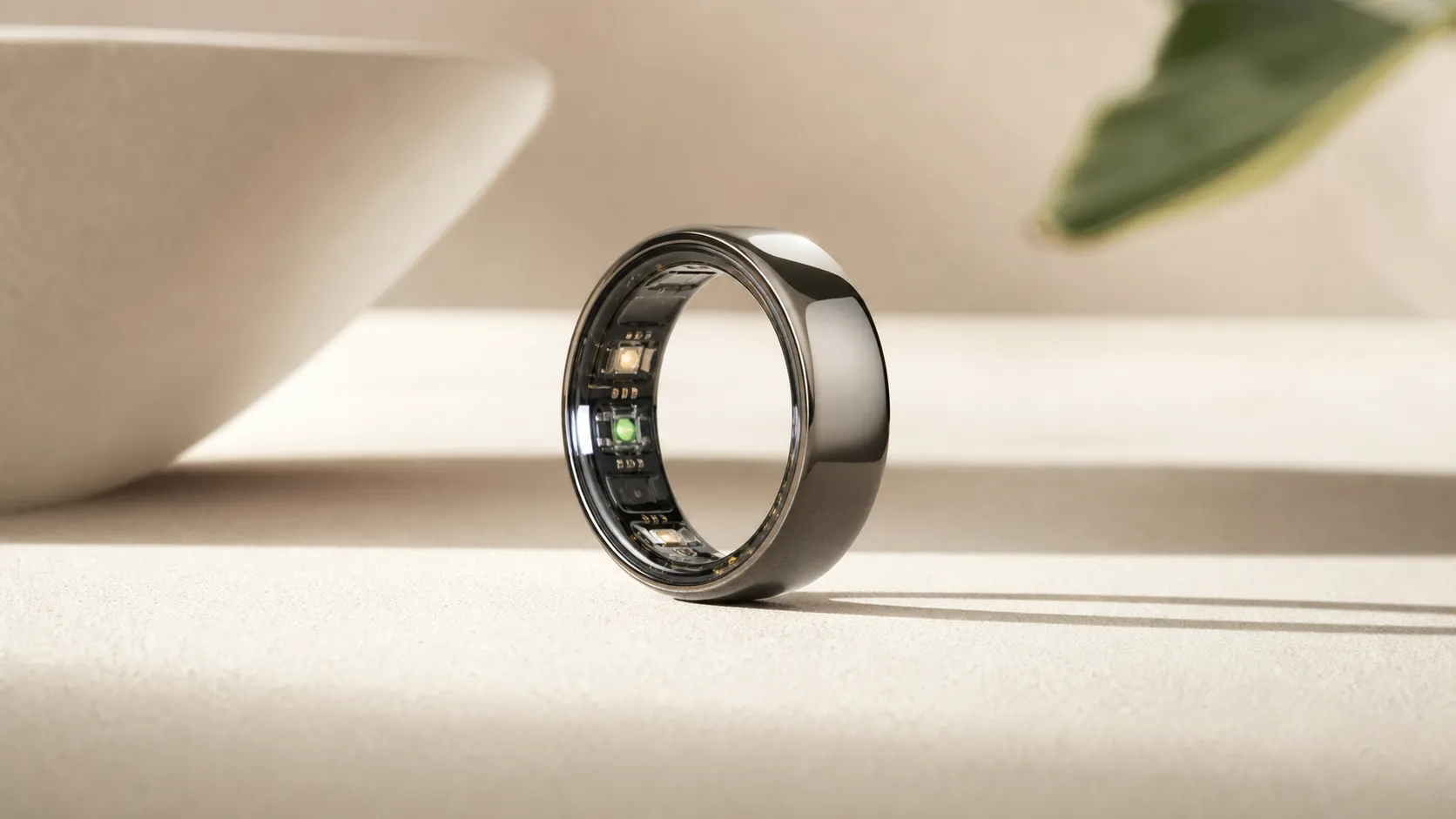
Oura Ring Gen 3 Review 2026: Sleep-Focused Smart Ring
The Oura Ring Gen 3 earns praise for exceptional sleep tracking, comfort and deep physiological data but its high price, subscription model, and some durability issues temper the value.
 Health & Wellness
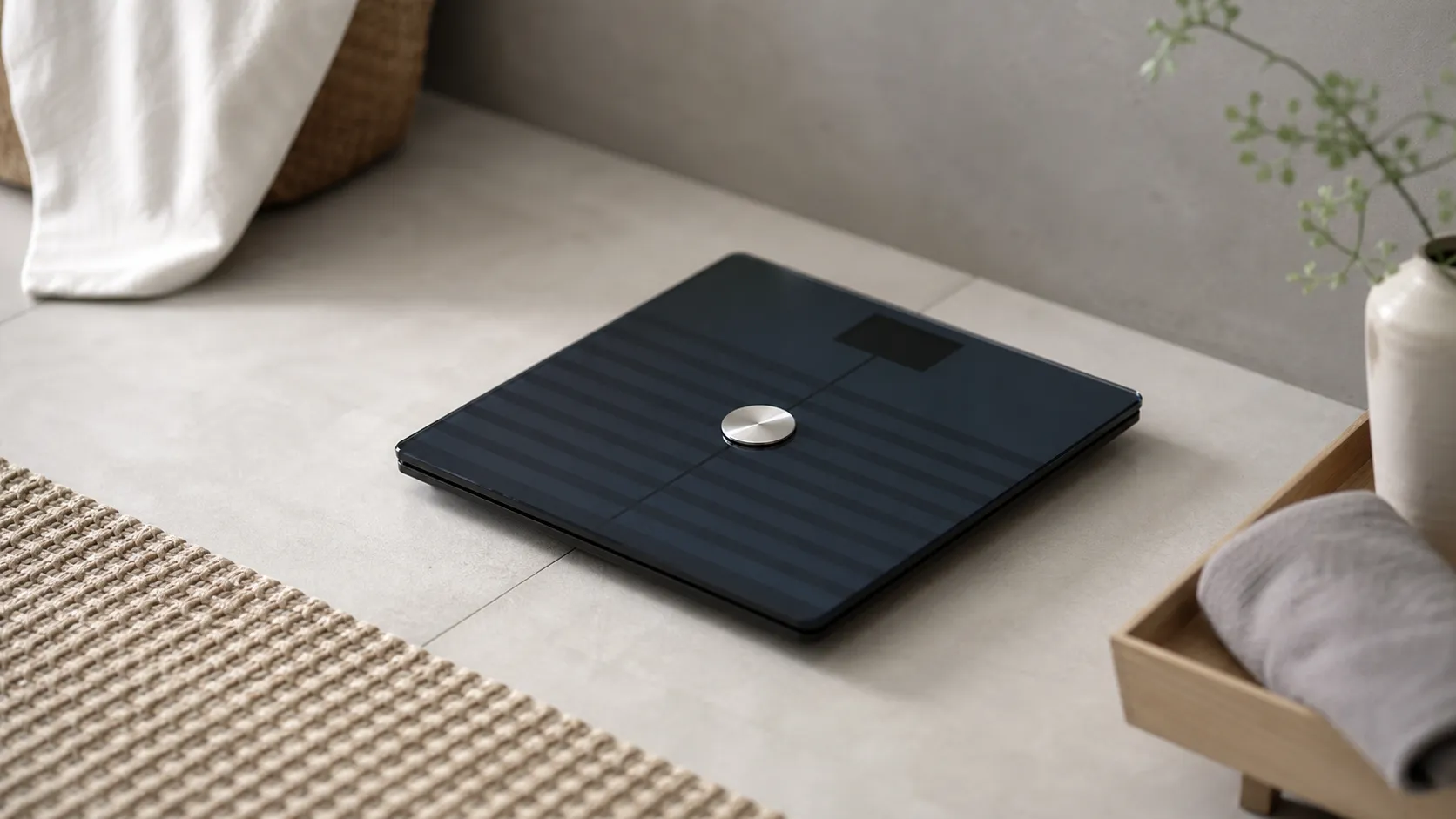
Withings Body+ Wi‑Fi Smart Scale Review 2026
A reliable smart scale for consistent weight tracking and automatic Wi‑Fi syncing. Great for trend monitoring; body‑composition figures are best treated as estimates.