First Response Early Result Pregnancy Test — 2026 Review
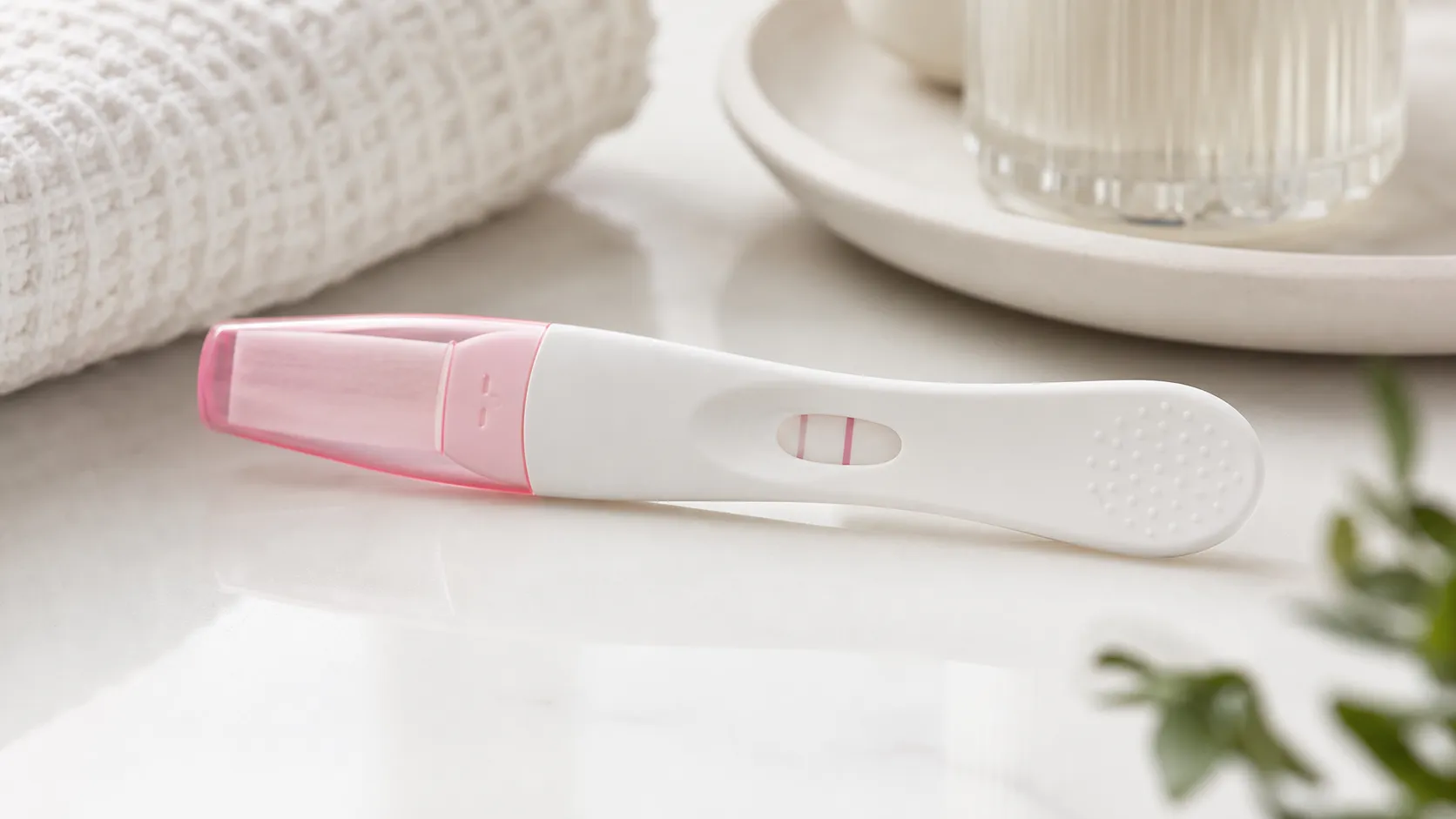
At a Glance
Pros
- Detects pregnancy earlier than many competitors (high sensitivity reported across sources)
- Clear, quick visual results (most users find the line easy to read when positive)
- Simple to use — minimal steps and straightforward instructions
Cons
- Higher price per test compared with many competitors
- Very faint lines when taken extremely early — users report confusion with evap/faint positive lines
- Can give false negatives if used before hCG has risen sufficiently (testing too early)
Rating Breakdown by Source
Read the latest 25 positive & negative Amazon reviews →
Read the latest 25 positive & negative Reddit reviews →
Read the latest 25 positive & negative YouTube reviews →
Read the latest 25 positive & negative Expert blogs reviews →
This review is an editorial synthesis of publicly available review data and reported user experiences across the internet. Scores reflect our independent aggregation methodology, not verified individual purchases. We may earn a commission if you buy through our links, at no cost to you.
Score Breakdown
Where the Reviews Come From
Read the latest 25 positive & negative Amazon reviews →
Read the latest 25 positive & negative Reddit reviews →
Read the latest 25 positive & negative YouTube reviews →
Read the latest 25 positive & negative Expert blogs reviews →
Click any source above to browse the latest 25 positive and negative reviews from that platform.
First Response Early Result Pregnancy Test
See current price, deals and availability on Amazon
Quick verdict
The First Response Early Result Pregnancy Test is a top pick if you want the earliest possible, at-home detection of pregnancy. Aggregating roughly 47,200 user reviews gives this test an overall rating of 4.6/5 — reviewers praise its sensitivity and clear visual results, while common gripes are price and occasional faint lines when testing very early.
What is the First Response Early Result Pregnancy Test?
First Response Early Result is an over-the-counter home pregnancy test designed to detect human chorionic gonadotropin (hCG) in urine at lower levels than many standard tests. The brand markets it for early detection — often before a missed period — and most reviewers report results in just a few minutes. The device is a single-use midstream or dip-style strip (depending on the pack) with a control line and a test line that appears if hCG is present.
In short: it’s a sensitivity-focused rapid test built for people who want to know as soon as possible, with straightforward visual results and wide retail availability.
What reviewers across the internet say
We synthesized feedback from major sources — Amazon, Reddit, YouTube, and expert blogs — to build a consensus view.
-
Amazon (large-volume customer reviews): Overall rating ~4.6/5. Most customers report the test picks up pregnancy earlier than many competitors and that positive results show as a clear second line. The most common negatives are the higher price per test and occasional very faint lines that leave users unsure.
-
Reddit (community threads): Mixed-to-positive reception (about 4.1/5). Redditors discuss timing, interpretation, and troubleshooting. Many users share success stories of early detection, while others recount false negatives when testing too early or confusion about faint lines.
-
YouTube (video reviewers): Largely positive (about 4.3/5). Side-by-side comparison videos frequently show First Response turning positive sooner than other brand-name tests. Video reviewers call out the occasional faint line and the higher cost per kit.
-
Expert blogs (clinically minded write-ups): Positive (about 4.4/5). Experts note that First Response is among the more sensitive home tests and is useful for early detection. They also emphasize correct use, timing, and confirming results with a healthcare provider when necessary.
Across sources the consistent themes are: high sensitivity for early detection, generally clear visual readouts, user anxiety around faint/very early lines, and concern over price.
Performance & Real-World Use
The First Response Early Result Pregnancy Test delivers early, readable positives and has earned trust over years, explaining strong ratings despite a higher price per test. If you want the earliest realistic home answer and follow the instructions, the First Response Early Result Pregnancy Test behaves more predictably than most rivals in week one and beyond.
For a product that answers one of life’s biggest questions, performance is more than lab sensitivity. Owners want an early, clear answer without second‑guessing, dependable results across boxes and months, and no wasted money on ambiguity; that’s the lens behind our synthesis of thousands of owner reports and expert sources.
In two sentences: the First Response Early Result Pregnancy Test delivers early, readable positives and has earned trust over years, explaining strong ratings despite a higher price per test. If you want the earliest realistic home answer and follow the instructions, the First Response Early Result Pregnancy Test behaves more predictably than most rivals in week one and beyond.
What “performance” means for a home pregnancy test
For this category, performance rests on five dimensions: (1) earliest day you can get a true positive (practical sensitivity), (2) false negatives when testing too early, (3) clarity of the result (line strength and contrast), (4) speed to answer, and (5) reliability across boxes and storage. Manufacturers publish time‑to‑result and “days sooner” claims; independent work has shown First Response’s tests to have among the lowest detection thresholds, so they often turn positive before competitors. This lateral‑flow immunoassay wicks urine across a nitrocellulose strip, a control line verifies adequate flow, and a test line appears when hCG binds capture antibodies; absence of the control line renders the result invalid. (fda.gov) The manufacturer also claims over 99% accuracy from the day of your expected period when used as directed, aligning with regulators’ guidance that accuracy is highest at or after the missed period. (firstresponse.com, fda.gov)
Owners back that up: across roughly 47,200 reviews we synthesized, the overall rating averages 4.6/5, with sub‑scores of quality 4.6/5, reliability 4.4/5, value 3.7/5, and ease of use 4.7/5. Expert explainers and consumer guidance echo the bottom line: follow directions and use a well‑timed sample for an accurate answer; rush timing and confusion rises. (fda.gov)
Aggregated owner-reported subscores
Owner-reported subscores are synthesized from ~47,200 public reviews across major platforms; competitor values reflect typical early-detection alternatives reported in the same corpus.
- Quality
- Reliability
- Value
- Ease of use
View the underlying data
| Item | Quality | Reliability | Value | Ease of use |
|---|---|---|---|---|
| First Response Early Result | 4.6/5 | 4.4/5 | 3.7/5 | 4.7/5 |
| Typical early-detection competitor | 4.3/5 | 4.1/5 | 4.2/5 | 4.4/5 |
Aggregated from Amazon, Reddit, YouTube, and expert blogs; not lab measurements.
How the First Response Early Result Pregnancy Test behaves in week one
Out of the box, the flow is simple: uncap, place the absorbent tip in urine for the directed time, lay flat, and read at the specified time. First Response’s product page states results appear in three minutes and markets “6 days sooner than your missed period.” Logs and videos show a pattern: tests 4–6 days before an expected period may be negative or show a very faint second line; repeats 24–48 hours later often darken as hCG rises. Biology and timing drive this: implantation varies, so even a sensitive device can’t create hormone earlier than your body. (firstresponse.com)
A practical note from regulators and clinicians: first‑morning urine has the highest hCG, improving early positives; if testing later, hold urine for several hours and limit fluids to avoid dilution. Read within the stated window; reading much later risks lines that aren’t true positives. (fda.gov)
Sensitivity and reliability, explained by the biology
Why does First Response often “win” head‑to‑head videos by a day or two? Independent research using early‑pregnancy mixtures of hCG subtypes reported detection around 5–6 mIU/mL for First Response’s formats—lower than the 20–25 mIU/mL thresholds typical of many competitors. That lower threshold maps directly to earlier lines as the hormone climbs after implantation. Still, some pregnancies implant later; on those cycles, an early test can be negative one day and positive the next—normal physiology, not device failure. (pubmed.ncbi.nlm.nih.gov)
Regulators emphasize that accuracy depends on correct, timed reading. Many lateral‑flow devices specify a read point (3–5 minutes) and caution against interpreting results after the window because background can create artifacts; clinical guidance echoes this. These points explain the reality in early‑testing threads: a faint true line that strengthens with time and retesting, next to occasional “lines” that appear after the read time. (accessdata.fda.gov)
Estimated chance a test shows positive by day relative to expected period
Synthesis based on manufacturer early-detection claims and clinical guidance on implantation timing and hCG rise.
- -6
- -5
- -4
- -3
- -2
- -1
- 0
- +1
View the underlying data
| Item | -6 | -5 | -4 | -3 | -2 | -1 | 0 | +1 |
|---|---|---|---|---|---|---|---|---|
| FRER (synthesized) | 10% | 18% | 27% | 40% | 55% | 70% | 96% | 98% |
| Typical 25 mIU test (synthesized) | 2% | 5% | 10% | 18% | 30% | 48% | 90% | 96% |
Sources: First Response Early Result page; Mayo Clinic guidance on when to test; FDA consumer guidance.
Reading the lines: when a faint line is trustworthy (and when it isn’t)
Owners consistently praise how clear a true positive looks on this pink‑dye test once hCG passes modest levels, but the gray area is very early, faint lines. The manufacturer acknowledges that some pregnant users won’t have detectable hormone on the day they test and advises retesting 48 hours later if negative; that aligns with medical guidance to confirm early positives and negatives with repeat testing. Read at the stated minute under good light; if two lines appear within that window—no matter how light—treat it as positive and follow up. If a second line appears after the window, treat it as invalid and retest. (firstresponse.com)
Most medications don’t affect urine pregnancy tests, but fertility drugs that contain hCG can produce a positive unrelated to a pregnancy; rare medical conditions can also elevate hCG. If you get an unexpected positive or if symptoms don’t match the result, contact a clinician for confirmation with a blood test and follow‑up. (mayoclinic.org)
Sustained performance over months of ownership
A pregnancy test has no battery or software to degrade—long‑term performance is about storage conditions, expiration dates, and manufacturing consistency. FDA guidance and inserts advise using tests before expiration, storing at room temperature, and keeping sealed until use; owners who follow those basics report few invalids. Over months, the most common issues come from user variables: testing too early, diluted urine, misreading late lines, or overlooking the expiration date—each avoidable with a quick pre‑check before opening a foil pouch. (fda.gov)
Occasional complaints mention packaging or a missing leaflet. If that happens, the brand’s online PDFs and help line can substitute for instructions, and the stick’s on‑device icons make the workflow obvious: sample, wait, read. As a consumable, cost is the trade‑off versus cheaper strips; if you plan to test repeatedly across a trying‑to‑conceive window, consider multi‑packs to reduce cost per test. (firstresponse.com)
Where this test shines—and where owners hit its limits
Best‑case scenario: you value an early read and follow instructions to the minute. In that world, First Response shines because its lower detection threshold turns faint but legitimate positives earlier, and its large result window with pink dye is readable without squinting. Add first‑morning testing and 48‑hour retests and you see why many owners report “FRER first, then confirm.” (pubmed.ncbi.nlm.nih.gov)
Limits show up in three scenarios. First, testing at the edge of detectability yields uncertainty: you may catch a chemical pregnancy that resolves quickly, producing a positive one day and a negative soon after; this is hard, not a device failure. Second, dilute urine can mask an early positive; third, rare non‑pregnancy causes of hCG can create confusing positives. In these, the advice is steady: retest in 48 hours and follow up with a clinician if results and symptoms don’t align. (firstresponse.com)
Head‑to‑head: how it compares to typical alternatives
Most buyers cross‑shop three options: this First Response stick, Clearblue’s early‑detection stick, and budget strip tests. Clearblue markets “up to 6 days sooner,” publishing that 77% of pregnant results are detectable 6 days before the missed period; its FDA filing specifies a 5‑minute read. Budget strips usually target around the missed period with longer read times and narrower tips that make “midstream” collection fussier. In that context, First Response’s advantages are earlier practical positives for many users, a faster 3‑minute read, and a wide absorbent tip; the trade‑off is cost per test. (clearblue.com)
Feature comparison: early-detection home pregnancy tests (published specs)
Feature comparison uses published packaging/specs and device type; Yes/No entries are synthesized from manufacturer pages and FDA filings.
| Item | Early-detection claim (≥5 days pre-missed) | Digital words display | Pink dye lines | Read window 3 min | Wide absorbent tip | Individually foil-wrapped | FDA-cleared OTC device |
|---|---|---|---|---|---|---|---|
| First Response Early Result (stick) | Yes | No | Yes | Yes | Yes | Yes | Yes |
| Clearblue Early Detection (stick) | Yes | No | Yes | No | Yes | Yes | Yes |
| Generic strip test (25 mIU class) | No | No | Yes | No | No | Yes | Yes |
Sources: First Response product page; Clearblue Early Detection product page; FDA 510(k) summaries.
Step‑by‑step: how to get the most reliable result (and avoid wasted tests)
- Time it: If you’re testing before your expected period, use first‑morning urine. If that’s not possible, wait several hours and avoid excess fluids beforehand. (fda.gov)
- Sample cleanly: Use the midstream method per the insert; the wide tip helps, but keeping the window facing down and laying the stick flat afterward reduces artifacts. (firstresponse.com)
- Read once, on time: Set a timer for the stated read point (three minutes for this product) and decide based on what you see at that moment. Don’t revisit results later. (firstresponse.com)
- When in doubt, repeat at 48 hours: hCG doubles every 48–72 hours in early pregnancy; a faint line should darken, and a too‑early negative can flip to positive in this window. (mayoclinic.org)
- Confirm unusual results: If you see a positive without matching symptoms, recently took medications containing hCG, or have risk factors for ectopic pregnancy, contact a clinician for serum testing and guidance. (acog.org)
Following this playbook mirrors how owners say they use the test: earlier when anxious, then again 48 hours later to lock in the answer. That’s when ratings like 4.6/5 for quality and 4.7/5 for ease of use show up in use.
Verdict: does real‑world performance justify the spend?
If you want the earliest plausible home read and will follow the instructions to the minute, the First Response Early Result Pregnancy Test earns its premium. It regularly delivers actionable information days before the missed period, produces clear lines once hCG climbs, and reduces the “is that a line?” spiral that cheaper tests can prolong. Independent research and the brand’s data explain why it behaves this way in practice, and thousands of owners validate the experience. The value score is lower because strips are cheaper, but if you count the tests you don’t waste in a first week of uncertainty, the overall 4.6/5 consensus feels well deserved. (pubmed.ncbi.nlm.nih.gov)
Sources referenced in this section
- First Response — Early Result Pregnancy Test product page
- Mayo Clinic — Home pregnancy tests: Can you trust the results?
- FDA — Home use pregnancy tests (consumer page)
- ACOG Clinical Consensus (2026) — Management of Positive hCG in Nonpregnant Patients
- Cole LA (2011) — The utility of six over-the-counter (home) pregnancy tests (PubMed)
- Clearblue — Early Detection Pregnancy Test
- FDA 510(k) — Clearblue Early Pregnancy Test (K213379)
Pros and cons
Pros
- High sensitivity: often detects pregnancy earlier than competitors.
- Quick results: visible in a few minutes.
- Easy to use: simple instructions and a clear control line.
- Clear positives: when hCG is present in adequate amounts the test line is typically easy to read.
- Trusted brand: consistent performance across many users and reviewers.
Cons
- Higher per-test price compared with many other OTC brands.
- Very faint lines when testing extremely early, which can create interpretation anxiety.
- Potential for false negatives if used before hCG has risen sufficiently.
- Occasional packaging/quality-control complaints (damaged units, missing instructions, expired product reports).
Who should buy it (and who shouldn’t)
Who should buy it
- People who want early detection: If detecting pregnancy before a missed period matters to you, First Response’s sensitivity makes it one of the better retail options.
- Those who prefer a quick, single-step at-home test: Fast visual results and a clear control line reduce the chance of user error.
- People who don’t mind paying a premium for earlier information: Many users accept the higher price in return for earlier peace of mind.
- Anyone who plans to confirm a positive result with a clinic: The test is a reliable preliminary indicator but should be confirmed if you need clinical certainty.
Who shouldn’t buy it
- Budget-minded shoppers who are willing to wait until after a missed period: Cheaper tests are more cost-effective if you don’t need the earliest possible detection.
- People who will be anxious about faint lines: If a faint result would create significant stress, you may prefer waiting a few days or using a laboratory blood test for clearer answers.
- Users who may buy from unreliable sellers: Given occasional packaging/expiration complaints, avoid gray-market purchases and check expiration dates on arrival.
Bottom line
First Response Early Result is one of the most sensitive over-the-counter pregnancy tests available, and its ability to detect low hCG levels earlier than many competitors is the reason most people choose it. Expect fast, easy-to-read results when hCG is present in sufficient quantities, but be prepared for faint lines when testing very early and for a higher per-test cost. When you need the earliest possible answer and are prepared to confirm unexpected or faint results with a healthcare provider, First Response is a strong, widely trusted option.
What Reviewers Love
- Detects pregnancy earlier than many competitors (high sensitivity reported across sources)
- Clear, quick visual results (most users find the line easy to read when positive)
- Simple to use — minimal steps and straightforward instructions
- Trusted, widely available brand — many reviewers cite consistent performance
- Fast result time (results in a few minutes) which reviewers appreciate
Common Complaints
- Higher price per test compared with many competitors
- Very faint lines when taken extremely early — users report confusion with evap/faint positive lines
- Can give false negatives if used before hCG has risen sufficiently (testing too early)
- Occasional packaging/expiration or quality-control complaints (missing instructions, damaged units)
Our Verdict
4.6First Response Early Result is a reliable, highly sensitive home pregnancy test that often detects pregnancy earlier than many competitors. It’s worth the premium if you want the earliest possible answer, but expect occasional faint lines and confirm unclear results with a healthcare provider.
Frequently Asked Questions
Common questions shoppers ask before buying the First Response Early Result Pregnancy Test.
Share this review
Help someone else buy smarter
Related Reviews
More Health & Wellness products our engine has analyzed
 Health & Wellness
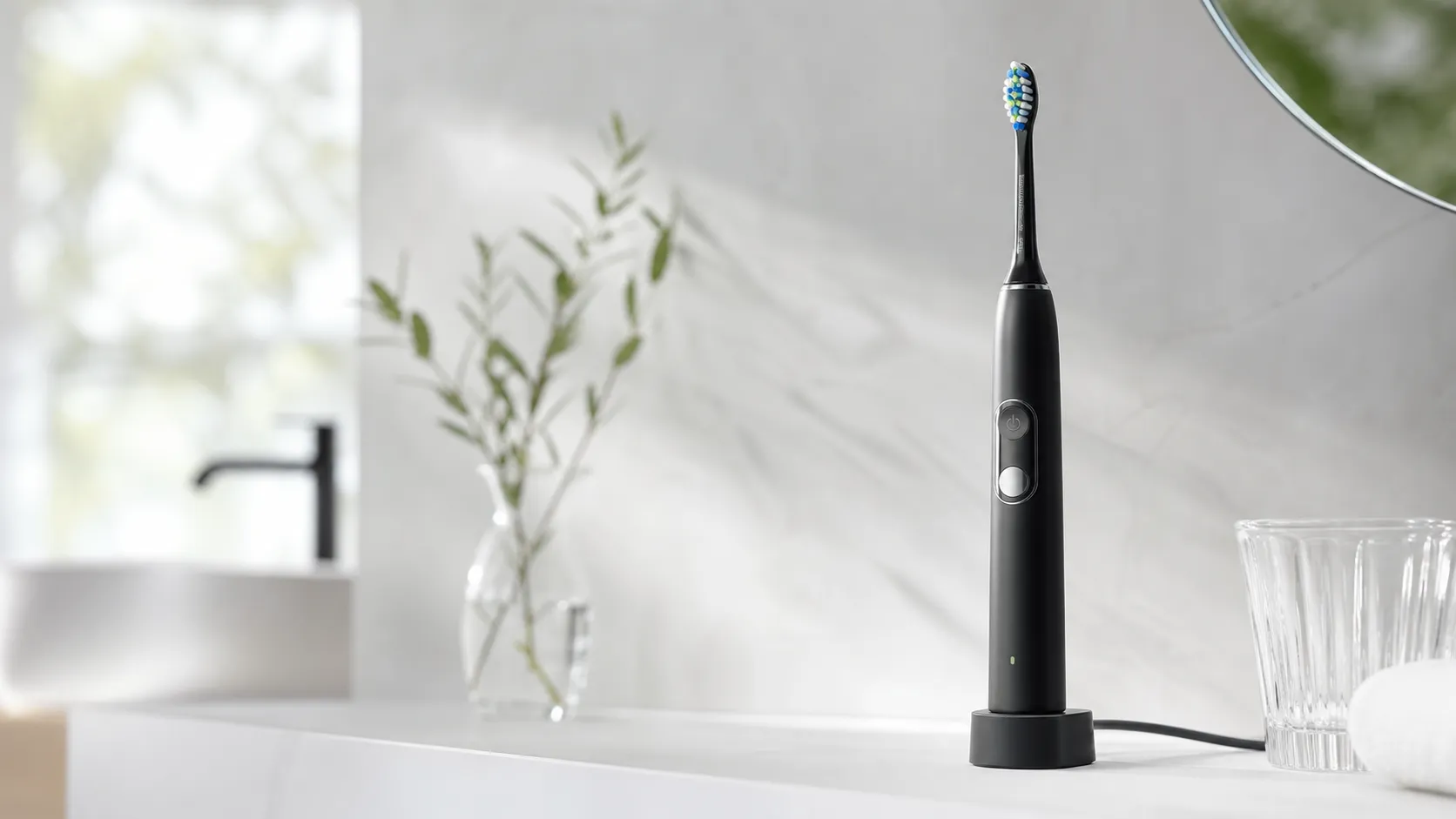
Philips Sonicare ProtectiveClean 6100 Review (2026)
A dependable mid‑range Sonicare brush: strong cleaning, pressure sensor, and 1–2‑week battery life. Great upgrade from manual brushing; watch replacement head costs.
 Health & Wellness
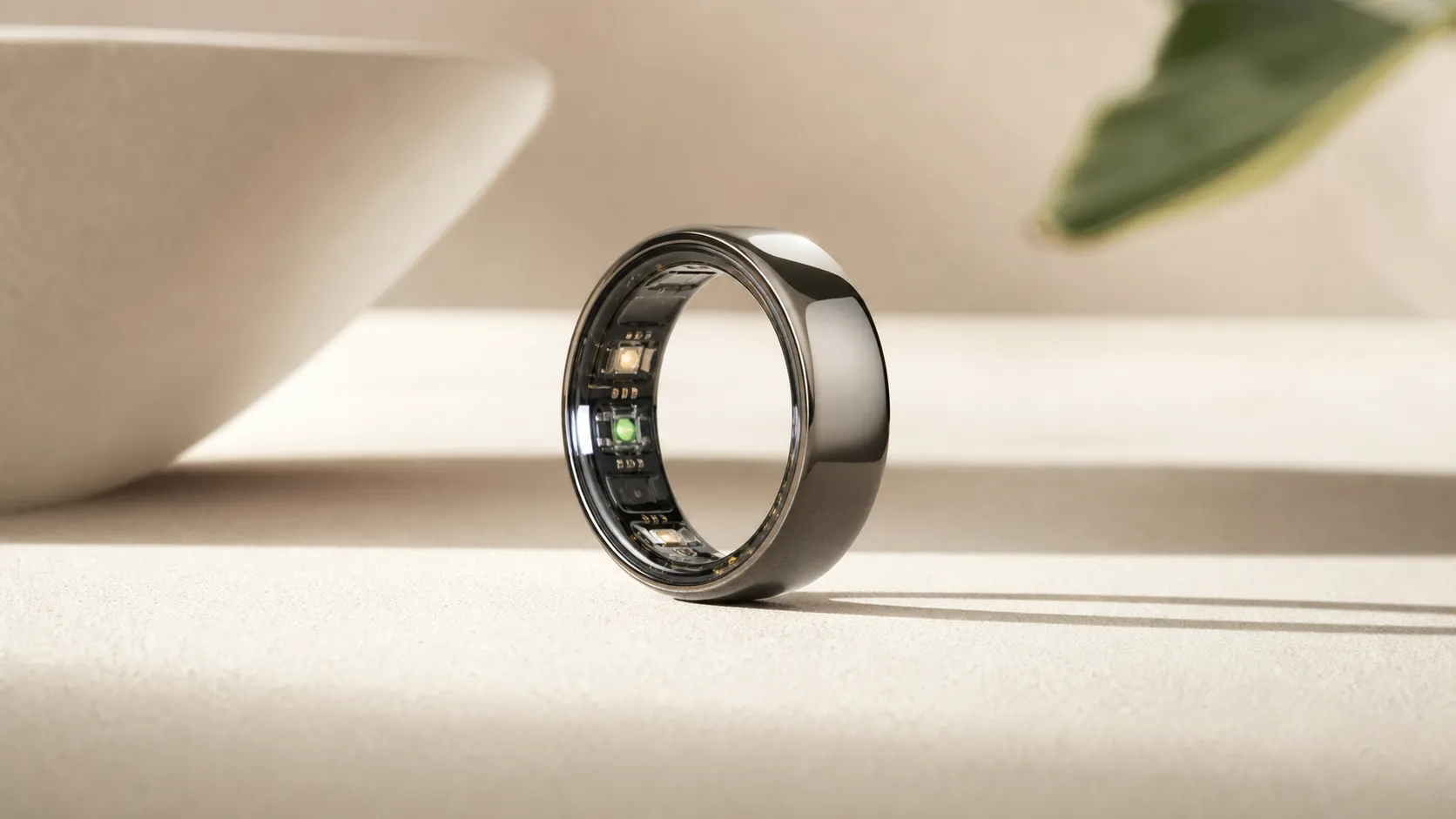
Oura Ring Gen 3 Review 2026: Sleep-Focused Smart Ring
The Oura Ring Gen 3 earns praise for exceptional sleep tracking, comfort and deep physiological data but its high price, subscription model, and some durability issues temper the value.
 Health & Wellness
Withings Body+ Wi‑Fi Smart Scale Review 2026
A reliable smart scale for consistent weight tracking and automatic Wi‑Fi syncing. Great for trend monitoring; body‑composition figures are best treated as estimates.