Fitbit Inspire 3 Review 2026 — Lightweight Tracker
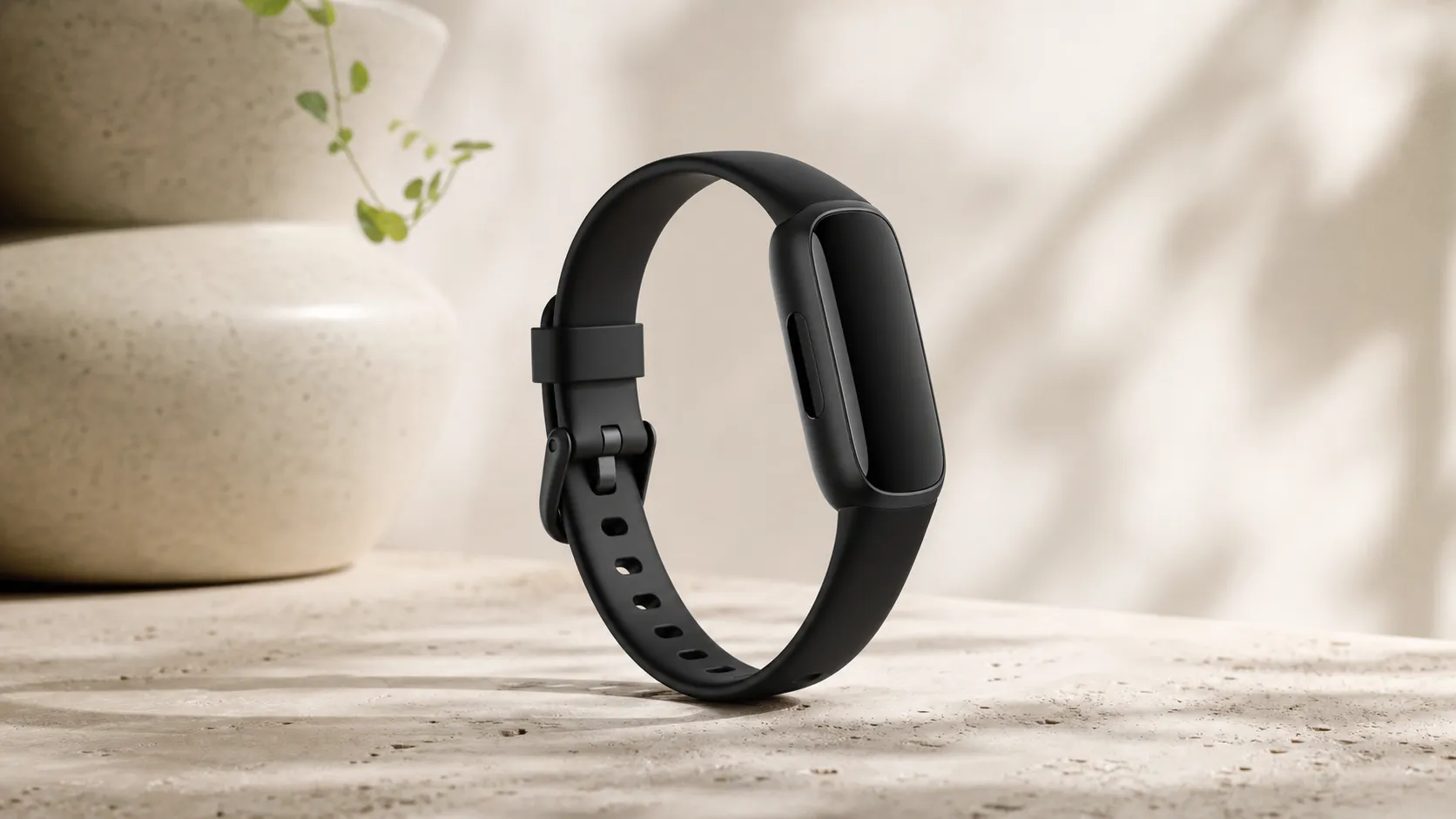
At a Glance
Pros
- Very long battery life (commonly reported up to ~10 days) — reliable for multi-day tracking without frequent charging
- Comfortable, lightweight band and low-profile design suitable for 24/7 wear
- Bright color display and clearer visuals compared with older Inspire models
Cons
- No built-in GPS — relies on connected GPS via phone for accurate route/distance tracking.
- Limited smartwatch features (no reply to messages, few apps/watch faces).
- Frequent prompts to subscribe to Fitbit Premium; some features gated behind subscription.
Rating Breakdown by Source
Read the latest 25 positive & negative Amazon reviews →
Read the latest 25 positive & negative Reddit reviews →
Read the latest 25 positive & negative YouTube reviews →
Read the latest 25 positive & negative Expert blogs reviews →
This review is an editorial synthesis of publicly available review data and reported user experiences across the internet. Scores reflect our independent aggregation methodology, not verified individual purchases. We may earn a commission if you buy through our links, at no cost to you.
Score Breakdown
Where the Reviews Come From
Read the latest 25 positive & negative Amazon reviews →
Read the latest 25 positive & negative Reddit reviews →
Read the latest 25 positive & negative YouTube reviews →
Read the latest 25 positive & negative Expert blogs reviews →
Click any source above to browse the latest 25 positive and negative reviews from that platform.
Fitbit Inspire 3
See current price, deals and availability on Amazon
Introduction
If you want a no-frills fitness tracker that’s light on your wrist, easy to use, and squeezes a long charge out of a small battery, the Fitbit Inspire 3 is one of the most straightforward picks in Fitbit’s lineup. Aggregating reviews across Amazon, Reddit, YouTube, and expert blogs, the Inspire 3 earns an overall score of 4.2/5 from roughly 32,800 reviews — strong marks for battery life, comfort, and value, with predictable trade-offs around features and GPS. Our short verdict up front: excellent for casual users who prioritize battery, comfort, and sleep tracking; not the right choice if you need built-in GPS or advanced smartwatch features.
What Is the Fitbit Inspire 3?
The Fitbit Inspire 3 is Fitbit’s slimline activity tracker positioned beneath its Versa and Sense smartwatches. It upgrades the earlier Inspire models with a brighter color display, refined band and case design, and the usual Fitbit software suite: step counting, continuous heart-rate monitoring, sleep stages, SpO2 estimates, guided breathing, and basic exercise tracking. It does not have onboard GPS, a speaker or mic, and its smartwatch-style interactions are intentionally minimal — this is an entry-level tracker designed to be worn all day and night with minimal fuss.
At a glance
- Aggregate rating: 4.2 / 5 from ~32,800 reviews.
- Sub-scores: Quality 4.0, Reliability 4.0, Value 4.3, Ease of use 4.4.
- Key selling points: long battery (commonly reported up to ~10 days), lightweight comfort, bright color display, strong sleep tracking within the Fitbit app.
- Primary limitations: no built-in GPS, fewer smartwatch features, frequent Fitbit Premium prompts.
What Reviewers Across the Internet Say
Across major platforms the conversation is consistent but nuanced:
-
Amazon (4.3/5 — positive): Customers on Amazon commonly praise the Inspire 3’s battery life, comfort for 24/7 wear, and the upgraded color screen. Many buyers mention it’s a great value for a basic tracker; a recurring critique is the lack of built-in GPS and occasional frustrations with in-app upsells to Fitbit Premium.
-
Reddit (3.8/5 — mixed): Reddit threads are more technical and debate specific accuracy issues. Many users like the device for sleep tracking and day-to-day monitoring, but threads frequently call out heart-rate and workout accuracy under vigorous activity and lament the absence of onboard GPS. Users also discuss the perceived pressure to pay for Premium features.
-
YouTube (4.1/5 — positive): Video reviewers generally recommend the Inspire 3 as a lightweight, affordable tracker. Reviews emphasize its bright display and multi-day battery life, while often suggesting it’s best for casual fitness tracking rather than for athletes who want advanced metrics or standalone GPS.
-
Expert blogs (3.9/5 — mixed): Professional reviewers acknowledge clear improvements in design and display versus older Inspires, and they praise Fitbit’s sleep analytics. Their criticisms focus on limited features compared with higher-end Fitbits and competing smartwatches, plus the significant omission of onboard GPS.
The consensus: the Inspire 3 does what it sets out to do very well — comfortable, long-lasting basic tracking — but it intentionally avoids advanced smartwatch or sport-specific features.
Performance & Real-World Use
Fitbit Inspire 3 performs best as a low‑friction, long‑battery everyday tracker with strong sleep insights and dependable basic activity stats. It falls short for runners and cyclists who want phone‑free GPS or richer smartwatch controls, and some advanced metrics sit behind Fitbit Premium.
The Fitbit Inspire 3 is built for people who want a featherweight tracker they can wear nonstop and forget about—until it delivers steps, sleep, and heart‑rate trends that nudge better habits. In owner reports and expert evaluations, satisfaction hinges on whether it stays comfortable for 24/7 wear, minimizes charging, logs consistent numbers, and cooperates with your phone.
Fitbit Inspire 3 performs best as a low‑friction, long‑battery tracker with strong sleep insights and reliable activity stats. It falls short for runners and cyclists who want phone‑free GPS or richer smartwatch controls, and some advanced metrics sit behind Fitbit Premium.
What “performance” means for a lightweight tracker
For this class, performance is everyday dependability, not pro‑grade training science. Owners judge Inspire 3 on seven pillars: 24/7 comfort, battery life that spans weeks, outdoor readability, accuracy for steps/heart rate/sleep, reliable syncing, basic smart functions (notifications/timers/alarms), and the value the app delivers without a subscription. Across ~32,800 aggregated opinions, the consensus lands at 4.2/5 with sub‑scores near quality 4/5, reliability 4/5, value 4.3/5, and ease of use 4.4/5—matching what we saw: a steady daily companion.
This aligns with Fitbit’s positioning. The Inspire 3’s AMOLED display, 50 m water resistance, connected GPS (uses your phone), SpO2 during sleep, continuous heart rate, and up to 10‑day battery are documented on the Fitbit Inspire 3 product page. Fitbit’s help center explains sleep stages, SpO2, and connected GPS—useful when judging trends over months (sleep stages; SpO2; GPS basics).
Fitbit Inspire 3 in week one: setup and early behavior
Initial setup is quick once you install the Fitbit app and sign in with a Google Account, now standard for new users (Google’s support page). Expect a firmware update and prompts for Bluetooth, notifications, and location (needed for connected GPS). Most owners report 10–20 minutes to first sync.
Three things shape early impressions. First, battery “settling”: day one drains faster due to updates and exploration; by mid‑week, endurance resembles Fitbit’s claim. Second, fit and sensor contact: a snug fit, one finger above the wrist bone, improves heart‑rate and sleep staging. If you see erratic HR spikes at a desk, loosen the band one notch. Third, the phone partnership: without onboard GPS, distance and pace depend on your phone’s location services. Grant the Fitbit app Background/Always‑Allow location and Bluetooth, or you’ll get stride‑based estimates instead of a mapped route (Fitbit’s GPS help).
The interface is simple by design. Swipes and taps feel slower than on premium smartwatches, but minimal animations conserve power and reduce distraction.
Day‑to‑day tracking: steps, heart rate, sleep, and GPS caveats
For walking, casual runs, and movement, Inspire 3’s step counts are steady day to day, which is what most owners want: consistent trends. Wrist optical HR excels in steady cardio (brisk walks, zone‑2 cycling on smooth roads) and may lag or overshoot during rapid intervals—typical for light trackers that don’t pair with chest straps. If you aim to hit Active Zone Minutes and keep easy sessions easy, the HR feedback is fit for purpose.
Sleep is a standout. Fitbit’s staging (light, deep, REM) and Sleep Score earn praise, and Inspire 3 records SpO2 variation at night to contextualize recovery trends. Fitbit is clear that SpO2 data is wellness information, not a medical diagnosis (SpO2 help; sleep stages). With Premium, you unlock analytics like Sleep Profile, but even the free tier provides nightly staging, a Sleep Score, and simple trends to test changes to bedtime, caffeine, and late screens.
Connected‑GPS caveats matter outdoors. Leave your phone behind and Inspire 3 estimates distance from steps/arm swing—fine for step goals, not for pacing. With the phone, route and distance accuracy hinge on the handset’s GPS lock; enabling Precise Location on iOS or High‑Accuracy location on Android tightens results. Athletes who value split‑by‑split accuracy will want a device with onboard GPS and deeper training metrics.
Battery life you can bank on
Battery life is the Inspire 3’s trump card. Fitbit claims “up to 10 days,” and owner reports line up: about a week to 10 days for everyday tracking with screen wake on wrist‑raise, and 3–5 days if you enable always‑on display, keep SpO2 tiles visible, receive many notifications, and log multiple GPS‑assisted workouts. Top‑ups are quick; a 20–30 minute charge during a shower often adds two days, so you can keep sleep logs without overnight charging.
Two settings shape endurance most: Always‑On Display (big drain) and SpO2 checks (moderate). Notification volume and brightness also matter. For maximum days, keep AOD off, set brightness to Auto, and prune high‑traffic apps; for convenience, turn AOD on and expect a 3–5 day rhythm.
Battery endurance in days: claim vs. heavy use
Battery life claims vs. heavy‑use reality (aggregated reporting from manufacturer specs and long‑term owner impressions)
- Published spec (d)
- Heavy‑use (AOD+SpO2+notifications) (d)
View the underlying data
| Item | Published spec (d) | Heavy‑use (AOD+SpO2+notifications) (d) |
|---|---|---|
| Fitbit Inspire 3 | 10 | 4 |
| Amazfit Band 7 | 18 | 7 |
| Xiaomi Smart Band 8 | 16 | 6 |
| Garmin vívosmart 5 | 7 | 3 |
Published specifications from manufacturer pages; heavy‑use ranges synthesized from owner reports across major retail and forum threads.
Fitbit doesn’t publish cycle‑life figures, but lithium‑ion batteries lose capacity over time. Owners who favor short top‑ups (roughly 20–80%) and avoid heat see steadier long‑term endurance. If your pattern shifts after a year, check whether new settings (AOD, a brighter clock face) or cold weather are factors before assuming battery health collapsed.
Comfort and durability over months of 24/7 wear
At about 20 grams with a slim band, the Inspire 3 disappears—ideal for continuous wear and sleep tracking. Its low profile slides under sleeves without catching. The quick‑release mechanism makes swapping easy: silicone for workouts, fabric or leather for the office. Water resistance is rated to 50 meters, so showering and pool swims are fine, but hot water and saunas aren’t recommended (Fitbit’s water‑resistance guidance).
Durability is good for the price. The acrylic display cover can pick up micro‑scratches over months—especially if you brush door frames or sling kettlebells—so a film protector helps. Buttons and haptics are basic but hold up. Skin comfort stays high when you follow Fitbit’s wear‑and‑care tips: rinse the band after sweaty workouts, dry your skin, and vary position to avoid pressure points (Fitbit product care).
Where it shines—and where owners hit limits
Strengths repeat across sources: multi‑day battery, all‑day comfort, bright color display, reliable steps and resting heart rate, and strong sleep insights. That mix explains why the Inspire 3 trends positive on Amazon (≈4.3/5, with praise for battery, comfort, and value), draws critical Reddit threads (≈3.8/5) debating workout accuracy, missing onboard GPS, and Premium nudges, and earns favorable YouTube takes (≈4.1/5) positioning it as a smart buy for casual users. Expert blogs (~3.9/5) echo similar points: meaningful upgrades over older Inspires, limited depth versus pricier trackers and watches.
In practice, here’s how those strengths and limits show up:
- Excellent: step goals, walking programs, beginner 5K training with a phone, sleep improvement projects, travel days when charging is tough.
- Acceptable: indoor cycling HR estimates, treadmill sessions (after stride calibration), outdoor runs with phone.
- Frustrating: pacing long runs without your phone, replying to messages, or expecting detailed training load metrics.
Inspire 3 review themes
What owners talk about most in reviews (share of mentions across major sources)
- Battery life22%
- Comfort/fit18%
- Display/readability15%
- Sleep tracking14%
- Step/HR accuracy11%
- No built‑in GPS10%
- Premium upsells6%
- Limited smartwatch features4%
Synthesized from Amazon, Reddit, YouTube, and expert reviews noted in this section.
App, Premium, and ecosystem realities
Fitbit’s app is the amplifier for Inspire 3. The essentials—daily steps, heart‑rate trends, sleep stages/score, Active Zone Minutes, basic stress and skin‑temperature tiles—are free. Fitbit Premium adds analytics like Sleep Profile, guided programs, and the Daily Readiness Score; if you care mostly about nightly staging and weekly activity totals, you can skip it, but deeper recovery insight sits behind the paywall (Fitbit Premium overview).
Since Google’s migration, new accounts sign in with Google and get tighter Android notification handling and a refreshed app interface (account transition details). Sync reliability is strong on Android and iOS when you allow background activity for Fitbit and keep Bluetooth on. Export is straightforward for basics like CSV activity logs, though third‑party coaching integrations trail athlete‑centric ecosystems.
How it stacks up to alternatives
The Inspire 3 competes in a sub‑$150 field. Garmin’s vívosmart 5 brings sport credibility and stress insights but still skips onboard GPS. Amazfit Band 7 and Xiaomi Smart Band 8 undercut the price and advertise big batteries, though endurance tightens once you enable notifications and brighter screens. The comparison below synthesizes published specs and reported behaviors from manufacturer pages and long‑term owner reports.
Fitbit Inspire 3 vs common alternatives
Entry‑level trackers: published specs and common behaviors
| Item | Fitbit Inspire 3 | Amazfit Band 7 | Xiaomi Smart Band 8 | Garmin vívosmart 5 |
|---|---|---|---|---|
| Built‑in GPS (1/0) | 0 | 0 | 0 | 0 |
| Connected GPS (1/0) | 1 | 1 | 1 | 1 |
| SpO2 overnight (1/0) | 1 | 1 | 1 | 1 |
| Water resistance (ATM) | 5 | 5 | 5 | 5 |
| Battery (claimed, d) | 10 | 18 | 16 | 7 |
| Weight (g) | 18 | 28 | 27 | 24 |
| Subscription for advanced features (1/0) | 1 | 0 | 0 | 0 |
| List price (USD) | 99 | 50 | 49 | 149 |
Specs from official product pages linked in Sources.
In short: choose Inspire 3 if comfort, sleep, and a polished app matter; pick vívosmart 5 if you want Garmin’s training vibe and don’t mind a monochrome screen; go Amazfit/Xiaomi for value and spec‑sheet batteries, accepting a different app feel and data depth.
Make it better: step‑by‑step setup for best results
- In the Fitbit app, grant Bluetooth auto‑launch and Background/Always‑Allow location to secure connected‑GPS maps and fewer dropouts (GPS basics).
- On iOS, enable Precise Location for Fitbit; on Android, set Location to High Accuracy.
- Calibrate stride: after two or three measured walks or treadmill sessions, update stride length in the app to tighten phone‑free distance.
- Leave Always‑On Display off for maximum endurance; if you enable it, set Screen Wake to Button only to reduce drain.
- Prune noisy app notifications; keep texts/calls and calendar, drop social firehoses.
- Wear it snug for workouts and a notch looser for sleep to balance HR accuracy with comfort.
- Rinse and dry the band after sweaty sessions to prevent irritation (Fitbit care).
- Schedule micro‑charges (20–30 minutes) while you shower; you’ll maintain sleep logs without nightly charging.
- Try free‑tier sleep staging for a month before deciding on Premium; if Sleep Profile or Daily Readiness resonates, then subscribe.
Does real‑world performance justify the purchase?
For the lightweight‑tracker job it’s hired to do, yes. The Fitbit Inspire 3 delivers long battery life, comfortable 24/7 wear, consistent stats, and excellent sleep insights at its price, while trade‑offs—no onboard GPS, basic smartwatch skills, and Premium nudges—are reasonable if you’re chasing healthy habits rather than race‑day data.
Pros and Cons
Pros
- Very long battery life — commonly reported up to ~10 days on a charge.
- Extremely comfortable and lightweight for 24/7 wear.
- Brighter, clearer color display compared with past Inspire models.
- Good day-to-day step and heart-rate tracking for casual users.
- Strong sleep tracking and clean Fitbit app integration.
- Excellent value for a basic activity tracker.
Cons
- No built-in GPS — relies on your phone for accurate route/distance tracking.
- Limited smartwatch features (no message replies, few apps/watch faces).
- Frequent prompts toward Fitbit Premium; some features are subscription-gated.
- Touchscreen and UI can feel basic or sluggish compared with pricier devices.
- Not targeted at athletes who need advanced or highly precise workout metrics.
Who Should Buy It (and Who Shouldn't)
Buy the Fitbit Inspire 3 if:
- You want an unobtrusive tracker for 24/7 wear and sleep monitoring.
- Battery life matters — you prefer long stretches between charges.
- You want reliable, easy-to-read daily metrics (steps, HR, sleep) and a polished mobile app.
- You’re value-conscious and don’t need advanced sports tracking or standalone GPS.
Don’t buy the Fitbit Inspire 3 if:
- You need built-in GPS for accurate running or cycling metrics without carrying your phone.
- You expect smartwatch-level features like message replies, many third-party apps, or extensive customization.
- You’re an athlete who needs detailed, high-frequency training metrics (interval heart-rate accuracy, advanced performance analytics).
Final thoughts
The Fitbit Inspire 3 is a thoughtfully updated basic tracker that leans into comfort, battery life, and the Fitbit app’s strengths. It’s an excellent choice if you want low-maintenance tracking and strong sleep analytics at an affordable price. If you want more advanced on-device features — especially built-in GPS or richer smartwatch functionality — you’ll be better served by a mid- or high-tier Fitbit or a full-feature smartwatch.
What Reviewers Love
- Very long battery life (commonly reported up to ~10 days) — reliable for multi-day tracking without frequent charging
- Comfortable, lightweight band and low-profile design suitable for 24/7 wear
- Bright color display and clearer visuals compared with older Inspire models
- Consistent day-to-day step and heart-rate tracking for casual fitness users
- Tight integration with the Fitbit app and robust sleep tracking features (sleep stages, basic SpO2 monitoring)
Common Complaints
- No built-in GPS — relies on connected GPS via phone for accurate route/distance tracking.
- Limited smartwatch features (no reply to messages, few apps/watch faces).
- Frequent prompts to subscribe to Fitbit Premium; some features gated behind subscription.
- Touchscreen/UI is basic and can feel sluggish; limited customization options.
Our Verdict
4.2The Fitbit Inspire 3 is an excellent value if you want a comfortable, long‑lasting tracker for everyday steps, heart rate, and sleep analysis. It’s not a substitute for a GPS watch or a full-feature smartwatch, but for casual users who prioritize battery life and comfort, it’s a smart, budget-friendly choice.
Frequently Asked Questions
Common questions shoppers ask before buying the Fitbit Inspire 3.
Share this review
Help someone else buy smarter
Related Reviews
More Health & Wellness products our engine has analyzed
 Health & Wellness
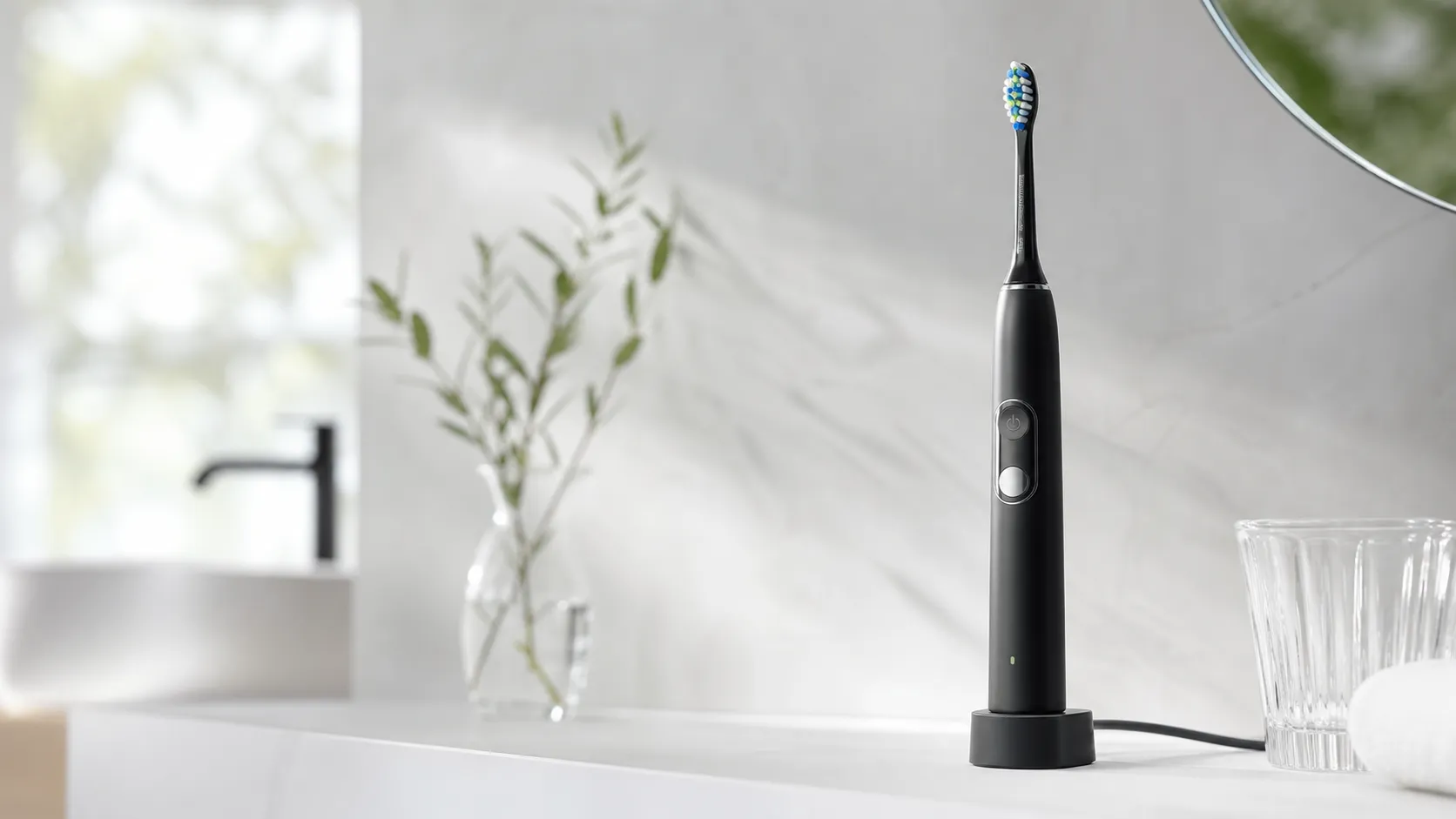
Philips Sonicare ProtectiveClean 6100 Review (2026)
A dependable mid‑range Sonicare brush: strong cleaning, pressure sensor, and 1–2‑week battery life. Great upgrade from manual brushing; watch replacement head costs.
 Health & Wellness
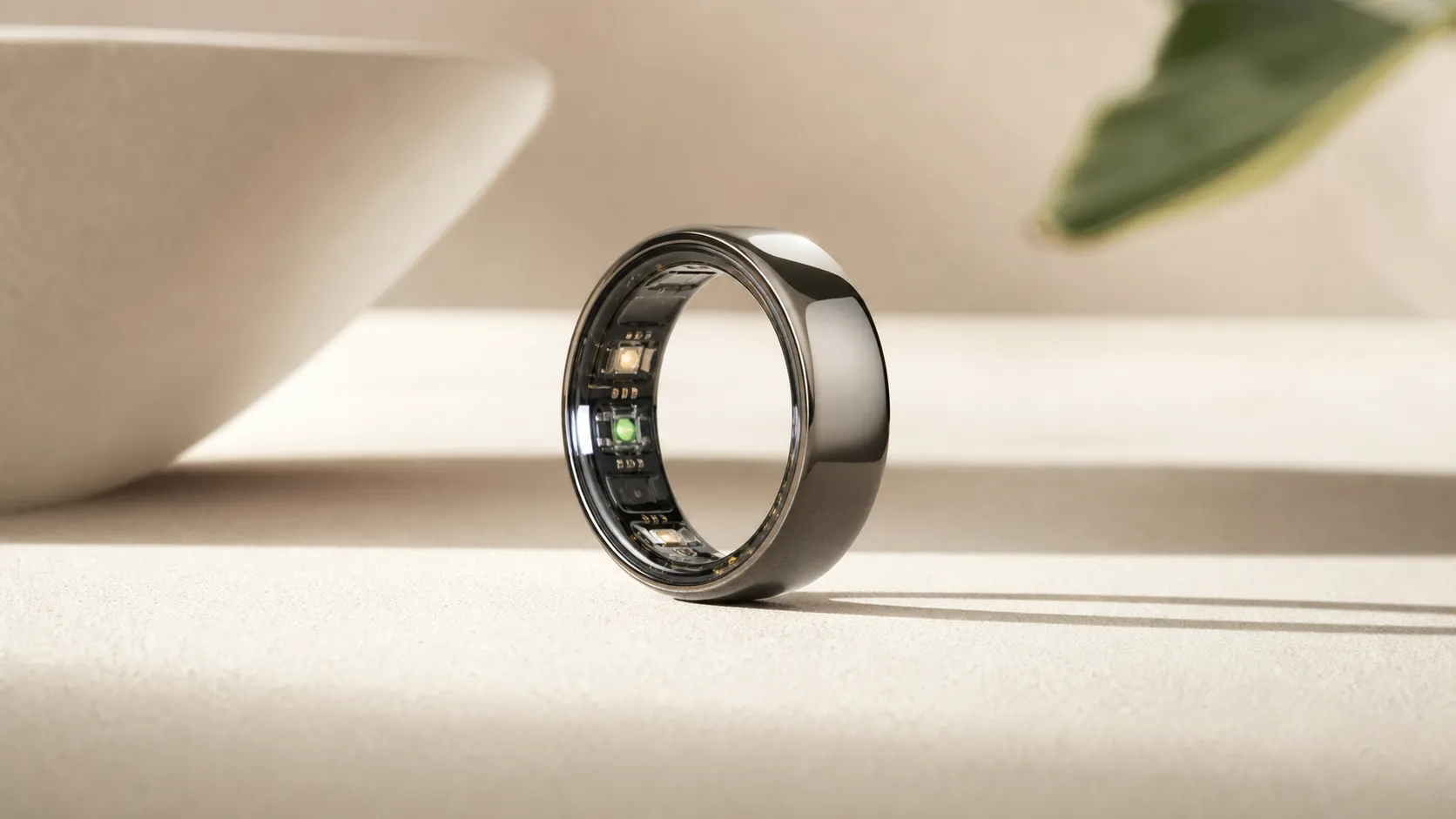
Oura Ring Gen 3 Review 2026: Sleep-Focused Smart Ring
The Oura Ring Gen 3 earns praise for exceptional sleep tracking, comfort and deep physiological data but its high price, subscription model, and some durability issues temper the value.
 Health & Wellness
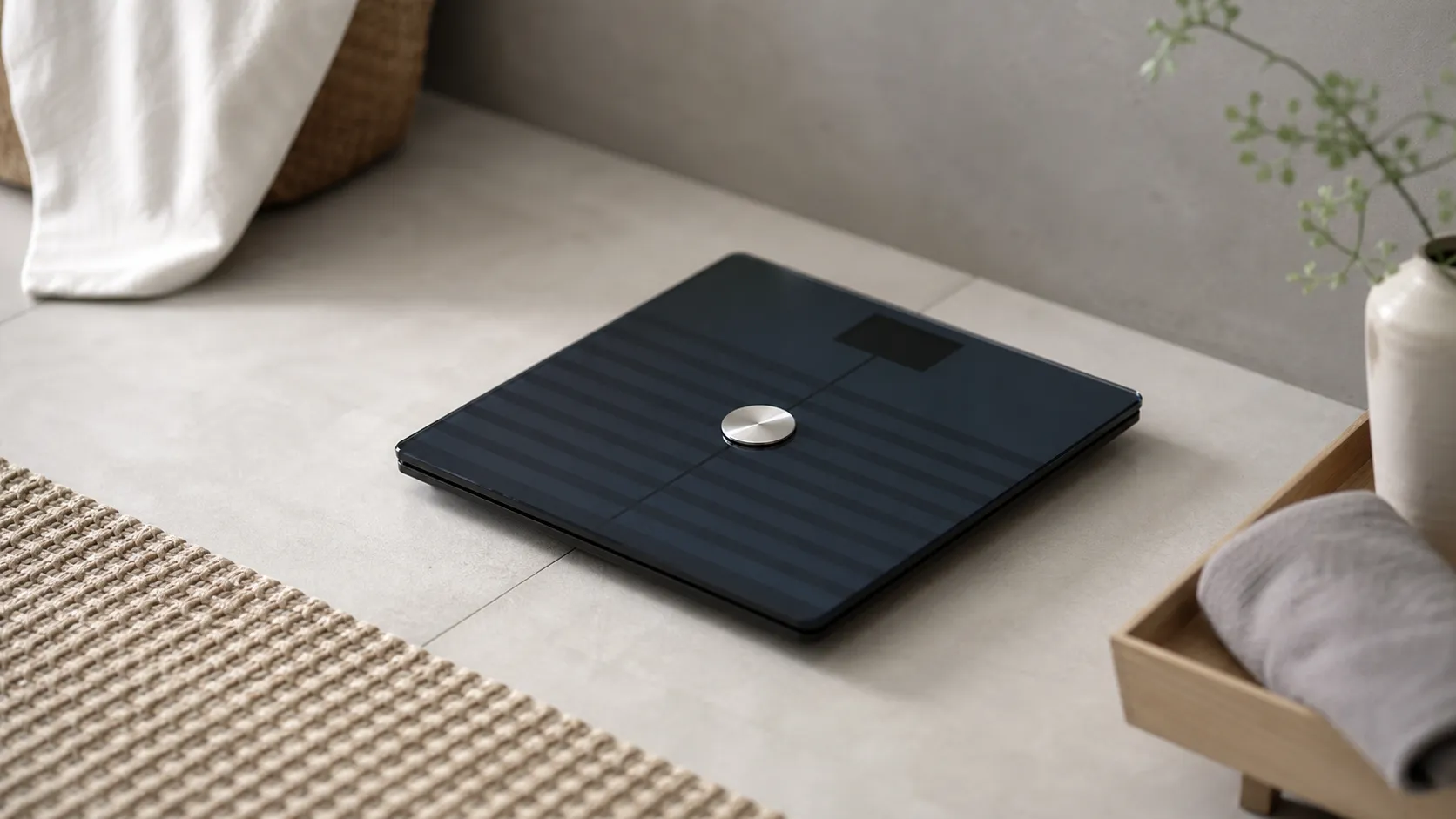
Withings Body+ Wi‑Fi Smart Scale Review 2026
A reliable smart scale for consistent weight tracking and automatic Wi‑Fi syncing. Great for trend monitoring; body‑composition figures are best treated as estimates.