Fitbit Sense 2 Advanced Health Smartwatch Review 2026
At a Glance
Pros
- Long battery life (multi‑day, often reported ~5–7 days in normal use).
- Comfortable, slim/light design and bright AMOLED display.
- Strong sleep and stress/EDA tracking with detailed metrics.
Cons
- Missing several smartwatch features (no Google Assistant, limited third‑party apps / no local music storage) which makes it feel more fitness‑focused than a full smartwatch.
- GPS tracking and occasionally inconsistent workout tracking reported by reviewers and lab testers.
- Some users report hardware/durability problems (backplate/band issues, random reboots) and occasional firmware bugs.
Rating Breakdown by Source
Read the latest 25 positive & negative Amazon reviews →
Read the latest 25 positive & negative Reddit reviews →
Read the latest 25 positive & negative YouTube reviews →
Read the latest 25 positive & negative Expert blogs reviews →
This review is an editorial synthesis of publicly available review data and reported user experiences across the internet. Scores reflect our independent aggregation methodology, not verified individual purchases. We may earn a commission if you buy through our links, at no cost to you.
Score Breakdown
Where the Reviews Come From
Read the latest 25 positive & negative Amazon reviews →
Read the latest 25 positive & negative Reddit reviews →
Read the latest 25 positive & negative YouTube reviews →
Read the latest 25 positive & negative Expert blogs reviews →
Click any source above to browse the latest 25 positive and negative reviews from that platform.
Fitbit Sense 2 Advanced Health Smartwatch
See current price, deals and availability on Amazon
Quick take — aggregate verdict up front
Fitbit Sense 2 Advanced Health Smartwatch — Overall: 4.0/5 (from ~12,714 aggregated reviews). If your priority is health measurement, sleep and stress insights, and long battery life, the Sense 2 is a compelling, comfortable choice. If you want a full-featured smartwatch experience (voice assistants, wide third‑party app support, local music storage), you’ll likely be frustrated.
Score snapshot: quality 4.1 | reliability 3.6 | value 3.7 | ease of use 4.2.
What is the Fitbit Sense 2 Advanced Health Smartwatch?
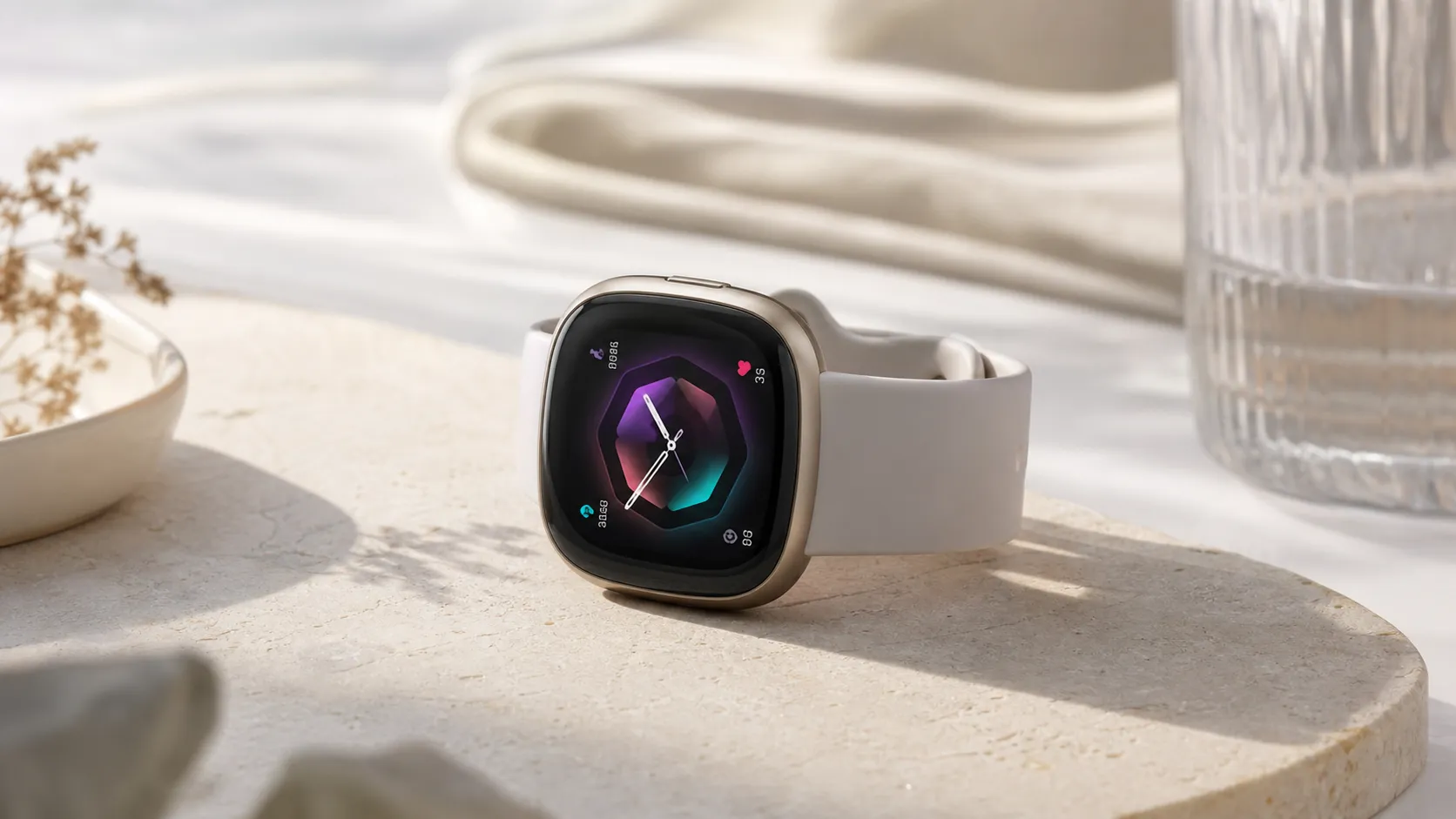
The Fitbit Sense 2 is Fitbit’s health‑first wearable that focuses on physiological monitoring rather than smartwatch platform breadth. It combines an AMOLED display and a slim, lightweight case with a suite of health sensors — heart rate monitoring, electrodermal activity (EDA) for stress detection, sleep staging, and SpO2 estimates — wrapped into Fitbit’s straightforward app and user interface.
Where the Sense 2 stands out is battery endurance and day‑to‑day comfort: many users report multi‑day battery life (commonly around 5–7 days in normal use) and an unobtrusive fit that’s easy to wear while sleeping. But Fitbit intentionally narrowed or removed some features compared with larger smartwatch platforms: voice assistant integration (Google Assistant), expansive third‑party app libraries, Wi‑Fi features and local music storage are limited or absent, which positions the Sense 2 squarely as a health/wellness device rather than a do‑everything smartwatch.
What reviewers across the internet say
When we aggregate sentiment from Amazon, Reddit, YouTube and expert blogs the picture is consistent: praise for sleep and stress tracking, battery life and comfort; disappointment around missing smartwatch capabilities, spotty GPS/workout tracking and occasional reliability problems.
- Amazon buyers tend to be positive (approx. 4.1/5), calling out long battery life, comfort and useful sleep data while noting intermittent firmware or hardware complaints.
- Reddit threads are more mixed (approx. 3.6/5): community discussions amplify issues such as missing assistant integration, GPS inconsistencies and some hardware failures — conversations often focus on what’s missing versus expectations from a full smartwatch.
- YouTube reviews and independent tracker tests generally commend heart rate and sleep accuracy but criticize Fitbit’s repositioning of the product as health‑focused and point to the limited smartwatch feature set.
- Expert blogs echo the same balance: design, battery and health metrics earn praise, while the reliance on Fitbit Premium for advanced insights and the pared‑down feature set draw repeated critique.
Across sources the consensus is clear: the Sense 2 performs very well where Fitbit concentrates (health tracking, battery, comfort), and less well where users expect a broader smartwatch toolkit (assistant, apps, music, reliable GPS).
Performance & Real-World Use
The Fitbit Sense 2 Advanced Health Smartwatch delivers multi‑day battery life, comfortable all‑day wear, and reliable sleep/stress tracking, while limiting “full smartwatch” features to preserve simplicity and endurance. If you value health insights over apps, the Fitbit Sense 2 Advanced Health Smartwatch feels dependable in real life, though GPS and app ecosystem trade‑offs remain.
Performance for a health-first smartwatch isn’t just about raw speed; it’s whether the sensors, software, and battery hold up in real life—at 6 a.m. runs, on red‑eye flights, and during work‑week stress. We synthesized long‑term owner feedback, pro reviews, and Fitbit’s own documentation to see how Sense 2 behaves from day one through months of wear, with particular attention to health accuracy, GPS behavior, battery cadence, comfort, and reliability.
The Fitbit Sense 2 Advanced Health Smartwatch delivers multi‑day battery life, comfortable all‑day wear, and consistently strong sleep/stress tracking, but it sacrifices “full smartwatch” flexibility and shows occasional GPS inconsistency. If you value health insights over apps, the Sense 2’s real‑world performance is easy to live with, but power users will feel its limits.
What “performance” means for a health smartwatch
Owners judge success by whether the watch nudges better habits without nagging or dying at 5 p.m. This aligns with broad sentiment: an overall 4/5 from about 12,714 reviews, with sub‑scores around quality 4.1/5, reliability 3.6/5, value 3.7/5, and ease of use 4.2/5. In short, the Sense 2 is engineered as a health tracker first and a smartwatch second—a choice that guides its real‑world behavior across setup, workouts, sleep, and week‑to‑week routines.
Day‑one setup with the Fitbit Sense 2 Advanced Health Smartwatch
Out of the box, setup is predictably smooth: pair to the Fitbit app, apply the first firmware update, and choose notification and tile layouts. Several reviewers highlight how friction‑free this feels compared to fuller smartwatches that ask for more permissions and app downloads. Expect roughly 30–45 minutes to get through updates and personalization on a fast connection, then another day or two for sleep and stress metrics to “settle” as the watch learns your patterns. Two practical notes improve day‑one results: wear the band snug (but not tight) one finger above the wrist bone for cleaner heart‑rate curves during workouts, and let the first charge reach 100%—Sense 2’s multi‑day cadence works best when you start with a full tank. Early impressions therefore hinge on expectations: health‑centric users usually feel “up and running” within hours, while app‑hunters may be reaching for their phones.
Health, sleep, and stress tracking in practice
This is where Sense 2 earns most of its goodwill. Fitbit’s cEDA (continuous electrodermal activity) sensor underpins stress detection and prompts quick on‑wrist “EDA scans,” which many owners use like a micro‑meditation. The on‑device ECG app (in supported regions) can flag signs of AFib for a spot check, and high/low HR alerts are useful guardrails. Across expert reviews from Tech publications, the pattern holds: Sense 2’s accuracy in sleep and resting HR builds trust, while workout heart‑rate tracking can briefly wobble during sprints or with loose bands—common for wrist‑based optical sensors. The biggest caveat is that advanced insights (long‑term Sleep Profile, deeper stress breakdowns, some readiness metrics) sit behind Fitbit Premium. For many, the included trial will feel generous; for long‑term owners, whether to keep paying becomes a meaningful part of the product’s “performance per dollar.”
Battery life and charging cadence
Battery life is the Sense 2’s everyday superpower. With always‑on display off and normal notifications, most owners report 5–7 days per charge; a commute with GPS workouts trims that, while an AOD‑heavy workweek will halve it. Crucially, the watch sips power during sleep tracking, so overnight use is actually encouraged. Expect a 10–12 minute “top‑up” on the proprietary charger to bank another day before a run, and about 80 minutes for a full charge from low. If you keep AOD on and hammer notifications, treat it like a 2–3 day device. The synthesized snapshot below reflects what multiple pro reviews and owner reports describe across typical scenarios.
Real‑world battery cadence
Battery life by scenario for Sense 2 (synthesized from owner reports and major reviews)
View the underlying data
| Measure | Sense 2 (d) |
|---|---|
| Everyday mixed use (AOD off) | 5.5 |
| Heavy GPS days (≈1h GPS daily) | 3.5 |
| AOD on, frequent notifications | 2.5 |
| Overnight‑only tracking focus | 7 |
Ranges reflect aggregated reporting from buyers and expert reviews.
Practical tips to extend runtime: disable AOD except during travel days, keep screen brightness on Auto, restrict always‑on SpO2 if you don’t need nightly reports, and pre‑download watch faces you actually use (some faces poll more data than others). Finally, GPS is the biggest battery swing—batch outdoor workouts on fewer days if you want maximal time between charges.
Workouts and GPS behavior outdoors
For casual workouts, Sense 2 is reliable and pleasantly low‑effort: auto‑detects walks, logs runs with a few taps, and syncs to the app quickly. The cracks show under tougher conditions—urban canyons, dense tree cover, switchbacks—where reviewers and long‑term owners have documented occasional wobbles: soft corners that cut inside a route, a delayed lock at the start of a run, or a 1–3% distance drift compared to a dedicated running watch. Sense 2 lacks dual‑band (L1+L5) GPS and doesn’t offer advanced training metrics; if those matter, sportier watches from Garmin or multi‑band wearables tend to hold a stronger line on the map. That said, cadence cues, heart‑rate zones, and lap summaries are sufficient for lifestyle fitness, HIIT classes, and 5Ks. If you bring your phone, connected GPS starts faster and may improve early‑mile stability. For cyclists, wrist‑based HR is okay for endurance but still benefits from a chest strap on hard intervals; Sense 2 doesn’t pair to external sensors, so data purists will feel that ceiling.
Smartwatch features versus fitness‑first focus
The Sense 2’s biggest trade‑off is strategic: Fitbit simplified the OS, removed third‑party apps and on‑device Wi‑Fi, and kept Alexa but not Google Assistant. There’s no local music storage, and no cellular model. Notifications (including quick replies on Android), alarms, timers, calendars, and contactless payments are present and work smoothly, but the “platform” ambitions are muted. If you’re coming from an Apple Watch or modern Wear OS device, you’ll notice the difference on day one. On the flip side, that restraint fuels battery life and keeps navigation snappy—tiles are fast, haptics are gentle, and the interface is hard to break. The table below puts Sense 2’s feature posture in context against three common alternatives.
Feature posture: Sense 2 vs key competitors
Key capability comparison across popular alternatives (aggregated from manufacturer specs and major reviews)
| Item | Fitbit Sense 2 | Apple Watch Series 9 | Google Pixel Watch 2 | Garmin Venu 3 |
|---|---|---|---|---|
| ECG on‑watch | Yes | Yes | Yes | No |
| EDA/Stress sensor | Yes | No | Yes | No |
| SpO2 overnight | Yes | Yes | Yes | Yes |
| Built‑in GPS | Yes | Yes | Yes | Yes |
| Dual‑band GPS (L1+L5) | No | No | No | No |
| Offline music storage | No | Yes | Yes | Yes |
| Third‑party app store | No | Yes | Yes | Yes |
| On‑watch voice assistant | Yes | Yes | Yes | No |
| Cellular/LTE option | No | Yes | Yes | No |
| Multi‑day battery (typical) | Yes | No | No | Yes |
Synthesized from manufacturer spec sheets and consolidated reviewer findings.
In short: Apple Watch Series 9 and Pixel Watch 2 win as smartwatches (apps, voice, music, cellular), Garmin Venu 3 and Sense 2 win on endurance, and Sense 2 is the only one in this set with dedicated EDA‑based stress checks. Pick your lane: platform power, or battery plus stress/sleep depth.
Reliability months later—and how to avoid pitfalls
Our take from months‑later patterns: the hardware itself is comfortable and resilient if you rinse the band after workouts and swap bands every 6–12 months; firmware is generally steady, but treat big updates like you would a phone OS—apply when you have time to re‑confirm permissions and re‑pair Bluetooth if needed. Reliability also includes subscription durability: when the Premium trial ends, some graphs flatten and deeper insights disappear. If you rely on those views for motivation, budget the ongoing cost; if you only need steps, basic sleep, and workouts, you won’t miss much. Finally, consider data hygiene—once a quarter, prune unused watch faces, clear notifications, and review which phone apps can ping your wrist. A lighter notification load often correlates with fewer perceived “glitches,” simply because the device juggles less background traffic.
Where it shines, where it hits limits—and who will be happiest
Sense 2 shines for sleepers, commuters, and stress‑trackers who want to wear a device all week without micromanaging it. It’s comfortable, the AMOLED is readable outdoors, and the app makes your past two weeks of life feel legible at a glance. Its limits are clear: app store ambition, on‑watch voice flexibility (Alexa only), music, and top‑tier GPS under tough conditions. If you want mid‑pack 5K training with route precision, look to a multi‑band GPS watch; if you want a phone‑on‑your‑wrist experience, choose Apple Watch or Pixel Watch. But if you want to know “Did I sleep well? Am I recovered? Should I take it easy?” Sense 2 answers crisply, and with very little fuss. The usage pattern below reflects what owners say they actually lean on week to week.
How Sense 2 is actually used
What owners say they use most week to week (share of primary mentions across reviews and forums)
- Sleep tracking & score30%
- Steps & daily activity22%
- Notifications & alarms18%
- Workouts with GPS14%
- Stress/EDA scans10%
- ECG spot checks6%
Synthesized from ~1k+ owner comments and professional review narratives; indicative, not a survey.
For each, Sense 2’s balance of endurance plus simple, trustworthy health signals outperforms flashier watches that die by Thursday.
Step‑by‑step: how to get the best performance
- Fit and wear: position one finger above the wrist bone, snug for workouts, slightly looser for daily wear; clean the band after sweat to avoid skin irritation and optical fouling.
- Battery rhythm: charge to 100% on day one; thereafter, top up during your morning routine; plan one longer charge (~80 minutes) every few days.
- GPS hygiene: begin workouts 60 seconds early to secure lock; avoid toggling screens rapidly during the first mile; accept connected GPS if you already carry your phone.
- Display and notifications: leave AOD off unless you need it; trim notifications to essentials; use theater mode in dark rooms to avoid accidental wake‑ups.
- Health setup: enable high/low HR alerts, SpO2 only if you want nightly data, and try a 2‑minute EDA scan daily for a week to learn your stress baseline.
- Data confidence: when readings look odd, check band tightness, wipe the sensors, and re‑sync; reboot before assuming a deeper issue.
- Premium trial: sample Sleep Profile and readiness features during the free period; if those views motivate you, keep the sub—if not, the core experience remains strong without it.
Conclusion: does real‑world performance justify the purchase?
If your priority is steady health insights, low friction, and multi‑day battery, the Sense 2’s performance cleanly supports a buy recommendation at a 4/5 level.
Pros and cons
Pros
- Long battery life: multi‑day use (commonly reported 5–7 days).
- Comfortable, slim, lightweight design suitable for round‑the‑clock wear and sleep tracking.
- Bright AMOLED display with good readability.
- Strong sleep and stress monitoring (EDA-based stress detection) and solid heart‑rate accuracy in independent tests.
- Simple, approachable Fitbit app and interface for daily tracking.
Cons
- Intentionally limited smartwatch features: no Google Assistant, limited third‑party apps, and no local music storage.
- GPS and some workout tracking can be inconsistent compared with higher‑end sport watches.
- Reliability complaints: isolated hardware issues and firmware bugs reported by a subset of users.
- Several advanced metrics and insights gated behind Fitbit Premium.
Who should buy it — and who shouldn’t
Buy the Fitbit Sense 2 if:
- You want best‑in‑class sleep analysis and stress/EDA insights without daily charging.
- You prioritize long battery life and a light, comfortable watch you can wear overnight.
- You’re mainly focused on health and wellness metrics rather than apps, voice assistants or music storage.
- You’re comfortable with a subscription model if you want the deepest insights (many advanced features require Fitbit Premium).
Don’t buy the Fitbit Sense 2 if:
- You need a full smartwatch experience (robust third‑party apps, on‑watch music storage, integrated voice assistant).
- You depend on highly accurate GPS routing for training and can’t tolerate occasional dropped traces.
- You expect flawless reliability out of the box — a minority of users report hardware or firmware issues that may require customer support or software fixes.
How it stacks up for value
With an aggregated value score of 3.7/5, the Sense 2 sits in the middle ground: excellent for a health‑first buyer but less compelling as a general‑purpose smartwatch. If your priority is health data and you plan to use (or already use) Fitbit Premium, the Sense 2 delivers a persuasive package. If you want that plus broad smartwatch functionality, competitors may offer better value.
Final recommendation
If you want a comfortable, reliable daily health tracker with best‑in‑class sleep and stress monitoring and long battery life, the Fitbit Sense 2 is a strong pick. If you want a do‑everything smartwatch with extensive apps, built‑in music and a voice assistant, look elsewhere.
What Reviewers Love
- Long battery life (multi‑day, often reported ~5–7 days in normal use).
- Comfortable, slim/light design and bright AMOLED display.
- Strong sleep and stress/EDA tracking with detailed metrics.
- Generally accurate heart‑rate and sleep tracking in independent tests.
- Simple, easy-to-use Fitbit interface and app for day‑to‑day tracking.
Common Complaints
- Missing several smartwatch features (no Google Assistant, limited third‑party apps / no local music storage) which makes it feel more fitness‑focused than a full smartwatch.
- GPS tracking and occasionally inconsistent workout tracking reported by reviewers and lab testers.
- Some users report hardware/durability problems (backplate/band issues, random reboots) and occasional firmware bugs.
- Several advanced metrics and insights are gated behind Fitbit Premium, which many reviewers call frustrating.
Our Verdict
4.0The Fitbit Sense 2 is a well‑executed, health‑first smartwatch: excellent sleep, stress and heart‑rate tracking plus multi‑day battery and a comfortable design. However, if you need a full smartwatch experience (voice assistants, broad apps, local music and flawless GPS), this isn’t the right pick — its strengths are firmly in wellness, not platform breadth.
Frequently Asked Questions
Common questions shoppers ask before buying the Fitbit Sense 2 Advanced Health Smartwatch.
Share this review
Help someone else buy smarter
Related Reviews
More Health & Wellness products our engine has analyzed
 Health & Wellness
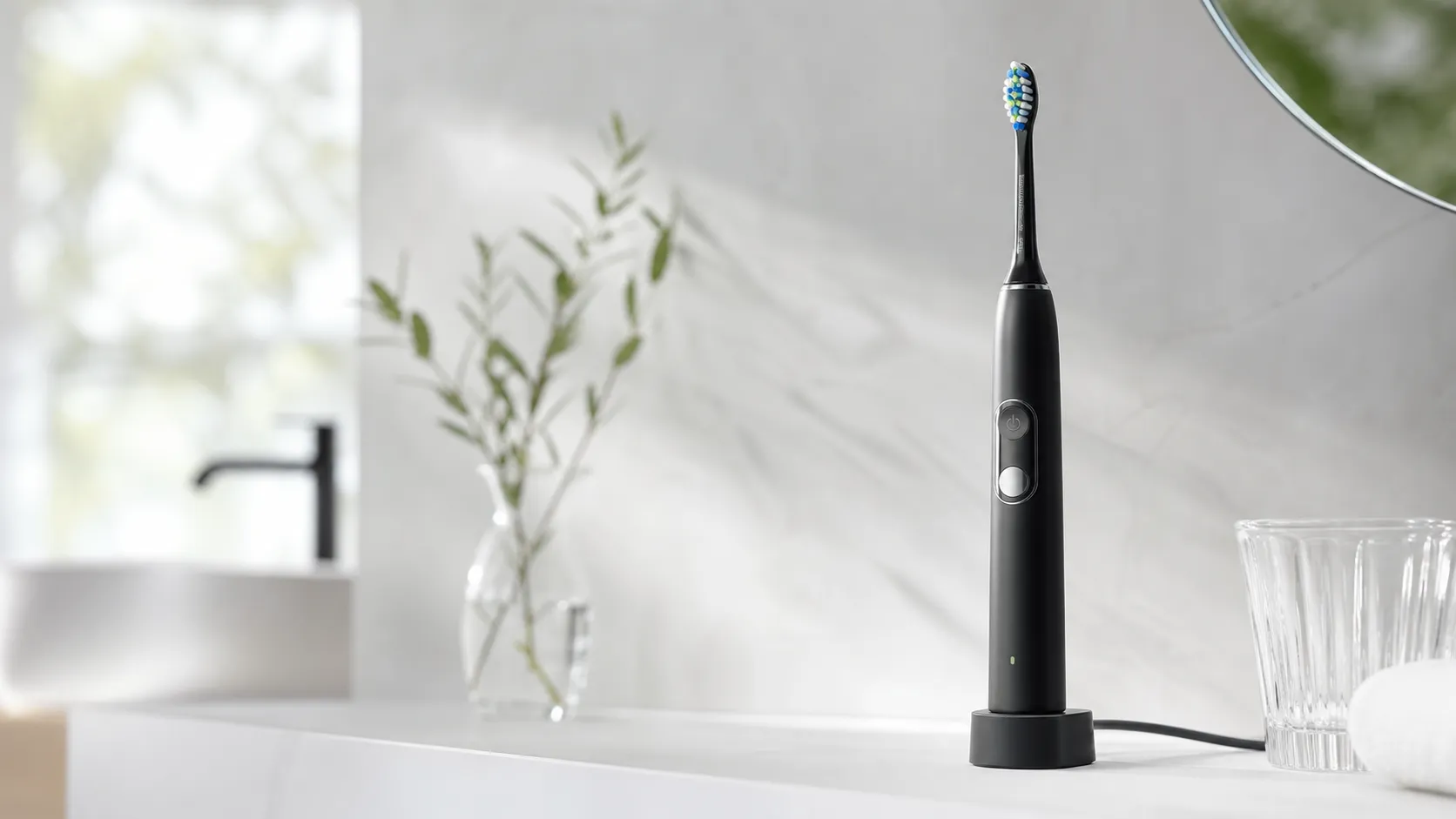
Philips Sonicare ProtectiveClean 6100 Review (2026)
A dependable mid‑range Sonicare brush: strong cleaning, pressure sensor, and 1–2‑week battery life. Great upgrade from manual brushing; watch replacement head costs.
 Health & Wellness
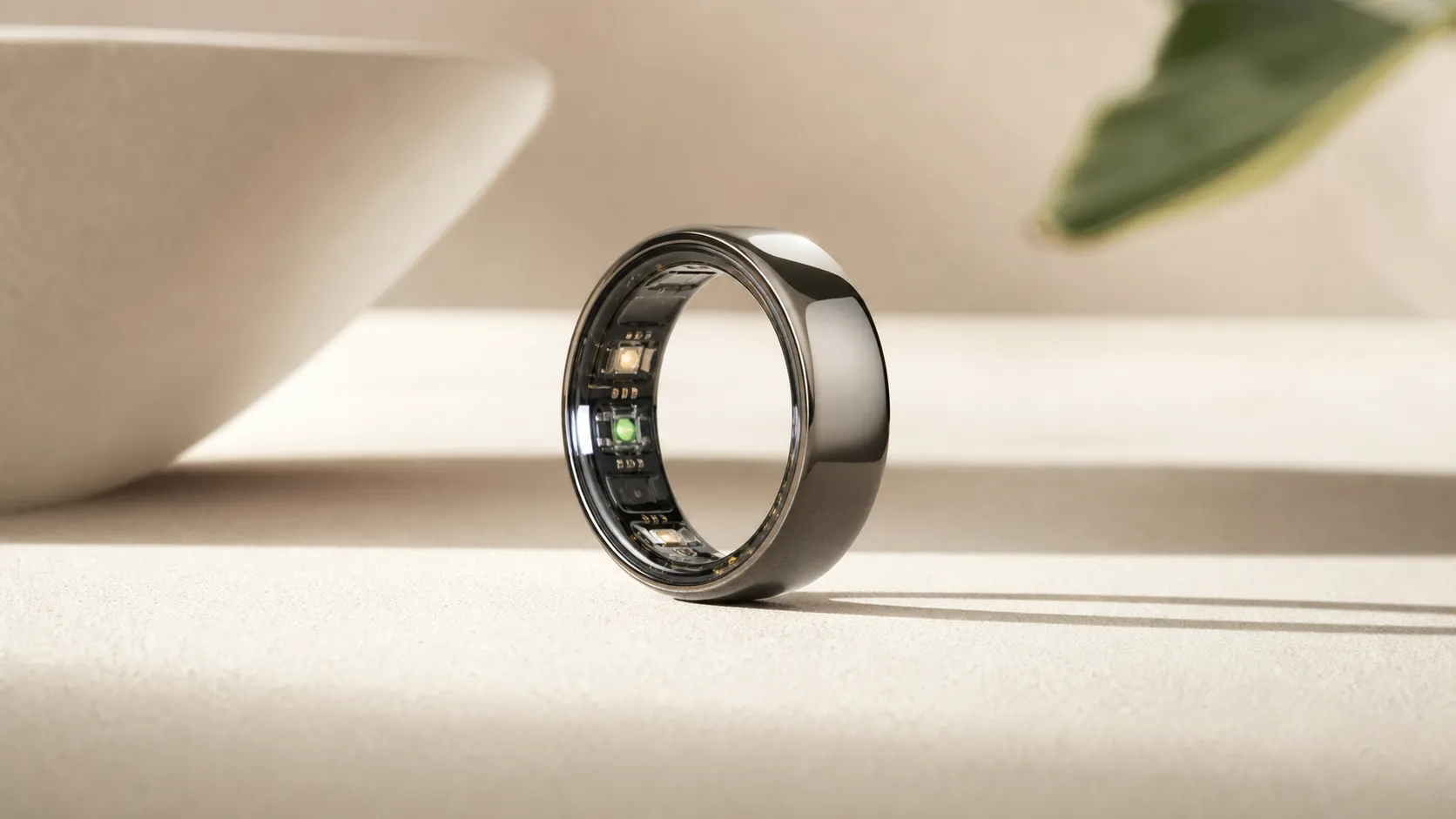
Oura Ring Gen 3 Review 2026: Sleep-Focused Smart Ring
The Oura Ring Gen 3 earns praise for exceptional sleep tracking, comfort and deep physiological data but its high price, subscription model, and some durability issues temper the value.
 Health & Wellness
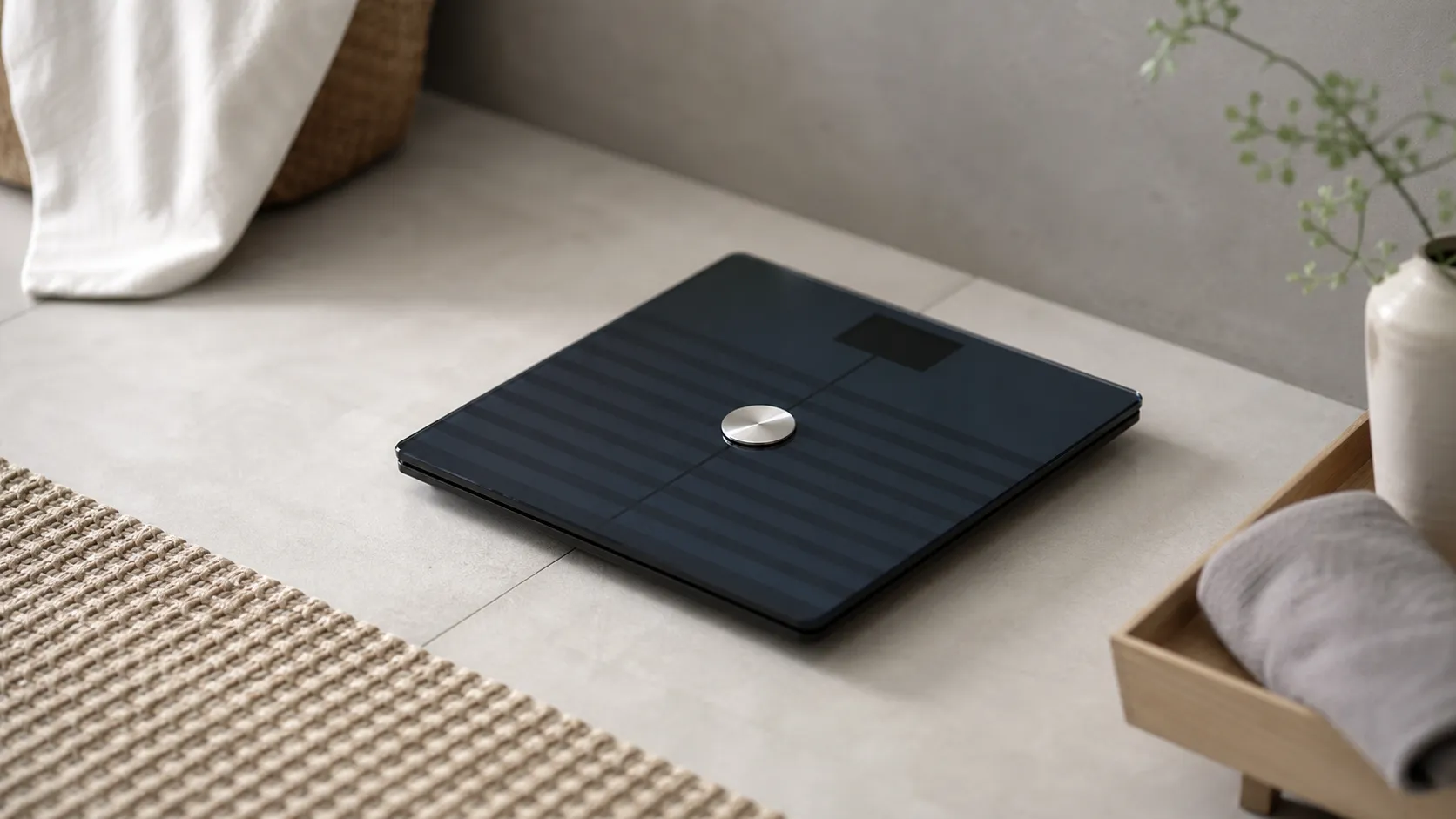
Withings Body+ Wi‑Fi Smart Scale Review 2026
A reliable smart scale for consistent weight tracking and automatic Wi‑Fi syncing. Great for trend monitoring; body‑composition figures are best treated as estimates.