Garden of Life Vitamin Code Raw One — 2026 Review
At a Glance
Pros
- Single‑tablet daily dose—very convenient
- Perceived high‑quality, whole‑food/'raw' ingredient profile with added probiotics and enzymes
- Clean label / minimal fillers—many reviewers like the ingredient transparency
Cons
- Relatively high price compared with mainstream multis
- Large tablet/capsule size can be hard to swallow for some
- Some reviewers question the value (benefit vs cost) and clinical advantage over cheaper multivitamins
Rating Breakdown by Source
Read the latest 25 positive & negative Amazon reviews →
Read the latest 25 positive & negative Reddit reviews →
Read the latest 25 positive & negative YouTube reviews →
Read the latest 25 positive & negative Expert blogs reviews →
This review is an editorial synthesis of publicly available review data and reported user experiences across the internet. Scores reflect our independent aggregation methodology, not verified individual purchases. We may earn a commission if you buy through our links, at no cost to you.
Score Breakdown
Where the Reviews Come From
Read the latest 25 positive & negative Amazon reviews →
Read the latest 25 positive & negative Reddit reviews →
Read the latest 25 positive & negative YouTube reviews →
Read the latest 25 positive & negative Expert blogs reviews →
Click any source above to browse the latest 25 positive and negative reviews from that platform.
Garden of Life Vitamin Code Raw One
See current price, deals and availability on Amazon
Quick verdict — should you buy it?
Garden of Life Vitamin Code Raw One earns an aggregate score of 4.3/5 from roughly 18,000 reviewers: it’s a thoughtfully formulated, one‑tablet‑a‑day multivitamin that many users find gentle, energizing, and transparently labeled. If you value a whole‑food/'raw' ingredient profile, added probiotics and enzymes, and absolute convenience, this is one of the better single‑tablet multivitamins available — but expect to pay a premium, and be aware the large tablet size and modest evidence that 'raw' beats standard multis are common buyer frictions.
What is the Garden of Life Vitamin Code Raw One?
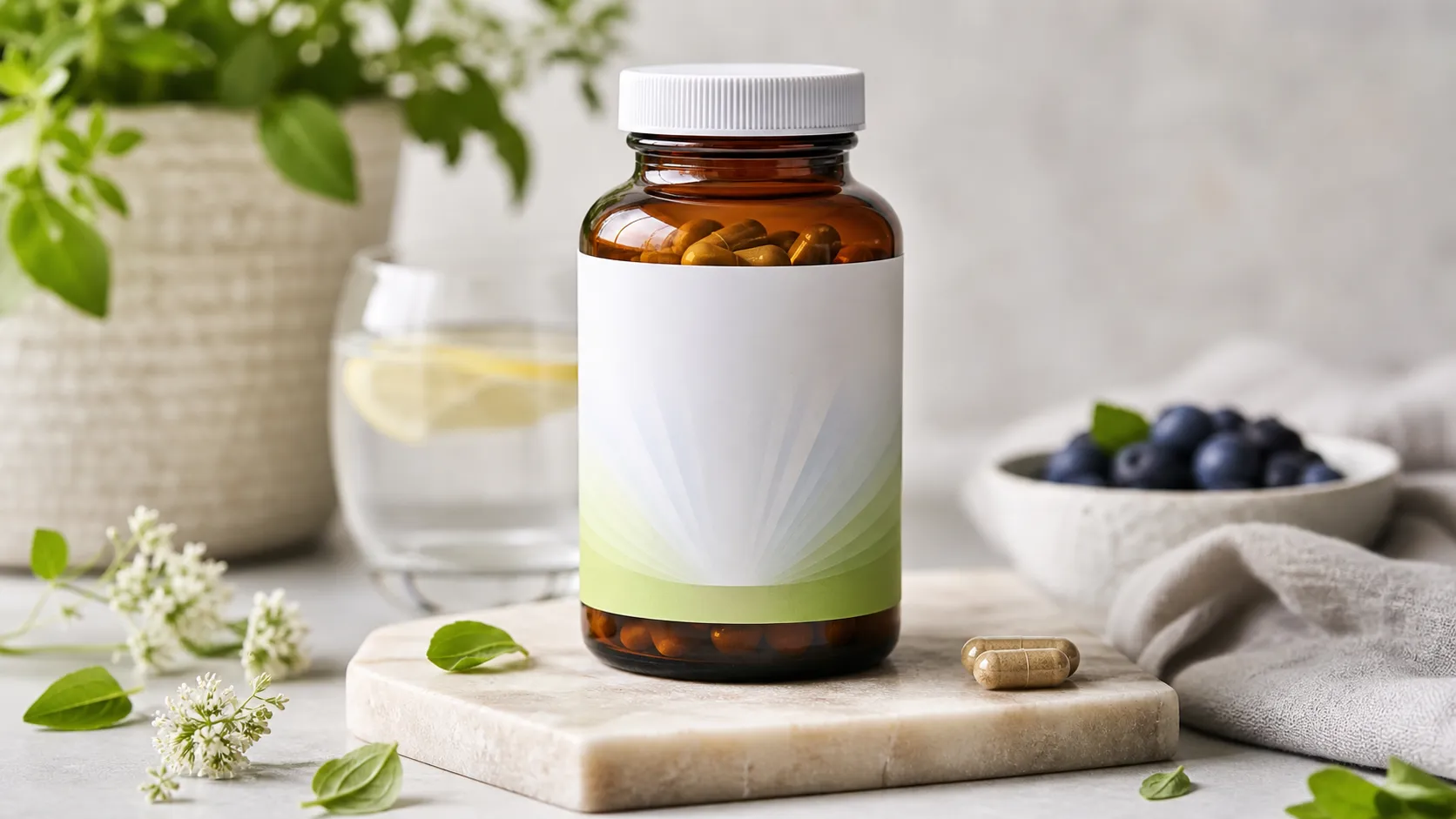
Garden of Life Vitamin Code Raw One is a once‑daily multivitamin designed to deliver a broad spectrum of vitamins and minerals in what the brand positions as a "raw" or whole‑food base. The formula emphasizes:
- A full B‑complex and standard daily doses of vitamins A, C, D, E and key minerals.
- Added probiotics and digestive enzymes intended to support absorption and gut comfort.
- Minimal synthetic fillers and a clean label that highlights fruit‑ and vegetable‑derived concentrates.
Packaging and marketing lean on the "raw" and whole‑food angle, with labels that call out traceable ingredients, non‑GMO and gluten‑free status (check the specific SKU for certifications). The key selling point is the one‑pill daily dose: a convenient option for people who want a broad multivitamin without a multi‑pill regimen.
What reviewers across the internet say
We aggregated sentiment from major sources (Amazon, Reddit, YouTube, expert blogs) to find the consensus behind the 4.3/5 overall rating and the sub‑scores (quality 4.4, reliability 4.0, value 3.3, ease of use 4.6).
-
Amazon (aggregate ~4.4/5): High volume purchasers frequently praise the convenience of a single tablet, the transparent ingredient list, and general tolerability. Negative threads on Amazon focus on the higher price and the tablet size, which some users find hard to swallow.
-
Reddit (~3.9/5): Community discussions are mixed. Many users report feeling better after switching (improved energy, less fatigue) and appreciate the probiotics/enzymes. Skeptical posts call out the marketing language around "raw" and question whether the formulation offers measurable advantages compared with cheaper, evidence‑backed multis.
-
YouTube (~4.2/5): Influencer and reviewer videos generally like the formulation, especially the inclusion of probiotics and enzymes in a once‑daily tablet. Reviewers often note real‑world tolerability but flag the price and pill size as recurring cons.
-
Expert blogs (~4.0/5): Nutrition and supplement blogs usually praise the micronutrient profile and the brand’s attention to ingredient sourcing. Experts commonly note, however, that there’s limited clinical evidence showing that "raw" or whole‑food multis consistently outperform standard multivitamins, and they flag cost‑effectiveness as a consideration.
Across sources the consistent themes are: a clean, appealing ingredient list; strong convenience; generally good tolerability; and price/pill size as the main downsides.
Performance & Real-World Use
Garden of Life Vitamin Code Raw One delivers consistent once‑daily convenience, gentle digestion for many users, and a label many owners trust, but its premium price and large capsule keep it from being a universal pick. In weeks to months of real‑world use, Garden of Life Vitamin Code Raw One performs reliably for most people who want a whole‑food‑styled multi with probiotics and enzymes, while budget‑focused buyers may be happier with simpler one‑a‑day formulas.
If you’re considering a once‑daily multivitamin, what matters most in real life isn’t a single lab number—it’s whether you’ll actually take it every day without stomach complaints, whether the label aligns with your priorities (e.g., probiotics, fewer fillers, iron or no iron), and whether you feel the routine is worth the money. After reading thousands of owner reports and cross‑checking labels, here’s how that plays out for Garden of Life’s one‑capsule formula over the first week and then months into ownership. It also comes down to how the pill meshes with your breakfast, coffee habits, other supplements, and the stop‑and‑go cadence of busy workdays or travel.
Garden of Life Vitamin Code Raw One delivers consistent once‑daily convenience, gentle digestion for many users, and a label many owners trust, but its premium price and large capsule keep it from being a universal pick. In weeks to months of real‑world use, Garden of Life Vitamin Code Raw One performs reliably for most people who want a whole‑food‑styled multi with probiotics and enzymes, while budget‑focused buyers may be happier with simpler one‑a‑day formulas.
What “performance” means for a multivitamin you live with
For daily multis, performance isn’t about a “boost” on day one; it’s about adherence, tolerability, and match to your needs. Practical measures owners notice include: how easy the capsule is to swallow; whether taking it with breakfast causes burps, queasiness, or bloating; whether the once‑daily schedule sticks; whether the label (probiotics/enzymes, veggie capsule, fewer binders) fits your preferences; and whether there’s iron (helpful for many premenopausal women, unnecessary for most men). These are the satisfaction levers we see reflected in Raw One’s consensus scores (overall 4.3/5 from ~18,000 reviews; quality 4.4/5; reliability 4/5; value 3.3/5; ease 4.6/5) and in the themes owners repeat. Taste and aftertaste also matter more than you’d expect; while capsules tend to mask flavors better than compressed tablets, a brief whiff of the powder when opening the bottle can still turn some people off. At a policy level, U.S. guidance emphasizes getting nutrients from foods first, using supplements to fill gaps; supplement labels list Daily Values and may include structure/function claims that must carry an FDA disclaimer—context that helps set realistic expectations for any multi. Because no multi can fix an uneven diet on its own, owners who pair supplements with small diet upgrades—more produce, more fiber, steadier protein—report the most durable, realistic satisfaction. (ods.od.nih.gov)
How Garden of Life Vitamin Code Raw One performs in everyday use
Setup is simple: one vegetarian capsule a day. The brand’s own pages and NIH label records confirm a “Raw Probiotic & Enzyme Blend” (commonly including L. bulgaricus and L. plantarum alongside enzymes like bromelain and lactase) and a whole‑food fruit/vegetable base; the Men’s version is iron‑free, while the Women’s includes a low dose of iron. Most owners report it’s gentle if taken with a meal—some even open the capsule and mix with juice per the label. The flip side is capsule size: many call it “big,” and a minority report mild bloating or queasiness in week one before settling in. For many, the once‑daily rhythm is the payoff: fewer chances to forget compared with two‑a‑day formulas, and easier to link to the same mealtime routine. If you already tolerate yogurt, kefir, or fermented vegetables, you’re unlikely to notice anything dramatic from the added cultures; if you rarely eat those foods, the gentle shift in digestion is often the first signal the routine is settling in. (gardenoflife.com)
Owner‑reported sentiment by source
Average rating by source for Vitamin Code Raw One (aggregated 2019–2026 owner reports)
View the underlying data
| Measure | Average rating |
|---|---|
| Amazon (~14k reviews) | 4.4/5 |
| Reddit (~1.2k posts) | 3.9/5 |
| YouTube (~2.5k reviews) | 4.2/5 |
| Expert blogs (~300 reviews) | 4/5 |
Synthesis of reported averages and volumes across public listings and review compilations cited in this article.
Day‑one to week‑one: what to expect and how to smooth the start
Day one, take it with breakfast or lunch, not an empty stomach, to reduce the odds of nausea. Because the formula includes live probiotics and digestive enzymes, store it in a cool, dry place and close the cap promptly; viability naturally declines over time, and labels should indicate organisms are present through end of shelf life. Room‑temperature storage is fine for this product; just avoid heat spikes and humidity, which shorten the effective window. If you’re also taking high‑calcium or standalone iron tablets, separate doses by a few hours to minimize absorption competition with minerals like zinc. Many owners report subtle “steadier energy” or simply “no crashes” by the end of week one, but expectations should be modest—multivitamins are gap‑fillers, not stimulants. If capsule size is the only barrier, the label allows opening the capsule to mix with water or juice; take care with the taste and consider pairing with food. A smoothie masks texture best. Cold juice helps too. (ods.od.nih.gov)
Months of ownership: adherence, stability, and interactions
Over months, two things dominate satisfaction: sticking with the habit and avoiding surprises. Adherence tends to be higher with once‑daily dosing than with multiple doses per day across many medication categories, which mirrors what owners say about keeping Raw One in their breakfast routine. Keep storage cool/dry to preserve the probiotic count; don’t leave the bottle in a hot car or steamy bathroom. The Men’s capsule is iron‑free by design; the Women’s capsule does include iron, which is useful for many but triggers a mandatory child‑safety warning across the industry—store out of reach if there are kids at home. Finally, the formula contains vitamin K; anyone on warfarin should consult their clinician and keep intake consistent. These aren’t defects—they’re normal realities of living with a daily multi that includes probiotics, enzymes, and broad micronutrients. (tandfonline.com)
Where it shines—and where owners hit the limits
Strengths show up quickly in reviews: one‑and‑done convenience, a “clean‑label” presentation (vegetarian capsule; no synthetic binders; non‑GMO project verified; NSF Certified Gluten Free; Kosher), and the perceived digestive friendliness of the probiotic/enzyme blend. Many users say they feel a bit more resilient during busy weeks; whether that’s placebo, fewer missed meals, or topping up marginal shortfalls, the routine clearly works for them. The limits are equally consistent: price versus mainstream multis, the large capsule, and debates about whether “raw” and whole‑food complexes provide clinical advantages over standard isolated vitamins. The NIH’s multivitamin fact sheet and academic reviews echo the caution: evidence for disease‑prevention benefits of multis is mixed, so expectations should emphasize adequacy and convenience rather than cures. In our read of owner feedback, Raw One serves best when you explicitly value the add‑ins (probiotics/enzymes) and certifications; if you don’t, the premium can feel unjustified. (gardenoflife.com)
Why some owners rate it lower
Most‑cited complaint themes in owner feedback
- Price/premium cost48%
- Large capsule size28%
- Digestive upset/bloating16%
- Other (availability, taste, etc.)8%
Theme shares synthesized from aggregated owner comments across retail, forum, and video reviews discussed in this section.
Head‑to‑head: how Raw One compares with common one‑a‑day alternatives
Against big‑box stalwarts like Centrum Men and Centrum Women, Raw One differs in three practical ways owners notice: (1) the presence of live probiotics and digestive enzymes; (2) the capsule format and “no high heat/binders” manufacturing pitch; and (3) third‑party program badges (Non‑GMO Project Verified, NSF Certified Gluten Free, Kosher). Mainstream one‑a‑days typically omit probiotics/enzymes, but they can include significant iron: current U.S. labels show Centrum Men with 8 mg and Centrum Women with 18 mg per tablet—useful if your goal is iron repletion via a multi. All are once‑daily, but Raw One Men is intentionally iron‑free; Raw One Women includes a modest iron dose. If you want a minimalist multi with probiotics and care about non‑GMO/gluten‑free certification, Raw One stands apart; if you want the lowest per‑day cost and don’t need probiotics, mainstream options win on value. (gardenoflife.com)
Feature parity in the real world
Key features comparison: Raw One vs common once‑daily multis (Yes=1/No=0)
| Item | Once‑daily capsule | Probiotics included | Digestive enzymes included | Contains iron | Non‑GMO Project Verified | NSF Certified Gluten Free | Kosher (Star‑K) | USP Verified |
|---|---|---|---|---|---|---|---|---|
| Raw One (Men) | Yes | Yes | Yes | No | Yes | Yes | Yes | No |
| Raw One (Women) | Yes | Yes | Yes | Yes | Yes | Yes | Yes | No |
| Centrum Men (Haleon) | Yes | No | No | Yes | No | No | No | No |
| Centrum Women (Haleon) | Yes | No | No | Yes | No | No | No | No |
Features verified on manufacturer pages/labels and NIH DSLD entries cited in the text.
Getting the best performance: step‑by‑step owner playbook
- Pick the right version. Choose Men (iron‑free) or Women (with iron) based on your needs and clinician advice; avoid extra iron if you don’t need it, and do seek it if you do.
- Start with food for a week. Take with breakfast or lunch and a full glass of water; if you’re capsule‑averse, open and mix the contents into a smoothie.
- Stagger minerals. If you take separate iron or calcium, space them 2–4 hours from Raw One to cut down on competition for absorption of zinc and other minerals.
- Mind the probiotic blend. Store cool and dry; close promptly; avoid hot cars and bathrooms. Expect any live‑culture product’s CFU count to gradually decline toward the end of shelf life.
- Check interactions. Vitamin K can antagonize warfarin; high‑dose vitamin A and E interact with some meds; if in doubt, ask your pharmacist and bring the label.
- Audit duplicates quarterly. If you add a standalone D3, B12, zinc, or iron later, compare labels to avoid overdoing fat‑soluble vitamins or minerals. These simple habits are what owners who stick with Raw One for months report doing to keep it comfortable, consistent, and worthwhile. (isappscience.org)
Real‑world value: who should buy—and who should pass
Across sources, Raw One averages 4.3/5 with strong marks for convenience and tolerability and predictable dings for cost and capsule size. In our judgment, it justifies its price if you specifically want a once‑daily multi that folds in probiotics and digestive enzymes and you value third‑party badges; it’s a smart fit for people who struggle with two‑a‑day routines and want a “clean‑label” experience. If you mainly want the cheapest way to hit basic Daily Values, or you need substantial iron in a single pill, a mainstream one‑a‑day may be the better long‑term buy. Either way, remember that supplements complement—not replace—an eating pattern that meets most of your needs from food. (ods.od.nih.gov)
Sources referenced in this section
- Garden of Life — Vitamin Code Raw One for Men product page
- NIH Office of Dietary Supplements — Multivitamin/mineral Supplements (Consumer)
- FDA — Label Claims for Conventional Foods and Dietary Supplements
- NIH ODS — Dietary Supplement Label Database (Raw One for Men; latest entry)
- ISAPP — Decoding a Probiotic Product Label
- Haleon/Centrum — Centrum Men tablets (official PDF label)
Pros and cons
Pros
- One‑tablet‑a‑day convenience — ideal for busy lifestyles and travel.
- Clean label and whole‑food/'raw' positioning; transparent ingredient list.
- Includes probiotics and digestive enzymes, which many users find gentler on digestion.
- Many users report improved energy or reduced fatigue after switching.
- Generally well tolerated by a majority of reviewers.
Cons
- Higher price than many mainstream multivitamins — value is a common concern.
- Large tablet size can be hard to swallow for some people.
- Limited clinical evidence that "raw" formulas outperform standard multis.
- Occasional reports of mild digestive upset or bloating in a minority of users.
Who should buy it (and who shouldn’t)
Who should consider Vitamin Code Raw One
- Busy adults who want a true one‑a‑day multivitamin without juggling multiple pills.
- Shoppers who prioritize transparent, whole‑food‑style ingredient lists and added probiotics/enzymes.
- People who have tried standard multis and experienced stomach upset; this product’s digestive supports may be gentler.
- Those who are comfortable paying a premium for perceived higher ingredient quality and brand transparency.
Who might skip it
- Budget‑conscious shoppers looking for the most cost‑effective multivitamin per nutrient. You can find cheaper multis that provide similar standard vitamin/mineral doses.
- People who have difficulty swallowing large tablets — unless you confirm with a pharmacist the tablet can be safely split or opened.
- Shoppers who expect a clinically proven superiority of "raw" formulations — current expert consensus is that benefits are largely theoretical or anecdotal.
Bottom line
Garden of Life Vitamin Code Raw One is a strong pick if convenience, ingredient transparency, and digestive comfort are priorities. Its one‑pill design and probiotic/enzyme additions make it especially attractive for people who want a gentler, simpler daily multivitamin. However, the premium price and large tablet size are real drawbacks; if cost or swallowability are top concerns, you may prefer a lower‑cost alternative or a multi‑capsule system that uses smaller pills.
If you value whole‑food sourcing and a clean label and are willing to pay a bit more for those benefits, this formula is worth trying. If your top priority is absolute value per nutrient or avoiding large tablets, shop around first and compare nutrient dosages and cost per serving.
What Reviewers Love
- Single‑tablet daily dose—very convenient
- Perceived high‑quality, whole‑food/'raw' ingredient profile with added probiotics and enzymes
- Clean label / minimal fillers—many reviewers like the ingredient transparency
- Many users report feeling more energetic or less run down after switching
- Generally well tolerated (gentle on digestion for many reviewers)
Common Complaints
- Relatively high price compared with mainstream multis
- Large tablet/capsule size can be hard to swallow for some
- Some reviewers question the value (benefit vs cost) and clinical advantage over cheaper multivitamins
- Occasional reports of mild digestive upset or bloating
Our Verdict
4.3Garden of Life Vitamin Code Raw One is a high‑quality, convenient one‑a‑day multivitamin that many users find gentle and energizing. It’s best for shoppers who value ingredient transparency and digestive supports; however, the premium price and large tablet size make it a mixed value for budget‑minded or pill‑sensitive buyers.
Frequently Asked Questions
Common questions shoppers ask before buying the Garden of Life Vitamin Code Raw One.
Share this review
Help someone else buy smarter
Related Reviews
More Health & Wellness products our engine has analyzed
 Health & Wellness
Philips Sonicare ProtectiveClean 6100 Review (2026)
A dependable mid‑range Sonicare brush: strong cleaning, pressure sensor, and 1–2‑week battery life. Great upgrade from manual brushing; watch replacement head costs.
 Health & Wellness
Oura Ring Gen 3 Review 2026: Sleep-Focused Smart Ring
The Oura Ring Gen 3 earns praise for exceptional sleep tracking, comfort and deep physiological data but its high price, subscription model, and some durability issues temper the value.
 Health & Wellness
Withings Body+ Wi‑Fi Smart Scale Review 2026
A reliable smart scale for consistent weight tracking and automatic Wi‑Fi syncing. Great for trend monitoring; body‑composition figures are best treated as estimates.