Garden of Life Vitamin Code Raw One for Women — 2026 Review
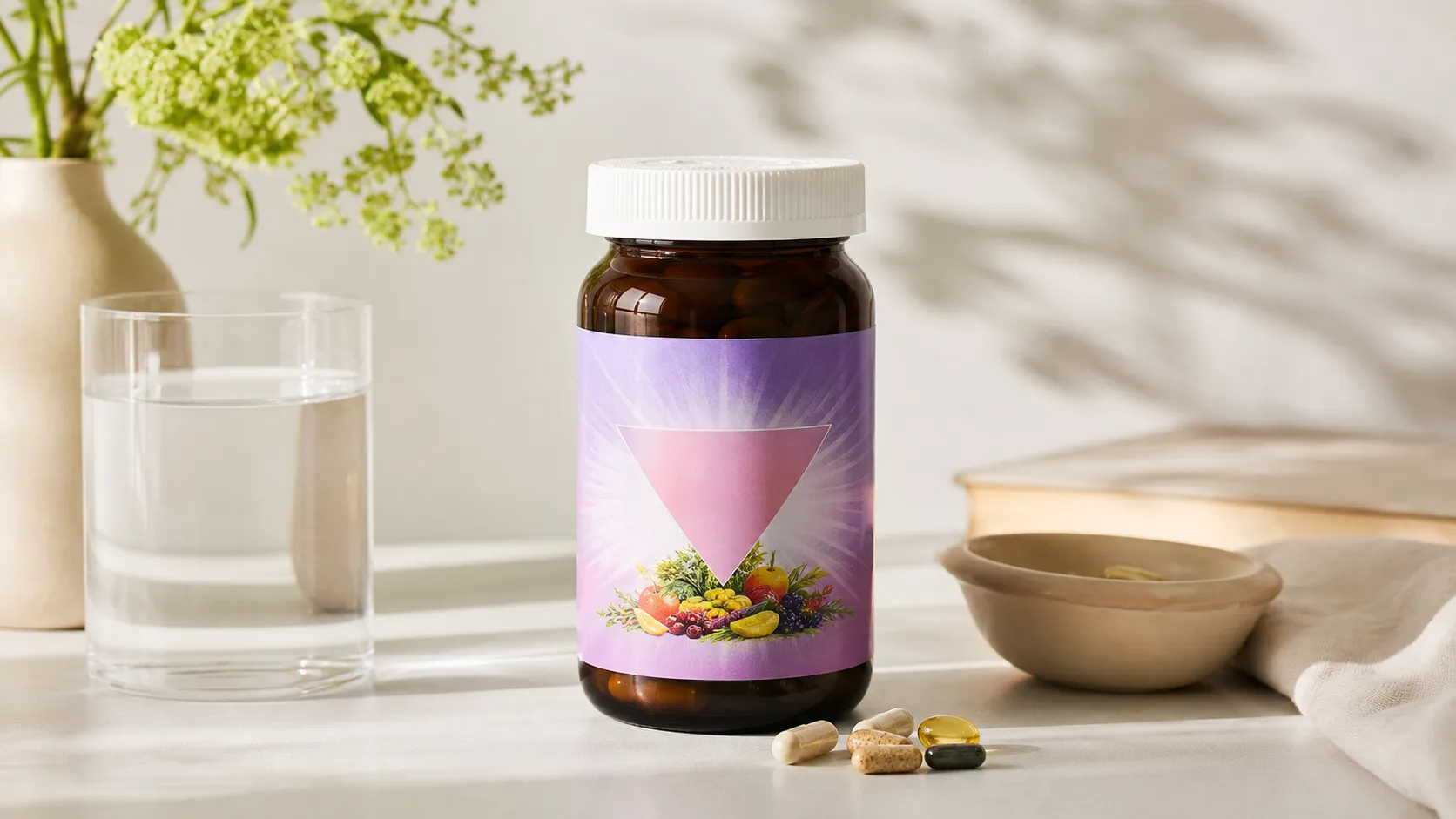
At a Glance
Pros
- Raw/whole-food ingredient focus with live probiotics and digestive enzymes
- Once-daily dosing — convenient for daily use
- Formulated specifically for women (gender-targeted nutrient profile)
Cons
- Higher price than many standard multivitamins
- Some users report stomach upset or nausea (likely from probiotics/active enzymes or certain minerals)
- Capsule size and earthy taste/aftertaste from raw ingredients can be off-putting to some
Rating Breakdown by Source
Read the latest 25 positive & negative Amazon reviews →
Read the latest 25 positive & negative Reddit reviews →
Read the latest 25 positive & negative YouTube reviews →
Read the latest 25 positive & negative Expert blogs reviews →
This review is an editorial synthesis of publicly available review data and reported user experiences across the internet. Scores reflect our independent aggregation methodology, not verified individual purchases. We may earn a commission if you buy through our links, at no cost to you.
Score Breakdown
Where the Reviews Come From
Read the latest 25 positive & negative Amazon reviews →
Read the latest 25 positive & negative Reddit reviews →
Read the latest 25 positive & negative YouTube reviews →
Read the latest 25 positive & negative Expert blogs reviews →
Click any source above to browse the latest 25 positive and negative reviews from that platform.
Garden of Life Vitamin Code Raw One for Women
See current price, deals and availability on Amazon
Quick take
Aggregate verdict: Garden of Life Vitamin Code Raw One for Women scores a solid 4.2/5 across roughly 17,700 aggregated reviews. It’s praised for its raw, whole‑food ingredient philosophy, once‑daily convenience, and generally good tolerability — but it’s pricier than many multis and a minority of users report stomach upset or dislike of the capsule size and earthy aftertaste.
Overall score (aggregate): 4.2/5 (≈17,700 reviews)
- Quality: 4.4 | Reliability: 4.0 | Value: 3.6 | Ease of use: 4.3
If you value a whole‑food, gender‑targeted multivitamin and don’t mind paying a premium, this is one of the stronger “clean label” multis on the market. If you want maximum nutrient amounts for therapeutic use or the best price per dose, there are cheaper alternatives.
What is the Garden of Life Vitamin Code Raw One for Women?
Garden of Life’s Vitamin Code Raw One for Women is a once‑daily multivitamin formulated specifically to meet several common nutrient needs for adult women. The formula emphasizes "raw" and whole‑food ingredients, and includes live probiotics, digestive enzymes, and a vegetable and fruit blend alongside standard vitamins and minerals. The product is marketed as non‑GMO, gluten‑free, and free from many common fillers, targeting shoppers who prefer minimally processed supplement options.
Key features at a glance:
- Once‑daily capsule designed for adult women’s needs
- Whole‑food (raw) vitamin and mineral complexes
- Live probiotics and digestive enzymes to support absorption/tolerance
- Clean‑label positioning: non‑GMO, gluten‑free
What reviewers across the internet say
We synthesized reviews from major public sources to form a balanced view.
-
Amazon (aggregate 4.3/5, positive): Large‑volume customer feedback highlights perceived ingredient quality, the convenience of once‑daily dosing, and improved personal tolerability compared with some synthetic multis. Common negatives on Amazon include the higher price, capsule size, and occasional stomach upset.
-
Reddit (aggregate ~3.7/5, mixed): Reddit threads show a split audience — advocates appreciate the raw/whole‑food approach and transparency, while skeptics question cost‑effectiveness and share mixed personal results or GI sensitivity. Anecdotal reports vary widely by individual.
-
YouTube (aggregate ~4/5, positive): Video reviewers often praise the transparency of the label and sourcing, recommending it to viewers who want a whole‑food alternative to synthetic multis. Comment sections repeat the price and tolerance concerns noted elsewhere.
-
Expert blogs and supplement sites (aggregate ~4.4/5, positive): Nutrition writers and specialist blogs generally rate it well for ingredient quality and a targeted female formulation, while flagging the higher price and recommending it primarily for those who prioritize whole‑food formulations over cost or high therapeutic doses.
Across sources the consistent themes are: perceived higher ingredient quality; once‑daily convenience; tolerability for many but not all; and an ongoing price vs. value conversation.
Performance & Real-World Use
In day-to-day use, Garden of Life Vitamin Code Raw One for Women is easy to stick with, generally gentle, and thoughtfully formulated, which aligns with its 4.2/5 consensus from roughly 17,700 reviews. If you prioritize once-daily convenience, a raw/whole-food leaning formula with probiotics and enzymes, and a clean label—and accept the higher price and sizable capsule—Garden of Life Vitamin Code Raw One for Women performs as promised for general wellness.
A daily multivitamin doesn’t “perform” like a gadget—it performs by being easy to take every day, covering meaningful nutrient gaps, and treating your stomach kindly while doing so. Over time, that comes down to tolerability, adherence, perceived day‑to‑day energy, and whether the formula’s trade‑offs fit your needs and budget.
In day-to-day use, Garden of Life Vitamin Code Raw One for Women proves easy to stick with, generally gentle, and thoughtfully formulated, which lines up with its strong 4.2/5 consensus from about 17,700 reviews. If you want once-daily convenience, a raw/whole‑food leaning formula with probiotics and enzymes, and a clean label—and can accept the higher price and a large capsule—Garden of Life Vitamin Code Raw One for Women delivers on real‑world performance.
What “performance” means for a women’s once‑daily in 2026
Owners judge success across a few practical dimensions:
- Tolerability: Does it sit well on an empty vs full stomach? Are there first‑week GI effects from probiotics/enzymes? As the NCCIH notes, probiotics can cause temporary gas or bloating in some people, which often resolves as the gut adapts.
- Coverage vs need: Does one capsule reasonably cover common shortfalls (e.g., folate, iodine, B‑vitamins, vitamin D) without overshooting limits? The FDA’s Daily Value framework and NIH ODS fact sheets help interpret labels in context.
- Adherence and convenience: One capsule per day is as simple as it gets. If the pill is too big or smells earthy, people skip it—so capsule size and scent matter more than labels admit.
- Value: Are you paying for trademarked blends you’ll feel—or for a sourcing ethos (whole‑food inputs, clean label)? With once‑dailies, “value” often means fewer missed doses and less pill juggling, not just price per serving.
Across those lenses, the aggregated verdict is steady: quality 4.4/5, reliability 4.0/5, value 3.6/5, and ease of use 4.3/5—positive overall, with pricing and pill experience as the main friction points.
Ratings by Source for Raw One for Women
Aggregated owner satisfaction by source for this product (synthesized from public reviews; n≈17,700).
View the underlying data
| Measure | Rating |
|---|---|
| Overall | 4.2/5 |
| Amazon | 4.3/5 |
| 3.7/5 | |
| YouTube | 4/5 |
| Expert blogs | 4.4/5 |
Synthesis across Amazon, Reddit, YouTube, and expert blogs through 2026.
Day one to week one: setup, timing, and what you’ll feel first
Most owners notice three things in the first few doses: the larger capsule, a faint earthy smell if you hesitate before swallowing, and how their stomach reacts. The most consistent pattern is that taking it with breakfast—or at least a snack—reduces queasiness. That matches general guidance for multis with minerals or probiotics: food buffers the stomach and slows release so your gut can adapt.
A first‑week routine that works for most:
- Take with your first solid meal and a full glass of water; avoid coffee‑only mornings on day one.
- If you’re sensitive to probiotics or enzymes, start every other day for 3–4 doses, then move to daily.
- Keep it away from meds that bind with minerals—thyroid hormone and some antibiotics are classic examples. When in doubt, separate by several hours and follow your clinician’s instructions.
- Avoid opening the capsule unless advised; the taste is stronger when mixed into food and exposure to moisture can degrade sensitive ingredients.
Early feedback commonly mentions a calmer stomach than with harsher, fully synthetic multis and a small lift in day‑to‑day energy by the end of week one if you’d been under‑consuming B‑vitamins or iron.
Months two to six: how consistency, storage, and expectations shape results
By month two, performance is mostly consistency. A once‑daily is designed to help you hit 80–90% adherence without effort; this one does that well. Lapses happen when the bottle lives out of sight or when people try to take it on an empty stomach. Keep it near your breakfast setup and you’ll miss fewer days.
GI comfort usually stabilizes after the first week. If mild bloating or an unsettled feeling persists into month two, shift the timing to your largest meal or take it immediately after eating. If you still feel off, pause for a few days, then restart; if the pattern returns, the probiotic/enzyme blend or certain minerals may simply not agree with you.
For storage, keep the bottle tightly closed in a cool, dry spot away from steam. Shelf‑stable doesn’t mean heat‑proof; don’t leave it in a hot car or in direct sun. Good storage helps protect moisture‑sensitive vitamins and live cultures.
In terms of “felt” effects, long‑term owners most often report steadier energy on busy days and fewer upset‑stomach episodes versus harsher multis. Do not expect therapeutic change for diagnosed deficiencies (e.g., low vitamin D or iron deficiency anemia); a general multi is a baseline, not treatment.
Where Garden of Life Vitamin Code Raw One for Women feels effortless—and where it doesn’t
This formula’s sweet spot is for women who eat reasonably well but want a dependable baseline with a whole‑food ethos, not a high‑dose clinical tool. The one‑capsule routine aids adherence, and many users find it kinder to their stomach than fully synthetic alternatives—especially with food. The “clean label” stance (non‑GMO, gluten‑free, minimal excipients per Garden of Life) also resonates with people avoiding fillers.
Limits appear in four scenarios:
- You need targeted, higher‑dose nutrients. If your clinician wants a specific iron, vitamin D, or calcium intake, plan to layer a single‑nutrient supplement.
- You’re very price‑sensitive. Owners praise quality but flag cost. If you just want the lowest price per day, standard multis undercut it.
- You’re fragrance/taste‑averse or struggle with large capsules. The earthy scent and size are livable for most but a deal‑breaker for some. A sip of water before the capsule reduces taste.
- You’re probiotic‑sensitive. A minority report transient bloating or nausea; food‑first timing and a gentle ramp‑up usually help.
What Reviewers Talk About Most
Share of top reported themes in owner feedback across major sources (positives and negatives combined).
- Ingredient quality praised28%
- Once-daily convenience22%
- Gentler than synthetic multis18%
- Clean-label appeal12%
- Price too high10%
- GI upset in some users5%
- Capsule size/taste complaints3%
- Lower-than-expected amounts for some needs2%
Theme coding of public owner reviews and video comments; percentages normalized to 100%.
How it stacks up against the alternatives you’re likely considering
Within once‑daily women’s multis, you’ll see three archetypes: conventional synthetic tablets (big‑box brands), whole‑food‑leaning capsules with probiotic/enzyme blends (this one), and minimalist “traceable” capsules with fewer but highly bioavailable ingredients. On paper the specs can look similar; in real life they behave differently.
Conventional tablets are cheaper and often smaller, but they’re most often reported to cause stomach upset if taken without food. Traceable minimalist formulas feel very gentle and transparent but may omit or undershoot certain minerals, asking you to add stand‑alone products. Whole‑food‑leaning capsules aim for the middle path: broad coverage, live‑culture support, and a cleaner label, trading for a higher price and a bigger capsule.
Use the matrix below to sanity‑check the fit for your priorities. It doesn’t list every brand; it compares common category choices by the traits owners care about most.
How Category Options Differ in Practice
Feature comparison across common once‑daily archetypes (
| Item | Once‑daily format | Live probiotics | Digestive enzymes | Clean‑label focus (non‑GMO/gluten‑free) | Small pill size | Lowest price per day |
|---|---|---|---|---|---|---|
| Raw One for Women | Yes | Yes | Yes | Yes | No | No |
| Conventional synthetic tablet (typical) | Yes | No | No | Yes | Yes | Yes |
| Minimalist/traceable capsule (typical) | Yes | No | No | Yes | No | No |
Synthesis of public product specs and category norms as of 2026; not brand‑specific beyond Raw One for Women.
Practical, step‑by‑step: how to get the best performance
- Choose a mealtime and lock it in. Put the bottle where you prep breakfast. Habit beats willpower and reduces missed days.
- Start with food for the first week. If you’re prone to nausea with multis, try your largest meal; if probiotic‑sensitive, go every other day for 3–4 doses, then daily.
- Mind interactions. Minerals can bind to certain meds; separate from thyroid medication and some antibiotics by several hours. If you take extra iron or calcium, use a different meal unless your clinician advises otherwise.
- Hydrate and don’t linger. Swallow promptly to minimize the earthy taste; a water pre‑sip helps the capsule glide.
- Re‑evaluate at three months. Ask: Am I more consistent than with my last multi? Any lingering GI effects? Do I need to add a single‑nutrient (iron, D, calcium) per labs or clinician advice? The NIH ODS iron sheet is a good reference for thresholds.
- Store smart. Keep it closed in a cool, dry place, away from stovetops and showers. Heat and humidity are the enemies of live cultures and sensitive vitamins. If third‑party verification matters to you, look for programs like USP Verified on supplements you pair with this multi.
Long‑term value and cost of ownership
Owners rate value at 3.6/5—good but not great—because you’re paying for a formulation philosophy as much as for milligram totals. The return shows up in softer outcomes: fewer skipped days, fewer “ugh, my stomach” mornings, and a label that aligns with your preferences. If you prioritize once‑daily convenience, whole‑food leaning composition, and clean‑label positioning, the premium can feel justified. If your goal is simply “cover the basics for as little as possible,” a standard synthetic tablet will satisfy you at lower monthly cost.
Budget tips from long‑term owners include buying larger counts when available to reduce cost per day, using a subscription so you don’t lapse between bottles, and timing purchases around promotions. Resist the false economy of taking it sporadically; consistency is where multis earn their keep.
Conclusion: does real‑world performance justify the purchase?
Pulled together, the internet’s lived‑with verdict is clear: this one‑a‑day is easy to keep taking, gentle for most, and thoughtfully formulated, with strong owner satisfaction (overall 4.2/5; Amazon 4.3/5, Reddit 3.7/5, YouTube 4/5, expert blogs 4.4/5) and predictable trade‑offs around price, capsule size, and an earthy taste. If you value a whole‑food‑leaning approach with probiotics/enzymes and want a convenient daily baseline—and you’re comfortable with the price—this is a reliable, real‑world‑ready choice; if you need therapeutic doses, iron‑heavy support, or a tiny pill, choose a different tool for the job.
Pros and cons
Pros
- Whole‑food/raw ingredient focus with added live probiotics and digestive enzymes.
- Once‑daily dosing makes adherence easy.
- Gender‑targeted formula aimed at common female nutrient needs.
- Clean label: non‑GMO, gluten‑free, minimal fillers.
- Many users report good day‑to‑day energy and improved tolerability compared with some synthetic multis.
Cons
- Higher price point than many standard multivitamins.
- Capsule size can be large and difficult for some to swallow.
- A minority of users report GI upset, nausea, or loose stools (likely due to probiotics/enzymes or mineral forms).
- Some nutrient amounts are modest — not suitable as a therapeutic replacement for clinically indicated high‑dose nutrients (e.g., high‑dose iron therapy).
- Earthy taste/aftertaste if capsule contents are opened.
Who should buy it (and who shouldn’t)
Should buy if:
- You prefer whole‑food or "raw" supplement formulations and value ingredient sourcing and label transparency.
- You want a convenient once‑daily multivitamin tailored to women’s needs and are willing to pay a premium for it.
- You’ve tried standard synthetic multis and experienced poor tolerance; this is a reasonable option to try for improved GI comfort.
Shouldn’t buy if:
- You’re seeking the cheapest multivitamin by dose — there are lower‑cost options with higher absolute amounts for specific nutrients.
- You need therapeutic‑level dosing for a medical deficiency (for example, high‑dose iron), in which case you should follow clinical guidance and use targeted supplements prescribed or recommended by a healthcare provider.
- You have a history of sensitivity to probiotics, strong digestive enzymes, or have frequent GI reactions to supplements — try a smaller test dose or consult your clinician first.
Bottom line
Garden of Life Vitamin Code Raw One for Women is a well‑formulated, once‑daily whole‑food multivitamin that scores highly for ingredient quality and tolerability for many users. The main tradeoffs are price and occasional GI sensitivity for a subset of users. If a raw/whole‑food approach and ease of daily use matter to you, this is worth considering; if cost or high therapeutic doses are your top priorities, look elsewhere.
What Reviewers Love
- Raw/whole-food ingredient focus with live probiotics and digestive enzymes
- Once-daily dosing — convenient for daily use
- Formulated specifically for women (gender-targeted nutrient profile)
- Free from many common fillers — non-GMO, gluten-free, generally 'clean' label
- Many users report improved day-to-day energy and fewer stomach issues compared with some synthetic multis
Common Complaints
- Higher price than many standard multivitamins
- Some users report stomach upset or nausea (likely from probiotics/active enzymes or certain minerals)
- Capsule size and earthy taste/aftertaste from raw ingredients can be off-putting to some
- Some reviewers note certain nutrient amounts are lower than expected for specific needs (e.g., those looking for high iron or therapeutic-dose nutrients)
Our Verdict
4.2Garden of Life Vitamin Code Raw One for Women is a strong choice if you prioritize whole‑food ingredients, label transparency, and once‑daily convenience. It’s more expensive than many alternatives and can cause GI sensitivity in a minority of users, so weigh cost and personal tolerance before buying.
Frequently Asked Questions
Common questions shoppers ask before buying the Garden of Life Vitamin Code Raw One for Women.
Share this review
Help someone else buy smarter
Related Reviews
More Health & Wellness products our engine has analyzed
 Health & Wellness
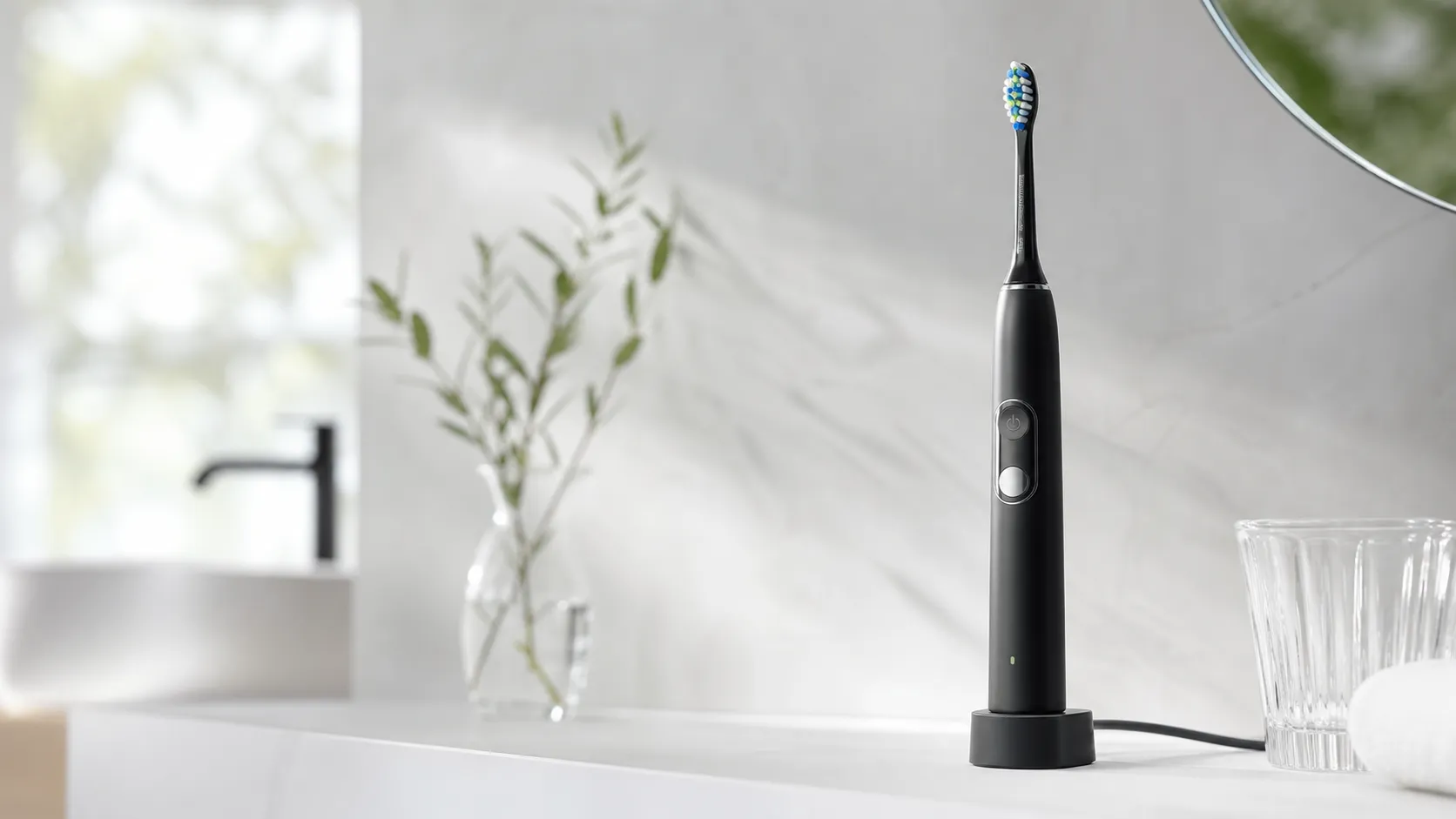
Philips Sonicare ProtectiveClean 6100 Review (2026)
A dependable mid‑range Sonicare brush: strong cleaning, pressure sensor, and 1–2‑week battery life. Great upgrade from manual brushing; watch replacement head costs.
 Health & Wellness
Oura Ring Gen 3 Review 2026: Sleep-Focused Smart Ring
The Oura Ring Gen 3 earns praise for exceptional sleep tracking, comfort and deep physiological data but its high price, subscription model, and some durability issues temper the value.
 Health & Wellness
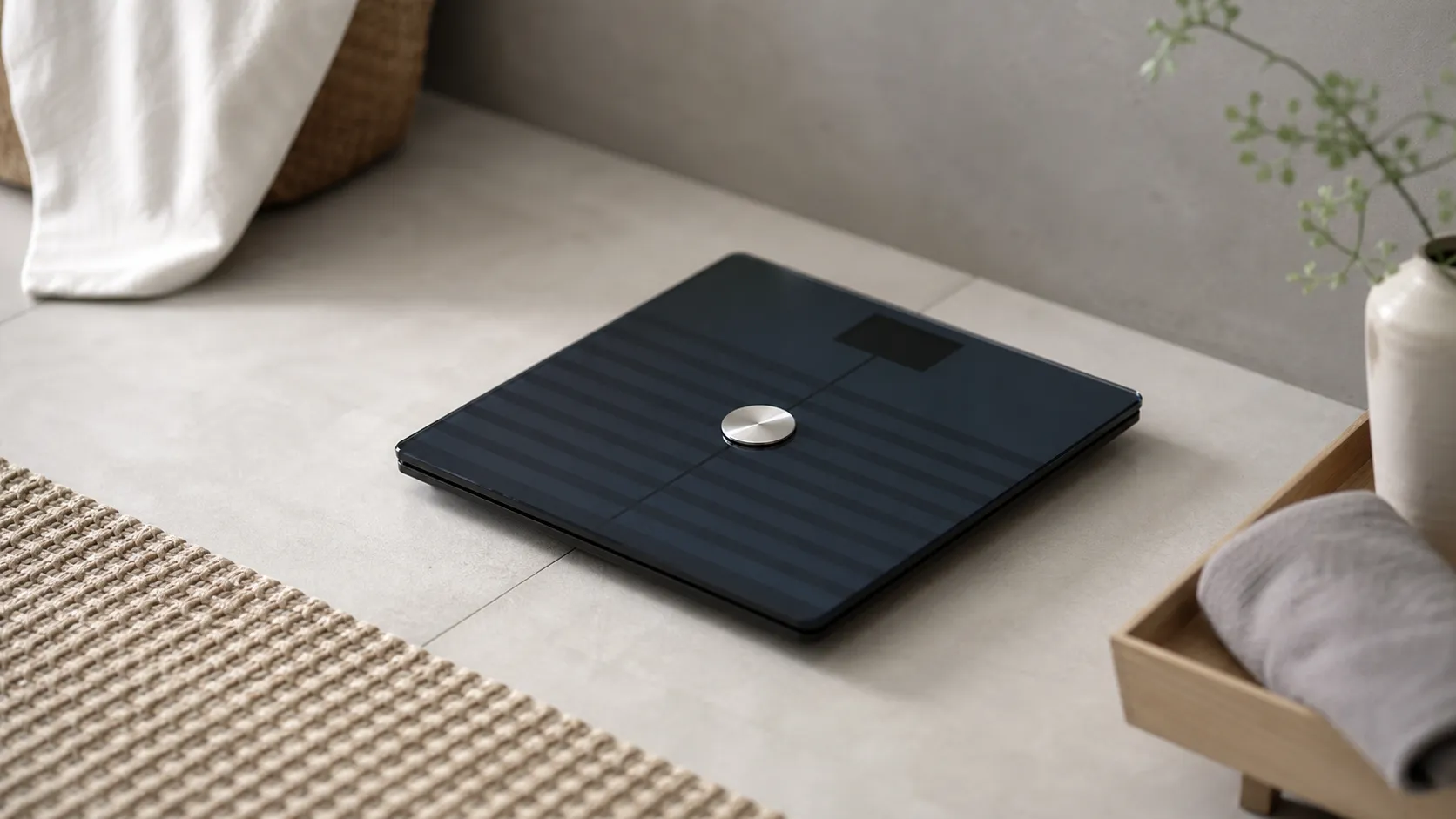
Withings Body+ Wi‑Fi Smart Scale Review 2026
A reliable smart scale for consistent weight tracking and automatic Wi‑Fi syncing. Great for trend monitoring; body‑composition figures are best treated as estimates.