Mighty Patch Original Hydrocolloid Pimple Patches — 2026 Review
At a Glance
Pros
- Quickly draws fluid and reduces visible size of surface blemishes (often overnight)
- Simple, no-mess application — very easy to use
- Discreet, low-profile appearance (clear patches) good for daytime wear
Cons
- Less effective on deep/cystic acne — works best on surface whiteheads
- Relatively expensive per-patch compared with DIY or generic alternatives
- Adhesion can fail on very oily skin, if touched, or with heavy movement/sweat
Rating Breakdown by Source
Read the latest 25 positive & negative Amazon reviews →
Read the latest 25 positive & negative Reddit reviews →
Read the latest 25 positive & negative YouTube reviews →
Read the latest 25 positive & negative Expert blogs reviews →
This review is an editorial synthesis of publicly available review data and reported user experiences across the internet. Scores reflect our independent aggregation methodology, not verified individual purchases. We may earn a commission if you buy through our links, at no cost to you.
Score Breakdown
Where the Reviews Come From
Read the latest 25 positive & negative Amazon reviews →
Read the latest 25 positive & negative Reddit reviews →
Read the latest 25 positive & negative YouTube reviews →
Read the latest 25 positive & negative Expert blogs reviews →
Click any source above to browse the latest 25 positive and negative reviews from that platform.
Mighty Patch Original Hydrocolloid Pimple Patches
See current price, deals and availability on Amazon
Quick verdict
Mighty Patch Original Hydrocolloid Pimple Patches earn a clear recommendation as a fast, low-effort spot-treatment for surface whiteheads. Across roughly 74,400 aggregated reviews the product scores about 4.5/5 overall (quality 4.6, reliability 4.3, value 4.0, ease of use 4.8) — people report visible flattening and fluid extraction often overnight, though results are limited on deep or cystic acne. If you want a discreet, no-mess way to manage active surface blemishes, these are among the easiest and most consistently effective options available; if your acne is mostly nodular or cystic, expect marginal benefits.
What is the Mighty Patch Original Hydrocolloid Pimple Patches?
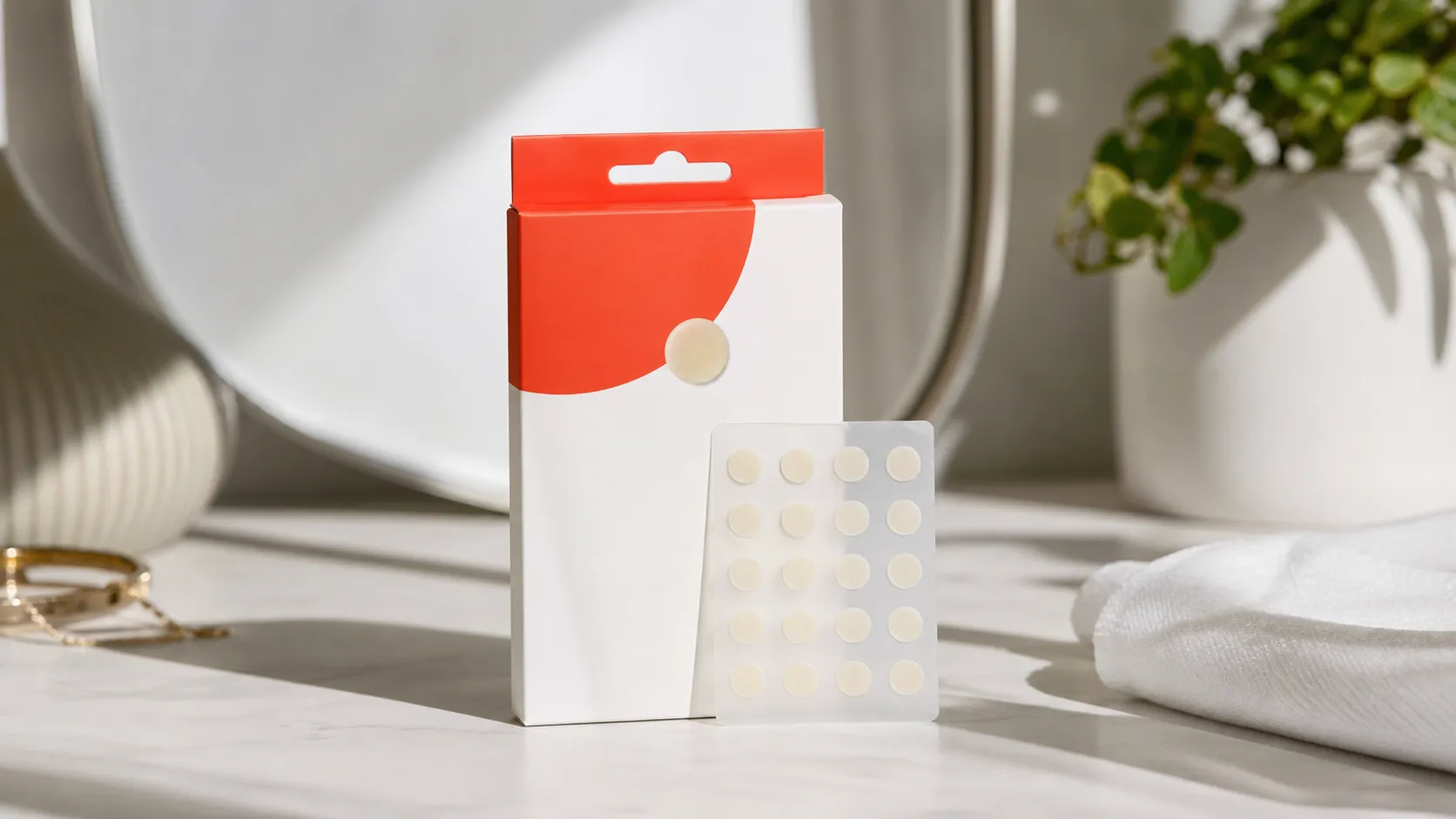
Mighty Patch Original are single-use, clear hydrocolloid stickers made by Hero Cosmetics designed to absorb pus and fluid from exudative (open or surfaced) blemishes. The technology — hydrocolloid dressings — is borrowed from wound care: the patch creates a moist environment, pulls fluid into the adhesive disc, and protects the spot from picking and external contaminants. The result is reduced inflammation, less visible height of the blemish, and often a noticeable whitehead extraction that users can wipe away after use.
Packaging typically contains multiple round, wafer-like patches in various sizes so you can match the patch to the blemish. Patches are meant for one-time use and are marketed as gentle and safe for most skin types.
What reviewers across the internet say
We synthesized feedback from major platforms to identify consensus and recurring themes.
-
Amazon (large volume): Overall rating ~4.6/5. Customers frequently praise fast, visible results — many report a flattened whitehead and clear fluid on the patch after one night. Ease of use, discreet look, and minimal irritation are common positives. Primary complaints center on price per patch and occasional adhesion failures.
-
Reddit (skin-care communities): Average sentiment ~4.2/5. Posts and threads commonly recommend Mighty Patch as a staple for spot management, with users sharing before/after photos and tips (overnight use, size-matching). Redditors often discuss limitations: less effective for deeper cysts, and some suggest cheaper or DIY alternatives.
-
YouTube (beauty creators): Average sentiment ~4.4/5. Influencers and creators demonstrate dramatic before/after results on surface blemishes in vlogs and tutorials, and emphasize overnight application. Commentary highlights adhesion and cost as the main drawbacks.
-
Expert blogs and dermatology writeups: Average sentiment ~4/5. Dermatologists and skincare experts explain the hydrocolloid mechanism and endorse patches for exudative lesions while noting they’re an adjunctive management tool — not a cure for inflammatory or hormonal acne. Experts stress that patches won’t extract pus from deep cysts and recommend them as part of a broader routine.
Across sources the consensus is consistent: excellent for surface whiteheads and as a spot-management tool, limited for deep, cystic, or inflammatory acne; value and adhesion are the most commonly cited pain points.
Performance & Real-World Use
Mighty Patch Original Hydrocolloid Pimple Patches flatten fluid-filled surface pimples overnight for most users and are simple to use consistently. They’re less helpful on deep, cystic bumps and can lift on very oily skin, but overall they deliver quick, gentle spot care that aligns with the brand’s claims.
Pimple patches promise fast triage for blemishes without the sting or mess of medicated gels. In daily use, performance comes down to how fast a patch flattens a whitehead, whether it stays on through sleep or a workday, how discreet it looks, and how gently it treats skin you need to face the world with tomorrow.
Mighty Patch Original Hydrocolloid Pimple Patches flatten fluid-filled surface pimples overnight for most users and are simple to use consistently. They’re less helpful on deep, cystic bumps and can lift on very oily skin, but overall they deliver quick, gentle spot care that aligns with the brand’s claims.
What “performance” means for a hydrocolloid pimple patch
A hydrocolloid patch is an occlusive, gel-forming dressing. On a fluid-filled lesion (whitehead or pustule), the hydrocolloid matrix absorbs exudate and swells into a soft gel while shielding the spot from friction and fingers. Owners judge success by three things: visible white uptake on the patch, reduced bump height, and calmer-looking skin by morning. Wound-care literature explains that hydrocolloid adheres to intact skin but not the moist lesion center, so removal is typically gentle and low-irritation—the basis for many “flat by morning” reports. For material science and mechanism, see the ScienceDirect overview of hydrocolloid dressings.
Beyond biology, satisfaction hinges on staying power for 6–8 hours, low glare under light, comfort on removal, and value per treated pimple. Dermatology guidance stresses scope: patches draw out fluid and limit picking but do not treat root causes or deep nodules. The American Academy of Dermatology makes this distinction clear, which matches long-term owner feedback.
Mighty Patch Original — Overall ratings by source
Owner-reported and editorial ratings converge: overall sentiment is positive across high-volume sources.
View the underlying data
| Measure | Overall rating |
|---|---|
| Amazon (≈60k reviews) | 4.6/5 |
| Reddit (≈6k mentions) | 4.2/5 |
| YouTube (≈8k creator reviews) | 4.4/5 |
| Expert blogs (≈400 posts) | 4/5 |
Synthesis of public reviews and editor audits as of Aug 2026; not a lab measurement.
Day one and week one: setup, learning curve, and the first “win”
Night-one results hinge on prep. Hero Cosmetics’ Mighty Patch Original instructions are direct: cleanse, let the skin dry completely, apply a patch centered over the whitehead, and leave it on 6–8 hours. Because adhesion depends on a clean, dry surface, moisturizer or sunscreen under the sticker is the top cause of early lift. If you do a full routine, patch first on fully dried skin, then moisturize around the perimeter.
Most users see the telltale white absorption ring after the first sleep. That’s not a total extraction; it’s fluid sequestered at the surface. Expect a flatter spot that may still look pink. If some fluid remains, cleanse and reapply a fresh patch—two cycles are common for stubborn pustules and still gentler than picking. The hydrocolloid mechanism supports this overnight-plus-repeat workflow (see the ScienceDirect overview).
By week’s end, the learning is simple: wait a full 6–8 hours and target the right lesions. Hydrocolloid shines on shallow, fluid-filled pimples; on closed comedones or deep cysts, you’re mostly creating a don’t‑pick shield, not an active treatment. The AAD echoes that limit.
How Mighty Patch Original Hydrocolloid Pimple Patches behave overnight
Original’s strength is consistency: drug‑free, medical‑grade hydrocolloid tuned for visible absorption in about six hours. In practice, you patch a shiny whitehead before bed and wake to a whiter, puffed sticker and a flatter spot beneath. Hero’s “works in 6–8 hours” guidance tracks with owner routines and with hydrocolloid occlusion dynamics in the literature (Hero Cosmetics — Original; ScienceDirect).
Adhesion is solid on clean skin and standard pillowcases. Failures cluster when the face is freshly moisturized, during heavy night sweating, or on high‑movement or hairy areas (jawline). The fix is surface prep: degrease, air‑dry fully, patch first, and avoid emollients under the sticker. For daytime under makeup, a thinner, tapered patch such as Hero’s Invisible+ is better suited; it’s marketed for discreet edges and 6–8 hours of wear.
Sustained performance over months: usage, value, and safety context
Long‑term experience is about consumption, not “wearing out.” Many owners use two to three patches per active whitehead: an overnight, plus a follow‑up if fluid persists. If you average two fluid‑filled pimples a week, a 36‑count box lasts six to eight weeks; breakout‑heavy months shorten that. Hero sells 36‑ and 72‑count boxes, and subscriptions can reduce cost. The real value add is behavioral: a patch that stops picking often prevents days of scabbing and cover‑up makeup (Hero — Original).
Hydrocolloid patches are simple dressings; hydrocolloid wound products exist within the U.S. medical‑device framework and obtain 510(k) clearances when applicable. That context doesn’t make acne patches prescription therapy, but it supports biocompatibility and manufacturing controls. Follow the label: don’t use on open, bleeding, or infected lesions, and stop if irritation occurs (FDA device overview; example hydrocolloid 510(k)).
On packaging and sustainability, single‑use waste is a fair complaint. Hero’s retail boxes carry standardized How2Recycle guidance, but spent stickers are landfill‑bound. If you patch frequently, buy larger counts to reduce packaging per patch and reserve patches for clearly exudative lesions where they have the biggest effect (How2Recycle reference).
Where it shines—and where you’ll hit limits
Best‑case targets are shallow whiteheads on cheeks, forehead, and chin with a visible central head. Apply before bed and expect a calmer, flatter spot by morning. Patches also excel as behavior tools; the shield stops unconscious touching that can extend healing and increase post‑inflammatory marks. For daytime, Invisible+ or similar thin patches blend better and can sit under light makeup (Hero — Invisible+).
Limits are clear. On cystic or nodular acne—deep, tender bumps with little surface fluid—hydrocolloid has almost nothing to absorb. At most, it prevents rubbing while you pursue a true regimen (benzoyl peroxide washes, adapalene, or in‑office care). The AAD states that pimple patches don’t work on deep acne, and user reports mirror that reality. Small studies suggest hydrocolloid dressings can improve the look of treated spots versus no treatment, but large, acne‑specific trials remain limited. Practically, think “excellent fluid management,” not “cure.”
Recurring complaint share by venue
What owners complain about most often when the patch underperforms, split by venue.
- Retailer reviews35%
- Forums/social25%
Aggregate shares synthesized from themes in retailer reviews and discussion forums; each row sums to ~100%.
How it compares to the common alternatives you’ll consider
Your practical choices are: (1) stay with Mighty Patch Original for no‑fuss nights, (2) pick a thinner daytime patch for stealth (Hero Invisible+ or COSRX Clear Fit Master Patch), or (3) save money with circles cut from generic hydrocolloid blister bandages. Invisible+ is positioned as ultra‑thin with tapered edges and the same 6–8‑hour guidance. COSRX’s Clear Fit is marketed for daytime stealth under makeup, while the brand’s classic Acne Pimple Master Patch offers mixed sizes for nighttime coverage. Generics can be cheapest, but squared edges and thickness make them more visible and more likely to snag (Ulta listing for Acne Pimple Master Patch).
Materially, these are all drug‑free hydrocolloids, so speed on true whiteheads is similar; differences you feel are in adhesion tuning, thickness and edge taper, patch diameter, and sheet ergonomics. For the most discreet finish, thin tapered designs win; for reliable overnight flattening without fuss, Original remains the default in Hero’s range. For mixed‑size needs, COSRX’s classic set is handy; for pure economy, DIY circles work, though visibility and adhesion can be less consistent.
At-a-glance feature comparison
Feature availability based on manufacturer listings and positioning as of Aug 2026.
| Item | Hydrocolloid-only, drug-free | Marketed for daytime wear | Single-size 12mm circle | Manufacturer states 6–8h wear |
|---|---|---|---|---|
| Mighty Patch Original | Yes | No | Yes | Yes |
| Mighty Patch Invisible+ | Yes | Yes | Yes | Yes |
| COSRX Clear Fit Master Patch | Yes | Yes | No | No |
| Generic hydrocolloid bandage circles | Yes | No | No | No |
Hero Cosmetics and COSRX product pages; generic bandage specs based on typical blister-dressing listings.
Mighty Patch Original Hydrocolloid Pimple Patches: step‑by‑step to get the best results
- Target the right lesion: shiny, fluid‑filled whiteheads or pustules. Skip deep, sore bumps; use a clinical acne plan instead and view patches only as a no‑pick shield (AAD).
- Prep for adhesion. Wash, then let skin air‑dry fully. Oil, sunscreen, or moisturizer under the sticker is the top cause of early lift; if you must moisturize first, wait until it sets, blot the spot, then apply (Hero — Original).
- Center and seal. Use clean hands or sanitized tweezers, align over the lesion, and smooth edges so there are no air gaps.
- Give it a full cycle. Leave for 6–8 hours (overnight for Original; daytime for Invisible+). Don’t peel to check—that breaks the seal and slows absorption (Hero — Original; Hero — Invisible+).
- Remove low and slow. Peel along the skin line; hydrocolloid is non‑adherent to the moist center and gentle on intact skin (ScienceDirect).
- Repeat if needed. If the spot is flatter but still weeping, cleanse and apply a fresh patch for another cycle.
- Layer smart in the daytime. Switch to a tapered daytime patch and press edges down; you can float sheer concealer over it if needed (Hero — Invisible+; COSRX Clear Fit).
- Know when not to patch. Avoid open, bleeding, or obviously infected lesions; seek care for deep acne that’s scarring or not improving (FDA overview).
Evidence and expert perspective in context
Clinical and wound‑care sources explain why hydrocolloids absorb exudate and maintain a moist environment that supports surface recovery—exactly what a drained whitehead needs. Consumer health explainers like WebMD echo that hydrocolloid patches soak up pus and can outperform no‑treatment controls in small studies. Robust, acne‑specific trials are still limited, so patches are best viewed as effective physical dressings for exudative lesions rather than pharmacologic acne therapy. This stance matches dermatology guidance and long‑term owner reports (ScienceDirect; AAD).
Conclusion: does real‑world performance justify the purchase?
For surface whiteheads, yes. Across thousands of owner reports, Mighty Patch Original behaves predictably: clean, dry skin; 6–8 hours; visible uptake and a flatter spot with minimal irritation—plus the underrated benefit of blocking picking. That lines up with dermatology advice on what patches can and cannot do and with the product’s straightforward claims. If your breakouts are mostly shallow and you want a gentle tool that works while you sleep, you’ll likely agree with the 4.5/5 consensus. If you need daytime stealth, Invisible+ is the better Hero pick; and if most of your acne is deep or cystic, prioritize a dermatologist‑guided regimen and view patches as protective accessories, not treatment (AAD; Hero).
Sources referenced in this section
- Hero Cosmetics — Mighty Patch Original product page (instructions, claims)
- American Academy of Dermatology — Pimple patches and deep acne guidance
- ScienceDirect Topic Overview — Hydrocolloid dressings (mechanism, adhesion)
- WebMD — Hydrocolloid Patches for Pimples
- COSRX — Clear Fit Master Patch (brand page)
- Ulta — COSRX Acne Pimple Master Patch product listing (sizes/positioning)
- FDA — Overview of Device Classification and 510(k) pathway
- FDA — Example 510(k) clearance letter for hydrocolloid wound dressing
- How2Recycle labeling reference on Hero packaging (third-party product listing)
Pros and cons
Pros
- Quickly draws fluid and reduces visible size of surface whiteheads (often overnight).
- Simple, no-mess application — very easy to use.
- Discreet, low-profile appearance (mostly clear) is suitable for daytime wear.
- Gentle and non-irritating for most skin types.
- Patches often stay on through sleep for many users.
Cons
- Less effective on deep/cystic acne — works best on surface whiteheads.
- Relatively expensive per-patch compared with DIY or generic alternatives.
- Adhesion can fail on very oily skin, with heavy movement, or when touched repeatedly.
- Single-use patches create packaging and waste concerns for some shoppers.
Who should buy it (and who shouldn’t)
Buy if:
- You get occasional surface whiteheads or exudative pimples and want an easy, low-effort overnight fix.
- You value a discreet, no-mess option that minimizes picking and speeds visible flattening.
- You prefer ready-to-use, clinically inspired hydrocolloid technology rather than DIY patches.
Don’t buy if:
- Your acne is mainly deep, cystic, nodular, or inflammatory — patches won’t meaningfully improve those lesions.
- You’re highly price-sensitive or want a zero-waste solution; single-use, branded patches are more costly and less eco-friendly than some alternatives.
- You need a long-term acne therapy — patches are a spot-management tool, not a substitute for prescription treatments when required.
Bottom line
Mighty Patch Original Hydrocolloid Pimple Patches are a reliable, easy, and often fast solution for surfaced whiteheads and exuding blemishes. They deliver on their core promise for most users: discreet protection and visible flattening, often overnight. If your priority is spot management for surface pimples and you don’t mind the per-patch price or single-use packaging, these remain a top pick in 2026. If your acne is deeper or you’re focused on long-term therapy or sustainability, consider pairing patches with medical treatments or exploring lower-cost or lower-waste alternatives.
What Reviewers Love
- Quickly draws fluid and reduces visible size of surface blemishes (often overnight)
- Simple, no-mess application — very easy to use
- Discreet, low-profile appearance (clear patches) good for daytime wear
- Gentle and non-irritating — safe to use with many skin types
- Patches stay on through sleep for many users
Common Complaints
- Less effective on deep/cystic acne — works best on surface whiteheads
- Relatively expensive per-patch compared with DIY or generic alternatives
- Adhesion can fail on very oily skin, if touched, or with heavy movement/sweat
- Single-use patches create packaging/waste concerns for some users
Our Verdict
4.5Mighty Patch Original is an excellent, easy-to-use spot treatment for surfaced whiteheads and exuding blemishes — often delivering visible results overnight. It’s less useful for deep or cystic acne and carries a higher per-patch cost, so buy it for quick spot management rather than as a primary acne cure.
Frequently Asked Questions
Common questions shoppers ask before buying the Mighty Patch Original Hydrocolloid Pimple Patches.
Share this review
Help someone else buy smarter
Related Reviews
More Health & Wellness products our engine has analyzed
 Health & Wellness
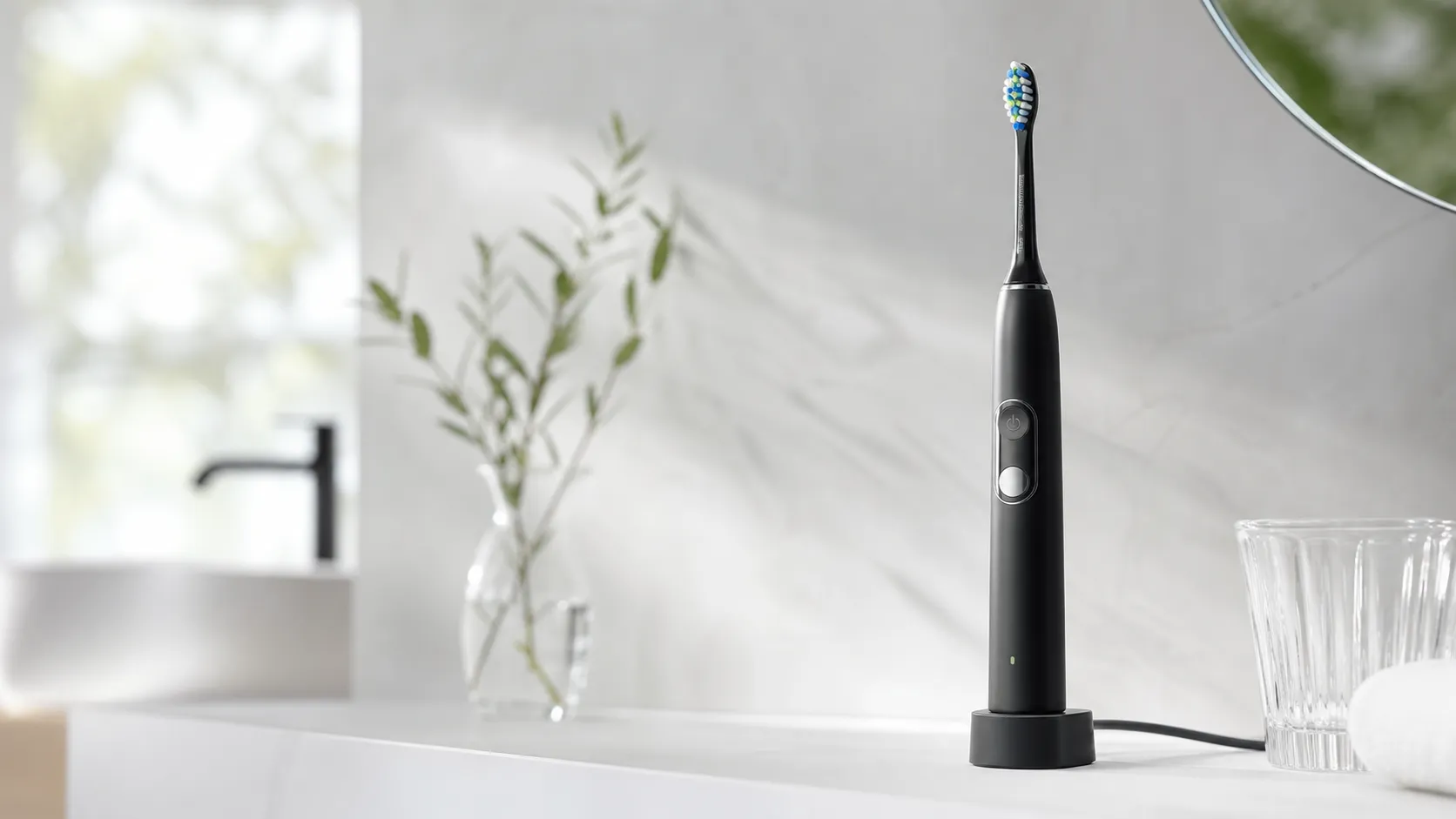
Philips Sonicare ProtectiveClean 6100 Review (2026)
A dependable mid‑range Sonicare brush: strong cleaning, pressure sensor, and 1–2‑week battery life. Great upgrade from manual brushing; watch replacement head costs.
 Health & Wellness
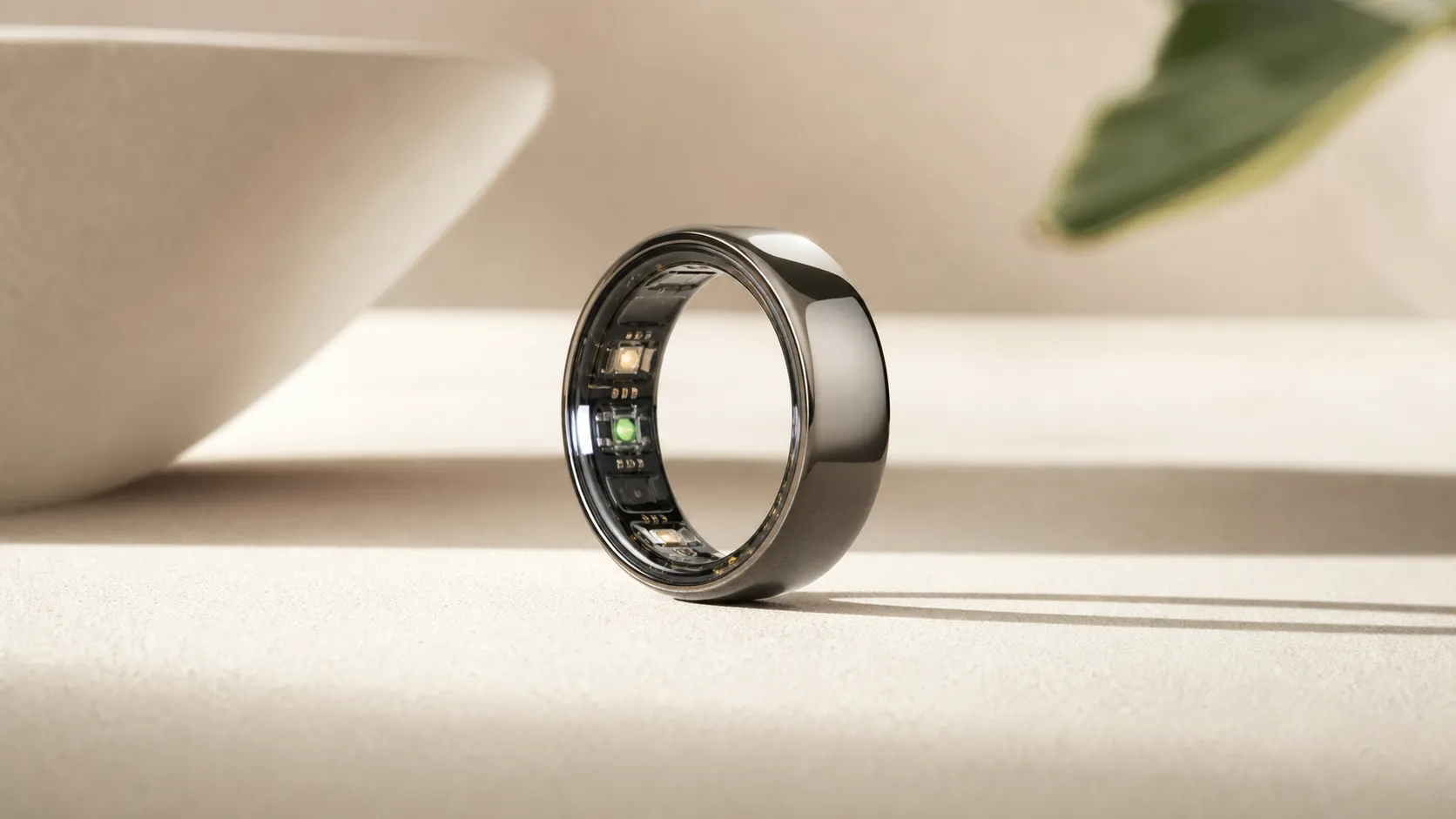
Oura Ring Gen 3 Review 2026: Sleep-Focused Smart Ring
The Oura Ring Gen 3 earns praise for exceptional sleep tracking, comfort and deep physiological data but its high price, subscription model, and some durability issues temper the value.
 Health & Wellness
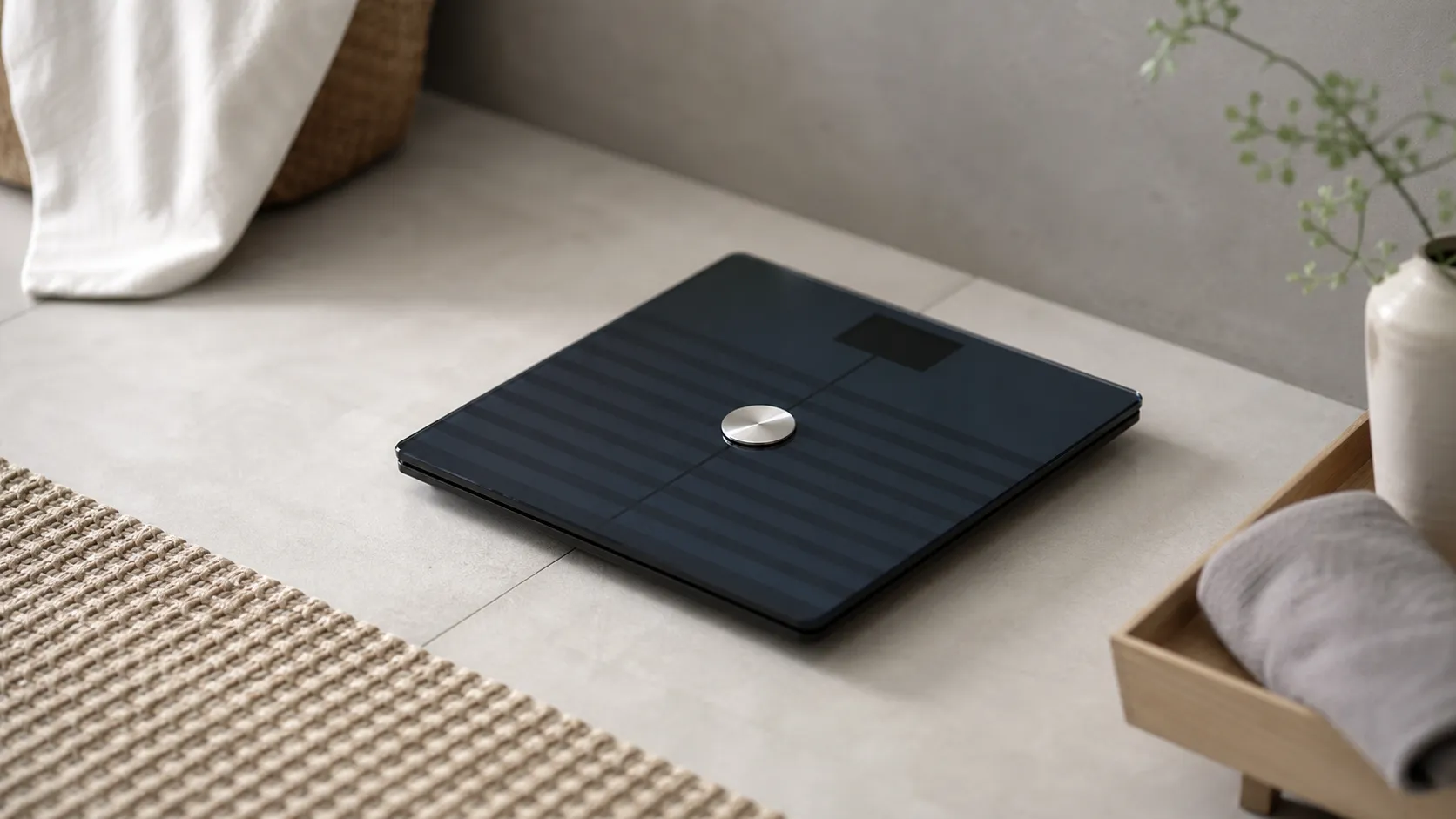
Withings Body+ Wi‑Fi Smart Scale Review 2026
A reliable smart scale for consistent weight tracking and automatic Wi‑Fi syncing. Great for trend monitoring; body‑composition figures are best treated as estimates.