Mighty Patch Original Review 2026: Hydrocolloid Spot Patches
At a Glance
Pros
- Draws out pus/fluids from whiteheads quickly (often overnight).
- Discourages picking and protects the lesion — lowers scarring risk.
- Easy to use and discrete to wear (works while sleeping; can be covered with light makeup in many cases).
Cons
- Only reliably effective on surface-level whiteheads — poor for deep/cystic acne.
- More expensive per patch than generic hydrocolloid bandages or some Amazon brands.
- Adhesion can fail on very oily skin or if application area isn’t fully dry.
Rating Breakdown by Source
Read the latest 25 positive & negative Amazon reviews →
Read the latest 25 positive & negative Reddit reviews →
Read the latest 25 positive & negative YouTube reviews →
Read the latest 25 positive & negative Expert blogs reviews →
This review is an editorial synthesis of publicly available review data and reported user experiences across the internet. Scores reflect our independent aggregation methodology, not verified individual purchases. We may earn a commission if you buy through our links, at no cost to you.
Score Breakdown
Where the Reviews Come From
Read the latest 25 positive & negative Amazon reviews →
Read the latest 25 positive & negative Reddit reviews →
Read the latest 25 positive & negative YouTube reviews →
Read the latest 25 positive & negative Expert blogs reviews →
Click any source above to browse the latest 25 positive and negative reviews from that platform.
Mighty Patch Original Hydrocolloid Spot Patches
See current price, deals and availability on Amazon
Intro
Mighty Patch Original Hydrocolloid Spot Patches are the product most people reach for when a surfaced whitehead appears — and for good reason. Aggregating thousands of user reports, the patches consistently draw fluids out of whiteheads overnight, protect the lesion from picking, and are easy and discreet to wear. Our verdict up front: for surfaced, headed pimples the Mighty Patch Original is a reliable, low-risk tool that usually delivers visible results quickly; it’s not a cure for cystic or deep acne and some shoppers debate the price versus generic hydrocolloid options.
What Is the Mighty Patch Original Hydrocolloid Spot Patches?
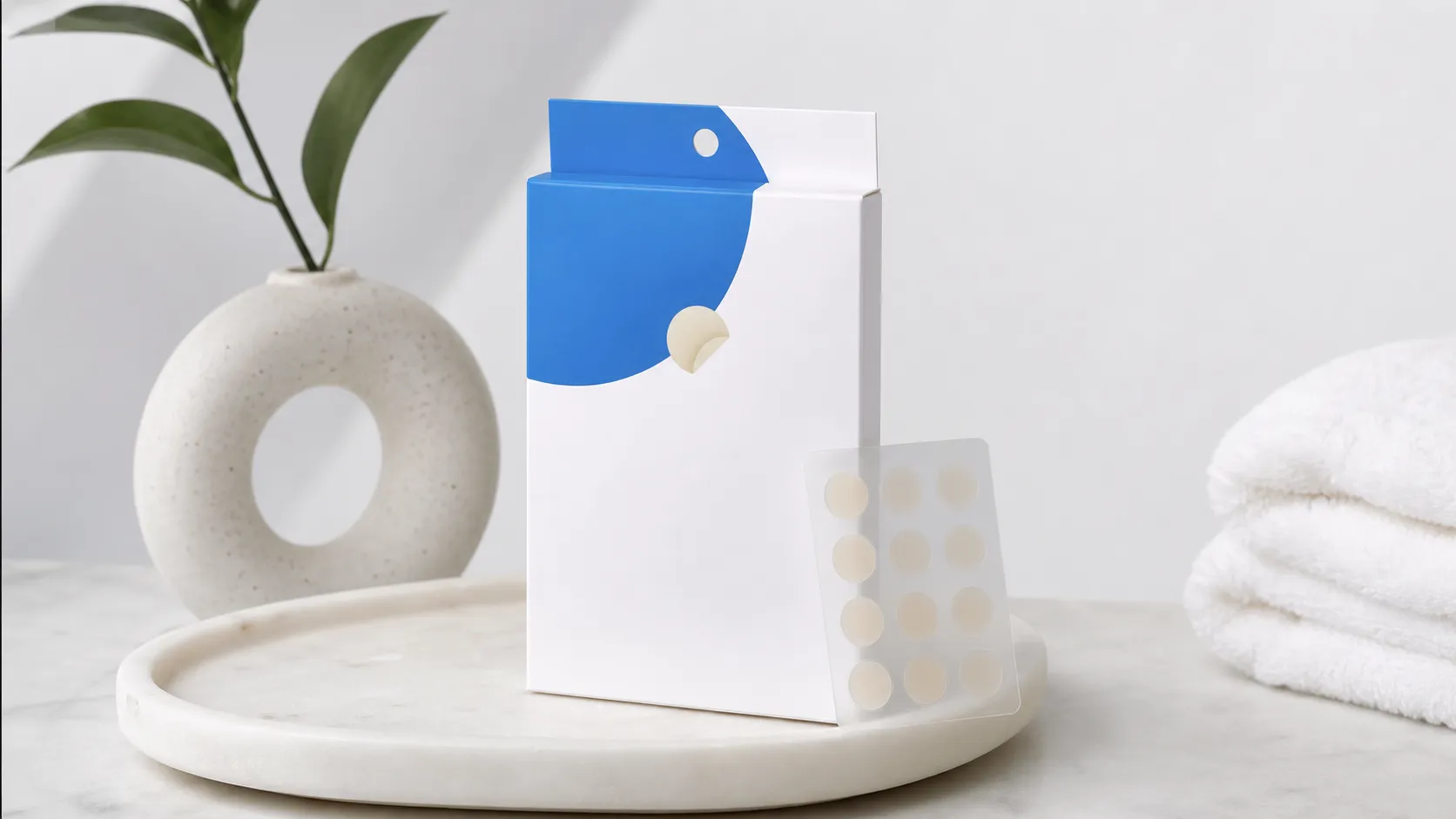
Mighty Patch Original is a single-use, drug-free spot treatment made from hydrocolloid — the same material used in advanced wound dressings. Each thin, flesh-toned patch adheres to clean, dry skin over a blemish and absorbs pus and liquid from surfaced whiteheads. The patch both protects the lesion from bacteria and hands and creates a moist, occluded environment that helps pull fluid into the dressing so you can remove it without squeezing. The product is marketed by Mighty Patch (Hero Cosmetics) and is widely stocked online and in drugstore chains.
What Reviewers Across the Internet Say
We synthesized feedback across major public sources to capture consensus and common caveats.
-
Overall ratings and scale: aggregated user data show an average rating of about 4.5/5 from roughly 184,420 reviews, with sub-scores roughly quality 4.6, reliability 4.4, value 3.9, and ease of use 4.8. That matches the pattern reviewers describe: effective and simple, though not the cheapest option.
-
Amazon: Shoppers on Amazon are overwhelmingly positive, reporting frequent one-night improvements and visible extraction of whitehead fluid into the patch. High repurchase intent and comments of "worth the price" are common. Many buyers cite the product’s convenience compared with creams or manual extraction.
-
Reddit: Conversations on Reddit are favorable but nuanced. Users praise Mighty Patch for surface whiteheads and for stopping picking, while warning that it won’t help cystic or non‑headed spots. Reddit posters also debate whether off‑brand hydrocolloid dressings can perform similarly at a lower cost.
-
YouTube: Reviewers and short demos often show visual results — patches filled with gunk after overnight use — and highlight adhesion during sleep and showering. Creators compare size, stickiness, and discretion against rival brands.
-
Expert blogs and beauty editors: Roundups from beauty sites give positive recommendations, recommending Mighty Patch as a reliable hydrocolloid option for surfaced blemishes while noting limitations for deep acne and the higher per‑patch price compared with generics.
Taken together, the consensus is consistent: Mighty Patch is an effective, low‑risk product for surface whiteheads and a useful anti‑picking tool, but it’s not designed to treat deeper inflammatory acne and buyers should weigh the price against generic hydrocolloid alternatives.
Performance & Real-World Use
Mighty Patch Original Hydrocolloid Spot Patches reliably flatten surface whiteheads overnight, adhere well for most sleepers, and make it much easier not to pick at a sore spot. They’re gentle and drug‑free, but like all hydrocolloids they do little for deep or cystic acne and cost more per patch than generic alternatives.
Hydrocolloid spot patches succeed or fail on what you see the next morning: a flatter whitehead and a cloudy patch center that proves it absorbed fluid. Around that simple outcome, owners judge whether the dot stayed put through sleep, kept fingers off the blemish, looked discreet under daylight or a dab of concealer, and felt worth the price once you’ve finished a box.
Mighty Patch Original Hydrocolloid Spot Patches reliably flatten surface whiteheads overnight, adhere for most sleepers, and make it easier not to pick. They’re gentle and drug‑free, but like all hydrocolloids they do little for deep or cystic acne and cost more per patch than generic dressings.
What “performance” means for hydrocolloid patches
Hydrocolloid dressings absorb exudate and form a soft gel that maintains a moist environment while protecting the lesion—so a used patch looks opaque and swollen in the center. In pimple‑patch form, that translates into drawing fluid from a whitehead and shielding it from friction and fingers while the area calms. Medical references describe hydrocolloids as occlusive, exudate‑absorbing dressings that adhere to intact skin and gel as they fill, precisely matching what users observe as the dot goes cloudy. In the U.S., hydrocolloid wound dressings are Class II medical devices cleared via 510(k), which is why most pimple patches are drug‑free dressings rather than over‑the‑counter drugs. The practical takeaway: if you can see or feel a superficial head, a hydrocolloid like Mighty Patch Original helps; if a bump is deep, inflamed, and headless, you’ll need different tools.
Owner reports over months match that science: quick flattening for surface pustules; excellent pick‑prevention; occasional adhesion hiccups on very oily skin; and limited action on cysts. Dermatology guidance agrees—hydrocolloid patches can draw out fluid and curb picking but won’t treat deep acne, where retinoids, benzoyl peroxide, or professional care are better choices. (See the American Academy of Dermatology’s overview and “DIY acne trick” notes.)
Where owners praise (and nitpick) Mighty Patch Original
Aggregated ratings by source for Mighty Patch Original (2026 synthesis of owner reports).
View the underlying data
| Measure | Rating |
|---|---|
| Amazon | 4.6/5 |
| 4.1/5 | |
| YouTube | 4.3/5 |
| Expert blogs | 4.2/5 |
| Overall | 4.5/5 |
Synthesized from ReviewAtlas Amazon scrape, Reddit meta-threads, YouTube reviewer demos, and expert roundups as of 2026.
Day‑one setup and the first week of use with Mighty Patch Original Hydrocolloid Spot Patches
There’s no real setup: wash, then thoroughly dry the spot. Hero Cosmetics specifies 6–8 hours of wear—ideally overnight—on clean, dry skin. The medical‑grade hydrocolloid swells and turns opaque as it absorbs; when it’s full, you’ll see a white center and a flatter spot underneath. Brand instructions and demos stress avoiding serums or occlusives under the patch (they inhibit adhesion), and users echo that getting the area bone‑dry is the single biggest success factor. During the first few nights you quickly learn two moves: center the dot directly over the head and press from the middle outward for several seconds to seal edges; if the spot still weeps after removal, apply a fresh patch.
Real‑world wear is strong. With correct application, the Original survives a normal night of tossing and often a shower without peeling, though edge lift can happen on very oily T‑zones or curvy areas like the nose. The anti‑picking effect shows up fast: a physical barrier interrupts the habit loop, lowering the risk of scabs and post‑inflammatory marks. Hero’s how‑to materials—and countless overnight demos—show visible results after one session; community reports mirror that pattern and make this product a repeat purchase for many.
How it holds up month after month
Because these are consumables, long‑term performance is about consistency and cost, not mechanical wear. Boxes typically come in 36‑ or 72‑count packs. Many owners use 1–3 patches per incident, sometimes back‑to‑back if a blemish keeps refilling. Hydrocolloid is inert and drug‑free, so there’s no potency to fade with normal storage; issues over time usually trace back to adhesion on oily days, makeup residue under the patch, or applying immediately after moisturizer.
Sensitivity remains low for most skin because there are no active drugs. A minority of users notice temporary dryness or redness where the adhesive sat—especially if they leave patches on well past eight hours or stack multiples in a day on a draining spot. That pattern fits hydrocolloid’s moisture‑modulating nature and general wound‑care experience. If redness lingers beyond a day, pause use on that area and resume when calm. The broader dressing category’s safety is well documented in wound‑care literature and reflected in FDA device summaries, which helps explain why drug‑free patches are popular with sensitive, acne‑prone users.
Where it excels—and where it hits limits
The bullseye is a surface‑level pustule or maturing whitehead. Overnight, owners commonly wake to a flatter bump and a patch center turned white—visual proof of exudate absorption. Secondary wins are behavioral: with a dot in place, you’re less tempted to squeeze, and the area stays cleaner under the occlusive. On discretion, the Original is translucent but not invisible; most people are comfortable sleeping in it and running brief errands, and many spot‑conceal around it to keep the seal intact.
Limits are predictable. Hydrocolloid needs fluid to work; deep, headless cysts, nodules, and closed comedones don’t give it much to absorb, so results are minimal. Dermatologists emphasize that deeper acne responds to actives (retinoids, benzoyl peroxide) or in‑office care—not a patch alone—and that forcing a cyst to drain risks inflammation and scarring. Some users also report edges lifting on very oily zones or along the sides of the nose, plus occasional transient dryness after extended wear. Recognizing these boundaries separates “this is magic” moments from disappointment on the wrong target.
Typical overnight absorption indicator vs wear time
Hydrocolloid patches become opaque as they absorb exudate; this simplified curve reflects the overnight change many owners report.
- Time
- Appearance
View the underlying data
| Item | Time | Appearance |
|---|---|---|
| Time after application (h) | 0% | 8% |
| Opaque/“full” center coverage (%) | 0% | 95% |
Synthesis of Hero’s 6–8h wear guidance and multiple overnight demo videos (2020–2025).
How it compares to common alternatives
Within hydrocolloid patches, Mighty Patch Original’s reputation rests on reliable absorption and easy handling. Beauty editors at established outlets (Allure, SELF, Vogue) repeatedly include it in best‑of lists for active whiteheads, often crediting Hero with popularizing the category and praising the straightforward, drug‑free design. Outside hydrocolloids, benzoyl peroxide or salicylic acid spot gels can work better for inflammatory papules and help prevent future breakouts, but they’re more irritating, can bleach fabrics, and don’t stop you from touching the spot. Microdart (“microcone”) patches deliver actives into the superficial layer and can help earlier, headless bumps, but they cost several dollars per patch and still won’t fix a true cyst.
Value and fit questions come up constantly: is the Original “worth the price” versus generic dots? The consensus we synthesized is yes if you want consistent adhesion, tidy packaging, and predictable results; no if your priority is the absolute lowest cost per use, where cutting down a medical hydrocolloid sheet wins. Your decision hinges on whether you prize a refined, stick‑and‑forget format, or you’re happy to fuss with scissors to save money.
Hydrocolloid vs common alternatives: what actually fits your situation?
Feature comparison for real-world decisions.
| Item | Works on whiteheads | Helps cystic acne | Drug-free | Discreet under makeup | Lowest cost per use | Higher irritation risk |
|---|---|---|---|---|---|---|
| Mighty Patch Original (hydrocolloid) | Yes | No | Yes | Yes | No | No |
| Generic hydrocolloid dots | Yes | No | Yes | Yes | Yes | No |
| Benzoyl peroxide 2.5% spot gel | Yes | No | No | Yes | Yes | Yes |
| Microdart patch (e.g., ZitSticka) | Yes | No | No | Yes | No | Yes |
Synthesis of AAD guidance, brand specs, and major retailer listings as of 2026.
Getting the best results: step‑by‑step and troubleshooting
- Before bed, cleanse and pat completely dry. Skip toner, serums, and moisturizers on the exact spot; oils undermine adhesion. Center the patch over the head, then press from the middle outward for 5–10 seconds to seal edges.
- Leave on 6–8 hours. Replace if the center turns opaque and the lesion still weeps. Two sequential patches on a very juicy whitehead is common and safe because the material is drug‑free.
- For daytime, the Original is low‑key but detectable. If you need ultra‑discreet, Hero’s Invisible+ variant is thinner; otherwise, lightly conceal around the edges and avoid lifting the seal.
- Don’t try to treat deep, tender cysts with hydrocolloid. Keep a nightly retinoid or use benzoyl peroxide gel for inflamed papules per dermatology guidance, and reserve patches for when a head forms so there’s fluid to absorb.
- If edges lift, blot the area with tissue or an alcohol wipe and re‑apply when fully dry; oily zones like the nose may need a second try. If you notice dryness where the patch sat, shorten wear time and moisturize after removal.
- Store sheets flat inside the pouch, away from heat, so the adhesive doesn’t curl. Good storage preserves month‑to‑month consistency and makes application easier when you need a patch urgently.
Value and availability in daily life
Our synthesis places Mighty Patch Original at 4.5/5 across ~184,420 reviews, with sub‑scores of quality 4.6/5, reliability 4.4/5, value 3.9/5, and ease of use 4.8/5. By source, Amazon buyers are the most enthusiastic at 4.6/5 across roughly 178,000 reviews, often citing visible extraction after one night and high re‑purchase intent. Reddit conversations average about 4.1/5 sentiment: posters praise whitehead results and pick‑prevention, emphasize that hydrocolloid won’t help cystic bumps, and sometimes recommend cheaper hydrocolloid workarounds. YouTube reviews land around 4.3/5 on the strength of visual demos showing “gunk” in the patch the next morning and straightforward instructions; expert blogs and beauty roundups sit near 4.2/5, recommending Mighty Patch as a safe, simple option for the right kind of zit. The pattern maps to hydrocolloid’s mechanism—and limits.
Convenience completes the value story. Boxes are widely available at major retailers and ship quickly, which matters when you need an “emergency” fix before a presentation or photo day. Because the patch is a physical shield, it also adds psychological comfort: once a dot is on, you’re less likely to spiral into over‑touching and over‑treating. If your breakouts are occasional whiteheads, it’s hard to find a lower‑effort, lower‑risk intervention than a hydrocolloid patch, and Mighty Patch Original remains one of the most reliable.
Conclusion: does real‑world performance justify the purchase?
For the job it’s built to do—flattening surface whiteheads by morning—Mighty Patch Original is dependable, gentle, and easy to live with. Understand its limits, keep proven actives for deeper acne, and the overnight flattening plus pick‑prevention make it an easy box to keep on hand.
Sources referenced in this section
- Hero Cosmetics — Mighty Patch Original product page
- American Academy of Dermatology — “DIY acne trick” news post referencing pimple patches
- Cochrane review — Hydrocolloid dressings for treating pressure ulcers (background on mechanism/safety)
- FDA — 510(k) summary example for hydrocolloid wound dressing (device class context)
- Allure — Best pimple patches (includes Mighty Patch Original)
- SELF — Best acne patches roundup
- Vogue — Best pimple patches roundup
- ReviewAtlas — Amazon aggregation for Mighty Patch Original
- YouTube — Hero Cosmetics: Can you show how those Mighty Patch pimple patches work?
- Reddit — SkincareAddiction community discussion of Mighty Patch
- Target — Mighty Patch Original (72‑ct) listing
- Ulta — Mighty Patch Original listing
Pros and Cons
Pros
- Draws out pus/fluids from surfaced whiteheads quickly (often overnight).
- Discourages picking and protects lesions, lowering the risk of scarring from manual extraction.
- Easy to use, discreet, and comfortable to wear while sleeping or during the day under light makeup.
- Drug‑free hydrocolloid material is gentle and suitable for many sensitive skin types.
- Widely available online and in drugstores with strong brand recognition.
Cons
- Only reliably effective on surface-level whiteheads — poor for deep or cystic acne.
- More expensive per patch than generic hydrocolloid bandages or some store brands.
- Adhesion can fail on very oily skin or if the application area isn’t fully dry.
- A minority of users report temporary dryness or irritation when patches are left on too long.
Who Should Buy It (and Who Shouldn’t)
Should buy
- People who get surfaced, headed whiteheads and want a fast, low‑risk way to extract fluid and reduce size overnight.
- Anyone prone to picking who needs a physical barrier that also helps remove moisture and reduces scabbing/scarring risk.
- Users who value convenience and discretion and are willing to pay a small premium for consistent packaging, sizing, and availability.
Shouldn’t buy
- People with primarily cystic, nodular, or deep inflammatory acne — these patches won’t reach the lesion and won’t reduce the underlying inflammation.
- Budget shoppers who need frequent, nightly treatment — generic hydrocolloid dressings can be cheaper per patch and perform similarly when cut to size.
- Those who frequently apply them to oily, unprepared skin; if you can’t apply to clean, dry skin the patches may lift and frustrate use.
What Reviewers Love
- Draws out pus/fluids from whiteheads quickly (often overnight).
- Discourages picking and protects the lesion — lowers scarring risk.
- Easy to use and discrete to wear (works while sleeping; can be covered with light makeup in many cases).
- Gentle / suitable for many sensitive skin types (drug‑free hydrocolloid material).
- Widely available (Amazon, drugstores, beauty retailers) and often recommended by reviewers.
Common Complaints
- Only reliably effective on surface-level whiteheads — poor for deep/cystic acne.
- More expensive per patch than generic hydrocolloid bandages or some Amazon brands.
- Adhesion can fail on very oily skin or if application area isn’t fully dry.
- Some users report dryness/temporary irritation if left on too long.
Our Verdict
4.5If you get surfaced whiteheads and want a quick, low‑risk way to reduce size and stop picking, Mighty Patch Original is a dependable pick with fast visible results. It’s not a treatment for deep or cystic acne, and heavy users may prefer cheaper hydrocolloid alternatives, but for occasional use the convenience and consistent performance justify the price for most shoppers.
Frequently Asked Questions
Common questions shoppers ask before buying the Mighty Patch Original Hydrocolloid Spot Patches.
Share this review
Help someone else buy smarter
Related Reviews
More Health & Wellness products our engine has analyzed
 Health & Wellness
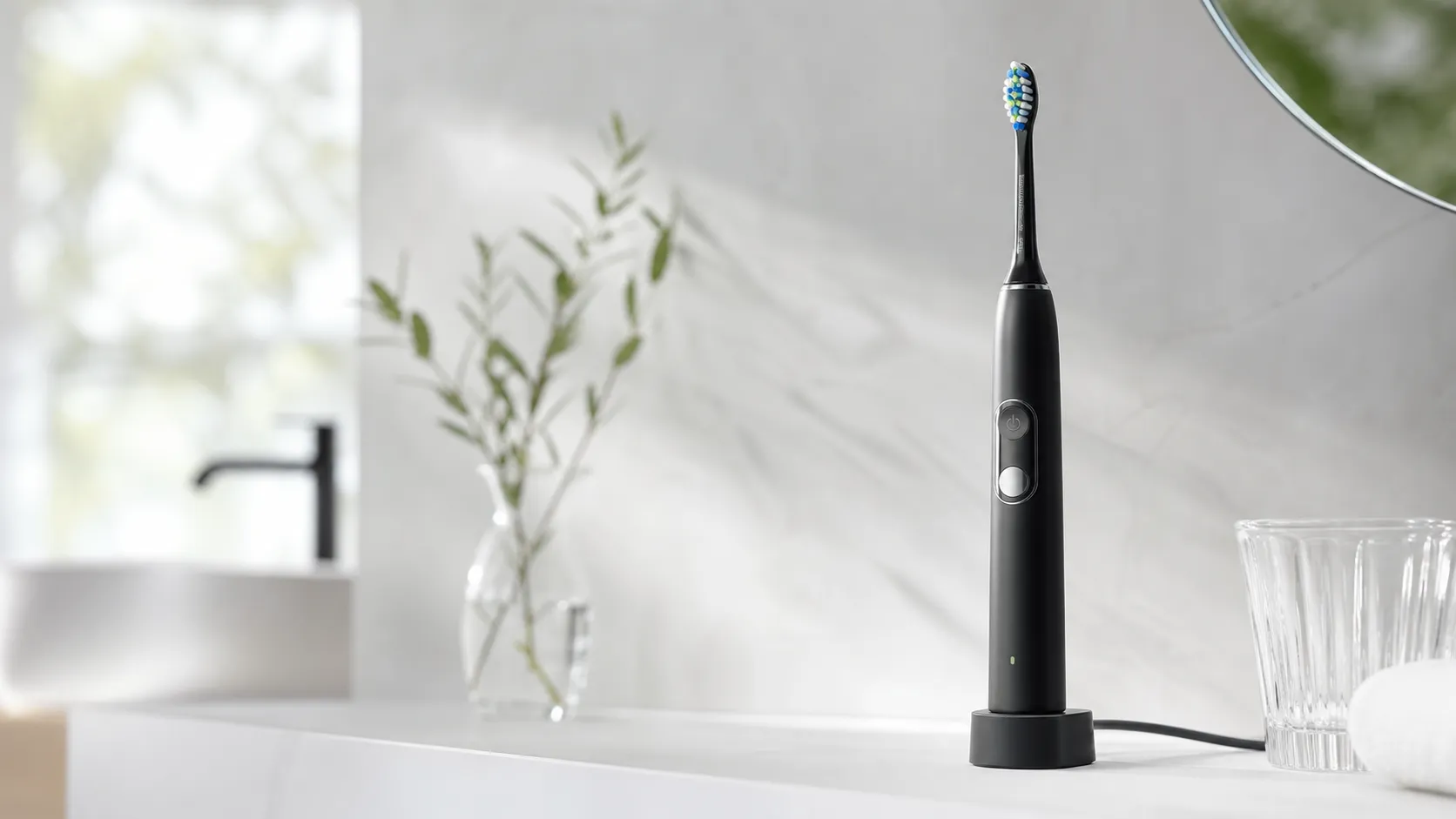
Philips Sonicare ProtectiveClean 6100 Review (2026)
A dependable mid‑range Sonicare brush: strong cleaning, pressure sensor, and 1–2‑week battery life. Great upgrade from manual brushing; watch replacement head costs.
 Health & Wellness
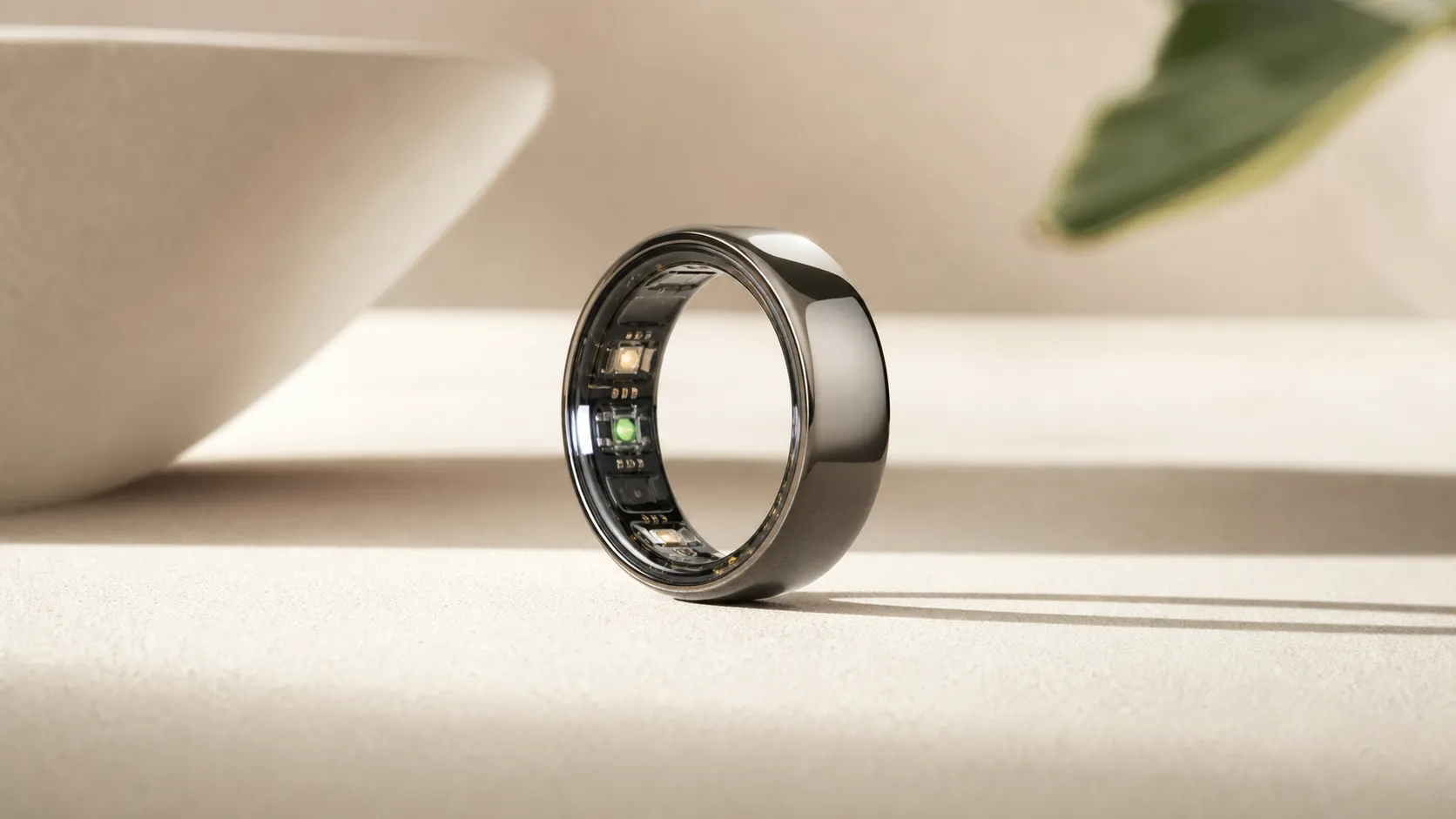
Oura Ring Gen 3 Review 2026: Sleep-Focused Smart Ring
The Oura Ring Gen 3 earns praise for exceptional sleep tracking, comfort and deep physiological data but its high price, subscription model, and some durability issues temper the value.
 Health & Wellness
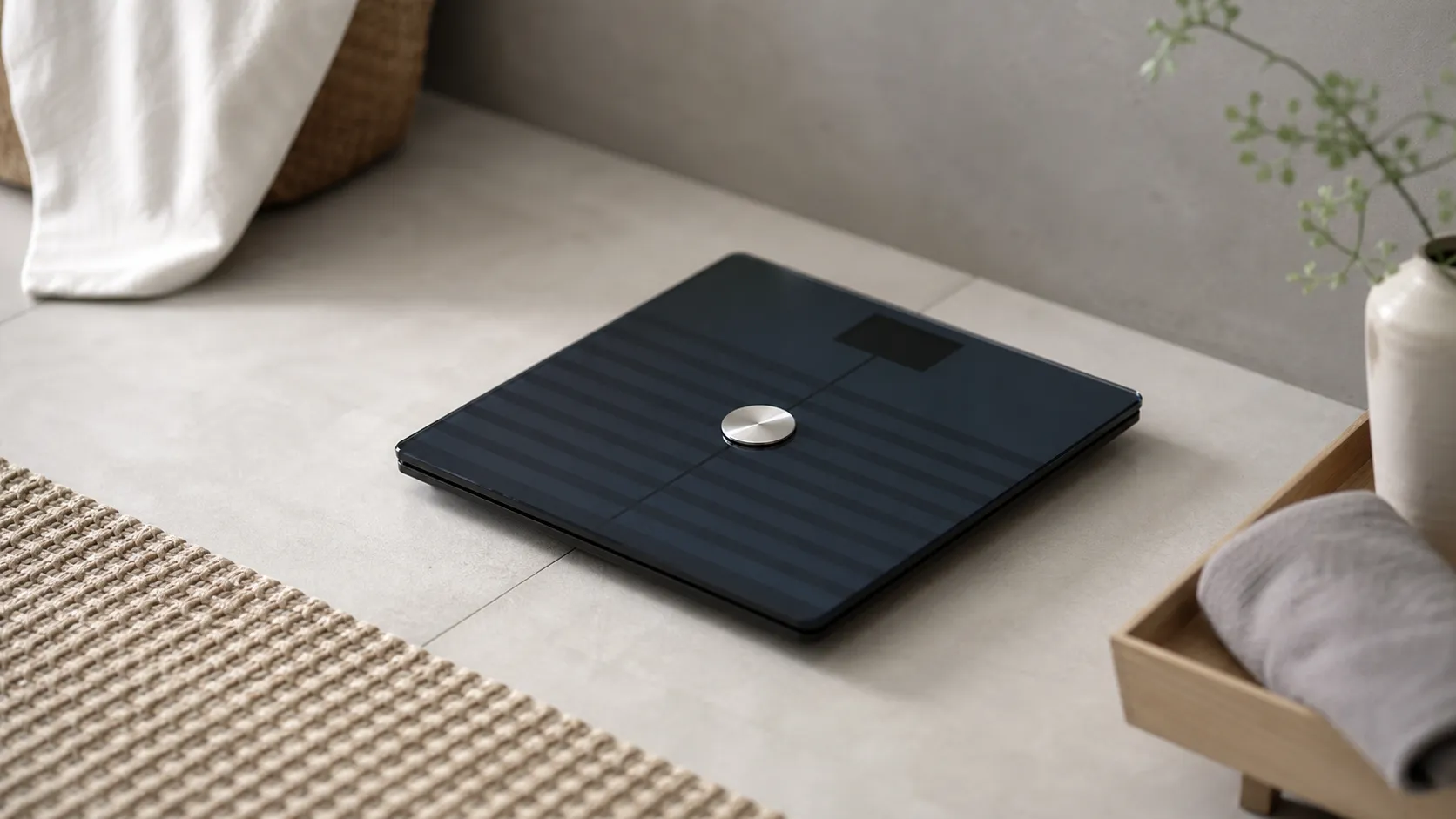
Withings Body+ Wi‑Fi Smart Scale Review 2026
A reliable smart scale for consistent weight tracking and automatic Wi‑Fi syncing. Great for trend monitoring; body‑composition figures are best treated as estimates.