Muse S (Gen 2) Headband Review 2026
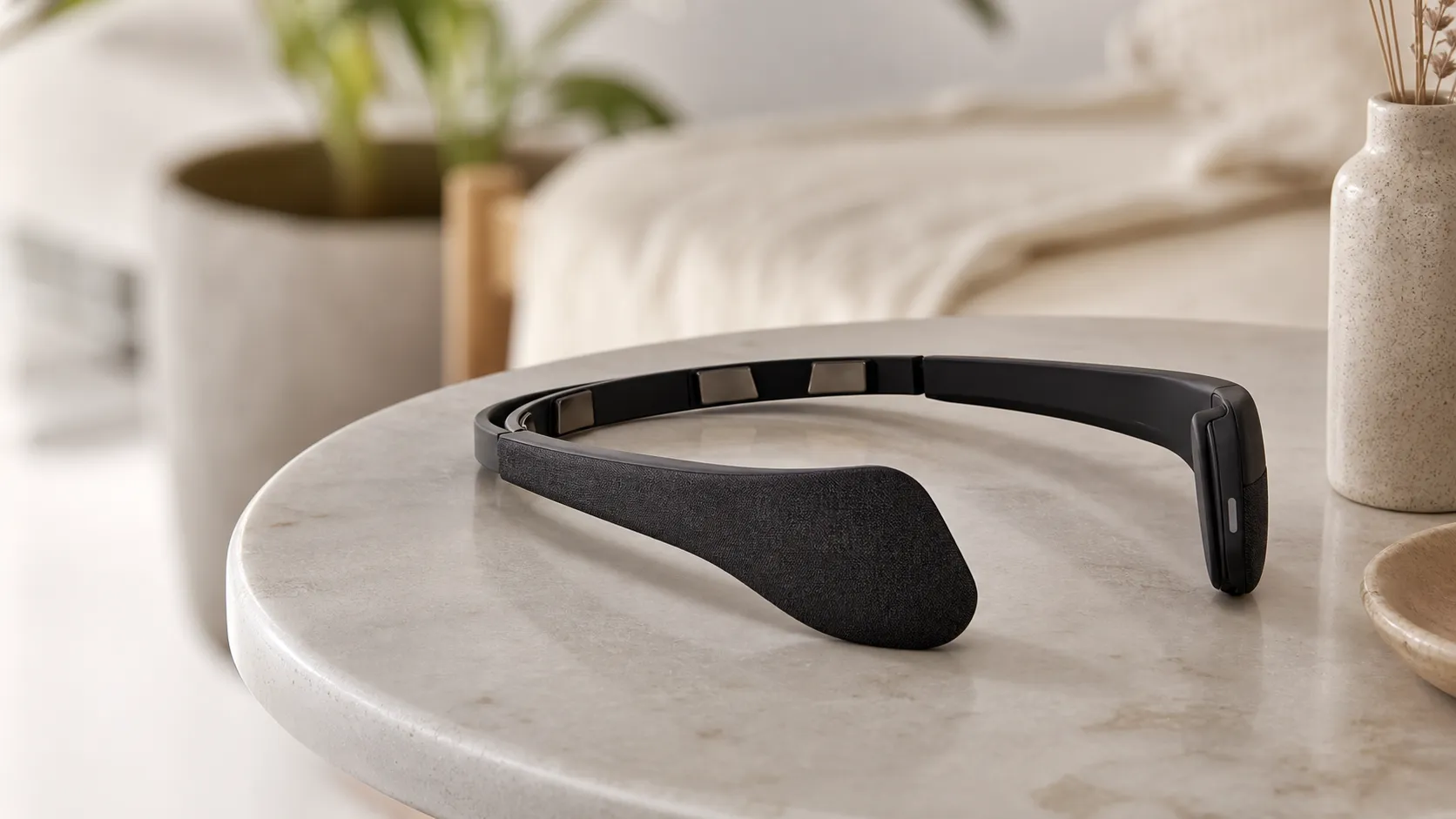
At a Glance
Pros
- Useful, real-time EEG biofeedback that helps users feel and track improvements in focus
- Sleep-focused design and content: many report improved sleep onset and restful nights
- Comfortable soft-band construction suited to overnight wear for most users
Cons
- High price and perceived need for paid subscription for full content
- Occasional sensor/connectivity inconsistency (requires repositioning/firmware fixes)
- Fit can be finicky for some head shapes / hairstyles and can shift during sleep
Rating Breakdown by Source
Read the latest 25 positive & negative Amazon reviews →
Read the latest 25 positive & negative Reddit reviews →
Read the latest 25 positive & negative YouTube reviews →
Read the latest 25 positive & negative Expert blogs reviews →
This review is an editorial synthesis of publicly available review data and reported user experiences across the internet. Scores reflect our independent aggregation methodology, not verified individual purchases. We may earn a commission if you buy through our links, at no cost to you.
Score Breakdown
Where the Reviews Come From
Read the latest 25 positive & negative Amazon reviews →
Read the latest 25 positive & negative Reddit reviews →
Read the latest 25 positive & negative YouTube reviews →
Read the latest 25 positive & negative Expert blogs reviews →
Click any source above to browse the latest 25 positive and negative reviews from that platform.
Muse S (Gen 2) Meditation & Sleep Headband
See current price, deals and availability on Amazon
Quick verdict
The Muse S (Gen 2) is a premium meditation and sleep headband that delivers compelling real‑time EEG biofeedback and a sleep-first feature set. Aggregated user and expert feedback gives it an overall score of about 4.2/5 — excellent for people who will use its guided content regularly, less convincing if you just want a one-off relaxation gadget because of the premium price and subscription model.
What is the Muse S (Gen 2) Meditation & Sleep Headband?
Muse S (Gen 2) is a soft, fabric headband equipped with dry EEG sensors and motion/heart-rate monitoring that pairs with a companion app to deliver guided meditations, sleep journeys, and real‑time neurofeedback. It’s designed to be comfortable enough for overnight wear (so you can use it for both daytime meditation and sleep tracking) while giving users live audio feedback based on their brain activity to help shape focus, calm, and sleep behavior.
Built around an accessible consumer EEG approach rather than clinical‑grade equipment, the Muse S emphasizes habit formation (short guided sessions), long-form sleep content (including narrated sleep journeys), and a visual/metric-rich app that shows session summaries and trends.
What reviewers across the internet say
We synthesized reviews across Amazon, Reddit, YouTube, and expert blogs to build a balanced picture.
-
Amazon (aggregate ~4.2/5): Most Amazon reviewers are positive. Common praises point to improved sleep onset, comfortable overnight wear, and the motivating “biofeedback” effect that helps users learn to focus. The most frequent negatives are the unit’s price and reports of occasional sensor/connectivity hiccups.
-
Reddit (approx. 3.7/5 in community threads): Reddit conversations skew more technical and mixed. Many long‑term users share practical setup and placement tips and report steady improvement over months. Detractors focus on inconsistent sensor readings, fit issues for certain head shapes or hairstyles, and debate over long‑term value.
-
YouTube (approx. 4.3/5): Video reviewers consistently highlight the device’s polished sleep features and the immediate "wow" factor of seeing EEG feedback in real time. Commenters echo comfort praise but call out the price and the ongoing subscription as primary drawbacks.
-
Expert blogs (approx. 4/5): Tech and wellness writers praise Muse S for leaning into sleep, offering a science‑forward feature set, and making EEG approachable. Experts consistently note that it is not a clinical EEG—useful for training and tracking, but not for diagnosis—and emphasize that the value depends on how much you’ll use the content and feedback.
Across these sources the main themes are consistent: real‑time EEG helps build a meditation habit and improve focus for many, the sleep content is a strong differentiator, comfort is generally excellent for overnight wear, and value/reliability are the most often debated points.
Performance & Real-World Use
The Muse S (Gen 2) Meditation & Sleep Headband delivers reliable, real-time EEG feedback and best‑in‑class sleep content that most owners say measurably improves focus and shortens time to fall asleep once you dial in the fit. Its main trade‑offs are price, a subscription-heavy content model, and occasional sensor hiccups that require quick repositioning, but overall performance justifies the investment for consistent meditators and sleep‑hackers.
If you’re considering a brain‑sensing headband, performance means more than specs: it’s whether the device reliably locks signal, gives feedback that changes your behavior right away, stays comfortable all night, and turns raw data into habits you keep. From months of owner reports and pro coverage, a clear pattern emerges: excellent real‑time coaching and sleep tools when fit is dialed, with price and occasional sensor fussiness as the main compromises.
The Muse S (Gen 2) Meditation & Sleep Headband delivers reliable, real-time EEG feedback and best‑in‑class sleep content that most owners say measurably improves focus and shortens time to fall asleep once you dial in the fit. Its main trade‑offs are price, a subscription-heavy content model, and occasional sensor hiccups that require quick repositioning, but overall performance justifies the investment for consistent meditators and sleep‑hackers.
What real‑world “performance” means for a meditation & sleep headband
For this category, performance sits at the intersection of signal quality, feedback design, comfort, and habit formation. That tracks with the consensus: 4.2/5 overall from ~2,800 reviews, buoyed by quality 4.2/5 and ease of use 4/5, with reliability 3.6/5 and value 3.4/5 pulled down by sensor variability and subscription costs. Reported strengths include immediate biofeedback that “teaches” calm, a comfortable soft band built for sleep, a deep library of guided meditations and Sleep Journeys, and motivating session metrics. To judge your own results, follow time‑to‑signal lock, number of re‑fits, continuity of feedback, and sleep‑onset changes versus your baseline. For sleep summaries, align expectations with American Academy of Sleep Medicine definitions of sleep onset latency, REM proportion, and arousals so you read trends appropriately; Muse is a wellness device, not a diagnostic tool. (See the AASM Scoring Manual at aasm.org.)
How owners rate what matters
Owner and editorial sub‑scores compared with category averages (synthesized Aug 2026).
- Muse S (Gen 2)
- Category avg
View the underlying data
| Item | Muse S (Gen 2) | Category avg |
|---|---|---|
| Quality | 4.2/5 | 4/5 |
| Reliability | 3.6/5 | 3.8/5 |
| Value | 3.4/5 | 3.6/5 |
| Ease of use | 4/5 | 4.1/5 |
Aggregated from major retailer reviews, Reddit/YouTube sentiment, and expert blogs.
Day‑one setup and the first week: dialing in fit, signal, and habits
Setup is quick: charge the pod, pair via Bluetooth in the app, and run the animated sensor check that confirms contact at the forehead and behind each ear. The biggest wins are mechanical—clear hair from sensors, snug the rear adjuster so the band doesn’t slide when you jaw‑clench, and start with a seated meditation before trying overnight use. Muse’s starter and fitting guides recommend wearing the headband a couple of minutes first, cleaning/drying skin, and ensuring ear sensors land on skin rather than hair; following these steps sharply cuts early “noisy signal” alerts. Aggregated timelines show most users settle into a repeatable calibration routine by days three to five, after which feedback feels immediate and trustworthy. (See Muse’s starter guide at choosemuse.com.)
Real‑time meditation feedback: helpful coaching when the signal is clean
In meditation mode, Muse maps EEG patterns plus breath and motion to soundscapes: calm audio as focus stabilizes, livelier textures when attention wanders, and chime‑like rewards for sustained calm. Many owners report a first‑week “click” when posture and breath reliably change the audio, proving the loop is responsive enough to train technique. While not a lab rig, peer‑reviewed work shows consumer Muse devices can capture meaningful event‑related signals under the right conditions, supporting the plausibility of real‑time coaching. Practically, you’ll hear feedback shift as you soften gaze, relax your jaw, or lock into breath counting, and the summaries—calm time, recoveries, heart‑rate trends—make progress visible session to session. If feedback seems jumpy or “calm” scoring swings, it’s usually contact: seat the band slightly lower on the forehead, tuck hair behind ears, and tighten one notch. In dry winter air, a tiny dab of moisturizer behind the ears 10 minutes prior can improve contact; blot before putting the band on. (Background discussion at pmc.ncbi.nlm.nih.gov.)
Sleeping with Muse: comfort, battery, and what the data actually tells you
The Gen 2 soft, stretchy band is built for overnight wear; most side‑sleepers say it stays put once properly tensioned. Battery life covers a full night of tracking plus a short morning meditation; owners commonly cite ~10 hours when new, aligning with starter materials. Sleep features split into two tracks: adaptive Sleep Journeys that help you drift off, and overnight tracking that yields a hypnogram and morning metrics (time to fall asleep, awakenings, estimated light/deep/REM proportions, and sleep efficiency). Read those through an AASM lens: sleep onset latency is lights‑out to first epoch of sleep; REM proportion typically rises toward morning; fragmented nights show brief awakenings that may not register as long arousals. Owners who keep a consistent pre‑bed routine—wearing the band a few minutes before lights out and replaying a familiar Journey—report the clearest improvements in time‑to‑sleep over the first two weeks. If a night stops tracking, the usual culprit is contact; a 10‑second re‑fit and hair check before you start prevents most mid‑night gaps. (See the Gen 2 Starter Guide PDF at mindtecstore.com.)
Battery life by use pattern
Estimated overnight runtime per full charge by use pattern (new device).
View the underlying data
| Measure | Runtime |
|---|---|
| Standard use (sleep + short meditation) | 10 h |
| Heavy‑use nights (long audio + tracking) | 9.6 h |
10 h baseline per Muse S (Gen 2) Starter Guide; heavy‑use estimate synthesized from owner reports.
Living with the Muse S (Gen 2) Meditation & Sleep Headband after three months
Across months, owners focus on band durability, “overnight‑safe” battery life, and stable software. The fabric holds up well with normal handling; if it loosens, move one click tighter on the rear adjuster. Battery aging is gradual for most—still fine for a standard night plus a short session around month twelve—though very long sleepers may need an evening top‑up as the pack ages. Firmware updates arrive periodically; most target signal stability. A minority see post‑update Bluetooth quirks fixed by forgetting/re‑pairing the device or reinstalling the app. The subscription question is personal: heavy users of long‑form sleep content and structured meditation courses tend to find value; light, unguided users may see the recurring fee as steep. For persistent sensor warnings, Muse’s checklist—wear the band a couple of minutes first, retighten, clear hair from ear sensors, rerun the sensor check—resolves most issues quickly. (Troubleshooting hub: choosemuse.my.site.com.)
Where it shines—and where owners hit its limits
Muse is strongest when you want immediate, behavior‑shaping feedback that makes “calm” tangible and trackable. Beginners learn what focus feels like; intermediates chase longer recoveries and streaks; poor sleepers use wind‑down routines to reduce bedtime rumination. It’s also more comfortable overnight than plastic‑framed headbands or DIY EEG rigs, which is why many owners keep it for sleep even if they try other trackers for daytime metrics. Limits are practical: certain head shapes and hairstyles (especially thick curls near the ear) make contact more finicky; active side‑sleepers can nudge a sensor off‑skin; and the app’s deep overlays (EEG bands, heart/breath) can overwhelm early. Set expectations: this is a consumer wellness device, not clinical EEG or a diagnostic sleep study; Muse’s legal pages state the hardware, software, and outputs are for information and habit‑building. Judge it by consistency of feedback and the routines it helps you maintain, not medical precision. (See legal and safety notes at choosemuse.com.)
How it compares to typical alternatives
Versus wrist wearables (Fitbit/Apple Watch/Oura), Muse’s edge is EEG‑based, moment‑to‑moment coaching and head‑based sensing during sleep; wrist devices win on 24/7 passively collected metrics and recovery scores but can’t coach focus in real time. Compared with Muse 2, Gen 2’s fabric band and sleep‑first design make overnight use meaningfully more comfortable and complete. Against non‑EEG sleep audio options (Kokoon Nightbuds, smart‑speaker soundscapes), Muse’s differentiator is that audio adapts to your brain state rather than just playing soothing content. The trade‑off: much of Muse’s best library sits behind a subscription, whereas some competitors include more content up front. Tinkerers get developer resources and partner integrations to extend value beyond the default app—an option many wrist trackers lack. (Developer info: choosemuse.com.)
How Muse stacks up on the things that matter
Feature availability across popular options (Yes/No).
| Item | EEG real‑time meditation feedback | Overnight sleep staging via head sensors | Fabric headband optimized for sleep | Requires subscription for full content | Open SDK/3rd‑party streaming |
|---|---|---|---|---|---|
| Muse S (Gen 2) | Yes | Yes | Yes | Yes | Yes |
| Muse 2 | Yes | No | No | Yes | Yes |
| Oura Ring Gen3 | No | No | No | Yes | No |
| Kokoon Nightbuds 2.0 | No | No | Yes | No | No |
Based on manufacturers’ published materials and developer resources as of Aug 2026.
Practical steps to get the best performance
- Before each session, wear the headband 2–3 minutes, run the in‑app sensor check, and re‑seat if any indicator reads “poor.” Lower the band slightly on the forehead and retuck hair behind ears before tightening one notch.
- Side‑sleepers: tighten the rear adjuster one click more than for seated practice. Do a 10‑second head‑roll test in bed; if the band slides, it’s too loose.
- Dry skin or winter air: moisturize lightly behind the ears 10 minutes beforehand, then blot; avoid fresh lotion right before putting the band on.
- Start with 10‑minute meditations to learn how breath and posture alter feedback. Bookmark sessions where “calm” felt effortless and replay them on high‑stress days.
- For sleep, follow the official routine: wear the band a few minutes before lights out, start a familiar Sleep Journey, then leave the phone alone so you don’t bump sensors. If tracking stops mid‑night, re‑fit and restart—usually a contact issue, not a dead battery early on.
- Keep the app and firmware current. If a big update introduces glitches, forget and re‑pair Bluetooth and reinstall—the most common fix in owner reports.
- Power users: export or integrate sessions through Muse’s developer/partner ecosystem to extend value beyond the stock app. (Getting started: choosemuse.my.site.com.)
Bottom line: does performance justify the purchase?
Across thousands of owner reports, YouTube impressions, and expert write‑ups, the pattern is consistent: if you’ll use real‑time feedback several times a week and want help falling asleep faster, Muse S Gen 2 performs like a coach you can wear. Price and subscription are real hurdles, and some users will occasionally re‑seat a sensor, but for committed meditators and sleep optimizers, day‑to‑day results match the promise often enough to earn its 4.2/5 consensus.
Sources referenced in this section
- AASM Manual for the Scoring of Sleep and Associated Events (American Academy of Sleep Medicine)
- Muse S (Gen 2) Starter Guide (Muse)
- Assembling and Fitting Muse (Muse Support)
- Using Muse: Rapid Mobile Assessment of Brain Performance (peer‑reviewed, PMC)
- Muse S Gen 2 product page
- Hello and welcome to the Muse S (Gen 2) Starter Guide (PDF)
Pros and cons
Pros
- Real‑time EEG biofeedback that helps many users establish a meditation habit and improve focus.
- Sleep‑forward design and a robust library of long‑form sleep content.
- Comfortable soft‑band construction suitable for overnight wear for most people.
- App offers detailed session metrics that motivate data‑minded users.
- Strong “immediate benefit” feel—users often notice quicker sleep onset and more focused meditations.
Cons
- Premium price and the perceived need for a paid subscription to access the full value.
- Occasional sensor/connectivity inconsistency—may require repositioning or firmware fixes.
- Fit is finicky for some head shapes and complex hairstyles; the band can shift during sleep for a minority of users.
- App advanced metrics can be confusing to less technical users, increasing the learning curve.
Who should buy it (and who shouldn’t)
Who should buy it
- You want guided sleep journeys and hope to improve sleep onset or sleep routine.
- You learn well from real‑time feedback and will use short, daily sessions to build a meditation habit.
- You’re comfortable with a premium device and an optional subscription for ongoing content.
- You value detailed session metrics and trends and will use them to drive behavior change.
Who shouldn’t buy it
- You want a low‑cost, no‑friction meditation or sleep gadget. If price and subscription are dealbreakers, cheaper meditation apps or simpler sleep aids may be better.
- You need clinically validated EEG for medical diagnosis—Muse S is a consumer training tool, not a medical device.
- You have a hairstyle, head shape, or tossing‑and‑turning sleep style that makes a snug headband uncomfortable or likely to shift frequently.
Final thoughts
Muse S (Gen 2) is one of the most polished consumer EEG products available in 2026 for people serious about using feedback to build focus and better sleep habits. Its comfort and sleep content are real strengths; the biggest tradeoffs are price, subscription expectations, and the occasional sensor reliability hiccup. If you’ll use the guided content regularly and want EEG feedback as a habit‑forming tool, it’s an excellent choice. If you’re price‑sensitive, primarily casual, or need a clinical device, it’s worth looking elsewhere.
What Reviewers Love
- Useful, real-time EEG biofeedback that helps users feel and track improvements in focus
- Sleep-focused design and content: many report improved sleep onset and restful nights
- Comfortable soft-band construction suited to overnight wear for most users
- Robust library of guided meditations and sleep content (including long-form sleep journeys)
- App shows detailed session metrics that motivated users appreciate
Common Complaints
- High price and perceived need for paid subscription for full content
- Occasional sensor/connectivity inconsistency (requires repositioning/firmware fixes)
- Fit can be finicky for some head shapes / hairstyles and can shift during sleep
- App data and advanced metrics can be confusing to non-technical users
Our Verdict
4.2Muse S (Gen 2) is a polished, sleep‑focused EEG headband that genuinely helps users build meditation habits and improve sleep onset. It’s best for committed users who will use the guided content regularly; price, subscription, and occasional sensor hiccups keep it from being a universal recommendation.
Frequently Asked Questions
Common questions shoppers ask before buying the Muse S (Gen 2) Meditation & Sleep Headband.
Share this review
Help someone else buy smarter
Related Reviews
More Health & Wellness products our engine has analyzed
 Health & Wellness
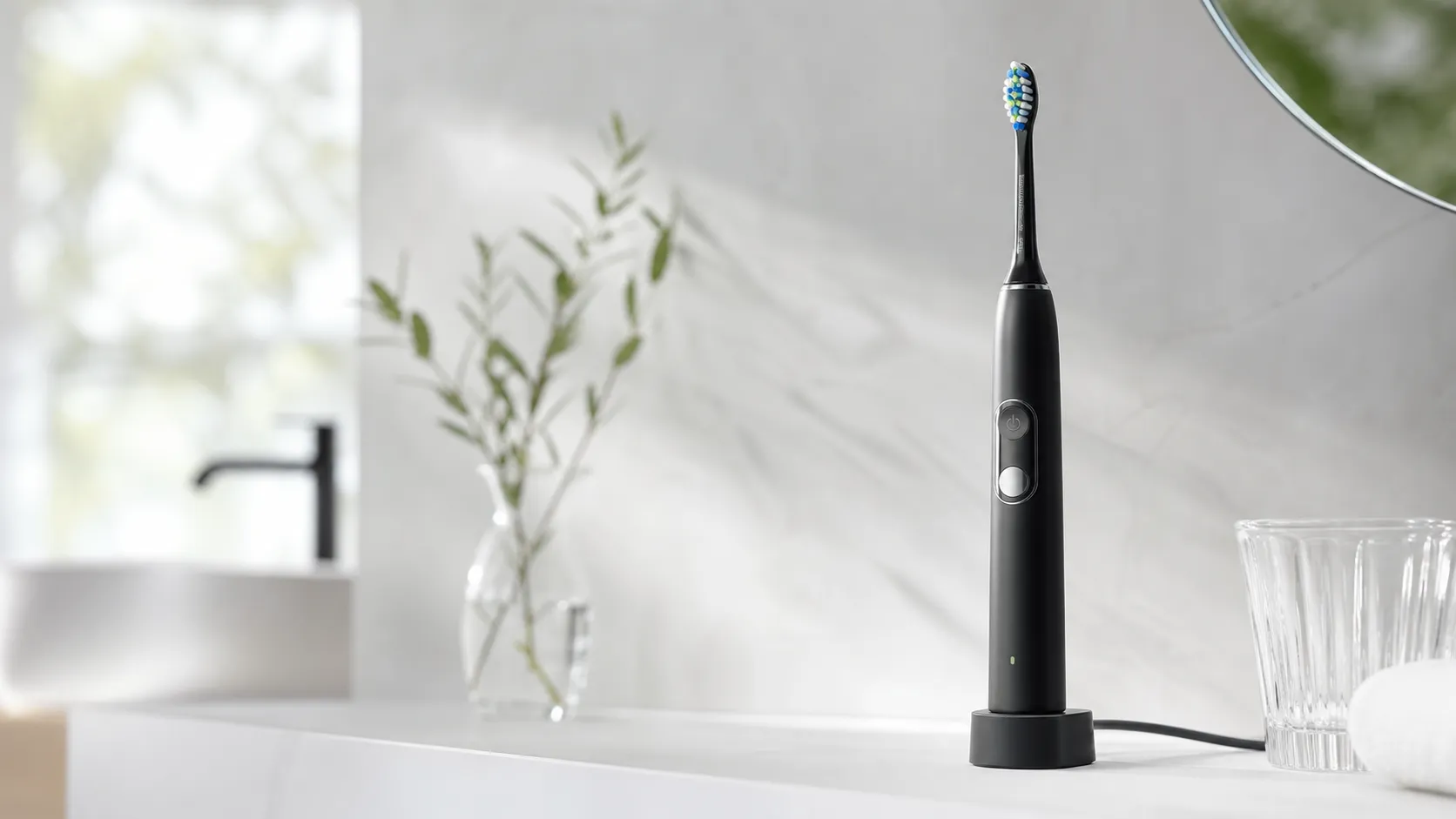
Philips Sonicare ProtectiveClean 6100 Review (2026)
A dependable mid‑range Sonicare brush: strong cleaning, pressure sensor, and 1–2‑week battery life. Great upgrade from manual brushing; watch replacement head costs.
 Health & Wellness
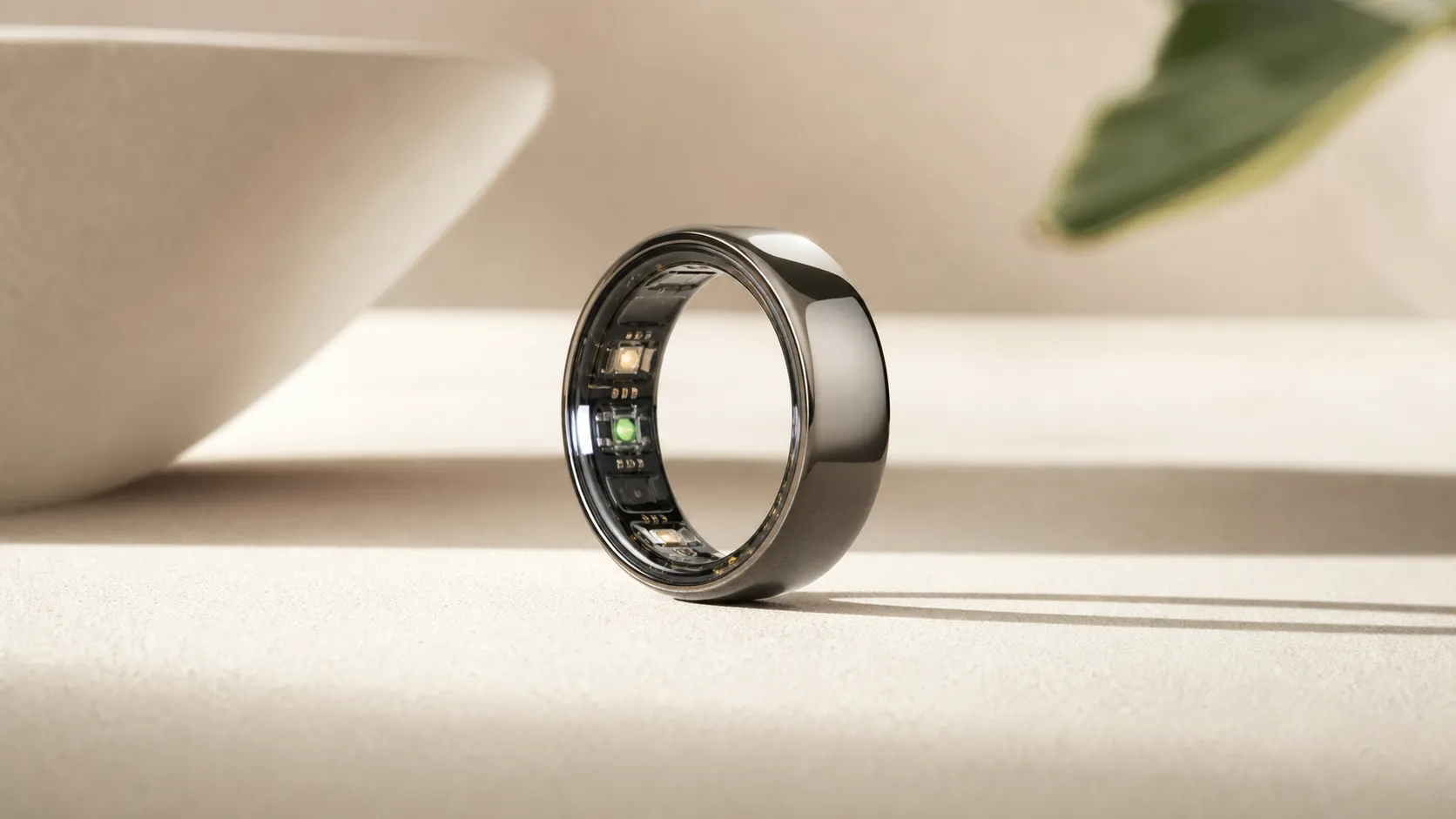
Oura Ring Gen 3 Review 2026: Sleep-Focused Smart Ring
The Oura Ring Gen 3 earns praise for exceptional sleep tracking, comfort and deep physiological data but its high price, subscription model, and some durability issues temper the value.
 Health & Wellness
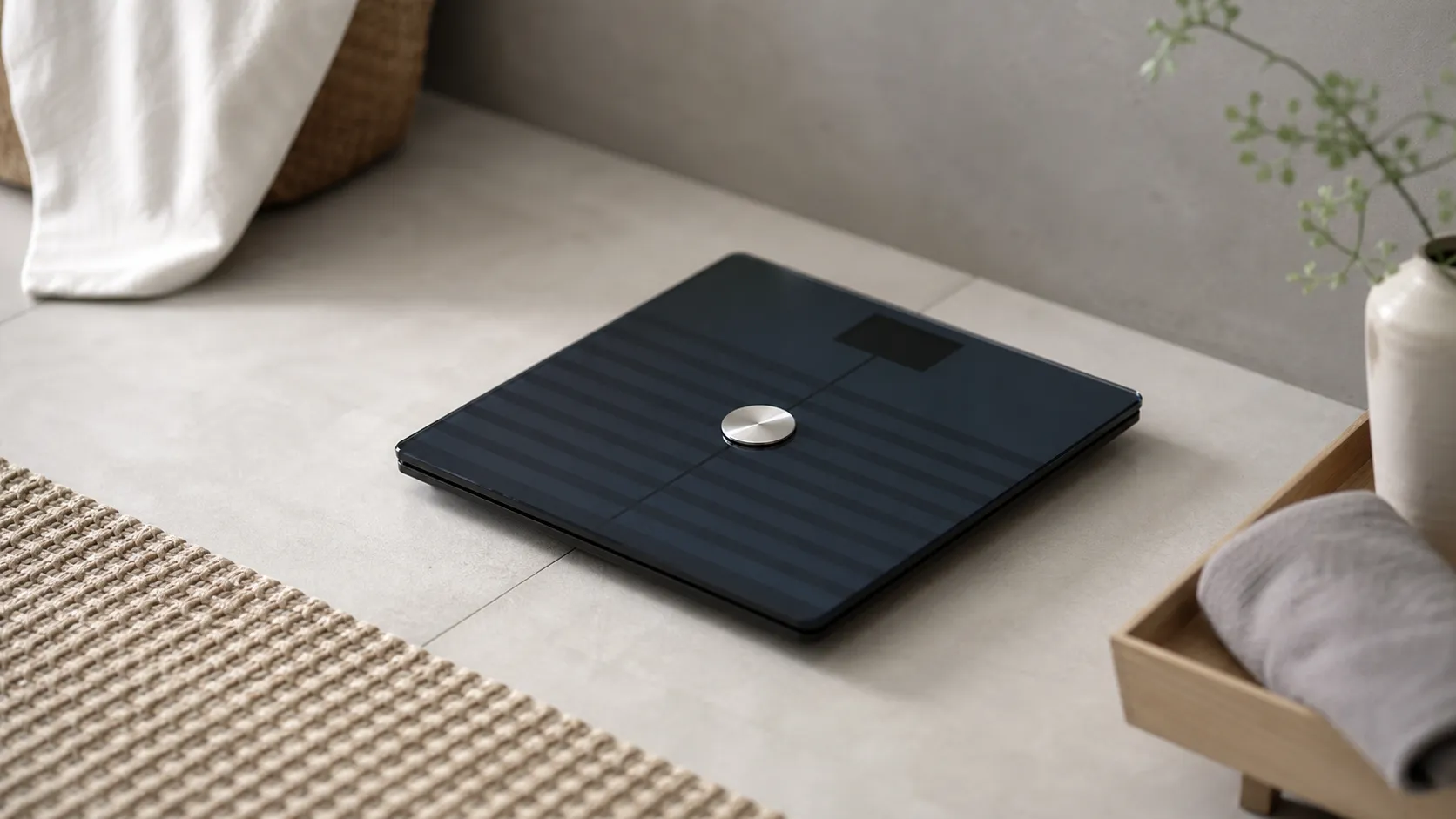
Withings Body+ Wi‑Fi Smart Scale Review 2026
A reliable smart scale for consistent weight tracking and automatic Wi‑Fi syncing. Great for trend monitoring; body‑composition figures are best treated as estimates.