Nature Made Vitamin B12 1000 mcg Tablets Review 2026
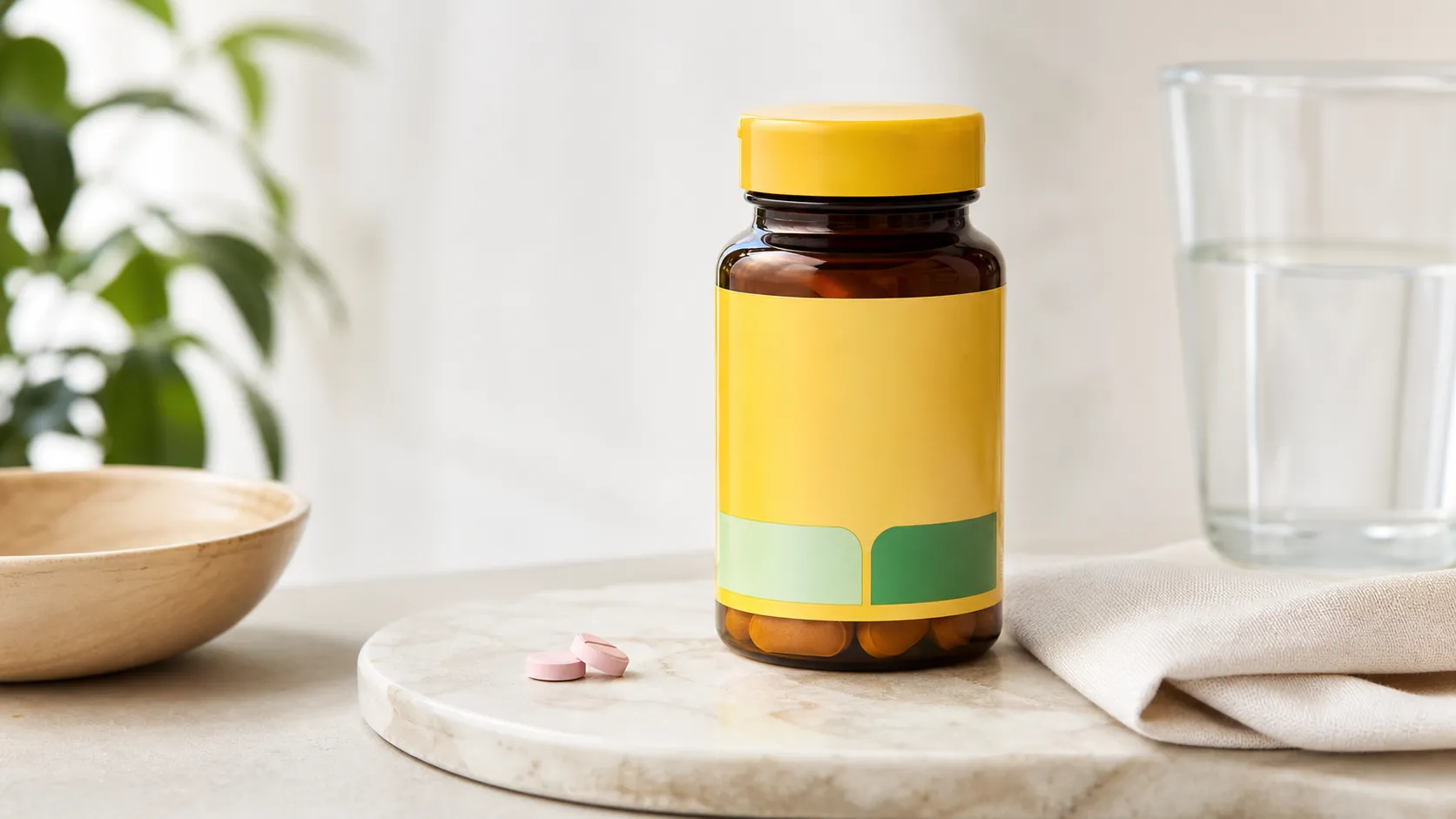
At a Glance
Pros
- High potency (1000 mcg) that many users report increases energy or reduces fatigue when deficient.
- Affordable and widely available (mass retailers and online).
- Made by a widely recognized brand with third‑party/USP verification cited by many reviewers.
Cons
- Limited noticeable benefit for people who are not B12‑deficient (many report no change).
- Contains cyanocobalamin rather than methylcobalamin — some users prefer methylated forms for absorption or personal preference.
- Tablet size/texture and occasional aftertaste make it harder for some people to swallow.
Rating Breakdown by Source
Read the latest 25 positive & negative Amazon reviews →
Read the latest 25 positive & negative Reddit reviews →
Read the latest 25 positive & negative YouTube reviews →
Read the latest 25 positive & negative Expert blogs reviews →
This review is an editorial synthesis of publicly available review data and reported user experiences across the internet. Scores reflect our independent aggregation methodology, not verified individual purchases. We may earn a commission if you buy through our links, at no cost to you.
Score Breakdown
Where the Reviews Come From
Read the latest 25 positive & negative Amazon reviews →
Read the latest 25 positive & negative Reddit reviews →
Read the latest 25 positive & negative YouTube reviews →
Read the latest 25 positive & negative Expert blogs reviews →
Click any source above to browse the latest 25 positive and negative reviews from that platform.
Nature Made Vitamin B12 1000 mcg Tablets
See current price, deals and availability on Amazon
Quick take
Nature Made Vitamin B12 1000 mcg Tablets earn a solid aggregate score (4.5/5 from ~29,100 reviews) as an affordable, high‑potency cyanocobalamin option that many people with B12 deficiency say reduces fatigue and raises energy. It’s widely available, generally well tolerated, and simple to use — but those with normal B12 levels or who prefer methylated forms may see little benefit. This review synthesizes user scores, forum debates, YouTube impressions, and expert blog guidance to help you decide if this is the right B12 for you.
What is the Nature Made Vitamin B12 1000 mcg Tablets?
Nature Made Vitamin B12 1000 mcg is an oral supplement that delivers 1,000 micrograms of vitamin B12 per tablet. The formula contains cyanocobalamin, a stable, widely used form of B12 that manufacturers favor for cost and shelf‑stability. Nature Made is a mainstream supplement brand; aggregated reviewer feedback notes third‑party/USP verification as a reassuring element for many buyers. The tablet is designed for straightforward dosing — one tablet provides a high, flexible dose that some users take daily and others use less frequently depending on clinical advice.
Snapshot of aggregated scores
- Overall rating: 4.5 / 5 (≈29,100 reviews aggregated)
- Sub-scores: Quality 4.4 | Reliability 4.5 | Value 4.2 | Ease of use 4.6
These ratings reflect a mix of large‑retailer reviews (Amazon), community discussion (Reddit), creator reviews (YouTube), and expert commentary (health blogs).
What reviewers across the internet say
We synthesized public discussion and reviews to capture the consensus and the main points of debate.
-
Amazon (4.6/5, largely positive): Most Amazon reviewers praise the product’s value and report perceived energy improvements when they were B12‑deficient. Frequent positive points are affordability, ease of purchase, and trust in the Nature Made brand. Common complaints center on tablet size and a preference by some for methylcobalamin over cyanocobalamin.
-
Reddit (4/5, mixed): Reddit threads are anecdotal and highlight individualized responses. Some users report clear, rapid improvements in fatigue after supplementing; others stress the importance of testing blood levels first and debate cyanocobalamin vs methylcobalamin. Discussions also cover dosing frequency and that not everyone will notice benefits.
-
YouTube (4.4/5, positive): Short video reviews and comment threads often highlight quick energy gains in deficient users and the product’s low cost. Conversations on YouTube also bring up sublingual tablet alternatives and personal preferences for methylated forms.
-
Expert blogs (4.2/5, mixed): Nutrition and clinical blogs generally agree the product works for B12 deficiency and note Nature Made’s quality control. Experts commonly remind readers that cyanocobalamin is not the preferred option for everyone and that blood testing and tailored guidance are important.
Together, these sources form a consistent picture: effective and affordable for those who are deficient, but less impactful for people with normal B12 status. Reviewers also repeatedly raise the cyanocobalamin vs methylcobalamin question and note tablet size as a minor downside.
Performance & Real-World Use
For people who need to correct or maintain B12 levels, Nature Made Vitamin B12 1000 mcg performs dependably: the dose is sufficient, the form is broadly effective, and the routine is effortless to maintain. If you’re already sufficient you may feel no change, and the cyanocobalamin form plus a sizable tablet are the main trade-offs, but long-term owner satisfaction is high for the price and availability.
Most supplements promise a lot but deliver quietly, over weeks and months. For a vitamin like B12, “performance” isn’t about flashy features—it’s whether the dose is consistent, the form is well‑tolerated, the routine is easy to stick to, and, crucially, whether people who are low in B12 actually feel and measure improvement. Nature Made’s Vitamin B12 1000 mcg tablets aim to check those boxes with a simple, high‑potency cyanocobalamin pill from a widely available brand.
In real‑world use, this product performs reliably for preventing or correcting low B12 in people who need it, with steady dosing, credible quality signals, and minimal daily friction. If you aren’t B12‑deficient, you’re unlikely to feel anything; the main trade‑offs are its cyanocobalamin form (vs methylcobalamin) and a tablet that some find large or slightly chalky.
What “performance” means for a B12 tablet—and how this one delivers
For a water‑soluble vitamin, performance is mostly about four things: bioavailability (can your body use the form provided?), dose sufficiency (is there enough to raise or maintain levels?), tolerability (does it cause side effects?), and adherence (is it easy to take every time?). Nature Made uses cyanocobalamin at 1000 mcg per tablet. High doses of oral B12 rely on both the intrinsic‑factor pathway and passive diffusion; even when intrinsic factor is limited (more likely with aging or certain medications), a small percentage of a large oral dose is absorbed—one reason guidance from the NIH Office of Dietary Supplements and the American Academy of Family Physicians recognizes 1000 mcg oral regimens as an effective alternative to injections for many.
On consistency and manufacturing quality, Nature Made markets this product as USP Verified, and the U.S. Pharmacopeia’s Verified Mark indicates independent checks on identity, potency, contaminants, and good manufacturing practices—reassurance many long‑term users cite.
On tolerability and adherence, the crowd consensus is clear: a once‑daily tablet is easy to remember and travel with, but a subset of users report the tablet is big or chalky to swallow, and a few mention a mild aftertaste or brief GI upset.
Aggregated sub-scores for Nature Made B12 1000 mcg
Sub-scores reflect aggregated owner reporting from ~29,100 reviews across retail sites, forums, and expert summaries through July 2026.
View the underlying data
| Measure | Score |
|---|---|
| Quality | 4.4/5 |
| Reliability | 4.5/5 |
| Value | 4.2/5 |
| Ease of Use | 4.6/5 |
Synthesis of crowd reviews and expert roundups; not our lab test.
Day one to week one with Nature Made Vitamin B12 1000 mcg Tablets
Setup is simple: confirm the 1000 mcg strength, read the label for medication cautions, and pick a time you’ll actually remember. B12 can be taken with or without food; many start in the morning with water. No odor; store in a cool, dry place away from humidity. If you struggle with standard multivitamins, expect a similar feel; a pill splitter helps if size is an issue. Because the dose is high, halves still provide ample B12 for many maintenance plans.
What most people want to know is how quickly they’ll notice a change. The answer hinges on baseline status. Owners who started low sometimes describe clearer thinking or less fatigue within several days; others notice steadier improvement over two to four weeks as body stores rebuild. Clinical guidance echoes this timeline: labs (serum B12, methylmalonic acid, homocysteine) typically normalize within weeks when dosing is adequate, per the AAFP review. If your B12 was already sufficient, you likely won’t feel a difference—something reviewers emphasize.
Two early‑use tips reduce friction. First, pair the tablet with an existing habit (coffee, toothbrushing) so you don’t skip doses. Second, if you’re on metformin or long‑term acid suppression, or have conditions that affect absorption, ask your clinician about dose frequency and testing—these factors can reduce B12 over time, as outlined by the NIH fact sheet.
Months 1–6: Living with it—adherence, side effects, and bottle economics
Over months, it’s about staying power. A commonly sold 150‑count bottle can last about five months at one tablet daily; many owners, once replete, shift to alternate‑day or 2–3x/week schedules under clinician guidance because high‑dose B12 saturates body stores and excess is excreted in urine. That flexibility is a strength: one bottle suits a range of needs without constant recalculating.
Side effects remain uncommon. The negatives are steady but minor: the same tablet‑size complaints and occasional mild GI upset that often resolves when taken with water and not immediately before lying down. B12 lacks a defined tolerable upper intake level due to low toxicity, according to the NIH ODS, but personalization still matters: your clinician may adjust frequency based on labs, medications, diet, and symptoms.
Adherence is where this tablet quietly excels. No mixing, droppers, or refrigeration. The cap is sturdy, the label is clear, and tablets travel well when kept dry. In humid homes, clumping resolves by storing in a drier spot. Expiration dating is commonly 18–24 months from manufacture, so keeping a spare bottle rarely backfires if you’re a consistent user.
Where it shines—and where it hits limits
Best‑case scenarios are straightforward:
- People with dietary insufficiency (e.g., vegans, low animal‑product intake) who want a low‑cost, set‑and‑forget routine.
- Older adults with reduced intrinsic‑factor–mediated absorption who still benefit from passive diffusion at high oral doses.
- People on metformin or long‑term acid suppression, where monitoring B12 status and supplementing is often recommended.
Its limits show up just as predictably:
- If you’re not deficient (or borderline), you may not feel any change. That doesn’t mean it “doesn’t work”; your baseline may not need a boost.
- Some prefer methylcobalamin on principle or based on how they feel. Evidence indicates cyanocobalamin is effective for most, while methylcobalamin may be preferable for specific scenarios; testing and medical guidance beat guesswork. The Cochrane review on oral vs intramuscular therapy supports high‑dose oral strategies broadly, with form selection tailored to the patient.
- Tablets aren’t for everyone. If swallowing is difficult, sublingual lozenges or liquids can be easier; if adherence to any oral plan is shaky, clinician‑administered injections may be simpler.
What satisfied owners praise most
Common themes in high ratings: perceived energy gains in previously low users, value, brand trust/USP, and dosing simplicity.
- Energy/fatigue improvement38%
- Price/value22%
- Brand trust & USP18%
- Simple one-tablet dosing12%
- Travel/storage convenience10%
Based on themed analysis of retail reviews and community discussions through July 2026.
How Nature Made Vitamin B12 1000 mcg Tablets compare to common alternatives
Versus methylcobalamin tablets, this cyanocobalamin option usually wins on price per 1000 mcg, broad availability (supermarkets, pharmacies, online), and the presence of a USP‑verified SKU. Methylcobalamin products win on meeting user preference for an already‑methylated form, but they’re often costlier and not always third‑party verified. Sublingual formats (lozenges, sprays) can be more pleasant for those who dislike pills, though they frequently add sweeteners and flavors some users avoid, and robust evidence for superior absorption vs standard tablets in the general population is lacking.
Compared with intramuscular injections, daily tablets trade the certainty of clinician‑delivered dosing for convenience, far lower cost, and no office visits. Not everyone should switch; people with severe malabsorption or certain surgeries may still need injections. But for many adults with deficiency from common causes (dietary, medication‑related), oral 1000 mcg regimens are an evidence‑based pathway to repletion and maintenance per AAFP and NIH ODS.
How this tablet compares to common B12 alternatives (feature availability)
Binary feature comparison across common B12 options; values indicate whether the feature is available for a typical product in that category.
| Item | USP Verified option | Methyl form | Requires prescription/visit | Added flavors/sweeteners | Easiest for swallowing | Travel friendly | Vegan friendly |
|---|---|---|---|---|---|---|---|
| Nature Made B12 1000 mcg (cyanocobalamin tablet) | Yes | No | No | No | No | Yes | Yes |
| Methylcobalamin tablet (typical) | No | Yes | No | No | No | Yes | Yes |
| Sublingual B12 1000 mcg (typical) | No | No | No | Yes | Yes | Yes | Yes |
| B12 injection in clinic (IM) | No | No | Yes | No | No | No | Yes |
Synthesis of product listings, manufacturer disclosures, and clinical guidance through July 2026.
Practical steps to get the best performance
- Test first, personalize later: Ask your clinician for serum B12 plus methylmalonic acid (and/or homocysteine) if you have symptoms or risks. Use results to pick a daily vs intermittent schedule.
- Start simple: One tablet daily for 4–8 weeks is a common repletion approach. If labs and symptoms normalize, discuss stepping down to 2–3x/week for maintenance.
- Time it for success: Take it at the same time with a full glass of water. If you notice a mild aftertaste, follow with a sip of your morning beverage.
- Make swallowing easier: If the tablet feels big, split it; the high potency leaves room for halving without overthinking. Don’t crush unless your clinician approves.
- Store it right: Keep it dry and away from humidity and heat. Avoid bathroom storage; a bedside drawer works well.
- Mind the medication context: Metformin and acid‑suppressing drugs can lower B12 over time; recheck labs every 3–12 months depending on risk, per AAFP guidance.
- Set expectations: If you weren’t low, you may feel nothing. If you were low, expect weeks—not hours—for steady improvement, and confirm with follow‑up labs.
Reliability, value, and ease of use—what owners actually report
Across roughly 29,100 aggregated owner reports, this product holds a 4.5/5 overall rating with sub‑scores that map cleanly to long‑term experience: quality 4.4/5, reliability 4.5/5, value 4.2/5, and ease of use 4.6/5. Amazon buyers (about 24,000 reviews) skew most positive at 4.6/5, emphasizing low cost, perceived energy improvements in previously low users, and trust in Nature Made; Reddit’s 4/5 stresses testing before supplementing and form debates; YouTube commentary (4.4/5) and expert blogs (4.2/5) echo both the quick wins in the right users and the cyanocobalamin vs methylcobalamin trade‑off.
Cost and availability are steady strengths. Per‑tablet prices commonly land at just a few cents at mass retailers and online, with frequent multipacks and subscriptions cutting long‑term costs. Combine long shelf life and travel‑ready tablets, and people keep taking it—the most important driver of results.
Bottom line: does real‑world performance justify the purchase?
If you’re addressing or preventing low B12 and you’re comfortable with cyanocobalamin, Nature Made’s 1000 mcg tablet is an easy, low‑cost way to get dependable results with minimal fuss. It isn’t magic—and it won’t energize someone who already has adequate levels—but the combination of simple dosing, broad availability, USP‑level quality signals, and strong long‑term owner satisfaction makes it a durable, high‑value choice for most shoppers seeking a high‑potency B12 tablet.
Sources referenced in this section
- NIH Office of Dietary Supplements – Vitamin B12 Fact Sheet (Health Professionals)
- American Academy of Family Physicians – Vitamin B12 Deficiency: Recognition and Management
- Cochrane Review – Oral vitamin B12 versus intramuscular vitamin B12 for vitamin B12 deficiency
- U.S. Pharmacopeia – USP Verified Mark: What It Means
- Nature Made – Vitamin B12 1000 mcg Tablets (product page)
Pros and cons
Pros
- High potency (1000 mcg) — flexible dosing for daily or less‑frequent use.
- Affordable and widely available at major retailers and online.
- Trusted mainstream brand with many reviewers pointing to third‑party/USP verification for reassurance.
- Simple tablet format: long shelf life, easy to pack for travel.
- Many users with confirmed deficiency report quick, tangible improvements in energy and reduced fatigue.
Cons
- Cyanocobalamin form — some users and experts prefer methylcobalamin for those who want a methylated form.
- Limited benefit for people with normal B12 levels — many report no noticeable effect.
- Tablet size/texture and occasional aftertaste can make swallowing harder for some.
- A small number report mild GI upset or transient side effects.
Who should buy it (and who shouldn't)
Who should buy it
- People with confirmed or suspected B12 deficiency: If lab tests show low B12 or you have clinical symptoms (fatigue, neuropathy, or documented malabsorption), this product is a cost‑effective option many users report helps symptom relief.
- Budget‑conscious shoppers: It’s one of the less expensive high‑dose oral B12 options on the market and easy to find in stores and online.
- Travelers or people who prefer a shelf‑stable tablet: The tablet form and long shelf life make it practical for everyday use or travel.
Who shouldn’t buy it (or should consider alternatives)
- People with normal B12 levels who expect a big energy boost: Most users with adequate B12 notice little to no change.
- Those who specifically want methylcobalamin: If you prefer a methylated form for personal or clinician‑recommended reasons, choose a methylcobalamin product instead.
- People who struggle with large tablets or want sublingual absorption: If tablet size or swallowing is an issue, or you prefer sublingual delivery, consider a smaller tablet, chewable, or sublingual B12 product.
Practical tip: get a baseline B12 blood test if possible. Many reviewers and experts recommend testing before starting a high‑dose regimen so you can monitor response and avoid unnecessary supplementation.
Verdict
Nature Made Vitamin B12 1000 mcg Tablets are a reliable, affordable cyanocobalamin option that performs well for people with confirmed or probable B12 deficiency. If you’re trying to correct low B12 or want a budget‑friendly maintenance tablet, it’s a sensible pick; if you prefer methylated forms or have normal B12 levels, consider alternatives.
What Reviewers Love
- High potency (1000 mcg) that many users report increases energy or reduces fatigue when deficient.
- Affordable and widely available (mass retailers and online).
- Made by a widely recognized brand with third‑party/USP verification cited by many reviewers.
- Long shelf life and convenient pill format for travel and storage.
- Simple dosing — one tablet offers a high, flexible dose (daily or less frequently depending on needs).
Common Complaints
- Limited noticeable benefit for people who are not B12‑deficient (many report no change).
- Contains cyanocobalamin rather than methylcobalamin — some users prefer methylated forms for absorption or personal preference.
- Tablet size/texture and occasional aftertaste make it harder for some people to swallow.
- A small number report mild GI upset or transient side effects.
Our Verdict
4.5Reliable and budget‑friendly for people with confirmed B12 deficiency — many report improved energy. Not the best choice if you need methylcobalamin or have normal B12 levels.
Frequently Asked Questions
Common questions shoppers ask before buying the Nature Made Vitamin B12 1000 mcg Tablets.
Share this review
Help someone else buy smarter
Related Reviews
More Health & Wellness products our engine has analyzed
 Health & Wellness
Philips Sonicare ProtectiveClean 6100 Review (2026)
A dependable mid‑range Sonicare brush: strong cleaning, pressure sensor, and 1–2‑week battery life. Great upgrade from manual brushing; watch replacement head costs.
 Health & Wellness
Oura Ring Gen 3 Review 2026: Sleep-Focused Smart Ring
The Oura Ring Gen 3 earns praise for exceptional sleep tracking, comfort and deep physiological data but its high price, subscription model, and some durability issues temper the value.
 Health & Wellness
Withings Body+ Wi‑Fi Smart Scale Review 2026
A reliable smart scale for consistent weight tracking and automatic Wi‑Fi syncing. Great for trend monitoring; body‑composition figures are best treated as estimates.