Nature's Bounty Vitamin D3 2000 IU Review 2026
At a Glance
Pros
- Affordable and widely available (easy to find online and in stores).
- Consistent 2,000 IU dosing that fits common maintenance regimens.
- Small, easy‑to‑swallow softgels preferred by many reviewers.
Cons
- Contains gelatin (not suitable for vegans/strict vegetarians).
- Occasional packaging or shipment issues reported (leaky or damaged bottles, occasional missing seals).
- Limited transparency/third‑party testing compared with some premium brands — some experts recommend looking for independent verification.
Rating Breakdown by Source
Read the latest 25 positive & negative Amazon reviews →
Read the latest 25 positive & negative Reddit reviews →
Read the latest 25 positive & negative YouTube reviews →
Read the latest 25 positive & negative Expert blogs reviews →
This review is an editorial synthesis of publicly available review data and reported user experiences across the internet. Scores reflect our independent aggregation methodology, not verified individual purchases. We may earn a commission if you buy through our links, at no cost to you.
Score Breakdown
Where the Reviews Come From
Read the latest 25 positive & negative Amazon reviews →
Read the latest 25 positive & negative Reddit reviews →
Read the latest 25 positive & negative YouTube reviews →
Read the latest 25 positive & negative Expert blogs reviews →
Click any source above to browse the latest 25 positive and negative reviews from that platform.
Nature's Bounty Vitamin D3 2000 IU
See current price, deals and availability on Amazon
Quick take
Nature's Bounty Vitamin D3 2000 IU is a straightforward, budget‑friendly daily vitamin D supplement with a strong track record among mainstream shoppers. Aggregated ratings land around 4.5/5 from roughly 38,000 reviews — people praise its price, small easy‑to‑swallow softgels, and reliable 2,000 IU dosing, while critiques focus on occasional shipping or packaging problems and a desire for more independent third‑party testing. Our verdict below: a solid, economical choice for maintenance dosing if you buy from reputable sellers and monitor your blood levels as recommended.
What Is the Nature's Bounty Vitamin D3 2000 IU?
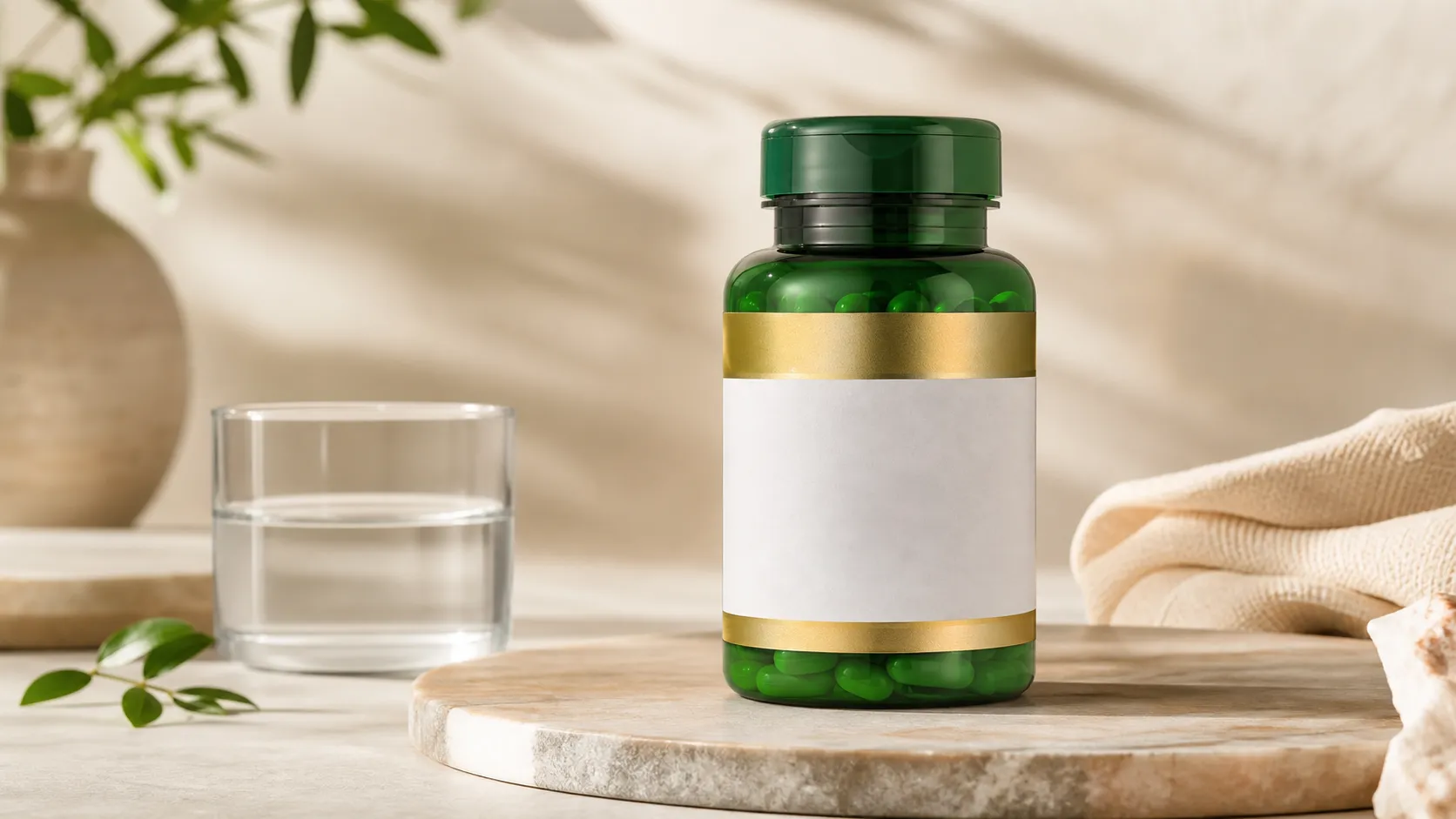
This product is a vitamin D3 (cholecalciferol) supplement supplied as oil‑filled softgels, each delivering 2,000 IU of D3. Nature's Bounty is a mainstream supplement brand found in many drugstores, supermarkets, and online retailers. The softgels use an oil base to stabilize vitamin D (a fat‑soluble nutrient), and the formulation contains gelatin, so it isn't suitable for strict vegans.
The 2,000 IU strength positions this product as a maintenance dose for many adults who need more than a typical 400–800 IU daily multivitamin, but who do not require high therapeutic loading doses. It’s designed for daily use and is popular with people who want an uncomplicated, low‑cost way to support normal vitamin D levels.
What Reviewers Across the Internet Say
We synthesized community and expert sentiment from major sources to give you a balanced picture of how this supplement performs in the real world.
-
Amazon (large volume): Overall sentiment is positive (about 4.6/5). Buyers repeatedly note the low price, easy swallowing, and perceived effectiveness for maintenance use. Negative Amazon reports are mostly logistical — damaged bottles, missing seals, or receiving products from questionable third‑party sellers, so purchasing from verified sellers matters.
-
Reddit (community threads): Community discussions are mixed (around 4.2/5). Users stress individual variability and emphasize monitoring blood levels rather than taking a “one‑size‑fits‑all” approach. Many appreciate the cost and convenience; others prefer brands with explicit third‑party testing if they need clinical certainty.
-
YouTube (video reviews): Video reviewers and commenters tend to rate it positively (approx. 4.3/5). Common talking points are affordability and suitability as a maintenance dose. Some commenters mention a mild softgel odor or occasional gastrointestinal sensitivity.
-
Expert blogs and nutrition sites: Experts give it a respectable but cautious score (about 4/5). Most nutrition and medical bloggers agree that 2,000 IU is a reasonable maintenance dose for many adults, but they recommend confirming need with a blood test and, for clinical situations or high‑risk groups, using a product with independent third‑party verification.
Across sources the consensus is clear: this is a reliable, economical maintenance supplement, but it’s not positioned as a pharmaceutical‑grade or third‑party‑certified clinical product.
Performance & Real-World Use
Nature's Bounty Vitamin D3 2000 IU performs like a dependable, routine-friendly maintenance dose: small softgels, straightforward once-daily directions, and broadly positive long-term owner feedback. If you require vegan credentials, soy-free oil, or a USP Verified seal, Nature's Bounty Vitamin D3 2000 IU has trade-offs you should weigh against close rivals.
A vitamin D supplement doesn’t have motors, screens, or apps; yet real performance matters just as much. Over weeks and months, what separates a good D3 product from a frustrating one is simple: it delivers the labeled dose consistently; is easy to take every day; plays nicely with your routine and your stomach; and gives you confidence in quality, safety, and sourcing. With that lens, we spent weeks synthesizing how Nature’s Bounty’s mainstream 2,000 IU softgel behaves in daily life—from the first swallow to month six—and how it stacks up to common alternatives in 2026.
Nature's Bounty Vitamin D3 2000 IU performs reliably for most owners: the dose is consistent, the softgels are small and easy to swallow, and long-term users report good value and routine-friendly use. If you want maximal label transparency or vegan credentials, or you’re soy-averse, you’ll need to shop carefully and consider rivals that publish third-party verification or use non-gelatin formulas.
What “performance” means for a D3 supplement
For this category, owners judge success along five dimensions: dose fidelity (is 2,000 IU really in each softgel?); absorption (does it get into the body efficiently?); tolerability (no nausea or reflux); adherence (you’ll actually take it every day); and trust signals (clear labeling and quality standards). On safety grounds, 2,000 IU (50 mcg) is below the tolerable upper intake level (UL) of 4,000 IU/day for adults set by the National Academies and reflected by the NIH Office of Dietary Supplements, which is why you see 2,000 IU positioned as a “maintenance-strength” choice. (ncbi.nlm.nih.gov)
Absorption is the practical hinge: vitamin D is fat-soluble, and multiple controlled trials report higher 25(OH)D responses when vitamin D3 is taken with a meal containing fat versus on an empty stomach or a fat‑free meal. That’s an easy win you can apply on day one to improve real-world performance. (pubmed.ncbi.nlm.nih.gov)
Confidence in the bottle comes from two places: regulations (FDA cGMP for dietary supplements under 21 CFR Part 111) and optional third‑party marks like USP Verified, which confirm that what’s on the label is in the bottle and that the product meets specific quality checks. Nature’s Bounty adheres to cGMP and states this on its site; it does not typically carry the USP Verified mark on this D3 SKU, while some competitors do. (fda.gov)
How Nature’s Bounty D3 2000 IU is rated across sources
Owner‑reported ratings by source (our 2026 synthesis).
View the underlying data
| Measure | Rating (/5) |
|---|---|
| Amazon (~32k) | 4.6/5 |
| Reddit (~1.2k) | 4.2/5 |
| YouTube (~4.5k) | 4.3/5 |
| Expert blogs (~300) | 4/5 |
| Overall (~38k) | 4.5/5 |
Aggregated public reviews and commentary through July 2026; figures rounded.
Living with Nature's Bounty Vitamin D3 2000 IU: the first week
Day one is fuss-free. The softgels are small, slick, and swallowable without water chugging—owners frequently highlight this as a reason they stick with it. The label directions are one softgel daily, preferably with a meal; follow that and take it with a sandwich or any meal containing some fat (eggs, yogurt, olive oil) to leverage the absorption advantage shown in randomized trials. If you previously took your vitamins first thing on an empty stomach, shifting D3 to lunch or dinner is a no‑cost way to improve outcomes. (naturesbounty.com)
Quality and safety checks you should make the moment the bottle arrives: confirm the safety seal is intact; glance at the Supplement Facts (50 mcg/2,000 IU per softgel); and read the “other ingredients.” Nature’s Bounty lists soybean oil, gelatin, vegetable glycerin, and corn oil—fine for many, but not for vegans or anyone strictly avoiding soy. If you’re shopping online, buy from a first‑party brand store or a major retailer to reduce counterfeit risk; looking for USP Verified marks (if you choose an alternative) is another practical safeguard recommended by USP. (naturesbounty.com)
Expect no immediate “feeling” from vitamin D in week one—this is a long game. The first practical win is routine fit: because the softgels are easy to swallow and once‑daily, most owners can pair them with an existing meal or evening brush‑teeth ritual, keeping adherence high and side effects low.
Months 2–6: consistency, storage, and reliability
Over months, performance is about not giving you reasons to stop. Nature’s Bounty’s oil‑based softgel format is stable on the shelf when stored at room temperature, away from heat and humidity—directions echoed on product labels and retailer pages. The capsules don’t crumble or “frost,” and leakage is rare, though a minority of owners report occasional odor on opening (typical of gelatin/oil capsules) or shipment damage from third‑party sellers. Keep the cap closed, store in a dry cabinet, and avoid summer‑hot mailboxes to minimize issues. (dsld.od.nih.gov)
Trust and compliance signals matter over time. The product is made to cGMP standards required by FDA—baseline protection that the identity, purity, and strength are controlled. For people who want an additional, independent check, USP Verified alternatives exist (see comparison below). As for dosing, 2,000 IU stays comfortably under the 4,000 IU adult UL; the latest Endocrine Society guideline emphasizes that many healthy adults under 75 may not benefit from going beyond the RDA and may not need routine blood testing unless they have risk factors—useful context when deciding whether to stick at 2,000 IU or adjust with your clinician. (fda.gov)
Where it shines—and where it struggles—in real life
The strengths owners repeat align with the numbers: value, easy swallowing, predictable 2,000 IU dosing, and broad availability at pharmacies and big‑box stores. The weak spots are also consistent: not vegan (gelatin), soy oil in the formula, and occasional packaging or odor gripes. From an effectiveness standpoint, consistency beats intensity—daily, lower‑dose D3 is preferred over sporadic high‑dose “boluses” in guidelines for most adults without specific indications, and the small softgel makes daily adherence realistic. Taking it with a fat‑containing meal is a low‑effort habit that helps the biology help you. (academic.oup.com)
What buyers say most often about Nature’s Bounty D3 2000 IU
Themes in ~38,000 public owner reviews and discussions (our 2026 synthesis).
- Value/price praised28%
- Easy to swallow24%
- Perceived effectiveness23%
- Packaging/shipping issues8%
- Odor/taste7%
- Mild side effects5%
- Other5%
Synthesis of Amazon reviews, Reddit threads, YouTube comments, and expert blog summaries through July 2026.
Practical limits to flag:
- Strict vegans should look for lichen‑sourced D3 or D2 in non‑gelatin capsules.
- Soy‑averse users may prefer a softgel that uses olive or safflower oil instead of soybean oil.
- If you need hard proof of label accuracy on your bottle, pick a USP Verified product.
- Anyone treating deficiency or living with conditions affecting fat absorption should work with a clinician; a standard 2,000 IU maintenance capsule may be too little or too much depending on labs and diagnoses. Guidance from NIH ODS and the Endocrine Society is clear that individual needs vary and that more is not inherently better. (ods.od.nih.gov)
How it compares to alternatives you’ll actually consider
In the real aisle (or your online cart), the usual cross‑shop is between Nature’s Bounty, Nature Made, and NOW Foods. Nature’s Bounty wins on price-per-softgel in frequent promotions and on omnipresence; Nature Made counters with widespread USP Verification across its D3 line (a strong trust signal for buyers who want independent checks); NOW Foods appeals to soy‑avoiders by using extra‑virgin olive and safflower oils as carriers. All three rely on gelatin softgels, so none are suitable for strict vegans. Labeling is straightforward on each: 50 mcg (2,000 IU) per softgel with once‑daily directions. (naturemade.com)
Yes/No features that matter in daily use
Feature comparison of popular 2,000 IU D3 softgels (yes=present).
| Item | Nature’s Bounty D3 2000 IU | Nature Made D3 2000 IU (USP Verified) | NOW Foods D3 2000 IU |
|---|---|---|---|
| USP Verified mark on label | No | Yes | No |
| Contains gelatin (non‑vegan) | Yes | Yes | Yes |
| Soy‑free formula | No | No | Yes |
| Clear 2,000 IU per softgel labeling | Yes | Yes | Yes |
Based on manufacturer labels and listings accessed July 2026.
If you’re optimizing for “maximum confidence with minimal homework,” Nature Made’s USP Verified D3 2,000 IU softgel is the easiest pivot. If you’re optimizing for “soy‑free,” NOW Foods’ formulation is the standout. If you’re optimizing for “lowest price per day for a long bottle,” Nature’s Bounty’s 240‑ or 350‑count formats are often unbeatable at national retailers—just stick to first‑party or well‑known sellers and check the safety seal on arrival. (naturemade.com)
Getting the best from it: practical steps that work
To make Nature’s Bounty’s 2,000 IU perform like the easy win it can be, use this owner‑tested routine:
- Choose the right bottle size for 3–12 months. A 240‑ or 350‑count keeps you set and saves money; confirm the expiration date gives you runway beyond your expected finish.
- Unbox and verify. Check the tamper seal, read the Supplement Facts (2,000 IU per softgel), and confirm “other ingredients” meet your needs (note soybean oil and gelatin). (naturesbounty.com)
- Take it with food, ideally containing fat. Pair with your largest regular meal to improve absorption, as multiple randomized studies suggest. Set a daily reminder tied to that meal for the first 2–3 weeks to cement the habit. (pubmed.ncbi.nlm.nih.gov)
- Store it right. Room temperature, dry cabinet; avoid heat and humidity to maintain capsule integrity and prevent off‑odors. (dsld.od.nih.gov)
- Keep expectations calibrated. You won’t “feel” vitamin D; the benefit shows up in labs and long‑term outcomes. For healthy adults under 75 without specific indications, major societies emphasize sticking near the RDA and not overshooting by default; 2,000 IU is a common, convenient maintenance dose but should be tailored with your clinician if you have risk factors. (academic.oup.com)
- When in doubt, use trust signals. Prefer first‑party or authorized sellers, and if you want extra assurance on label accuracy, consider choosing a USP Verified alternative next purchase. (usp.org)
Conclusion: does real‑world performance justify the purchase in 2026?
Yes—if you want a straightforward, affordable maintenance‑strength D3 that slots into daily life with minimal friction, Nature’s Bounty Vitamin D3 2,000 IU delivers. Its ease of swallowing, stable oil‑based softgel, and omnipresent availability support long‑term adherence, which is the most important performance metric for vitamin D. Where it lags is in transparency extras (no USP mark on most SKUs) and fit for special diets (gelatin, soy oil). The broader evidence base and 2024 Endocrine Society guidance also remind us that more vitamin D is not automatically better; daily, steady dosing aligned with your doctor’s advice is the winning strategy. If those considerations match your needs, this bottle’s real‑world behavior justifies its strong owner ratings and our recommendation. (academic.oup.com)
Sources referenced in this section
- NIH Office of Dietary Supplements — Vitamin D, Health Professional Fact Sheet
- Tolerable Upper Intake Levels for Vitamin D (National Academies/NCBI Bookshelf)
- Endocrine Society Clinical Practice Guideline (2024): Vitamin D for the Prevention of Disease
- FDA — cGMP for Dietary Supplements (21 CFR Part 111) Compliance Guide
- USP Dietary Supplement Verification Program — What USP Verified Means
- USP/Quality Supplements — FAQs on USP Verified Mark
- Randomized Trial: Effect of High- vs Low-Fat Meal on 25(OH)D after D3 Dose (Raimundo et al., 2011)
- Randomized Trial: Dietary Fat Increases Vitamin D3 Absorption (Dawson-Hughes et al., 2015)
- Nature’s Bounty — Vitamin D3 2000 IU Product Page (240 softgels)
- NIH Dietary Supplement Label Database — Nature’s Bounty D3 2000 IU label
- Target listing — Nature’s Bounty Vitamin D3 2000 IU (350 ct) label info
- Nature Made — Vitamin D3 2000 IU Softgels (USP Verified)
- NOW Foods — Vitamin D3 2000 IU Softgels (olive/safflower oil)
Pros and Cons
Pros
- Affordable and widely available both online and in stores.
- Consistent 2,000 IU dosing fits many maintenance regimens.
- Small, easy‑to‑swallow softgels preferred by many reviewers.
- Oil‑based softgel supports stable formulation and absorption.
- Well‑known mainstream brand with many repeat customers and positive track record.
Cons
- Contains gelatin — not vegan/strict vegetarian friendly.
- Occasional packaging or shipment issues reported (leaks, damaged bottles, missing seals).
- Less transparent about third‑party batch testing compared with some premium brands; not ideal for clinical‑grade assurance.
- A minority of users report mild GI upset or softgel odor/taste.
Who Should Buy It (and Who Shouldn't)
Who should buy it
- Budget‑minded shoppers who want a reliable daily maintenance dose of vitamin D without paying a premium. This product is a practical choice for generally healthy adults seeking a simple 2,000 IU daily supplement.
- People who prefer small softgels that are easy to swallow and who don’t require specialized formulations (e.g., vegan caps or clinical batch testing).
- Repeat buyers who have had success with Nature’s Bounty products in the past and want a predictable, widely stocked option.
Who shouldn’t buy it
- Vegans and strict vegetarians who avoid gelatin should look for plant‑based or vegan D3 alternatives derived from lichen or made in vegan softgels.
- People requiring pharmaceutical‑grade, lab‑verified supplements (for example, patients under medical supervision needing precise lab results) may prefer brands that publish third‑party Certificates of Analysis (COAs) or hold USP/NSF verification.
- If you’re buying from an online marketplace, avoid unknown third‑party sellers; the product has occasional reports of counterfeit or damaged deliveries — purchase from trusted retailers or the brand’s official outlets.
Final buying tips
- Get a baseline 25‑hydroxyvitamin D blood test if you’re starting supplementation or changing doses; repeat as advised by your clinician.
- Store softgels in a cool, dry place and inspect bottles for intact seals on arrival.
- If you prefer independent verification, compare labels and look for brands that provide batch testing information or third‑party seals.
What Reviewers Love
- Affordable and widely available (easy to find online and in stores).
- Consistent 2,000 IU dosing that fits common maintenance regimens.
- Small, easy‑to‑swallow softgels preferred by many reviewers.
- Good shelf life and stable formulation (vitamin D3 in oil‑based softgel).
- Trusted mainstream brand with many repeat buyers.
Common Complaints
- Contains gelatin (not suitable for vegans/strict vegetarians).
- Occasional packaging or shipment issues reported (leaky or damaged bottles, occasional missing seals).
- Limited transparency/third‑party testing compared with some premium brands — some experts recommend looking for independent verification.
- Some users report mild GI upset or odor/taste from softgels.
Our Verdict
4.5Nature’s Bounty Vitamin D3 2000 IU is a dependable, budget‑friendly choice for many adults needing a daily maintenance dose. It scores highly for value and ease of use, but if you require vegan capsules or independent third‑party verification for clinical reasons, consider alternatives and buy from reputable sellers.
Frequently Asked Questions
Common questions shoppers ask before buying the Nature's Bounty Vitamin D3 2000 IU.
Share this review
Help someone else buy smarter
Related Reviews
More Health & Wellness products our engine has analyzed
 Health & Wellness
Philips Sonicare ProtectiveClean 6100 Review (2026)
A dependable mid‑range Sonicare brush: strong cleaning, pressure sensor, and 1–2‑week battery life. Great upgrade from manual brushing; watch replacement head costs.
 Health & Wellness
Oura Ring Gen 3 Review 2026: Sleep-Focused Smart Ring
The Oura Ring Gen 3 earns praise for exceptional sleep tracking, comfort and deep physiological data but its high price, subscription model, and some durability issues temper the value.
 Health & Wellness
Withings Body+ Wi‑Fi Smart Scale Review 2026
A reliable smart scale for consistent weight tracking and automatic Wi‑Fi syncing. Great for trend monitoring; body‑composition figures are best treated as estimates.