NeilMed Sinus Rinse Nasal Hygiene Kit Review 2026
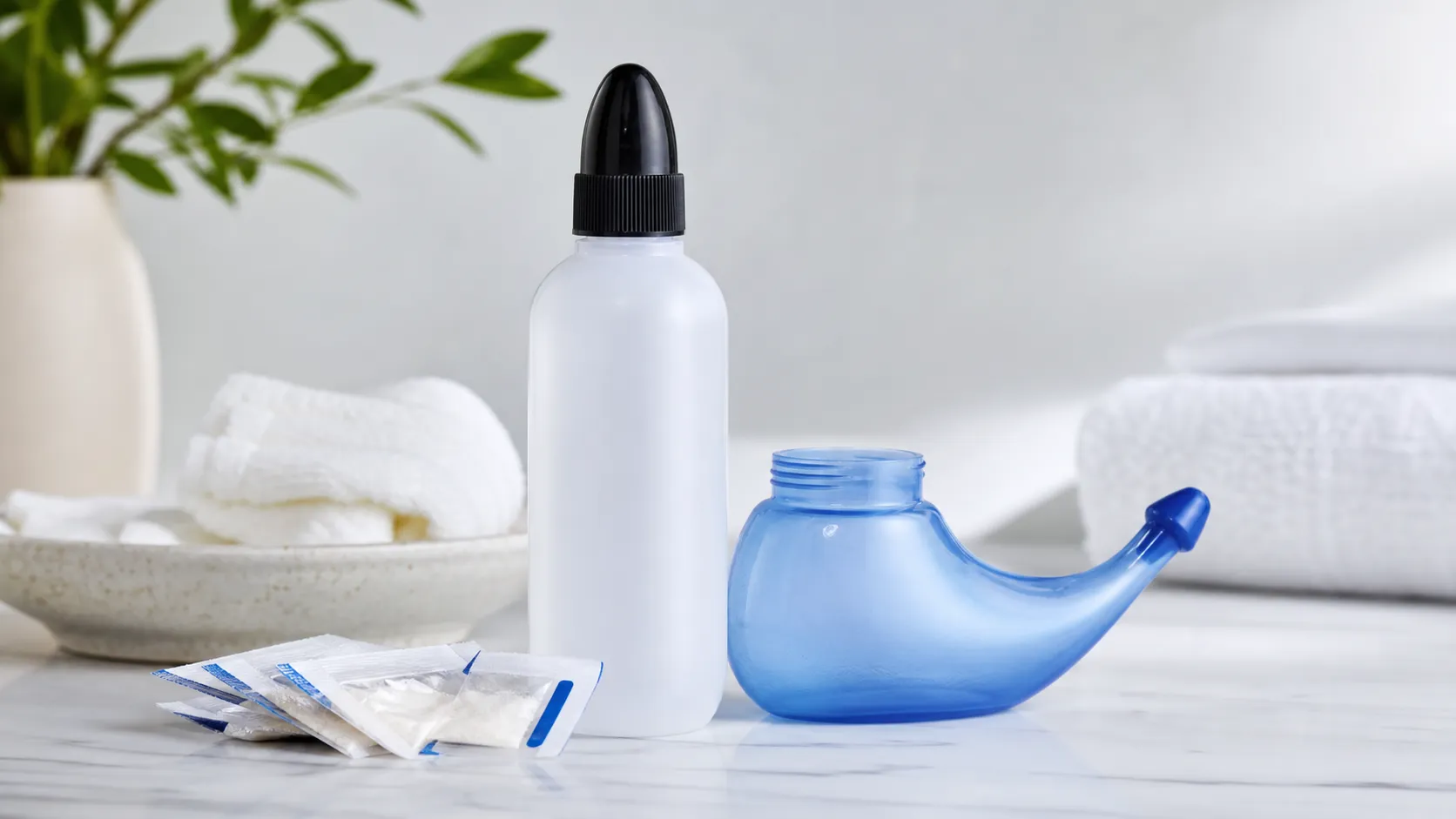
At a Glance
Pros
- Effectively clears mucus and reduces congestion quickly for many users.
- Relatively inexpensive to maintain — saline packets are cheap and last a long time.
- Simple to use and widely available; many users report noticeable symptom relief after first uses.
Cons
- Learning curve — some users report initial discomfort, spray angle/pressure mistakes, or ear pressure until they master technique.
- Bottle durability and sealing — occasional reports of leaking or the squeeze bottle wearing over time.
- Irritation or transient stinging for some users, especially if saline mix is too concentrated or water isn't at a comfortable temperature.
Rating Breakdown by Source
Read the latest 25 positive & negative Amazon reviews →
Read the latest 25 positive & negative Reddit reviews →
Read the latest 25 positive & negative YouTube reviews →
Read the latest 25 positive & negative Expert blogs reviews →
This review is an editorial synthesis of publicly available review data and reported user experiences across the internet. Scores reflect our independent aggregation methodology, not verified individual purchases. We may earn a commission if you buy through our links, at no cost to you.
Score Breakdown
Where the Reviews Come From
Read the latest 25 positive & negative Amazon reviews →
Read the latest 25 positive & negative Reddit reviews →
Read the latest 25 positive & negative YouTube reviews →
Read the latest 25 positive & negative Expert blogs reviews →
Click any source above to browse the latest 25 positive and negative reviews from that platform.
NeilMed Sinus Rinse Nasal Hygiene Kit
See current price, deals and availability on Amazon
Quick take — aggregate verdict up front
The NeilMed Sinus Rinse Nasal Hygiene Kit earns a clear recommendation for most people who need fast, affordable relief from nasal congestion, allergies, or post-nasal drip. Across roughly 25,800 aggregated reviews the product scores 4.4/5 overall with strong marks for value (4.4) and quality (4.3). It works reliably for many users when used correctly, but there’s a short learning curve and some hygiene/maintenance responsibilities to keep it safe and comfortable.
What Is the NeilMed Sinus Rinse Nasal Hygiene Kit?
The NeilMed Sinus Rinse is a saline nasal irrigation system: a soft, squeezable bottle paired with single-use saline powder packets that dissolve in water to create an isotonic wash. The idea is simple — rinse mucus, allergens, and irritants from the nasal passages to reduce congestion and improve breathing. The kit is sold as a starter set with a bottle and multiple saline packets, and replacement bottles, extra packets, and accessory caps are widely available.
It’s not a medication — it’s a mechanical wash — which is why it’s popular as an over-the-counter, low-cost complement to allergy meds or prescribed treatments.
What Reviewers Across the Internet Say
The overall sentiment across platforms is strongly positive, with consistent themes and a few predictable caveats:
- Amazon: Many thousands of buyers rate it highly (approx. 4.5/5 on Amazon in our aggregation). Common praise highlights rapid symptom relief, value of refill packets, and easy shopping for replacements. Complaints usually focus on occasional leaking or bottle wear over long-term use.
- Reddit: Enthusiasts and long-term users give it about 4/5. Community threads offer technique tips (angle, water prep) and realistic troubleshooting rather than dramatic praise — useful for newcomers learning the practice.
- YouTube: Demonstrations and walk-throughs average about 4.2/5. Videos show the method clearly and user comments underscore immediate relief while noting that proper technique is essential to avoid discomfort.
- Expert blogs / ENT sources: Clinical and health blogs (aggregated at ~4.1/5) generally endorse saline irrigation as effective and safe when users follow water-sterilization and device-hygiene guidance.
Taken together, the consensus is: effective, inexpensive, and widely recommended — but technique, water quality, and cleaning matter.
Performance & Real-World Use
In day-to-day use, the NeilMed Sinus Rinse Nasal Hygiene Kit delivers fast, repeatable congestion relief with minimal ongoing cost when you master the simple squeeze-and-breathe technique. Over months of ownership it remains effective if you prepare safe water, mix packets correctly, and clean the bottle regularly; the only common trade‑offs are a short learning curve and occasional bottle wear.
Across ~25,800 public reviews, the consensus is a strong 4.4/5, with praise centering on fast relief and value—and with most complaints pointing to early‑use discomfort, occasional bottle wear, and the need for meticulous hygiene.
In day-to-day use, the NeilMed Sinus Rinse Nasal Hygiene Kit delivers fast, repeatable congestion relief with minimal ongoing cost when you master the simple squeeze-and-breathe technique.
What real‑world performance means for a rinse bottle
For a squeeze‑bottle irrigator, satisfaction hinges on five dimensions:
- Clearance effectiveness: Can it move thick secretions and allergens out of the nose and sinus openings without stinging or backflow?
- Comfort and control: Does the flow rate and nozzle angle feel tolerable and predictable across nostrils and congestion levels?
- Safety protocol: Is it straightforward to use only sterile, distilled, or properly boiled-and-cooled water every time (the non‑negotiable step)?
- Upkeep friction: How long does cleaning, drying, and occasional disinfecting really take, and does the bottle resist leaks over time?
- Total cost of ownership: Are refill packets inexpensive and easy to find, and do replacement bottles/nozzles keep the system viable for years?
On the first two dimensions, large‑volume, low‑pressure irrigation (what this kit is designed to do) consistently outperforms small-volume sprays for symptom relief in routine practice and controlled trials. The flow is gentle but sustained, which helps dislodge mucus and allergens; clinical research shows large‑volume irrigation can improve quality of life more than spray‑only regimens in chronic sinonasal symptoms. (jamanetwork.com)
Aggregated owner sub‑scores for the kit
Owner‑reported sub‑scores (synthesized across major review platforms through Aug 2026).
View the underlying data
| Measure | Owner sub‑score |
|---|---|
| Quality | 4.3/5 |
| Reliability | 4.2/5 |
| Value | 4.4/5 |
| Ease of use | 4/5 |
Synthesis of ~25,800 public reviews (Amazon, Reddit, YouTube, expert blogs) aligned to shared 1–5 scales.
How the NeilMed Sinus Rinse Nasal Hygiene Kit feels in week one
Day one typically starts with unlearning “spray” habits. You fill to the line with lukewarm distilled, sterile, or previously boiled-and-cooled water; add one premixed packet for isotonic rinse (two for a stronger but sometimes stingier hypertonic mix); cap and shake. Tilt forward over a sink, open your mouth, gently squeeze to create a steady stream, and breathe through your mouth to avoid swallowing. Most new users report immediate runout of cloudy mucus and improved airflow within minutes, though a few feel transient ear fullness until they find a gentler squeeze and better head angle. The manufacturer’s instructions match this process and emphasize single-user bottles, correct packet dosing, and approved water sources. (neilmed.com)
The most important performance prerequisite is water safety. Following this rule, along with routine cleaning and drying, is what makes daily rinsing “safe and effective” in the eyes of regulators and infection‑prevention experts. (fda.gov)
Symptom relief: what owners actually feel and why
That tracks with guidelines from the American Academy of Otolaryngology–Head and Neck Surgery, which list saline irrigation as a beneficial, low-risk measure for rhinosinusitis symptom control. The physiologic why is straightforward: saltwater thins mucus, improves ciliary function, and physically washes allergens, crusts, and inflammatory mediators out of contact with the mucosa. The effect isn’t universal—some users need several days to notice durable relief—but the pattern in trials and practice favors large‑volume rinses for day‑to‑day symptom scores. (aao-hnsfjournals.onlinelibrary.wiley.com)
Compared with “mist” sprays, the kit’s large bolus (240 mL) and low positive pressure improve distribution into the nasal cavity and reduce the need for repeated dosing. (jamanetwork.com)
Sustained performance over months: consumables, wear, and hygiene
This kit’s long‑term value comes from cheap, ubiquitous salt packets and a bottle you can replace when it clouds or the cap threads tire. Owners who rinse daily often rotate two bottles so one dries fully while the other is in use; this reduces lingering moisture and odors. NeilMed’s own care guidance and hospital handouts recommend thorough washing, air‑drying disassembled parts, and periodic disinfection in the dishwasher or microwave (as directed) to keep biofilm and odors at bay. (neilmed.com)
Two long‑horizon realities shape satisfaction. Second, water discipline never relaxes; CDC and FDA both reiterate that “drinkable” tap water is not necessarily safe for nasal irrigation unless boiled and cooled, or you use distilled/sterile water every time. Building a repeatable prep routine (e.g., preboil-and-store in a clean, closed container or keep a gallon of distilled water on hand) sustains both safety and performance. (cdc.gov)
Where it excels—and where you’ll hit its limits
Best‑case scenarios are familiar: seasonal allergies with heavy morning mucus, colds that clog the upper nose, dusty travel days, and post‑exposure cleanouts after yardwork. In each, the kit’s steady, hands‑guided flow clears debris that sprays and short “sniffs” rarely budge. For routine rhinosinusitis, major society guidance and systematic reviews support saline irrigation as a symptom‑relief tool with a favorable risk profile when used correctly. (aao-hnsfjournals.onlinelibrary.wiley.com)
Limits show up in a few patterns. Hypertonic mixes (two packets) can sting in already inflamed noses; isotonic (one packet) is the gentler default. And while the bottle provides excellent reach for most people, those with severe septal deviation or narrow nasal valves may feel uneven flow side‑to‑side, an anatomic constraint any non‑powered device shares. (dailymed.nlm.nih.gov)
How common options compare in real‑world use
Practical performance tradeoffs owners perceive, normalized to 1–5 scales for side‑by‑side comparison.
- Effectiveness at clearing mucus
- Ease of mastering technique
- Maintenance burden (higher=worse)
View the underlying data
| Item | Effectiveness at clearing mucus | Ease of mastering technique | Maintenance burden (higher=worse) |
|---|---|---|---|
| NeilMed squeeze bottle | 4.5/5 | 3.8/5 | 3/5 |
| Neti pot (gravity) | 4/5 | 3.2/5 | 2.8/5 |
| Powered irrigator | 4.6/5 | 3.5/5 | 3.7/5 |
| Saline spray | 3.2/5 | 4.8/5 | 1.5/5 |
Composite of published specs, ENT guidance, and consistent owner themes in large public review sets.
Alternatives in context: squeeze bottle vs. neti pot, electric irrigators, and sprays
Among at‑home options, the squeeze bottle sits in a sweet spot of coverage, cost, and control. Gravity‑fed neti pots can be very gentle and simple to clean but often move less volume in the same time, which means more patience is required for equally stubborn mucus. Electric irrigators push even more water and can penetrate surgical cavities well, but they add cost, noise, and more parts to sanitize. Saline sprays are fast and travel‑friendly yet deliver tiny volumes; they’re better for humidifying dry nasal linings than for moving thick secretions.
In aggregated owner narratives, the NeilMed bottle rates near the top for effectiveness-to-cost and access to refills at pharmacies. Where it cedes ground is technique sensitivity (neti pots feel more “set-and-forget” to some) and maintenance burden (powered units ask more of your cleaning routine but reward you with even greater flow). If your priority is the most mucus moved per dollar with minimal countertop footprint, the squeeze bottle wins; if you need lowest effort per session and your symptoms are light, sprays suffice. The grouped comparison above reflects these tradeoffs in practical terms owners care about—how fast they feel relief, how steep the learning curve is, and how much cleanup they inherit.
Feature comparison at a glance
Feature availability across popular nasal‑care options.
| Item | NeilMed squeeze bottle | Neti pot (gravity) | Powered irrigator | Saline spray |
|---|---|---|---|---|
| Large‑volume rinse (≥240 mL) | Yes | Yes | Yes | No |
| Requires power | No | No | Yes | No |
| Works only with sterile/boiled water | Yes | Yes | Yes | No |
| Dishwasher‑safe parts | Yes | Yes | Yes | No |
| One‑handed operation | Yes | No | No | Yes |
Based on manufacturer documentation and typical retailer listings as of Aug 2026.
Step‑by‑step: getting the best performance (and avoiding the pitfalls)
- Prepare safe water: use distilled/sterile water, or bring tap water to a rolling boil (1 minute; 3 minutes above 6,500 ft), then cool to lukewarm before mixing. Store boiled water in a clean, covered container for up to 24 hours. This is the single highest‑impact performance habit. (fda.gov)
- Mix correctly: one packet per 240 mL for isotonic (daily default); two packets for hypertonic on very congested days if you tolerate it. Shake until fully dissolved to prevent localized stinging. Follow the manufacturer’s dosing and water‑type instructions. (neilmed.com)
- Nail the angle and pressure: lean forward, mouth open, soft palate relaxed; point the nozzle slightly toward the ear on that side, not straight up. Use a steady, gentle squeeze; avoid hard pulses that can drive fluid into the middle ear or throat. Clinical guidance favors low, continuous pressure over bursts. (jamanetwork.com)
- Time it right: most users prefer morning to clear overnight buildup; a second rinse in the evening can reduce post‑nasal drip that triggers cough at bedtime. If you also use steroid sprays, irrigate first so medication reaches the mucosa. (medlineplus.gov)
- Clean and dry, every time: disassemble, wash with appropriate water and mild detergent, rinse, and air‑dry thoroughly; add a weekly dishwasher or microwave disinfection cycle if your bottle and cap are rated for it. Do not share bottles. These routines preserve both hygiene and performance over months. (neilmed.com)
- Know when to pause: skip rinses if your nose is completely blocked, you have an ear infection, or a clinician has advised against irrigation for your condition. Resume when swelling subsides or you’ve been cleared to restart. (dailymed.nlm.nih.gov)
Evidence backdrop: what the science says (and doesn’t)
When you strip away brand names, two questions matter: does saline irrigation help, and how should you deliver it? Cochrane’s review of chronic rhinosinusitis trials concludes that nasal irrigation can improve symptoms for some patients as an adjunct to standard care, with generally minor adverse effects when performed correctly. The same body of evidence and society guidelines emphasize that technique, volume, and adherence drive outcomes more than the bottle’s logo. (cochrane.org)
The practical read is: start isotonic, try hypertonic during peak congestion, and choose the mix that you will actually use consistently. Above all, the safety signal across agencies is unambiguous—use distilled/sterile or boiled‑then‑cooled water and keep the device clean—to keep very rare but serious waterborne infections at effectively zero risk in routine home use. (pubmed.ncbi.nlm.nih.gov)
Bottom line: does real‑world performance justify the purchase?
If you’re looking for a low‑cost, repeatable way to move more mucus than a spray can manage, the squeeze‑bottle design delivers on its promise. Judged against alternatives, it provides the most clearance per dollar with acceptable upkeep, which is exactly why satisfied reviewers keep one within arm’s reach of the sink. In that light, the performance you’ll actually feel lines up with the 4.4/5 consensus: practical, effective, and worth it when used correctly. (jamanetwork.com)
Sources referenced in this section
- FDA – Is Rinsing Your Sinuses With Neti Pots Safe?
- CDC – Preventing Waterborne Germs at Home
- AAO-HNSF – Clinical Practice Guideline: Adult Sinusitis (2025 update)
- Cochrane – Saline irrigation for chronic rhinosinusitis (2016)
- JAMA Otolaryngology – Large-volume saline irrigation vs spray RCT
- NeilMed – Directions for Use & Warnings
Pros and Cons
Pros
- Effectively clears mucus and reduces congestion quickly for many users.
- Low ongoing cost — saline packets are inexpensive and easy to buy in bulk.
- Simple to use once technique is learned; widely available at drugstores and online.
- Flexible — many refill/packet options and replacement bottles/accessories.
- Frequently recommended by allergy sufferers and supported by ENT/health blogs when used safely.
Cons
- Learning curve — beginners can experience discomfort, ear pressure, or awkward technique until they get it right.
- Bottle durability and sealing — a minority of users report leaks or wear over long-term use.
- Possible irritation or transient stinging if saline mix is too strong or water temperature is uncomfortable.
- Requires regular cleaning and proper water prep (distilled/boiled) to stay sanitary — some users forget this and encounter hygiene issues.
Who Should Buy It (and Who Shouldn't)
Who should buy it:
- People with frequent nasal congestion from allergies, colds, or post-nasal drip who want a low-cost, drug-free adjunct to their treatment.
- Those who prefer quick, mechanical relief and don’t want to rely solely on sprays or oral medications.
- Budget-conscious shoppers — the per-use cost is low, and refills are cheap and abundant.
- Anyone willing to learn the method and follow basic water-safety and cleaning steps.
Who should probably skip it or talk to a clinician first:
- People with recent nasal surgery or severe ear problems should consult their ENT before beginning irrigation.
- Users unwilling to follow water-safety or device-cleaning steps; improper use raises infection risk.
- Those who experience persistent pain, bloody discharge, or worsening symptoms after irrigation — stop use and seek medical advice.
How to get the most from it
- Use distilled or boiled (then cooled) water and the supplied saline packets for safe, comfortable rinses.
- Start with gentle pressure and adjust angle slowly to avoid ear pressure.
- Clean the bottle and cap after each use and let them air dry; replace the bottle if it becomes misshapen or starts leaking.
- If you feel persistent stinging or discomfort, check the saline concentration and water temperature; consult a clinician if problems continue.
Final thoughts
The NeilMed Sinus Rinse Nasal Hygiene Kit is a high-value, practical tool for managing nasal congestion when used responsibly. It’s not a miracle cure, but for many people it delivers fast, tangible relief at a very low ongoing cost. If you respect the safety tips and spend a few sessions learning the proper technique, it’s one of the simplest and most effective sinus-care items you can buy.
What Reviewers Love
- Effectively clears mucus and reduces congestion quickly for many users.
- Relatively inexpensive to maintain — saline packets are cheap and last a long time.
- Simple to use and widely available; many users report noticeable symptom relief after first uses.
- Multiple refill/packet options and replacement bottles/accessories make it flexible for long-term use.
- Favored by allergy/sinus sufferers and often recommended alongside other treatments.
Common Complaints
- Learning curve — some users report initial discomfort, spray angle/pressure mistakes, or ear pressure until they master technique.
- Bottle durability and sealing — occasional reports of leaking or the squeeze bottle wearing over time.
- Irritation or transient stinging for some users, especially if saline mix is too concentrated or water isn't at a comfortable temperature.
- Requires regular cleaning and maintenance to stay sanitary; some users forget and see reduced performance or hygiene concerns.
Our Verdict
4.4The NeilMed Sinus Rinse is a dependable, affordable nasal irrigation system that delivers fast relief for many allergy and congestion sufferers when used correctly. It’s an excellent value if you follow water-safety and cleaning routines; replace the bottle if it shows wear and consult a clinician for ongoing pain or post-surgical use.
Frequently Asked Questions
Common questions shoppers ask before buying the NeilMed Sinus Rinse Nasal Hygiene Kit.
Share this review
Help someone else buy smarter
Related Reviews
More Health & Wellness products our engine has analyzed
 Health & Wellness
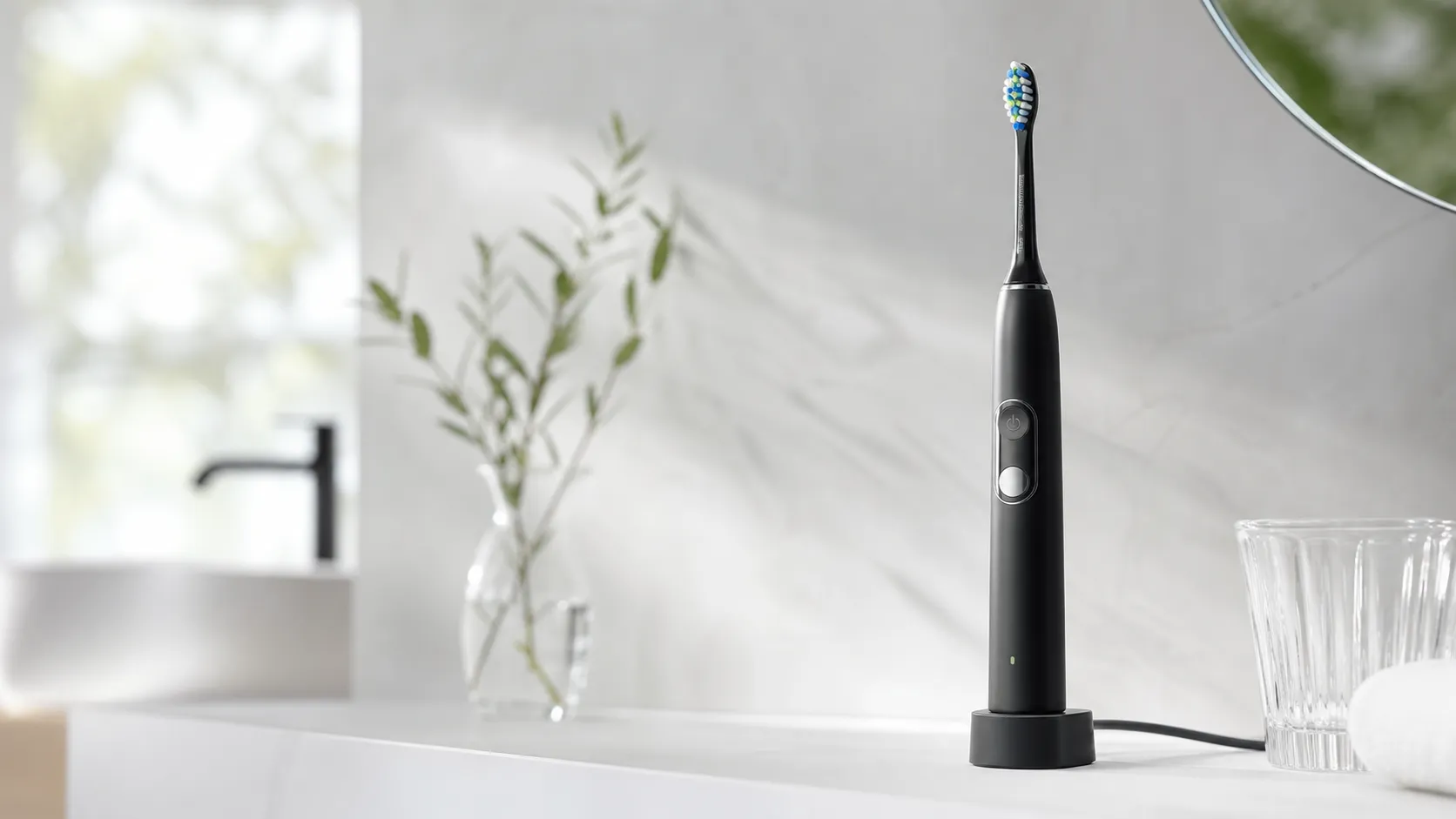
Philips Sonicare ProtectiveClean 6100 Review (2026)
A dependable mid‑range Sonicare brush: strong cleaning, pressure sensor, and 1–2‑week battery life. Great upgrade from manual brushing; watch replacement head costs.
 Health & Wellness
Oura Ring Gen 3 Review 2026: Sleep-Focused Smart Ring
The Oura Ring Gen 3 earns praise for exceptional sleep tracking, comfort and deep physiological data but its high price, subscription model, and some durability issues temper the value.
 Health & Wellness
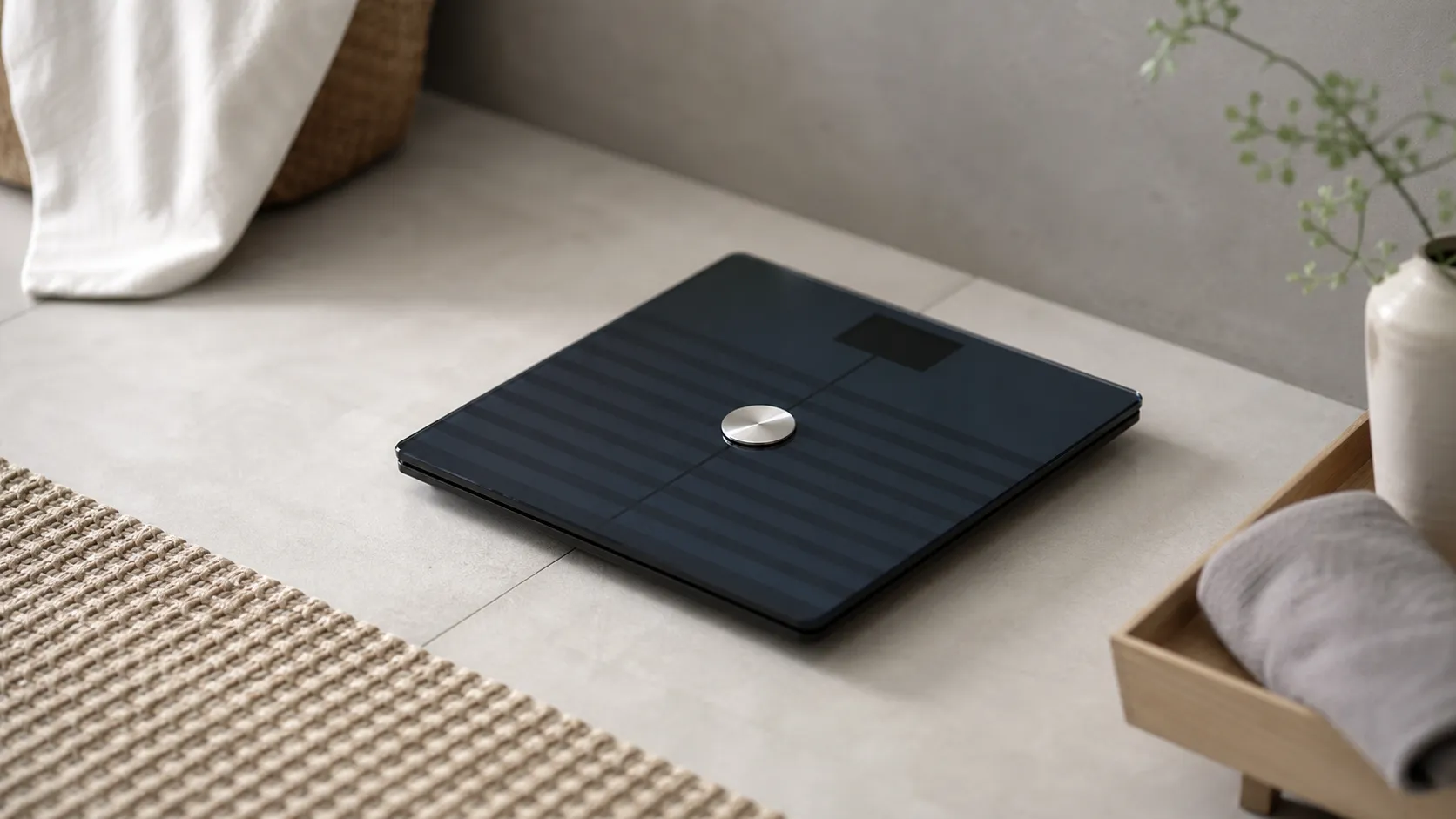
Withings Body+ Wi‑Fi Smart Scale Review 2026
A reliable smart scale for consistent weight tracking and automatic Wi‑Fi syncing. Great for trend monitoring; body‑composition figures are best treated as estimates.