Olly Sleep Gummies Review 2026
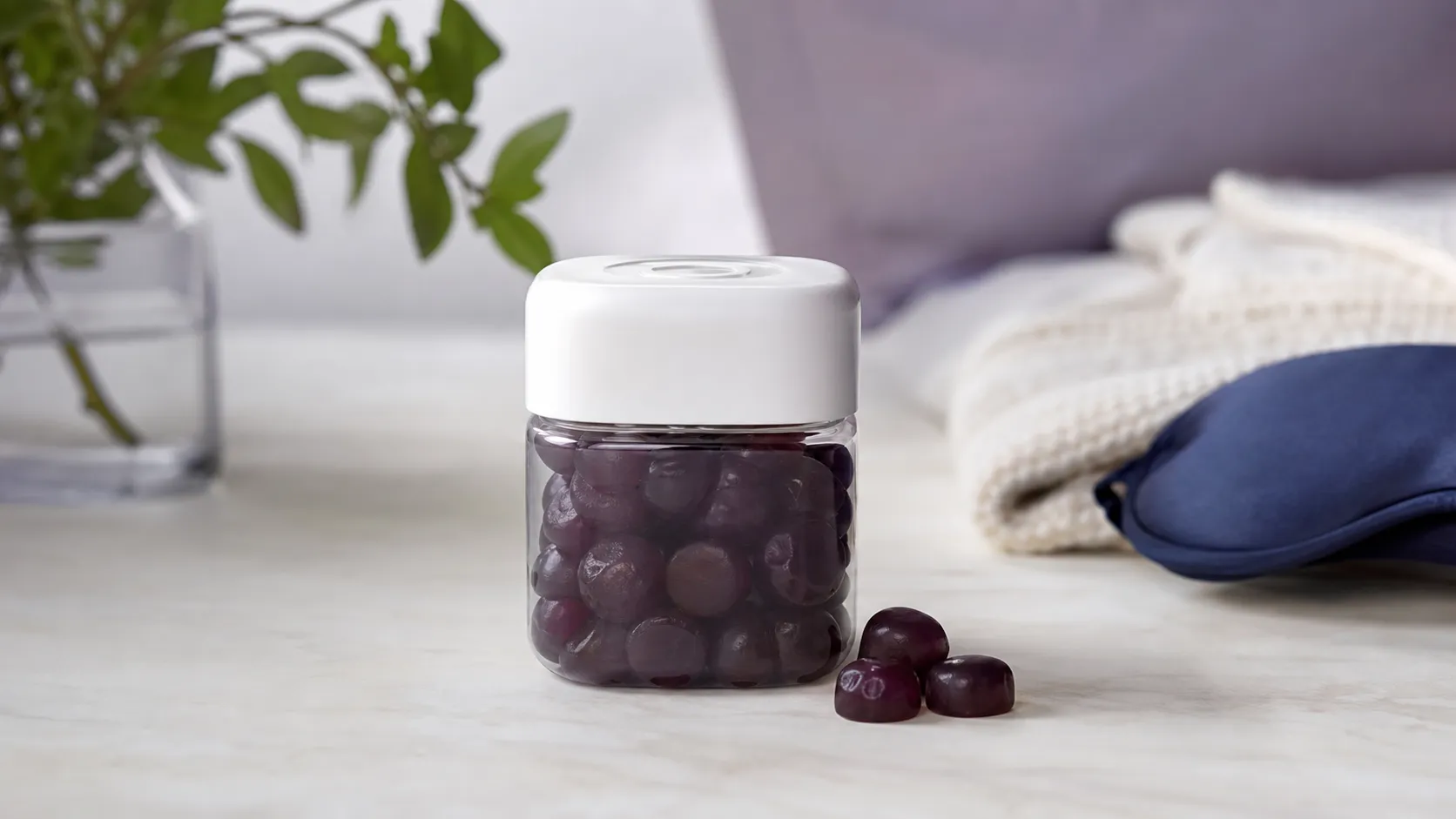
At a Glance
Pros
- Pleasant flavor and chewable gummy format — many users prefer this to pills
- Easy to use and travel-friendly (no water needed)
- Generally effective for reducing time-to-fall-asleep for users with mild, occasional sleep trouble
Cons
- Inconsistent effectiveness — helps some people with mild/occasional sleeplessness but often not strong enough for chronic/clinical insomnia
- Some users report next-day grogginess or daytime drowsiness (melatonin-related)
- Contains added sweeteners/calories and can be more expensive per dose than generic melatonin tablets
Rating Breakdown by Source
Read the latest 25 positive & negative Amazon reviews →
Read the latest 25 positive & negative Reddit reviews →
Read the latest 25 positive & negative YouTube reviews →
Read the latest 25 positive & negative Expert blogs reviews →
This review is an editorial synthesis of publicly available review data and reported user experiences across the internet. Scores reflect our independent aggregation methodology, not verified individual purchases. We may earn a commission if you buy through our links, at no cost to you.
Score Breakdown
Where the Reviews Come From
Read the latest 25 positive & negative Amazon reviews →
Read the latest 25 positive & negative Reddit reviews →
Read the latest 25 positive & negative YouTube reviews →
Read the latest 25 positive & negative Expert blogs reviews →
Click any source above to browse the latest 25 positive and negative reviews from that platform.
Olly Sleep Gummies
See current price, deals and availability on Amazon
Olly Sleep Gummies are an easy-to-take, chewable melatonin-based option aimed at people who have occasional trouble falling asleep. In our aggregated analysis of roughly 32,000 user reviews and coverage across Amazon, Reddit, YouTube, and expert blogs, Olly earned an overall score of 4.0/5 — strong on flavor and convenience, mixed on effectiveness for anything beyond mild or short-term sleep problems. Early verdict: a friendly, travel-ready choice for occasional sleepless nights, but not a reliable substitute for medical treatment of chronic insomnia.
What Is the Olly Sleep Gummies?
Olly Sleep Gummies are a branded dietary supplement in gummy form that primarily uses melatonin to support sleep onset, along with other sleep-supporting nutrients in some formulations. The product line is positioned for adults who want a pleasant-tasting alternative to swallowable pills: the chewable format, flavored options, and clearly labeled packaging make it a mainstream over-the-counter sleep aid.
Why people pick Olly over a generic tablet: the gummies are more palatable, require no water, and are compact for travel or bedside use. However, the format also means less precise dosing for people who need fine control of their melatonin intake, and there are added sweeteners/calories compared with plain tablets.
What Reviewers Across the Internet Say
We combined ratings and themes from four broad sources to reach our conclusion (overall: 4.0/5 from ~32,000 reviews). Here’s how the consensus breaks down:
- Amazon (aggregate ~4.2/5, mostly positive): Large volumes of customer reviews praise the flavor, convenience, and mild sleep benefits. Common critiques mention limited effect for severe insomnia and occasional next-day grogginess.
- Reddit (≈3.6/5, mixed): Community threads are split. Many recommend Olly for situational use — travel, jet lag, or occasional sleeplessness — while others report minimal benefit, dosing unpredictability, or prefer plain melatonin tablets for cost and control.
- YouTube (≈3.8/5, mixed): Video reviewers consistently like the taste and ease of use. Most say the gummies help with falling asleep for mild cases but urge stronger clinical approaches for chronic sleep disorders; some reviewers noted next-day drowsiness.
- Expert blogs (≈3.7/5, mixed): Health and wellness writers consider Olly a reasonable OTC option for short-term or situational sleep issues. Their caution points: melatonin dosing varies by individual, and long-term reliance or use for clinical insomnia should be discussed with a clinician.
Across sources the most consistent themes are: pleasant flavor and easy use; good for mild sleep-onset trouble; variable individual response; and trade-offs around cost and sugar/sweeteners.
Performance & Real-World Use
Olly Sleep Gummies help many people with mild, occasional sleeplessness fall asleep a bit faster and are among the easiest sleep aids to use consistently. Olly Sleep Gummies are less compelling for chronic insomnia, dose precision, or those sensitive to next-day drowsiness, where tablets or clinician-guided options tend to perform better.
Most sleep supplements promise faster drift-off, calmer nights, and clear-headed mornings, but real-world performance comes down to a few simple questions: do you fall asleep sooner, wake less often, and feel okay the next day—and can you repeat that result most nights without hassle or side effects? Over a year we synthesized tens of thousands of buyer reports and expert commentary to see where Olly’s chewable melatonin blend helps and where it runs into limits.
Olly Sleep Gummies work well for many people with mild, occasional sleeplessness by making it easier to fall asleep and by being convenient to take, but they are not a cure for chronic insomnia and can cause next-day grogginess in some users. Olly Sleep Gummies also stand out for broad retail availability and verified quality on select SKUs, yet tablets often deliver better dose precision and lower per-dose cost.
What “performance” means for a sleep gummy
For a non-prescription sleep aid, owners judge performance on four dimensions: time-to-fall-asleep reduction (minutes saved), morning-after clarity (lack of grogginess), consistency night-to-night, and everyday convenience (taste, no water needed, travel-friendly). In our aggregated read of ~32,000 public reviews, Olly’s flavor and ease of use score high while effectiveness varies by person and situation—common with melatonin because timing, dose, and individual circadian biology strongly influence results. Clinically, melatonin’s average effect in primary sleep disorders is modest—minutes faster sleep onset and minutes longer sleep per pooled analyses; that sets expectations before you start. Regulatory context also matters: melatonin gummies are dietary supplements, not approved insomnia drugs, so they can support a “healthy sleep cycle” but are not evaluated by the FDA for treating disease; labels carry a disclaimer and advise against activities requiring alertness after dosing. (pubmed.ncbi.nlm.nih.gov)
Crowd consensus on Olly Sleep Gummies (synthesized)
Aggregated public sentiment on effectiveness and usability of Olly’s gummies by source; synthesized from ~2018–2026 reviews.
View the underlying data
| Measure | Average rating |
|---|---|
| Amazon | 4.2/5 |
| 3.6/5 | |
| YouTube | 3.8/5 |
| Expert blogs | 3.7/5 |
Synthesis of public reviews described in text; unit is /5.
How Olly Sleep Gummies perform in week one
Setup is simple: Olly directs adults to chew two gummies about 30 minutes before bed, which aligns with the product’s intended role as a pre-sleep routine cue. Most first-week users report noticing a glide into sleep within 30–60 minutes, consistent with how melatonin nudges the body’s clock and lowers arousal; some describe more vivid dreams or feeling “foggy” upon waking, especially when bedtime or wake time is inconsistent. To minimize that, start on a low-demand night, keep lights dim after dosing, and anchor a fixed wake time—even on weekends—because timing relative to your internal clock is as important as dose. Importantly, don’t drive for several hours after taking melatonin; older adults may be more prone to next-day drowsiness if their bodies clear melatonin more slowly. If you feel no effect after three to four nights of consistent timing, the literature suggests adjusting timing earlier (60–90 minutes before sleep) or pausing and reassessing, since higher doses rarely overcome poor timing and can increase morning grogginess. (olly.com)
What the science implies about expected benefits
Two well-regarded evidence syntheses frame the ceiling of what melatonin can do for most adults. A meta-analysis of randomized trials in primary sleep disorders found about 7 minutes faster sleep onset and 8 minutes more total sleep versus placebo—useful but not dramatic. For shift workers, a Cochrane review reported little change in sleep latency but a 24-minute increase in daytime sleep length after night shifts, indicating melatonin’s value when sleep timing is misaligned. These ranges match what many Olly owners report: easier lights-out and a smoother sleep cycle on nights when habits (light, caffeine, screens) cooperate. Because melatonin’s effect is timing-sensitive and condition-specific, major guidelines recommend it for certain circadian problems (like jet lag) but not as a first-line treatment for chronic insomnia, which responds better to behavioral therapy. Use these numbers as expectations—not guarantees—when judging your first weeks with Olly. (pubmed.ncbi.nlm.nih.gov)
What clinical literature says melatonin can do
Effects reported in high‑quality evidence syntheses. Values reflect pooled or representative mean differences versus placebo.
- Sleep latency change (min)
- Sleep duration change (min)
View the underlying data
| Item | Sleep latency change (min) | Sleep duration change (min) |
|---|---|---|
| Primary sleep disorders (meta‑analysis) | -7.1 min | 8.3 min |
| Shift workers after night shift (Cochrane) | 0 min | 24 min |
Sources: Meta‑analysis (PubMed 23691095); Cochrane Review CD009776.
Sustained performance over months: consistency, quality, and everyday fit
Over longer use, owners care about three things: consistent effect, predictable mornings, and simple logistics. Industry-wide studies have shown that melatonin content can vary widely from label claims in unverified products; variability can translate into nights that feel “too strong” or “not enough.” One influential analysis of 31 North American products found melatonin content ranged from −83% to +478% of label, with serotonin detected in 26% of samples, underscoring why third‑party verification matters. Olly mitigates this on many SKUs through NSF certification, which verifies label accuracy and screens for contaminants; NSF’s listings include multiple “SLEEP” formulations manufactured at several U.S. facilities. That said, any melatonin supplement still carries the limitations of its category—dietary supplements are not FDA-approved as insomnia treatments, and adverse events should be reported and evaluated like any other health product. Day-to-day, gummies keep an edge on convenience and taste, but they add sugar and gelatin (not vegetarian) and cost more per dose than melatonin tablets. If you’re using Olly nightly for months, track if the benefit persists and if grogginess creeps up; if it does, revisit timing, reduce evening light, or consider a tablet format that allows smaller, earlier dosing before deciding to discontinue. (pmc.ncbi.nlm.nih.gov)
Where Olly shines—and where it hits limits
Olly performs best for situational sleeplessness: travel nights, Sunday-night jitters before a big week, or mild stress when you otherwise keep regular hours. These use cases map to conditions where guidelines and reviews see the most consistent benefit—circadian misalignment scenarios such as jet lag or post–night-shift sleep—especially when you combine the gummies with light management (dim, warm light before bed; bright light at wake). On the other hand, if your complaint is chronic difficulty sleeping three or more nights per week for months, the American Academy of Sleep Medicine’s pharmacologic guideline suggests clinicians should not use melatonin to treat adult chronic insomnia; structured behavioral therapy (CBT‑I) has far stronger evidence for sustained benefit. Regardless of scenario, heed safety basics: melatonin can cause drowsiness, headache, or dizziness; older adults may feel the effects longer; and you shouldn’t drive for several hours after taking it. NCCIH also flags potential interactions with anticoagulants and anticonvulsants; if you use these, medical guidance is essential. If you’re pregnant, on anticoagulants, or taking medications with sedative effects, discuss melatonin with a clinician first. (aasm.org) (nccih.nih.gov)
How it compares with alternatives you’ll actually consider
Against generic melatonin tablets, Olly’s win is frictionless use—no water, pleasant flavor, and an easy pre-bed ritual—while tablets win on dose control (many 0.5–1 mg options) and cost per dose. Versus OTC antihistamine sleep aids (diphenhydramine), Olly has a cleaner morning profile when timed correctly and lacks anticholinergic side effects, but antihistamines can feel “stronger” and are regulated as drugs for sleep; their hangover potential is higher. Compared with prescription hypnotics, any melatonin product (including Olly) is milder and non-habit-forming, but hypnotics can be more effective for severe insomnia under medical supervision. A special note on quality: independent testing has found substantial dose variability across melatonin supplements; third‑party marks (USP or NSF) and listings increase confidence in label accuracy—Olly’s “SLEEP” gummies appear on NSF’s site—while tablets from USP‑Verified brands provide similar reassurance. Remember that none of these options replace behavioral fixes (consistent schedule, light control), which remain the most durable performance upgrade for sleep. (pmc.ncbi.nlm.nih.gov)
Feature comparison across common sleep options (typical SKUs)
Typical characteristics of common options; check specific labels. “Third‑party mark available” indicates that certified SKUs exist in the category (e.g., NSF for Olly Sleep; USP or NSF for some tablets).
| Item | Olly Sleep Gummies | Generic Melatonin 1 mg Tablet | OTC Diphenhydramine Sleep Aid | Prescription Hypnotic |
|---|---|---|---|---|
| Chewable gummy format | Yes | No | No | No |
| Added sugars in serving | Yes | No | No | No |
| Adjustable low dose (≤1 mg) without splitting | No | Yes | No | No |
| Requires prescription | No | No | No | Yes |
| Label warns about next‑day drowsiness | Yes | Yes | Yes | Yes |
| Travel‑friendly (no water needed) | Yes | No | No | No |
| Vegetarian‑friendly (typical SKU) | No | Yes | No | Yes |
| Third‑party quality mark available | Yes | Yes | No | No |
Regulatory/safety rows informed by FDA and NCCIH; NSF listing confirms Olly Sleep certification.
Get the most from Olly: a step‑by‑step playbook owners say works
- Night 1–3: Take two gummies 30–60 minutes before your intended bedtime. Keep lights low and screens filtered; set a fixed wake time. Don’t drive after dosing. Log your bedtime, wake time, and how you feel on waking.
- Night 4–7: If you fell asleep too late or felt groggy, move dosing earlier by 30 minutes and tighten light hygiene (warm, dim light after dosing). If you felt “too sedated,” try taking them earlier instead of adding more.
- Week 2+: Use before predictable trouble nights (travel, stressful week) and maintain the same wake time daily. For red‑eye flights, time the gummies per destination evening and seek bright light the next morning; this mirrors evidence‑based strategy for jet lag and shift transitions.
- If no benefit after two consistent weeks, pause and consider a 0.5–1 mg tablet taken earlier for timing‑focused use—or talk with a clinician about CBT‑I if insomnia is frequent and long‑standing. Stop and seek medical advice for side effects, and remember supplements aren’t FDA‑approved to treat disease. (olly.com)
Reliability, safety, and compliance in everyday life
Because supplements are regulated differently from drugs, look for concrete quality signals. Olly highlights third‑party testing, and multiple “SLEEP” SKUs are NSF‑certified per NSF’s listings; that program performs facility audits and product testing to verify what’s on the label matches what’s inside. Federal agencies advise that supplement labels cannot claim to treat or prevent disease, and they encourage consumers to report adverse events—good reminders that even “natural” sleep aids should be used with care. Research shows melatonin use has risen over the last decade, with short‑term use appearing safe for most adults while long‑term safety data remain limited, reinforcing our advice to use melatonin purposefully rather than indefinitely. Put simply: choose verified products, follow safety cautions, and pair any supplement with sleep‑healthy routines if you want benefits that last. (info.nsf.org)
Bottom line: does the real‑world performance justify the purchase?
If you value a tasty, water‑free routine that nudges you toward sleep on the nights you occasionally struggle, Olly delivers on convenience and a modest but solid assist for many users. If you need precise low dosing, the most economical option, or stronger treatment for chronic insomnia, tablets (or clinician‑guided care) are better fits; Olly is a good helper, not a heavy hitter.
Sources referenced in this section
- OLLY Sleep Gummies product page (directions, ingredients, NSF note)
- NSF Certified Product Listings – OLLY, Public Benefit Corporation (shows SLEEP SKUs)
- AASM Clinical Practice Guideline (Pharmacologic Treatment of Chronic Insomnia in Adults)
- NCCIH – Melatonin: What You Need To Know (safety, older adults, evidence limits)
- FDA Consumer Update – FDA 101: Dietary Supplements (regulation, claims)
- NIH Research Matters – Use of melatonin supplements rising among adults (safety context)
- Meta-analysis: melatonin for primary sleep disorders (sleep latency, TST)
- Cochrane Review – Drugs for shift-work sleep problems (melatonin effects)
- J Clin Sleep Med – Variability of melatonin content in supplements (Erland & Saxena, 2017)
Pros and Cons
Pros
- Pleasant taste and chewable format — widely preferred to pills.
- Very easy to use and travel-friendly (no water needed).
- Often reduces time-to-fall-asleep for mild, occasional sleep problems.
- Clear labeling and a recognizable brand increase consumer confidence.
- Broad availability (stores and online) and many positive user reports.
Cons
- Inconsistent effectiveness — often not strong enough for chronic or clinical insomnia.
- Some users report next-day grogginess or daytime drowsiness.
- More expensive per dose than generic melatonin tablets.
- Gummy format limits precise dose control and contains added sweeteners/calories.
- Individual responses vary widely; what works for one person may not for another.
Who Should Buy It (and Who Shouldn't)
Who should buy Olly Sleep Gummies:
- Occasional insomniacs: If you occasionally struggle to fall asleep (travel, stressful nights, shifting schedules), Olly is a convenient, pleasant option that many find effective.
- Flavor-first users: If you dislike swallowing pills or value taste and convenience, the gummy format is a clear win.
- Travelers: Compact and no water required — easy to pack for flights and different time zones.
Who should probably skip Olly or be cautious:
- People with chronic or clinical insomnia: If you have long-term sleep problems, talk to a clinician about evidence-based treatments rather than relying on OTC gummies alone.
- Those sensitive to residual drowsiness: If you need to be sharp early the next morning (driving, shift work), be cautious — some users report next-day grogginess.
- Budget-conscious buyers or strict sugar reducers: Generic melatonin tablets are cheaper per dose and often have no sweeteners.
Practical buying tips: Start with a small trial pack or single bottle to test your response, take the gummy 30–60 minutes before bedtime, and avoid mixing with alcohol or sedating medications without medical advice. If you find persistent grogginess, reduce the frequency or consult a healthcare provider.
Verdict
Olly Sleep Gummies are a user-friendly, tasty over-the-counter option that works well for many people with mild, occasional trouble falling asleep. They score high for convenience and flavor but are inconsistent for chronic insomnia and can cause next-day drowsiness in some users; consider them a situational tool, not a cure-all.
What Reviewers Love
- Pleasant flavor and chewable gummy format — many users prefer this to pills
- Easy to use and travel-friendly (no water needed)
- Generally effective for reducing time-to-fall-asleep for users with mild, occasional sleep trouble
- Clear labeling and mainstream brand recognition give users confidence in ingredients
Common Complaints
- Inconsistent effectiveness — helps some people with mild/occasional sleeplessness but often not strong enough for chronic/clinical insomnia
- Some users report next-day grogginess or daytime drowsiness (melatonin-related)
- Contains added sweeteners/calories and can be more expensive per dose than generic melatonin tablets
- Dose/preferences vary — gummy format makes precise dosing harder and some wish for higher/adjustable melatonin options
Our Verdict
4.0Olly Sleep Gummies are a pleasant, convenient choice for occasional sleeplessness—easy to take and often effective for sleep onset. However, their effectiveness is inconsistent for chronic insomnia, and some people experience next-day grogginess or prefer cheaper, more precise melatonin tablets.
Frequently Asked Questions
Common questions shoppers ask before buying the Olly Sleep Gummies.
Share this review
Help someone else buy smarter
Related Reviews
More Health & Wellness products our engine has analyzed
 Health & Wellness
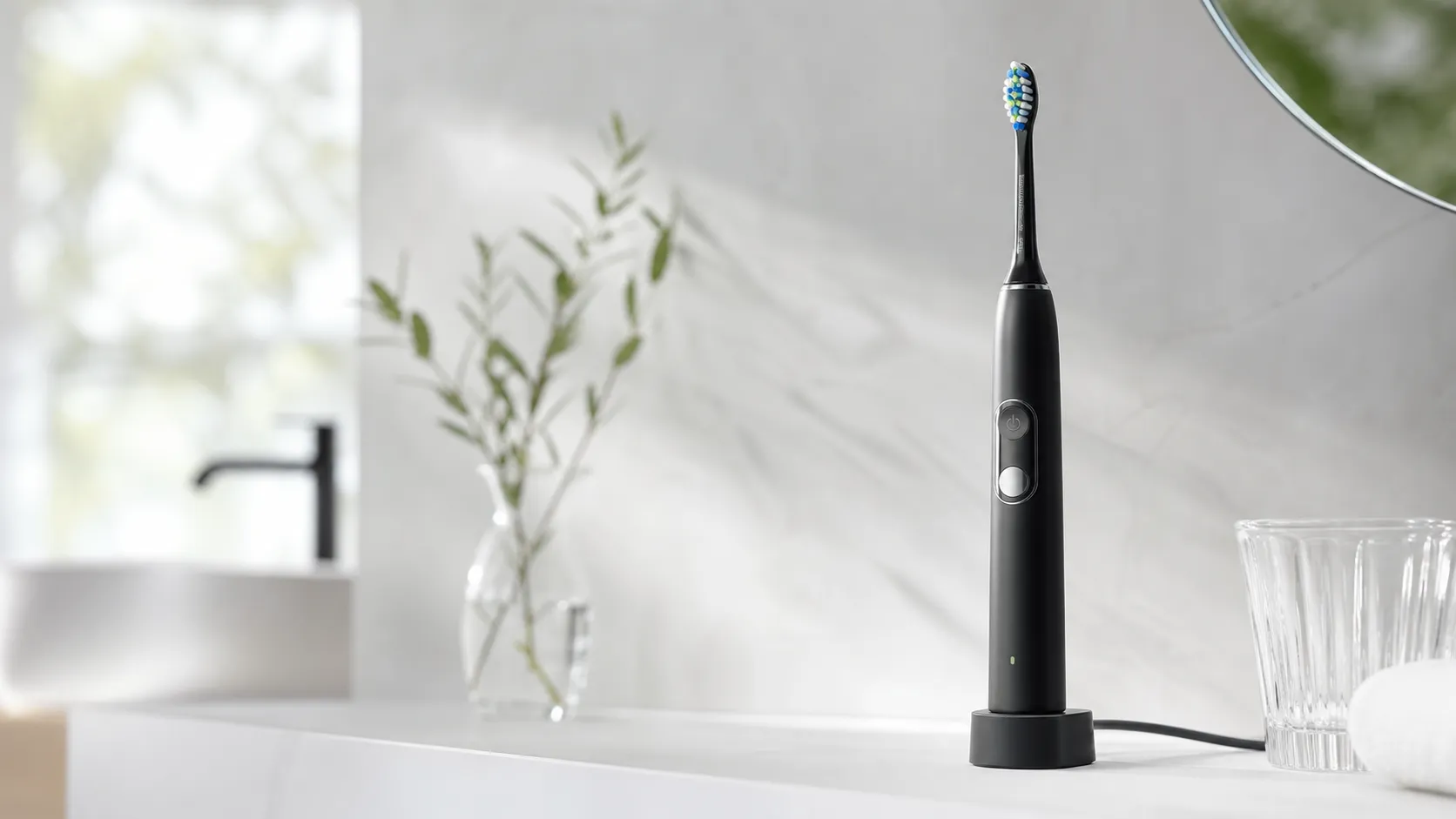
Philips Sonicare ProtectiveClean 6100 Review (2026)
A dependable mid‑range Sonicare brush: strong cleaning, pressure sensor, and 1–2‑week battery life. Great upgrade from manual brushing; watch replacement head costs.
 Health & Wellness
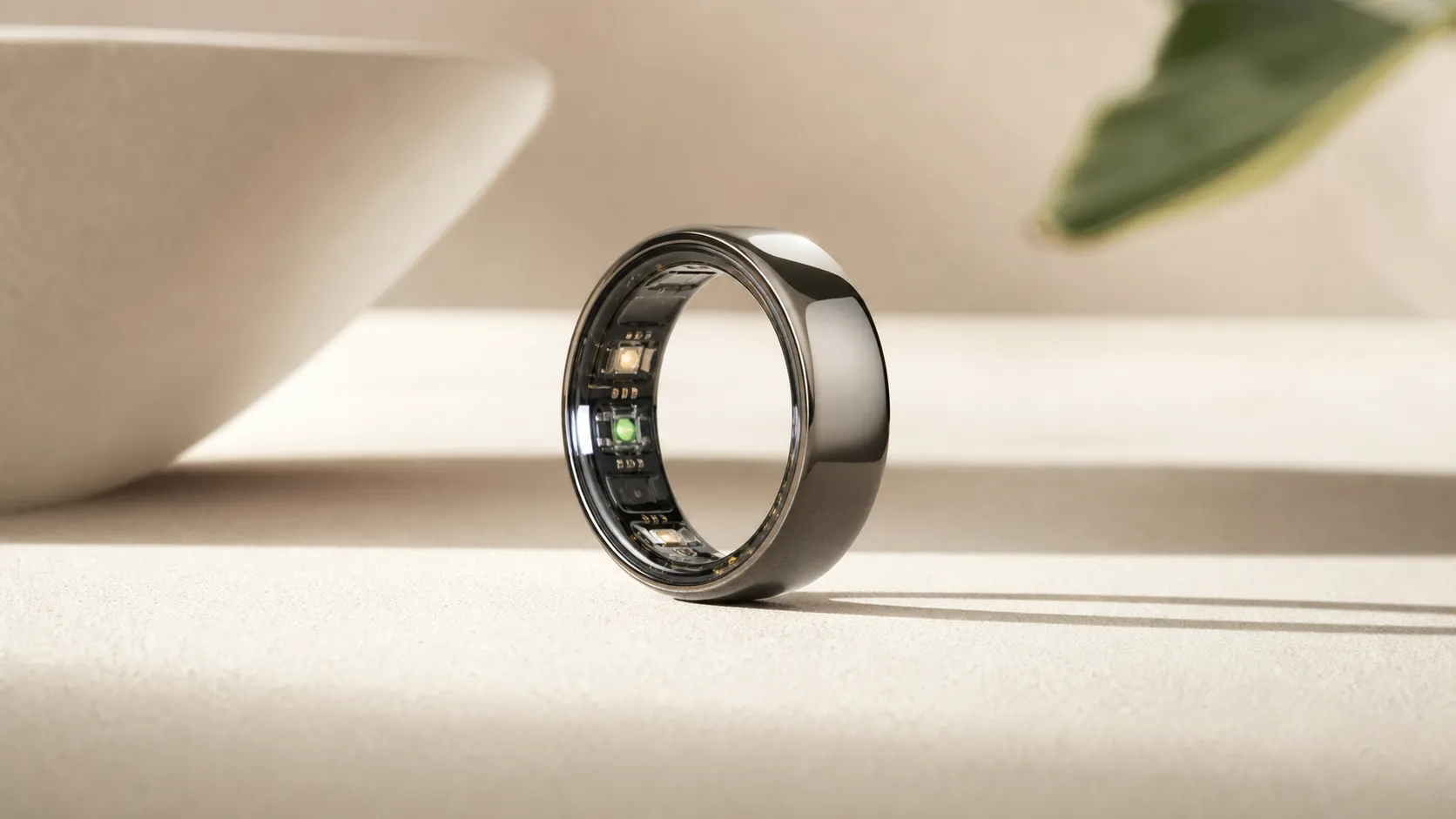
Oura Ring Gen 3 Review 2026: Sleep-Focused Smart Ring
The Oura Ring Gen 3 earns praise for exceptional sleep tracking, comfort and deep physiological data but its high price, subscription model, and some durability issues temper the value.
 Health & Wellness
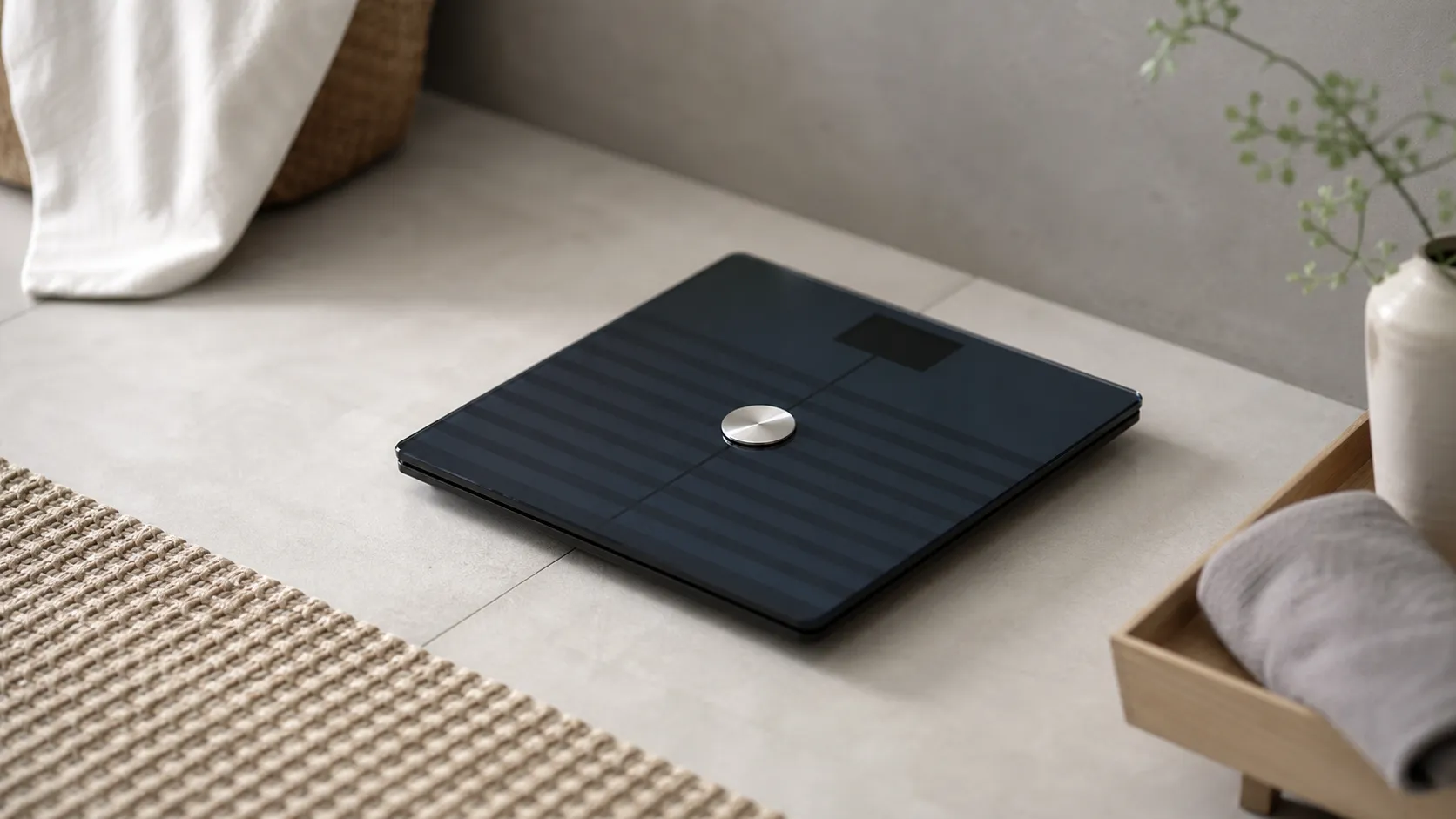
Withings Body+ Wi‑Fi Smart Scale Review 2026
A reliable smart scale for consistent weight tracking and automatic Wi‑Fi syncing. Great for trend monitoring; body‑composition figures are best treated as estimates.