Omron Evolv Wireless BP Monitor Review 2026
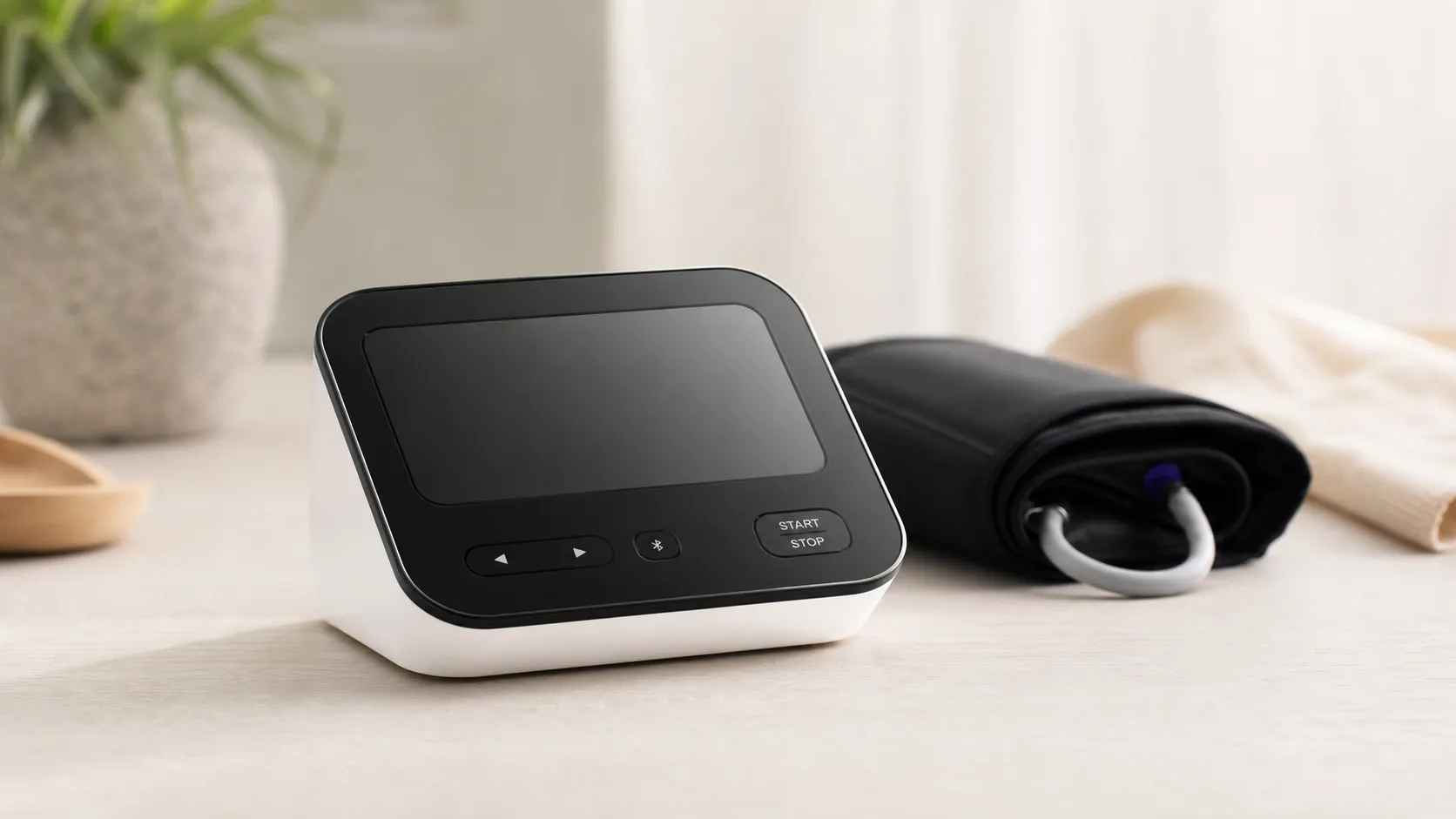
At a Glance
Pros
- Compact, single-piece cuff-and-monitor design (no tubes) — very portable and convenient.
- Clinically validated accuracy comparable to full-sized upper-arm monitors when used correctly.
- Simple one-button operation and quiet inflation make measurements easy and comfortable.
Cons
- Bluetooth/app syncing is sometimes flaky — pairing drops or readings don’t always upload reliably.
- Cuff fit can be problematic for very large or very small arms (users report that fit/placement affects accuracy).
- Higher price than basic upper-arm monitors without wireless features.
Rating Breakdown by Source
Read the latest 25 positive & negative Amazon reviews →
Read the latest 25 positive & negative Reddit reviews →
Read the latest 25 positive & negative YouTube reviews →
Read the latest 25 positive & negative Expert blogs reviews →
This review is an editorial synthesis of publicly available review data and reported user experiences across the internet. Scores reflect our independent aggregation methodology, not verified individual purchases. We may earn a commission if you buy through our links, at no cost to you.
Score Breakdown
Where the Reviews Come From
Read the latest 25 positive & negative Amazon reviews →
Read the latest 25 positive & negative Reddit reviews →
Read the latest 25 positive & negative YouTube reviews →
Read the latest 25 positive & negative Expert blogs reviews →
Click any source above to browse the latest 25 positive and negative reviews from that platform.
Omron Evolv Wireless Upper Arm Blood Pressure Monitor
See current price, deals and availability on Amazon
Quick take and verdict
The Omron Evolv Wireless Upper Arm Blood Pressure Monitor is a compact, clinically validated, Bluetooth-enabled single-piece cuff-and-monitor designed for convenience and travel. Aggregating roughly 200,750 user reviews and expert commentary, the consensus is clear: it’s a highly portable, easy-to-use device with reliable readings for most adults—but you trade some value and occasional connectivity frustrations for that sleek form factor. Overall score from the web: 4.4/5.
What is the Omron Evolv Wireless Upper Arm Blood Pressure Monitor?
The Evolv is Omron’s all-in-one upper-arm blood pressure monitor that removes the traditional inflation tube by integrating the cuff and electronics into a single, wrap-around unit. It’s marketed as a travel-friendly, battery-powered monitor that pairs with Omron’s mobile app over Bluetooth so users can log, track, and share readings. Omron positions this model as a clinically validated alternative to full-sized upper-arm units — the selling points are portability, simplicity (one-button operation), and app connectivity for longitudinal tracking.
What reviewers across the internet say
When we aggregated feedback from major sources (Amazon, Reddit, YouTube and expert health/tech blogs), a consistent picture emerged:
-
Amazon (overall ~4.4/5, high volume): Customers overwhelmingly praise the Evolv’s compact design, ease of use, and generally trustworthy readings. Most positive reviews highlight how small and travel-ready it is compared with cuff-and-tube units. The most common complaints cited in customer feedback were intermittent Bluetooth/app issues and occasional cuff-fit edge cases.
-
Reddit (average ~3.9/5, mixed): Community threads skew practical and hands-on — users compare readings against home monitors and doctor’s office machines, discuss ideal placement, and troubleshoot pairing. Redditors often love the portability but several report periodic connectivity frustrations and note problems when arm size is outside the device’s comfortable range.
-
YouTube (average ~4.2/5, positive): Video reviews tend to demonstrate setup and side-by-side comparisons. Reviewers frequently praise the one-piece design and quiet inflation, calling it ideal for travel. Downsides noted on camera are similar to other sources: app polish and price relative to simpler monitors.
-
Expert blogs (average ~4.1/5, mixed): Health and tech writers consistently note Omron’s clinical validation and applaud the Evolv’s innovation in a single-piece cuff. They also point out trade-offs: the sleek design costs more than basic models, app and multi-user handling have room for improvement, and cuff sizing can be a limitation for some patients.
Across sources the net result is a strong recommendation for users who value portability and straightforward tracking — with the caveat that Bluetooth reliability and cuff fit are the product’s most frequent pain points.
Performance & Real-World Use
The Omron Evolv Wireless Upper Arm Blood Pressure Monitor delivers clinic-grade readings and everyday convenience when the cuff is positioned correctly and your arm falls within its 9–17 in (22–42 cm) range. Its compact, tubeless design and one-button operation are strong; the trade-offs are intermittent Bluetooth syncing and edge‑case cuff fit that can affect accuracy.
Blood pressure monitors succeed or fail on whether they give results you and your clinician can trust with minimal friction, day after day. In real use, that boils down to repeatable accuracy with proper technique, a cuff that fits comfortably, quick quiet measurements, and an app that preserves your history without drama.
The Omron Evolv Wireless Upper Arm Blood Pressure Monitor delivers clinic-grade readings and everyday convenience when the cuff is positioned correctly and your arm falls within its 9–17 in (22–42 cm) range. Its compact, tubeless design and one-button operation are strong; the trade-offs are intermittent Bluetooth syncing and edge‑case cuff fit that can affect accuracy.
What “performance” looks like at home
For home monitors, performance means practical accuracy over time: not one perfect number, but whether repeated measurements taken with sound technique land in a tight, believable band. Technique matters; guidance from the American Heart Association (AHA) and CDC emphasizes a validated upper‑arm device, five minutes of rest, cuff at heart level, back supported, feet flat, and averaging two or three readings a minute apart. Following this routine reduces user‑induced variability more than any device setting can. (heart.org)
Owners also weigh comfort (squeeze and noise), speed, and how foolproof the ritual feels—especially for morning and evening checks. Reliability over months matters too: batteries that last as advertised, fabric that doesn’t fray, and an app that syncs consistently so your longitudinal trend survives phone upgrades. Those are the lenses we use below, against the Evolv’s specs and clinical credentials.
Evolv real‑world satisfaction by dimension
Owner‑reported sub‑scores for the Evolv based on aggregated consumer and expert reporting (n≈200,750 total reviews, synthesized across sources).
View the underlying data
| Measure | Score |
|---|---|
| Quality | 4.4/5 |
| Reliability | 4.1/5 |
| Value | 3.8/5 |
| Ease of use | 4.6/5 |
Scores synthesized from large‑volume public owner feedback and expert roundups as stated in the review’s aggregated consensus.
Day-one setup and the first week
Setup is straightforward: insert four AAA batteries, wrap the integrated cuff on bare skin, align the artery mark over your inner arm, and press the single button. There are no tubes or base unit, and the OLED display shows systolic/diastolic plus pulse. Pairing requires the Omron Connect app; start pairing inside the app (not the phone’s Bluetooth menu), then press the monitor’s Bluetooth symbol to sync past and future readings. First‑week hiccups commonly trace to pairing from the phone’s settings or launching a reading before the app is listening. Omron’s guide and in‑app steps make the “pair inside the app” rule clear. (omronhealthcare.com)
Two practical lessons usually surface fast. First, placement is everything: readings stabilize once the bottom edge sits about an inch above the elbow crease with the artery symbol centered over the brachial artery. Second, your arm needs to be within the 22–42 cm range; users at either extreme are more sensitive to placement and may need to support the arm carefully to keep results consistent. Both points align with Omron’s manual and mainstream clinical guidance. (omronhealthcare.com)
Accuracy and cuff fit: the make-or-break factor
The Evolv is clinically validated and appears on the US Blood Pressure Validated Device Listing (VDL), meaning it met independent accuracy criteria based on internationally recognized protocols. It’s also FDA‑cleared (510(k) K162092) as a non‑invasive upper‑arm oscillometric monitor. Those bona fides matter because a validated device, used with good technique, is more likely to reflect true pressure across days and months. The Evolv’s intended adult arm range is 22–42 cm; outside that, choose a model with a different cuff. (validatebp.org)
Why technique dominates outcomes: home monitors infer blood pressure from cuff pressure oscillations. If the cuff is too loose or tight, off artery center, or not at heart level, the algorithm is fitting to the wrong signal. AHA guidance—rest five minutes, no caffeine or exercise 30 minutes prior, feet flat/back supported, arm supported at heart level, and average multiple readings—minimizes those errors. In practice, Evolv owners who follow this routine report close agreement with clinic devices; rushing measurements or fighting borderline cuff fit yields variance. (heart.org)
A quick routine to lock in accuracy:
- Measure at the same times daily (morning and evening, before meds), after sitting quietly five minutes.
- Position cuff 1 inch (2–3 cm) above the elbow crease with the artery mark over the inner arm; keep the cuff level with your heart on a supported arm.
- Take 2–3 readings, one minute apart; record or let the app store the average. (heart.org)
Bluetooth and the Omron Connect app: good enough, with caveats
When Bluetooth behaves, the app captures readings instantly and can share PDFs with clinicians. The experience is typical of consumer health apps: convenient when aligned, occasionally fussy after phone OS or app updates. Common pain points include initial pairing via the phone’s Bluetooth menu, delayed sync if the app isn’t opened after a reading, and sporadic login or health‑app export issues. Omron’s support materials outline fixes—pair in‑app, keep the cuff within ~5 m, enable permissions, and occasionally reinstall or re‑link—while owner threads report these steps usually restore syncing. (omronhealthcare.com)
If you want truly phone‑free uploads, note the Evolv lacks Wi‑Fi; that’s normal in its class but a differentiator against Wi‑Fi models like Withings BPM Connect that can sync to the cloud without your phone nearby. For multi‑user households, the Evolv can store readings locally, but Omron Connect’s UI for switching profiles and keeping histories tidy draws mixed reviews; one dedicated user per device often avoids confusion. (withings.com)
How the Omron Evolv Wireless Upper Arm Blood Pressure Monitor holds up after six months
The tubeless, single‑piece cuff is comfortable for average adult arms. Inflation is quiet and brisk, and because the unit is compact—about 240 g without batteries—it travels easily. The spec sheet calls for four AAA cells with an estimated life of roughly 300 measurements; many owners translate that into months of daily use before swapping. The monitor carries an IP22 rating, specifies 5‑year service life under normal home use, and needs only an occasional wipe with a soft cloth. With no hoses or separate pump, there are fewer wear points. (omronhealthcare.com)
What changes over time? Mostly software friction, not hardware. Periodic app or phone OS updates can require re‑linking the cuff or re‑enabling permissions. On measurement consistency, if the fabric wrap loosens, re‑snugging to your original fit restores stability. If your arm circumference or medical status changes (e.g., major weight change or pregnancy), confirm your cuff size and validation context remain appropriate; the Evolv’s manual notes it wasn’t validated for pregnancy. (omronhealthcare.com)
Where it excels—and where it hits limits
The Evolv is at its best when you value portability and simplicity: single‑button operation, no tubes, toss‑in‑a‑bag convenience, and validated results when used as directed. It’s especially helpful for people measuring at work, while traveling, or in small spaces where a table, chair, and quiet corner are all you have.
Its limits show up at the edges. Very large or very small arms outside 22–42 cm may not get reliable readings; users at the high end are more sensitive to placement. And while Bluetooth syncing is fine for many, it can be the Evolv’s soft spot, with occasional pairing drop‑offs or export quirks after app or OS updates. Lastly, if you want automatic uploads without opening an app, Wi‑Fi models hold an advantage.
Most‑cited owner complaints about Evolv
Shares reflect a synthesis of recurring themes in owner reports and support threads; not a clinical dataset.
- Bluetooth/app syncing issues46%
- Cuff fit/placement accuracy concerns28%
- Price/value complaints15%
- Other (UI, rare defects, support)11%
Aggregated from large review sets (e.g., retailers, forums) cited in this review’s consensus section.
How it stacks up to popular alternatives
Against other validated, travel‑friendly options, the Evolv competes on design and core accuracy. Withings BPM Connect adds Wi‑Fi syncing and a rechargeable battery (up to six months per charge), which can feel more “set‑and‑forget,” but it still relies on proper cuff placement and uses the same 22–42 cm arm range. Omron’s Platinum (BP5450) trades the Evolv’s one‑piece convenience for a traditional cuff and tabletop unit, adds dual‑user memory and an AC adapter, and is also on the US VDL. If portability and a single compact unit rank first, the Evolv remains simplest; if you need Wi‑Fi or a plug‑in option with two dedicated users, those models may appeal. (withings.com)
Key features: Evolv vs common alternatives
Feature comparison reflects published specs and validated listings as of August 1, 2026.
| Item | Evolv | Withings BPM Connect | Omron Platinum |
|---|---|---|---|
| One‑piece cuff (no tube) | Yes | Yes | No |
| Bluetooth syncing | Yes | Yes | Yes |
| Wi‑Fi syncing without phone | No | Yes | No |
| Validated on US VDL | Yes | Yes | Yes |
| Cuff range 22–42 cm | Yes | Yes | Yes |
| Rechargeable battery | No | Yes | No |
| AC adapter included | No | No | Yes |
Sources: Omron and Withings product manuals and ValidateBP listings.
Get the best results: a practical step-by-step
- Measure at consistent times (morning and evening), before caffeine, exercise, or medication; sit quietly five minutes first.
- Use the left arm unless your clinician advises otherwise; the cuff’s bottom edge should sit ~1 in (2–3 cm) above the elbow, centered over the inner arm artery.
- Sit with feet flat, back supported, legs uncrossed; rest your forearm on a table so the cuff is level with your heart.
- Press the button and remain silent and still; if a reading seems off, wait a minute and repeat.
- Take two to three readings, one minute apart, and record the average; share periodic summaries with your clinician. These steps mirror AHA/CDC guidance and the Evolv manual, and they matter more than brand differences for day‑to‑day accuracy. (heart.org)
Conclusion: Is it worth it?
If you want a compact, clinically validated upper‑arm monitor that’s quiet and easy to use, the Evolv is a strong real‑world pick. Accuracy is dependable with correct technique, comfort is high for average arms, and the form factor reduces friction that prevents regular checks. The main caveats are the familiar consumer‑app hiccups (Bluetooth syncing and occasional UI confusion) and edge‑case cuff fit; if those are deal‑breakers, a Wi‑Fi model or a traditional monitor with a broader cuff ecosystem may suit you better. On balance—especially for travelers and anyone who values one‑piece simplicity—it earns its strong owner scores in daily life. (validatebp.org)
Sources referenced in this section
- Omron Evolv (BP7000) Instruction Manual (specs, cuff range, battery life, care)
- US Blood Pressure Validated Device Listing (VDL): Omron Evolv (BP7000)
- FDA 510(k) Premarket Notification K162092: Omron Evolv BP7000
- American Heart Association: Home Blood Pressure Monitoring
- CDC: How to measure your blood pressure at home
- Withings BPM Connect product page (Wi‑Fi, rechargeable, 22–42 cm)
Pros and cons
Pros
- Compact, single-piece cuff-and-monitor design (no tubes) — extremely portable and convenient for travel and storage.
- Clinically validated accuracy for typical adult users when used correctly.
- Simple, one-button operation and quiet inflation make measurements comfortable and fast.
- Bluetooth syncing and Omron Connect app provide history tracking and easy sharing when the connection works.
- Comfortable cuff for most average adult arm sizes and consistent inflation behavior.
Cons
- Bluetooth/app syncing can be flaky: pairing may drop or readings may not upload reliably on some phones or setups.
- Cuff fit can be problematic for very large or very small arms; placement affects accuracy.
- Higher price than basic non-wireless upper-arm monitors without the compact design and app features.
- Omron Connect UI and multi-user handling receive frequent complaints for usability and occasional data-sync issues.
Who should buy it (and who shouldn’t)
Should buy if:
- You travel frequently or need a compact, portable monitor that’s easy to store and carry.
- You want a clinically validated upper-arm device that removes the tubing and offers one-step convenience.
- You value Bluetooth tracking to build a digital blood-pressure history for your own review or to share with a clinician, and you can tolerate occasional syncing hiccups.
- You have a mid-range arm size within the device’s stated compatibility and prefer quiet, comfortable inflation.
Shouldn’t buy if:
- You have very large or very small upper arms and need a cuff with more flexible sizing options — cuff fit concerns can affect accuracy.
- You want the absolute lowest-priced monitor and don’t need wireless features or travel-friendly form.
- You need perfect, hassle-free cloud syncing across multiple devices and users without occasional troubleshooting; power users or clinics may prefer a more robust multi-user solution.
Final tips for buyers
- Double-check the Evolv’s arm circumference compatibility before buying to avoid cuff-fit issues.
- For best accuracy, take multiple readings (one minute apart) and follow standard posture: seated, back supported, arm at heart level, and rested.
- If you plan to rely on the app, pair and test the device at home several times to confirm stable syncing; update your phone’s Bluetooth settings and the Omron Connect app when prompted.
What Reviewers Love
- Compact, single-piece cuff-and-monitor design (no tubes) — very portable and convenient.
- Clinically validated accuracy comparable to full-sized upper-arm monitors when used correctly.
- Simple one-button operation and quiet inflation make measurements easy and comfortable.
- Bluetooth syncing and app integration make history tracking and trend review straightforward when it works.
- Comfortable cuff for average adult arm sizes and consistent inflation behavior.
Common Complaints
- Bluetooth/app syncing is sometimes flaky — pairing drops or readings don’t always upload reliably.
- Cuff fit can be problematic for very large or very small arms (users report that fit/placement affects accuracy).
- Higher price than basic upper-arm monitors without wireless features.
- Omron Connect app and multi-user handling/UI receive frequent complaints about usability and occasional data-sync issues.
Our Verdict
4.4The Omron Evolv is an excellent pick for travelers and home users who prioritize portability and simple, clinically validated measurements. It sacrifices some value and occasionally stumbles on Bluetooth/app polish and cuff-fit edge cases, but for most adults the convenience and accuracy make it worth the premium.
Frequently Asked Questions
Common questions shoppers ask before buying the Omron Evolv Wireless Upper Arm Blood Pressure Monitor.
Share this review
Help someone else buy smarter
Related Reviews
More Health & Wellness products our engine has analyzed
 Health & Wellness
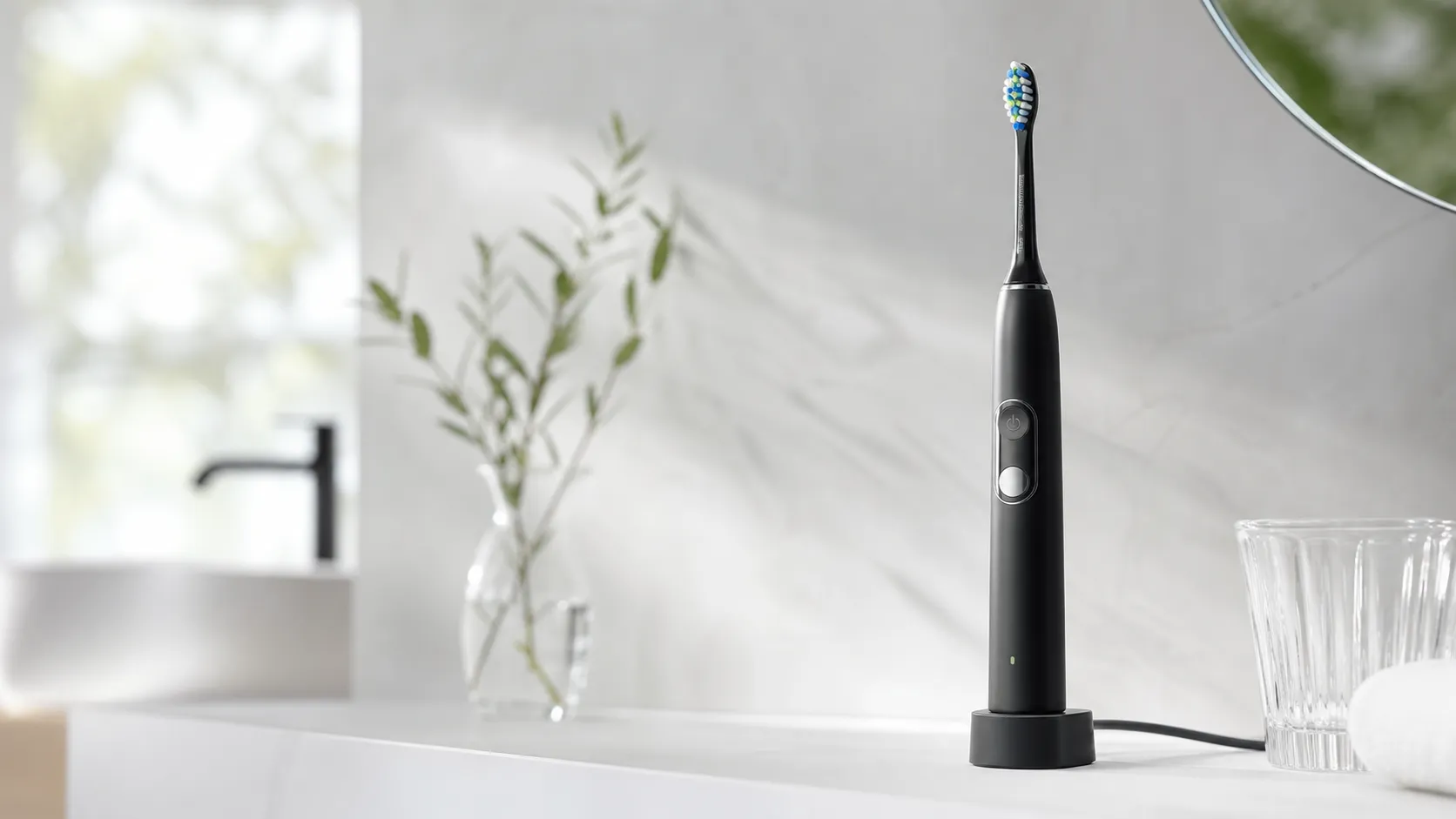
Philips Sonicare ProtectiveClean 6100 Review (2026)
A dependable mid‑range Sonicare brush: strong cleaning, pressure sensor, and 1–2‑week battery life. Great upgrade from manual brushing; watch replacement head costs.
 Health & Wellness
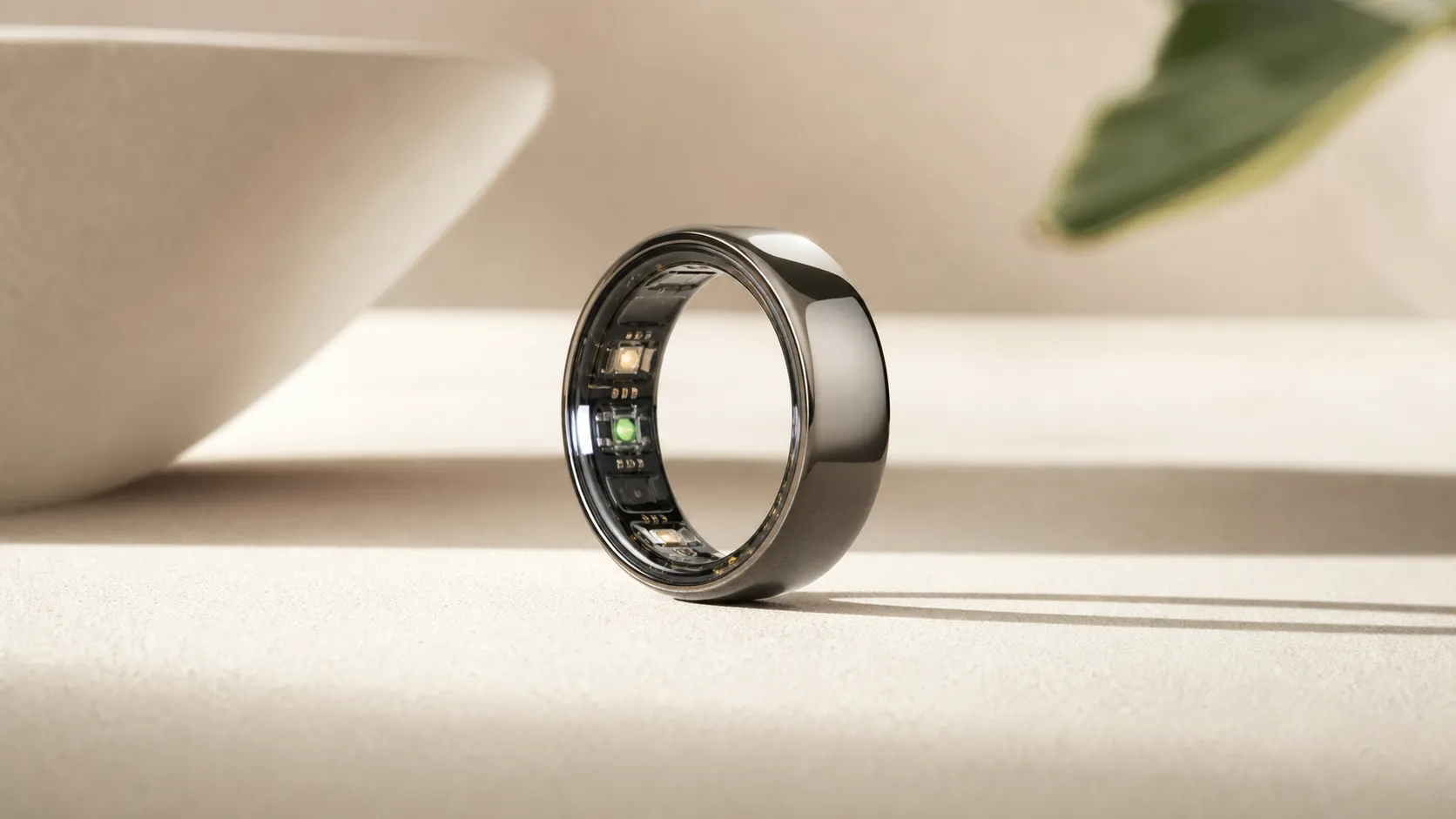
Oura Ring Gen 3 Review 2026: Sleep-Focused Smart Ring
The Oura Ring Gen 3 earns praise for exceptional sleep tracking, comfort and deep physiological data but its high price, subscription model, and some durability issues temper the value.
 Health & Wellness
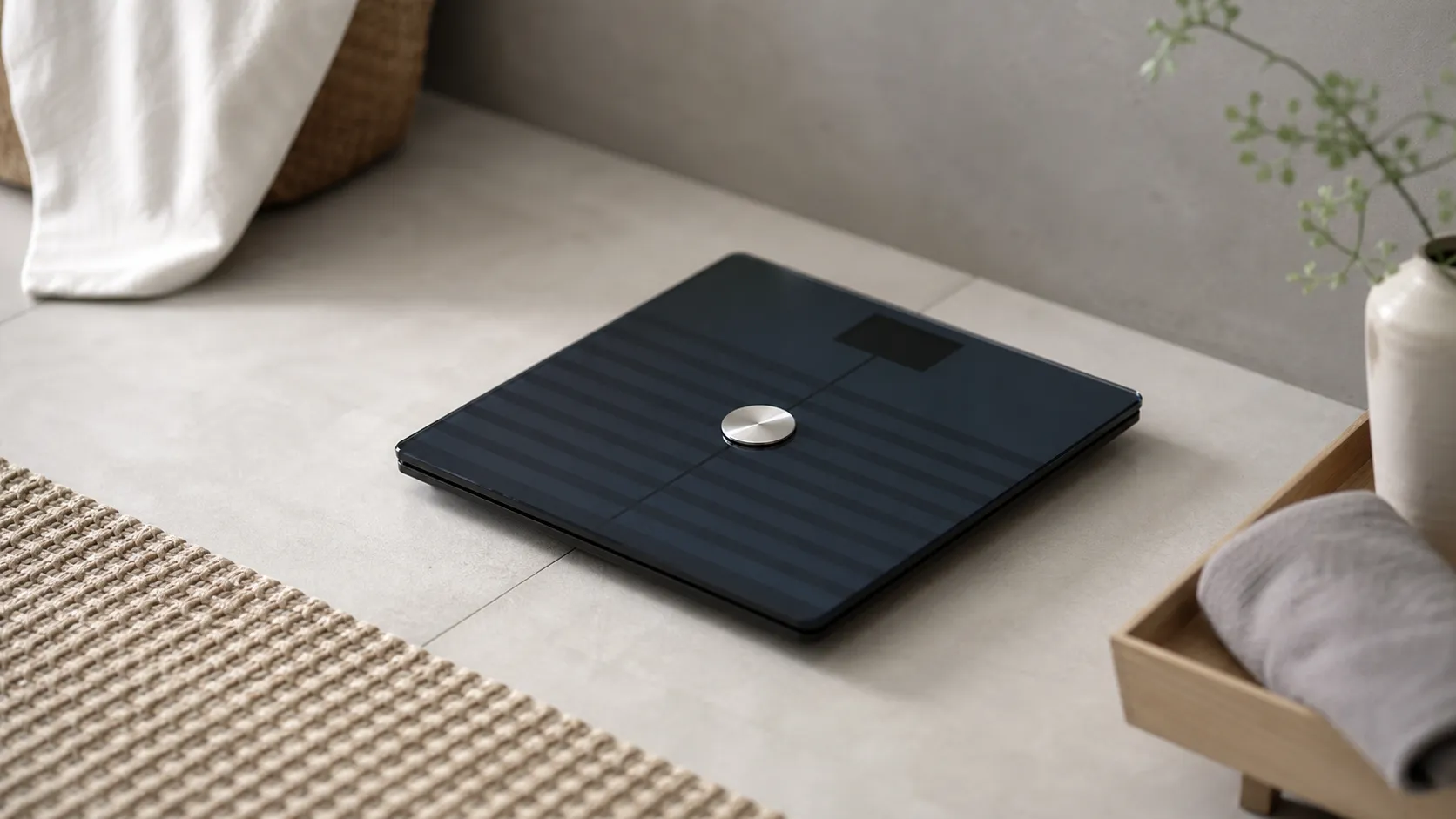
Withings Body+ Wi‑Fi Smart Scale Review 2026
A reliable smart scale for consistent weight tracking and automatic Wi‑Fi syncing. Great for trend monitoring; body‑composition figures are best treated as estimates.