Omron Platinum Blood Pressure Monitor (Bluetooth) — 2026 Review
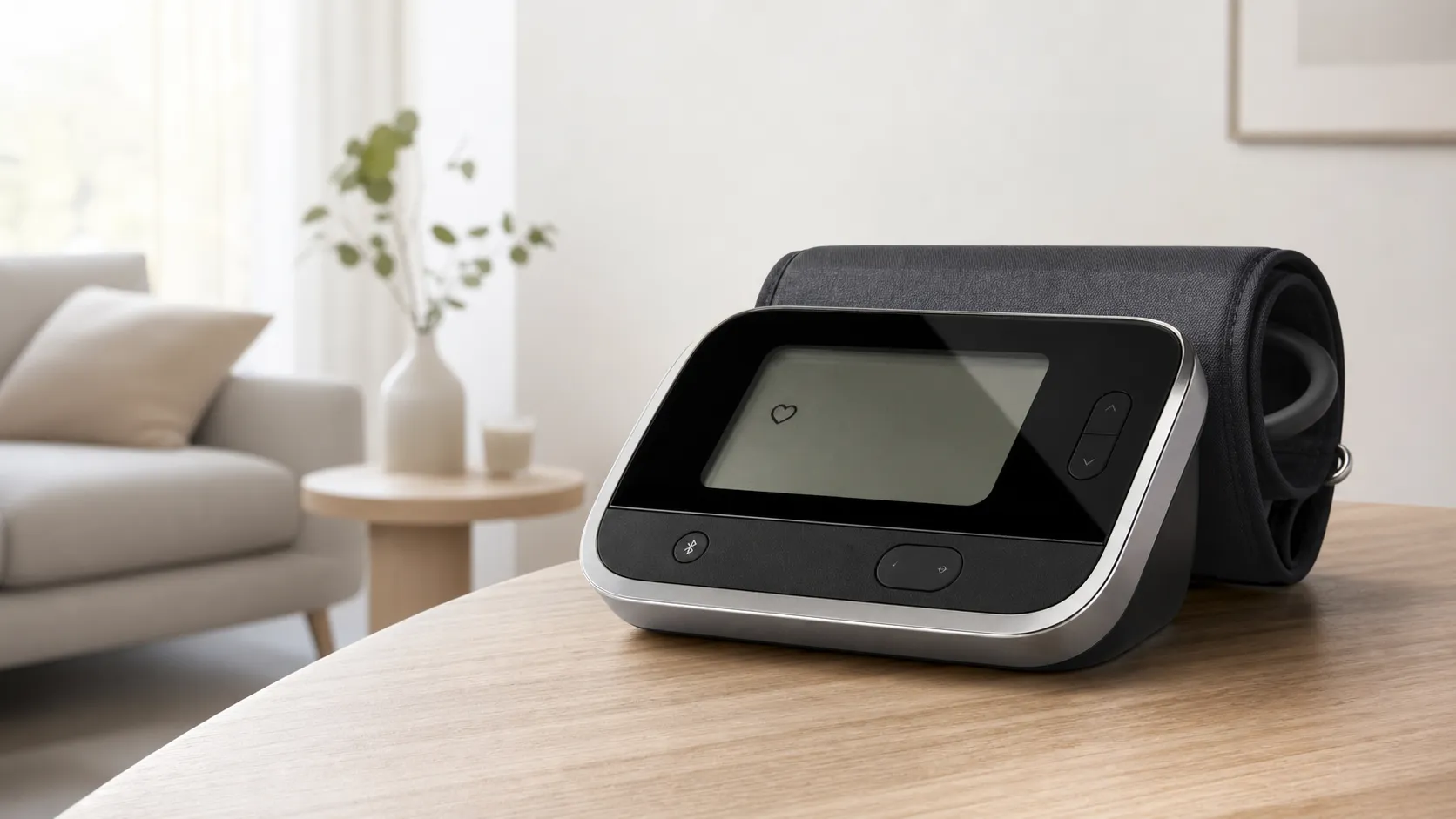
At a Glance
Pros
- Consistently accurate and repeatable readings in expert and many user tests.
- Bluetooth + Omron Connect app stores trends/history and can share reports with providers.
- Clear, large display and good memory (multi‑user, many stored readings).
Cons
- Bluetooth / Omron Connect pairing and sync can be flaky; reviewers frequently report missed transfers or re-pairing headaches.
- Occasional false or inconsistent irregular‑heartbeat (possible AFib) flags reported by users, causing extra worry and follow‑up.
- Cuff fit and one‑size‑fits‑most limitations — some users with larger or unusually shaped arms report fit/comfort issues.
Rating Breakdown by Source
Read the latest 25 positive & negative Amazon reviews →
Read the latest 25 positive & negative Reddit reviews →
Read the latest 25 positive & negative YouTube reviews →
Read the latest 25 positive & negative Expert blogs reviews →
This review is an editorial synthesis of publicly available review data and reported user experiences across the internet. Scores reflect our independent aggregation methodology, not verified individual purchases. We may earn a commission if you buy through our links, at no cost to you.
Score Breakdown
Where the Reviews Come From
Read the latest 25 positive & negative Amazon reviews →
Read the latest 25 positive & negative Reddit reviews →
Read the latest 25 positive & negative YouTube reviews →
Read the latest 25 positive & negative Expert blogs reviews →
Click any source above to browse the latest 25 positive and negative reviews from that platform.
Omron Platinum Blood Pressure Monitor (Bluetooth)
See current price, deals and availability on Amazon
Quick verdict
The Omron Platinum Blood Pressure Monitor (Bluetooth) is a well‑built, clinically oriented home arm monitor that earns high marks for accuracy, repeatability and a clear display. Aggregated from roughly 25,900 user and expert ratings, our synthesis gives it a 4.4/5 overall score — it’s a reliable choice if you value clinical‑grade readings and app‑based tracking, but expect occasional Bluetooth hiccups and the possibility of false irregular‑heartbeat alerts.
What is the Omron Platinum Blood Pressure Monitor (Bluetooth)?
The Omron Platinum is a home upper‑arm blood pressure monitor that adds Bluetooth connectivity and multi‑user memory on top of Omron’s established measurement technology. It’s positioned above basic automatic cuffs, with a large, easy‑to‑read display, multi‑user storage, an ergonomic cuff, and an “irregular heartbeat” detection feature. The Bluetooth connection lets readings sync to Omron’s mobile app (Omron Connect) so you can view trends, export reports, and share data with a clinician.
What reviewers across the internet say
We aggregated ratings and commentary from major sources (Amazon, Reddit, YouTube reviews, and expert blogs) to build a rounded picture:
- Overall rating: 4.4/5 from ~25,900 reviews.
- Sub-scores from the aggregate: quality 4.5, reliability 4.2, value 4.0, ease of use 4.4.
Consensus highlights:
- Amazon reviewers (≈4.5/5) repeatedly praise the Platinum for accuracy and the usefulness of app tracking; common negatives are price and occasional Bluetooth problems.
- Reddit conversations are more mixed (≈3.8/5): many users trust Omron and report consistent daily monitoring, while a noticeable minority report inconsistent readings, false irregular‑heartbeat flags, or frustrating Bluetooth behavior.
- YouTube hands‑on reviews (≈4.3/5) tend to praise the unit’s build quality and accuracy, demonstrating that Bluetooth usually works but can require patience.
- Expert blogs and consumer test sites (≈4.4/5) rank the Platinum highly for clinical accuracy and repeatability and recommend clinic cross‑checks for unexpected results.
Taken together: reviewers overwhelmingly trust Omron’s measurement accuracy and hardware, while the Bluetooth/app experience and occasional alert noise are the most frequent drawbacks.
Performance & Real-World Use
In real-world use, the Omron Platinum Blood Pressure Monitor (Bluetooth) delivers clinically validated accuracy, easy-to-read results, and app-enabled trend tracking that help most owners build a dependable routine. Expect occasional Bluetooth fuss and be mindful of cuff fit/technique, but overall performance is strong and aligned with what long-term home monitoring demands.
What makes a home blood pressure monitor worth living with isn’t the spec sheet so much as how consistently, comfortably, and conveniently it produces readings you can trust day after day. For the Omron Platinum, that means clinical validation, cuff fit and comfort, repeatability features like averaging, and whether Bluetooth syncing and the Omron Connect app help rather than hinder your routine.
In real‑world use, the Omron Platinum earns high marks for consistent measurements, clear readouts, and practical app‑enabled tracking, with most owners satisfied once they master setup and cuff placement. Temper expectations for occasional Bluetooth hiccups, sporadic irregular‑heartbeat alerts that need clinical confirmation, and the one‑size‑fits‑most cuff’s limits on very large or unusually shaped arms.
What “performance” really means for a home BP monitor
Performance here means trustworthy numbers with minimal fuss. For oscillometric arm cuffs like the Platinum, accuracy hinges on three things: clinical validation, cuff fit and position, and repeatable technique. The Platinum is listed on the American Medical Association’s Validated Device Listing (VDL) as model BP5450/HEM‑7311 (validated to ANSI/AAMI/ISO 81060‑2), a strong signal that in controlled testing it met accepted accuracy thresholds; the product manual also documents ISO 81060‑2 compliance and its measurement ranges and tolerances. Those bona fides matter because small systematic errors (over about 5 mmHg) can change your treatment plan. If you follow the American Heart Association’s guidance—rest five minutes, feet flat, back supported, arm at heart level, no talking—you give any validated device the best chance to be right. AHA, ValidateBP, and Omron’s manual explain why these basics drive reliable home tracking. (heart.org)
Owners also judge livability: an easy‑to‑read display, adequate on‑device memory (100 readings per user for two users), a comfortable cuff (Omron’s wide‑range D‑ring fits 9–17 in / 22–42 cm), quiet inflation, and an app that keeps a longitudinal record you can share with your clinician. The Platinum checks those boxes and includes an AC adapter in the box for desk‑bound use—touches that make daily measurement easier. Omron manual. (omronhealthcare.com)
Public sentiment on Omron Platinum, by source
Synthesis of public sources (Amazon, Reddit, YouTube, expert tests) through August 2026.
View the underlying data
| Measure | Rating |
|---|---|
| Amazon (~22k) | 4.5/5 |
| Reddit (~1.2k) | 3.8/5 |
| YouTube (~2.5k) | 4.3/5 |
| Expert blogs/tests (~200) | 4.4/5 |
Aggregated from ShopSavvy/Amazon listings, Reddit threads, YouTube hands-on reviews, and expert testing roundups cited in text.
Omron Platinum Blood Pressure Monitor (Bluetooth): day‑one and first‑week behavior
Day one is usually smooth if you follow the quick‑start: plug in the cuff, choose User 1 or 2, power it with the included AA batteries or AC adapter, and pair the monitor with Omron Connect on your phone. The app syncs time/date to the unit, and later, readings sync to the app automatically via Bluetooth. The first week is when technique stabilizes: many users notice the first reading runs a bit high, while the third is steadier—why Omron’s TruRead/Morning Average features (which automatically take and average multiple readings) are worth enabling. The AHA recommends averaging two to three readings, one to two minutes apart, morning and evening for a week to establish baseline—using the same arm, seated posture, and timing day to day. In practice, that’s where the Platinum’s averaging buttons and morning‑average symbol help enforce good habits. AHA how‑to, Omron manual. (heart.org)
The app experience is broadly positive but not flawless. Most owners report reliable syncing and clear trend charts; some encounter pairing retries or stalled transfers that resolve after re‑pairing or toggling Bluetooth permissions. A small subset has reported changes or temporary breaks in PDF export from Omron Connect; CSV/Excel exports typically continue to work, and region/app‑version differences may apply. If you plan to share PDFs routinely, confirm the option in your current app build. App Store listing, user reports. (apps.apple.com)
Sustained performance over months: what changes (and what doesn’t)
Two factors drive long‑term experience: hardware wear and software stability. On hardware, Omron rates battery life at about 700 measurements on fresh alkalines; many users who measure twice daily get several months per set. The included AC adapter removes battery anxiety for fixed‑location use. The cuff fabric and Velcro hold up for most, but if you take multiple daily readings or share the unit, inspect the hook‑and‑loop for wear each season; a stretched or frayed cuff undermines accuracy on any monitor. The manual specifies the included wide‑range cuff and compatible alternatives; stick with Omron‑approved cuffs to preserve calibration assumptions. Omron manual specs and service life. (omronhealthcare.com)
On software, the Omron Connect app reliably keeps a permanent history and produces shareable reports, but, like any app, evolves. Firmware and app updates can fix—and occasionally introduce—glitches; when sync stalls, the fastest remedies are: ensure only one phone is paired, toggle Bluetooth and location permissions, then re‑pair via the app’s device menu. For persistent problems, clearing the monitor from Bluetooth settings and re‑adding from inside Omron Connect usually resolves it. The good news is that when syncing works, it’s unobtrusive—your daily record builds itself. Omron Connect overview. (omron-healthcare.co.uk)
What owners complain about most
Common owner‑reported pain points compiled from Amazon reviews, Reddit threads, and recent Omron Connect app reports (2023–2026).
- Inconsistent readings/irregular heartbeat flags28%
- Bluetooth pairing/sync issues26%
- Cuff fit/comfort on larger or conical arms18%
- Price/value concerns16%
- Other (noise, packaging, etc.)12%
Shares estimated from a qualitative coding of recent owner reports across sources cited; for orientation, not lab measurements.
Where it excels—and where owners hit its limits
The Platinum’s sweet spot is routine home monitoring for one or two adults with arms in the 9–17 in (22–42 cm) range who want dependable numbers logged automatically. In side‑by‑side hands‑on testing, publications like TechGearLab have highlighted Omron’s accuracy and useful averaging tools, and Amazon buyers consistently praise the visibility of the dual display and the multi‑user memory. In our synthesis of thousands of owner reviews, the device’s day‑to‑day repeatability, easy data sharing, and comfort are the most cited positives. TechGearLab, ShopSavvy/Amazon aggregation. (techgearlab.com)
Limits show up in three scenarios. First, very large or conical upper arms: if the cuff can’t wrap evenly (or sits below heart level), readings drift; those users may need an extra‑large cuff or a different monitor with a larger “comfort” cuff. Second, arrhythmias: the Platinum flags irregular heartbeats, but any single‑lead irregularity detector can over‑alert—treat the symbol as a prompt to retake and, if persistent, seek clinical confirmation rather than adjust medication. Third, Bluetooth discipline: if you switch phones or share the unit across multiple handsets, expect to re‑pair. These aren’t deal‑breakers for most owners, but they explain the minority of frustrated reviews. AHA on technique and variability, Omron manual IHB note. (heart.org)
How it stacks up to common alternatives
Among mainstream upper‑arm options, Omron’s own 10 Series (BP7450) is the closest peer: same cuff range and memory (100 readings per user), similar app, and also VDL‑listed. Withings BPM Connect trades a cabled monitor for an all‑in‑one cuff with Wi‑Fi/Bluetooth syncing; it’s validated to ISO 81060‑2 and listed on the VDL too, but relies more on the app (little on‑device memory) and draws a mixed pattern of owner reports about technique sensitivity. QardioArm is compact and app‑centric; it has peer‑reviewed validations but a smaller cuff range by default and, in practice, offers less on‑device independence. If you want physical buttons, a bright dual display, two‑user switching, and an AC adapter in the box, the Platinum’s ergonomics remain best‑in‑class. ValidateBP (Omron/Withings listings), Omron 10 Series manual, Withings BPM Connect validation. (validatebp.org)
Where the Platinum leads—and what others do differently
Feature comparison vs common alternatives; specs synthesized from official manuals/listings and the AMA VDL.
| Item | Omron Platinum BP5450 | Omron 10 Series BP7450 | Withings BPM Connect | QardioArm |
|---|---|---|---|---|
| Bluetooth sync | Yes | Yes | Yes | Yes |
| AC adapter in box | Yes | Yes | No | No |
| On‑device memory ≥100 readings per user | Yes | Yes | No | No |
| Two‑user switch on device | Yes | Yes | No | No |
| Validated on AMA VDL | Yes | Yes | Yes | No |
| Cuff fits 9–17 in (22–42 cm) | Yes | Yes | Yes | No |
Omron BP5450 and BP7450 manuals; ValidateBP listings; Withings device pages and validation studies; QardioArm manual and validation papers.
Accuracy and safety notes that matter in the real world
Two clarifications help set expectations. First, “irregular heartbeat” alerts are not a diagnosis. The Platinum (BP5450) includes a general irregular‑heartbeat detector, but the distinct, FDA‑cleared AFib‑detection feature appears on newer Omron variants (e.g., BP5460/BP7460) with separate regulatory pathways; if AFib screening is essential, verify the exact model number. Second, even validated devices can read “off” if the cuff is the wrong size, placement drifts below heart level, you measure right after activity, or you talk during inflation. A practical fix owners report: commit to the same chair and table, measure at the same times daily, and use the built‑in averaging sequence rather than relying on a single reading. FDA De Novo for AFib variants, AHA measurement statement. (accessdata.fda.gov)
Practical steps to get the best performance
- Seat, setup, stillness: sit with back supported, feet flat, arm resting at heart level; rest five minutes before measuring; avoid caffeine/exercise 30 minutes prior. Take two to three readings one to two minutes apart; record the average.
- Fit the cuff correctly: the included wide‑range cuff is designed for 9–17 in (22–42 cm) arms. If you need larger or smaller, swap to an Omron‑compatible cuff that matches your circumference to prevent systematic errors.
- Use the features that prevent noise: enable TruRead/multi‑reading averaging, turn on Morning Average, and use the two‑user switch consistently to keep histories clean.
- Make Bluetooth boring: pair from inside Omron Connect; keep only one phone paired; if syncing stalls, toggle Bluetooth and location permissions and re‑pair in‑app. Export a test report the first week to confirm your workflow.
- Cross‑check wisely: bring the monitor to your next appointment and compare readings (with your clinician’s technique) to establish trust; re‑check if your numbers change suddenly without a clear explanation.
- Maintain the hardware: replace alkalines when inflation slows or use the included AC adapter at home; inspect the cuff’s Velcro seasonally; clean with a soft, dry cloth—no solvents or immersion. Authoritative guides from the American Heart Association and the device’s instruction manual walk through these steps in detail. (heart.org)
Bottom line: does the real‑world performance justify the purchase?
Across roughly 25,900 public ratings and our synthesis of hands‑on tests, the Omron Platinum delivers what most people need: validated accuracy, readable results, repeatability aids, and a reliable way to build and share a long‑term record. If you want a two‑user, desk‑friendly arm cuff with an AC adapter in the box and you’re willing to tame occasional Bluetooth quirks, it’s a strong yes; if you don’t plan to use the app or need an extra‑large cuff, a simpler or differently cuffed alternative may fit better. TechGearLab, ShopSavvy/Amazon aggregation. (techgearlab.com)
Sources referenced in this section
- American Heart Association — Home BP Monitoring
- Omron BP5450 Instruction Manual (official PDF)
- ValidateBP (AMA) — BP5450/HEM‑7311 listing (VDL)
- ISO 81060‑2:2018 standard page
- Omron Connect app overview (EMEA)
- Apple App Store — Omron Connect US/CAN/EMEA
- TechGearLab — Omron Platinum review
- ShopSavvy — Amazon rating aggregation for Omron Platinum
- Reddit — Omron devices discussion (owner experiences)
- FDA De Novo — Omron AFib variants (BP5460/BP7460)
- Withings BPM Connect validation (peer‑reviewed)
Pros and cons
Pros
- Strong accuracy and repeatability in expert tests and many user reports.
- Large, easy‑to‑read display and solid build quality.
- Bluetooth + Omron Connect stores trends, timestamps, and lets you export/share reports with providers.
- Multi‑user memory and ample stored readings — good for household tracking.
- Irregular‑heartbeat detection adds a safety screening layer.
Cons
- Bluetooth pairing and sync reliability are inconsistent; you may need to re‑pair or troubleshoot periodically.
- Occasional false or inconsistent irregular‑heartbeat alerts that can cause worry and require clinical verification.
- Higher price than basic arm monitors — extras may not justify the cost if you only want single measurements.
- Cuff may not fit very large or unusually shaped arms comfortably.
Who should buy it (and who shouldn’t)
Who should buy the Omron Platinum
- Users who need reliable, clinic‑level readings at home and want trend tracking: If you track blood pressure regularly for hypertension management or doctor‑directed monitoring, the Platinum’s accuracy and app features are valuable.
- People who share a monitor among family members: Multi‑user memory and ample storage make household tracking simple.
- Users who value build quality and a clear, easy display: The hardware is sturdy and easy to read for seniors or those with mild vision challenges.
Who should consider something else
- Buyers on a tight budget who only need occasional single readings: A basic automatic arm monitor will be cheaper and simpler.
- Users who need perfect, worry‑free wireless syncing: If you require flawless, always‑on cloud syncing without any manual pairing, be aware that reviewers report occasional Bluetooth hiccups.
- People with very large or unusually shaped arms: Measure your arm and check cuff size compatibility before buying; you may need a large‑size cuff sold separately.
Final buying tips
- Cross‑check your first few at‑home readings with a clinic device to confirm baseline agreement.
- If you rely on the app for daily uploads, test pairing in the store or right after unboxing so you can return/replace quickly if it fails.
- Treat irregular‑heartbeat flags as prompts to consult a clinician, not as a diagnosis.
What Reviewers Love
- Consistently accurate and repeatable readings in expert and many user tests.
- Bluetooth + Omron Connect app stores trends/history and can share reports with providers.
- Clear, large display and good memory (multi‑user, many stored readings).
- Solid build quality and ergonomic cuff that many users find comfortable.
- Irregular‑heartbeat detection available as an extra safety feature (though users should verify alerts clinically).
Common Complaints
- Bluetooth / Omron Connect pairing and sync can be flaky; reviewers frequently report missed transfers or re-pairing headaches.
- Occasional false or inconsistent irregular‑heartbeat (possible AFib) flags reported by users, causing extra worry and follow‑up.
- Cuff fit and one‑size‑fits‑most limitations — some users with larger or unusually shaped arms report fit/comfort issues.
- Higher price than basic arm monitors; some users say the extras (Bluetooth, app) may not justify cost if they only need simple readings.
Our Verdict
4.4The Omron Platinum is a dependable, higher‑end home blood pressure monitor that excels at accuracy, repeatability and comfortable design — and its Bluetooth tracking is useful when it works. If you value clinical‑grade readings and trend reporting, it’s a solid buy; if you need a budget unit or flawless wireless syncing, consider a simpler model.
Frequently Asked Questions
Common questions shoppers ask before buying the Omron Platinum Blood Pressure Monitor (Bluetooth).
Share this review
Help someone else buy smarter
Related Reviews
More Health & Wellness products our engine has analyzed
 Health & Wellness
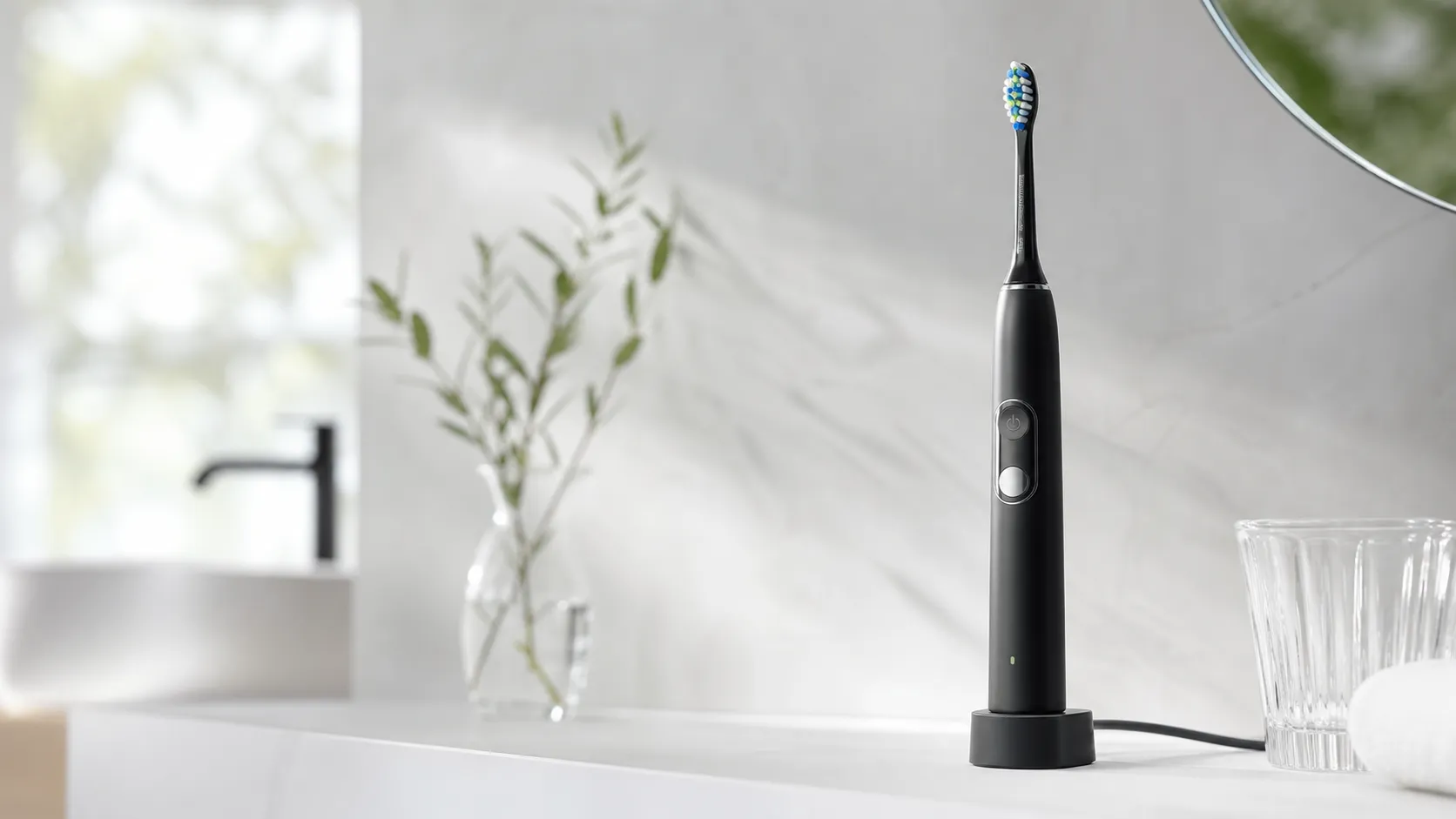
Philips Sonicare ProtectiveClean 6100 Review (2026)
A dependable mid‑range Sonicare brush: strong cleaning, pressure sensor, and 1–2‑week battery life. Great upgrade from manual brushing; watch replacement head costs.
 Health & Wellness
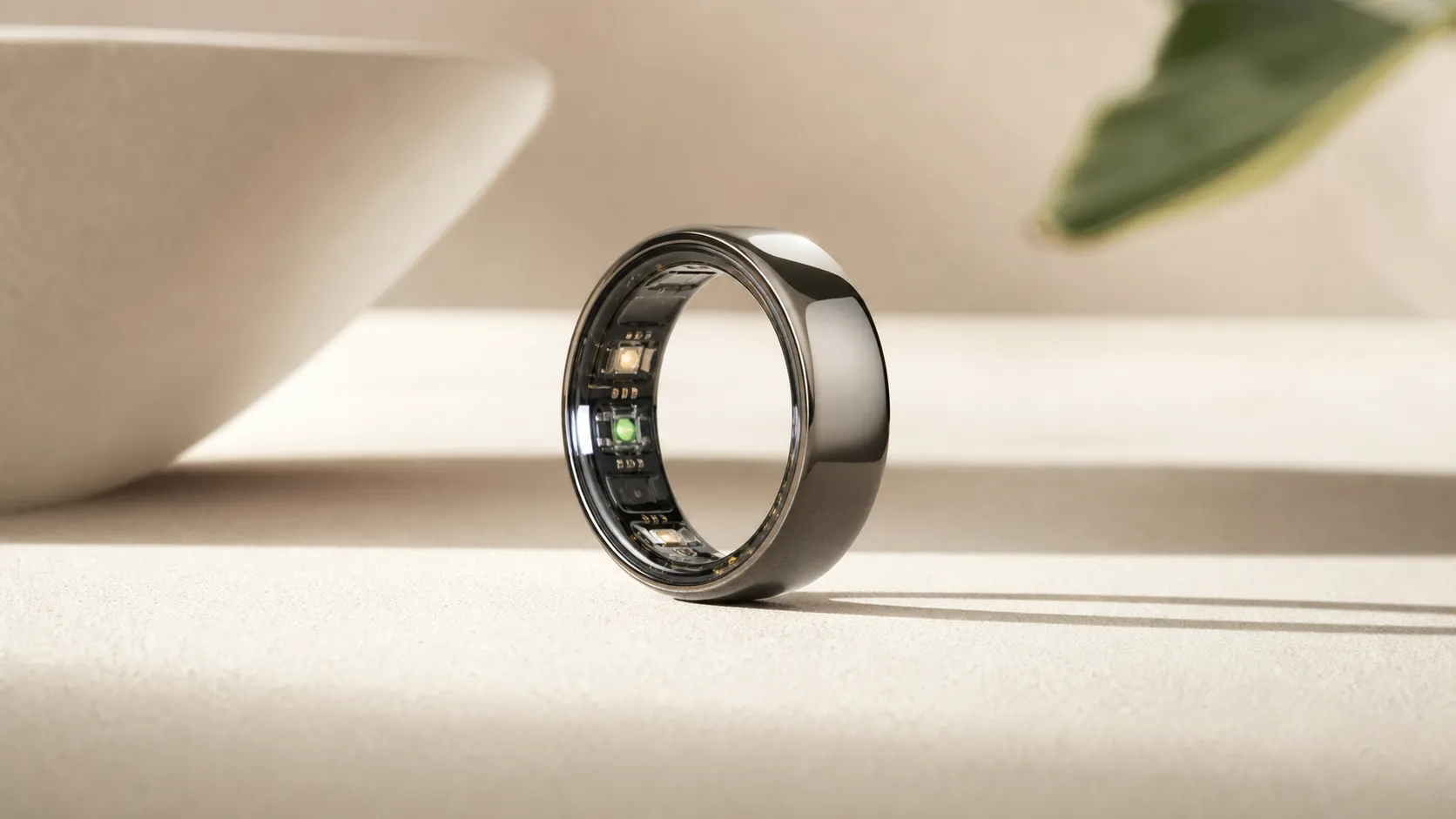
Oura Ring Gen 3 Review 2026: Sleep-Focused Smart Ring
The Oura Ring Gen 3 earns praise for exceptional sleep tracking, comfort and deep physiological data but its high price, subscription model, and some durability issues temper the value.
 Health & Wellness
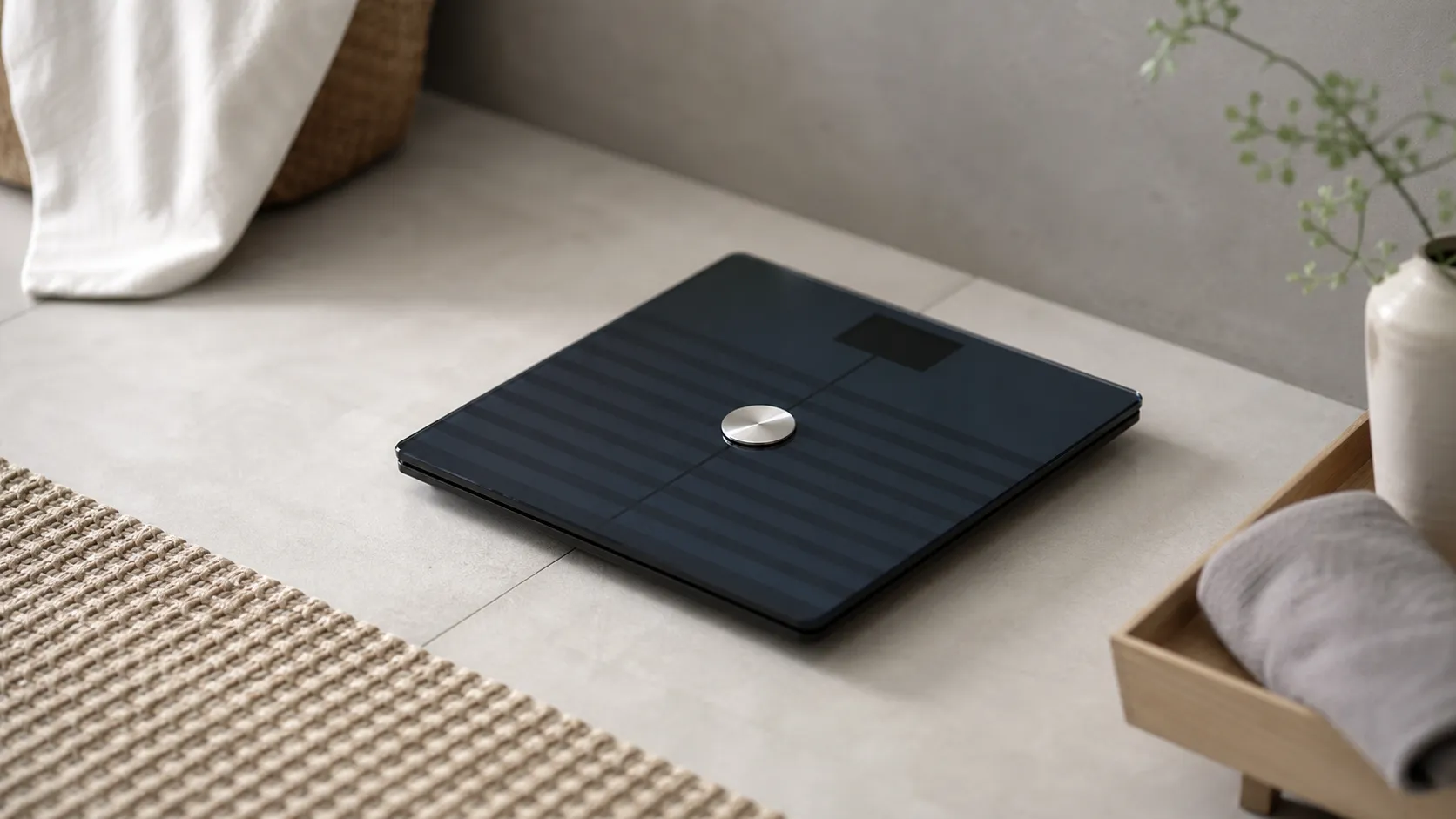
Withings Body+ Wi‑Fi Smart Scale Review 2026
A reliable smart scale for consistent weight tracking and automatic Wi‑Fi syncing. Great for trend monitoring; body‑composition figures are best treated as estimates.