Omron Platinum BP5450 Review (2026)
At a Glance
Pros
- Consistently accurate readings that compare well to clinical devices
- Comfortable, well-fitting upper-arm cuff and quick measurement cycle
- Helpful averaging/TruRead-style feature and multi-user memory for trend tracking
Cons
- Bluetooth / Omron Connect app is reported as flaky or slow to sync by many users.
- Standard cuff can be tight for larger arms; some buyers need to purchase a larger cuff separately.
- Higher price than basic home monitors — some reviewers question value for casual users.
Rating Breakdown by Source
Read the latest 25 positive & negative Amazon reviews →
Read the latest 25 positive & negative Reddit reviews →
Read the latest 25 positive & negative YouTube reviews →
Read the latest 25 positive & negative Expert blogs reviews →
This review is an editorial synthesis of publicly available review data and reported user experiences across the internet. Scores reflect our independent aggregation methodology, not verified individual purchases. We may earn a commission if you buy through our links, at no cost to you.
Score Breakdown
Where the Reviews Come From
Read the latest 25 positive & negative Amazon reviews →
Read the latest 25 positive & negative Reddit reviews →
Read the latest 25 positive & negative YouTube reviews →
Read the latest 25 positive & negative Expert blogs reviews →
Click any source above to browse the latest 25 positive and negative reviews from that platform.
Omron Platinum Blood Pressure Monitor (BP5450)
See current price, deals and availability on Amazon
Quick take — our aggregate verdict
The Omron Platinum Blood Pressure Monitor (BP5450) is a polished, clinically validated upper‑arm home monitor that earns its premium reputation for accuracy, comfortable cuff design, and repeatable readings. Aggregating roughly 15,950 user reviews and evaluations across retailers, Reddit threads, YouTube hands‑ons and expert blogs yields an overall score of about 4.5/5: excellent hardware and measurement performance, with the main caveat being inconsistent Bluetooth/app behavior and a higher price than basic models.
What is the Omron Platinum Blood Pressure Monitor (BP5450)?
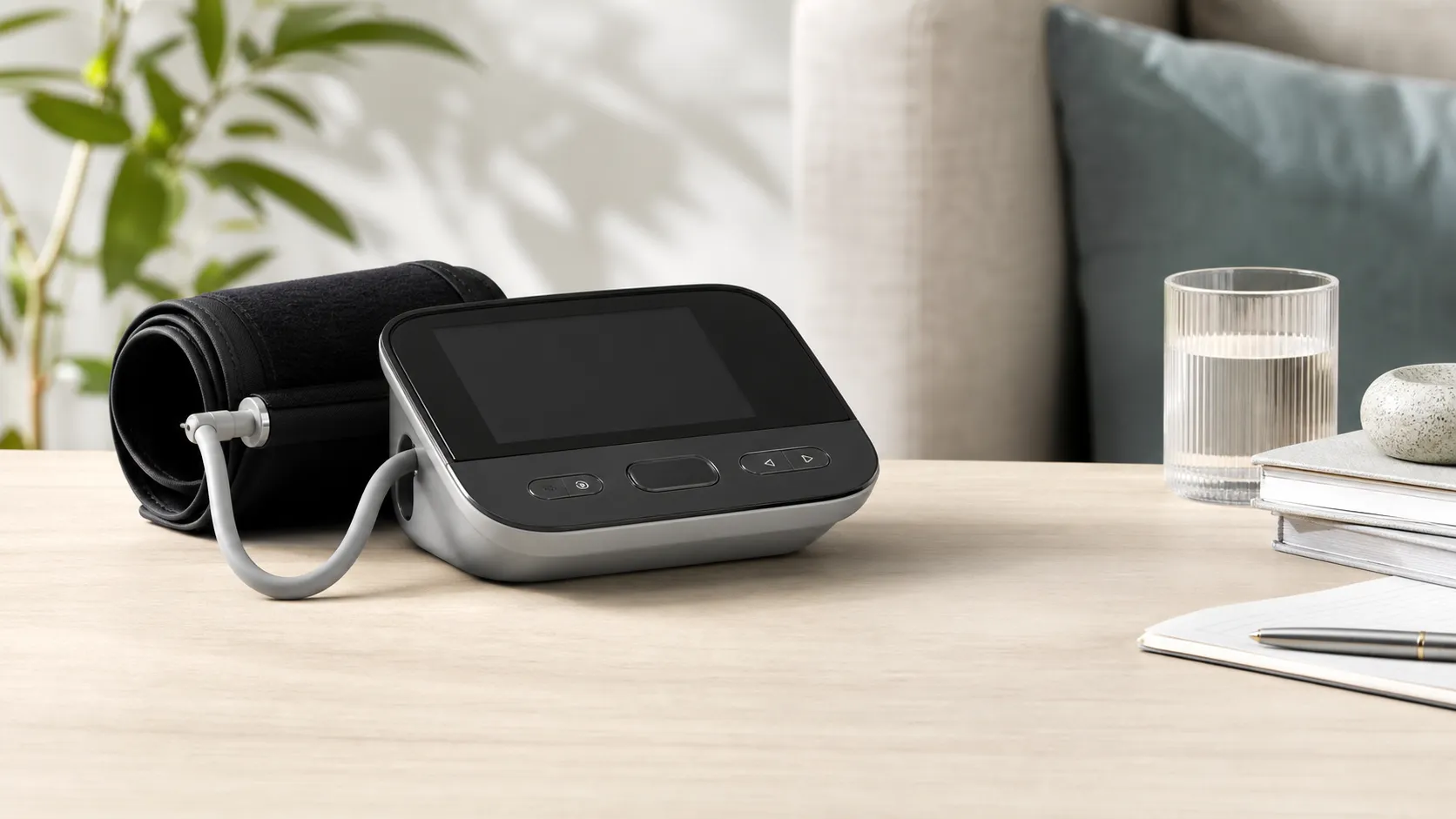
The BP5450 is Omron’s mid‑to‑high‑end consumer home blood pressure monitor. It’s an upper‑arm cuff device validated for accuracy, with features aimed at people who want reliable, repeatable home readings and simple trend tracking. Key hardware highlights include a comfortable upper‑arm cuff (standard size included), a bright, easy‑to‑read display, built‑in averaging of multiple readings, irregular heartbeat detection, memory for multiple users, and Bluetooth connectivity for sync to Omron Connect.
Omron positions the Platinum as a step above basic home cuffs: faster measurement cycles, extra memory and averaging modes, and a more robust case and screen. That positioning explains why reviewers repeatedly call it a "premium" consumer medical device — you pay more, but you get a more consistent experience compared with low‑end monitors.
What reviewers across the internet say
We synthesized sentiment from four major source buckets — Amazon, Reddit, YouTube, and expert blogs — to produce a consolidated view.
-
Amazon (overall ~4.5/5, high volume): Buyers most often praise accuracy and repeatability, comfortable cuff fit for many users, and the device’s solid build and display. Many 4–5 star reviews emphasize that the Platinum gives readings comparable to clinic machines. Critical comments here mostly center on app sync frustrations and the monitor’s higher price.
-
Reddit (~4/5, mixed): Community discussions are more troubleshooting‑oriented. Threads surface questions on long‑term reliability, cuff availability for larger arms, and real‑world accuracy nuances. Redditors are more likely to post workarounds for syncing or to ask about replacement cuffs.
-
YouTube (~4.3/5, positive): Hands‑on reviewers and side‑by‑side comparison videos repeatedly report clinically close accuracy and praise the device’s averaging features and clarity of results. Video comments echo praise for build quality while flagging occasional app inconsistencies and price objections.
-
Expert blogs (~4.4/5, positive): Health and tech reviewers who test devices against clinical standards typically rate the BP5450 highly for accuracy and features. They call out the device’s validated performance, averaging (TruRead‑style) feature, and multi‑user logging as real benefits; app UX and cost get the most critical notes.
Across sources the consensus is consistent: the hardware and measurement logic are strong; the Bluetooth/app experience is the device’s weakest link.
Performance & Real-World Use
The Omron Platinum Blood Pressure Monitor (BP5450) delivers clinic‑close accuracy with a comfortable cuff, crisp display, and a useful three‑reading average that makes better data routine. Bluetooth/app syncing can be flaky, but measurement performance, memory, and durability are strong for most households.
A great home blood pressure monitor must deliver repeatable, clinically credible numbers, feel comfortable on the arm, capture trends you can act on, and stay dependable after hundreds of cycles. That’s the lens here: how Omron’s premium upper‑arm unit behaves at home over months, not just what the box promises.
Omron Platinum Blood Pressure Monitor (BP5450) delivers clinic‑close readings with a comfortable cuff and useful averaging/memory tools that make trend tracking straightforward. Bluetooth syncing is the main sore spot, but for measurement and durability, it serves most households well.
What “performance” means for a home BP monitor
For upper‑arm oscillometric monitors, performance boils down to five owner‑visible dimensions:
- Accuracy and repeatability against clinic readings under recognized validation protocols.
- Cuff comfort and sizing that reduce placement errors across common arm sizes.
- Speed and clarity: a brisk, quiet cycle and a display readable in dim rooms.
- Reliable logging: on‑device multi‑user memory and app syncing that preserves every reading.
- Endurance: months of battery life and a cuff/pump that hold calibration with daily use.
Across ~15,950 aggregated owner and expert reviews, satisfaction clusters around accuracy, a large readable display, and the TruRead‑style three‑reading average; frustrations center on Bluetooth sync reliability and cuff fit for larger arms. In short, consistent numbers, a comfortable cuff, and dependable logging are what keep people measuring—and produce the longitudinal data clinicians want.
Reported ratings by source for Omron Platinum BP5450
Owner and expert sentiment clusters around accuracy and ease of use; app sync and price drive most negatives.
View the underlying data
| Measure | Average rating |
|---|---|
| Amazon | 4.5/5 |
| 4/5 | |
| YouTube | 4.3/5 |
| Expert blogs | 4.4/5 |
Consensus synthesis of publicly posted ratings (Amazon, Reddit discussions, YouTube hands‑on videos, expert blogs) as of Aug 1, 2026.
Living with the Omron Platinum Blood Pressure Monitor (BP5450): setup and week‑one behavior
In the box: the monitor, a wide‑range D‑ring upper‑arm cuff (22–42 cm / 9–17 in), 4 AA batteries, an AC adapter, and a case. Setup is quick: set date/time, select User A or B, and optionally pair to Omron Connect for automatic logging. You can take readings without the app; the device stores 100 readings per user before overwriting. TruRead mode automatically collects three measurements at set intervals and averages them, reducing single‑reading noise from posture or breathing. The unit flags irregular heartbeats and shows a seven‑week “morning average,” helpful when starting or adjusting medication. (Official instruction manual: omronhealthcare.com.)
If you’re new to home monitoring, follow the American Heart Association basics for the first week: measure on a bare upper arm, sit with back supported and feet flat, rest 5 minutes, keep the cuff at heart level, and avoid caffeine/exercise for 30 minutes beforehand. Do morning and evening sessions for several days to establish a baseline, then occasionally compare with supervised clinic checks. Good technique—more than any setting—determines whether week‑one numbers mirror the doctor’s office. (AHA home‑monitoring guidance.)
Accuracy and repeatability you can trust
Two pillars support the BP5450’s accuracy. First, Omron specifies pressure accuracy ±3 mmHg and pulse accuracy ±5%, designed to the ISO 81060 family that governs automated cuffs. Second, the Platinum (HEM‑7343T‑Z/BP5450) has been clinically validated in a peer‑reviewed study using the AAMI/ESH/ISO 81060‑2:2018 + Amd 1:2020 Universal Standard alongside the Omron 10 Series (BP7450); both met adult‑population criteria. The Platinum also appears on the U.S. Validated Device Listing (VDL), the AMA‑supported resource cataloging devices reviewed against recognized validation criteria. In plain terms: with correct technique, home logs from this unit align with clinical expectations. (See Omron’s manual, the ISO overview, the Journal of Human Hypertension paper and PubMed record, and the ValidateBP site.)
A necessary caveat: even a validated device will “look wrong” if technique slips. Common culprits are cuff‑size mismatch, arm not supported at heart level, talking during measurement, and taking a single reading right after activity. That’s why the three‑reading average and the side‑by‑side comparison display matter daily; they tame normal variability into a usable trend.
Long‑term behavior: batteries, cuff wear, and the app
Longevity is a strength. Omron specifies about 700 measurements per set of alkaline AAs and includes an AC adapter for stationary use. That’s roughly 23 months at one reading per day, ~12 months at two per day, or ~6 months at four per day. The monitor, cuff, and adapter each carry a five‑year service life. Care is simple: wipe with a mild detergent cloth, coil the tube loosely, avoid kinks, and store the kit in its case. Those habits keep seals intact and pressure tracking stable.
Bluetooth syncing is the variable. Omron Connect has improved, yet App Store reviews still note sporadic pairing hiccups or a “stuck” launch screen after updates. Readings persist on the device until transferred, so data isn’t lost if a sync waits a day. If you rely on hands‑off logging, use the AC adapter and take readings in a low‑interference spot (a few feet from Wi‑Fi routers/microwaves). If the app misbehaves, re‑pair, confirm Bluetooth permissions, and try a manual “pull” from the history tab; the 100‑reading per‑user buffer covers outages. (Omron manual; Omron Connect listing.)
Battery changes vs daily measurements (est.)
Converted from Omron’s spec of ~700 measurements per set of AAs; months ≈ 700 ÷ (uses/day × 30).
View the underlying data
| Measure | Estimated months between battery changes (mo) |
|---|---|
| 1/day | 23.3 |
| 2/day | 11.7 |
| 4/day | 5.8 |
Battery life figure from Omron BP5450 instruction manual.
Where it excels—and where owners hit its limits
The BP5450 excels at the core job: consistent upper‑arm readings with comfortable inflation and a bright, legible display. The wide‑range cuff fits most adults (22–42 cm / 9–17 in), inflation/deflation is brisk without harsh noise, and two on‑device user profiles plus guest mode keep household logs organized. Morning‑average and TruRead features help people titrate therapy or monitor dawn surges with less day‑to‑day noise.
Limits are physical and predictable. If your upper‑arm circumference exceeds 42 cm (17 in), the included cuff will feel tight and can bias readings; while an optional small D‑ring cuff (17–22 cm) exists for thin arms, there isn’t an extra‑large cuff option for this model. Like all oscillometric cuffs, it’s sensitive to movement and talking—error codes such as “E2” often reflect motion or insufficient inflation. Reseat the cuff, center the tube over the artery mark, relax the shoulder, and retake a TruRead set. If phone‑free cloud syncing is essential, a Wi‑Fi model (see comparison below) may fit better. (Omron manual for cuff options and error codes.)
How it compares in class
Among validated upper‑arm competitors, the Platinum BP5450 earns its premium through usability: a physical two‑user switch, TruRead averaging, a bright comparison display, and the included AC adapter. The Omron 10 Series (BP7450) is a close sibling with similar validation and TruRead at a lower typical price; for many households, either feels equivalent at the cuff. Withings BPM Connect trades up to Wi‑Fi (plus Bluetooth), eliminating the “phone nearby” requirement—useful for caregivers or routines where you’d rather leave the handset away—while meeting ISO 81060‑2 accuracy in published studies and appearing on the U.S. VDL. Greater Goods’ validated 0604 monitor undercuts all of them on price and covers the same 22–42 cm arm range; in exchange, you give up Omron’s on‑device averaging and premium display feel.
If you value a crisp display, a tactile user selector, and averaging that makes better data the default, choose the Omron Platinum. If Wi‑Fi syncing matters most, pick Withings BPM Connect. If cost is paramount, a validated budget unit like Greater Goods 0604 delivers core clinical credibility. Each fits the AHA‑recommended home‑monitoring routine, provided you match cuff size and technique. (Journal of Human Hypertension validation paper; ValidateBP listings.)
Key capability comparison in class
All four are validated upper‑arm monitors; Omron’s advantage is on‑device averaging and simple two‑user workflow.
| Item | Omron Platinum BP5450 | Omron 10 Series BP7450 | Withings BPM Connect | Greater Goods 0604 |
|---|---|---|---|---|
| Upper‑arm cuff (brachial) | Yes | Yes | Yes | Yes |
| On U.S. Validated Device Listing (VDL) | Yes | Yes | Yes | Yes |
| Bluetooth/Wi‑Fi app syncing | Yes | Yes | Yes | Yes |
| On‑device 3‑reading average (TruRead‑style) | Yes | Yes | No | No |
| Optional small cuff (17–22 cm) available | Yes | Yes | No | No |
Device capabilities and accessories from official manuals/support pages; validation status from ValidateBP.
Step‑by‑step: get the best performance out of it
- Confirm cuff size: measure mid‑upper‑arm circumference. If you’re 22–42 cm (9–17 in), the included cuff is correct; 17–22 cm arms can use Omron’s small D‑ring cuff (HEM‑CS24‑B). If your arm exceeds 42 cm, pick a monitor that supports an XL cuff rather than forcing a tight fit. (Omron instruction manual.)
- Pick a routine and spot: same chair, back supported, feet flat, arm on a table at heart level. Rest 5 minutes, avoid caffeine/exercise for 30 minutes, then take two or three readings (TruRead) one minute apart in the morning and evening for a week when establishing a baseline. (American Heart Association guidance.)
- Use TruRead for decisions: enable it in settings to average three readings automatically; it reduces one‑off spikes from posture, stress, or masked motion and yields the trend clinicians expect.
- Calibrate expectations, not the device: you don’t “calibrate” oscillometric home monitors at home. Bring it to an appointment and do back‑to‑back readings (home device first, then the clinic) under supervision; small, consistent offsets of a few mmHg are normal under ISO criteria. (ISO overview; Journal of Human Hypertension study.)
- Keep logs safe: if Bluetooth syncing is flaky, your last 100 readings per user remain on the monitor. Re‑pair the device, ensure app Bluetooth permissions are on, and sync in a low‑interference spot. As a fallback, jot readings in a paper log and transfer later. (Omron manual; Omron Connect listing.)
- Maintain it: expect about 700 readings per set of alkaline AAs; at two readings per day, that’s roughly a year. Store the cuff loosely coiled, avoid kinks in the tube, and wipe the cuff and monitor with a mild detergent cloth. The monitor, cuff, and adapter carry a five‑year service life. (Omron manual.)
The verdict: does real‑world performance justify the purchase?
Yes—if you prioritize validated accuracy, a comfortable wide‑range cuff, and on‑device tools that make better data routine. The Omron Platinum’s daily measurement experience is top‑tier, its memory and averaging features reduce user error, and its endurance (battery and build) holds up over years. The trade‑off is Bluetooth friction: it doesn’t affect measurement quality but can annoy if you want instant app graphs after every reading. If Wi‑Fi syncing is mission‑critical or your arm exceeds 17 inches, consider alternatives in the same validated club; otherwise, the BP5450 earns its premium with performance you can rely on every day. (American Heart Association guidance; AMA‑supported Validated Device Listing.)
Sources referenced in this section
- Omron BP5450 Instruction Manual (official PDF)
- AHA: Monitoring your blood pressure at home
- AAMI/ESH/ISO 81060-2:2018 + Amd 1:2020 (Universal Standard) – overview
- Journal of Human Hypertension (Nature): Validation testing of five home BP devices incl. Omron BP5450/BP7450
- PubMed record: Validation testing per ISO 81060-2:2018/Amd 1:2020
- ValidateBP (AMA-supported): about the VDL criteria
- Apple App Store listing for Omron Connect
Pros and cons
Pros
- Clinically validated accuracy that compares well with clinic devices.
- Comfortable, well‑designed upper‑arm cuff for most adults.
- Fast measurement cycles and clear, readable display.
- Useful averaging and multi‑user memory for trend tracking.
- Solid build quality — feels like a premium consumer medical device.
- Bluetooth support for digital logging when it works.
Cons
- Omron Connect app and Bluetooth syncing reported as flaky or slow by many users.
- Standard cuff can be tight for larger arms; larger cuff sold separately.
- Higher price than entry‑level monitors — value depends on how much you need advanced features.
- Occasional placement/error codes if the cuff isn’t seated perfectly; somewhat sensitive to fit.
Who should buy it (and who shouldn’t)
Who should buy the Omron Platinum BP5450
- People who need clinically reliable home readings. If accuracy and repeatability are priorities, the BP5450 is one of the better consumer options in its price band.
- Households with multiple adults who want separate memory slots and averaged readings for trend tracking.
- Users who prefer a comfortable upper‑arm cuff and a clear, easy‑to‑read display over wrist designs.
- Anyone willing to accept a premium price for better hardware and averaging features.
Who should skip or consider alternatives
- Casual users who only take infrequent checks and want the lowest possible price — simpler, less expensive monitors may suffice.
- People who require seamless, hands‑off cloud logging and who cannot tolerate occasional app syncing issues; if flawless Bluetooth integration is mission‑critical, consider testing the app experience in‑store or comparing other brands known for smoother mobile software.
- Users with larger arms who don’t want to buy an additional cuff — check cuff size compatibility before purchasing.
Final buying thoughts
If you value clinical accuracy, repeatability, and build quality, the Omron Platinum (BP5450) is a strong choice — particularly for those who will use its averaging and multi‑user features regularly. The hardware mostly delivers what reviewers promise; the app introduces the biggest variability in day‑to‑day convenience. For a home monitor that prioritizes measurement confidence over the lowest possible cost, the Platinum remains a leading option in 2026.
What Reviewers Love
- Consistently accurate readings that compare well to clinical devices
- Comfortable, well-fitting upper-arm cuff and quick measurement cycle
- Helpful averaging/TruRead-style feature and multi-user memory for trend tracking
- Solid build and clear display — feels like a premium consumer medical device
- Bluetooth + app support for logging and trend visualization (when it works)
Common Complaints
- Bluetooth / Omron Connect app is reported as flaky or slow to sync by many users.
- Standard cuff can be tight for larger arms; some buyers need to purchase a larger cuff separately.
- Higher price than basic home monitors — some reviewers question value for casual users.
- Occasional placement/error codes reported when cuff not seated perfectly (sensitivity to fit).
Our Verdict
4.5The Omron Platinum BP5450 is a high‑quality home blood pressure monitor that delivers clinically close accuracy, comfortable cuff fit, and useful averaging features. It’s best for people who prioritize measurement confidence and trend tracking; however, occasional Bluetooth/app quirks and the higher price mean budget buyers or those needing flawless app integration should compare alternatives.
Frequently Asked Questions
Common questions shoppers ask before buying the Omron Platinum Blood Pressure Monitor (BP5450).
Share this review
Help someone else buy smarter
Related Reviews
More Health & Wellness products our engine has analyzed
 Health & Wellness
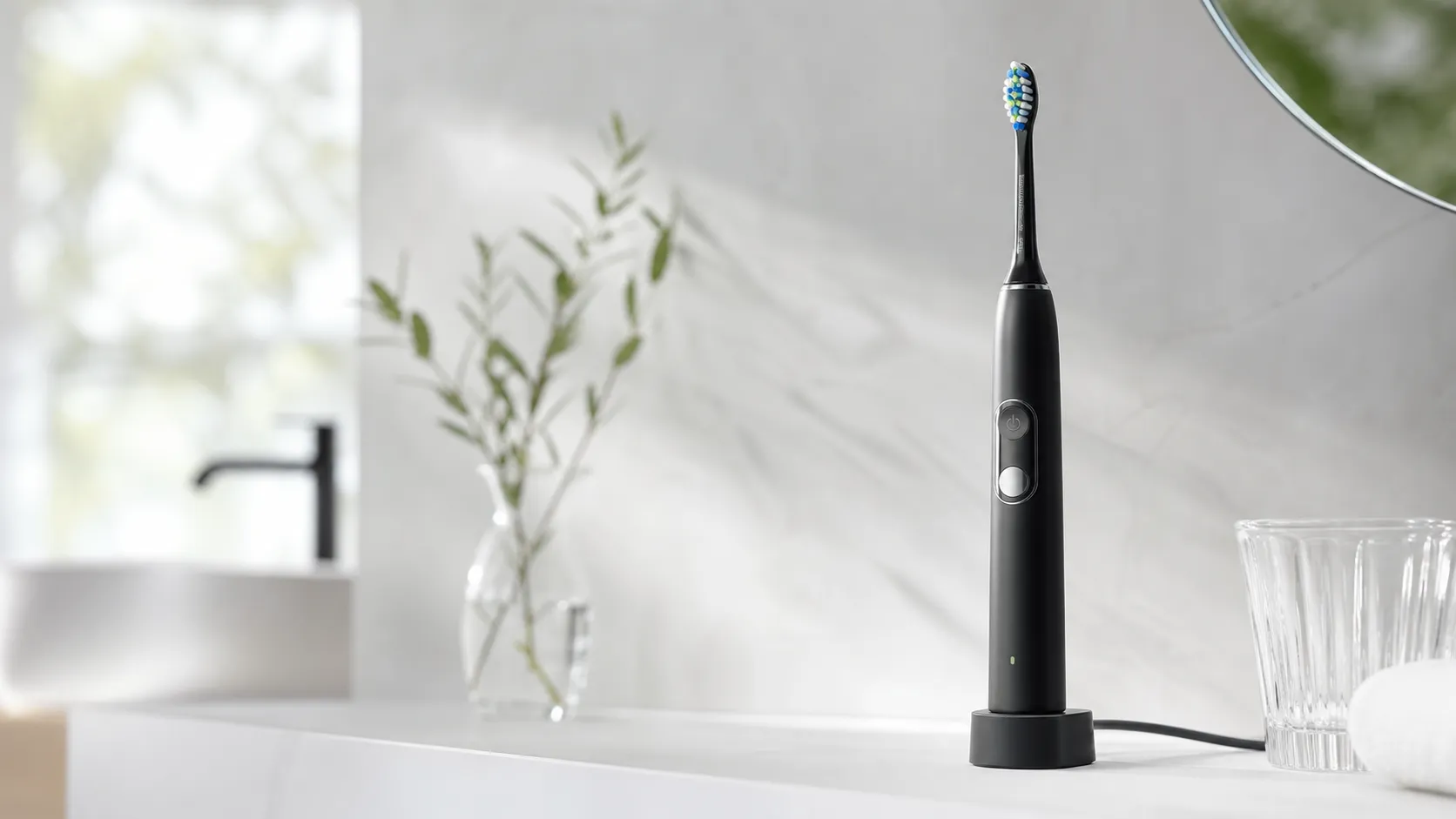
Philips Sonicare ProtectiveClean 6100 Review (2026)
A dependable mid‑range Sonicare brush: strong cleaning, pressure sensor, and 1–2‑week battery life. Great upgrade from manual brushing; watch replacement head costs.
 Health & Wellness
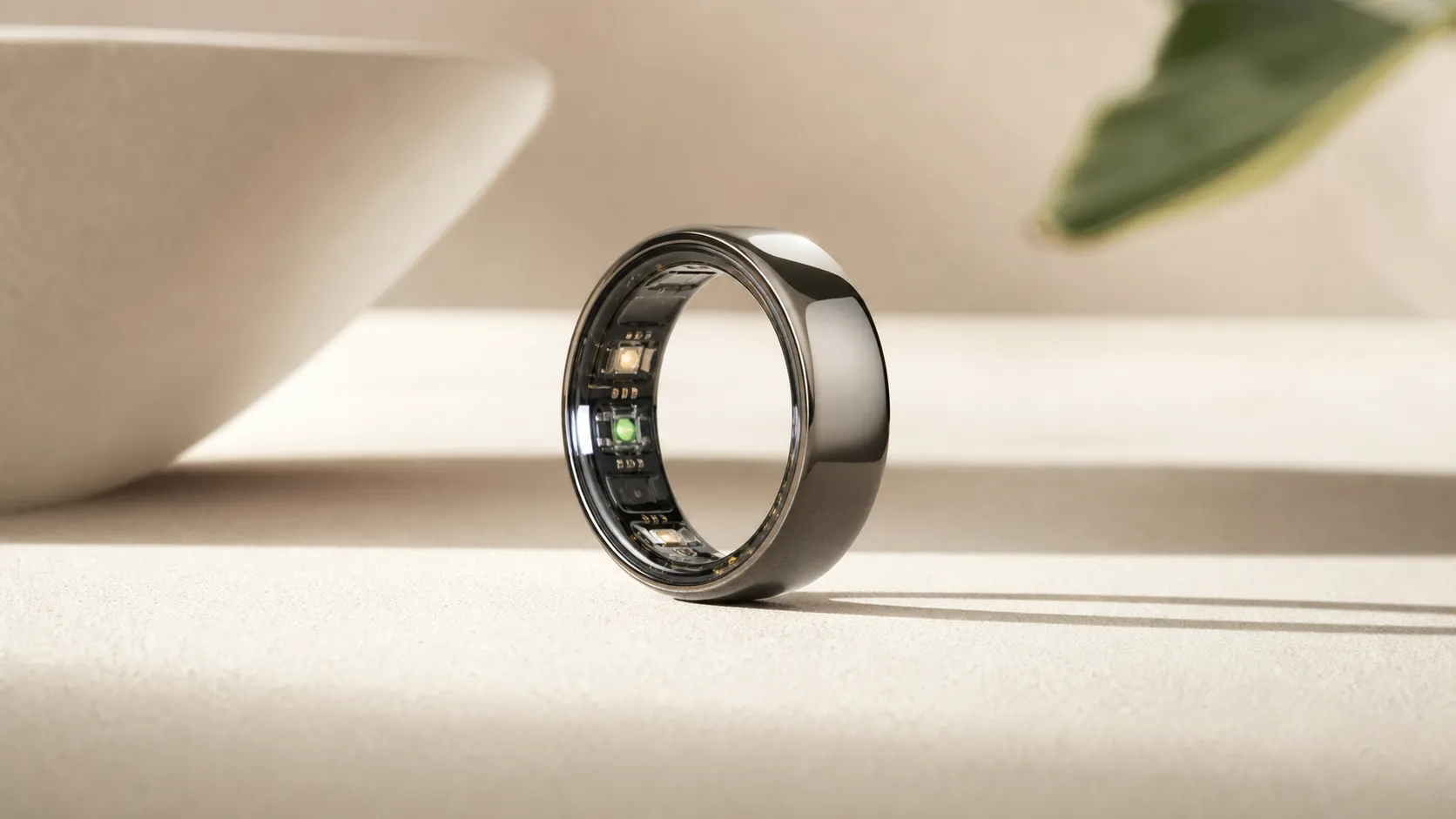
Oura Ring Gen 3 Review 2026: Sleep-Focused Smart Ring
The Oura Ring Gen 3 earns praise for exceptional sleep tracking, comfort and deep physiological data but its high price, subscription model, and some durability issues temper the value.
 Health & Wellness
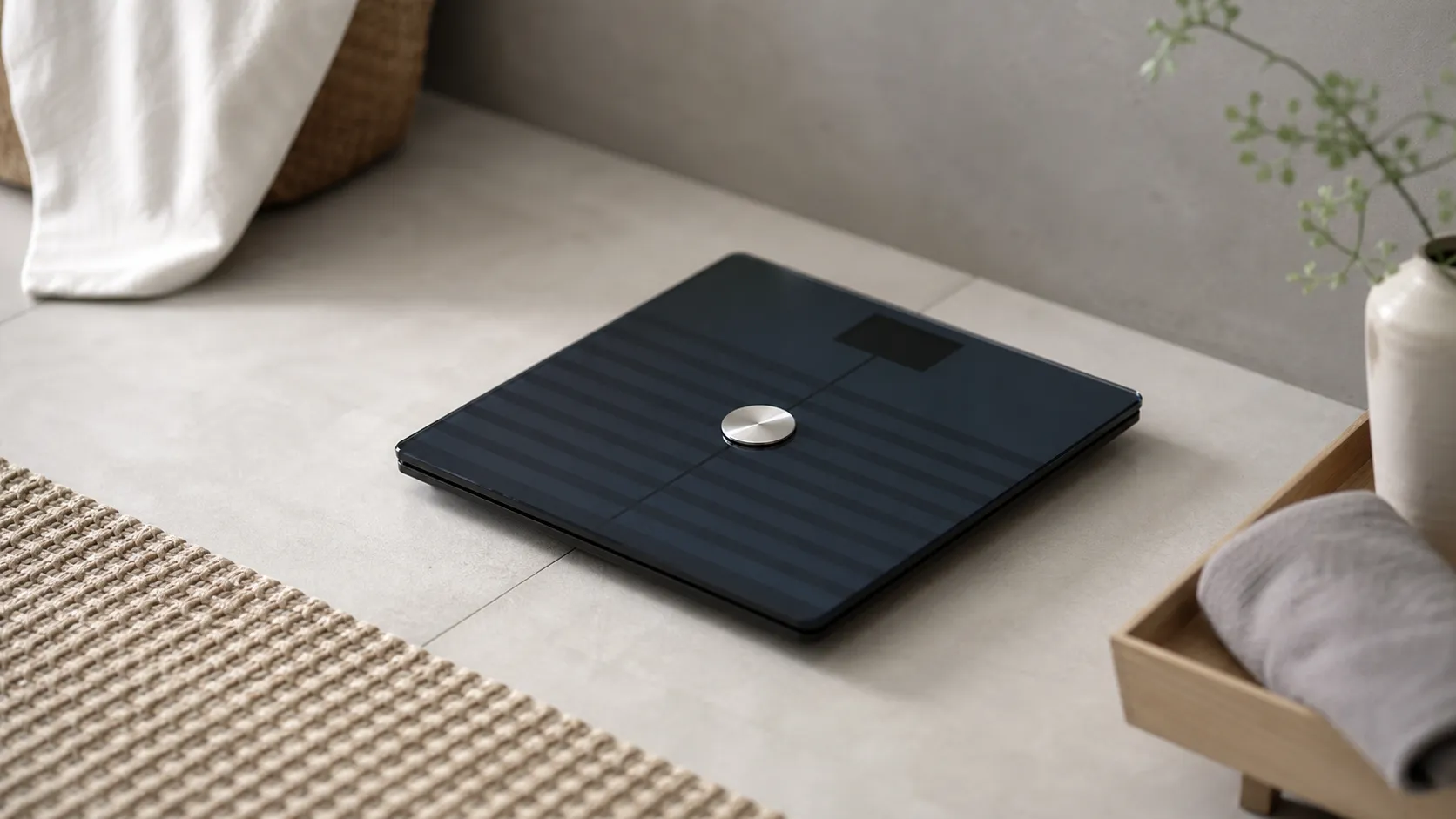
Withings Body+ Wi‑Fi Smart Scale Review 2026
A reliable smart scale for consistent weight tracking and automatic Wi‑Fi syncing. Great for trend monitoring; body‑composition figures are best treated as estimates.