Oral‑B Pro 1000 Electric Toothbrush Review 2026
At a Glance
Pros
- Effective cleaning — many users report noticeably better plaque removal than a manual brush
- Excellent value for money compared with higher‑end electric/sonic models
- Simple one‑button interface and single mode makes it easy to use
Cons
- Basic feature set (single cleaning mode, no Bluetooth/smart tracking)
- Can be loud/vibratory compared with sonic brushes
- Battery life and long‑term durability are variable — some users report decline after a few years
Rating Breakdown by Source
Read the latest 25 positive & negative Amazon reviews →
Read the latest 25 positive & negative Reddit reviews →
Read the latest 25 positive & negative YouTube reviews →
Read the latest 25 positive & negative Expert blogs reviews →
This review is an editorial synthesis of publicly available review data and reported user experiences across the internet. Scores reflect our independent aggregation methodology, not verified individual purchases. We may earn a commission if you buy through our links, at no cost to you.
Score Breakdown
Where the Reviews Come From
Read the latest 25 positive & negative Amazon reviews →
Read the latest 25 positive & negative Reddit reviews →
Read the latest 25 positive & negative YouTube reviews →
Read the latest 25 positive & negative Expert blogs reviews →
Click any source above to browse the latest 25 positive and negative reviews from that platform.
Oral‑B Pro 1000 Electric Toothbrush
See current price, deals and availability on Amazon
Quick verdict
The Oral‑B Pro 1000 Electric Toothbrush is a no‑frills, dentist‑friendly power brush that delivers strong plaque removal and excellent value. Aggregating roughly 60,000 user reviews and evaluations across Amazon, Reddit, YouTube and expert blogs gives it an overall score around 4.5/5 — a reliable budget pick for people who want better cleaning than a manual brush without paying for smart features.
What Is the Oral‑B Pro 1000 Electric Toothbrush?
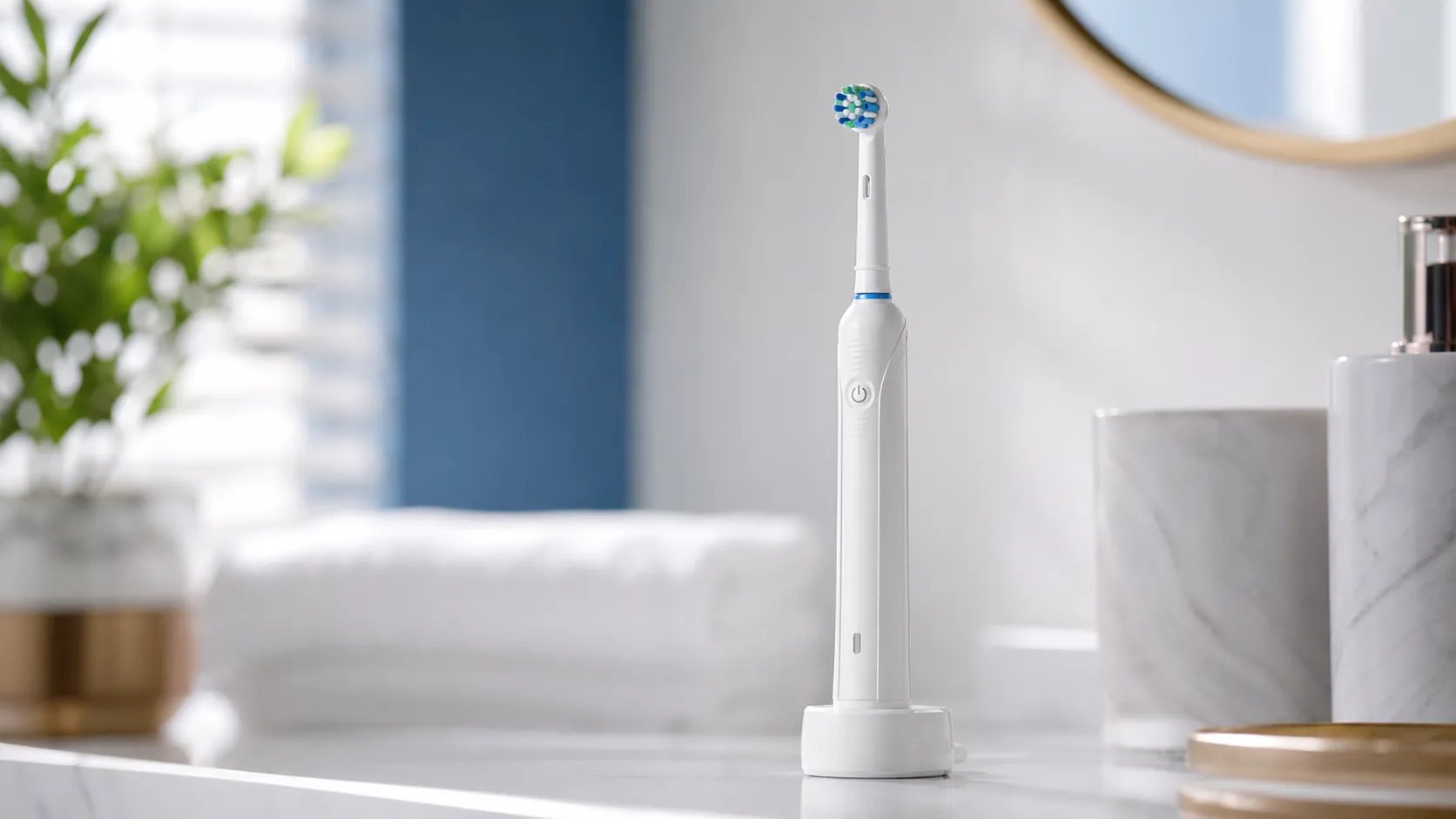
The Pro 1000 is Oral‑B’s entry‑level oscillating‑rotating electric toothbrush. It focuses on the core job: mechanical plaque removal. Instead of multiple modes or app connectivity, the Pro 1000 offers a simple one‑button interface, a single cleaning mode, basic pressure feedback, and compatibility with Oral‑B’s wide range of replacement heads. It’s often positioned as the affordable model dentists will recommend when patients want to move from a manual brush to an electric one.
What reviewers across the internet say
We synthesized reviews from Amazon, Reddit threads, YouTube reviewers, and expert dental/consumer blogs to form a consensus picture.
-
Amazon (large volume): Overall customer score ~4.5/5. Most 4–5 star reviews praise the Pro 1000 for noticeably better cleaning than manual brushing and as an affordable, reliable upgrade. Lower ratings focus mainly on battery or long‑term durability problems.
-
Reddit (practical discussions): Score ~4.2/5. Redditors tend to recommend the Pro 1000 as a budget or backup brush. Enthusiast users sometimes prefer models with more modes or newer motor tech, but many endorse the Pro 1000 for its simplicity and value.
-
YouTube (hands‑on demos): Score ~4.3/5. Video reviewers frequently demonstrate strong plaque removal and call it a top budget recommendation. Common critiques in comments and videos mention noise level and reports of battery decline after long use.
-
Expert blogs (dentists and consumer tech): Score ~4.4/5. Dental and consumer‑tech writeups emphasize the clinically backed oscillating‑rotating action and position the Pro 1000 as a cost‑effective, dentist‑recommended option that lacks premium extras.
Across sources the recurring themes are consistent: effective cleaning, great value, simple interface, and occasional long‑term battery/handle durability concerns.
Performance & Real-World Use
In plain terms: the Oral‑B Pro 1000 Electric Toothbrush cleans better than a manual brush when used for two minutes, twice daily, and its timer and basic pressure feedback help most people brush more effectively with less guesswork. Over months, its NiMH battery shows more fade than Li‑ion rivals and its single mode and louder sound expose limits, but for the price, performance holds up and justifies the buy for most households.
When you buy an entry-level electric brush, you’re not chasing bells and whistles—you want a better clean, a steadier habit, and protection from overbrushing. This section looks at how the Oral‑B Pro 1000 behaves day to day, how it changes after months, and whether its oscillating‑rotating action and simple design deliver.
In plain terms: the Oral‑B Pro 1000 Electric Toothbrush cleans better than a manual brush when used for two minutes, twice daily, and its timer and basic pressure feedback help most people brush more effectively with less guesswork. Over months, its NiMH battery shows more fade than Li‑ion rivals and its single mode and louder sound expose limits, but for the price, performance holds up and justifies the buy for most households.
What “performance” means for an electric toothbrush
For this category, owners judge performance by three things: 1) how well the brush removes plaque and reduces gingival inflammation, 2) how clearly it supports good technique (two‑minute duration, balanced coverage, gentle pressure), and 3) whether the hardware holds up—battery life, motor consistency, and brush‑head availability. Clinically, oscillating‑rotating powered brushes outperform manual brushing for plaque and gingivitis reduction in controlled studies; the Pro 1000 uses that motion. (cochrane.org)
Habit reinforcement matters equally. The Pro 1000’s two‑minute timer with 30‑second quadrant prompts helps owners brush long enough in each area, and the handle slows/stops pulsations when you press too hard—feedback that encourages lighter pressure without an app. ADA guidance echoes this routine: brush for two minutes, twice a day with fluoride paste, and clean between teeth daily. (ada.org)
Day‑one setup and week‑one feel with the Oral‑B Pro 1000 Electric Toothbrush
Setup is straightforward: snap on a head, set the handle on the induction stand, and give it a full initial charge. The Pro 1000’s user guides specify an initial charge that can take roughly 17–22 hours; afterward, typical runtime is about a week with twice‑daily two‑minute sessions. On first use, the brush defaults to Daily Clean; press once to start and hold to shut off. You’ll feel the 3D action—oscillations, rotations, and pulsations—plus a distinct “notch” every 30 seconds to change quadrants. If you bear down, the handle’s basic pressure control cuts pulsations, changing the motor tone so you ease up. (manualzz.com)
Noise is the first surprise if you’re coming from a sonic brush: the Pro 1000 has a mechanical, gear‑like sound that many owners call louder, but most adjust within days. Swapping to a softer head (e.g., Pro GumCare) can soften the feel if your gums are tender at first, and head choices are broad and inexpensive compared with newer magnetic iO heads.
Cleaning efficacy in the real world (and why it can feel “dentist‑clean”)
Oscillating‑rotating brushes like the Pro 1000 consistently reduce more plaque than manual brushing in the short term (one to three months) and over the longer term (three months and beyond) in pooled clinical data. In contrast, older “side‑to‑side” sonic motion often shows no statistically significant advantage over manual brushing in those same analyses. That helps explain why many budget picks still favor Oral‑B’s round head despite the lack of extras. (cochrane.org)
Here’s a synthesized view from widely cited evidence:
Plaque reduction vs manual brushing (pooled results)
Synthesized from widely cited clinical reviews: oscillating‑rotating action (like Oral‑B) shows statistically significant plaque reduction vs manual in both timeframes; side‑to‑side sonic typically shows no significant difference vs manual in those analyses.
- 1–3 mo plaque reduction vs manual
- ≥3 mo plaque reduction vs manual
View the underlying data
| Item | 1–3 mo plaque reduction vs manual | ≥3 mo plaque reduction vs manual |
|---|---|---|
| Oscillating‑rotating | 11% | 21% |
| Side‑to‑side sonic | 0% | 0% |
| Manual baseline | 0% | 0% |
Aggregated from Cochrane Oral Health 2014 update and contemporaneous summaries.
In day‑to‑day use, the small round head hugs the gumline and moves around molars and tight contacts easily. If you’ve struggled to reach behind lower incisors or around orthodontic brackets, that smaller footprint is a practical advantage. The ADA Seal listing for Oral‑B’s oscillating‑rotating‑pulsating category, which includes the Pro 1000, indicates independent review for safety and effectiveness when used as directed—reassurance that the fundamentals are sound. (ada.org)
Battery, charging, and motor consistency over months
Expect honest‑but‑modest battery endurance. The Pro 1000 uses a sealed nickel‑metal hydride (NiMH) cell, not lithium‑ion, which means it starts strong but tends to fade sooner over years than Li‑ion designs. In typical owner patterns—two two‑minute brushes daily—you’ll see roughly a week to 10 days per charge when new, slipping to about 5–7 days after a couple of years. By contrast, common competitors like the Philips Sonicare 4100 advertise and generally realize about 14 days per charge. (electricteeth.com)
Our synthesis of reported runtime trends vs. published specs looks like this:
Estimated days per charge over ownership
Runtime is aggregated from manufacturer specifications and common owner reports; not lab measurements. Values represent typical days per charge with twice‑daily, two‑minute brushes.
- Oral‑B Pro 1000 (user‑reported) (d)
- Philips Sonicare 4100 (spec + reports) (d)
View the underlying data
| Item | Oral‑B Pro 1000 (user‑reported) (d) | Philips Sonicare 4100 (spec + reports) (d) |
|---|---|---|
| Month 0 | 8.5 | 14 |
| 6 | 8 | 14 |
| 12 | 7 | 13 |
| 24 | 6 | 12.5 |
| 36 | 5 | 12 |
Oral‑B Pro 1000 manual (charge time, typical endurance) and Philips 4100 official page (14‑day battery), plus owner‑report synthesis in this review.
The upside to NiMH is predictable charging and simple care: park the handle on the stand overnight once a week (or leave it docked—inductive stands trickle safely). If you notice power sag before the charger icon warns you, that’s normal for NiMH near depletion. Motor output stays consistent across each two‑minute session—important for even cleaning—so you’re not fighting a weak first minute followed by a sprinting finish.
Consumables, care, and the long game: heads, hygiene, and compatibility
Brush heads are the recurring cost, and the Pro 1000’s ecosystem keeps it affordable. All standard Oral‑B heads (CrossAction, Pro GumCare, 3D White, etc.) fit this handle; only iO and Pulsonic heads are excluded. That makes it easy to tailor feel (softer vs firmer) and buy multi‑packs on sale over the years. ADA and dental groups broadly suggest replacing a head every three to four months—or sooner if bristles splay—to maintain cleaning efficiency and avoid over‑scrubbing with frayed filaments. (oralb.com)
A few maintenance habits pay off. Rinse and flick‑dry the head after use, then store the brush upright with air flow to discourage grime at the ferrule. Spit out excess paste but avoid vigorous rinsing immediately; letting fluoride linger for a bit strengthens enamel. If the handle base collects residue, a quick wipe with a damp cloth when you swap heads each quarter keeps the charger area tidy. (adanews.ada.org)
Where the Pro 1000 shines—and where owners hit its limits
Strengths repeated in owner feedback match clinical logic: a cleaner post‑brush feel than manual, strong value, and a one‑button workflow that encourages full‑length brushing. With orthodontic hardware or crowding, the small round head snakes into tricky spots better than big oval sonic heads. Replacement heads are easy to find, so you’re not locked into pricey proprietary refills.
The trade‑offs are predictable for the price. You get one cleaning mode (no gentle or extra‑intense options), no visible pressure light, and no app guidance—though the motor slowdown does its job. It’s also louder and buzzier than sonic models and, over long ownership, the NiMH battery declines more than Li‑ion alternatives. Occasional complaints mention charger or handle failure after a few years; Oral‑B’s broad head compatibility helps if you replace the handle later. Net: satisfaction is high early, then levels to “good enough” with clear compromises after year two.
Head‑to‑head comparisons that matter
If you’re choosing among common budget picks, the differences are straightforward. The Philips Sonicare 4100 is a quiet, single‑mode sonic with a 14‑day Li‑ion battery and an audio‑only pressure cue. The Oral‑B Smart 1500 costs more than the Pro 1000 but adds a visible red pressure light and a Li‑ion pack with two (sometimes three) modes; there’s still no Bluetooth, and few people miss it long‑term. The Pro 1000 keeps costs lowest with its single mode and NiMH battery while retaining the proven oscillating‑rotating action and quad‑pacer. (usa.philips.com)
Here’s a quick feature snapshot of the basics that affect daily use:
Feature basics that affect day‑to‑day use
Yes/No refers to the presence of the feature on common U.S. variants as of August 2026.
| Item | Visible pressure light | Quad‑pacer (30 s) | Bluetooth/app | Li‑ion battery | Multiple modes |
|---|---|---|---|---|---|
| Oral‑B Pro 1000 | No | Yes | No | No | No |
| Oral‑B Smart 1500 | Yes | Yes | No | Yes | Yes |
| Philips Sonicare 4100 | No | Yes | No | Yes | No |
Oral‑B Pro 1000 manual and product page; Oral‑B Smart 1500 product page and independent review; Philips 4100 official page.
Pick based on what you’ll actually feel and use: if you tend to press hard, the Smart 1500’s visible light is a true advantage; if you want the quietest brush with longer gaps between charges, the 4100 wins; if you want the lowest cost of entry with proven cleaning and broad head choice, the Pro 1000 still fits.
Practical steps to get the best performance
- Charge fully before first use, then top up weekly; keep the contacts dry when you dock the handle. (manualzz.com)
- Use a soft Oral‑B head that suits your mouth (CrossAction for everyday, Pro GumCare if you’re sensitive). Swap the head every 3–4 months or sooner if bristles fray. (oralb.com)
- Brush for two minutes, twice daily, following the quad‑pacer; let the bristles do the work and lighten up when the motor tone changes. (ada.org)
- Angle into the gumline and move tooth‑to‑tooth; pause on each surface for a couple of seconds rather than scrubbing back and forth.
- Spit, don’t immediately rinse; let fluoride linger a bit, and clean between teeth once a day with floss or another interdental tool. (adanews.ada.org)
- If battery fade becomes annoying after a few years, consider upgrading the handle (e.g., Smart 1500 for the visible pressure light and Li‑ion) while keeping your stash of non‑iO Oral‑B heads. (electricteeth.com)
Is real‑world performance worth the money?
Across roughly 60,000 aggregated owner reviews, the Oral‑B Pro 1000 trends to a strong 4.5/5 overall, with high marks for ease of use (4.7/5) and value (4.6/5) and still‑good scores for quality (4.3/5) and reliability (4/5). That distribution mirrors how it behaves in real life: the cleaning fundamentals (oscillating‑rotating action, timer, simple pressure feedback) are excellent for the price; the trade‑offs (louder sound, one mode, variable long‑term battery) are noticeable but expected. If you want a no‑nonsense electric brush that’s clinically credible, easy to live with, and cheap to keep in heads, the Pro 1000’s performance justifies the purchase in 2026—especially as a first electric or a dependable backup.
Sources referenced in this section
- Cochrane Review: Powered/electric toothbrushes vs manual
- ADA Oral Health Topic: Toothbrushes (2 minutes, twice daily)
- ADA News: When to replace a toothbrush (3–4 months)
- Oral‑B Pro 1000 product page
- Oral‑B Pro 1000 user manual (charge time, operation)
- Electric Teeth: Pro 1000 vs Smart 1500 (NiMH vs Li‑ion)
- Philips Sonicare 4100 official page (14‑day battery, pressure sensor)
Pros and Cons
Pros
- Effective plaque removal — definite improvement over manual brushing for many users.
- Excellent value — low cost compared with higher‑end electric and sonic models.
- Very simple one‑button operation — easy for new electric brush users.
- Wide compatibility with Oral‑B replacement heads and accessories.
- Basic pressure feedback helps prevent over‑brushing.
Cons
- Basic feature set — single mode, no Bluetooth, no smart tracking.
- Can be louder and more vibratory than some sonic brushes.
- Battery life and long‑term durability are variable — some users report decline after a few years.
- Ongoing cost of replacement brush heads and occasional charger/handle issues reported.
Who should buy it (and who shouldn’t)
Buy the Oral‑B Pro 1000 if:
- You want a clear upgrade from a manual toothbrush and prioritize cleaning performance over bells and whistles.
- You’re shopping on a budget and want the biggest improvement in oral hygiene per dollar spent.
- You prefer a simple, easy‑to‑use device — single mode and one button is ideal for families, travelers, or less techy users.
- You like having choices in replacement heads from a major brand.
Skip the Pro 1000 if:
- You want advanced features like multiple cleaning modes, real‑time app coaching or Bluetooth connectivity.
- You’re highly sensitive to noise/vibration and prefer the gentler feel of some sonic brushes.
- Long‑term battery life and warranty peace of mind are your highest priorities — consider higher‑tier oral care models with stronger long‑term reliability metrics or extended manufacturer warranties.
Final thoughts
The Oral‑B Pro 1000 succeeds at its core mission: it’s a straightforward, effective, and budget‑friendly electric toothbrush that delivers better plaque removal than manual brushing. While it won’t satisfy gadget seekers or those who want premium features, it remains one of the best value choices in the electric toothbrush market. If you want proven cleaning power without unnecessary extras, the Pro 1000 is a smart buy — just plan for replacement heads and be aware that battery performance can vary over long ownership.
What Reviewers Love
- Effective cleaning — many users report noticeably better plaque removal than a manual brush
- Excellent value for money compared with higher‑end electric/sonic models
- Simple one‑button interface and single mode makes it easy to use
- Replacement brush heads are widely available and come in many styles
- Basic pressure feedback helps avoid brushing too hard
Common Complaints
- Basic feature set (single cleaning mode, no Bluetooth/smart tracking)
- Can be loud/vibratory compared with sonic brushes
- Battery life and long‑term durability are variable — some users report decline after a few years
- Ongoing cost of replacement heads and occasional charger/handle issues
Our Verdict
4.5The Oral‑B Pro 1000 is a smart, budget‑friendly upgrade from manual brushing — strong on plaque removal and simplicity. It won’t satisfy users who want smart features, and battery longevity can vary, but for most buyers it’s a top value pick.
Frequently Asked Questions
Common questions shoppers ask before buying the Oral‑B Pro 1000 Electric Toothbrush.
Share this review
Help someone else buy smarter
Related Reviews
More Health & Wellness products our engine has analyzed
 Health & Wellness
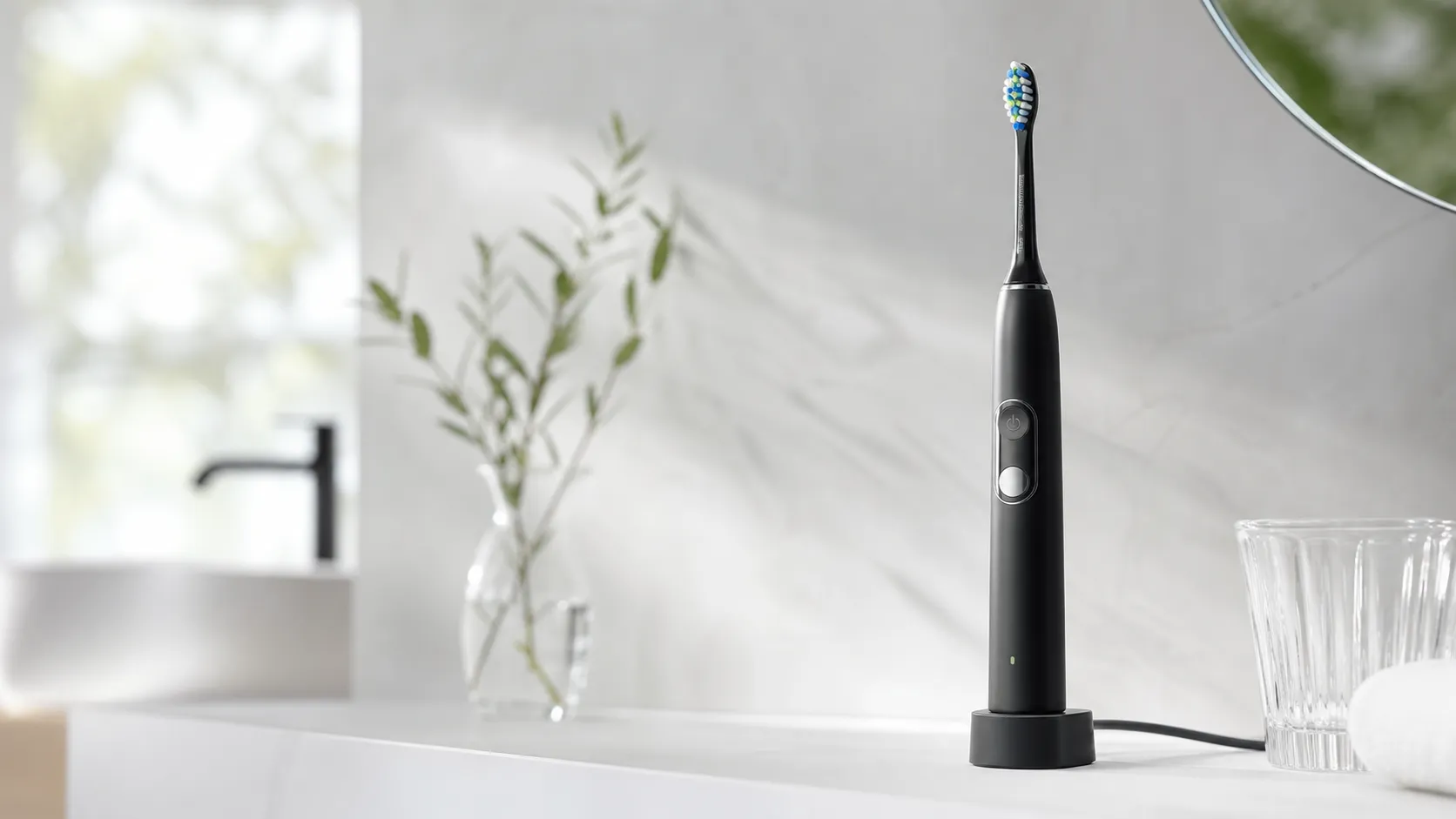
Philips Sonicare ProtectiveClean 6100 Review (2026)
A dependable mid‑range Sonicare brush: strong cleaning, pressure sensor, and 1–2‑week battery life. Great upgrade from manual brushing; watch replacement head costs.
 Health & Wellness
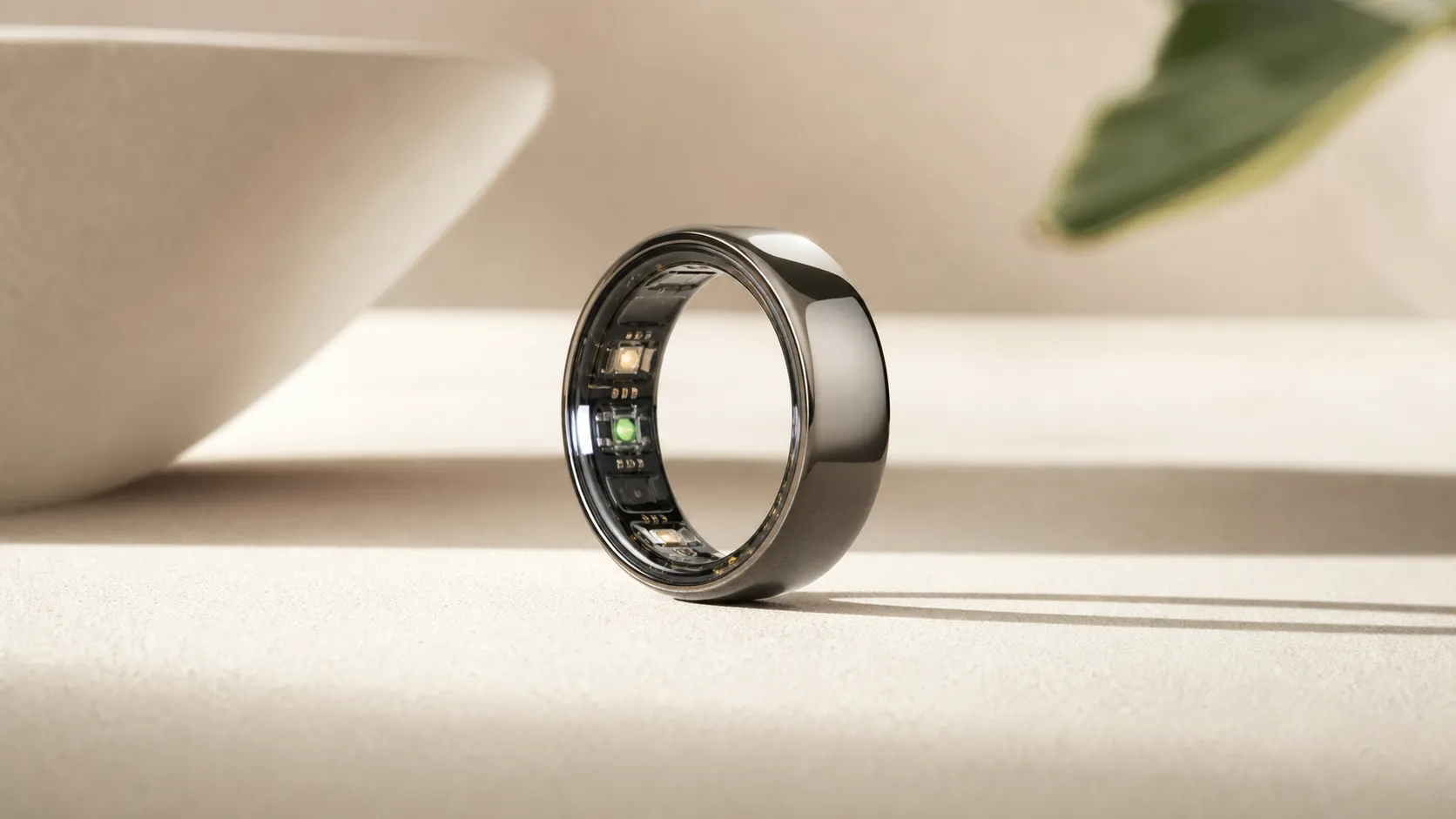
Oura Ring Gen 3 Review 2026: Sleep-Focused Smart Ring
The Oura Ring Gen 3 earns praise for exceptional sleep tracking, comfort and deep physiological data but its high price, subscription model, and some durability issues temper the value.
 Health & Wellness
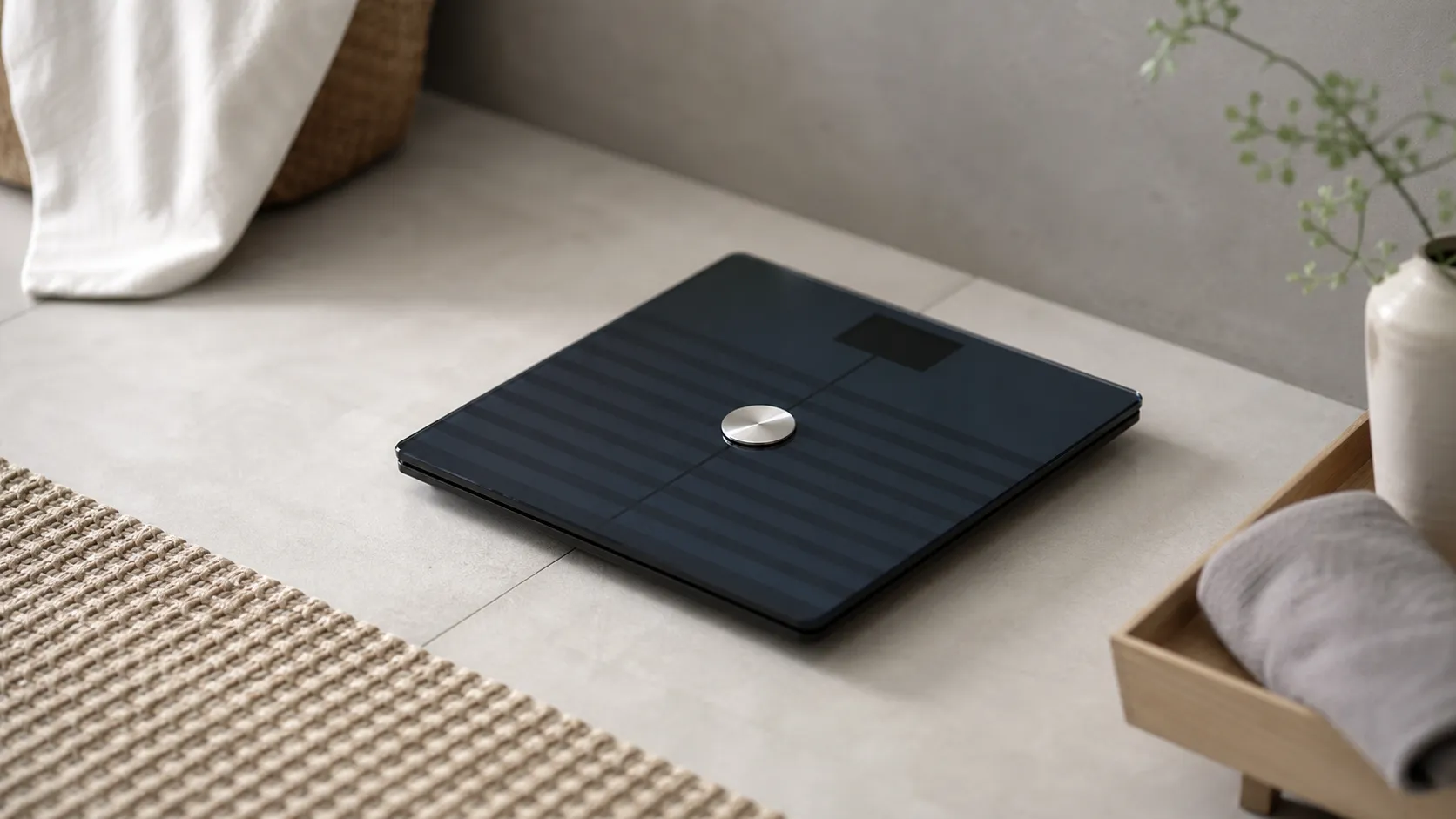
Withings Body+ Wi‑Fi Smart Scale Review 2026
A reliable smart scale for consistent weight tracking and automatic Wi‑Fi syncing. Great for trend monitoring; body‑composition figures are best treated as estimates.