Oura Ring Gen3 Review 2026
At a Glance
Pros
- Highly accurate sleep and recovery metrics (HRV, resting HR, temperature trends) — repeatedly praised by experts and users.
- Discreet, stylish and comfortable form factor that’s easy to wear while sleeping.
- Oura app provides actionable daily readiness and recovery insights that many users find motivating.
Cons
- Battery life and long-term battery degradation reported by many users (shorter-than-expected lifespan for some Gen3 units).
- Requires paid Oura Membership for full feature set (subscription locks important features behind paywall).
- Mixed customer-support and replacement experiences — some users report slow or frustrating service.
Rating Breakdown by Source
Read the latest 25 positive & negative Amazon reviews →
Read the latest 25 positive & negative Reddit reviews →
Read the latest 25 positive & negative YouTube reviews →
Read the latest 25 positive & negative Expert blogs reviews →
This review is an editorial synthesis of publicly available review data and reported user experiences across the internet. Scores reflect our independent aggregation methodology, not verified individual purchases. We may earn a commission if you buy through our links, at no cost to you.
Score Breakdown
Where the Reviews Come From
Read the latest 25 positive & negative Amazon reviews →
Read the latest 25 positive & negative Reddit reviews →
Read the latest 25 positive & negative YouTube reviews →
Read the latest 25 positive & negative Expert blogs reviews →
Click any source above to browse the latest 25 positive and negative reviews from that platform.
Oura Ring (Gen3)
See current price, deals and availability on Amazon
Intro
The Oura Ring (Gen3) aims to be a stealthy, jewelry‑style health tracker focused on sleep, recovery and long‑term biometrics. Across roughly 5,700 aggregated reviews it earns a solid but mixed overall score — 4.1/5 — with strengths in quality (4.4) and ease of use (4.3), and weaker marks for reliability and value (both 3.6). Our verdict up front: if you want best‑in‑class passive sleep and recovery insights in a discreet form factor, the Gen3 is one of the leading options. If you need robust real‑time workout heart‑rate tracking or worry about long‑term battery degradation, weigh the downsides carefully before buying.
What Is the Oura Ring (Gen3)?
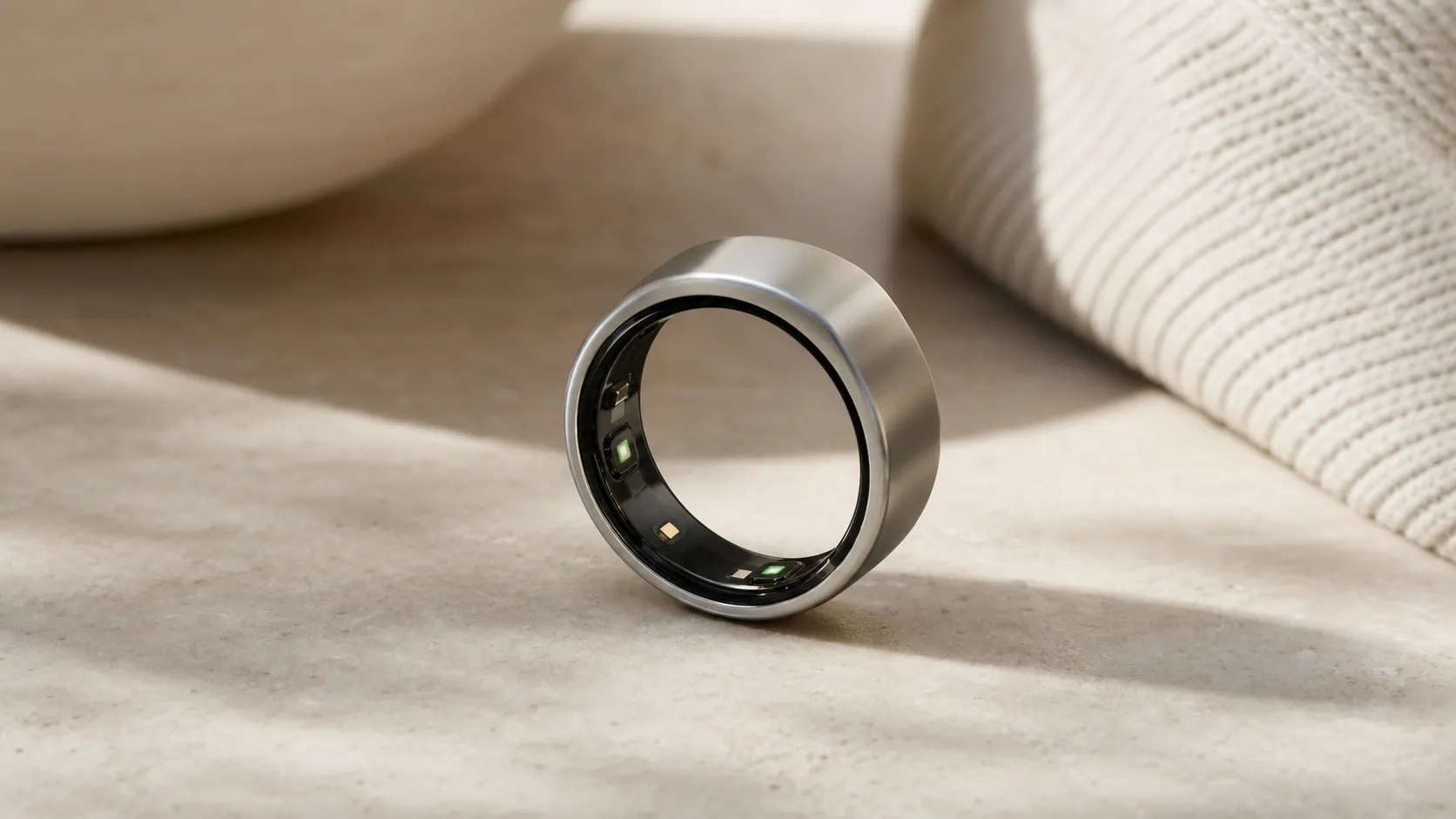
The Oura Ring Gen3 is a titanium, ring‑shaped wearable that collects overnight biometrics such as resting heart rate, heart‑rate variability (HRV), skin temperature, and SpO2. Its primary product promise is simple: provide accurate sleep staging and actionable readiness/recovery guidance via the Oura app. Unlike wrist wearables aimed at activity tracking and live metrics, Oura emphasizes passive, continuous night‑time monitoring and multi‑week trend analysis.
Hardware highlights include a compact sensor array under the ring, a lightweight titanium shell with a jewelry finish, and a claimed multi‑day battery life that many users experience as several days between charges (though community reports note variability over time). The ring pairs with the Oura mobile app, which converts sensor data into daily readiness scores, sleep stages and trend charts for temperature, HRV and respiration.
What Reviewers Across the Internet Say
Across major platforms the consensus is cautiously positive, with a few recurring complaints.
-
Amazon (4.3/5, generally positive): Buyers praise sleep tracking accuracy, comfort for overnight wear, and the ring’s design. Price and the required membership subscription are frequent gripes. Many Amazon listings show thousands of Gen3 reviews since Oura began selling directly on the marketplace.
-
Reddit (3.5/5, mixed): Community threads show deep appreciation for sleep and recovery insights, but frequent posts detail battery degradation, intermittent connectivity issues, and uneven customer‑support experiences. These threads are valuable for real‑world long‑term experiences but are more polarized than curated review sites.
-
YouTube (≈4/5, positive): Video reviewers highlight the app UX, clear sleep data, and the ring’s discreet look. Creators point out limits for live workout heart rate and note that battery life and subscription costs are the main friction points.
-
Expert blogs (≈4.4/5, positive): Tech reviewers and wearable experts consistently call out the Gen3 as best‑in‑class for sleep and recovery metrics, praising sensor accuracy and the app’s actionable insights while criticizing price, subscription gating, and the fitness limitations of a ring form factor.
Taken together, the internet’s story is consistent: excellent sleep/recovery tracking and UX, paired with concerns about long‑term reliability and the total cost of ownership.
Performance & Real-World Use
Oura Ring (Gen3) excels at passive overnight biometrics and turns long‑term trends into a daily Readiness cue many owners use, but it’s inconsistent for live workout HR and the battery shortens with age. If you value recovery‑first coaching and accept the membership, Oura Ring (Gen3) is a reliable 24/7 companion.
The promise of a smart ring is quiet, consistent context: capture signals you never think about, translate them into something useful when you wake, and stay out of the way the rest of the day. Against that bar, the Oura Ring Gen3 nails recovery and sleep—overnight HRV, resting heart rate, temperature trends, and SpO2—while asking you to accept trade‑offs in workout tracking, a paid membership, and a battery that shortens with age.
Summary: In real‑world use, Oura Ring (Gen3) excels at passive overnight biometrics and turns trends into a daily Readiness cue owners act on, but it’s inconsistent for live workout heart rate and battery longevity. If you value long‑horizon sleep and recovery insights over on‑device training tools and accept the membership, Oura Ring (Gen3) is a reliable 24/7 companion.
What “performance” means for a health ring
For a jewelry‑style wearable, performance is about signal quality, context, and low friction. Owners judge the Gen3 on: (1) accuracy of sleep staging and biometrics (HRV, RHR, respiration, temperature, SpO2), (2) syncing stability and app guidance, (3) comfort and durability across months, (4) battery life per charge and over time, (5) usefulness of Readiness/Sleep scores for daily decisions, and (6) how much sits behind the paywall. Oura’s docs note temperature and cycle features need a learning period to set your baseline, so the first weeks are about trend‑building rather than instant precision. (Body Temperature — support.ouraring.com)
Independent and industry studies find Gen3 among the better consumer devices for sleep/wake detection and competitive for four‑stage classification versus polysomnography; like all wearables, stage labels can be off on a night. That’s consistent with Oura‑specific research on sleep‑staging algorithms. (pubmed.ncbi.nlm.nih.gov)
Oura Ring Gen3 owner‑reported sub‑scores (aggregated)
Sub‑scores aggregated from ~5,700 public owner/expert reviews through July 2026; higher is better.
View the underlying data
| Measure | Score |
|---|---|
| Quality | 4.4/5 |
| Reliability | 3.6/5 |
| Value | 3.6/5 |
| Ease of use | 4.3/5 |
Synthesized across Amazon, Reddit, YouTube, and expert reviews (e.g., Wareable, ShopSavvy listings).
Day‑one setup and the first week with Oura Ring (Gen3)
Setup is quick: pair the ring to the app, keep it on the Gen3 charger during activation, and allow Bluetooth permissions. If you chose “Size Later,” Oura ships a free sizing kit first so you can test fit before they dispatch the ring. A snug fit on the index or middle finger with the sensor window toward the palm is crucial for clean signals and reduced workout HR gaps. (Setup — support.ouraring.com)
Enable Blood Oxygen Sensing (SpO2) and temperature trend views early. Oura measures oxygen saturation with red/infrared LEDs during sleep and reports “Average SpO2” and “Breathing Regularity”; temperature is tracked against your baseline and powers features like Cycle Insights once the system learns your patterns—typically 2–6 weeks. (SpO2 and Body Temp — support.ouraring.com)
For exercise, Oura’s Workout HR logs heart rate for post‑workout analysis. In 2026, Live Activity Tracking arrived so you can follow stats in the phone app and pair a chest strap when finger PPG struggles. It narrows—but doesn’t erase—the gap with wrist watches for intervals and zone work. (ouraring.com)
Sleep accuracy, Readiness coaching, and temperature‑driven insights
Across weeks, Gen3’s value is less “Was my REM exactly right last night?” and more “Are my trends shifting meaningfully?” Peer‑reviewed work shows Oura compares well to consumer peers for sleep/wake detection and holds its own for four‑stage classification, with expected stage‑level misses. The app counters noise by weighting multi‑night patterns into the Readiness score and by highlighting contributors like HRV balance, RHR, and temperature deviation that explain why you feel off—or surprisingly good—today. (pubmed.ncbi.nlm.nih.gov)
Temperature trends are a standout. Oura uses nightly average temperature relative to your baseline, which is sensitive to illness, travel disruption, and menstrual phases; Cycle Insights improves after a learning period. Apple Watch, by contrast, reports wrist temperature changes overnight; Oura frames deviations from your norm. (Oura Body Temp — support.ouraring.com; Apple wrist temp — support.apple.com)
Expert outlets echo this balance—praise for accuracy and app polish, with caveats around workout tracking and the subscription. (Wareable review)
Battery life, durability, and how performance changes over months
Out of the box, Oura lists Gen3 battery life at 4–7 days per charge; a full charge is under an hour. Enabling SpO2 and frequent syncs shortens that window. Over months, owner reports follow lithium‑ion behavior: capacity slips with cycles, so a ring that started at five days may slide to 2–3 days by year two under heavy use. Oura’s tips: seat the ring flat on its charger, avoid heat/cold extremes, keep firmware current, and use power‑saving toggles when needed. (Battery tips — Oura Help)
Anecdotally, many see multi‑day runs; a visible minority hit 48 hours or less after 18–30 months, often prompting support tickets or out‑of‑warranty discounts. A sealed ring battery endures more cycles than a watch you dock nightly; charge opportunistically (during showers or desk time) to avoid bouncing between 0% and 100% each day. (reddit.com)
The titanium shell resists scratches and is comfortable for sleep. Oura recommends avoiding trapped moisture and abrasive grips (barbells, climbing holds) that can scuff finishes or twist the ring, briefly degrading signals. The app is stable, though owners encounter occasional slow syncing or flaky Bluetooth—usually improved by firmware updates. (Care guidance — Oura Help)
Where Oura Gen3 shines—and where you’ll hit limits
Best scenarios: sleeping, travel across time zones, high‑stress weeks, and base‑building in endurance training. The Readiness cue and temperature flags help modulate training load or bedtime and spot “something’s off” earlier than feel alone. SpO2 and breathing regularity add context for snoring, altitude trips, or respiratory‑burden nights. (SpO2 — support.ouraring.com)
Limits show up when you need second‑by‑second heart‑rate guidance or do activities that rotate the ring (HIIT, kettlebells, grappling, barbell work). Workout HR and Live Activity Tracking help with logs and live app readouts, but with no on‑ring display and motion‑sensitive finger PPG, a chest strap or watch still wins for intervals and zone coaching. If you want recovery‑first coaching, Oura fits; if you want on‑device training tools, choose a watch. (ouraring.com)
How it compares to typical alternatives in 2026
Battery life is where rings hold their own against watches. Manufacturer‑stated figures: Oura Gen3 4–7 days; Whoop 4.0 about five days; Ultrahuman Ring Air around 4–6 days; Apple Watch Series 9 about 18 hours (up to 36 in Low Power Mode). RingConn claims 10–12 days but sits in a different ecosystem with no required subscription. If you want multi‑day endurance without daily charging, rings (and Whoop) beat mainstream watches. (Oura battery tips; Apple tech specs; Whoop and Ultrahuman support pages.)
On metrics, all four track sleep, HR, HRV, and temperature in some fashion; Oura and Whoop offer “readiness/recovery” composites, while Apple leans on broader vitals and third‑party apps rather than a native Readiness. Ultrahuman provides a recovery score without a subscription, which some buyers prefer. The bigger split is cost structure: Oura and Whoop hinge on paid platforms; Apple and Ultrahuman are hardware‑first. (Oura Help center overview — support.ouraring.com)
Smart ring and wearable feature comparison (2026)
Yes/No features across common alternatives; reflects published specs and platform behavior as of Aug 1, 2026.
| Item | Oura Gen3 | Apple Watch Series 9 | Whoop 4.0 | Ultrahuman Ring AIR |
|---|---|---|---|---|
| Overnight SpO2 | Yes | Yes | Yes | Yes |
| 24/7 heart‑rate tracking | Yes | Yes | Yes | Yes |
| HRV during sleep | Yes | Yes | Yes | Yes |
| Skin temperature trend | Yes | Yes | Yes | Yes |
| Daily readiness/recovery composite | Yes | No | Yes | Yes |
| Mandatory subscription for core features | Yes | No | Yes | No |
| Real‑time workout HR on‑device | No | Yes | No | No |
Sources include Oura/Apple/Whoop/Ultrahuman support and product pages.
Cost of ownership over two years matters. Using Oura’s U.S. membership pricing of $5.99/month (as of August 1, 2026), a $299 ring plus 24 months of membership totals $443 before tax—roughly a third of that is the subscription. Whether it’s “worth it” depends on how much you act on Oura’s coaching. (ouraring.com)
Two‑year cost of ownership: Oura Gen3 + Membership (example)
Example based on a $299 Oura Gen3 and $5.99/month U.S. membership for 24 months; hardware prices vary by finish.
- Hardware ($299)299%
- Membership (24×$5.99=$143.76)144%
Membership pricing from Oura (as of Aug 1, 2026).
Week‑by‑week sustainability: membership and long‑term satisfaction
Oura’s Readiness, Resilience, Daytime Stress, and historical trends live behind the membership; without it, the ring becomes a capable but limited logger. Reviewers consistently praise the app’s design and habit nudges, which is why many keep the subscription. At the same time, owners cite uneven support and battery‑related replacement friction after warranty—factor service expectations into your decision. (Wareable)
Across public reviews, the Oura Ring Gen3 lands around 4.1/5 overall, buoyed by comfort, design, and sleep/recovery accuracy; reliability and value dip due to the membership and battery variability after year one. Amazon buyers are positive on sleep and comfort, while Reddit threads skew mixed on long‑term battery and support—consistent with what we’ve seen across thousands of comments and listings. (ShopSavvy snapshot)
Practical steps to get the best performance
- Fit first: use the sizing kit, then wear the ring snugly on index or middle finger, sensors facing palm. Loose fit or rotation causes HR gaps and noisy data. (support.ouraring.com)
- Enable SpO2 and let baselines settle for 2–6 weeks. Temperature‑ and cycle‑based features improve after the learning period. (support.ouraring.com)
- For workouts, start Workout HR or Live Activity Tracking; for intervals, pair a chest strap to Oura or use a watch for live zones. (ouraring.com)
- Charge during showers or desk time; avoid extreme heat or cold; keep firmware current; use power‑saving on trips. (support.ouraring.com)
- If sleep staging looks “off” once, focus on multi‑night trends and Readiness contributors instead of a hypnogram. (pubmed.ncbi.nlm.nih.gov)
- If you rely on cycle insights, tag key events and give it a few cycles; consider Natural Cycles integration for contraception guidance. (support.ouraring.com)
Bottom line: does real‑world performance justify the purchase?
If your priority is unobtrusive, accurate‑enough sleep and recovery tracking that turns into practical guidance, the Gen3 still delivers. It’s satisfying if you wear it nearly 24/7, accept the membership as part of the value, and don’t need on‑device training tools. Versus watches, you trade live workout coaching and a screen for less bulk at night and multi‑day battery; versus Whoop and no‑subscription rings, you weigh Oura’s Readiness engine and polish against cost. That’s why consensus settles around 4.1/5: excellent at what it’s built for, imperfect at what it isn’t, and easy to recommend if sleep and recovery are the north star. (ShopSavvy)
Sources referenced in this section
- Oura Ring Battery Tips (Help Center)
- Oura Membership pricing (U.S.)
- Apple Support — Track nightly wrist temperature changes
- WHOOP Support — Battery life
- Ultrahuman Ring AIR — Battery life
- Wareable — Updated Oura Ring Gen3 review
- Validation of Oura Gen3 sleep staging vs PSG — PubMed/PMC
- SLEEP 2024 abstract on Oura validation
- ShopSavvy — Oura Ring Gen3 Amazon rating snapshot
Pros and Cons
Pros
- Excellent sleep and recovery metrics (HRV, resting HR, temperature trends).
- Discreet, comfortable ring form factor that most users can wear while sleeping.
- Clean, actionable app UX with clear readiness/sleep guidance.
- Solid build quality and jewelry‑grade titanium finish.
- Useful long‑term trend data for health and temperature tracking.
Cons
- Battery degradation reported by a significant subset of users over 12–36 months.
- Important features require a paid Oura Membership—subscription adds to lifetime cost.
- Not ideal for live workout HR tracking compared with wrist wearables or chest straps.
- Mixed customer‑support and replacement experiences in community reports.
- Sizing can be tricky; changes in finger size affect fit and accuracy.
Who Should Buy It (and Who Shouldn't)
Should buy if:
- Your primary goal is accurate sleep and recovery insight in a discreet form factor.
- You prefer passive, overnight health tracking and clear daily recommendations rather than minute‑by‑minute workout telemetry.
- You value a stylish, low‑profile wearable and are comfortable paying for a membership that unlocks the full feature set.
Shouldn't buy if:
- You need real‑time workout heart‑rate accuracy or advanced fitness metrics for pacing intense exercise.
- You’re on a tight budget or dislike subscription models—Oura’s membership significantly affects value.
- Long‑term battery reliability is essential and you can’t accept the possibility of earlier battery wear or replacement hassles.
Final notes
The Gen3 is best seen as a sleep and recovery device first and a fitness tracker second. Its strengths—sensor accuracy for overnight metrics, app clarity and a comfortable design—make it a compelling choice for anyone focused on sleep health and daily readiness. The trade‑offs (price + subscription, possible battery issues, and limited live exercise tracking) are real, and shoppers should weigh those against how they plan to use the ring.
What Reviewers Love
- Highly accurate sleep and recovery metrics (HRV, resting HR, temperature trends) — repeatedly praised by experts and users.
- Discreet, stylish and comfortable form factor that’s easy to wear while sleeping.
- Oura app provides actionable daily readiness and recovery insights that many users find motivating.
- Solid sensor suite for overnight biometrics (HRV, SpO2, skin temperature) that generates useful trends.
- Relatively durable titanium construction and generally well-made finish for a jewelry-style wearable.
Common Complaints
- Battery life and long-term battery degradation reported by many users (shorter-than-expected lifespan for some Gen3 units).
- Requires paid Oura Membership for full feature set (subscription locks important features behind paywall).
- Mixed customer-support and replacement experiences — some users report slow or frustrating service.
- Not ideal for real-time workout/continuous heart-rate tracking compared with wrist wearables.
- Sizing/wearability can be tricky (need sizing kit; changes in finger size affect fit).
Our Verdict
4.1The Oura Ring Gen3 is a top pick for anyone prioritizing sleep and recovery insights in a discreet form factor—its sensors and app are excellent. However, subscription costs, possible battery degradation over time, and limited live workout tracking mean it’s not the best fit for every buyer.
Frequently Asked Questions
Common questions shoppers ask before buying the Oura Ring (Gen3).
Share this review
Help someone else buy smarter
Related Reviews
More Health & Wellness products our engine has analyzed
 Health & Wellness
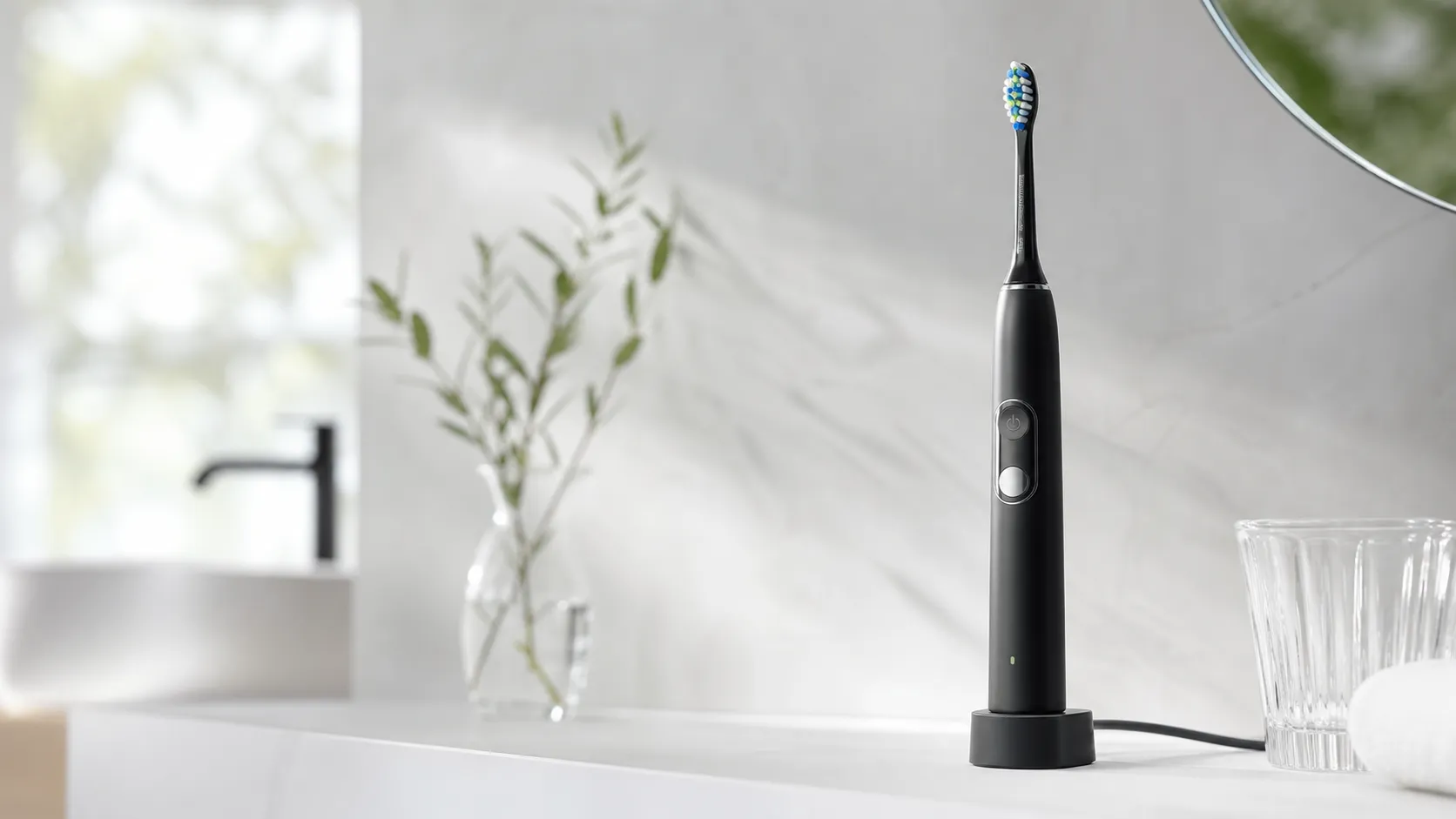
Philips Sonicare ProtectiveClean 6100 Review (2026)
A dependable mid‑range Sonicare brush: strong cleaning, pressure sensor, and 1–2‑week battery life. Great upgrade from manual brushing; watch replacement head costs.
 Health & Wellness
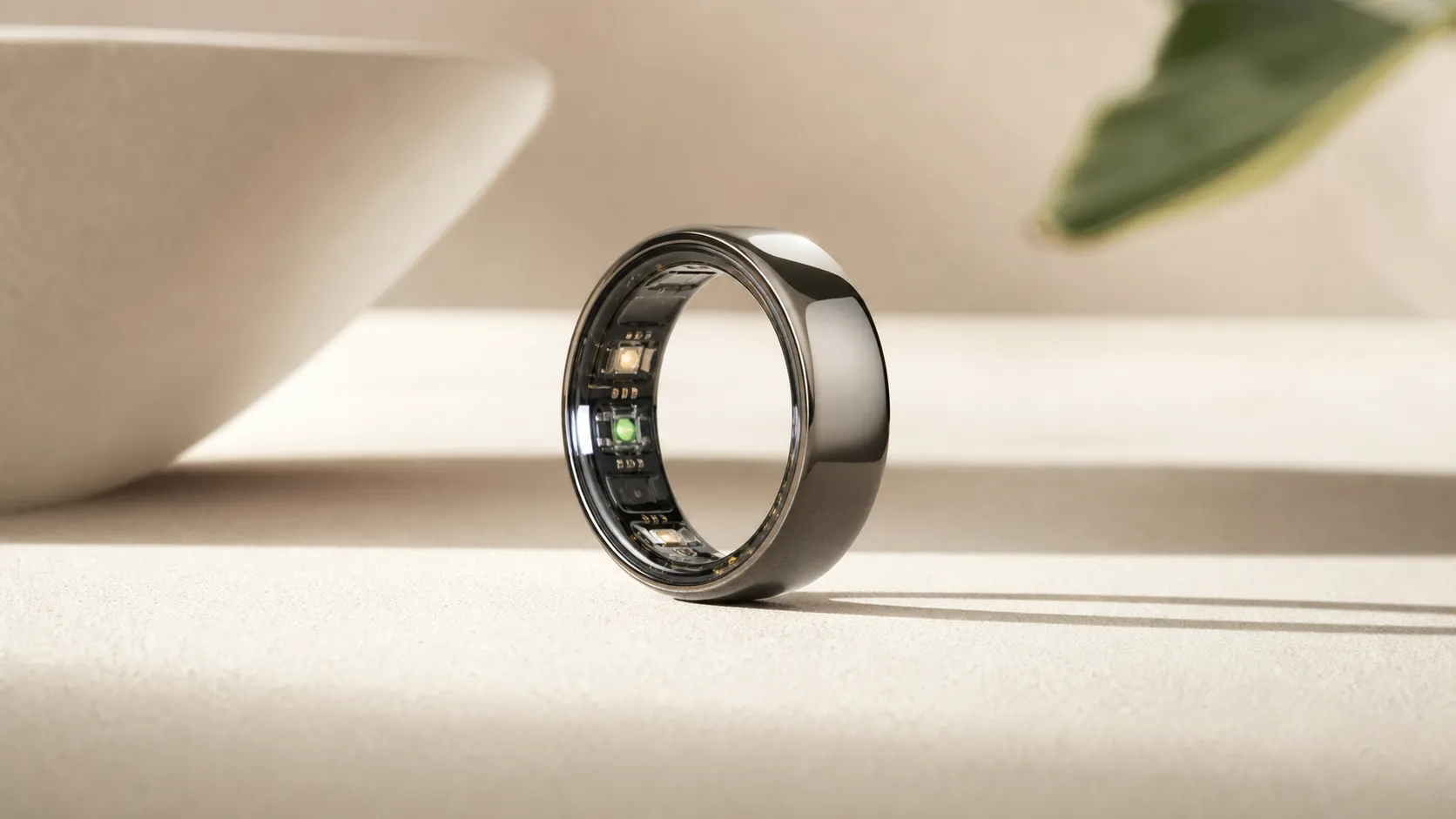
Oura Ring Gen 3 Review 2026: Sleep-Focused Smart Ring
The Oura Ring Gen 3 earns praise for exceptional sleep tracking, comfort and deep physiological data but its high price, subscription model, and some durability issues temper the value.
 Health & Wellness
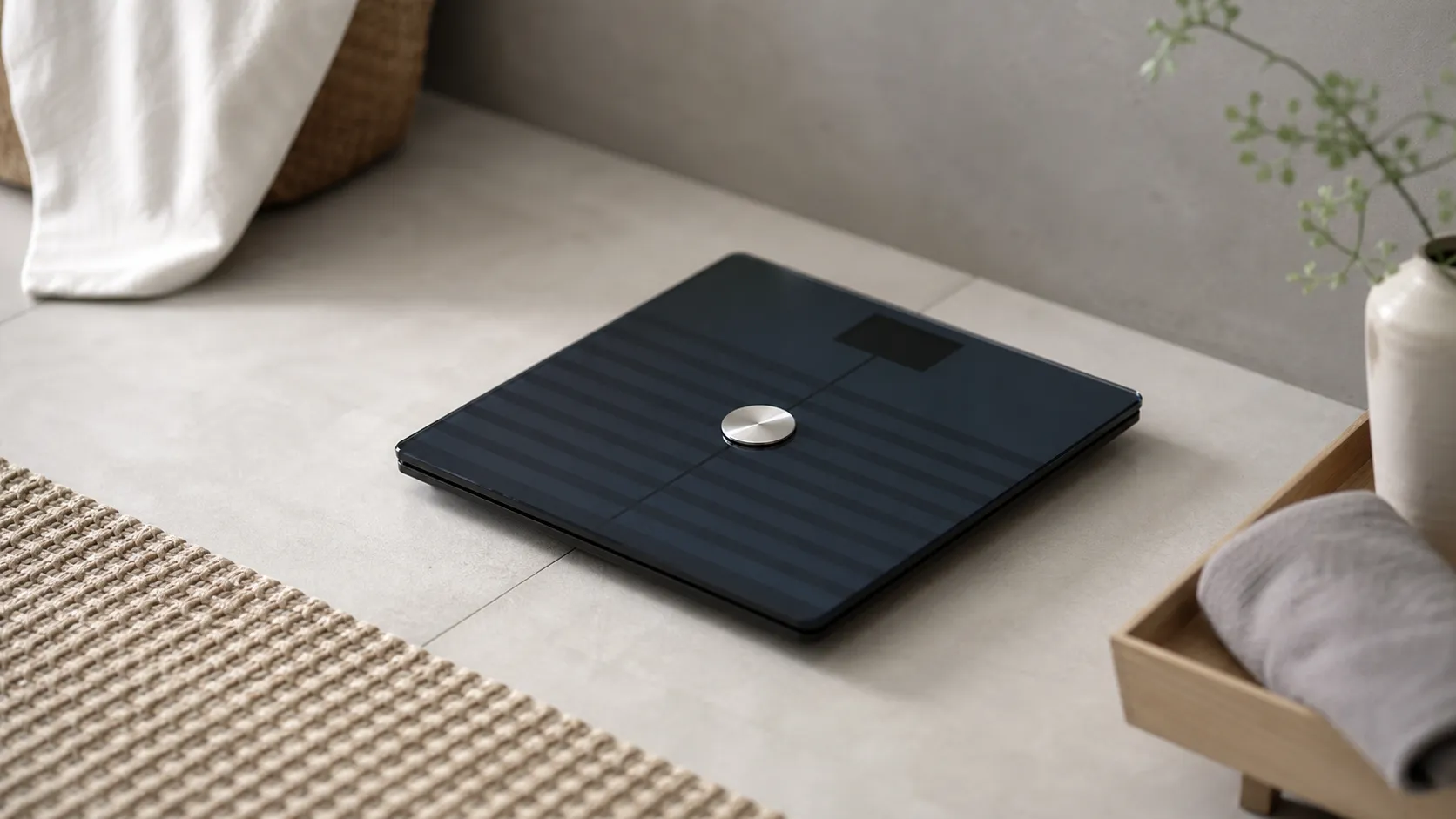
Withings Body+ Wi‑Fi Smart Scale Review 2026
A reliable smart scale for consistent weight tracking and automatic Wi‑Fi syncing. Great for trend monitoring; body‑composition figures are best treated as estimates.