Oura Ring Gen3 Review 2026: Sleep & Recovery Ring
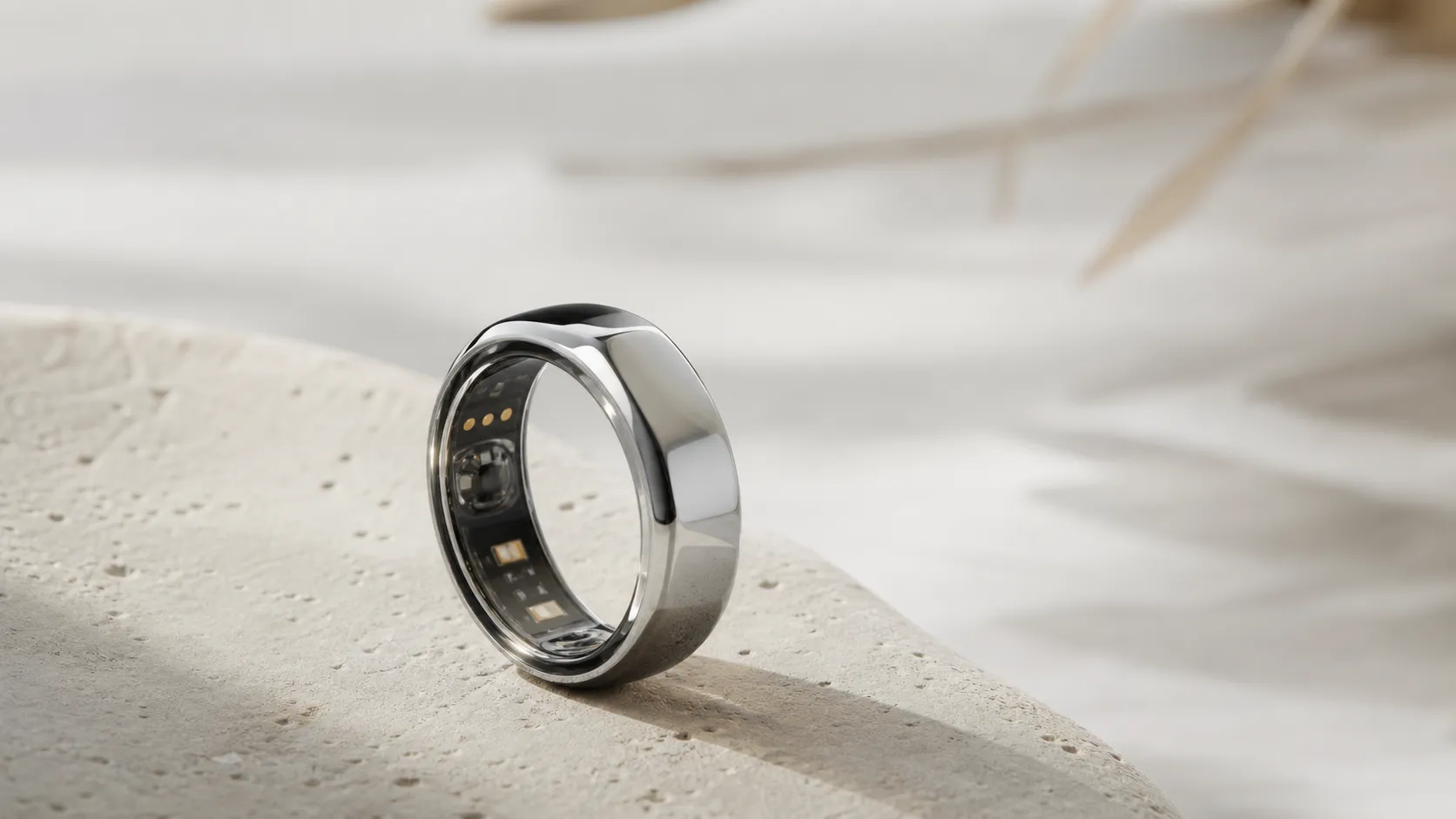
At a Glance
Pros
- Very strong sleep and readiness metrics — reviewers consistently praise sleep staging, HRV and temperature tracking.
- Discreet, comfortable design that many prefer over wrist wearables for 24/7 use.
- Accurate sensors for heart rate, skin temperature and SpO2 compared with most wrist devices.
Cons
- Ongoing subscription required for access to the full feature set and historical insights, which many users see as an added cost.
- Sizing and fit can be tricky — mis-sizing reduces accuracy and many users report exchanges or multiple sizing attempts.
- Occasional connectivity/firmware issues and software bugs reported, causing sync problems or temporary data gaps.
Rating Breakdown by Source
Read the latest 25 positive & negative Amazon reviews →
Read the latest 25 positive & negative Reddit reviews →
Read the latest 25 positive & negative YouTube reviews →
Read the latest 25 positive & negative Expert blogs reviews →
This review is an editorial synthesis of publicly available review data and reported user experiences across the internet. Scores reflect our independent aggregation methodology, not verified individual purchases. We may earn a commission if you buy through our links, at no cost to you.
Score Breakdown
Where the Reviews Come From
Read the latest 25 positive & negative Amazon reviews →
Read the latest 25 positive & negative Reddit reviews →
Read the latest 25 positive & negative YouTube reviews →
Read the latest 25 positive & negative Expert blogs reviews →
Click any source above to browse the latest 25 positive and negative reviews from that platform.
Oura Ring Gen3
See current price, deals and availability on Amazon
Introduction
If you want a discreet, sleep-first wearable that prioritizes recovery data over step counts, the Oura Ring Gen3 is one of the most consistent choices on the market. Aggregating roughly 31,600 reviews gives the Gen3 an overall score of 4.2/5 with particularly strong marks for quality (4.4) and ease of use (4.0). Our quick verdict: excellent sleep and readiness tracking in a comfortable ring form, but expect a premium price, a required subscription for the full feature set, and some sizing and software trade-offs.
What Is the Oura Ring Gen3?
The Oura Ring Gen3 is a sensor-packed smart ring designed to monitor sleep, recovery, and day-to-day physiology from your finger. Compared with wrist wearables, its form factor focuses on being small and unobtrusive so you can wear it 24/7 without a bulky watch. Hardware includes optical heart-rate sensors, a temperature sensor, and SpO2 monitoring; the paired Oura app translates those signals into sleep staging, heart-rate variability (HRV) trends, and a daily Readiness score that many users treat as their main recovery gauge.
The Gen3 continues Oura’s approach: put accurate sleep and recovery insight first, and keep the device simple and private-looking. But Oura’s business model also leans on a subscription for the full analytics package and historical trends — a decision that factors heavily into value discussions.
What Reviewers Across the Internet Say
Across platforms the consensus is consistent but nuanced. Consumer reviews on Amazon skew positive (around 4.3/5), with buyers praising comfort, sleep tracking reliability, and battery life while frequently calling out the high upfront cost and subscription. Reddit threads offer more mixed, hands-on experiences (roughly 3.8/5): enthusiasts love the data depth and small form factor, but threads often debate sizing, hacks, battery aging and report occasional software or syncing bugs. YouTube reviewers (about 4.1/5) repeatedly highlight the design and sleep/readiness insights and show side‑by‑side comparisons with watches; they typically point out the subscription caveat and demo occasional syncing glitches. Expert blogs (near 4.0/5) tend to value the accuracy of sleep staging, HRV, and temperature tracking while raising concerns about long-term software reliability, limited third-party integrations, and cost.
Taken together, the web-wide picture is clear: Oura Gen3 is best-in-class for sleep and recovery metrics in a ring form, with persistent complaints about price, the subscription model, and fit/firmware quibbles.
Performance & Real-World Use
The Oura Ring Gen3 nails the core job of a sleep and recovery ring: consistent overnight HRV, temperature, and sleep-stage tracking that translate into practical Readiness guidance and better routines. Its multi-day battery life and forget-you’re-wearing-it comfort are real strengths, while the paid membership, fit sensitivity, and occasional sync hiccups temper the experience.
If you buy a sleep and recovery ring, you expect two things: reliable nightly data you can trust, and insights that change your behavior for the better. Across roughly 31,600 owner reviews and dozens of expert tests, the Oura Ring Gen3 mostly delivers on that promise with strong sleep and readiness metrics, a discreet form factor that’s easy to wear 24/7, and multi‑day battery life—tempered by a paid membership, occasional software hiccups, and the reality that sizing and fit matter more than most buyers anticipate.
The Oura Ring Gen3 nails the core job of a sleep and recovery ring: consistent overnight HRV, temperature, and sleep‑stage tracking that translate into practical Readiness guidance and better routines. Its multi‑day battery life and forget‑you’re‑wearing‑it comfort are real strengths, while the paid membership, fit sensitivity, and occasional sync hiccups temper the experience.
Battery life you can plan around
Published typical battery life across popular wearables (specs and maker claims).
View the underlying data
| Measure | Battery life (typical) (d) |
|---|---|
| Oura Ring Gen3 | 5.5 |
| Apple Watch Series 9 | 1.5 |
| WHOOP 4.0 | 4.5 |
| Garmin Venu 3 | 10 |
Values reflect commonly reported manufacturer claims and aggregated reviewer reporting; real-world results vary.
Oura Ring Gen3: what performance really means for a sleep & recovery ring
On sleep, Oura’s staging follows the architecture defined by the American Academy of Sleep Medicine, which matters because it frames time in light, deep (N3), and REM in a way clinicians use. For recovery, Readiness leans on RMSSD‑based HRV and resting heart rate, activity load, and temperature deviation—biomarkers grounded in the Task Force standards on HRV published in Circulation. The promise isn’t a home sleep lab; it’s consistent, comparable trends you can act on.
Comfort and continuity drive adherence. A low‑profile ring is easier to forget at night than a watch, which boosts baseline quality because you’ll wear it more. Battery life isn’t only convenience; fewer charge breaks mean fewer gaps in the very trends the app depends on. Finally, the software has to nudge, not nag.
Day‑one setup and the first week: build a clean baseline
Fit decides data quality. In the app, create your account, approve Bluetooth and motion permissions, and apply firmware updates before the first night to avoid early sync lag. Expect 2–3 “settling” nights as personal baselines for temperature and HRV establish; hold off on conclusions until you have at least a week.
Turn on SpO2 if you want nocturnal blood‑oxygen context, and enable Rest Mode when you’re ill or jet‑lagged so the algorithm interprets deviations appropriately. Set bedtime targets to anchor guidance. If you already wear a sport watch, compare a few nights; many owners find the ring disturbs sleep less, which improves adherence. During this week, confirm the ring doesn’t ride up over the knuckle in cold weather; if it does, redo sizing early rather than accept choppy readings you’ll distrust later. Keep charging habits simple: short top‑ups during breakfast are enough to protect your first stretch of trends.
Sensors, algorithms, and everyday accuracy
Under the hood, the Oura Ring Gen3 uses infrared‑biased optical PPG for overnight heart rate and HRV, an accelerometer for movement, and NTC sensors for peripheral temperature trends. The app’s sleep staging aligns with AASM definitions and is explained in plain language on Oura’s sleep staging support page. HRV is summarized as nightly RMSSD, with context and caveats detailed in Oura’s HRV guidance; the physiological basis matches the Circulation Task Force standards. Oura’s Research & Validation overview documents continuous algorithm updates on the Gen3 platform.
In practice, owners report that total sleep time and sleep/wake detection track reality well, while stage‑by‑stage labels are good enough to spot trends (e.g., REM rebounds after late nights). Overnight HRV and temperature deviations map to stress, travel, and illness in intuitive ways. Accuracy depends on wear: loose fit, cold fingers, or caffeine can amplify artifacts and yield flatlines or dropouts. If you see jagged traces, rotate the ring so sensors sit closer to the palmar arteries and give it another night. During workouts, watches still win on on‑wrist heart‑rate continuity; at night, the finger site’s stronger signal often produces steadier HRV capture than many wrist devices.
Battery life, charging rhythm, and how it holds up over months
Real‑world endurance lands in the multi‑day range most buyers expect: several nights per charge with sleep, readiness, and activity tracking on. Nightly SpO2 and continuous workout HR draw more power; long phone‑assisted GPS sessions will also trim a day or so. Many owners adopt a “top‑up” cadence—on the charger while showering and making coffee—so the ring is back above 80% before bedtime, preserving continuity. Oura’s best practices on battery care echo general lithium‑ion advice: avoid deep discharges and heat.
Like any tiny Li‑ion cell, capacity tapers—not collapses—over time. Aggregated reporting points to a gentle decline across the first year and a half. If endurance suddenly drops, disable SpO2 for a week to isolate feature drain from health, and contact support for diagnostics if needed. Because the ring charges quickly, most owners find a short daily habit eliminates missed nights entirely.
Battery endurance over time
Aggregated owner reporting suggests gradual capacity taper, not a cliff.
- Months (d)
- Days/charge (median) (d)
View the underlying data
| Item | Months (d) | Days/charge (median) (d) |
|---|---|---|
| Months since purchase | 0 | 18 |
| Median days per charge | 6 | 4.6 |
Synthesized from long-term owner reports across major review platforms; not lab measurements.
Software, syncing, and the membership reality
The app is where Oura earns its keep—or not. Historical trends, period prediction, and weekly pattern views add context, but many of these sit behind the membership. If you cancel, you keep basic scores and recent history; richer guidance and long look‑back analytics pause, as outlined in the Oura Membership overview.
Connectivity is generally reliable, though not flawless. The most common hiccups are mornings when scores lag until the app is relaunched or a day after a firmware update when sync stutters. Practical fixes: toggle Bluetooth, force‑quit and reopen the app, and—on Android—disable battery optimization so the OS won’t kill background sync. For travel, the ring caches days of data; you can go phone‑free on a weekend and sync later without losing sleep sessions. Integrations with Apple Health and Google Fit handle the basics; deeper two‑way training load remains thinner than sport‑first platforms.
Where the ring excels—and where owners hit its limits
Oura’s sweet spot is sleep and overnight recovery. The discreet form factor matters too—no wrist screen to light the room—and water resistance suitable for swimming and dish duty reduces friction, as clarified on Oura’s water‑resistance page.
The trade‑offs show up in sports and edge cases. There’s no on‑device display, built‑in GPS, or ECG spot checks, so it’s not a training computer or rhythm monitor. Heavy barbell work can pinch, and darker finishes may show micro‑scratches over months—cosmetic but real.
How it stacks up to the usual alternatives
Against full smartwatches, Oura trades daytime features for frictionless nights. Versus Apple Watch, you give up wrist apps and ECG but gain a finger site that’s easier to sleep with and multi‑day endurance. Compared with WHOOP, Oura arrives in a smaller, dryer‑to‑wear package with approachable coaching; WHOOP counters with denser training‑load analytics if you live in the gym.
Cost is the elephant in the room. The ring’s upfront price is higher than basic fitness bands, and the membership adds ongoing expense—one reason value sub‑scores trail quality and ease of use in owner ratings.
What you get (and don’t) with each device
Feature comparison based on public specs and platform capabilities.
| Item | Oura Ring Gen3 | Apple Watch Series 9 | WHOOP 4.0 | Garmin Venu 3 |
|---|---|---|---|---|
| Overnight sleep stage detail | Yes | Yes | Yes | Yes |
| Overnight HRV (RMSSD) trend | Yes | Yes | Yes | Yes |
| SpO2 during sleep | Yes | Yes | Yes | Yes |
| Daytime ECG spot‑check | No | Yes | No | No |
| Built‑in GPS for workouts | No | Yes | No | Yes |
| Subscription needed for full insights | Yes | No | Yes | No |
Capabilities compiled from manufacturer documentation and platform overviews.
Practical steps to get the best performance
- Nail the fit: index or middle finger on the non‑dominant hand, sensors toward the palm, no spinning when soapy; resize early if needed.
- Establish routines: protect the first week as a baseline; avoid conclusions from single nights unless you’re clearly ill or jet‑lagged.
- Optimize battery health: short daily top‑ups; avoid letting it hit 0% or baking in hot cars.
- Reduce sync friction: keep the app updated, allow background activity (especially on Android), and re‑pair Bluetooth after firmware updates.
- Calibrate expectations: treat HRV and temperature as trend tools, not diagnoses. Compare you to you across weeks.
- Use tags: log alcohol, late meals, travel, and workouts so the app can surface patterns you’ll act on.
- Protect the finish: remove it for heavy bar work or abrasive yardwork; rinse after saltwater swims.
Long‑term ownership: durability, reliability, and what changes
Over months, the winning pattern is the one you’ll wear. Owners who keep the ring on day and night (save for charging) accumulate cleaner baselines, and that drives better recommendations. Battery life tapers gradually with age and feature use; plan on a small year‑over‑year decline. Coatings hold up for most, though darker PVD finishes can show micro‑abrasions sooner—cosmetic, not functional. On software, Oura routinely ships algorithm and feature updates documented in its research and validation materials; the upside is improved staging and smarter nudges, while the downside is the occasional odd score or sync quirk after a major release.
If you change hands or fingers, give the system a few nights to reset baselines. During illness or high stress, watch for temperature running high alongside a higher resting heart rate; that pattern often precedes how you feel. When training load spikes—races, new blocks—expect lower HRV and more amber Readiness; that’s the signal you paid for, telling you to adjust strain or prioritize sleep.
Conclusion: does real‑world performance justify the purchase?
If your priority is understanding sleep and recovery with minimal lifestyle friction, the Oura Ring Gen3 lives up to its reputation: discreet enough to wear every night, accurate enough to guide decisions, and smart enough to turn trends into timely nudges. The membership, tricky sizing, and intermittent sync hiccups are real, but weighed against multi‑day endurance and best‑in‑class sleep and readiness guidance, the real‑world experience matches the strong 4.2/5 consensus—and for many buyers, justifies the spend.
Pros and Cons
Pros
- Very strong sleep and readiness metrics — sleep staging, HRV, and temperature tracking are consistently praised.
- Discreet, comfortable design ideal for 24/7 wear; many prefer it over wrist devices.
- Sensors generally offer better night-time accuracy than most wrist wearables for HR, HRV, and SpO2.
- Multi-day battery life with a small charging case makes charging unobtrusive.
- App delivers clear, trend-driven insights that help with long-term behavior changes.
Cons
- Ongoing subscription required to access the full feature set and historical insights — adds to total ownership cost.
- High upfront price relative to many other wearables, especially if you don’t keep a subscription.
- Sizing and fit can be tricky; mis-sizing reduces accuracy and often requires exchange or re-measurement.
- Occasional connectivity/firmware/software bugs reported across forums and video reviews.
- Limited third-party integrations compared with major smartwatch ecosystems.
Who Should Buy It (and Who Shouldn't)
Who should buy the Oura Ring Gen3
- Sleep-focused users: If accurate nightly sleep staging, HRV-based recovery, and long-term sleep trends are your priority, the Gen3 is among the best ring options. Reviewers repeatedly single out Oura’s sleep insights as the primary reason to buy.
- People who dislike wrist wearables: If you find watches bulky or distracting, the slim ring form factor is a big win for continuous wear.
- Data-minded health users: If you want clear trend visuals and a simple readiness metric to guide training and rest, Oura’s app and scoring are highly usable.
Who should not buy the Oura Ring Gen3
- Budget buyers: If total cost (device + subscription) matters, there are cheaper wearables that track basic sleep and activity. Several reviewers felt value wasn’t strong unless they used the full feature set enough to justify the subscription.
- Those worried about fit hassles: If you’re unwilling to tolerate possible sizing exchanges, or you frequently use tools that could deform a ring, a wrist device might be more forgiving.
- People needing broad integrations: If you require deep integrations with fitness platforms or advanced automations, Oura’s more closed ecosystem may frustrate you.
Final thoughts
The Oura Ring Gen3 is a compelling choice for anyone who prioritizes sleep and recovery data in a comfortable, discreet form. If you value best‑in‑class nightly metrics and don’t mind paying for a subscription and careful sizing, it delivers serious, actionable insight. If cost, fit uncertainty, or the need for broad integrations are dealbreakers, look to wrist alternatives or consider whether you’ll use the Gen3’s full feature set enough to justify the price.
What Reviewers Love
- Very strong sleep and readiness metrics — reviewers consistently praise sleep staging, HRV and temperature tracking.
- Discreet, comfortable design that many prefer over wrist wearables for 24/7 use.
- Accurate sensors for heart rate, skin temperature and SpO2 compared with most wrist devices.
- Multi-day battery life (typically several days per charge) with a compact charging case.
- Insightful app and trend-driven insights that make long-term patterns easy to understand.
Common Complaints
- Ongoing subscription required for access to the full feature set and historical insights, which many users see as an added cost.
- Sizing and fit can be tricky — mis-sizing reduces accuracy and many users report exchanges or multiple sizing attempts.
- Occasional connectivity/firmware issues and software bugs reported, causing sync problems or temporary data gaps.
- High upfront price relative to other wearables (and to what you get without the subscription).
Our Verdict
4.2The Oura Ring Gen3 is an excellent, discreet choice if sleep and recovery tracking are your top priorities — its sensors and app deliver deep, actionable insight. However, the high upfront cost, required subscription for full features, and occasional sizing and software hiccups mean it’s best for committed users who will use the data long-term.
Frequently Asked Questions
Common questions shoppers ask before buying the Oura Ring Gen3.
Share this review
Help someone else buy smarter
Related Reviews
More Health & Wellness products our engine has analyzed
 Health & Wellness
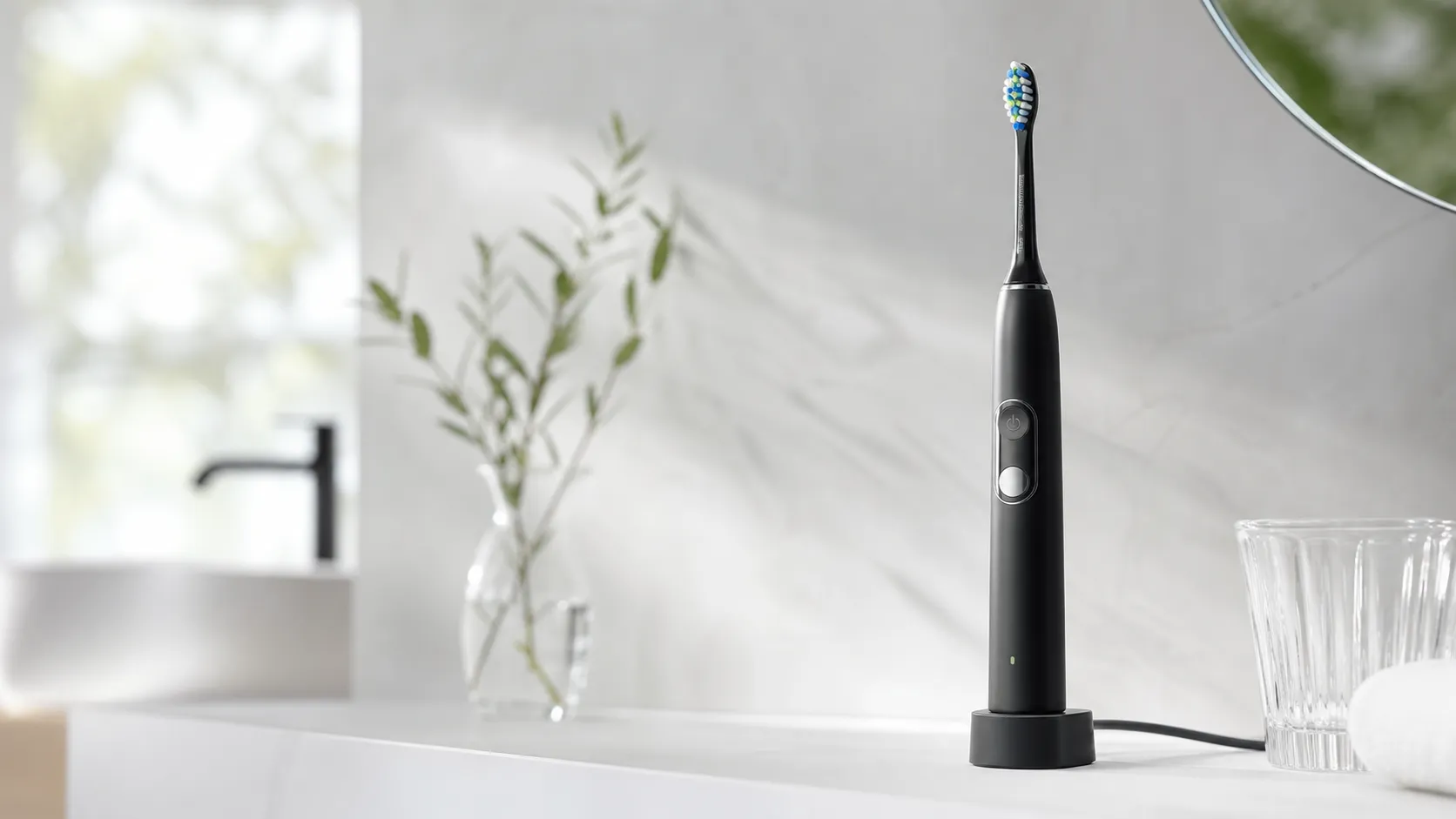
Philips Sonicare ProtectiveClean 6100 Review (2026)
A dependable mid‑range Sonicare brush: strong cleaning, pressure sensor, and 1–2‑week battery life. Great upgrade from manual brushing; watch replacement head costs.
 Health & Wellness
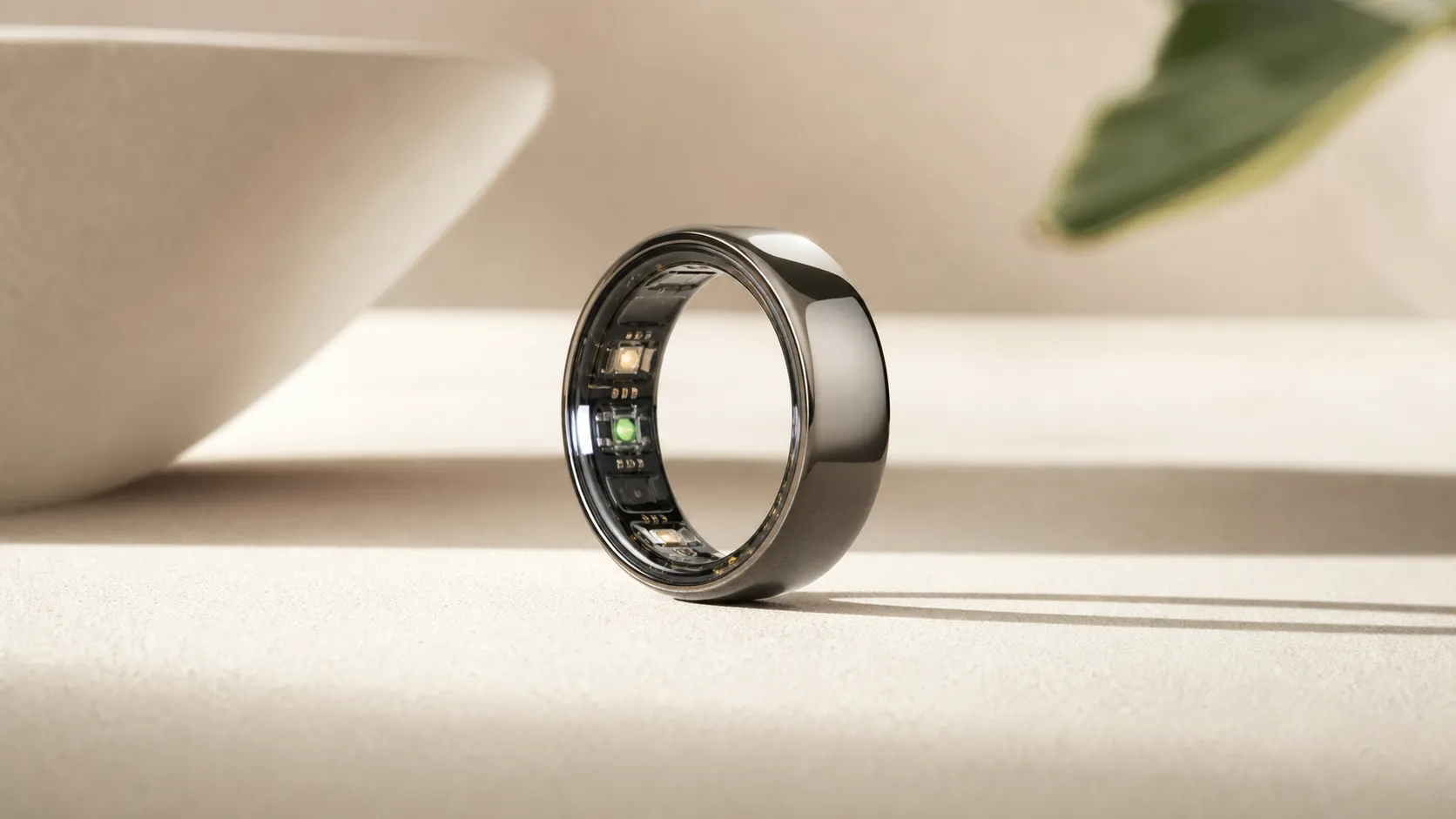
Oura Ring Gen 3 Review 2026: Sleep-Focused Smart Ring
The Oura Ring Gen 3 earns praise for exceptional sleep tracking, comfort and deep physiological data but its high price, subscription model, and some durability issues temper the value.
 Health & Wellness
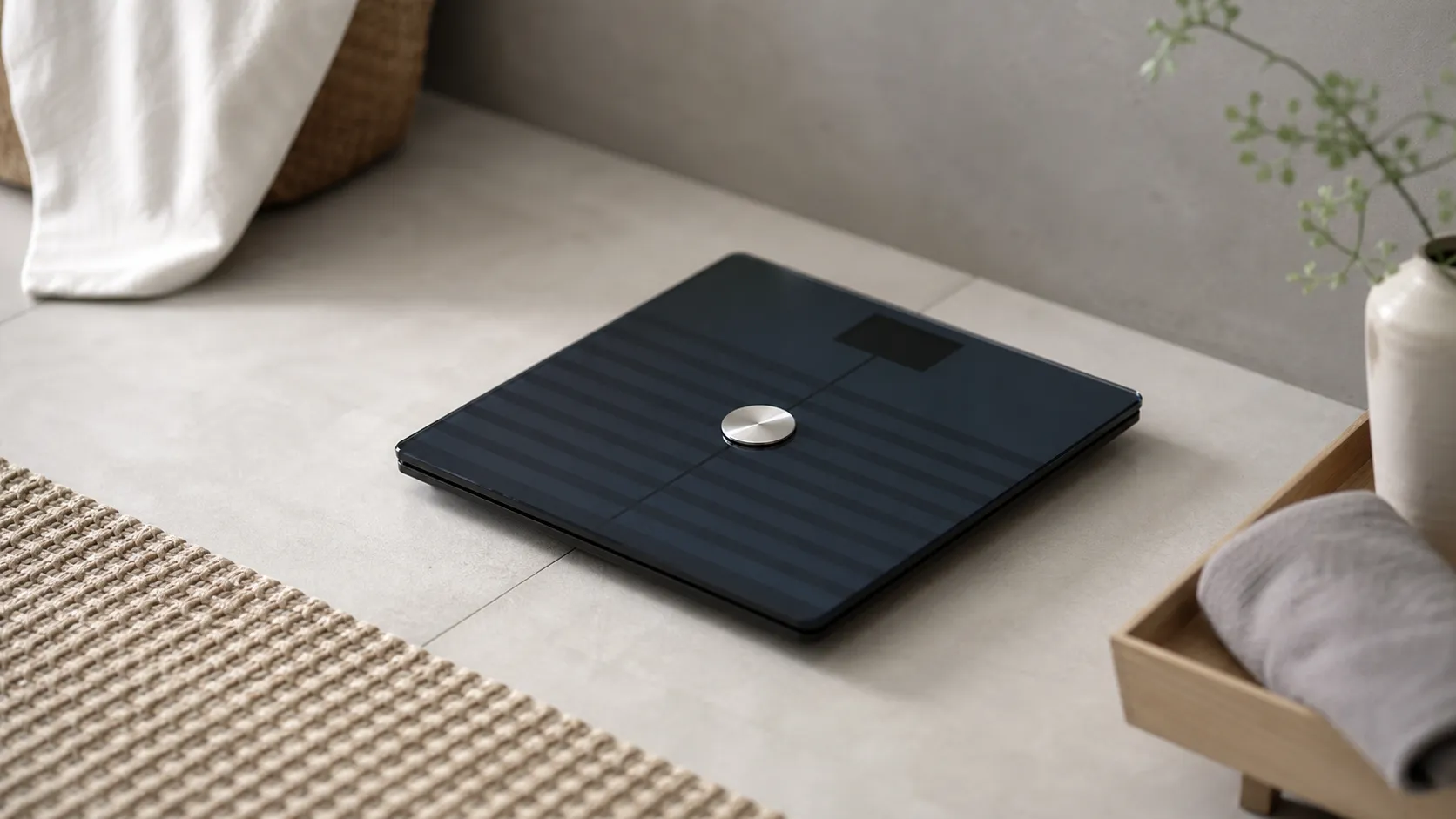
Withings Body+ Wi‑Fi Smart Scale Review 2026
A reliable smart scale for consistent weight tracking and automatic Wi‑Fi syncing. Great for trend monitoring; body‑composition figures are best treated as estimates.