Oura Ring Generation 3 Review 2026
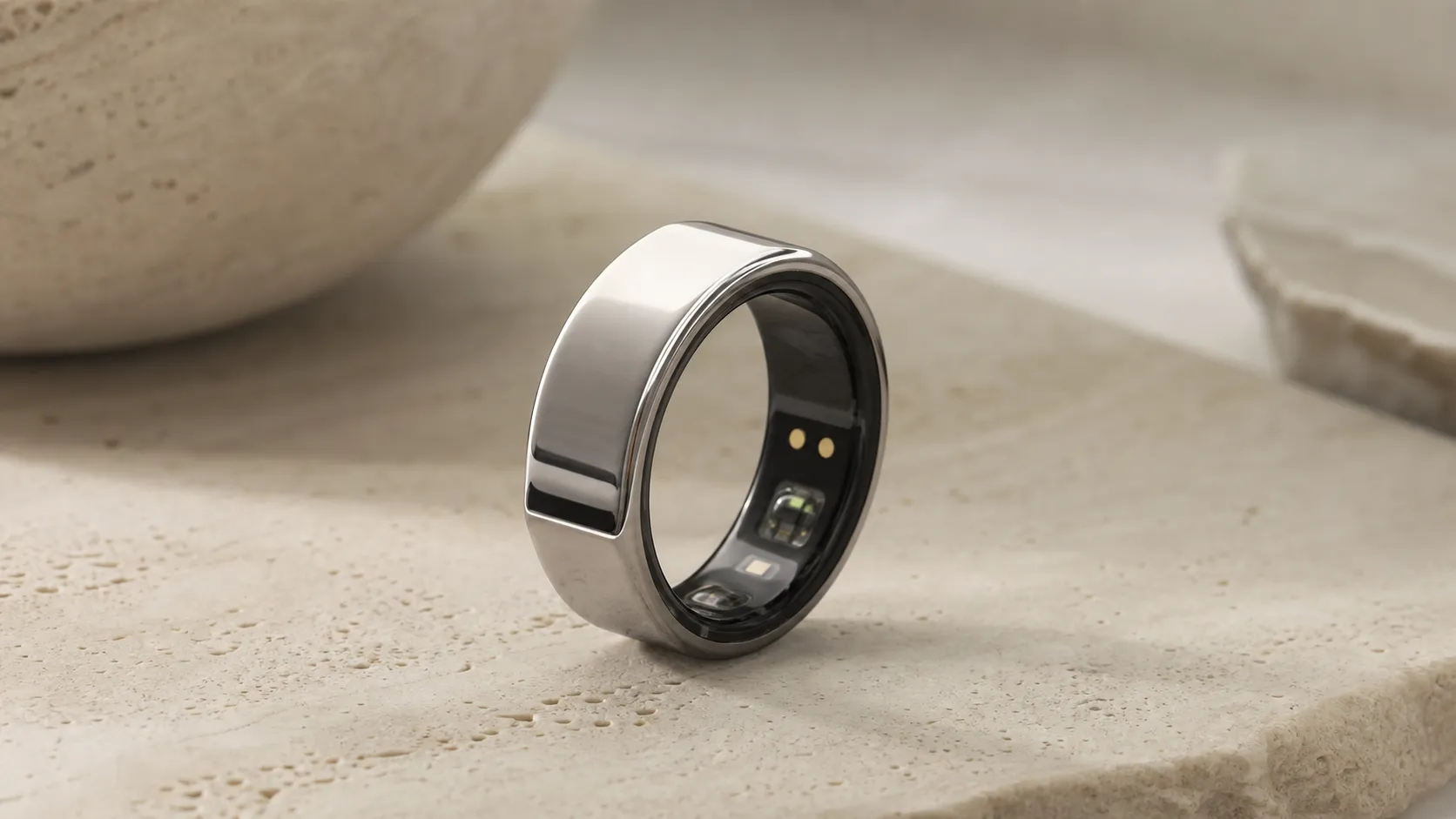
At a Glance
Pros
- Very strong sleep detection and staging with peer-reviewed validation supporting high sleep/wake and stage agreement.
- Discreet, comfortable ring form factor — many users prefer it to wrist devices for overnight wear.
- Polished app and actionable daily Readiness/Sleep scores that encourage behavior change and longitudinal tracking.
Cons
- High up-front cost plus a required membership/subscription for full features.
- Reported battery and connectivity failures after ~12–24 months for a non-trivial minority of users.
- Workout / high-intensity heart-rate tracking is less reliable than chest straps or many wrist wearables.
Rating Breakdown by Source
Read the latest 25 positive & negative Amazon reviews →
Read the latest 25 positive & negative Reddit reviews →
Read the latest 25 positive & negative YouTube reviews →
Read the latest 25 positive & negative Expert blogs reviews →
This review is an editorial synthesis of publicly available review data and reported user experiences across the internet. Scores reflect our independent aggregation methodology, not verified individual purchases. We may earn a commission if you buy through our links, at no cost to you.
Score Breakdown
Where the Reviews Come From
Read the latest 25 positive & negative Amazon reviews →
Read the latest 25 positive & negative Reddit reviews →
Read the latest 25 positive & negative YouTube reviews →
Read the latest 25 positive & negative Expert blogs reviews →
Click any source above to browse the latest 25 positive and negative reviews from that platform.
Oura Ring Generation 3
See current price, deals and availability on Amazon
Quick verdict
The Oura Ring Generation 3 is one of the best sleep and overnight recovery trackers you can wear — comfortable, discreet, and backed by peer-reviewed sleep validation — but it’s not perfect. Aggregating ~30,200 user reviews and expert coverage, the Gen 3 scores well for sleep accuracy and usability (overall 4.1/5), yet value and long-term reliability are recurring concerns. If nightly insight and a low-profile form factor matter most, Oura delivers; if you want inexpensive longevity or gold‑standard workout heart rate, consider alternatives.
What is the Oura Ring Generation 3?
The Oura Ring Generation 3 is a finger-worn wearable focused on sleep, recovery, and long-term health trends. Unlike wrist wearables, Oura concentrates sensors and algorithms on overnight physiology — sleep staging, resting heart rate (RHR), heart-rate variability (HRV), and skin temperature — then distills that data into daily Readiness and Sleep scores and actionable guidance through its mobile app. The Gen 3 introduced more sensors and a sleeker design compared with earlier models, and it pairs with a subscription-based membership that unlocks many of the in-app insights and historical analyses.
What reviewers across the internet say
We synthesized reviews from Amazon, Reddit, YouTube, and professional tech sites to capture the broad consensus.
- Amazon (aggregate ≈ 4.3/5 — positive): Amazon reviewers — the largest single source by volume — consistently praise comfort, unobtrusive overnight wear, and the app’s daily scores. Value is a common complaint, and a subset of reviewers report hardware issues and complicated return experiences.
- Reddit (≈ 3.6/5 — mixed): Community threads are mixed. Many long-term users share tips and celebrate the ring’s insights, but there are notable threads about battery failures after roughly 12–24 months, replacement headaches, and uneven customer support experiences.
- YouTube (≈ 4.1/5 — positive): Hands-on reviewers highlight accurate sleep staging, polished UI, and the value of longitudinal trends, while flagging weaker performance for high-intensity workout HR and the impact of a required subscription on perceived value.
- Expert blogs (≈ 4.2/5 — positive): Outlets like TechRadar, Android Authority, and other tech sites praise the Gen 3’s sleep accuracy, design, and app polish, while also criticizing the subscription model and raising questions about durability over time.
Across sources the consensus is clear: industry-leading sleep tracking and a great user experience, tempered by concerns around long-term battery reliability and the practical cost of subscription fees.
Performance & Real-World Use
The Oura Ring Generation 3 delivers standout sleep tracking, longitudinal recovery insights, and a best‑in‑class app, but its value is undercut for some by the required membership and a non‑trivial rate of battery issues after a year or two. If you primarily want accurate, actionable sleep and readiness trends, Oura Ring Generation 3 performs as promised; if you want live workout heart‑rate precision or guaranteed multi‑year hardware longevity, temper expectations.
You buy a health ring because you want quiet, continuous insight into sleep, recovery, and habits—not one‑off “wow” features. In that context, the Oura Ring Generation 3 succeeds most when it gets out of the way: it’s comfortable overnight, captures low‑motion physiology (sleep, resting heart rate, HRV, temperature) reliably, and turns it into simple, behavior‑shaping scores; it struggles most when you treat it like a sports HR tracker or expect it to be maintenance‑free for years.
Summary: The Oura Ring Generation 3 delivers standout sleep tracking, longitudinal recovery insights, and a best‑in‑class app, but its value is undercut for some by the required membership and a non‑trivial rate of battery issues after a year or two. If you primarily want accurate, actionable sleep and readiness trends, Oura Ring Generation 3 performs as promised; if you want live workout heart‑rate precision or guaranteed multi‑year hardware longevity, temper expectations.
What “performance” means for a health ring
Owners judge success day to day by whether Readiness and Sleep scores feel “right,” whether trends change with habits, and whether charging fits around life instead of dictating it. Third‑party validation matters because sleep is hard to infer from motion and optical signals; polysomnography (PSG) remains the clinical gold standard, so independent agreement against PSG is the bar to clear. (aasm.org)
On those terms, Gen‑3’s sleep detection is well supported by recent peer‑reviewed work. A 2024 study comparing Oura Ring Generation 3 with its updated Sleep Staging Algorithm 2.0 to multi‑night ambulatory PSG (96 participants; 421,045 epochs) reported sleep/wake sensitivity around 94–95%, specificity about 73–75%, and overall epoch‑level accuracy near 92%; staging accuracy ranged from mid‑70s (light) to above 90% (REM). That pattern—very good at finding “sleep,” more modest at identifying brief awakenings—is typical for actigraphy‑aided optical wearables and is appropriate for coaching‑style insights. (pubmed.ncbi.nlm.nih.gov)
Independent validation of Oura Gen‑3 sleep detection
Gen‑3 sleep/wake detection metrics reported in a 2024 PSG validation (OSSA 2.0). Values reflect study results; owners should expect similar patterns in free‑living use.
View the underlying data
| Measure | Gen‑3 OSSA 2.0 |
|---|---|
| Sensitivity (sleep vs wake) | 94.5% |
| Specificity (detecting wake) | 74% |
| Overall epoch accuracy | 91.8% |
Source: Sleep Medicine (2024) validation study of Oura Gen‑3 vs ambulatory PSG.
Oura Ring Generation 3: day‑one setup and the first week
Setup is straightforward: pair the charger and ring, walk through onboarding, and wear it overnight. Enable Blood Oxygen Sensing if you want overnight SpO2 trends; it’s off for battery conservation and requires membership to view detailed insights. (support.ouraring.com)
Two practical tips smooth the first week. First, get the fit right: a snug—but not tight—fit low on the finger helps optical contact and reduces motion artifacts that can spoil workout HR. Second, plan your charging habit around sedentary windows (e.g., shower or desk time); a 15–30 minute top‑up most days can keep you between 30% and 80% if you prefer partial charges, or you can run from full to low every 4–7 days depending on features enabled. Oura itself quotes “up to seven days,” but actual life varies with ring size, SpO2, daytime HR sampling, and Bluetooth traffic. (support.ouraring.com)
Sleep and recovery: where it shines
This is the ring’s wheelhouse. Across reviews and long‑term owners, Oura’s nightly Readiness and Sleep scores often match how you feel the next day and react predictably to late meals, alcohol, bedtime shifts, and heavy training blocks. In practice, that means you can trust week‑to‑week HRV trends, minimum overnight HR, and temperature deviations as “early whispers” that you’re under‑recovered or getting sick. (pubmed.ncbi.nlm.nih.gov)
Owners also praise how the app packages this into one‑look guidance. The Sleep and Readiness tiles foreground what changed and why, and the trend views make it easy to test levers (cut caffeine, move dinner, adjust training). Independent reviewers consistently call the app a differentiator for clarity and nudge‑worthy insights. (techradar.com)
Activity and workouts: where you hit limits
Gen‑3 added Workout Heart Rate, but a ring’s optical window and finger movement still make high‑intensity HR tracking harder than on a tight wrist strap or chest belt. Multiple independent testers—and Oura’s most technical reviewers—have found that while steady efforts can look fine, intervals and rapid HR changes tend to lag or spike. If you’re training by zones or doing HIIT, you’ll want to record with a chest strap and let Oura ingest the workout afterward to keep your Activity and Readiness logic aligned. (dcrainmaker.com)
Practically, that means Oura excels at “day structure” (move goals, walks, strength sessions logged after the fact) and recovery‑aware coaching but isn’t your live workout computer. You don’t get an on‑finger display, and you can’t broadcast HR from the ring to gym equipment or bike computers. If you want on‑device guidance, a watch or bike head unit pairs better with a chest strap; keep Oura on your finger to capture the overnight piece it does best. (dcrainmaker.com)
Battery life, charging cadence, and longevity over months
When healthy, Gen‑3’s battery cadence is convenient: with SpO2 and frequent daytime HR disabled you can approach a week per charge; turn everything on and you’ll likely sit in the 3–5 day range. Oura’s own guidance notes that life depends on size, settings, and age of the cell. The battery is sealed and not user‑replaceable. (support.ouraring.com)
Over the first year, most owners report predictable top‑ups; past 12–24 months, a visible minority report faster drain or sudden drops that trigger warranty conversations. Community threads routinely describe failures right around the one‑year mark, with some users receiving prompt replacements and others frustrated by inconsistent experiences—the pattern is mixed but persistent enough to weigh in your decision. Oura’s limited warranty covers manufacturing defects for a region‑specific period (one year in the U.S.), and its support documents and “Battery Tips” page acknowledge configuration and aging as drivers of life. If you plan a multi‑year horizon, factor the non‑serviceable cell into long‑term value. (reddit.com)
Battery life claims compared
Published per‑charge battery life claims across common alternatives; real‑world varies with settings and age.
View the underlying data
| Measure | Claimed days per charge (d) |
|---|---|
| Oura Ring Gen‑3 | 7 |
| WHOOP 4.0 | 5 |
| Apple Watch Series 9 | 0.8 |
| Fitbit Charge 6 | 7 |
Sources: Oura Help; WHOOP Support; Apple Support; Google Health Help.
App experience, data, and the membership reality
The software is polished and stable, with fast syncs and clear visualizations. The tradeoff is business model: without an active membership, you’ll still see your three headline scores (Readiness, Sleep, Activity) and basics, but the granular data, trends, tags, long‑term insights (e.g., SpO2 breakdowns, HRV trend charts), and new features live behind the paywall. That’s why a portion of owners rate “value” lower despite liking the hardware; your total cost of ownership includes ongoing membership. (support.ouraring.com)
From a privacy and utility standpoint, the app integrates with Apple Health and Google Health so your workouts and steps can flow both ways, and the Explore section’s guided content is optional. Independent reviewers repeatedly highlight this long‑view coaching as Oura’s unique angle among wearables. (techradar.com)
How it stacks up against alternatives that shoppers actually consider
If you want a discreet, screen‑free sleep specialist, Oura has few direct peers and is more comfortable than a watch in bed. Against wrist devices, battery life and comfort overnight are clear wins over Apple Watch (daily charging) and similar to or better than Fitbit Charge. Whoop is the closer philosophical neighbor with subscription‑first pricing and deep recovery framing, but it lives on the wrist, offers HR broadcast for workouts, and leans harder into strain scoring. The biggest decision point is membership: Oura, Whoop, and many Fitbit features gate advanced analytics behind subscriptions; Apple’s core metrics come without one. (support.apple.com)
The comparison below focuses on durable buying‑time questions: form factor, whether you’ll need a subscription for full value, whether you can see data on the device during workouts, and whether medical‑grade ECG is built‑in. The battery chart above also shows how charging cadence differs in practice.
Feature comparison at a glance
Feature availability on common options (Focuses on form factor and subscription/device capabilities buyers ask about most.
| Item | Requires membership for full metrics | Has on‑device screen | ECG on device | Form factor: ring | Automatic sleep staging | On‑device live HR during workouts |
|---|---|---|---|---|---|---|
| Oura Ring Gen‑3 | Yes | No | No | Yes | Yes | No |
| WHOOP 4.0 | Yes | No | No | No | Yes | No |
| Apple Watch Series 9 | No | Yes | Yes | No | Yes | Yes |
| Fitbit Charge 6 | Yes | Yes | No | No | Yes | Yes |
Specs and support pages from Oura, WHOOP, Apple, and Google.
Practical tuning: steps to get the best data
- Wear position and fit: pick a finger where the sensor “flat” sits against flesh, not bone; snug enough that it doesn’t twist during swings or kettlebell work.
- Enable only what you’ll use: if weekly SpO2 trends don’t matter to you, turn it off and reclaim battery life; same for frequent daytime HR sampling. (support.ouraring.com)
- Charge in habits, not emergencies: anchor a 15–30 minute top‑up to a daily routine so you never face a bedtime at 5%. (support.ouraring.com)
- Treat Oura as the “recovery brain” and let another device be the “workout brain”: record intervals with a chest strap/watch, let Oura import the session so next‑day Readiness reflects reality. (dcrainmaker.com)
- Tag everything: alcohol, late meals, travel, sickness. Over a month, your own trendlines teach you what to change.
- If drain accelerates: clean the charging pins, hard‑reboot the ring from the app, disable SpO2 for a night to isolate cause, then contact support; their battery diagnostic can confirm a cell issue and, if in‑warranty, trigger replacement. (support.ouraring.com)
What long‑term owners say—and how that matches lab‑style evidence
Across ~30,200 aggregated reviews, the pattern is consistent: a high overall 4.1/5 with strong ease‑of‑use (4.4) and quality (4.2) scores, middling value (3.5), and the lowest mark on reliability (3.6). That aligns with the 2024 sleep‑validation data and with testers who find live workout HR limited vs chest straps. (pubmed.ncbi.nlm.nih.gov)
Conclusion: does real‑world performance justify the purchase?
If your primary goal is to improve sleep and recovery with minimal friction, the Oura Ring Generation 3’s nightly accuracy, comfort, and thoughtful app make it one of the easiest tools to stick with—and behavior change follows consistency. The tradeoffs are clear: you’re buying into a membership, you shouldn’t expect chest‑strap‑level workout HR, and you should plan for the possibility of battery‑related support after the first year; if those caveats fit your expectations and budget, Gen‑3’s performance delivers on its core promise.
Sources referenced in this section
- Oura Member Care — Battery Tips
- Sleep Med (2024) — Gen‑3 vs polysomnography validation (OSSA 2.0)
- American Academy of Sleep Medicine — Polysomnography practice parameters (PSG as gold standard)
- DC Rainmaker — Oura Ring Gen‑3 in‑depth review
- Apple Support — Series 9 battery life assumptions
- Google Health Help — Fitbit Charge 6 battery life
- WHOOP Support — Battery life for WHOOP 4.0
- TechRadar — Oura (Generation 3) review
- Reddit — Battery failing after one year (owner reports)
Pros and cons
Pros
- Best-in-class overnight sleep detection and staging for a consumer wearable.
- Discreet, comfortable ring form factor encourages nightly wear.
- Polished app with clear Readiness and Sleep scores that encourage behavior change.
- Strong overnight RHR and HRV trend tracking useful for recovery insights.
- More convenient charging cadence than many daily‑charge wearables when battery is healthy.
Cons
- High up-front cost plus an Oura Membership subscription required for many advanced features.
- Reported battery and connectivity failures for a meaningful minority after ~12–24 months.
- Workout and rapid heart-rate tracking are less reliable than chest straps or some wrist devices.
- Non-user-serviceable battery limits repairability and long-term value.
- Mixed customer‑support experiences reported on community forums.
Who should buy it (and who shouldn’t)
Who should buy it
- You prioritize sleep and recovery insights over continuous daytime fitness metrics.
- You want a discreet, comfortable wearable you can forget about overnight.
- You value clean, actionable daily scores and a polished UX that nudges behavior change.
- You plan to wear the device nightly and benefit from long-term trend data (e.g., athletes monitoring recovery, folks tracking sleep across seasons).
Who shouldn’t buy it
- You need precise, real-time workout heart-rate tracking for interval training or racing — a chest strap or sport watch will serve you better.
- You’re on a tight budget or dislike subscription models; the total cost of ownership rises with the membership.
- Device longevity and repairability are top priorities — the non‑replaceable battery and reported mid-term failures could be dealbreakers.
Final thoughts
The Oura Ring Generation 3 earns its reputation as a top-tier sleep and recovery tracker: accurate overnight metrics, a comfortable ring design, and an engaging app make it a powerful tool for people serious about sleep and long-term health trends. However, weigh the subscription model and documented longevity concerns against your budget and how long you expect to keep a wearable. If overnight insight, comfort, and a low-profile design are your top priorities, Oura Gen 3 is hard to beat; if you want rugged workout tracking or guaranteed multi-year battery life, shop around before committing.
What Reviewers Love
- Very strong sleep detection and staging with peer-reviewed validation supporting high sleep/wake and stage agreement.
- Discreet, comfortable ring form factor — many users prefer it to wrist devices for overnight wear.
- Polished app and actionable daily Readiness/Sleep scores that encourage behavior change and longitudinal tracking.
- Good resting heart‑rate and HRV tracking (useful for recovery insights and trend detection).
- Battery life and charging cadence (when working as intended) are convenient compared with daily-charging wearables.
Common Complaints
- High up-front cost plus a required membership/subscription for full features.
- Reported battery and connectivity failures after ~12–24 months for a non-trivial minority of users.
- Workout / high-intensity heart-rate tracking is less reliable than chest straps or many wrist wearables.
- Not user-serviceable (battery not replaceable) which raises longevity concerns.
- Some users find the subscription model reduces long‑term value.
Our Verdict
4.1Oura Ring Generation 3 is an excellent sleep and recovery tracker with a comfortable, discreet design and a polished app. However, the required membership, higher upfront cost, and reported mid-term battery/reliability issues mean it’s best for buyers who value overnight insights and are willing to accept subscription and longevity trade-offs.
Frequently Asked Questions
Common questions shoppers ask before buying the Oura Ring Generation 3.
Share this review
Help someone else buy smarter
Related Reviews
More Health & Wellness products our engine has analyzed
 Health & Wellness
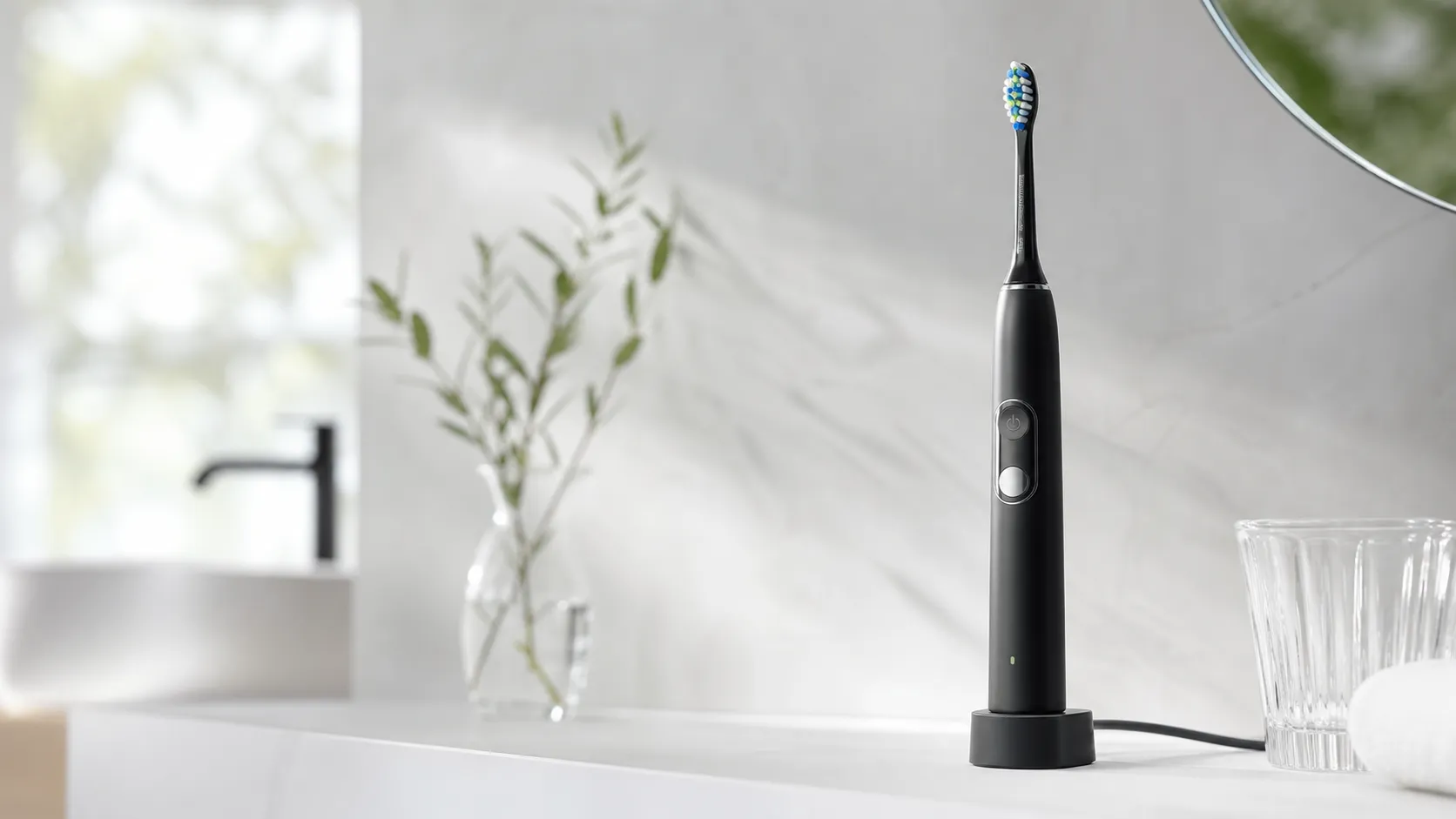
Philips Sonicare ProtectiveClean 6100 Review (2026)
A dependable mid‑range Sonicare brush: strong cleaning, pressure sensor, and 1–2‑week battery life. Great upgrade from manual brushing; watch replacement head costs.
 Health & Wellness
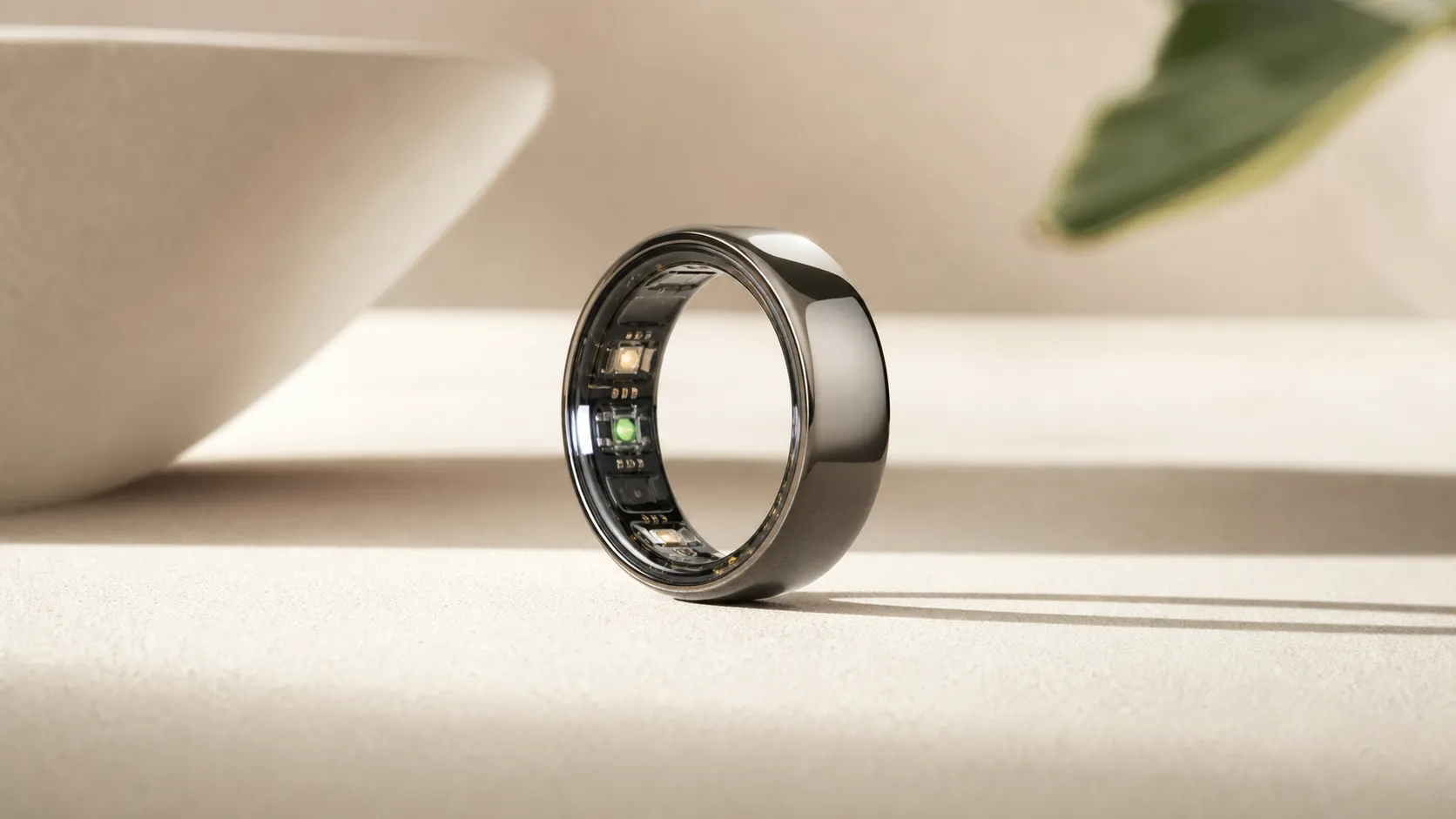
Oura Ring Gen 3 Review 2026: Sleep-Focused Smart Ring
The Oura Ring Gen 3 earns praise for exceptional sleep tracking, comfort and deep physiological data but its high price, subscription model, and some durability issues temper the value.
 Health & Wellness
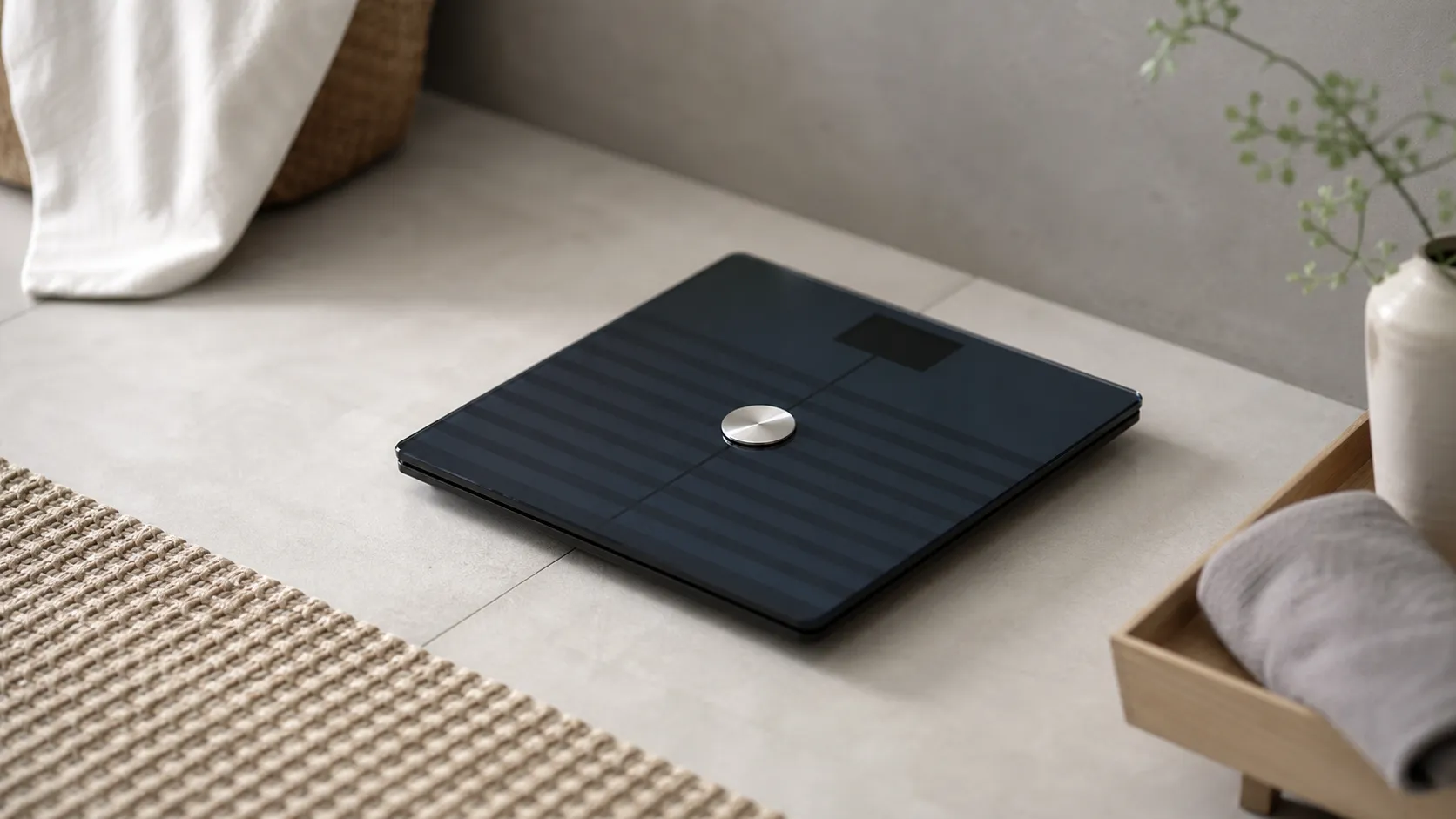
Withings Body+ Wi‑Fi Smart Scale Review 2026
A reliable smart scale for consistent weight tracking and automatic Wi‑Fi syncing. Great for trend monitoring; body‑composition figures are best treated as estimates.