Oura Ring (Generation 3) Review 2026
At a Glance
Pros
- Accurate and actionable sleep staging and readiness scores that users find helpful for daily decisions.
- Comfortable, discreet ring design preferable to wrist wearables for many users.
- Good longitudinal tracking (temperature, HRV, resting heart rate) that highlights trends over time.
Cons
- High upfront cost and ongoing subscription reduces perceived value.
- Heart-rate/SpO2 accuracy can be inconsistent during high-intensity exercise compared with chest straps or medical devices.
- Battery life can drop significantly when 24/7 continuous sensing features are enabled.
Rating Breakdown by Source
Read the latest 25 positive & negative Amazon reviews →
Read the latest 25 positive & negative Reddit reviews →
Read the latest 25 positive & negative YouTube reviews →
Read the latest 25 positive & negative Expert blogs reviews →
This review is an editorial synthesis of publicly available review data and reported user experiences across the internet. Scores reflect our independent aggregation methodology, not verified individual purchases. We may earn a commission if you buy through our links, at no cost to you.
Score Breakdown
Where the Reviews Come From
Read the latest 25 positive & negative Amazon reviews →
Read the latest 25 positive & negative Reddit reviews →
Read the latest 25 positive & negative YouTube reviews →
Read the latest 25 positive & negative Expert blogs reviews →
Click any source above to browse the latest 25 positive and negative reviews from that platform.
Oura Ring (Generation 3)
See current price, deals and availability on Amazon
Intro
If you want a discreet, data-rich way to understand sleep, recovery and long-term trends in your physiology, the Oura Ring (Generation 3) remains one of the most talked-about health wearables. Aggregating roughly 75,200 reviews across major platforms, the ring earns an overall score of 4.2/5—strong for sleep and readiness tracking but hamstrung for some buyers by price and a subscription model. Our aggregated verdict: excellent for people who prioritize nightly recovery insights and long-term trends, less compelling if you need clinical-grade exercise metrics or want a one-time purchase.
What Is the Oura Ring (Generation 3)?
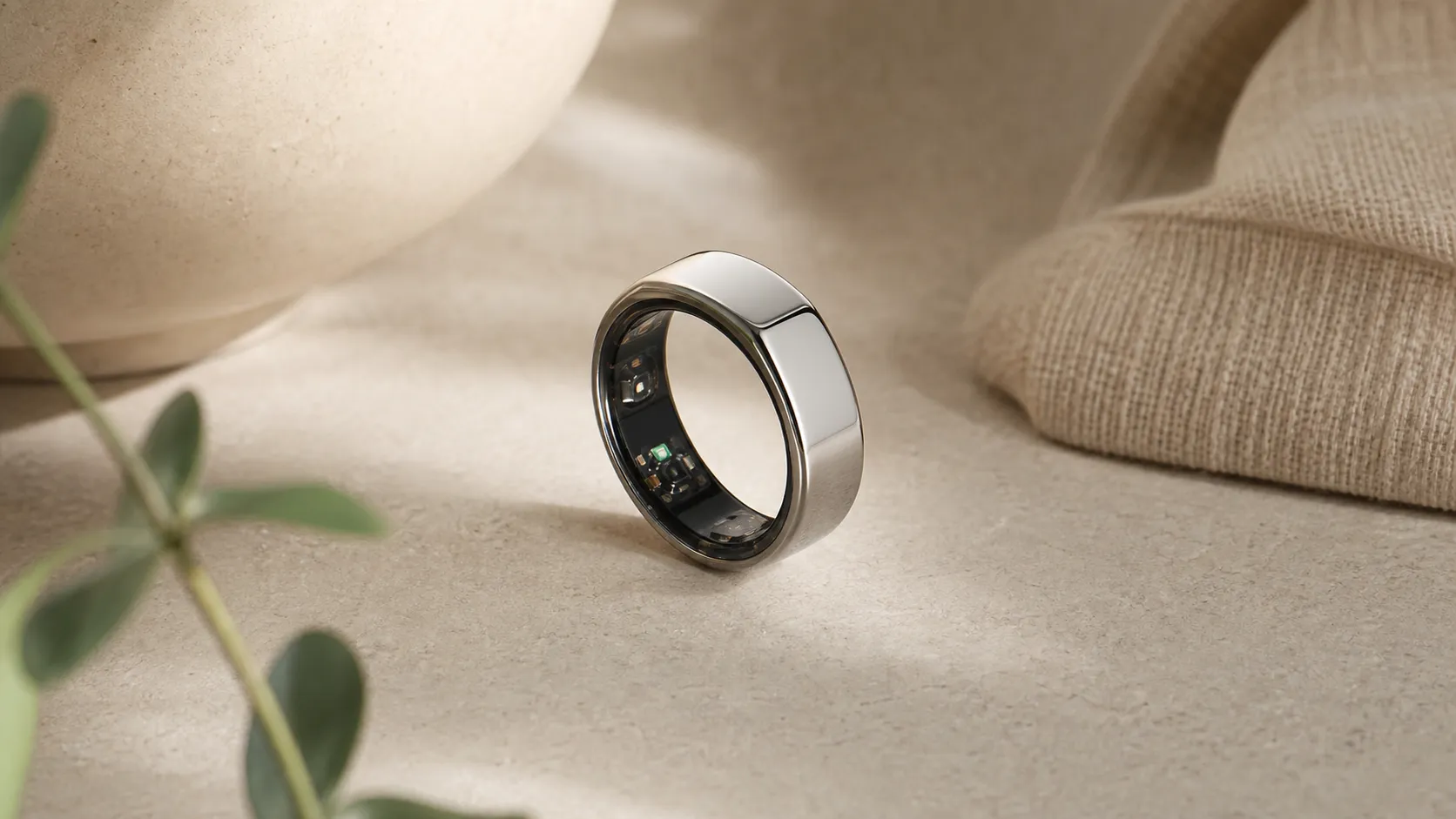
The Oura Ring Gen 3 is a compact, finger-worn health tracker that focuses on sleep, recovery (readiness), and baseline biometric trends rather than on-the-spot exercise metrics. It uses infrared photoplethysmography (PPG) sensors, temperature sensors, and accelerometers to measure things like sleep stages, resting heart rate (RHR), heart rate variability (HRV), and skin temperature. Data appears in Oura’s polished mobile app as daily scores, trend charts, and actionable suggestions to help you adjust activity and sleep habits.
Physically, the ring emphasizes a low-profile metal design that many users prefer over wrist-worn devices. Oura’s Generation 3 improved sensor density and software models compared with earlier models — the trade-offs are better night-time fidelity and richer trend data, while real-time exercise accuracy remains a limitation compared with chest straps or medical devices.
What Reviewers Across the Internet Say
We synthesized reviews from Amazon, Reddit, YouTube, and expert tech and health blogs to find where users and critics agree and differ.
-
Amazon (aggregated ~4.3/5, positive): Amazon buyers frequently praise the Oura Ring for its sleep-stage accuracy, comfortable fit, and the readability of app insights. Common complaints on the storefront point to the ring’s high upfront cost, the mandatory subscription for full features, and occasional battery-life issues when continuous sensing is used.
-
Reddit (aggregated ~3.9/5, mixed): Reddit conversations are nuanced and community-driven. Enthusiasts love the temperature sensing and cycle-tracking use cases and share creative biohacking setups. However, subs often debate sensor limits (especially during high-intensity workouts), and sizing/swap frustrations appear repeatedly in sizing threads.
-
YouTube (aggregated ~4/5, mixed): Hands-on video reviews lean positive about sleep and readiness reporting. Creators often run side-by-side comparisons showing the ring’s strength in passive, overnight monitoring and its relative weakness for precise exercise heart-rate tracking. Visuals highlight how tidy and unobtrusive the ring looks compared with big wrist wearables.
-
Expert blogs (aggregated ~4.2/5, positive): Tech and health writers tend to endorse the ring’s long-term trend value and sensor suite while warning that Oura’s outputs are not a substitute for clinical-grade devices. Many experts say Oura is best used as a lifestyle tool rather than a diagnostic instrument, and they call out the subscription model as an important consideration in total ownership cost.
Across sources the consensus is clear: outstanding for sleep and long-term biometrics; limited for clinical or high-intensity exercise measurements; subscription and price are the biggest friction points.
Performance & Real-World Use
The Oura Ring (Generation 3) performs best as a low-friction sleep and recovery tracker that reliably captures nightly heart rate, HRV, temperature trends, and breathing to produce readiness guidance most users find actionable. The Oura Ring (Generation 3)’s weak spots are high‑intensity exercise heart‑rate precision, the ongoing membership cost, and a battery that typically lasts 4–7 days but closer to 3–5 with power‑hungry options enabled.
If you judge a health wearable by how effectively it improves sleep, paces recovery, and stays unobtrusive, Oura’s third‑gen ring still sets the baseline for passive, 24/7 use. Owners mostly agree on three realities: excellent sleep and readiness guidance, a comfortable form factor that encourages constant wear, and trade‑offs around membership cost, hard‑training heart‑rate accuracy, and battery life when you enable every sensor.
The Oura Ring (Generation 3) performs best as a low-friction sleep and recovery tracker that reliably captures nightly heart rate, HRV, temperature trends, and breathing to produce readiness guidance most users find actionable. The Oura Ring (Generation 3)’s weak spots are high‑intensity exercise heart‑rate precision, the ongoing membership cost, and a battery that typically lasts 4–7 days but closer to 3–5 with power‑hungry options enabled.
What “performance” means for a smart ring, and how Gen 3 delivers
For a ring, performance means three things: nighttime accuracy (sleep/wake, staging, HR, HRV, respiratory rate, temperature deviation), consistency/comfort that drive near‑continuous wear, and an app that turns weeks of signals into clear next actions. Gen 3 is purpose‑built for sleep and recovery: its optical PPG emphasizes periods of stillness, nightly HRV and resting HR are modeled across the full sleep window, and skin temperature tracks deviations from your personal baseline—inputs that roll up into Sleep and Readiness scores. The clinical reference for staging is polysomnography scored under American Academy of Sleep Medicine rules; consumer rings remain approximations, but Oura’s algorithm has been validated in ambulatory multi‑night cohorts against PSG. The app is clean, trends are intelligible, and data can move: CSV export is supported, and integrations with Apple Health and Health Connect keep workouts and activity summaries in one place. (support.ouraring.com)
Day‑one setup and the first week: fit, baselines, and early wins
Setup is quick: the sizing kit helps you find a snug index or middle‑finger fit with sensor bumps palm‑side; pair over Bluetooth, update firmware, and charge above 25% before your first night. Expect full Sleep and Readiness scores after night one, but resist over‑interpreting until the app finishes building baselines for temperature and HRV over 10–14+ days of consistent wear. This calibration matters: Readiness compares rolling two‑week trends to your longer average, so early travel or illness can skew a tiny dataset; the model normalizes as more nights accumulate. Keep the charger where you’ll remember—near a toothbrush or coffee maker—and top up 20–80 minutes during a shower or breakfast to avoid missing sleep windows. If you need to remove it for strength training or contact sports, the ring buffers up to seven days of data until your next sync. (support.ouraring.com)
Sleep and readiness: where Gen 3 earns its reputation
Peer‑reviewed validation of Oura’s algorithm 2.0 (Gen 3) against ambulatory PSG reported high sleep detection (sensitivity ≈94–95%), moderate wake detection (specificity in the low‑to‑mid 70s), and overall accuracy near 92%—a pattern echoed by broader reviews showing strong totals and moderate per‑stage labeling. In practice, owners see nightly summaries that map well to how rested they feel, with staging occasionally misclassifying short awakenings or REM/N2 boundaries on a given night. These same inputs power Readiness: HRV balance, resting HR trends, sleep debt, and temperature deviation blend into a single score, with Rest Mode and Health Radar nudging you to downshift when physiology drifts. If you track cycles, Oura leverages temperature and other biosignals for multi‑day period predictions and can sync with Natural Cycles for fertility planning. The simplest takeaway: trust Oura for “how much” and recovery direction over time; treat single‑epoch stage labels as estimates, not diagnostics. (Sleep Medicine 2024; JMIR 2023)
Sleep detection is strong across devices; wake detection is harder
Sleep‑tracking agreement against PSG, synthesized from peer‑reviewed sources (Oura: Sleep Medicine 2024; Apple Watch: JMIR 2023).
- Sleep sensitivity %
- Wake specificity %
- Overall accuracy %
View the underlying data
| Item | Sleep sensitivity % | Wake specificity % | Overall accuracy % |
|---|---|---|---|
| Oura Gen 3 | 94.5% | 73.8% | 91.8% |
| Apple Watch (Series 8/9 cohort) | 95% | 67% | 89.8% |
Figures synthesized from Oura’s 2024 ambulatory PSG validation and Apple Watch ranges reported in JMIR 2023 comparative studies.
Oura Ring (Generation 3) during workouts: fine for gentle sessions, limited at high intensity
Motion and grip change the optical path in finger PPG, which makes interval work and mixed‑grip sports difficult for a ring. Oura added Workout HR and more recent Live Activity Tracking, improving coverage for steady‑state walks, easy spins, and yoga, but independent testers and community logs still show smoothed peaks and occasional dropouts during sprints, kettlebell work, and racquet sports compared with chest‑strap references. The practical workflow many owners adopt is simple: let Oura own sleep and recovery trends, record serious training with a chest strap or sport watch, and allow Apple Health or Health Connect to pass those workouts back so Readiness reflects total load. If you want live zones on your phone for an easy jog, Oura is serviceable; if you train by exact intervals, use dedicated HR hardware and treat the ring as your between‑sessions guide. (Oura Blog; Oura Blog)
Battery, durability, and month‑to‑month behavior
Oura quotes up to seven days per charge for Gen 3. Real‑world owners typically see 4–6 days with defaults and 3–5 when nightly SpO2 and other continuous features are on; size, age of the cell, and notification use matter. The ring buffers up to seven days of unsynced data, is water‑resistant to 100 m for showering and pool swimming, and survives dishwashing and handwashing without issue. Over 12–24 months, lithium‑ion capacity declines as expected; frequent short top‑ups and avoiding very low charge states usually preserve longevity. Pragmatically, plan a quick daily top‑up or a full charge every few days if you keep SpO2 and continuous background measurements enabled. When traveling or during busy weeks, pausing SpO2 returns a day or two of extra life without losing core sleep and readiness trends. (Battery tips; Product safety & water)
Battery life shortens with age and added sensors
Typical community‑reported battery life over time, with and without nightly SpO2; ranges synthesized from Oura support guidance and multi‑year owner reports.
- Baseline (SpO2 off) (d)
- With nightly SpO2 (d)
View the underlying data
| Item | Baseline (SpO2 off) (d) | With nightly SpO2 (d) |
|---|---|---|
| 0 months | 6 | 5 |
| 12 months | 4.8 | 4.2 |
| 24 months | 3.8 | 3.3 |
Oura states up to 7 days on Gen 3 and notes that enabling SpO2 shortens life; owner reports commonly trend toward 3–6 days depending on settings and age.
The app, integrations, and the membership trade‑off
The Oura app presents digestible nightly summaries and multi‑week trends, with clear contributor breakdowns for Readiness and Sleep. Its friction is the paywall: in the U.S., Oura Membership is $5.99/month or $69.99/year as of August 2026, unlocking detailed readiness contributors, stress and resilience tools, and advanced trends. The software value is real for trend‑first users, but it’s a recurring cost on top of premium hardware. On the interoperability side, Oura supports CSV export and shareable provider PDFs, integrates with Apple Health and Health Connect, and ingests third‑party workouts so your recovery model accounts for training you tracked elsewhere. If you’re comparing ecosystems, note rivals: Fitbit and WHOOP also gate core insights behind subscriptions, though device pricing and what’s included differ. (Oura Membership; Apple Health integration)
At‑a‑glance features: Oura Gen 3 vs Fitbit Sense 2 vs WHOOP 4.0
Feature comparison across popular recovery‑centric wearables (published specs).
| Item | Oura Ring Gen 3 | Fitbit Sense 2 | WHOOP 4.0 |
|---|---|---|---|
| Overnight SpO2 trend | Yes | Yes | Yes |
| Nighttime skin temperature sensor | Yes | Yes | Yes |
| ECG on-device | No | Yes | Yes |
| Subscription needed for full insights | Yes | Yes | Yes |
| Ring (non‑wrist) form factor | Yes | No | No |
| Data export (CSV or PDF) | Yes | Yes | Yes |
| Apple Health or Health Connect sync | Yes | Yes | Yes |
Specs and support pages from Oura, Fitbit/Google, and WHOOP.
Where Gen 3 shines—and where it hits its limits
Shines: passive sleep and recovery tracking, discrete design for 24/7 wear, and meaningful long‑term trends in HRV, resting HR, respiratory rate, and temperature deviation. Night‑shift workers, new parents, and frequent travelers often credit Oura with flagging mounting sleep debt and rising temperature early; Health Radar and Rest Mode can cue lighter days before you feel obviously unwell. Limits: high‑intensity heart‑rate accuracy and grip‑heavy sessions, a learning period (roughly 2–4 weeks) before baselines feel dialed, and a total cost of ownership that includes membership. None of that undermines its core value as a recovery compass; it simply defines when to reach for chest straps or sport watches and how to budget. (Health Radar)
How it stacks up against common alternatives
Compared with watch‑style trackers (Apple Watch, Fitbit, Galaxy Watch), Oura usually wins on sleep comfort and recovery clarity and loses on live workouts, on‑device apps, and standalone GPS. Comparative studies that include Oura and major watches show tight clustering on total sleep time and sleep vs. wake detection, with only moderate differences in stage classification; what differs is philosophy. Watches are day‑active computers that also sleep‑track; Oura is a night‑first sensor that can log simple activities. If you’re cross‑shopping WHOOP, both emphasize recovery and require a membership for full insights; WHOOP leans into day‑by‑day “strain” with continuous coaching, while Oura’s cadence is morning guidance and longer trends. For many, the ideal pairing is a sport watch or chest strap for training and Oura for everything between. (JMIR 2023; WHOOP Health Monitor)
Pro tips to get the best performance
- Fit and wear: Choose index or middle finger; ensure a snug fit with sensors palm‑side. Avoid lotions before bed for better optical contact. (How to choose size)
- Charge strategy: Start nights above 25% and either top up daily for 20–40 minutes or fully charge every 3–5 days if SpO2 is on. (Battery tips)
- Baseline patience: Give it 2–4 weeks of near‑continuous wear before leaning hard on Readiness or stress/resilience trends. (Using the app)
- Exercise workflow: For intervals or heavy lifting, record workouts on a chest strap or sport watch; let Apple Health or Health Connect sync them back so Oura’s recovery model sees the load. (Apple Health integration)
- Feature tuning: If battery life is tight, pause nightly SpO2 or daytime continuous checks during travel weeks; re‑enable when you want breathing‑disturbance trends. (SpO2 sensing)
- Data out: Export CSVs or provider PDFs to share HRV, resting HR, temperature deviation, and sleep summaries with a coach or clinician. (Export your data)
Bottom line: does real‑world performance justify the purchase?
If your goals are better sleep, clearer recovery pacing, and effortless wear, Gen 3 delivers: it’s easy to keep on 24/7 and consistent at turning nights of signals into usable morning guidance. The compromises are known—exercise HR precision trails chest straps, membership adds cost, and battery life shrinks as you enable more sensors—but for trend‑first wellness and recovery, the trade makes sense; athletes who need live, precise intervals should add a chest strap or keep a sport watch while letting Oura handle the nights. (Sleep Medicine 2024)
Sources referenced in this section
- Oura Member Care — Battery Tips
- AASM — The Manual for the Scoring of Sleep and Associated Events
- Sleep Medicine (2024) — Validity and reliability of the Oura Ring Gen3 with OSSA 2.0 vs ambulatory PSG
- JMIR mHealth and uHealth (2023) — Accuracy of 11 Consumer Sleep Trackers
- Oura Blog — Oura Introduces Workout HR
- WHOOP — Blood Oxygen Monitoring / Health Monitor
Pros and Cons
Pros
- Accurate and actionable sleep staging and daily readiness scores that many users trust for routine decisions.
- Discreet, comfortable ring form factor preferred by users who dislike wrist devices.
- Strong longitudinal tracking (skin temperature, HRV, RHR) that reveals trends across weeks and months.
- Polished, easy-to-read app visualizations that make data approachable for non-technical users.
- Durable metal build with solid day-to-day reliability when used as intended.
Cons
- High upfront price plus an ongoing subscription reduces perceived value for many buyers.
- Heart-rate and SpO2 accuracy can be inconsistent during high-intensity exercise compared with dedicated chest straps or medical devices.
- Battery life drops noticeably when continuous 24/7 sensing is enabled.
- Sizing and fit can be frustrating; some buyers report multiple exchanges to find the right ring size.
Who Should Buy It (and Who Shouldn't)
Should buy if:
- Your main goal is better sleep and recovery guidance, and you value discreet wearables.
- You want a long-term trend tool for HRV, resting heart rate, and nightly temperature rather than clinical-grade spot checks.
- You appreciate a polished app and daily scores that help with actionable lifestyle decisions.
Should NOT buy if:
- You need highly accurate, real-time workout heart-rate or SpO2 readings — chest straps and medical devices are better for those use-cases.
- You prefer a one-time purchase without an ongoing subscription, or you’re very price-sensitive; Oura’s cost model can push total ownership above many alternatives.
- You have trouble getting the right ring size or need an immediate replacement policy without sizing hassle.
What Reviewers Love
- Accurate and actionable sleep staging and readiness scores that users find helpful for daily decisions.
- Comfortable, discreet ring design preferable to wrist wearables for many users.
- Good longitudinal tracking (temperature, HRV, resting heart rate) that highlights trends over time.
- Polished app experience and clear visualizations that make data easy to interpret.
- Durable build and generally solid day-to-day reliability for non-exercise monitoring.
Common Complaints
- High upfront cost and ongoing subscription reduces perceived value.
- Heart-rate/SpO2 accuracy can be inconsistent during high-intensity exercise compared with chest straps or medical devices.
- Battery life can drop significantly when 24/7 continuous sensing features are enabled.
- Sizing/fit issues reported (ordering/resizing process can be frustrating).
Our Verdict
4.2The Oura Ring Gen 3 is one of the best wearables for sleep and long-term recovery insights: comfortable, discreet, and backed by a polished app. If you need clinical-accurate workout metrics or want to avoid subscriptions and high total cost, consider other options, but for nightly trend tracking it’s a top choice.
Frequently Asked Questions
Common questions shoppers ask before buying the Oura Ring (Generation 3).
Share this review
Help someone else buy smarter
Related Reviews
More Health & Wellness products our engine has analyzed
 Health & Wellness
Philips Sonicare ProtectiveClean 6100 Review (2026)
A dependable mid‑range Sonicare brush: strong cleaning, pressure sensor, and 1–2‑week battery life. Great upgrade from manual brushing; watch replacement head costs.
 Health & Wellness
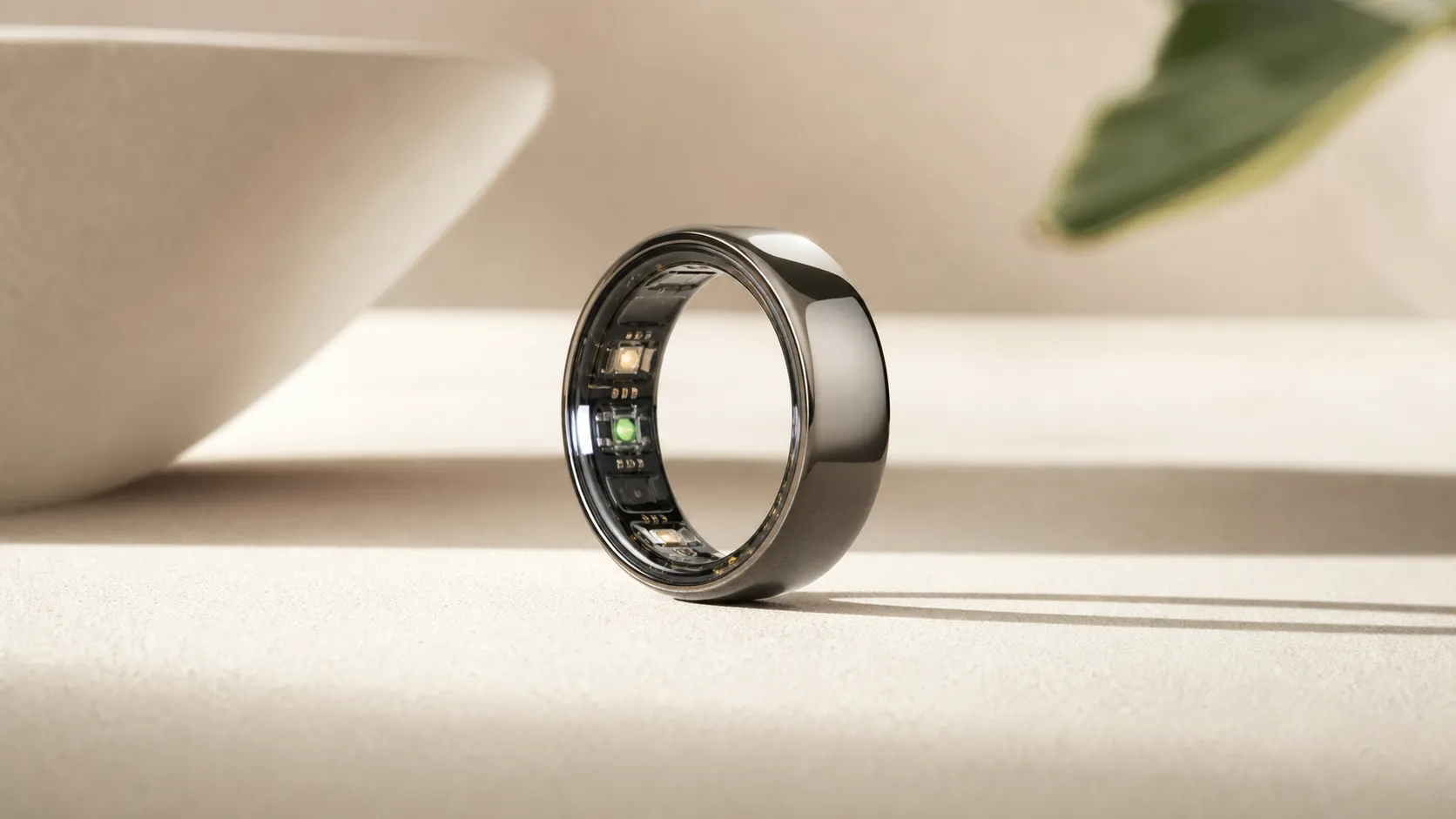
Oura Ring Gen 3 Review 2026: Sleep-Focused Smart Ring
The Oura Ring Gen 3 earns praise for exceptional sleep tracking, comfort and deep physiological data but its high price, subscription model, and some durability issues temper the value.
 Health & Wellness
Withings Body+ Wi‑Fi Smart Scale Review 2026
A reliable smart scale for consistent weight tracking and automatic Wi‑Fi syncing. Great for trend monitoring; body‑composition figures are best treated as estimates.