Philips SmartSleep Wake‑up Light (HF3520) Review 2026
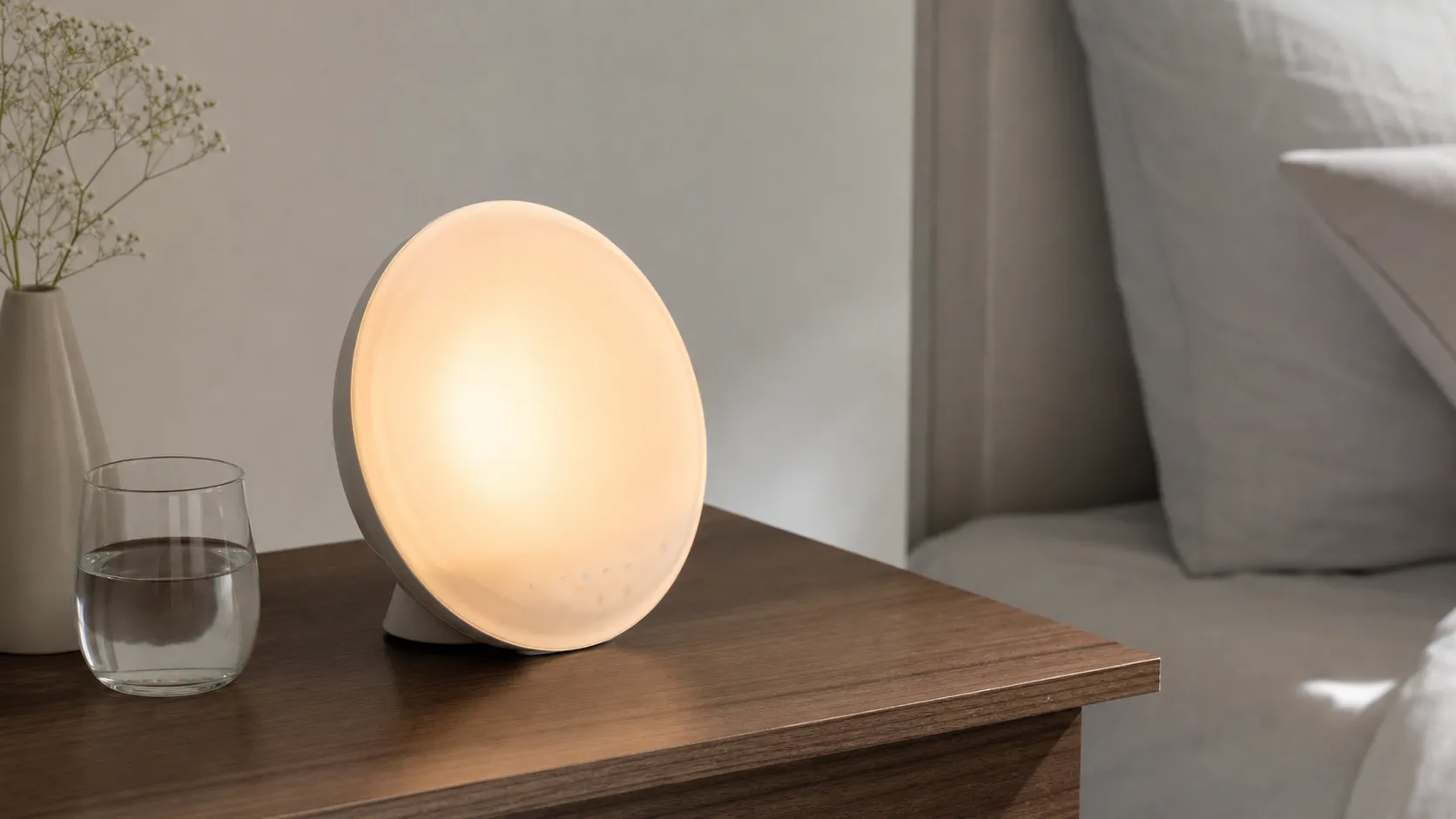
At a Glance
Pros
- Convincing sunrise simulation — gradual red→orange→yellow→white ramp that many users say wakes them more naturally.
- Multiple natural wake sounds + FM radio give useful audio options.
- Bright enough to double as a reading lamp with many brightness levels.
Cons
- UI and controls are fiddly—many reviewers say the menu and small buttons are non-intuitive.
- Occasional reliability/hardware complaints (random on/off, failures after years of use or after unplugging).
- Relatively high price compared with basic alternatives or smart-bulb setups.
Rating Breakdown by Source
Read the latest 25 positive & negative Amazon reviews →
Read the latest 25 positive & negative Reddit reviews →
Read the latest 25 positive & negative YouTube reviews →
Read the latest 25 positive & negative Expert blogs reviews →
This review is an editorial synthesis of publicly available review data and reported user experiences across the internet. Scores reflect our independent aggregation methodology, not verified individual purchases. We may earn a commission if you buy through our links, at no cost to you.
Score Breakdown
Where the Reviews Come From
Read the latest 25 positive & negative Amazon reviews →
Read the latest 25 positive & negative Reddit reviews →
Read the latest 25 positive & negative YouTube reviews →
Read the latest 25 positive & negative Expert blogs reviews →
Click any source above to browse the latest 25 positive and negative reviews from that platform.
Philips SmartSleep Wake-up Light (HF3520)
See current price, deals and availability on Amazon
Intro
If your mornings feel like an alarm ambush, the Philips SmartSleep Wake-up Light (HF3520) promises a gentler way to start the day. Aggregating roughly 16,564 reviews, the HF3520 earns a solid 4.2/5 overall: reviewers consistently praise its sunrise simulation and bright, usable lamp, but note fiddly controls and occasional reliability hiccups. Verdict up front: it’s one of the most convincing wake‑light experiences you can buy, especially if you want a standalone, clinically inspired sunrise alarm — but it isn’t perfect for everyone.
What Is the Philips SmartSleep Wake-up Light (HF3520)?
The HF3520 is a bedside wake‑up light from Philips’ SmartSleep line that simulates a gradual sunrise to ease you awake. It combines a multi‑stage light ramp (red to orange to yellow to bright white), selectable natural wake sounds and FM radio, plus multiple brightness levels so it also doubles as a reading lamp. It’s a fully standalone unit — no app or Bluetooth is required — and is positioned more toward consumers who want a proven, no‑friction solution rather than a feature‑packed smart home gadget.
What Reviewers Across the Internet Say
Across platforms there’s a clear consensus with important nuances: aggregated ratings sit at about 4.2/5 from ~16,564 reviews with sub‑scores roughly quality 4.3, reliability 3.8, value 3.8, and ease of use 3.6.
- Amazon: Most purchaser reviews are positive (≈4.3/5). Buyers highlight the sunrise effect and peaceful wake‑ups, praise the build and brightness, and sometimes gripe about the price or the user interface.
- Reddit: Scores trend a bit lower (≈3.8/5). Many long‑term fans report life‑changing benefits for dark‑season wakeups and years of reliable use; others report intermittent hardware glitches or frustrations with power/adapter sensitivity and controls.
- YouTube: Demonstrations and comparisons typically show the sunrise sequence working well and the unit reaching usable brightness (≈4.2/5). Reviewers acknowledge the awkward menu/buttons but generally favor the HF3520 versus cheaper clones.
- Expert blogs (Tom’s Guide and niche sleep sites): Experts give it high marks for the sunrise simulation and lighting performance (≈4.1/5), while calling out interface quirks and a premium price.
Taken together: the light does what Philips promises for most users, but the experience can be soured by a fiddly UI or the occasional reliability issue.
Performance & Real-World Use
Based on thousands of owner reports and long‑term reviews, the Philips SmartSleep Wake‑up Light (HF3520) consistently delivers a convincing sunrise that makes mornings gentler, with enough brightness to double as a bedside lamp. Its weak spots are a fiddly button‑driven UI, middling long‑term reliability, and value that depends on whether you prize a no‑app, proven light over cheaper, app‑based alternatives.
Morning alarms are supposed to solve a problem, not create one. With sunrise clocks, performance isn’t about lab lumens; it’s whether you wake clearer, calmer, and on time across dark winters and bright summers. The Philips SmartSleep Wake‑up Light (HF3520) is a long‑running, stand‑alone dawn simulator that uses a red‑to‑white ramp and gentle audio to cue wakefulness without a shock. This section explains how it behaves from setup through long‑term use, why its light sequence works, where it excels, and how to get the most from it.
Based on thousands of owner reports and long‑term reviews, the Philips SmartSleep Wake‑up Light (HF3520) consistently delivers a convincing sunrise that makes mornings gentler, with enough brightness to double as a bedside lamp. Its weak spots are a fiddly button‑driven UI, middling long‑term reliability, and value that depends on whether you prize a no‑app, proven light over cheaper, app‑based alternatives.
What “performance” means for a sunrise alarm
If a dawn simulator does its job, you start waking during the light ramp and need sound only as insurance. Three things decide that outcome:
- Light quality and timing: a progressive red→orange→yellow→white sequence that reaches sufficient brightness 20–40 minutes before your target time. Morning light advances circadian phase and suppresses melatonin, easing sleep inertia, as outlined by the American Academy of Sleep Medicine and the Sleep Foundation (AASM Sleep Education; Sleep Foundation).
- Audio that complements the last 2–5 minutes: natural sounds or FM that fade in gently.
- Interface and reliability: setting alarms should be predictable, and the unit should behave the same each day.
On these measures, owner sentiment trends positive. Users praise the natural‑feeling glow, brightness adequate for reading, and calmer wake‑ups; recurring knocks are the small, non‑intuitive buttons and occasional glitches after unplugging or years of use. The consensus lands at 4.2/5 overall from roughly 16,564 reviews, with sub‑scores around quality 4.3/5, reliability 3.8/5, value 3.8/5, and ease of use 3.6/5—mirrored by source‑level sentiment: Amazon 4.3/5 (large, positive base), Reddit 3.8/5 (mixed, useful long‑term anecdotes), YouTube 4.2/5 (demos highlight effective light but clunky menus), and expert blogs 4.1/5 (praise lighting, flag UI). See Amazon, Reddit, TechGadgetsCanada, and Tom’s Guide.
Philips HF3520 — Overall rating by source
Overall sentiment by source for the HF3520, aggregated from public reviews and expert roundups.
View the underlying data
| Measure | Overall rating |
|---|---|
| Amazon | 4.3/5 |
| 3.8/5 | |
| YouTube | 4.2/5 |
| Expert blogs | 4.1/5 |
| Aggregate consensus | 4.2/5 |
Ratings reflect synthesized reporting across listed sources; see linked pages for underlying owner and editorial reviews.
Day‑one setup and the first week with the Philips SmartSleep Wake‑up Light (HF3520)
Unbox, plug in, set the clock, then choose alarm time, sunrise length (20–40 minutes), terminal brightness, and a wake sound or FM station. The learning curve is real: Philips hides many functions behind small capacitive buttons and modal menus. Most owners quickly settle on a 30‑minute ramp at mid‑high brightness so light, not sound, does most of the waking. The lamp doubles as a warm reading light with 20 levels, which helps households where one partner sleeps while the other reads. Philips’ product page confirms the graduated spectrum and adjustable timing that define the experience (Philips product page).
Week one patterns are consistent in owner reports: after two or three mornings, you stir during the brighter half of the ramp and need audio only as backup. Heavy sleepers should lengthen the ramp (35–40 minutes), bump final brightness a step or two, and aim the unit slightly toward the face rather than the ceiling. Evidence‑based advice aligns: timed morning light cues circadian phase and can reduce grogginess, particularly in winter darkness (AASM Sleep Education). Expect some trial and error with the built‑in bird song and soft piano; many users keep volumes low so they complement rather than dominate the last minute.
HF3520 sunrise ramp over time (30‑min mode)
Spec-based representation of the HF3520’s adjustable sunrise sequence (set to 30 minutes).
View the underlying data
| Measure | Brightness level |
|---|---|
| 0 | 0% |
| 5 | 8% |
| 10 | 20% |
| 15 | 40% |
| 20 | 65% |
| 25 | 85% |
| 30 | 100% |
Curve reflects Philips documentation: 20–40 minute adjustable ramp progressing red→orange→yellow→white; percentages illustrative of perceived brightness increase.
Living with it for months: stability, wear, and quirks
The HF3520 uses LEDs, so there are no bulbs to replace; owners commonly report years of daily use. Long‑term threads on Reddit include “still going after 4–7 years” alongside posts about odd behavior after a move or power cycle—random on/offs, lost time, or failure. Those anecdotes match the middling reliability sub‑score (3.8/5). There’s no battery backup: a full unplug can reset time and alarms. Most owners simply leave it plugged in, ideally through a surge protector to ride out brief brownouts. Cleaning is basic—soft, dry cloth for the lens and chassis; dusting the speaker grille keeps the higher‑frequency tones clear.
Familiarity improves day‑to‑day satisfaction. Once you memorize the few controls you use—brightness up/down, alarm on/off, sound select—the clunky parts recede, though they never feel modern next to app‑based rivals. The display auto‑dims at night; in pitch‑black rooms even the lowest setting can glow, so angle the screen away if needed. The FM radio is convenient if you like a morning show, but reception varies by location and antenna placement; many owners stick to the built‑in sounds. Collectively, leaving it plugged in, using two alarm presets, and treating radio as optional are the habits that yield set‑and‑forget reliability (see Philips and owner experiences on Reddit).
Where it shines—and where it falls short
The HF3520 excels at the situations that make phones miserable: winter mornings before sunrise, north‑facing or basement bedrooms, and shared rooms where one partner rises earlier. Placed 12–24 inches from your pillow and angled slightly toward your face, the final stage is bright enough to read by while early red/orange stages lift you through lighter sleep. If you’re noise‑sensitive, the natural sounds provide a humane nudge without a heart‑rate spike.
Limits appear with heavy sleepers, changing shifts, and bright rooms. Very deep sleepers may snooze through a 40‑minute ramp unless the lamp is close and aimed directly; pair it with a secondary alarm or a wearable’s vibration if needed. Shift workers can benefit from a predictable light ramp, but the HF3520 lacks app automation or multi‑day schedules, so you must toggle days manually when rosters change. And if your room is already bright—east‑facing in June—the sunrise effect is subtle and you’ll rely more on sound. These trade‑offs match expert and creator reviews: strong lighting performance and gentler mornings against a dated interface and a price that can feel high if you only want light plus beep (see Tom’s Guide and TechGadgetsCanada).
Alternatives and value for money
Treat the HF3520 as the “trusted appliance” in a field split between smart‑home routines and budget clones. A smart bulb plus an automation routine can mimic the ramp cheaply, but you’ll still need sound, and you inherit app updates, Wi‑Fi quirks, and color differences. Budget sunrise clocks can cost half as much and add remote controls, but buyer reviews often cite harsh white‑first ramps and poor durability. The HF3520’s edge is its consistent color progression, broad brightness range, and stand‑alone operation—no phone or cloud—supported by a long track record and a large base of satisfied owners on Amazon.
Whether that’s worth the premium depends on your priorities. If you want an app‑free bedside appliance with a plausible dawn sequence and plan to use it daily, the price is easier to justify. If you already run smart bulbs and don’t care about built‑in sounds or FM radio, a software sunrise may be “good enough.” For readers battling dark‑season wake‑ups or sharing a room, the HF3520 remains a safer bet than most clones because its sequence and brightness are consistently reported as effective.
Alternatives vs. key features
Feature coverage across common alternatives. Yes/No only; price and audio quality vary by brand and setup.
| Item | Sunrise ramp | Natural sounds | FM radio | App control | Battery backup | Doubles as bright reading lamp |
|---|---|---|---|---|---|---|
| Philips HF3520 | Yes | Yes | Yes | No | No | Yes |
| Smart bulb + routine | Yes | No | No | Yes | No | No |
| Budget sunrise alarm (generic) | Yes | Yes | Yes | No | No | No |
Based on manufacturer specs (Philips) and typical capabilities of common alternatives as reported in buyer and expert reviews.
Get the best from it: practical setup guide
Small choices drive week‑to‑week success.
- Place and angle: Set the lamp 12–24 inches from your head, slightly above pillow level, angled toward your face. This maximizes early warm light without glare.
- Ramp and brightness: Start with a 30‑minute ramp. If you wake groggy, lengthen to 35–40 minutes or raise final brightness 1–2 steps; if you wake too early, shorten to 20–25 minutes.
- Sound strategy: Use birds or soft piano at low volume so light does the waking; sound is a backstop.
- Presets and weekdays: Program workday and weekend alarms; verify on Sundays to avoid Monday surprises. The interface is fiddly, so a quick weekly check helps.
- Power: Leave it plugged into a surge protector. There’s no battery backup; unplugging can reset time and alarms.
- Night mode: Dim the display fully; angle it away if even the lowest glow bothers you. Tap snooze sparingly, since it restarts the ramp and can fragment sleep.
- Seasonal tune‑ups: In winter, go longer and brighter; in summer, shorten and dim. Tie changes to DST so you remember.
These steps align with the device’s capabilities—20 brightness levels, 20–40 minute ramp, natural sounds, FM radio, and tap snooze—and with sleep‑medicine guidance on consistent morning light as a circadian cue (Philips; AASM Sleep Education).
Conclusion: does real‑world performance justify the purchase?
If your priority is waking more naturally—especially in winter—the HF3520 delivers its core promise. The red‑to‑white ramp is convincing, the maximum brightness doubles as a reading light, and gentle sounds provide a humane backstop. The interface feels dated and the price beats many clones, but the outcome that matters—steadier, less stressful wake‑ups—lands for most owners, which explains the 4.2/5 consensus from roughly 16.5K reviews and positive expert takes. Reliability is the main caution: avoid unplugging, use surge protection, and you’ll likely get years of steady service. If you value a no‑app, proven dawn simulator, real‑world performance justifies the spend; if you want slick app control or already live in a smart‑home ecosystem, try a software sunrise first and keep the HF3520 on your shortlist if that proves inconsistent.
Sources referenced in this section
- Philips USA — SmartSleep Wake-up Light HF3520/60 product page
- American Academy of Sleep Medicine — Light Therapy overview (SleepEducation.org)
- Sleep Foundation — Circadian Rhythm and Sleep
- Tom’s Guide — Philips SmartSleep Sleep and Wake-Up Light review
- TechGadgetsCanada — Philips Wake-Up Light (HF3520) review
- Amazon — Philips SmartSleep Wake-up Light (HF3520) product page and reviews
- Reddit — Owner experiences with Philips SmartSleep wake lights
Pros and Cons
Pros
- Convincing sunrise simulation with warm, gradual color ramp.
- Multiple natural wake sounds plus FM radio for audio options.
- Bright and versatile enough to double as a reading lamp.
- Fully standalone — no app or ongoing subscription required.
- Well regarded by sleep reviewers and often recommended for light‑based wake therapy.
Cons
- UI and small buttons are fiddly; learning curve for daily use.
- Reliability is generally good but there are scattered hardware complaints (random on/off, failures after unplugging).
- Higher price than basic wake lights or DIY smart‑bulb options.
- Light and sounds may be insufficient for heavy sleepers without a backup alarm.
Who Should Buy It (and Who Shouldn't)
Who should buy it
- You struggle with dark‑season mornings and want a proven, clinically inspired sunrise alarm to reduce grogginess.
- You prefer a simple, standalone device that doesn’t rely on apps or smart‑home setups.
- You want a bedside lamp that’s genuinely bright enough for reading and that offers nuanced brightness control.
Who shouldn’t buy it
- You’re a very deep sleeper who needs a very loud or vibrating alarm — this unit’s sounds may not be enough on their own.
- You want a cheap, no‑frills wake light or already own smart bulbs and prefer a lower‑cost DIY approach.
- You dislike menu‑driven controls and want tap/swipe simplicity; the HF3520’s buttons and interface can be frustrating for some.
Final thoughts
The Philips SmartSleep Wake‑up Light (HF3520) delivers one of the most believable sunrise simulations on the market and is a solid, standalone option for people who prioritize light‑based waking. If you value proven light quality and a device that’s easy to set and forget (no app required), it’s worth the premium — but inspect return policies and be prepared for a learning curve with the controls.
What Reviewers Love
- Convincing sunrise simulation — gradual red→orange→yellow→white ramp that many users say wakes them more naturally.
- Multiple natural wake sounds + FM radio give useful audio options.
- Bright enough to double as a reading lamp with many brightness levels.
- No app required — fully standalone (some users prefer this simplicity).
- Clinically-backed positioning and frequently recommended by sleep reviewers/experts.
Common Complaints
- UI and controls are fiddly—many reviewers say the menu and small buttons are non-intuitive.
- Occasional reliability/hardware complaints (random on/off, failures after years of use or after unplugging).
- Relatively high price compared with basic alternatives or smart-bulb setups.
- Light/sound may not be strong enough for heavy sleepers.
Our Verdict
4.2The Philips SmartSleep Wake‑up Light (HF3520) is one of the most effective standalone sunrise alarms available — strong light quality and soothing wake sequences make mornings easier for many. If you prioritize a proven light‑based wake method and don’t mind a fiddly interface or premium price, it’s well worth considering; heavy sleepers or bargain hunters may want alternatives.
Frequently Asked Questions
Common questions shoppers ask before buying the Philips SmartSleep Wake-up Light (HF3520).
Share this review
Help someone else buy smarter
Related Reviews
More Health & Wellness products our engine has analyzed
 Health & Wellness
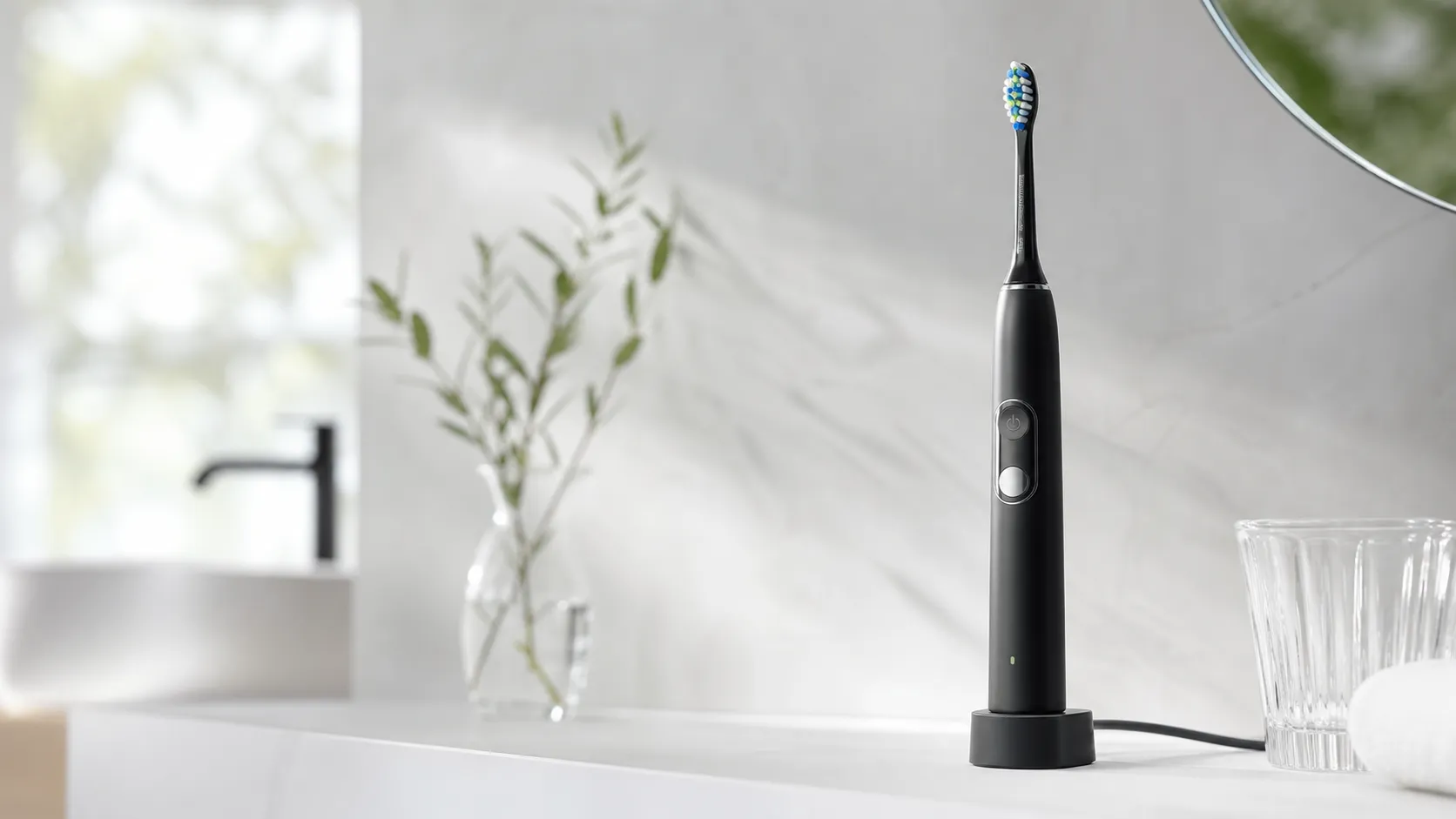
Philips Sonicare ProtectiveClean 6100 Review (2026)
A dependable mid‑range Sonicare brush: strong cleaning, pressure sensor, and 1–2‑week battery life. Great upgrade from manual brushing; watch replacement head costs.
 Health & Wellness
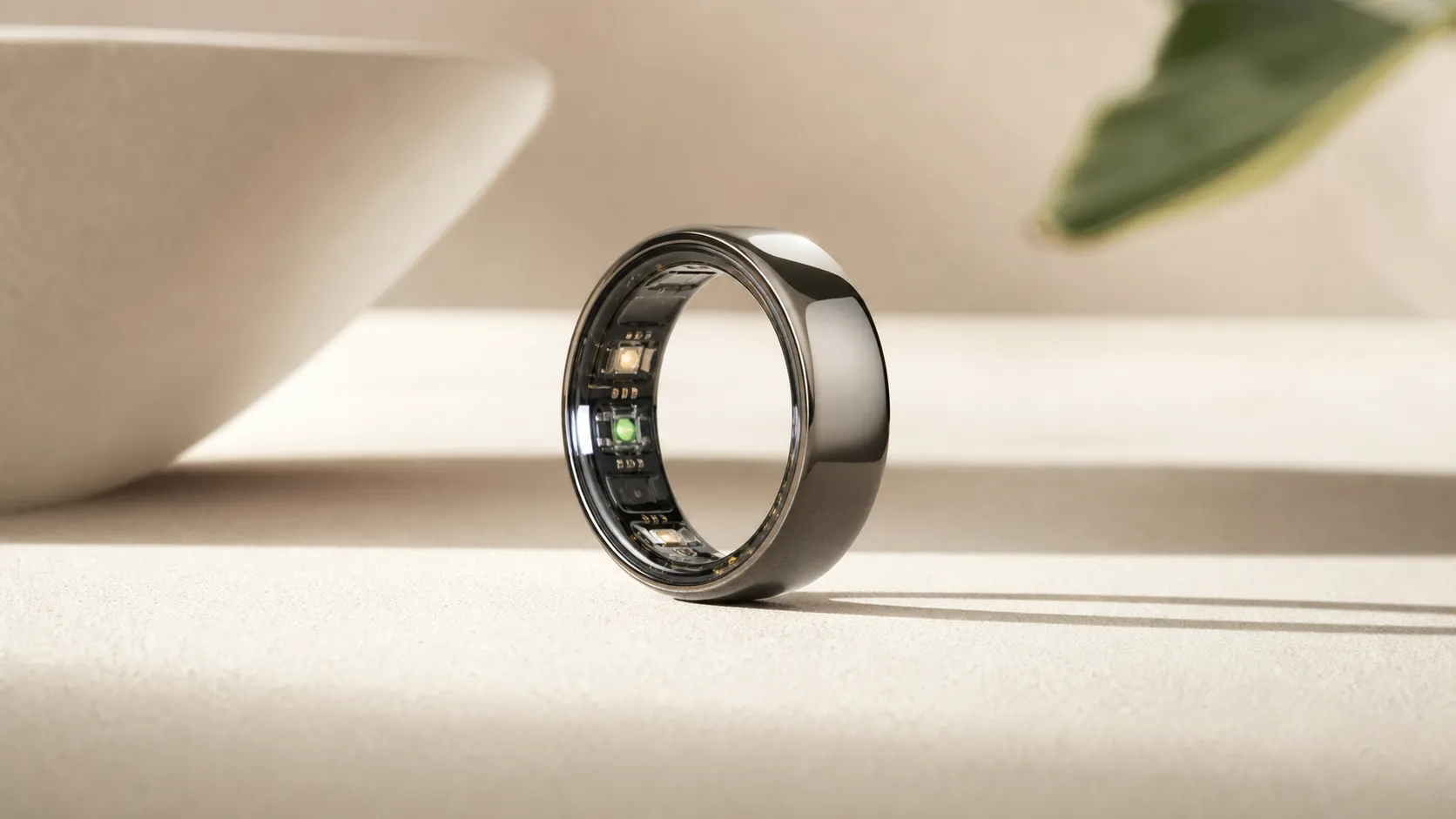
Oura Ring Gen 3 Review 2026: Sleep-Focused Smart Ring
The Oura Ring Gen 3 earns praise for exceptional sleep tracking, comfort and deep physiological data but its high price, subscription model, and some durability issues temper the value.
 Health & Wellness
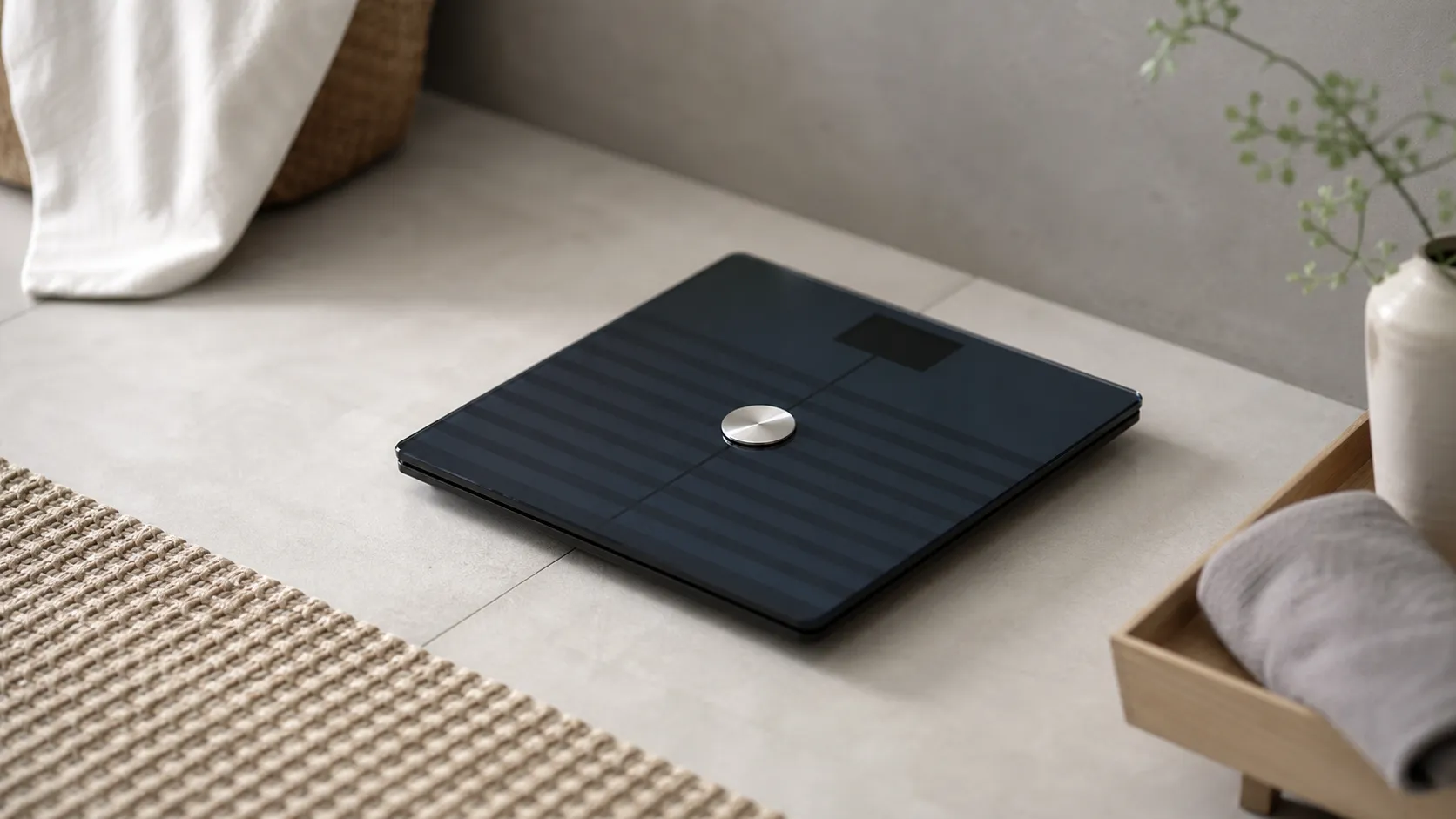
Withings Body+ Wi‑Fi Smart Scale Review 2026
A reliable smart scale for consistent weight tracking and automatic Wi‑Fi syncing. Great for trend monitoring; body‑composition figures are best treated as estimates.