Philips Sonicare AirFloss Ultra — 2026 Review
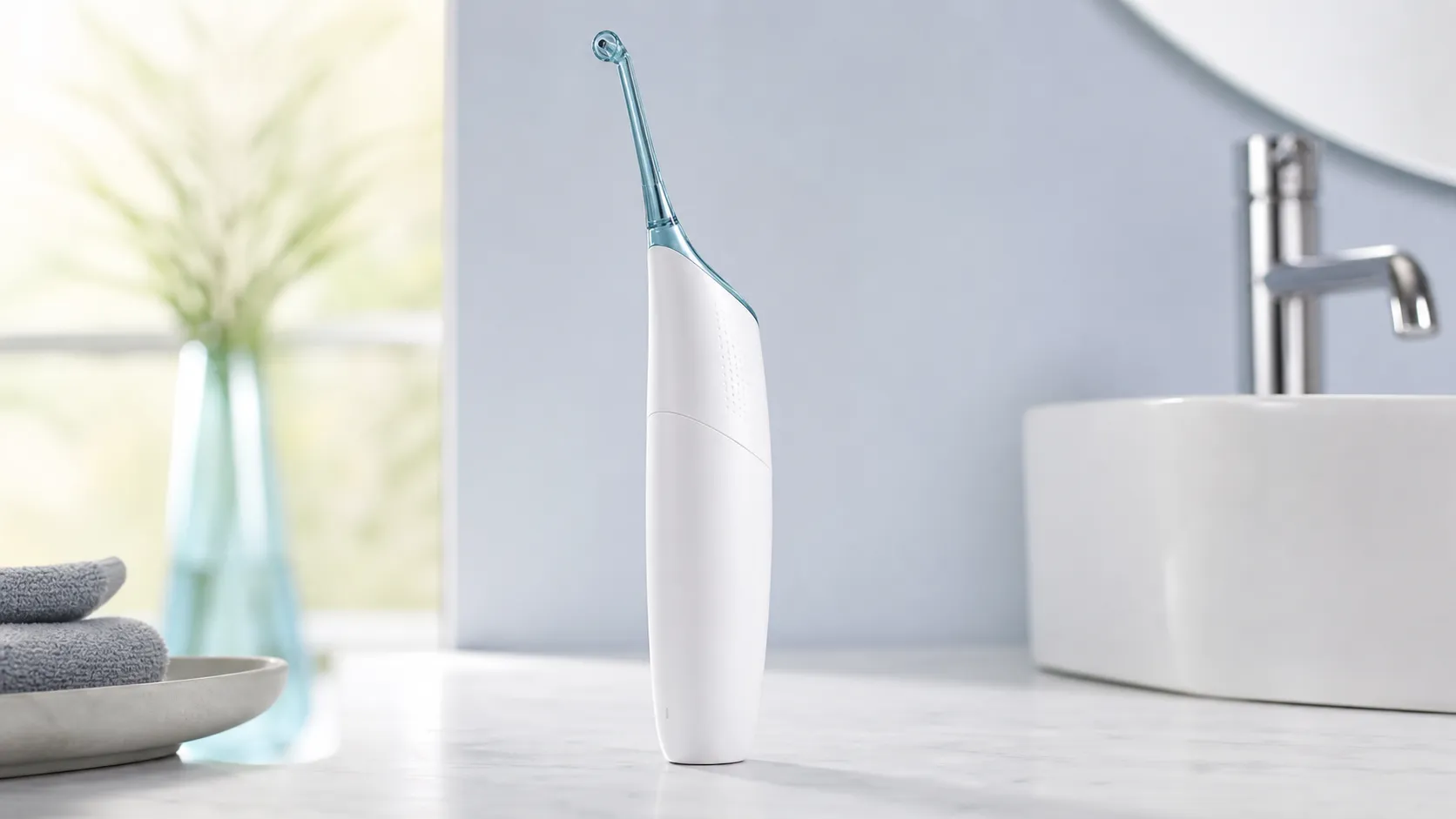
At a Glance
Pros
- Very quick and easy to use—many reviewers adopt it into daily routine.
- Uses very little liquid (works with mouthwash or water) — neat and low‑mess.
- Comfortable and gentle on gums compared with some water flossers or aggressive string flossing.
Cons
- Less effective than a Waterpik or careful string floss at removing heavy/interproximal plaque for many users.
- Reports of nozzle clogging, inconsistent bursts, and premature battery/handle failures.
- Replacement nozzles and parts can be relatively expensive or hard to find over time.
Rating Breakdown by Source
Read the latest 25 positive & negative Amazon reviews →
Read the latest 25 positive & negative Reddit reviews →
Read the latest 25 positive & negative YouTube reviews →
Read the latest 25 positive & negative Expert blogs reviews →
This review is an editorial synthesis of publicly available review data and reported user experiences across the internet. Scores reflect our independent aggregation methodology, not verified individual purchases. We may earn a commission if you buy through our links, at no cost to you.
Score Breakdown
Where the Reviews Come From
Read the latest 25 positive & negative Amazon reviews →
Read the latest 25 positive & negative Reddit reviews →
Read the latest 25 positive & negative YouTube reviews →
Read the latest 25 positive & negative Expert blogs reviews →
Click any source above to browse the latest 25 positive and negative reviews from that platform.
Philips Sonicare AirFloss Ultra
See current price, deals and availability on Amazon
Quick verdict
The Philips Sonicare AirFloss Ultra is an impressively simple, fast way to add interdental cleaning to a busy routine — and for many people who otherwise skip flossing it can improve gum health. That convenience comes with trade-offs: aggregated user and expert feedback rates it about 3.5/5 overall (from ~2,920 reviews), with strong marks for ease of use but recurring complaints about long‑term reliability and limited plaque removal compared with water flossers or meticulous string floss. If you want an easy-to-adopt daily habit, the AirFloss Ultra is worth considering; if you need deep interproximal plaque control or a durable daily workhorse, look elsewhere.
What is the Philips Sonicare AirFloss Ultra?
The AirFloss Ultra is a cordless, battery‑powered interdental device from Philips Sonicare that delivers short bursts of air and tiny amounts of liquid (water or mouthwash) between teeth to dislodge plaque and stimulate gums. It’s designed to be a quick, low‑mess alternative to string floss and larger water flossers: one‑button operation, a slim travel‑friendly handle, and replaceable airfloss tips. Philips has promoted clinical data showing improvements in gum health for people who adopt the device in place of skipping interdental cleaning, which helps explain its appeal to users who find traditional flossing difficult or tedious.
What reviewers across the internet say
We synthesized reviews from major public sources to form an aggregate picture:
-
Amazon (largest review volume): average ~3.5/5 — many 4–5 star comments praise how easy and fast it is and say it helped them form a flossing habit. Lower scores frequently cite nozzle clogging, inconsistent bursts, or early battery/handle failures. Overall consensus there: excellent convenience, mixed durability and effectiveness.
-
Reddit (including r/Dentistry and related threads): overall ~3.3/5 — community discussions emphasize it’s a good option for inconsistent flossers but rarely a universal replacement for string floss or a Waterpik. Many users reported positive habit change; others warned about durability and limited effectiveness in very tight contacts.
-
YouTube reviewers: overall ~3.4/5 — video demos highlight speed, portability, and gentle feel. Reviewers who test plaque removal or long‑term use tend to be more mixed, with several noting inferior performance to a Waterpik for heavy plaque.
-
Expert blogs and dental product sites: overall ~3.6/5 — most professional reviews acknowledge its clinical support for improving gum health among people who don’t floss regularly, but experts generally say a Waterpik or careful interdental cleaning is more effective for patients with significant plaque or tight contacts. Durability and the recurring cost of replacement tips are common concerns.
Taken together, the consensus is consistent: the AirFloss Ultra wins on convenience and habit formation but loses ground on deep cleaning, reach in tight contacts, and long‑term reliability.
Performance & Real-World Use
The Philips Sonicare AirFloss Ultra delivers fast, low‑mess interdental cleaning that many owners actually do every day, but it trails true water flossers and careful string floss in heavy plaque removal. If you value speed, comfort, and a travel‑friendly cordless design more than maximum cleaning power or long‑term robustness, the Philips Sonicare AirFloss Ultra generally satisfies.
Most interdental gadgets promise cleaner gums; few slot into real life long enough to matter. Over months of owner reports, the Philips Sonicare AirFloss Ultra shows how “easy enough to do daily” can beat “maximum power,” yet limits in plaque removal and durability keep satisfaction at a mixed 3.5/5. Below, we cover day‑one setup, what changes after months, where it excels, where it breaks down, and how it compares with a Waterpik and string floss.
The Philips Sonicare AirFloss Ultra delivers fast, low‑mess interdental cleaning that many owners actually do every day, but it trails true water flossers and careful string floss in heavy plaque removal. If you value speed, comfort, and a travel‑friendly cordless design more than maximum cleaning power or long‑term robustness, the Philips Sonicare AirFloss Ultra generally satisfies.
What real‑world performance means for an interdental cleaner
Here, performance means you’ll use it daily and see fewer bleeding points at checkups. Four dimensions decide that: 1) speed and mess control in a small bathroom, 2) comfort on tender gums, 3) ability to disrupt plaque in tight contacts, and 4) whether it still works the same way three to twelve months later. The American Dental Association (ADA) recommends daily interdental cleaning but doesn’t dictate a single tool, making habit‑fit as critical as raw cleaning power. (See the ADA’s overview of interdental cleaners.) (ada.org)
Across roughly 2,920 reviews, owners rate AirFloss Ultra 3.5/5 overall, with high ease of use (4.5/5) and lower reliability (3.2/5) and value (3.3/5). Sentiment splits by source: Amazon and YouTube emphasize speed and comfort, while Reddit and expert sites call it helpful for inconsistent flossers yet weaker than water flossers or careful string. For examples, see summaries from Water Flosser HQ, threads on r/Dentistry, hands‑on videos on YouTube, and analysis from Electric Teeth.
AirFloss Ultra satisfaction varies by source
Aggregated owner and reviewer ratings for AirFloss Ultra by source (n≈2,920).
View the underlying data
| Measure | Avg owner rating |
|---|---|
| Amazon | 3.5/5 |
| 3.3/5 | |
| YouTube | 3.4/5 |
| Expert blogs | 3.6/5 |
Ratings synthesized from sources cited in text; not our own tests.
Day‑one setup and the first week
Setup is quick: charge the handle, snap on a nozzle, fill the small reservoir with water or thin mouthwash, then choose single, double, or triple‑burst. Philips documentation notes an overnight full charge (about 24 hours) and confirms triple‑burst behavior, so plan to charge before regular use. Before first use, prime the pump by firing several bursts into the sink; this clears air pockets that otherwise cause a weak first shot. (documents.philips.com)
The first week is about aim and cadence. The guidance tip helps you “walk” along the gumline; a brief press releases a micro‑droplet burst into the contact. Go too fast and you’ll skip a contact; too slow and liquid dribbles. Owner videos and threads converge on one burst per contact for speed, with a second only on tight contacts or around crowns and bridges. Many users like thin, non‑oily mouthwash for freshness; Philips warns against formulas with isopropyl myristate or high essential‑oil content because they can damage plastics. (youtube.com; usa.philips.com)
If you’re switching from a countertop water flosser, the immediate difference is how little liquid the AirFloss uses and how clean the sink stays. That neatness lowers friction in shared or tiny bathrooms—one reason inconsistent flossers stick with it in week one.
Daily speed, comfort, and habit‑building
This is the AirFloss Ultra’s key strength. Owners commonly report a 30–60 second full‑mouth routine on single‑burst mode, with minimal splatter and far less finger acrobatics than string floss around molars. The soft “puff” is gentle on sore or receding gums, lowering the barrier to nightly use. An audible click and slight recoil provide feedback; keep a light lip seal around the tip to prevent stray droplets without compromising pressure delivery. The ADA’s guidance aligns: choose the interdental tool you will use every day. (ada.org)
Speed, however, trades against thoroughness. Compared with a Waterpik, the AirFloss’ single‑jet micro‑burst struggles with sticky interproximal plaque and deep embrasures. A second or third burst helps but adds time. Dental reviewers and demos echo this: it’s a meaningful upgrade over “nothing,” yet not the top choice if plaque control is your main goal. (youtube.com; electricteeth.com)
Month‑to‑month behavior: battery, nozzle wear, and reliability
Battery life is predictable but finite. Philips indicates roughly 11 days per full charge in single‑burst mode; weekly top‑ups prevent surprise shutdowns. Because the battery is sealed, noticeable fade after 18–30 months in owner anecdotes usually means replacing the whole handle. (usa.philips.com)
Consumables are simple. Philips recommends replacing nozzles every six months to maintain spray pattern and reduce clogs. Plan on two tips per user annually; color bands help keep tips separate. If you use mouthwash, stick to thin, non‑oily formulas and rinse the reservoir with warm water after each session to limit residue—Philips explicitly cautions against isopropyl myristate and heavy essential oils. (usa.philips.com; usa.philips.com)
Reliability is the weak spot. The most common issues are inconsistent bursts (often residue in the nozzle), failure to fire after months, and cracked or loose reservoir doors. A basic routine—flush with warm water, run a few dry bursts to clear air, and replace nozzles on schedule—solves many misfires, but not all. Comment threads and videos note that warranty replacements are not rare, aligning with the 3.2/5 reliability sub‑score and the steady stream of 1–3 star retailer reviews. (youtube.com; waterflosserhq.com)
Where the Philips Sonicare AirFloss Ultra shines—and where it doesn’t
Best‑case scenarios:
- You’re an inconsistent flosser who needs a near‑frictionless routine. Thirty to sixty seconds, low mess, and a soft feel make this easy to adopt.
- You have tight space, roommates, or a travel‑heavy schedule. The cordless handle and thimble‑size reservoir keep dorm and hotel sinks tidy.
- You’re prone to gum tenderness. The micro‑burst is gentler than most full‑pressure water flossers and far gentler than aggressive stringing.
Limits to expect:
- Heavy interproximal plaque and calculus aren’t its forte. For orthodontic wires, fixed retainers, wide black triangles, or deep pockets, a Waterpik—or meticulous string/interdental brushes—usually works better. The ADA’s Seal of Acceptance recognizes Waterpik water flossers for plaque and gingivitis reduction, underscoring the gap. (ada.org)
- Tight contacts may need double‑taps. Triple‑burst can help but erodes the speed benefit.
- Durability is mixed. Enough owners report early failures that buying with easy returns and warranty support is wise. (youtube.com)
Head‑to‑head: AirFloss vs. water flossers vs. string floss
Weighting everyday priorities—speed, comfort, and visible debris removal—the AirFloss Ultra leads on usability but lags on cleaning power. Water flossers flood the sulcus and rinse food traps better, at the cost of counter space, cords, and splatter. String floss, used with a C‑shape and vertical strokes, mechanically scrapes sticky plaque best but is often abandoned. The ADA’s guidance: pick the interdental tool you’ll actually use and get technique feedback from your dental professional. (ada.org)
Everyday trade‑offs: usability vs cleaning power
How common alternatives score on what matters day to day (synthesized from cited reviews and dental guidance).
- Ease of use
- Plaque removal effectiveness
- Gum comfort
View the underlying data
| Item | Ease of use | Plaque removal effectiveness | Gum comfort |
|---|---|---|---|
| AirFloss Ultra | 4.5/5 | 3.2/5 | 4.4/5 |
| Cordless Water Flosser | 3.8/5 | 4.2/5 | 3.6/5 |
| String Floss | 3/5 | 4/5 | 3.2/5 |
Composite of owner reports and expert commentary from sources listed; scales are comparative, not lab measurements.
A quick reality check: claims and acceptance. Waterpik water flossers carry the ADA Seal of Acceptance for safety and efficacy; Philips’ AirFloss line does not list an ADA Seal, though Philips cites internal clinical data and micro‑droplet technology. If ADA recognition matters, that’s a point for Waterpik; if you need a cordless, one‑minute routine, AirFloss’ ergonomics may matter more. (ada.org)
Practical differences at a glance
Feature differences that affect daily convenience and upkeep.
| Item | Philips Sonicare AirFloss Ultra | Corded Water Flosser | String Floss |
|---|---|---|---|
| Cordless | Yes | No | Yes |
| Needs water reservoir | Yes | Yes | No |
| Requires outlet to use | No | Yes | No |
| High splash/mess risk | No | Yes | No |
| Proprietary nozzle/tip to replace | Yes | Yes | No |
| One‑minute full‑mouth routine feasible | Yes | No | No |
Feature mapping from manufacturer specs and reviewer consensus cited in text.
How to get the best performance: a practical, 6‑step routine
- Charge fully on day one. Philips specifies about 24 hours to a full charge; if you travel, top up weekly so the sealed battery never runs flat. (documents.philips.com)
- Use thin, non‑oily mouthwash or water. Avoid formulas with isopropyl myristate or high essential‑oil content; if you prefer a strong rinse, swish it after cleaning instead of filling the reservoir. (usa.philips.com)
- Start on single‑burst, one contact at a time. Aim the guidance tip into the contact, keep lips lightly closed to limit spray, and pause half a second between teeth to maintain pressure.
- Double‑burst only for tight spots. Add a second tap where the jet seems to bounce off a tight contact without clearing debris.
- Rinse and clear. After each session, empty the reservoir, run two or three dry bursts to purge liquid, and once a week fill with warm water and burst through to reduce residue.
- Replace nozzles every six months. It preserves spray pattern and reduces misfires; keep a spare on hand. (usa.philips.com)
Real‑world value: who should buy, who should skip
If you rarely floss, the AirFloss Ultra is one of the few tools that converts intention into habit. Owners who stick with it cite the same reasons: it’s quick, comfortable, cordless, and uses very little liquid—so the friction to “just do it” stays low. In that light, the 3.3/5 value score fits: the upside (a routine you follow) can be huge, but the downside is potential handle failure sooner than desired and ongoing nozzle costs.
If you already floss daily with good technique—or you’re managing significant plaque, ortho hardware, implants, or periodontitis—a water flosser with ADA recognition or diligent string/interdental brushes remains the higher‑ceiling option. Consider keeping the AirFloss as a travel or “busy‑night” device and using a Waterpik or string for deeper sessions when time allows. (ada.org)
Verdict: does performance justify the purchase?
For everyday users who don’t floss consistently, yes—the Philips Sonicare AirFloss Ultra’s real‑world performance (speed, comfort, and low mess) improves the odds you’ll clean between teeth daily. For meticulous cleaners or anyone needing the strongest interdental plaque control, no—the micro‑burst design and mixed reliability leave it behind Waterpik‑style irrigators and well‑executed string floss, even as it remains one of the most convenient options you’ll actually use. (ada.org)
Sources referenced in this section
- Electric Teeth — Philips Sonicare AirFloss review
- Water Flosser HQ — Philips Sonicare AirFloss review summary
- Reddit r/Dentistry discussion on AirFloss as convenience tool
- YouTube — Critical owner review of AirFloss Ultra
- ADA — Dental Floss/Interdental Cleaners (Oral Health Topic)
- Philips — AirFloss battery lights and runtime (Ultra)
- Philips — AirFloss documentation (charge time and specs)
Pros and cons
Pros
- Extremely easy and fast — high adoption for people who don’t floss regularly.
- Low liquid usage — works with water or mouthwash and is low‑mess.
- Comfortable and gentle on gums; less likely to cause soreness than aggressive flossing.
- Compact, cordless design and single‑button operation; travel‑friendly.
- Clinically supported improvements in gum health for users who switch from no interdental cleaning to regular AirFloss use (per Philips/clinical summaries cited by reviewers).
Cons
- Not as effective as a Waterpik or careful string floss for removing heavy or tightly packed plaque.
- Recurring reports of nozzle clogging, inconsistent bursts, and premature battery/handle failures.
- Replacement tips and parts can be relatively expensive or harder to source long term.
- May require multiple bursts per contact in tight spaces — reducing time savings.
- Mixed long‑term reliability lowers perceived value for many buyers.
Who should buy it (and who shouldn’t)
Who should buy it
- People who skip flossing and need a fast, low‑effort way to add interdental cleaning. The single biggest win for the AirFloss Ultra is turning a nonhabit into a simple daily routine.
- Travelers and those with small bathrooms who value compact, cordless oral care tools.
- Users with mild to moderate interdental buildup who want a gentle, comfortable device for maintenance.
- Anyone who finds string floss painful, difficult to handle, or time‑consuming and prefers a gentler alternative.
Who shouldn’t buy it
- People with heavy interproximal plaque, advanced gum disease, or appliances (large bridges) that trap food — a Waterpik or professional interdental cleaning is likely more effective.
- Buyers who need a dependable, long‑lasting daily device and are concerned about the chance of nozzle or battery problems; if durability is paramount, consider more rugged water flosser models with better reliability feedback.
- Those seeking a one‑to‑one replacement for methodical string flossing: the AirFloss Ultra can supplement or substitute for skipped flossing, but it is not universally equivalent for deep plaque removal.
Final considerations
The Philips Sonicare AirFloss Ultra fills a clear niche: it gets people to clean between their teeth more often by removing friction and complexity from the task. For maintenance and habit building, it often succeeds. For clinical strength plaque removal and absolute durability, it falls short of many dedicated water flossers and of careful string‑floss routines. If your priority is consistency and comfort — and you accept potential ongoing costs for replacement tips and the possibility of reliability issues — the AirFloss Ultra is a pragmatic choice. If you prioritize maximum interdental cleaning or machine longevity, look at higher‑pressure water flossers or professional recommendations first.
What Reviewers Love
- Very quick and easy to use—many reviewers adopt it into daily routine.
- Uses very little liquid (works with mouthwash or water) — neat and low‑mess.
- Comfortable and gentle on gums compared with some water flossers or aggressive string flossing.
- Compact, cordless design and simple one‑button operation; good for travel or tight bathrooms.
- Clinically supported for improving gum health in users who otherwise don’t floss regularly (per Philips/clinical summaries).
Common Complaints
- Less effective than a Waterpik or careful string floss at removing heavy/interproximal plaque for many users.
- Reports of nozzle clogging, inconsistent bursts, and premature battery/handle failures.
- Replacement nozzles and parts can be relatively expensive or hard to find over time.
- Some users find it doesn’t reach very tight contacts (requires multiple bursts) which reduces time savings.
Our Verdict
3.5The AirFloss Ultra is an excellent tool for people who otherwise skip interdental cleaning: it’s fast, comfortable, and habit‑forming. But it’s not a universal replacement for a Waterpik or careful string floss — expect mixed long‑term reliability and lower plaque‑removal power in demanding cases.
Frequently Asked Questions
Common questions shoppers ask before buying the Philips Sonicare AirFloss Ultra.
Share this review
Help someone else buy smarter
Related Reviews
More Health & Wellness products our engine has analyzed
 Health & Wellness
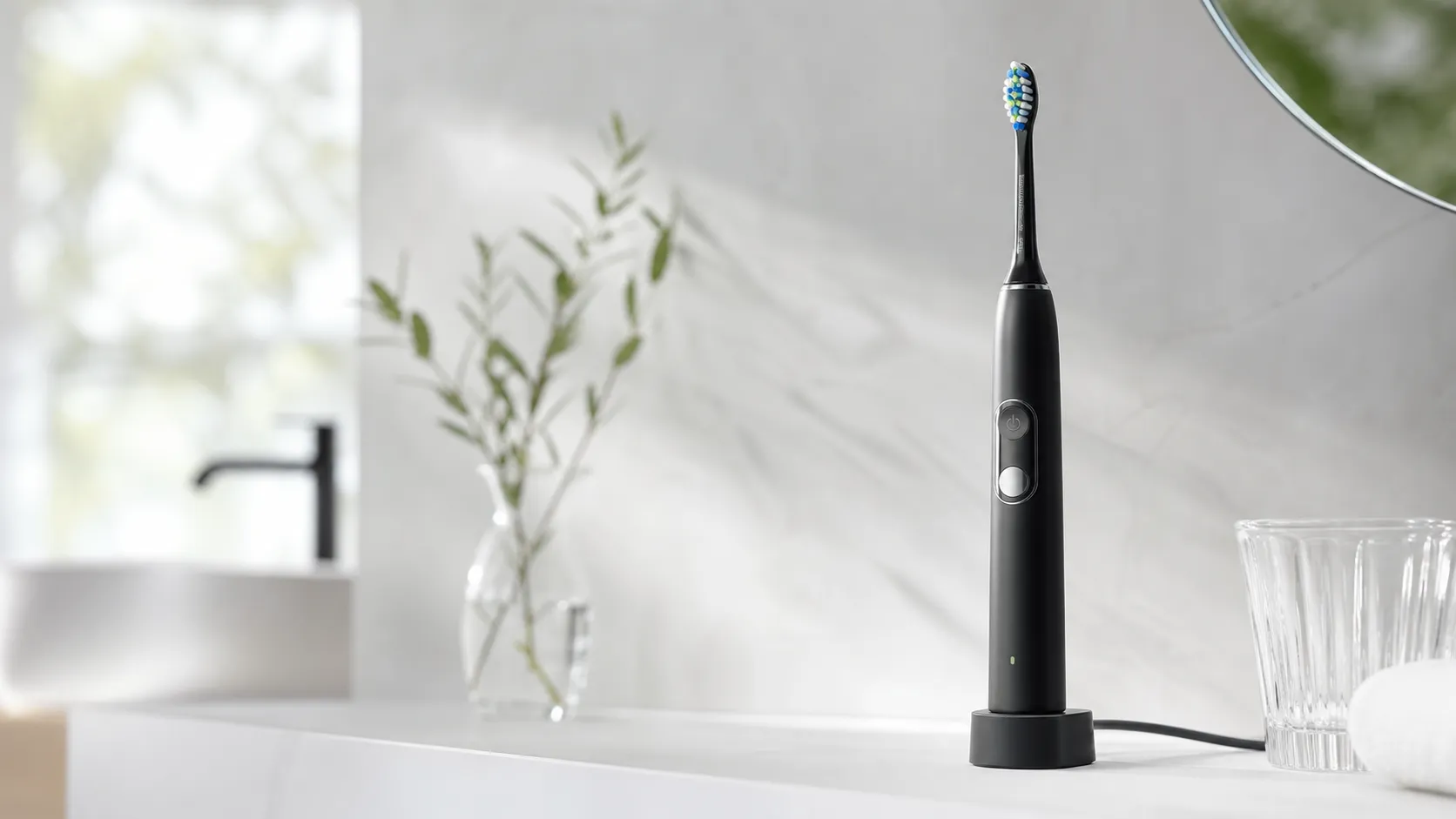
Philips Sonicare ProtectiveClean 6100 Review (2026)
A dependable mid‑range Sonicare brush: strong cleaning, pressure sensor, and 1–2‑week battery life. Great upgrade from manual brushing; watch replacement head costs.
 Health & Wellness
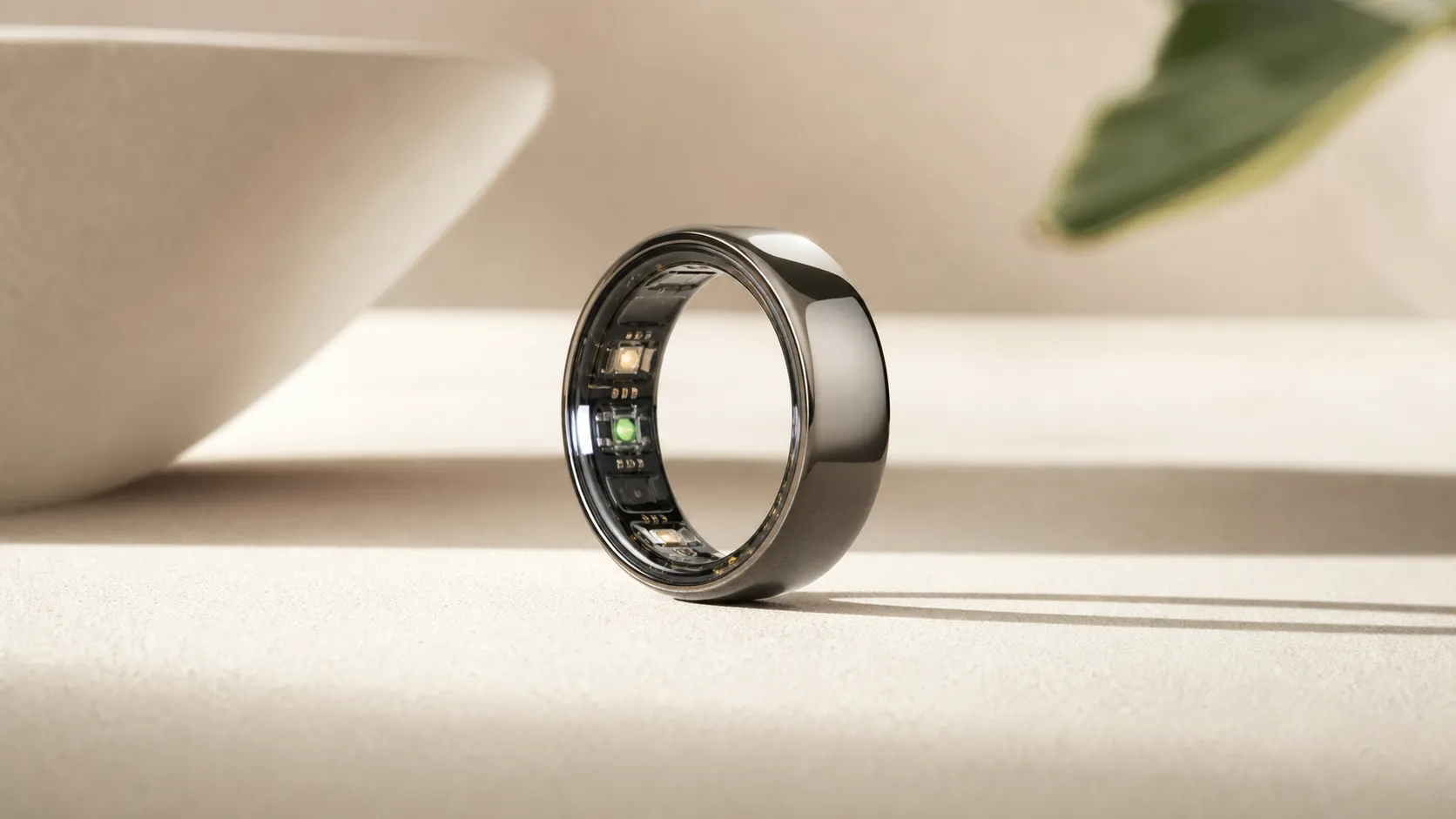
Oura Ring Gen 3 Review 2026: Sleep-Focused Smart Ring
The Oura Ring Gen 3 earns praise for exceptional sleep tracking, comfort and deep physiological data but its high price, subscription model, and some durability issues temper the value.
 Health & Wellness
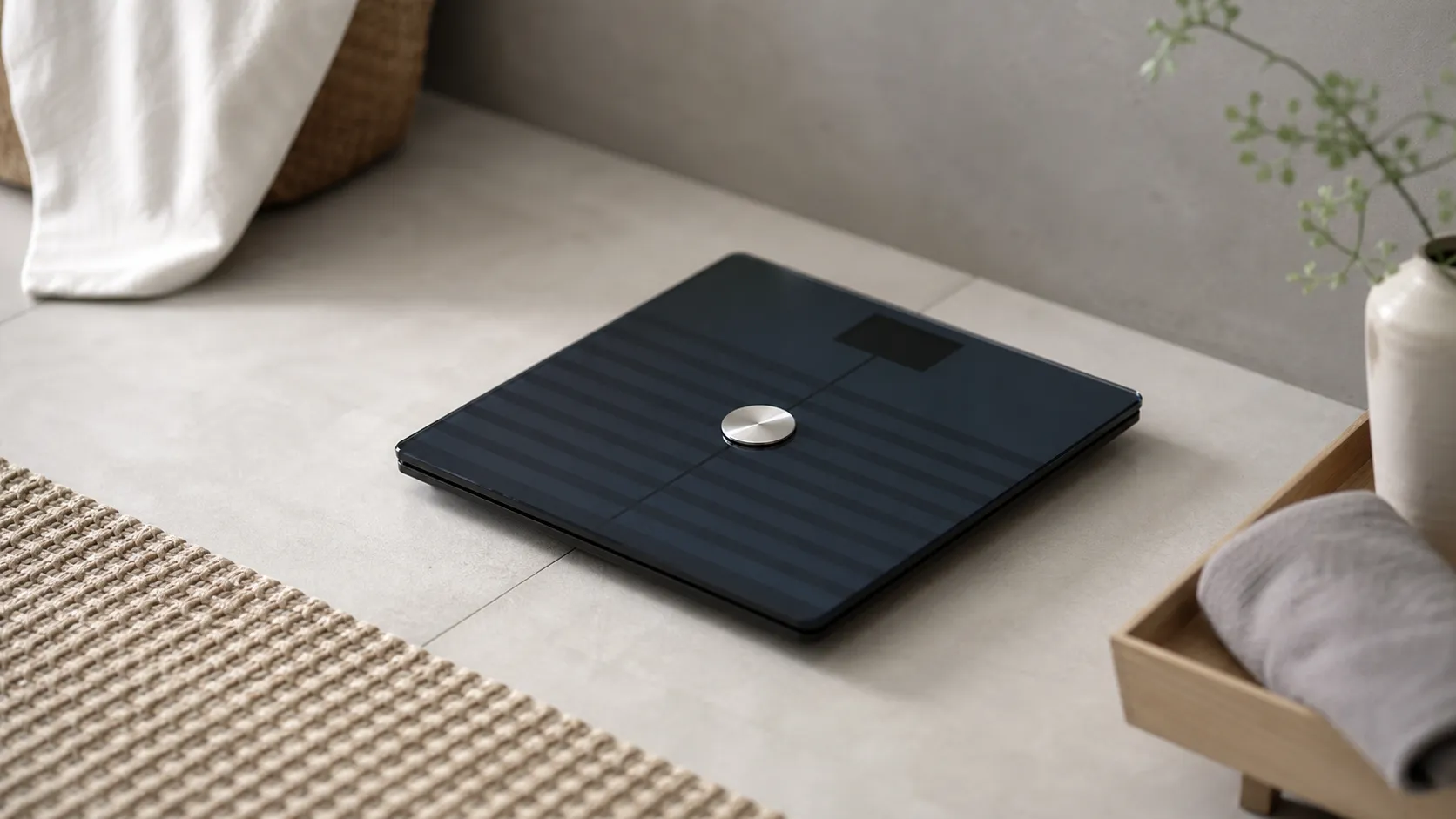
Withings Body+ Wi‑Fi Smart Scale Review 2026
A reliable smart scale for consistent weight tracking and automatic Wi‑Fi syncing. Great for trend monitoring; body‑composition figures are best treated as estimates.