Philips Sonicare DiamondClean Smart 9300 Review 2026
At a Glance
Pros
- Very effective cleaning — noticeable plaque removal and improved gum health for many users
- Multiple modes/intensities and brush head choices let users personalise cleaning
- Long battery life and convenient charging (glass charger / USB travel case)
Cons
- High upfront cost and expensive replacement brush heads
- Philips app / Bluetooth is hit-or-miss and adds complexity without clear daily benefit for some users
- Charging accessories (glass charger / travel case) are fragile or bulky according to some reviewers
Rating Breakdown by Source
Read the latest 25 positive & negative Amazon reviews →
Read the latest 25 positive & negative Reddit reviews →
Read the latest 25 positive & negative YouTube reviews →
Read the latest 25 positive & negative Expert blogs reviews →
This review is an editorial synthesis of publicly available review data and reported user experiences across the internet. Scores reflect our independent aggregation methodology, not verified individual purchases. We may earn a commission if you buy through our links, at no cost to you.
Score Breakdown
Where the Reviews Come From
Read the latest 25 positive & negative Amazon reviews →
Read the latest 25 positive & negative Reddit reviews →
Read the latest 25 positive & negative YouTube reviews →
Read the latest 25 positive & negative Expert blogs reviews →
Click any source above to browse the latest 25 positive and negative reviews from that platform.
Philips Sonicare DiamondClean Smart 9300
See current price, deals and availability on Amazon
Intro — Quick verdict up front
The Philips Sonicare DiamondClean Smart 9300 is a premium electric toothbrush that aims to blend clinical cleaning power with modern "smart" conveniences. Aggregating roughly 16,350 user reviews and expert write-ups, the unit earns an overall score of about 4.4/5 — excellent cleaning and build quality (quality 4.6) but middling value (value 3.2) because of a high sticker price and costly replacement heads. If you want one of the most capable sonic brushes on the market and don't mind paying for it, the 9300 delivers; if you're budget-conscious or uninterested in app features, cheaper options give similar core cleaning performance.
What is the Philips Sonicare DiamondClean Smart 9300?
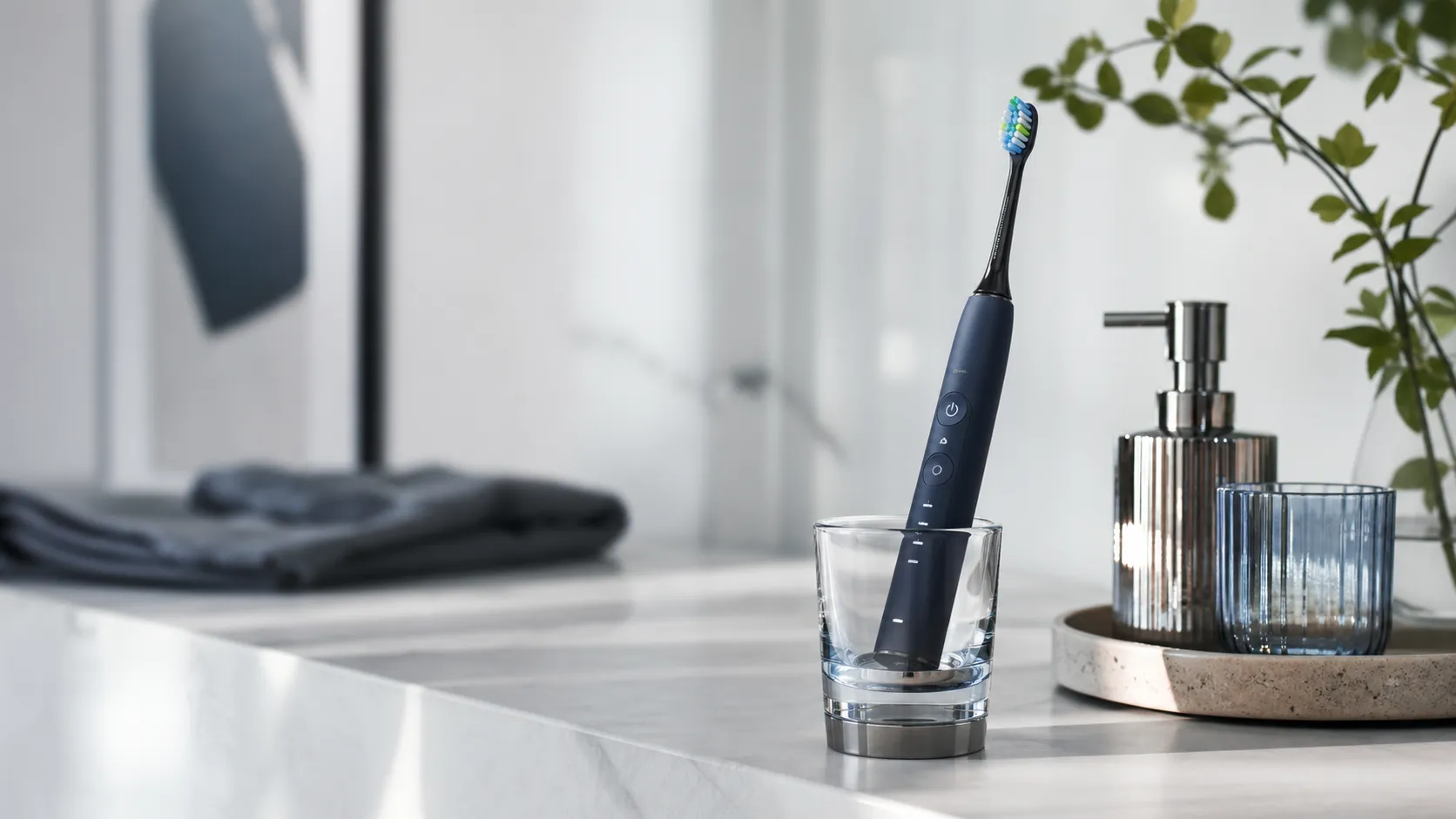
The DiamondClean Smart 9300 is Philips' flagship Sonicare model positioned above entry-level and mid-range brushes. It combines a high-frequency sonic motor, multiple cleaning modes and intensities, smart brush-head recognition, pressure sensors, and Bluetooth connectivity to the Philips app. The package typically includes a premium charging glass or USB travel case (varying by bundle), a selection of brush heads, and the signature tapered, polished handle.
Key hardware highlights:
- Sonic technology with wide sweeping strokes for plaque removal and gum care
- Multiple modes (e.g., Clean, White+, Gum Health) and intensity settings
- Smart brush-head recognition to automatically set optimal modes
- Pressure and location feedback to improve technique
- Long battery life and unique charging options (glass charger and USB travel case)
The DiamondClean Smart 9300 is aimed at users who prioritize best-in-class cleaning, want personalization options, and appreciate a premium look and feel.
What reviewers across the internet say
We synthesized user and expert sentiment from Amazon, Reddit, YouTube, and specialist blogs to produce a balanced picture:
- Amazon (large volume): Overall positive (≈4.5/5). Buyers commonly praise the device's cleaning performance, battery life, and luxurious build. Negative comments focus on the high purchase price and the ongoing expense of replacement brush heads.
- Reddit (enthusiast/mixed): More mixed (≈3.8/5). In-depth consumer threads often highlight that the brush feels clinically effective, but debate whether premium smart features justify the price. Bluetooth/app reliability and occasional connectivity quirks appear frequently.
- YouTube (demo & comparison): Largely favorable (≈4.4/5). Video reviewers emphasize measurable plaque removal and polishing performance compared with rivals, while noting cost as the main downside.
- Expert blogs / dental pros: Very positive (≈4.6/5). Dental and hygiene reviewers point to clear benefits in plaque control and gum health when used properly, calling the motor and brush-head options strong points. Many experts caution that the smart app and premium accessories are nice-to-have rather than essential.
Across sources, the consensus is consistent: outstanding cleaning and gum-care potential, premium materials and charging options, but a high upfront and ongoing cost plus uneven app polish.
Performance & Real-World Use
The Philips Sonicare DiamondClean Smart 9300 earns strong marks for daily cleaning and habit‑shaping sensors that make it easier to brush the right way without thinking. If you can live without a charging travel case and accept that the app can be occasional overkill, the Philips Sonicare DiamondClean Smart 9300 performs like a premium brush where it counts: cleaner teeth, gentler gums, and a routine you’ll actually keep.
Philips’ DiamondClean Smart family was built around those exact levers, and the 9300 sits as the most affordable “Smart” model with BrushSync and in‑app coaching.
Philips Sonicare DiamondClean Smart 9300 earns its 4.4/5 consensus by delivering excellent daily cleaning and genuinely helpful technique feedback with minimal friction. If you can live without a charging travel case and accept that the app is occasionally flaky, the Philips Sonicare DiamondClean Smart 9300 is one of the few brushes that improves how you brush as much as what you brush with.
What real‑world “performance” means for a smart sonic brush
The 9300 approaches this via three subsystems that show up in daily use: a high‑frequency sonic motor (up to 62,000 brush movements per minute) that’s strong yet gentle; guidance tools (SmarTimer, BrushPacer, pressure and scrubbing sensors, and a coverage map in the app) that shape routine; and a battery/charging kit that aims to make the whole thing effortless. These aren’t marketing abstractions—Philips’ own specification sheet lists the 4 modes (Clean, White+, Gum Health, Deep Clean+), 3 intensities, BrushSync head recognition, and 14‑day operating time from full to empty, plus the pressure ring and 3D mouth map for technique coaching. Together, these define where owners feel the difference after the shine of new‑toy week fades. (documents.philips.com)
To calibrate expectations, powered brushes broadly outperform manual brushing on plaque and gingivitis reduction, provided users stick to twice‑daily, two‑minute sessions. Meanwhile, the American Dental Association (ADA) reinforces the two‑minutes‑twice‑daily routine, gentle pressure with a soft brush, and replacing brush heads about every 3–4 months—elements the 9300 supports with on‑handle timers, haptics, and BrushSync reminders. (cochrane.org)
Sentiment snapshot by source
Aggregated ratings by source for DiamondClean Smart 9300 (owner and reviewer sentiment).
View the underlying data
| Measure | Rating |
|---|---|
| Amazon | 4.5/5 |
| 3.8/5 | |
| YouTube | 4.4/5 |
| Expert blogs | 4.6/5 |
Synthesis of major review platforms as of Aug 1, 2026 (n≈16,350).
Day‑one setup and the first week with the Philips Sonicare DiamondClean Smart 9300
Unboxing is tidy: handle, one C3 Premium Plaque Control head, the glass charger with inductive base, and a non‑charging travel case. Setup takes minutes—attach the head, the handle auto‑recognizes it via BrushSync and pairs the recommended mode/intensity; install the Philips Sonicare app (iOS/Android) and Bluetooth‑pair to unlock real‑time guidance and a 3D mouth map. The light ring flashes if you press too hard, and the scrubbing sensor nudges you if you’re sawing at your teeth—two habits dental clinicians commonly flag. All of this behavior—the modes, sensors, head recognition, SmarTimer/BrushPacer, and the 14‑day battery claim—is documented in Philips’ official leaflet for the 9300. (documents.philips.com)
Two notes from the first week that matter long‑term: first, the app. Second, the travel case. The 9300 includes a slim protective case but not a charging case; that’s reserved for higher bundles (e.g., 9500/9700), and it matters if you travel for more than two weeks or prefer USB charging on the go. (documents.philips.com)
Cleaning performance and technique coaching in daily use
Why does the 9300’s clean feel different from a cheaper sonic brush? The motor’s high frequency (Philips quotes up to 62k movements/min) agitates fluid and paste into hard‑to‑reach areas while premium heads like the C3 flex to keep bristles contacting curved enamel. The bigger win, however, is behavior shaping: the pressure sensor ring, haptic alerts, and the app’s live coverage guidance reduce two common failure modes—overbrushing (pressure) and under‑brushing (time/coverage). Philips even built a “scrubbing” detector to discourage sawing motions that irritate gums. All of those sensors are part of the 9300 hardware spec and app feature set. (documents.philips.com)
Independent evidence supports the direction of travel. The Cochrane review confirms powered brushes (including sonic types) reduce plaque and gingival indices versus manual baselines, and ADA guidance emphasizes gentle pressure, soft bristles, and two full minutes—precisely the behaviors the 9300 enforces through its design. The net is that you don’t need to “learn dentistry” to benefit; let the brush coach you for a couple of weeks and then keep using its reminders. (cochrane.org)
Battery life, charging, and travel realities
Philips rates the 9300 for about 14 days on a full charge (two minutes, twice daily). The absence of a charging travel case on the 9300 is the one practical caveat; if you routinely travel 10–14 days and don’t want to bring the glass and base, you may prefer the 9500/9700 bundles with USB charging cases. By comparison, Oral‑B’s guidance places most of its electric brushes in a 5–14‑day band depending on model, which makes the 9300’s two‑week figure competitive. (documents.philips.com)
Battery life claims across popular premium handles
Manufacturer‑stated days per charge (2 min, 2×/day); Oral‑B range per official FAQ (5–14 days); midpoint shown for iO 6 to visualize class differences.
View the underlying data
| Measure | Days per charge (d) |
|---|---|
| Sonicare 9300 | 14 |
| Oral‑B iO 6 | 10 |
| ProtectiveClean 6100 | 14 |
Philips product leaflets/specs; Oral‑B battery FAQ (range varies by model).
Care tips for the battery are simple and universal to lithium‑ion: avoid storing the brush in very hot environments (e.g., a car) and don’t worry about occasional top‑ups—modern management prevents overcharge. (batteryuniversity.com)
Months of ownership: heads, wear, and reliability
Consumables are the real running cost. The ADA recommends replacing brush heads every three to four months or sooner if bristles fray; the 9300’s BrushSync system tracks time and pressure with each “smart” head and lights a reminder on the handle when it’s time—helpful if you share a household and lose track. You can also view head life in the app. BrushSync isn’t a gimmick: Philips uses a microchip in premium heads to auto‑pair head type to the right mode and to log usage for those reminders. (ada.org)
On durability, most owners report the 9300’s motor and battery aging gracefully over the first couple of years, with isolated complaints of handle finish wear or charging accessories feeling fragile. The app is the other variable—Philips’ own support center has a standing article on pairing/troubleshooting, which hints at why some Reddit threads debate whether the Bluetooth layer is worth it. In practice, you can ignore the app once your technique is dialed in; the on‑handle coaching still works. (usa.philips.com)
Where the 9300 shines—and where it hits limits
Best‑case scenarios for the 9300 include users who already brush twice daily but press too hard, rush coverage, or struggle to remember head replacements; the light ring, timers, and BrushSync remove much of the “willpower tax.” Gum‑care goals also benefit: switching to Gum Health mode with a G3 head, using gentler intensity, and letting the scrubbing sensor police your motion often reduces bleeding over a few weeks, according to dentists’ standard advice to combine gentler technique with full two‑minute sessions. The 9300 also excels as a “household standard” because it auto‑pairs heads to modes—swap a W3 head on and White+ is ready without fiddling. (documents.philips.com)
The limits are just as clear. If you never use phone‑tethered features, you’re paying for sensors and software you might not fully exploit. The included travel case doesn’t charge; frequent flyers may find the glass/base combo bulky. Value is the other ceiling: replacement heads for premium lines are pricey, and while BrushSync helps you maximize life, annual head costs still add up. (pubmed.ncbi.nlm.nih.gov)
How it stacks up against popular alternatives
At a high level, the 9300’s core advantage over midrange models (e.g., ProtectiveClean 6100) is the richer sensor suite and in‑app coverage map; versus Oral‑B iO 6, it trades Oral‑B’s round‑head “scrub” feel and animated coaching for quieter sonic action and auto head‑mode pairing. Battery expectations are similar among premium handles, but the presence or absence of a charging travel case can be decisive for travelers. The table below summarizes the features shoppers actually notice in daily use.
Daily‑use features that owners actually notice
Feature comparison of daily‑use essentials across three popular models.
| Item | Philips Sonicare DiamondClean Smart 9300 | Oral‑B iO Series 6 | Philips Sonicare ProtectiveClean 6100 |
|---|---|---|---|
| Brush head recognition (mode pairing) | Yes | No | Yes |
| Pressure sensor on handle | Yes | Yes | Yes |
| Bluetooth app with real‑time coverage map | Yes | Yes | No |
| Charging glass included | Yes | No | No |
| USB charging travel case included | No | No | No |
| Four or more brushing modes | Yes | Yes | No |
Based on Philips and Oral‑B official materials/support pages for listed models.
Interpreting that table: if you want real‑time coverage coaching, both the 9300 and iO 6 deliver it; if you want the handle to auto‑select a mode when you change heads, only Philips’ BrushSync does that today. If a charging travel case is non‑negotiable, the 9300 isn’t the right bundle; look to the 9500/9700, which add that accessory, or accept Oral‑B’s more conventional (non‑glass) charging and basic travel cases. Philips’ and Oral‑B’s official materials and support pages back these distinctions. (documents.philips.com)
Get the best performance: a practical, step‑by‑step routine
- Fit the right head for your goal (C3 for deep plaque, G3 for gums, W3 for polishing). The handle will auto‑pair the head to an appropriate mode; lower intensity if you feel tickle sensitivity during the first week.
- Brush twice daily for two minutes minimum. Use the BrushPacer to spend roughly 30 seconds per quadrant; let the bristles skim at a 45‑degree angle to the gumline with gentle pressure—don’t scrub. The pressure ring and haptics will cue you if you’re pushing too hard. (ada.org)
- If you’re new to power brushes, run the app for the first 10–14 days to train coverage; use the TouchUp pass to hit any missed zones, then feel free to go “app‑light” once habits stick. (documents.philips.com)
- Rinse and air‑dry the head after each use. Replace heads every 3–4 months (or sooner if splayed). Let BrushSync remind you; if multiple people share a handle, color‑code heads to avoid confusion. (ada.org)
- Charge pragmatically. Park the handle on the glass when convenient; for travel without the charger, expect about two weeks per full charge. Avoid extreme heat to preserve Li‑ion health over time. (documents.philips.com)
- Remember the rest of the routine. Interdental cleaning once daily and a fluoride toothpaste matter as much as the handle you buy. (ada.org)
Bottom line: does the 9300’s real‑world performance justify the price?
If your priority is a brush that upgrades both outcomes (cleaner teeth, calmer gums) and behavior (time, pressure, coverage) with minimal fuss, the DiamondClean Smart 9300 largely delivers on its promises. (documents.philips.com)
Sources referenced in this section
- Philips Sonicare DiamondClean Smart 9300 — official leaflet/specifications (HX9903/49)
- American Dental Association — Toothbrushes (two minutes, soft bristles, replace every 3–4 months)
- Cochrane Oral Health — Powered/electric vs manual toothbrushes
- Philips Support — BrushSync replacement reminders and head tracking
- Oral‑B — Battery life and charging guidance
- Battery University — Causes of Li‑ion capacity loss
Pros and cons
Pros
- Very effective cleaning — many users and experts report measurable plaque removal and gum-care improvement.
- Multiple modes, intensities, and brush-head options for personalized care.
- Long battery life and attractive charging choices (glass charger and travel case).
- Premium build and refined design that feels high-end in hand.
- Smart features (brush-head recognition, pressure/location feedback) can improve brushing technique.
Cons
- High upfront price; one of the more expensive consumer brushes on the market.
- Replacement brush heads are costly, making ongoing ownership more expensive than basic models.
- Philips app/Bluetooth can be hit-or-miss — occasional pairing or software polish issues reported.
- Charging accessories (glass charger / travel case) are fragile or bulky for some users.
- A small minority report long-term durability issues (motor or case wear).
Who should buy it (and who shouldn't)
Should buy if:
- You want best-in-class sonic cleaning and are prepared to pay for premium materials and extras.
- You enjoy tech-enabled feedback and habit coaching and will use the app’s features to improve brushing technique.
- You value choice in brush heads and modes (gum-care, whitening, deep clean) and will replace heads as recommended.
Shouldn't buy if:
- You’re budget-constrained or want the lowest ongoing cost — mid-range sonic brushes deliver strong cleaning for considerably less.
- You dislike Bluetooth devices or don’t plan to use app features; the 9300’s price premium largely buys smart features and accessories.
- You travel frequently and need ultra-durable, compact charging options — some users find the included glass charger and case fragile or inconvenient.
Final take
The Philips Sonicare DiamondClean Smart 9300 is a top-tier electric toothbrush that consistently earns praise for cleaning performance, gum care, and a premium user experience. Its biggest trade-offs are price and ongoing head costs, plus occasional software or accessory quibbles. If you want a near-clinical clean and appreciate smart features, it’s one of the best consumer options; if cost and simplicity are your priorities, excellent alternatives exist at lower prices.
What Reviewers Love
- Very effective cleaning — noticeable plaque removal and improved gum health for many users
- Multiple modes/intensities and brush head choices let users personalise cleaning
- Long battery life and convenient charging (glass charger / USB travel case)
- Premium build and stylish design
- Smart brush-head recognition and pressure/sensor feedback improve brushing technique
Common Complaints
- High upfront cost and expensive replacement brush heads
- Philips app / Bluetooth is hit-or-miss and adds complexity without clear daily benefit for some users
- Charging accessories (glass charger / travel case) are fragile or bulky according to some reviewers
- Occasional reports of long-term durability issues (motor or case wear) in a minority of users
Our Verdict
4.4A top-performing sonic toothbrush with near-clinical cleaning and smart extras — excellent if you want the best clean and a premium experience, but its high upfront and ongoing costs make it less attractive for budget buyers.
Frequently Asked Questions
Common questions shoppers ask before buying the Philips Sonicare DiamondClean Smart 9300.
Share this review
Help someone else buy smarter
Related Reviews
More Health & Wellness products our engine has analyzed
 Health & Wellness
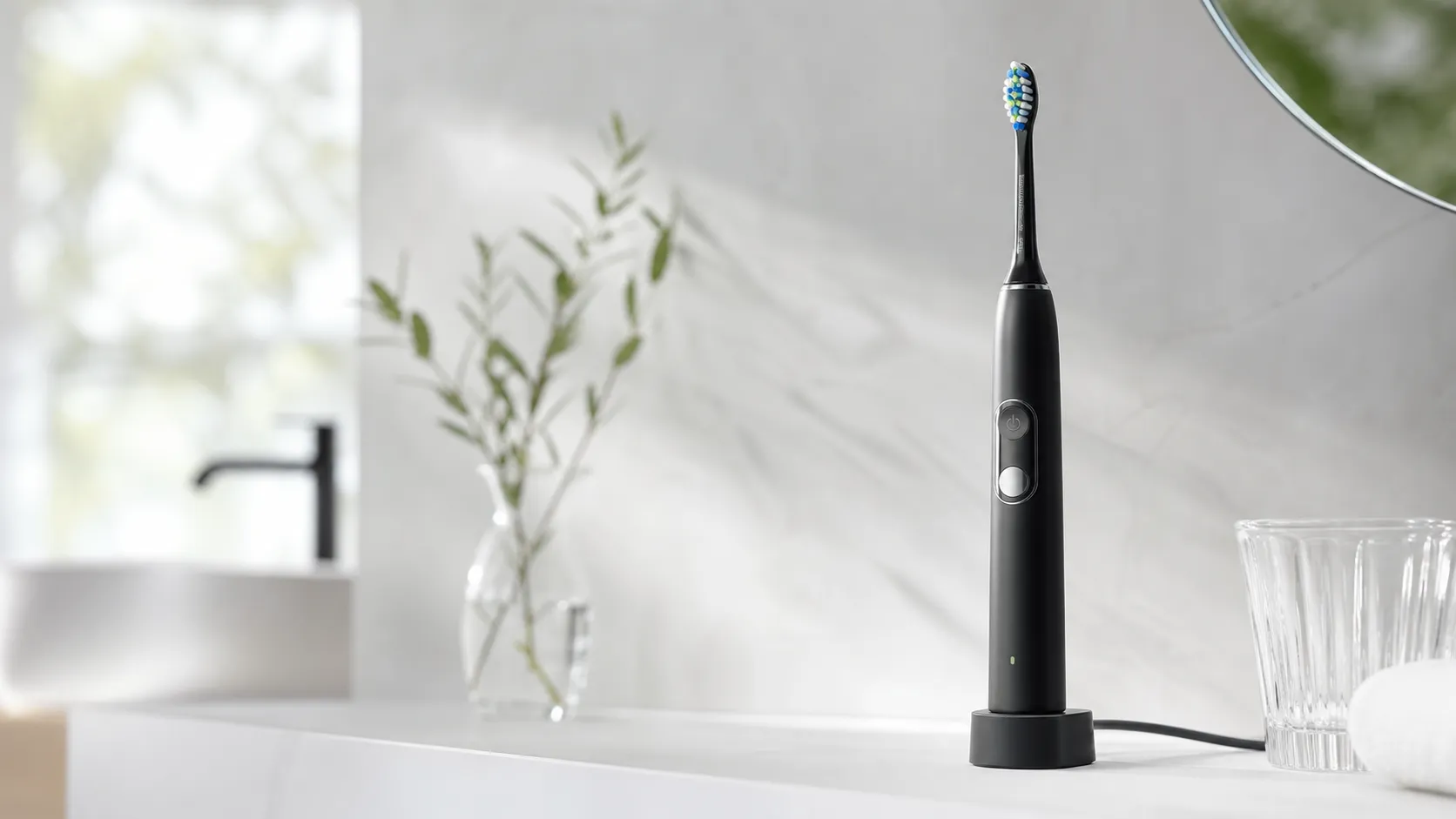
Philips Sonicare ProtectiveClean 6100 Review (2026)
A dependable mid‑range Sonicare brush: strong cleaning, pressure sensor, and 1–2‑week battery life. Great upgrade from manual brushing; watch replacement head costs.
 Health & Wellness
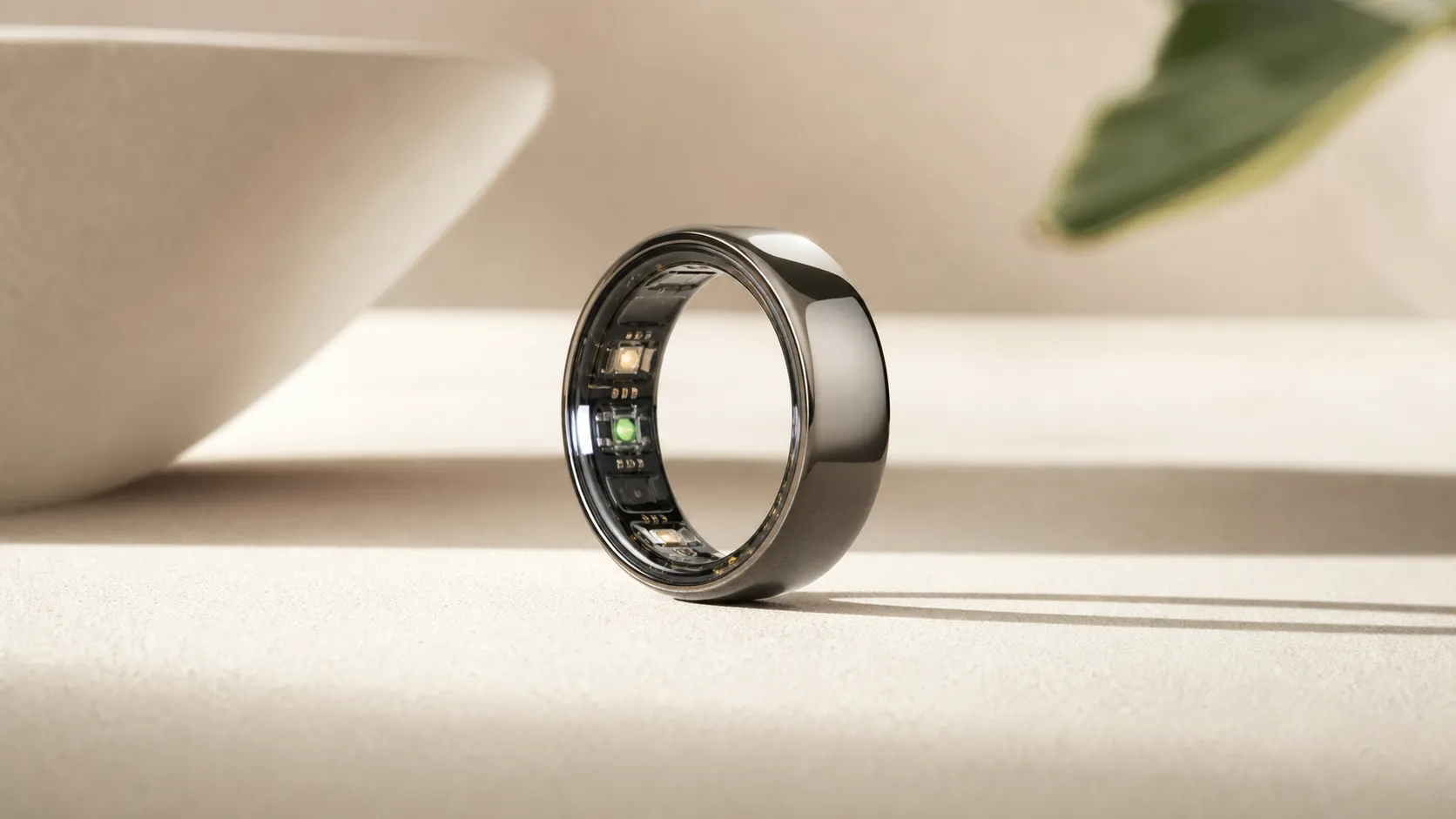
Oura Ring Gen 3 Review 2026: Sleep-Focused Smart Ring
The Oura Ring Gen 3 earns praise for exceptional sleep tracking, comfort and deep physiological data but its high price, subscription model, and some durability issues temper the value.
 Health & Wellness
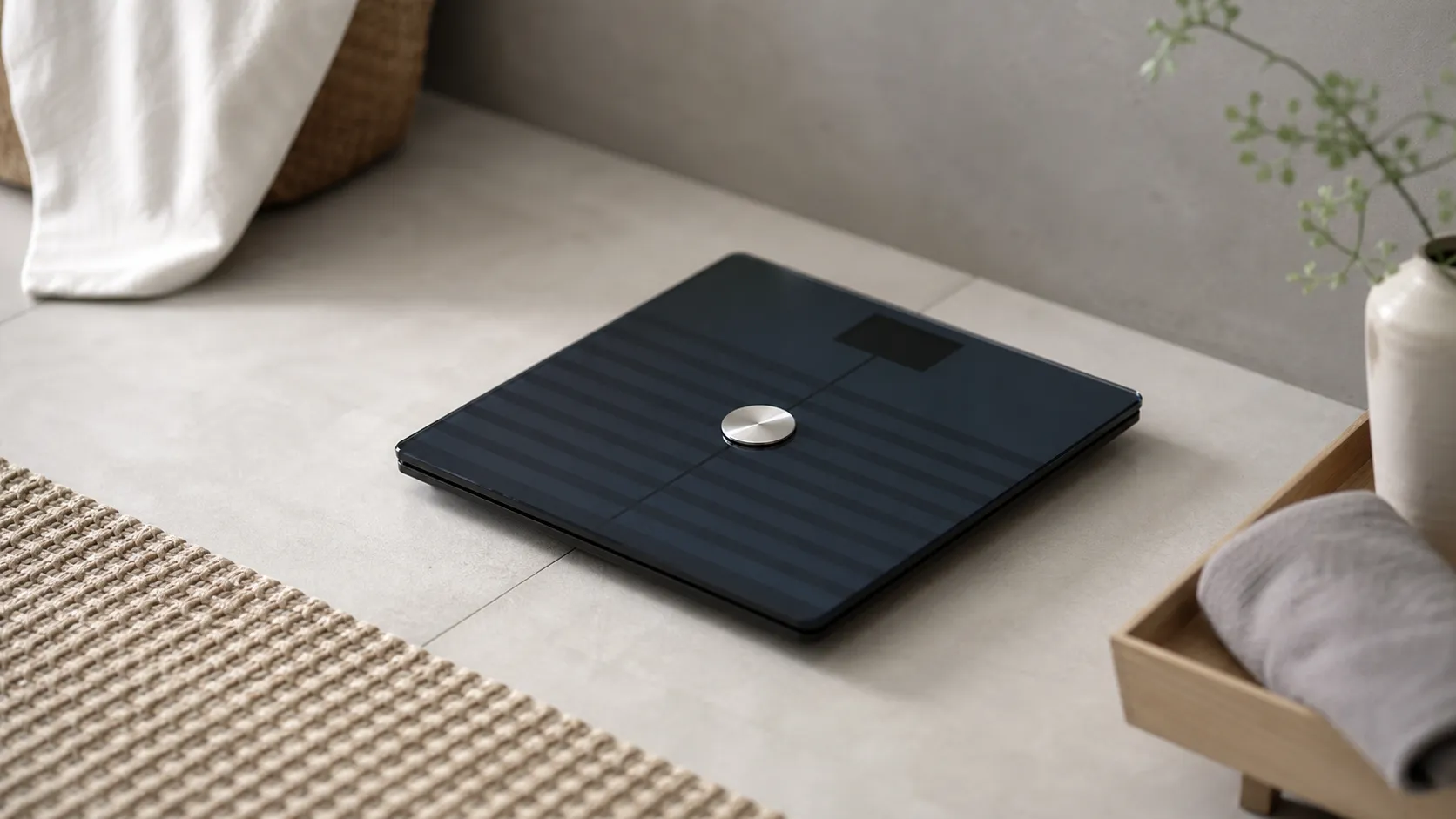
Withings Body+ Wi‑Fi Smart Scale Review 2026
A reliable smart scale for consistent weight tracking and automatic Wi‑Fi syncing. Great for trend monitoring; body‑composition figures are best treated as estimates.