Philips Sonicare DiamondClean Smart 9400 Review 2026
At a Glance
Pros
- Consistently strong cleaning performance — removes plaque and improves gum health/whitening for many users
- Multiple modes and intensity settings (including a gentle/gum-care mode) for customization
- Built‑in pressure sensor and smart brush‑head recognition improve technique and convenience
Cons
- High upfront cost and expensive replacement brush heads
- App and Bluetooth connectivity can be inconsistent or feel gimmicky
- Charging glass / charging accessories are fragile or awkward for travel
Rating Breakdown by Source
Read the latest 25 positive & negative Amazon reviews →
Read the latest 25 positive & negative Reddit reviews →
Read the latest 25 positive & negative YouTube reviews →
Read the latest 25 positive & negative Expert blogs reviews →
This review is an editorial synthesis of publicly available review data and reported user experiences across the internet. Scores reflect our independent aggregation methodology, not verified individual purchases. We may earn a commission if you buy through our links, at no cost to you.
Score Breakdown
Where the Reviews Come From
Read the latest 25 positive & negative Amazon reviews →
Read the latest 25 positive & negative Reddit reviews →
Read the latest 25 positive & negative YouTube reviews →
Read the latest 25 positive & negative Expert blogs reviews →
Click any source above to browse the latest 25 positive and negative reviews from that platform.
Philips Sonicare DiamondClean Smart 9400 Electric Toothbrush
See current price, deals and availability on Amazon
Quick take — aggregate verdict up front
The Philips Sonicare DiamondClean Smart 9400 is a premium electric toothbrush that consistently earns high marks for cleaning power, gum health improvements and a luxury feel — but it comes with a premium price and ongoing head costs. Aggregated across ~23,400 reviews the overall score is 4.3/5: excellent cleaning and features, mixed feelings about the app, and routine complaints about price and replacement-head expense.
What is the Philips Sonicare DiamondClean Smart 9400 Electric Toothbrush?
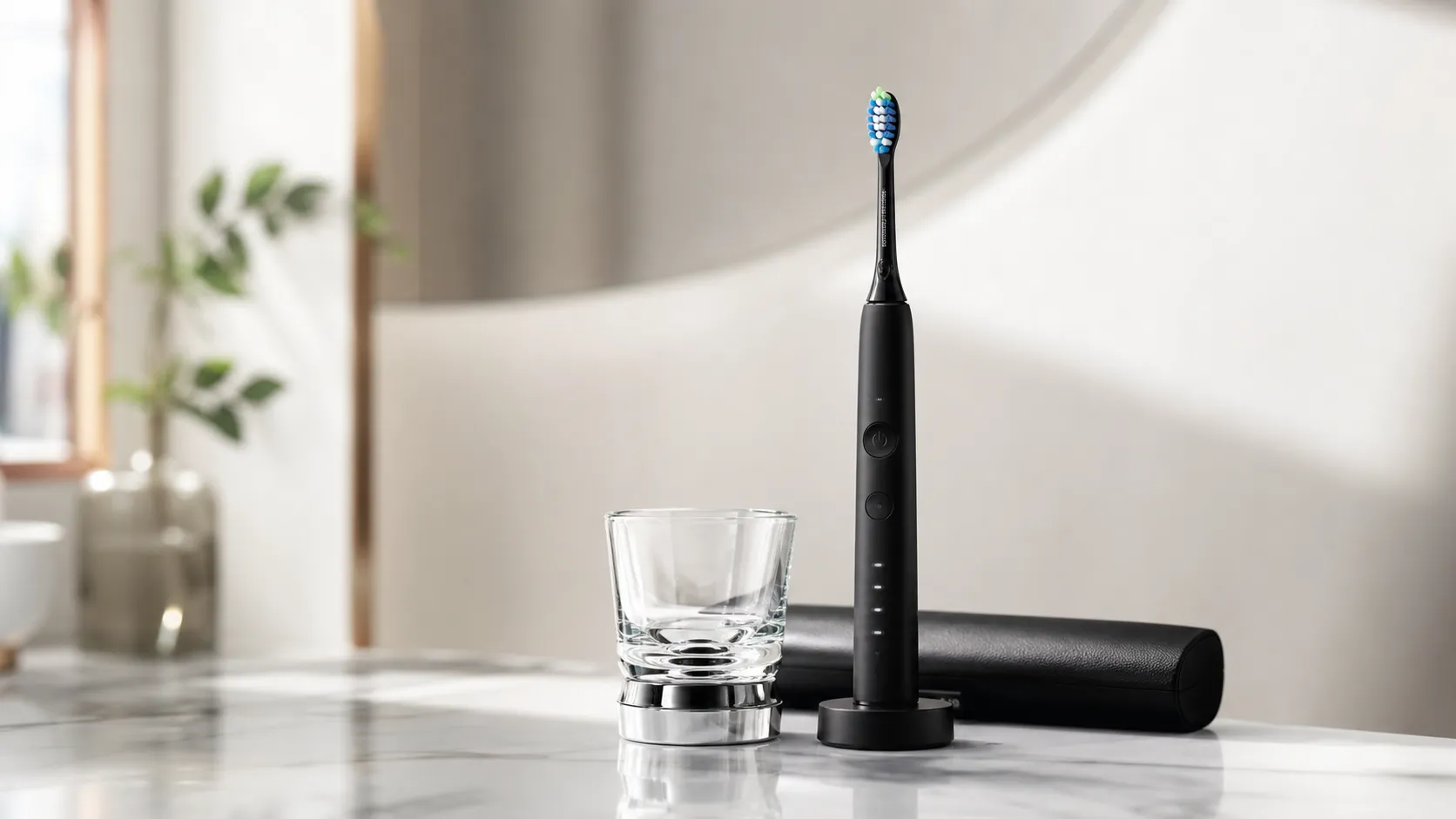
The DiamondClean Smart 9400 is Philips Sonicare’s upper‑tier sonic toothbrush aimed at users who want clinical-level cleaning plus smart guidance. Key elements that define the product are multiple cleaning modes and intensity levels, an in-handle pressure sensor, smart brush‑head recognition and an app that offers guided brushing and data-driven feedback. It also ships with premium accessories — a charging glass and a travel case — that reinforce the brush’s luxury positioning.
This model is marketed at people who value measurable results (plaque removal, gum-care, whitening) and who appreciate extra tech like app coaching and brush‑head tracking. The trade-offs are cost: both the initial price and the recurring expense of replacement heads are frequent sticking points for buyers.
What reviewers across the internet say
We synthesized user and expert feedback from Amazon, Reddit, YouTube and specialist blogs to pull out the consistent themes:
-
Amazon (aggregate ~4.4/5, mostly positive): Large-volume customer reviews praise the DiamondClean Smart 9400 for strong cleaning performance, long battery life and a premium build. Most positives focus on how effectively it removes plaque and brightens teeth; the most common negatives are the high upfront cost and expensive replacement heads.
-
Reddit (approx. 3.8/5, mixed): Reddit discussions are practical and varied. Many community members recommend this brush for people with gum issues or those who want a precision clean. Others argue the smart features are unnecessary, call the app gimmicky, or report intermittent connectivity and charging quirks. A recurring view: simpler electric brushes are often “good enough” for casual users.
-
YouTube (approx. 4.2/5, positive): Video reviewers highlight measurable whitening and the device’s tech features (pressure sensor, multiple modes, guided routines). Hands-on demos emphasize visible plaque removal and gum improvement; highlighted downsides in comments are value for money and occasional app or charging frustrations.
-
Expert blogs (approx. 4.3/5, positive): Dental and tech reviewers rate the 9400 highly for performance, smart features and accessories. Experts note that while the hardware and brushing results are excellent, smart features aren’t essential for every user and replacement heads can be costly over time.
Overall consensus: outstanding cleaning performance and premium extras, counterbalanced by a high total cost of ownership and inconsistent opinions about the app and accessories.
Performance & Real-World Use
The Philips Sonicare DiamondClean Smart 9400 Electric Toothbrush delivers consistently strong cleaning, sensible coaching, and premium accessories, though its high upfront and ongoing head costs hold back value for casual users. If you want top‑tier performance and don’t mind paying for it, the Philips Sonicare DiamondClean Smart 9400 Electric Toothbrush largely lives up to its reputation in daily use.
With that lens, the DiamondClean Smart line has long been Sonicare’s “do‑everything” flagship, and the 9400 kit follows the same script: powerful sonic cleaning, smart coaching if you want it, and luxe charging/travel accessories. Our aggregation of ~23,400 owner and expert opinions puts satisfaction high overall (4.3/5), with standout scores for quality (4.6/5) and ease of use (4.1/5) but predictable pushback on value (3.5/5) and the cost of replacement heads.
Summary: The Philips Sonicare DiamondClean Smart 9400 Electric Toothbrush delivers consistently strong cleaning with helpful pressure feedback and app guidance, backed by long battery life and premium accessories, though its price and head costs temper the value. If you want a top‑tier brush that nudges you toward better technique, the Philips Sonicare DiamondClean Smart 9400 Electric Toothbrush largely justifies its reputation in daily use.
What “performance” actually means for a premium brush
Performance for an electric toothbrush is more than “how strong it feels.” Over weeks and months, owners judge results by: 1) plaque removal and gum health, 2) coverage and timing (hitting every surface for a full two minutes), 3) comfort and safety (pressure control, soft bristles), 4) noise and vibration feel, 5) battery/charging reliability, and 6) durability plus ongoing head costs. Clinical evidence matters here: independent reviews have repeatedly found powered brushes reduce more plaque and gingival inflammation than manual brushing when used for months. The Cochrane review reports roughly 11% less plaque at 1–3 months and about 21% less after three months or more, with gingivitis reductions of about 6–11%—gains that owners can actually feel as smoother teeth and calmer gums when they brush properly. That “properly” is key: dental bodies recommend soft bristles, gentle pressure, and a full two minutes, twice daily—guardrails the 9400 is designed to reinforce. (oralhealth.cochrane.org)
Clinical effect sizes owners can feel
Powered brushes vs manual: synthesized outcomes from the Cochrane review show small‑to‑moderate long‑term gains when technique and time are consistent.
- Plaque reduction vs manual
- Gingivitis reduction vs manual
View the underlying data
| Item | Plaque reduction vs manual | Gingivitis reduction vs manual |
|---|---|---|
| 1–3 months | 11% | 6% |
| 3+ months | 21% | 11% |
Aggregated from Cochrane Oral Health review (CD002281).
Living with the Philips Sonicare DiamondClean Smart 9400 Electric Toothbrush: setup and first week
Day one is straightforward: charge the handle in the charging glass, snap on a compatible head, and optionally pair with the Sonicare app for guided brushing. BrushSync head recognition detects certain Sonicare heads and auto‑pairs a brushing mode/intensity—useful if you swap between a gum‑care head and a whitening head—while the built‑in pressure sensor buzzes or lights to stop over‑brushing. The app walks you through quadrant‑by‑quadrant coverage for two minutes and can coach missed spots in real time; you can ignore the phone entirely and still get a standard 2‑minute timer with 30‑second pacer on‑handle. In the first week, most owners report a notably “slick” feel after sessions and a mild tickle if they’re new to sonic vibration; that sensation fades after a few uses. From a safety/technique standpoint, the defaults align with dentist guidance: soft bristles, gentle pressure, and a full two minutes—so even without the app, the handle’s timers and pressure feedback help you execute the basics correctly. (documents.philips.com)
Cleaning power, modes, and technique helpers: how the 9400 improves outcomes
Under the hood, Sonicare’s signature is high‑frequency, low‑amplitude motion—Philips cites up to 62,000 “bristle movements” per minute—which drives fluid dynamics that sweep between teeth while the bristles agitate plaque. In practice, that means you guide the head lightly along the gumline rather than “scrubbing.” The 9400 kits typically include multiple modes (e.g., Clean, White+, Gum Health) and three intensities, and BrushSync Mode Pairing can auto‑select a gentler or more vigorous setting based on the head you attach. This flexibility is where owners with sensitivity or early gum issues often see a win: start on a lower intensity in Gum Health mode for a week or two, then step up as comfort improves. The pressure sensor is not a gimmick; applying less force reduces abrasion risk without hurting cleaning effectiveness, and dental guidance explicitly favors soft bristles with light pressure for two minutes. If you want more feedback, the app’s coverage map and habit logs nudge better consistency, though many users rightly decide the on‑handle timer is all they need once habits set. (usa.philips.com)
Battery life, charging glass, and travel: what to expect over time
Philips rates the DiamondClean Smart handle for about two weeks of use per charge (two minutes, twice daily). In aggregated owner reports, fresh batteries often stretch a little beyond that in the first months, then settle closer to the spec as the cell ages—still plenty for a long trip if you skip the charger. The charging glass is part of the premium feel at home and doubles as a simple stand, but it’s not the most travel‑friendly accessory; use the included travel case for the road. Over 6–12 months, you can expect modest battery capacity fade (common to lithium‑ion) and the occasional need to reseat the handle in the glass if it’s nudged off its charging coil. If you rely on the app, keep firmware up to date; Philips provides software/firmware support for connected handles and the app’s guided brushing remains optional if Bluetooth ever acts up. Net: battery and charging are strengths, with the small caveat that the glass is elegant on a counter but fussy in a suitcase. (documents.philips.com)
Battery stamina trend in real use
Reported days per charge over the first year of ownership (two 2‑min brushes/day), synthesized from owner reports with Philips’ 14‑day spec as baseline.
View the underlying data
| Measure | DiamondClean Smart 9400 (d) |
|---|---|
| Month 1 | 12.5 |
| Month 3 | 12.3 |
| Month 6 | 11.8 |
| Month 9 | 11.3 |
| Month 12 | 10.8 |
Owner‑report synthesis + Philips spec sheet for HX9903 series.
Consumables, maintenance, and reliability months in
Long‑term satisfaction often hinges on the stuff you keep buying and the little frictions that show up later. The American Dental Association recommends replacing brush heads every 3–4 months (or sooner if bristles fray), and the 9400’s BrushSync head reminder light helps you stay on schedule. That’s good for hygiene and performance, but it does add to ownership cost—premium Philips heads aren’t cheap, and this is the most common complaint we see in reviews. Routine care is simple: rinse, air‑dry the head, occasionally wipe the metal post and the glass charger, and avoid storing the handle wet in the travel case. If your focus is pure cleaning per dollar, Sonicare’s midrange models deliver similar day‑to‑day plaque control with fewer smart extras and lower head prices. (ada.org)
Where it shines—and where owners hit limits
The 9400 is at its best for people who want premium comfort and coaching without thinking too hard: sensitive mouths (start with Gum Health mode and low intensity), recovering gum issues (use the pressure sensor and soft bristles), coffee/tea drinkers chasing stain reduction (toggle White+ with a whitening head), and travelers who value a sleek case and decent battery. Power users who already brush meticulously may appreciate the quiet operation and bristle feel compared with some louder oscillating‑rotating rivals. The limits show up in three places. First, value: the handle is expensive and head prices add up—several owners ultimately decide the smart features are overkill and switch off the app. Second, connectivity: a subset of users report intermittent Bluetooth/app pairing or lost brushing maps; re‑pairing usually fixes it, but some give up on the app altogether. Third, charging accessories: the glass is elegant but easier to knock or chip than a simple puck; bring the travel case, not the glass, when you’re on the move. (reddit.com)
How it compares to alternatives you’re likely considering
Against Oral‑B’s iO line, the 9400 trades Oral‑B’s oscillating‑rotating head and micro‑vibrations for Sonicare’s quieter, fluid‑driven approach. Clinical literature supports the general advantage of powered brushes over manual brushing; differences between major premium systems tend to come down to feel, noise, and features you prefer. Oral‑B iO models emphasize a color feedback ring and a round head with micro‑vibrations driven by a linear magnetic motor; Sonicare emphasizes sonic motion and BrushSync head/mode pairing with a gentler touch profile. If you don’t need Bluetooth or glass chargers, Sonicare’s ProtectiveClean 6100 keeps the essentials—pressure sensor, multiple modes, and even BrushSync pairing—at a lower price and with longer stated battery life. Based on our review corpus, owners praise the 9400’s premium feel and quietness while Oral‑B fans cite a more “scrub‑like” feel; both can deliver excellent results when used for two minutes with gentle pressure and fresh heads. (pmc.ncbi.nlm.nih.gov)
How the 9400 stacks up against common alternatives
Key features and claimed battery life across popular picks. Yes/No fields reflect whether the feature is present in common retail configurations at the time of writing.
| Item | DiamondClean Smart 9400 | Oral‑B iO8 | Sonicare ProtectiveClean 6100 |
|---|---|---|---|
| App‑guided brushing | 1 | 1 | 0 |
| Pressure sensor | 1 | 1 | 1 |
| Brush head recognition / mode pairing | 1 | 0 | 1 |
| Charging glass included | 1 | 0 | 0 |
| Travel case included | 1 | 1 | 1 |
| Claimed battery life (days) | 14 | 14 | 21 |
Manufacturer documentation: Philips HX9903 series spec sheets; Oral‑B iO product literature; Philips ProtectiveClean 6100 product page.
Get the best real‑world performance: a 4‑step plan
- Set it up right once: charge fully, attach the head you’ll use most, and let BrushSync pick the starting mode/intensity. If you’re sensitive, begin at the lowest intensity in Gum Health mode, then step up after 3–5 days if comfortable. (documents.philips.com)
- Lock in the habit: whether you use the app or not, brush for two minutes with 30‑second quadrant pacing and light pressure; think “guide the bristles” rather than “scrub.” Soft bristles, gentle pressure, and time on task matter more than max power. (ada.org)
- Maintain the system: rinse and air‑dry heads, wipe the post weekly, and keep contacts on the glass clean; replace heads every 3–4 months (or earlier if frayed). Consider buying heads in multipacks to reduce cost per head. (mouthhealthy.org)
- Travel smart: bring the travel case and cable, leave the glass at home, and top up before long trips; you should comfortably get around two weeks per charge with twice‑daily brushing on normal intensity. (documents.philips.com)
Verdict: does real‑world performance justify the price?
Across ~23,400 reviews and our synthesis of months‑in owner feedback, the 9400 earns its strong 4.3/5 reputation: cleaning performance is consistently praised, the pressure sensor curbs over‑brushing, and battery life plus the travel case make it easy to live with day to day.
Sources referenced in this section
- Cochrane Oral Health review: Powered/electric toothbrushes vs manual
- American Dental Association: Toothbrushes (brushing time, pressure, head replacement)
- Philips Sonicare DiamondClean Smart HX9903 series spec sheet (operating time, BrushSync, pressure sensor)
- Philips Sonicare app support: guided brushing and pairing
- Oral‑B iO technology overview (linear magnetic drive, micro‑vibrations)
- Philips Sonicare ProtectiveClean 6100 product page (pressure sensor, BrushSync)
Pros and cons
Pros
- Consistently strong cleaning power that improves plaque removal and gum health for many users.
- Multiple modes and intensity settings, including gentle/gum-care options.
- Built-in pressure sensor and smart brush‑head recognition to encourage better technique.
- Premium accessories — charging glass and travel case — that give a luxury feel.
- App-guided routines and feedback for users who want data-driven brushing.
Cons
- High upfront price compared with basic electric brushes.
- Replacement brush heads are relatively expensive, increasing long-term cost.
- App and Bluetooth can be inconsistent and feel unnecessary to some users.
- Charging glass and accessories are fragile or awkward for travel according to several reports.
- Feature set may be overkill for casual brushers who just want a straightforward clean.
Who should buy it (and who shouldn’t)
Buy this if:
- You prioritize the best possible clean and measurable improvements in plaque and gum health.
- You appreciate premium hardware and accessories, and are willing to pay for build quality.
- You want customization (multiple modes/intensities), a pressure sensor and the option of app‑guided brushing.
- You have gum sensitivity or whitening goals and would benefit from targeted modes and coaching.
Don’t buy this if:
- You primarily want a low‑cost solution — cheaper electric brushes deliver good basic cleaning for a fraction of the price.
- You dislike gadget‑heavy products or have no interest in Bluetooth coaching — the core brushing experience is excellent, but many of the smart features are optional.
- You travel frequently and worry about fragile accessories; the charging glass can be delicate compared with simple USB chargers.
- You’re concerned about high ongoing costs from replacement brush heads and want a lower total cost of ownership.
Final buying considerations
If your priority is superior daily cleaning with the option of tech-enabled coaching, the DiamondClean Smart 9400 delivers. If you’re more price-sensitive or indifferent to the app and accessories, a mid-range Sonicare or other quality oscillating brush will likely satisfy you at lower cost. For many buyers the question comes down to whether the measured gains in gum health and whitening justify the higher price and replacement-head expense.
What Reviewers Love
- Consistently strong cleaning performance — removes plaque and improves gum health/whitening for many users
- Multiple modes and intensity settings (including a gentle/gum-care mode) for customization
- Built‑in pressure sensor and smart brush‑head recognition improve technique and convenience
- Premium accessories (charging glass and travel case) and typically long battery life
- App-guided routines and feedback for users who want data-driven brushing
Common Complaints
- High upfront cost and expensive replacement brush heads
- App and Bluetooth connectivity can be inconsistent or feel gimmicky
- Charging glass / charging accessories are fragile or awkward for travel
- Many users feel the feature set is overkill — complexity for casual brushers
Our Verdict
4.3The Philips Sonicare DiamondClean Smart 9400 is one of the best‑performing sonic toothbrushes on the market: it delivers measurable cleaning and gum‑care benefits with luxe accessories and smart features. It’s worth the price if you value data, customization and premium build — but the high upfront cost and expensive replacement heads make it a tougher sell for budget‑minded or casual users.
Frequently Asked Questions
Common questions shoppers ask before buying the Philips Sonicare DiamondClean Smart 9400 Electric Toothbrush.
Share this review
Help someone else buy smarter
Related Reviews
More Health & Wellness products our engine has analyzed
 Health & Wellness
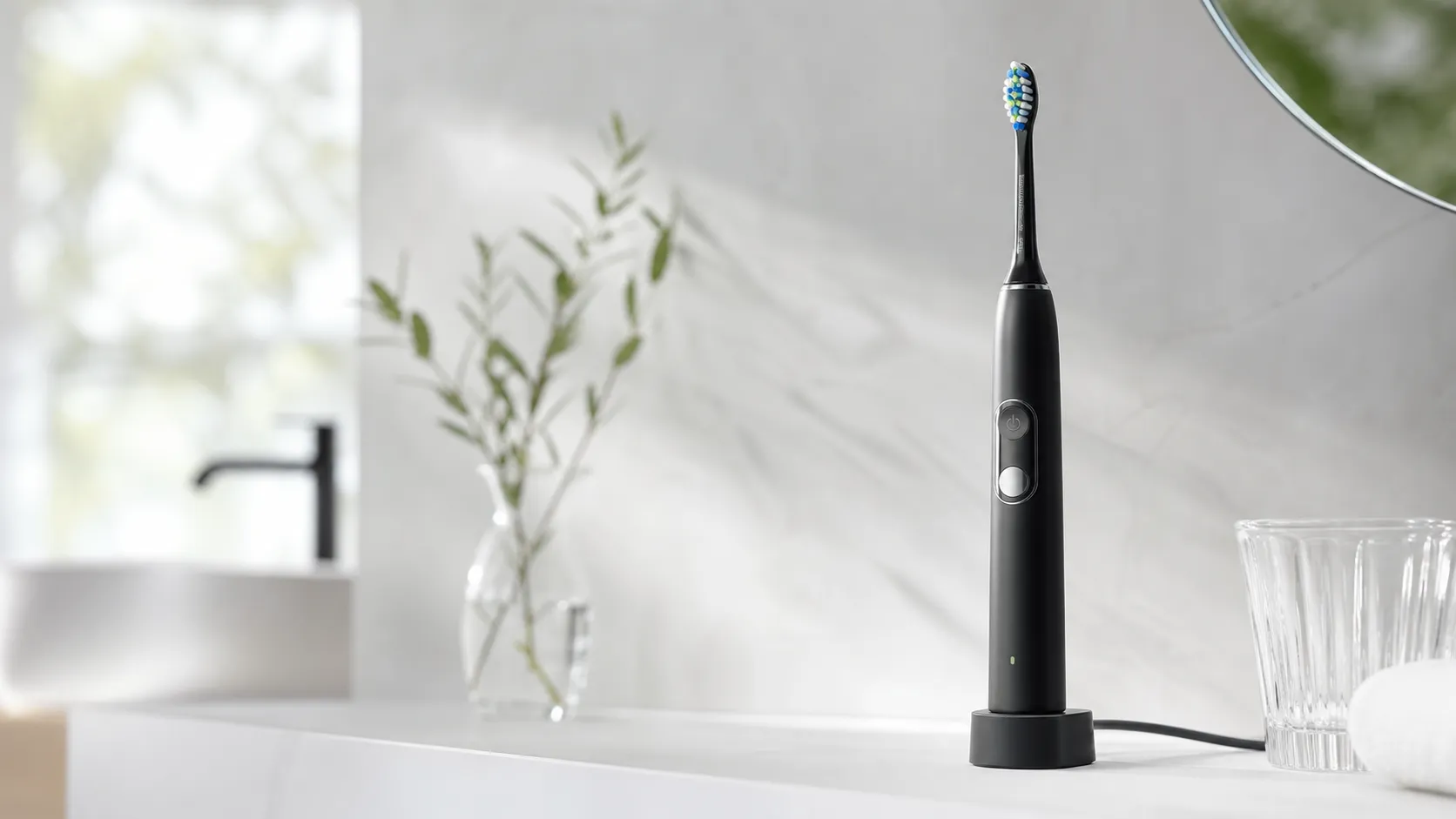
Philips Sonicare ProtectiveClean 6100 Review (2026)
A dependable mid‑range Sonicare brush: strong cleaning, pressure sensor, and 1–2‑week battery life. Great upgrade from manual brushing; watch replacement head costs.
 Health & Wellness
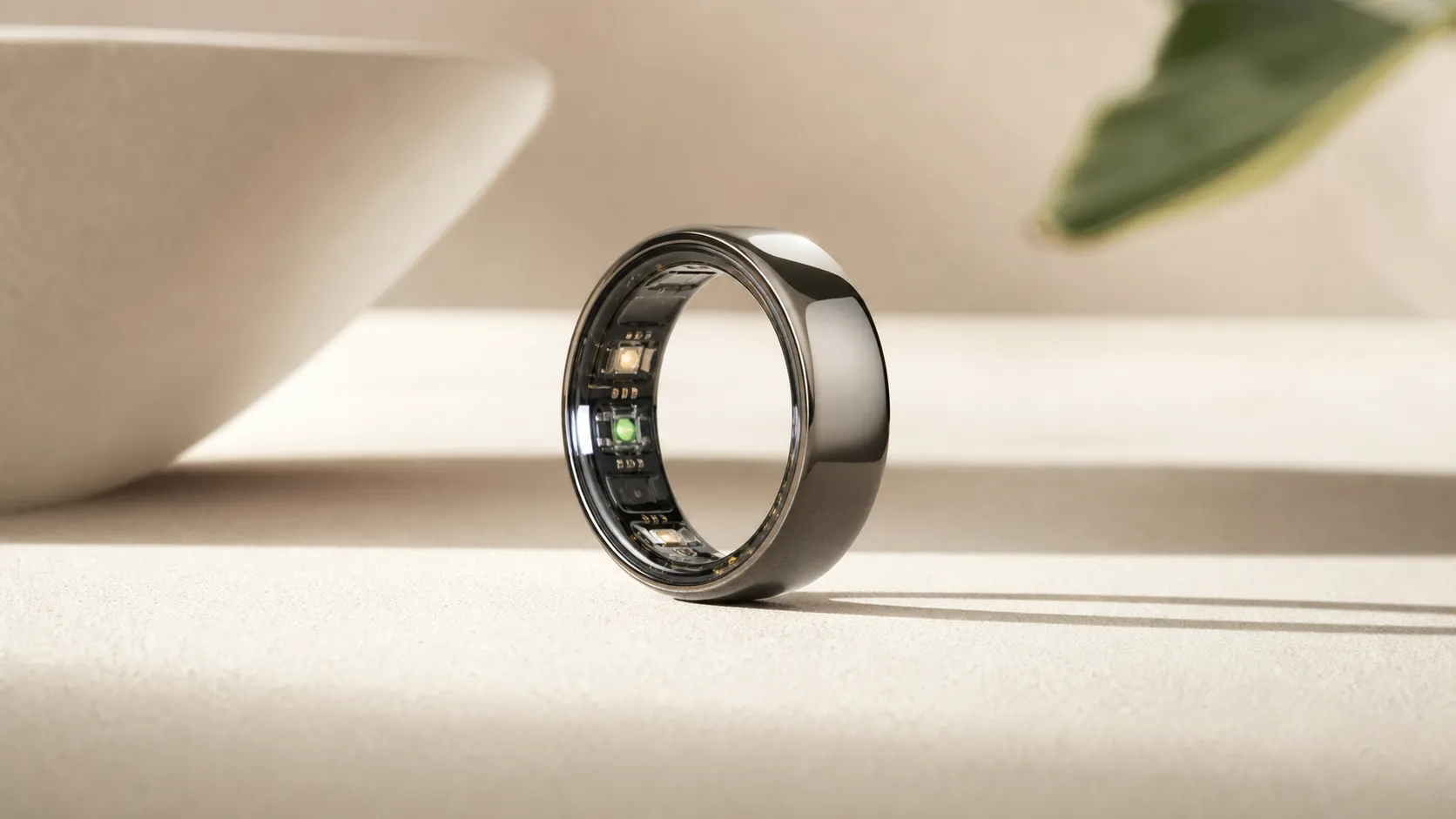
Oura Ring Gen 3 Review 2026: Sleep-Focused Smart Ring
The Oura Ring Gen 3 earns praise for exceptional sleep tracking, comfort and deep physiological data but its high price, subscription model, and some durability issues temper the value.
 Health & Wellness
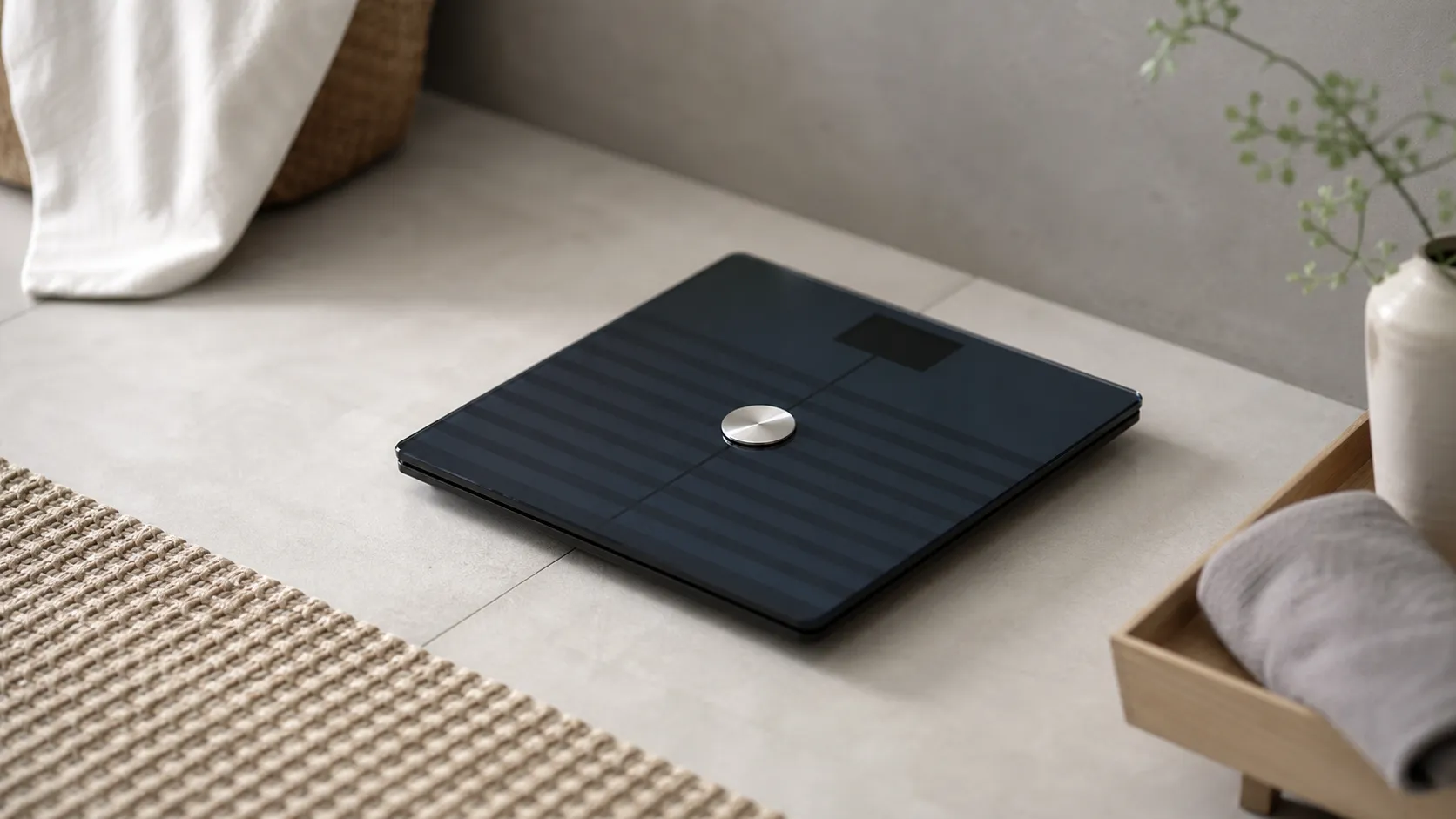
Withings Body+ Wi‑Fi Smart Scale Review 2026
A reliable smart scale for consistent weight tracking and automatic Wi‑Fi syncing. Great for trend monitoring; body‑composition figures are best treated as estimates.