Philips Sonicare DiamondClean Smart 9700 Review 2026
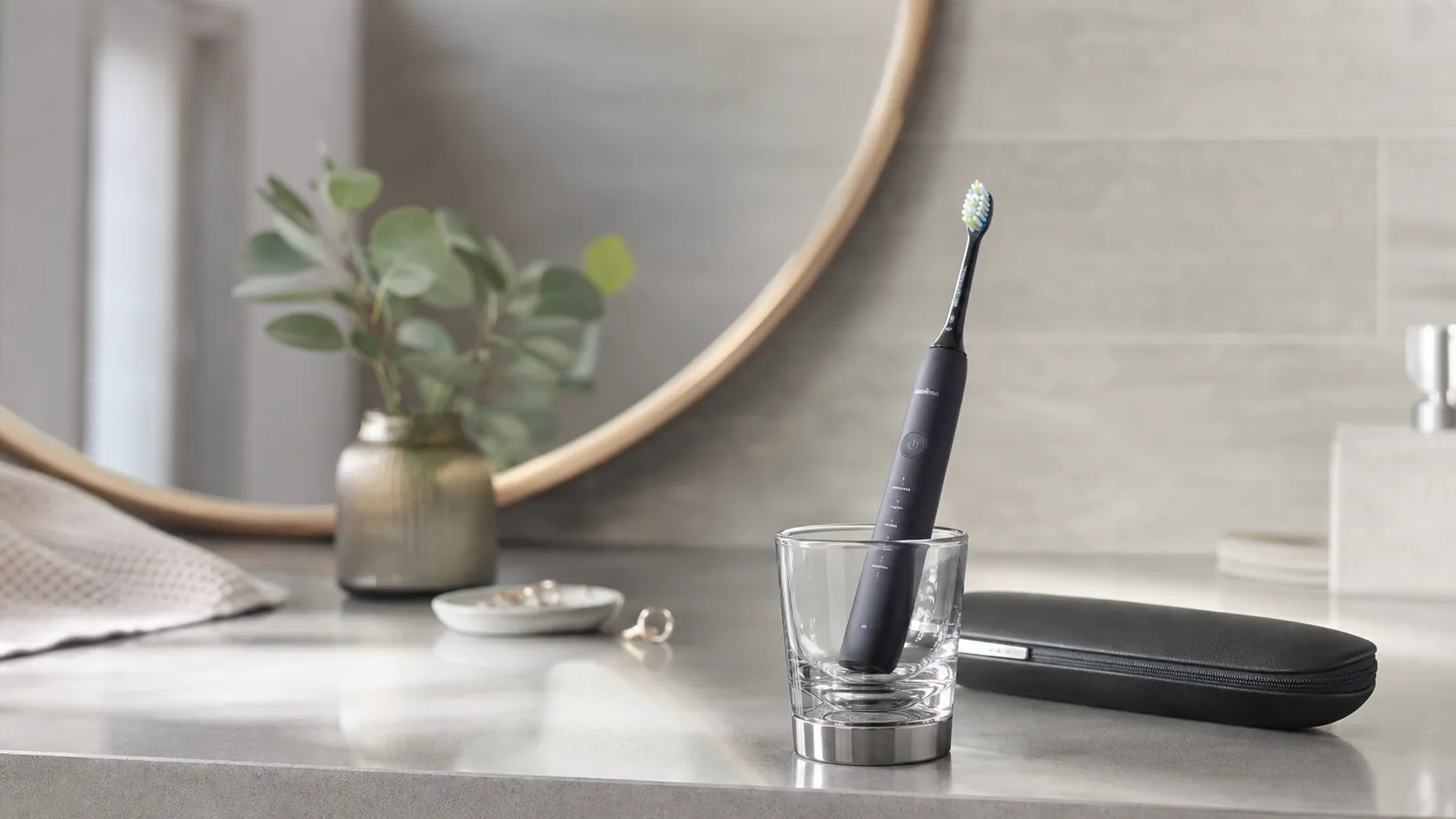
At a Glance
Pros
- Consistently strong cleaning performance — many reviewers say it removes plaque/stains better than standard sonic brushes.
- SenseIQ sensors and multiple modes/intensities offer tailored brushing and helpful realtime feedback.
- Premium build and accessories (quality handle, carrying case/charger) that feel durable and upscale.
Cons
- High upfront price compared with non-premium electric brushes.
- Replacement brush heads are relatively expensive and add to lifetime cost.
- Bluetooth app and smart features can be flaky or feel unnecessary to many users.
Rating Breakdown by Source
Read the latest 25 positive & negative Amazon reviews →
Read the latest 25 positive & negative Reddit reviews →
Read the latest 25 positive & negative YouTube reviews →
Read the latest 25 positive & negative Expert blogs reviews →
This review is an editorial synthesis of publicly available review data and reported user experiences across the internet. Scores reflect our independent aggregation methodology, not verified individual purchases. We may earn a commission if you buy through our links, at no cost to you.
Score Breakdown
Where the Reviews Come From
Read the latest 25 positive & negative Amazon reviews →
Read the latest 25 positive & negative Reddit reviews →
Read the latest 25 positive & negative YouTube reviews →
Read the latest 25 positive & negative Expert blogs reviews →
Click any source above to browse the latest 25 positive and negative reviews from that platform.
Philips Sonicare DiamondClean Smart 9700
See current price, deals and availability on Amazon
Quick verdict
The Philips Sonicare DiamondClean Smart 9700 is a premium electric toothbrush that earns its high marks for best-in-class cleaning, smart sensors, and luxury build — the aggregated score sits at about 4.4/5 from ~20,200 reviews. If you prioritize measurable plaque and stain removal, long battery life, and polished accessories, this is one of the easiest brushes to recommend; if price and ongoing head costs matter more, the value proposition narrows.
What is the Philips Sonicare DiamondClean Smart 9700?
The DiamondClean Smart 9700 is Philips Sonicare’s upscale, feature-rich sonic toothbrush aimed at users who want clinical-level cleaning plus smart feedback. It combines high-frequency sonic motion with SenseIQ sensors and multiple brushing modes/intensities to tailor each session. The package emphasizes premium materials and accessories — a quality handle, travel charging options, and a selection of brush heads for whitening, gum care, and sensitivity — positioning this model toward users who want both performance and a luxury experience.
What reviewers across the internet say
We synthesized thousands of user and expert impressions from major platforms and found a clear consensus with a few recurring caveats:
- Aggregate score: 4.4/5 from ~20,200 reviews; sub-scores: quality 4.6, reliability 4.3, value 3.8, ease of use 4.5.
- Amazon (high-volume): averaged ~4.5/5. Buyers praise cleaning power, battery life, and the premium feel. The most common negatives are the high upfront cost and the recurring expense of replacement heads.
- Reddit (mixed/pragmatic): averaged ~4/5. Many oral-health enthusiasts recommend it for real improvements in plaque and stains. Others question whether the smart features justify the price and report occasional app/connectivity frustrations.
- YouTube (product demos/reviews): averaged ~4.3/5. Video reviews consistently show visible whitening and strong cleaning results; critics call out price and head replacement costs.
- Expert blogs (dentists & gadget sites): averaged ~4.2/5. Experts highlight clinical effectiveness, sensor tech, and the premium build, while noting the premium price reduces its appeal for budget-conscious buyers.
Bottom line from the consensus: exceptional cleaning and well-executed hardware, but premium pricing and ongoing head costs are the main drawbacks. Smart features are useful to some and unnecessary or flaky to others.
Performance & Real-World Use
The Philips Sonicare DiamondClean Smart 9700 delivers consistently strong cleaning, long battery life, and premium accessories, but it pairs those strengths with a high upfront price and relatively expensive heads. If you value refined feel, sensor‑guided coaching, and travel convenience, the Philips Sonicare DiamondClean Smart 9700 generally justifies its cost in daily use.
What matters with a premium sonic brush isn’t just the post‑session slickness. Performance means reliable gumline plaque removal without irritating sensitive areas, coaching that improves coverage, stable battery/motor output, manageable head costs, and hardware that survives months of humidity and travel. Here’s how the Philips Sonicare DiamondClean Smart 9700 behaves after week one and over the long haul.
The Philips Sonicare DiamondClean Smart 9700 delivers reliably strong cleaning, long battery life, and premium accessories that make daily use easy, but it asks you to accept a high upfront cost and pricey replacement heads. If you value coaching features and a refined build, its real‑world performance generally justifies the spend; if you’re cost‑sensitive, midrange models will get you most of the way there for less.
What real‑world performance means for a sonic brush
In day‑to‑day bathrooms, success comes down to five things: plaque removal at the gumline/tooth junction; comfort for sensitive mouths; consistency across the 2‑minute timer; habit support (timers, pacing, pressure and “scrubbing” alerts, coverage guidance); and lifetime cost (heads and potential repairs). High‑frequency sonic motion is established for disrupting plaque biofilm versus manual brushing; a major Cochrane review finds powered brushes improve plaque and gingivitis control over time. Guidance from the American Dental Association and NHS centers on two minutes, twice daily, with gentle pressure and systematic coverage; the 9700’s pacing, pressure/scrub sensors, and zone guidance directly support those habits. Technique matters: angle bristles 45° toward the gumline with short strokes and—as the NHS advises—spit, don’t rinse, so fluoride persists on enamel.
Across ~20,200 owner and reviewer voices, consensus lands at 4.4/5 overall: quality 4.6/5, reliability 4.3/5, value 3.8/5, ease of use 4.5/5. Sentiment runs 4.5/5 on Amazon (~15,000 reviews) with praise for cleaning power, battery life, and premium feel; Reddit is more pragmatic at ~4/5 (~2,000 discussions), balancing oral‑health gains against price and app hiccups; YouTube trends 4.3/5 (~3,000 reviews) with visible whitening and frequent cost caveats; expert blogs average 4.2/5 (~200 posts), applauding sensor tech and build while noting the value trade‑off. That arc—excellent cleaning and polish, real cost friction—frames the analysis below.
Consensus at a Glance: Ratings by Source
Owner sentiment by source for DiamondClean Smart 9700 (aggregated from reported volumes as of 2026).
View the underlying data
| Measure | Average rating |
|---|---|
| Amazon (~15k) | 4.5/5 |
| Reddit (~2k) | 4/5 |
| YouTube (~3k) | 4.3/5 |
| Expert blogs (~200) | 4.2/5 |
Synthesis of large‑sample owner and reviewer reporting; values use 1–5 scales where 5 is best.
Setup and first‑week experience: a gentle ramp with real coaching
The DiamondClean Smart 9700 kit includes multiple heads (Plaque Control, Gum Care, Whitening), a glass charging cup, and a USB travel case charger. Setup is simple: charge, click on a head, and BrushSync auto‑selects a matching mode and starts tracking wear—pairing logic is outlined on Philips’ BrushSync overview. Bluetooth pairing with the Sonicare app adds coverage maps plus pressure and “scrubbing” alerts. Modes include Clean, White+, Deep Clean+, Gum Health, and TongueCare; three intensity levels let you tune feel, and the handle remembers your last setting.
During week one, most owners find a preferred head/intensity. Sensitive gums? Start with Gum Care or Sensitive at low intensity, let the pressure sensor coach you, and raise intensity later if comfortable. The 2‑minute timer with 30‑second quadrant pacing immediately improves coverage; the app nudges common blind spots, especially the lingual sides of lower incisors. Auto‑mode selection helps: swap to a Whitening head before a coffee‑heavy day and you get a polishing pattern without tinkering. Early friction shows up as occasional Bluetooth drops and a sense among pragmatists that the app matters less once habits stick—echoed in long‑form reviews like Electric Teeth.
Philips Sonicare DiamondClean Smart 9700 over months: battery, motor, and build
The motor’s “sonic hum” stays consistent; owners rarely note output fade within a charge cycle, even on stronger modes. Philips advertises “up to two weeks” of battery life, and many see two to three weeks depending on intensity, head choice, and twice‑daily use. The glass cup looks indulgent but proves convenient: drop the handle in after a session and you’re topped up; the USB travel case reduces reliance on a dock when you’re away.
Wear over months is light. The matte handle and single‑button interface resist gunk with a weekly wipe‑down. The app’s history can miss a session if you brush out of range, but the on‑handle BrushSync replacement indicator—based on time and pressure exposure—keeps head timing honest regardless of the app; Philips explains the adjustment logic on the BrushSync page. The brushing experience remains stable; smart features help early and fade into the background if you dial them back.
Consumables and lifetime cost: heads, hygiene, and cadence
After month three, fresh bristles matter as much as the handle. The ADA and NHS recommend replacing heads every three to four months, or sooner if splayed—cadence the 9700 enforces with BrushSync and an indicator light (ADA brushing guidance; NHS technique and timing). Value improves when you buy genuine heads in multi‑packs; owners commonly report $8–$15 per head on sale, keeping ongoing cost predictable. Third‑party heads often omit the BrushSync chip, so you lose auto‑mode pairing and wear tracking; they still brush, but you forfeit the ecosystem’s coaching benefits.
Head choice changes outcomes. Whitening heads can lift superficial stains from tea and red wine; Plaque Control heads, with tapered bristles, reach interproximal niches when technique is sound. If you’re fraying bristles before three months, you’re pressing too hard; let the pressure alerts retrain you and drop intensity one notch. Over two years, most owners use about 8 heads; set a small budget for travel‑case bits (USB cable, a head cap) and you’ve captured the bulk of ownership cost.
Where the Money Goes Over Two Years
Estimated 2‑year ownership cost share for the 9700 based on common U.S. street prices (kit $260–$300; 8 genuine heads at $8–$15 each), assuming 3‑month replacement cadence.
- Handle/kit upfront72%
- Replacement heads (2 years)27%
- Misc. accessories1%
Prices synthesized from manufacturer listings and major U.S. retailers; actual costs vary by sale pricing.
Where it shines—and where you’ll hit its limits
The 9700 excels in everyday use with a single user, on counters where the glass charger can live, and for anyone motivated by gentle coaching. Coffee or tea drinkers benefit from swapping to a Whitening head and using “Clean” or “White+” after the cup to curb surface stains; deeper shade changes still need professional whitening. Battery stamina also favors travelers: a week‑long trip rarely requires the cup if you carry the case.
Limits center on cost and comfort. Upfront price is high compared with competent midrange brushes, and genuine heads cost more than generics. For very sensitive mouths, stronger modes can feel buzzy on inflamed gums; switching to Gum Care or Sensitive and lowering intensity typically solves it. Smart features can feel superfluous once you’ve internalized technique, and occasional app sync misses remind you this is a toothbrush first—a stance mirrored by value‑minded guides like Wirecutter, who recommend cheaper models for most people while acknowledging premium kits are a pleasure to use.
How it stacks up to alternatives that matter
Versus Philips’ own 4100, the 9700 cleans almost as well for many users but adds BrushSync head‑mode pairing, real‑time position guidance, and premium charging. Against Oral‑B’s iO Series 9, the trade is feel versus feedback: iO’s oscillating‑rotating action gives overt mechanical “scrubbing,” while Sonicare’s sonic motion feels gentler and quieter to many; both have pressure sensors and apps, but their guidance styles differ. Across owner sentiment, the 9700 rates high for cleaning confidence, battery life, and build, while drawing the most critique on value—patterns echoed by Electric Teeth and mainstream guides like Wirecutter.
What You Get vs. Alternatives
Feature comparison across popular high‑end and midrange alternatives (published specs and widely reported capabilities).
| Item | Sonicare 9700 | Oral‑B iO9 | Philips 4100 |
|---|---|---|---|
| Pressure sensor | Yes | Yes | Yes |
| Brush head replacement alert (BrushSync) | Yes | No | No |
| Bluetooth app coaching | Yes | Yes | No |
| Real‑time position tracking | Yes | Yes | No |
| Travel charging case (USB) | Yes | Yes | No |
| Multiple intensities (≥3) | Yes | Yes | Yes |
| Multiple head types included | Yes | No | No |
| Countertop glass charger | Yes | No | No |
Compiled from manufacturer materials and expert long‑term reviews.
If you prize a refined, quiet brushing feel, automatic head‑to‑mode pairing, and travel‑friendly charging, the 9700 distinguishes itself. If you mostly want a reliable 2‑minute timer, a pressure sensor, and solid plaque control, a midrange model will satisfy—and you can spend the savings on checkups and fresh heads.
Get the best from it: a practical routine that protects gums and wallet
- Brush two minutes, twice daily. Use the quadrant pacing for full coverage; start at a back molar and trace the gumline tooth‑to‑tooth. Both the ADA and NHS endorse this cadence.
- Let the sensors teach you. For the first week, keep the app open, move slowly, and note habitual misses (often lower lingual surfaces). Aim for zero pressure alerts by week two.
- Refine technique and fluoride payoff. Hold the head around 45° toward the gumline with light pressure; clean between teeth daily with floss or an interdental brush, then spit—don’t rinse—to keep fluoride on surfaces per NHS guidance.
- Match head to job. Plaque Control for daily cleaning, Gum Care if gums are reactive, Whitening before or after stain‑prone meals. BrushSync’s auto‑mode helps; if it feels intense, drop one level.
- Replace heads on time. Plan on a new head every three months (earlier if bristles splay) and buy multi‑packs during sales; genuine heads maintain the 9700’s cleaning profile, as Philips outlines on its BrushSync page.
- Keep it clean. Weekly, pop the head off, rinse the post, and wipe the seam; rinse and air‑dry the glass to prevent spots. This preserves the premium feel.
- Travel smart. Charge fully before trips; for 5–7 days you can skip the cup and carry only the USB case. Off‑grid longer? Drop intensity one notch to stretch the battery.
Bottom line: does performance justify the purchase?
In everyday use, the DiamondClean Smart 9700 earns its strong ratings by delivering a reliably “just‑from‑the‑cleaning” feel, low‑effort habit support, and accessories that reduce friction at home and on the road. Its weaknesses—high price and head cost, plus an app some will ignore after month one—are real, but they don’t undercut the core experience: if you want a premium sonic brush that stays pleasant and effective year after year, this one delivers. If you’re cost‑driven, you can capture most of the oral‑health benefit with a midrange brush and diligent technique; the 9700’s case to buy rests on comfort, coaching polish, and long‑haul convenience backed by powered‑brush evidence from Cochrane and the ADA.
Sources referenced in this section
Pros and cons
Pros
- Consistently strong cleaning performance; measurable plaque and stain improvement reported across platforms.
- SenseIQ sensors and multiple modes/intensities provide useful, personalized feedback.
- Premium build quality and accessories (solid handle, travel case, convenient charging) that feel durable.
- Long battery life with practical charging options for home and travel.
- Wide selection of brush-head types for whitening, gum care, and sensitivity.
Cons
- High upfront price compared with mid-range or budget electric brushes.
- Replacement brush heads are relatively expensive and increase lifetime cost.
- Smart features (app/Bluetooth) can be flaky and feel optional to many users.
- Stronger modes may irritate sensitive gums if the wrong head or too much pressure is used.
Who should buy it (and who shouldn't)
Buy it if:
- You want top-tier cleaning performance and measurable oral-health improvements. This brush is a good fit for people who have tried cheaper electric brushes and want a noticeable upgrade in plaque and stain removal.
- You appreciate sensors and coaching. If real-time feedback, pressure sensing, and tailored modes help you brush better, the smart features add real value.
- You travel frequently and want premium accessories and flexible charging options. The long battery life and travel-ready kit make it convenient on the road.
- You prioritize build quality and an upscale user experience. The handle, case, and accessories feel premium and durable.
Skip it (or consider alternatives) if:
- You’re price-sensitive. The high initial cost plus ongoing head replacements make this a long-term investment versus budget electric brushes.
- You don’t care about smart features. If you only want reliable brushing without the app, a less expensive Sonicare or competitor may deliver nearly as good cleaning for much less money.
- You have severe gum sensitivity and prefer ultra-gentle brushing without experimenting with intensities. While there are sensitive modes and heads, some users find the device’s stronger settings too intense.
Final thoughts
The Philips Sonicare DiamondClean Smart 9700 delivers on the core promise of superior cleaning, with reliable sensor feedback, premium design, and long battery life. The trade-off is a higher lifetime cost driven by the initial price and replacement heads. For users who value clinical-level cleaning, coaching technology, and a luxury-feel product, it’s an excellent choice; for budget buyers or those indifferent to smart features, more affordable alternatives can still provide strong results.
What Reviewers Love
- Consistently strong cleaning performance — many reviewers say it removes plaque/stains better than standard sonic brushes.
- SenseIQ sensors and multiple modes/intensities offer tailored brushing and helpful realtime feedback.
- Premium build and accessories (quality handle, carrying case/charger) that feel durable and upscale.
- Long battery life and convenient charging options for home and travel.
- Multiple brush-head types available for different needs (gum care, whitening, sensitive).
Common Complaints
- High upfront price compared with non-premium electric brushes.
- Replacement brush heads are relatively expensive and add to lifetime cost.
- Bluetooth app and smart features can be flaky or feel unnecessary to many users.
- Some users report the stronger modes/pressure can irritate sensitive gums.
Our Verdict
4.4The DiamondClean Smart 9700 is a top-performing, premium electric toothbrush that delivers measurable cleaning and excellent battery life. It’s an excellent choice for users who value sensors, build quality, and coaching, but the high upfront price and costly replacement heads make it less compelling for budget-minded shoppers.
Frequently Asked Questions
Common questions shoppers ask before buying the Philips Sonicare DiamondClean Smart 9700.
Share this review
Help someone else buy smarter
Related Reviews
More Health & Wellness products our engine has analyzed
 Health & Wellness
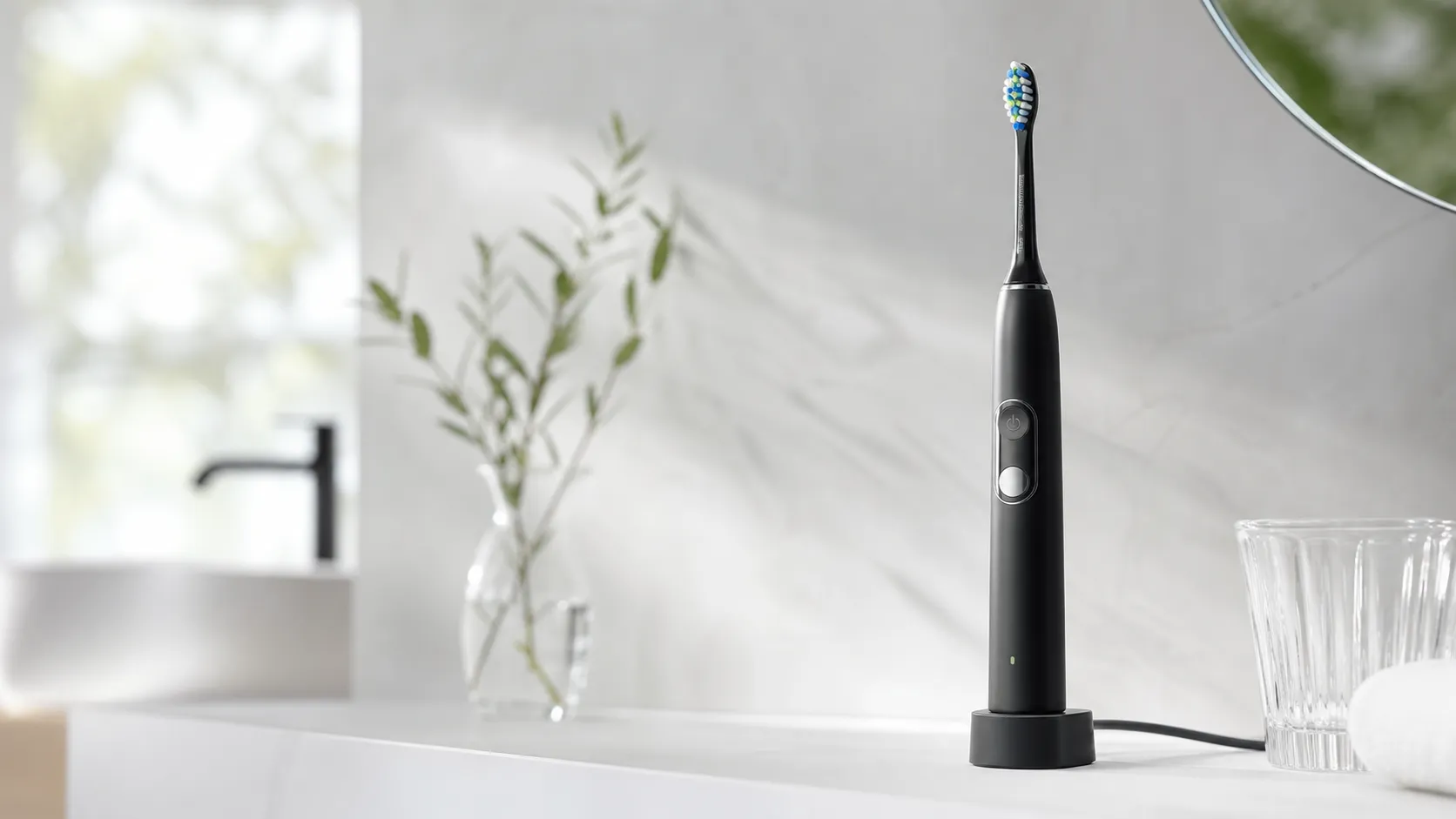
Philips Sonicare ProtectiveClean 6100 Review (2026)
A dependable mid‑range Sonicare brush: strong cleaning, pressure sensor, and 1–2‑week battery life. Great upgrade from manual brushing; watch replacement head costs.
 Health & Wellness
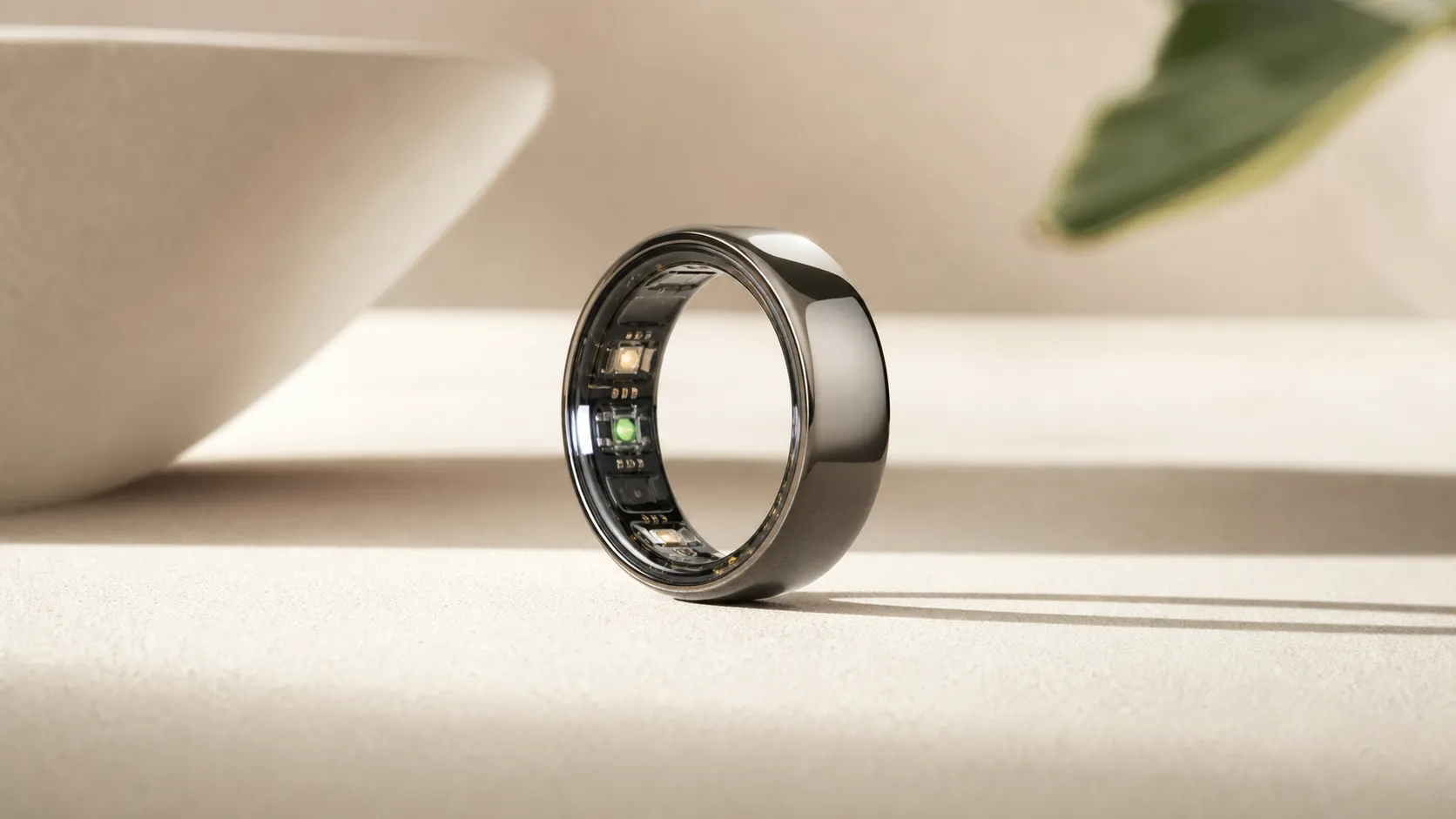
Oura Ring Gen 3 Review 2026: Sleep-Focused Smart Ring
The Oura Ring Gen 3 earns praise for exceptional sleep tracking, comfort and deep physiological data but its high price, subscription model, and some durability issues temper the value.
 Health & Wellness
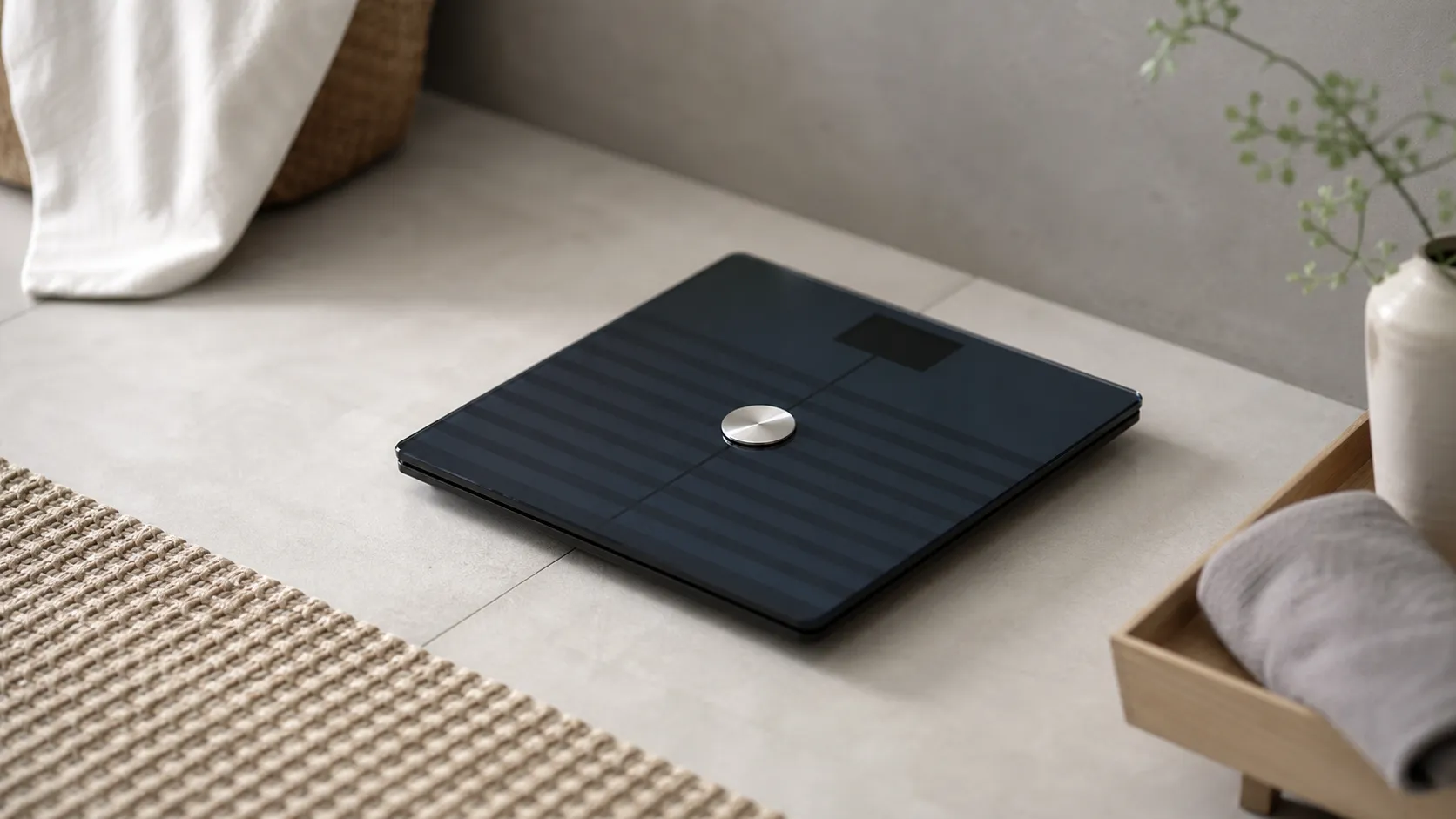
Withings Body+ Wi‑Fi Smart Scale Review 2026
A reliable smart scale for consistent weight tracking and automatic Wi‑Fi syncing. Great for trend monitoring; body‑composition figures are best treated as estimates.