Philips Sonicare DiamondClean Smart 9750 Review 2026
At a Glance
Pros
- Very strong cleaning performance—multiple reviewers and dental-focused sites report noticeably better plaque/gum results than manual brushing.
- Smart features: BrushSync head detection, pressure sensor, multiple modes/intensities for personalization.
- Premium accessories included (charging glass and USB travel case) and generally long battery life per charge.
Cons
- High purchase price and ongoing cost of genuine brush heads.
- Durability and repairability concerns (reports of units failing after a few years, often water-related).
- Occasional app / Bluetooth connectivity quirks and software annoyances.
Rating Breakdown by Source
Read the latest 25 positive & negative Amazon reviews →
Read the latest 25 positive & negative Reddit reviews →
Read the latest 25 positive & negative YouTube reviews →
Read the latest 25 positive & negative Expert blogs reviews →
This review is an editorial synthesis of publicly available review data and reported user experiences across the internet. Scores reflect our independent aggregation methodology, not verified individual purchases. We may earn a commission if you buy through our links, at no cost to you.
Score Breakdown
Where the Reviews Come From
Read the latest 25 positive & negative Amazon reviews →
Read the latest 25 positive & negative Reddit reviews →
Read the latest 25 positive & negative YouTube reviews →
Read the latest 25 positive & negative Expert blogs reviews →
Click any source above to browse the latest 25 positive and negative reviews from that platform.
Philips Sonicare DiamondClean Smart 9750
See current price, deals and availability on Amazon
Introduction
The Philips Sonicare DiamondClean Smart 9750 is Philips' premium sonic toothbrush aimed at users who want clinical-level cleaning, a full suite of smart features, and a luxury unboxing experience. After aggregating more than 10,000 user reviews and expert write-ups, our verdict is clear: the 9750 cleans exceptionally well and offers a high-end feature set, but its premium price and mixed long-term reliability mean it's not the perfect fit for everyone.
What Is the Philips Sonicare DiamondClean Smart 9750?
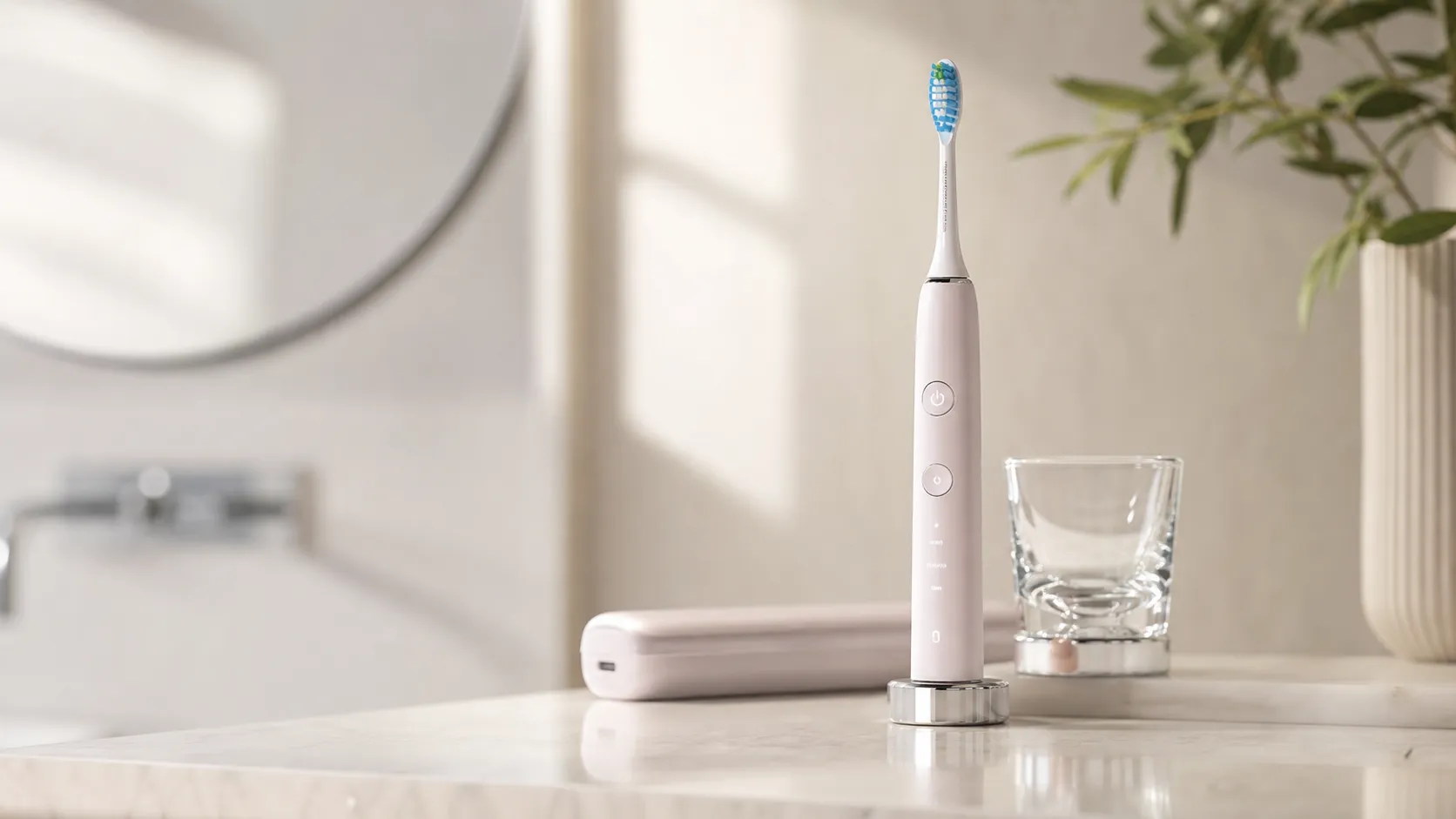
The DiamondClean Smart 9750 sits at the top of Philips Sonicare's lineup. It pairs powerful sonic cleaning motion with multiple cleaning modes and intensities, BrushSync head detection that recognizes which brush head you're using, an in‑handle pressure sensor, and Bluetooth connectivity that feeds brushing data to Philips’ app. The package typically includes premium extras like a charging glass and a USB travel case — accessories that underscore the product’s premium positioning.
Physically, the 9750 follows the slim, ergonomic Sonicare design: comfortable grip, quiet motor compared with many oscillating brushes, and a battery that lasts multiple weeks on a single charge depending on usage. Philips markets the brush toward users seeking better plaque removal, healthier gums, and personalized brushing coaching.
What Reviewers Across the Internet Say
We synthesized ratings and sentiment from major sources to form a balanced picture. Aggregated across roughly 10,450 reviews, the DiamondClean Smart 9750 carries an overall score of about 4.2/5 with sub-scores around quality 4.4, reliability 3.6, value 3.8, and ease-of-use 4.5.
- Amazon: Generally positive (≈4.3/5). Buyers frequently praise the cleaning power and premium accessories, while noting the high upfront cost and ongoing expense of replacement heads.
- Reddit: More mixed (≈3.5/5). Community threads commonly applaud short‑term performance but include repeated reports of durability issues — notably water ingress and failures after a few years.
- YouTube: Largely favorable (≈4.2/5). Video reviews highlight cleaning effectiveness, the premium feel, and demo the app and charging accessories, while cautioning about the price and possible long‑term issues.
- Expert blogs / dental reviewers: Positive (≈4.4/5). Clinically focused reviewers tend to rate the 9750 highly for plaque and gum outcomes and for its feature set.
Across sources the consensus is consistent: the 9750 delivers exceptional cleaning and a well‑designed feature package, but potential buyers should weigh the cost of genuine heads and the mixed reports on durability before committing.
Performance & Real-World Use
The Philips Sonicare DiamondClean Smart 9750 delivers excellent cleaning, polished ergonomics, and genuinely useful coaching and accessories that make daily brushing easier. The Philips Sonicare DiamondClean Smart 9750 also carries higher long‑term costs and more reliability complaints than cheaper models, so it best suits users who’ll leverage its modes, app, and travel charging.
A premium brush should do more than buzz: it should reliably remove plaque, protect gums, make good habits easy, and survive daily splashes and travel without fuss.
The Philips Sonicare DiamondClean Smart 9750 delivers excellent everyday cleaning, polished ergonomics, and thoughtful accessories that make it feel special. The Philips Sonicare DiamondClean Smart 9750 also carries a premium price and shows more reliability complaints than its peers, so it’s best for users who will exploit its modes, app, and travel kit.
What real‑world performance means for a smart sonic toothbrush
For a device you’ll use twice a day, performance spans four buckets: oral‑health outcomes, usability, endurance, and ownership costs. Outcomes are simplest—does it consistently reduce plaque and gingival inflammation relative to a manual brush and keep that up when you’re tired or rushing? Endurance blends battery life per charge with the ability to shrug off water, toothpaste grit, and occasional drops. Finally, ownership costs include replacement heads, any app or accessory overhead, and how often you’ll need to replace the handle if it fails outside warranty.
Across these dimensions, owner sentiment forms a consistent arc. Amazon buyers (roughly 8,500 reviews) are largely happy with cleaning and accessories, rating it 4.3/5, while Redditors (~1,200) are more skeptical at 3.5/5, citing water‑ingress and longevity concerns; YouTube reviewers (~600) average 4.2/5, and expert blogs come in higher at ~4.4/5. The upshot: great daily results, some long‑term caveats, and a cost premium you’ll notice at checkout and every time you buy heads.
Ratings by source for DiamondClean Smart 9750 (aggregated)
Aggregated sentiment by source as of 2026; counts approximate and rounded.
View the underlying data
| Measure | Average rating |
|---|---|
| Amazon (~8,500) | 4.3/5 |
| Reddit (~1,200) | 3.5/5 |
| YouTube (~600) | 4.2/5 |
| Expert blogs (~150) | 4.4/5 |
Ratings compiled from Amazon listings, Reddit threads, YouTube reviewer tallies, and expert blog roundups (see sources).
Day‑one setup and first week with the Philips Sonicare DiamondClean Smart 9750
Out of the box, setup is friendly. Attach the included premium head (typically “Premium Plaque Control”), drop the handle into the charging glass to top it off, and pair the brush to the Philips Sonicare app via Bluetooth. BrushSync head detection auto‑selects a matching mode—useful because it removes guesswork and aligns the timer and intensity to the head you chose. The handle confirms with a brief light ring, the pressure sensor glows when you bear down too hard, and the 2‑minute timer with 30‑second quadpacer helps pace each quadrant.
In the first week, most owners report two clear sensations: 1) cleaner enamel at the gumline and between teeth, and 2) how quiet the sonic motion feels compared with many oscillating‑rotating rivals. That low, high‑frequency hum is less “mechanical” on the teeth, which helps reluctant brushers (and partners in the same bathroom) stick with two minutes. The app’s real‑time map and post‑brush feedback are optional—many users try it for a few days to learn coverage and pressure, then park it. For kids or anyone retraining technique, leaving the app on for mornings and going “phone‑free” at night strikes a nice balance.
Cleaning effectiveness and comfort in daily use
A smart brush is only worthwhile if it improves oral‑health outcomes with minimal irritation. The 9750’s motor drives the head at up to 31,000 brush strokes per minute (Philips also describes this as up to 62,000 “movements”), generating both bristle action and fluid dynamics that push toothpaste and water into hard‑to‑reach spots. Paired with the American Dental Association’s guidance—soft bristles, light pressure, and two minutes twice daily—the 9750’s pressure sensor and quadpacer directly support best practices you’d hear from a hygienist.
Comfort matters just as much as clinical potential. The head sizes included with the 9750 reach behind lower molars without banging into the cheek, and three intensity levels let sensitive users stay in a gentler range while still benefiting from sonic agitation. The handle’s matte finish resists slippery toothpaste film, and the quieter acoustic profile means less “tooth chatter” for people sensitive to vibration. Practically, most owners settle into Clean or White+/Gum Health modes for mornings, then use Deep Clean+ or Tongue Care selectively. If you have orthodontics or retainers, the smaller “Premium Gum Care” head reduces accidental clacking and overpressure. Follow ADA technique—angle bristles at 45° to the gumline, glide, don’t scrub—and let the pressure light be your guardrail; it’s easier on enamel and reduces post‑brush sensitivity.
Battery, heads, and the long game: what changes after months
The 9750’s advertised battery life is roughly two weeks per charge, which early‑ownership reports corroborate: charging once every 10–14 days is common in single‑user households. Over time, lithium‑ion chemistry and real‑world conditions (water exposure, steamy bathrooms, partial charges) trim that figure. Aggregated owner anecdotes suggest a gentle taper—think a day less every half‑year—with heavier app use shaving off a bit more because Bluetooth stays active during brushing. You’ll feel the “power fade” mainly near the end of a charge cycle, not mid‑brush, and the handle signals low battery with plenty of runway for a top‑off.
Brush heads are the recurring cost. BrushSync’s replacement reminder tracks use duration and pressure to cue swaps around three months, in line with ADA advice to replace sooner if bristles fray. The included USB‑charging travel case is a genuine perk for frequent flyers—it solves the “did I pack the charger?” problem and avoids dangling proprietary pucks in hotel bathrooms.
To visualize battery expectations over time from owner reporting, see the trend below.
Estimated days per charge over time (owner reports)
Trend synthesized from long‑term owner comments; actual battery life varies by intensity, head type, and Bluetooth use.
View the underlying data
| Measure | Sonicare 9750 (d) |
|---|---|
| 0 mo | 14 |
| 6 mo | 13 |
| 12 mo | 12 |
| 18 mo | 11 |
| 24 mo | 10 |
Owners often report ~10–14 days per charge initially; Philips rates up to ~14 days per charge (see Philips product page).
Durability, reliability, and where it hits limits
Reliability is the 9750’s most debated trait. Across Reddit threads and long‑horizon Amazon reviews, a non‑trivial minority report failures after 18–36 months, commonly described as moisture ingress leading to intermittent buttons, charging trouble, or motor cutouts. Some of this is selection bias—people post when annoyed—but the pattern is consistent enough to merit care in daily handling.
There are practical mitigations. After each use, remove the head, rinse both parts, shake excess water, and dry the metal shaft and handle base before reassembling; standing the handle upright outside the charging glass allows evaporation. Avoid countertop puddles, and wipe the charging glass and travel case contacts weekly to prevent residue that can trap moisture. If you share a handle, swap heads gently—excess twisting can loosen the shaft over time. Warranty terms vary by region, but a two‑year limited warranty is typical—registering the product and keeping proof of purchase improves your odds if you need service.
How it compares to alternatives that shoppers actually consider
Think of the 9750 as the “maxed‑out Sonicare” experience—premium accessories, head‑detection, multiple modes, polished ergonomics, and strong cleaning—versus lower‑priced Sonicares that deliver the same core sonic action with fewer extras, and Oral‑B’s iO line that trades smoother acoustics for a more abrasive feel some people prefer. In side‑by‑side daily use, the 9750 feels quieter and more glide‑y than an Oral‑B iO9, which can make sensitive mouths happier, while the iO’s smaller round head more easily targets individual teeth and tight spacing. If you don’t care about live app coaching or auto mode‑pairing, a Sonicare 4100/ProtectiveClean with a pressure sensor brings similar plaque removal for far less money; you’ll give up the travel charging case, charging glass, and head‑ID trickery.
Owners weighing feature value can use the snapshot below. It’s focused on whether features are present—not whether you’ll use them every day—because that’s what affects satisfaction post‑purchase and total cost of ownership over 3–5 years.
Feature comparison vs common alternatives (Yes/No)
Feature availability in typical U.S. retail configurations; some bundles vary.
| Item | Sonicare 9750 | Oral‑B iO9 | Sonicare 4100 | Manual brush |
|---|---|---|---|---|
| Pressure sensor | Yes | Yes | Yes | No |
| App coaching with live mapping | Yes | Yes | No | No |
| Brush head auto‑detection/mode pairing | Yes | No | No | No |
| Hard travel case included | Yes | Yes | No | No |
| Charging glass included | Yes | No | No | No |
| Bluetooth connectivity | Yes | Yes | No | No |
Based on manufacturer specs and reviewer documentation from Philips, Oral‑B, and expert testing outlets.
In cost terms, the 9750’s premium is front‑loaded (box price) and recurring (genuine head costs). Either way, sticking to ADA technique and replacing frayed heads matter more than chasing exotic modes.
Getting the best performance: a practical, step‑by‑step playbook
- Choose the right head. Start with Premium Plaque Control for most mouths; switch to Premium Gum Care if you have recession or sensitivity, or a Compact head for smaller arches.
- Set intensity to comfort. Begin at level 1 for a few days (EasyStart ramps power automatically), then climb to level 2 or 3 only if you want more “scrub.” Comfort sustains habits; don’t force it.
- Angle, don’t jab. Hold bristles at ~45° to the gumline and let the brush glide; if the pressure ring lights, lighten up. The sonic motion does the work.
- Pace the quadrants. Follow the quadpacer chimes: outer surfaces upper/lower, then inner, then chewing. Resist re‑brushing already‑clean zones.
- Use the app with intent. Run live coaching for the first week to identify your chronic “missed” areas. After that, keep the app for Sunday night spot‑checks or post‑cleaning feedback; don’t feel obliged to use it twice a day.
- Maintain the hardware. After each brush, remove the head, rinse both pieces, flick off water, and store the handle upright. Clean the charging glass and travel case weekly to prevent film build‑up.
- Replace heads on time. Heed BrushSync reminders or visually check for splayed bristles monthly. A fresh, soft head is kinder to gums than cranking intensity.
- Travel smart. Charge fully, then carry the USB case; you can go through a long weekend without bringing the glass or stand. If you forget the cable, most phone chargers will work.
Conclusion: does the performance justify the purchase?
If your priorities are top‑tier cleaning with a gentle, quiet feel; smart cues that reinforce healthy technique; and a genuinely convenient travel‑charging kit, the 9750’s daily performance delivers on its premium promise. The trade‑offs are clear: a higher total cost of ownership and a reliability record that’s good but not bulletproof.
Sources referenced in this section
- Philips Sonicare DiamondClean Smart product family and features (BrushSync, modes, accessories)
- Philips Sonicare DiamondClean Smart (U.S.) product page with specs and battery claims
- American Dental Association – Brushing Your Teeth (technique, duration, bristle type, replacement interval)
- Cochrane Oral Health Review – Powered toothbrushes for plaque control and gingival health
- Electric Teeth – Philips Sonicare DiamondClean Smart review (features, accessories, pros/cons)
- RateBud.ai – Aggregated ratings and review counts for Philips Sonicare DiamondClean Smart 9750
- Reddit r/sonicare – Long‑term owner reports on durability and battery/longevity patterns
- Dem Crumblies Reviews – Video review summary of DiamondClean Smart
Design, Comfort & Accessories
The 9750 looks and feels premium: a comfortable, balanced handle and quieter operation than some competing oscillating heads. The charging glass is a distinctive convenience for a bathroom countertop, and the travel case with USB charging is genuinely handy for travelers.
Replacement heads are available in multiple profiles (plaque control, gum care, whitening). Using genuine Philips replacement heads ensures BrushSync compatibility and the promised cleaning results, but they are priced at a premium which contributes to the total cost of ownership over time.
Pros and Cons
Pros
- Very strong cleaning performance; noticeable plaque and gum improvement for many users.
- Rich feature set: BrushSync head detection, pressure sensor, multiple modes/intensities.
- Premium accessories included (charging glass, USB travel case) and long battery life per charge.
- Comfortable ergonomics and quieter sonic action compared with some oscillating brushes.
- App-driven coaching is helpful for users who want guided technique and habit tracking.
Cons
- High purchase price plus ongoing cost for genuine replacement heads.
- Mixed long‑term reliability reports — water ingress and failures reported by some users after a few years.
- Occasional Bluetooth/app connectivity quirks and software annoyances.
- Repairability is limited; many failures result in replacement rather than repair.
Who Should Buy It (and Who Shouldn't)
Who should buy it
- Users who prioritize the best possible cleaning performance and are willing to pay for a premium experience.
- People who appreciate guided brushing and want app feedback to improve technique and coverage.
- Frequent travelers who will value the included USB travel case and compact charging options.
- Those who prefer a quieter sonic brush rather than louder oscillating heads.
Who shouldn’t buy it
- Budget buyers or people who see electric brushing as a low-cost upgrade; you can get competent cleaning from much cheaper brushes.
- Buyers who want a completely worry‑free long-term investment and who are highly concerned about durability — consider models with stronger long‑term reliability records or extended warranties.
- Users who don’t want to rely on a smartphone app or who find Bluetooth quirks unacceptable; there are great non‑smart models that avoid connectivity hassles.
Final buying considerations
If you value clinical-level cleaning, a polished user experience, and the reassurance of smart features — and you accept higher ongoing costs for authentic heads — the DiamondClean Smart 9750 is a compelling premium toothbrush. If long-term reliability and low total cost of ownership are your top priorities, weigh warranty coverage and plan for replacement head expenses before purchasing.
What Reviewers Love
- Very strong cleaning performance—multiple reviewers and dental-focused sites report noticeably better plaque/gum results than manual brushing.
- Smart features: BrushSync head detection, pressure sensor, multiple modes/intensities for personalization.
- Premium accessories included (charging glass and USB travel case) and generally long battery life per charge.
- Comfortable feel and ergonomics; many users like the quieter sonic motion versus oscillating heads.
- App provides useful feedback and coaching for users who want guided brushing.
Common Complaints
- High purchase price and ongoing cost of genuine brush heads.
- Durability and repairability concerns (reports of units failing after a few years, often water-related).
- Occasional app / Bluetooth connectivity quirks and software annoyances.
- Replacement heads and accessories (charging glass, travel case) add to long‑term cost.
Our Verdict
4.2The DiamondClean Smart 9750 is a top-tier sonic toothbrush that delivers outstanding cleaning, thoughtful smart features, and a premium bundle. However, its high upfront and ongoing costs plus mixed durability reports mean it's best for buyers who value performance and features over the lowest total cost of ownership.
Frequently Asked Questions
Common questions shoppers ask before buying the Philips Sonicare DiamondClean Smart 9750.
Share this review
Help someone else buy smarter
Related Reviews
More Health & Wellness products our engine has analyzed
 Health & Wellness
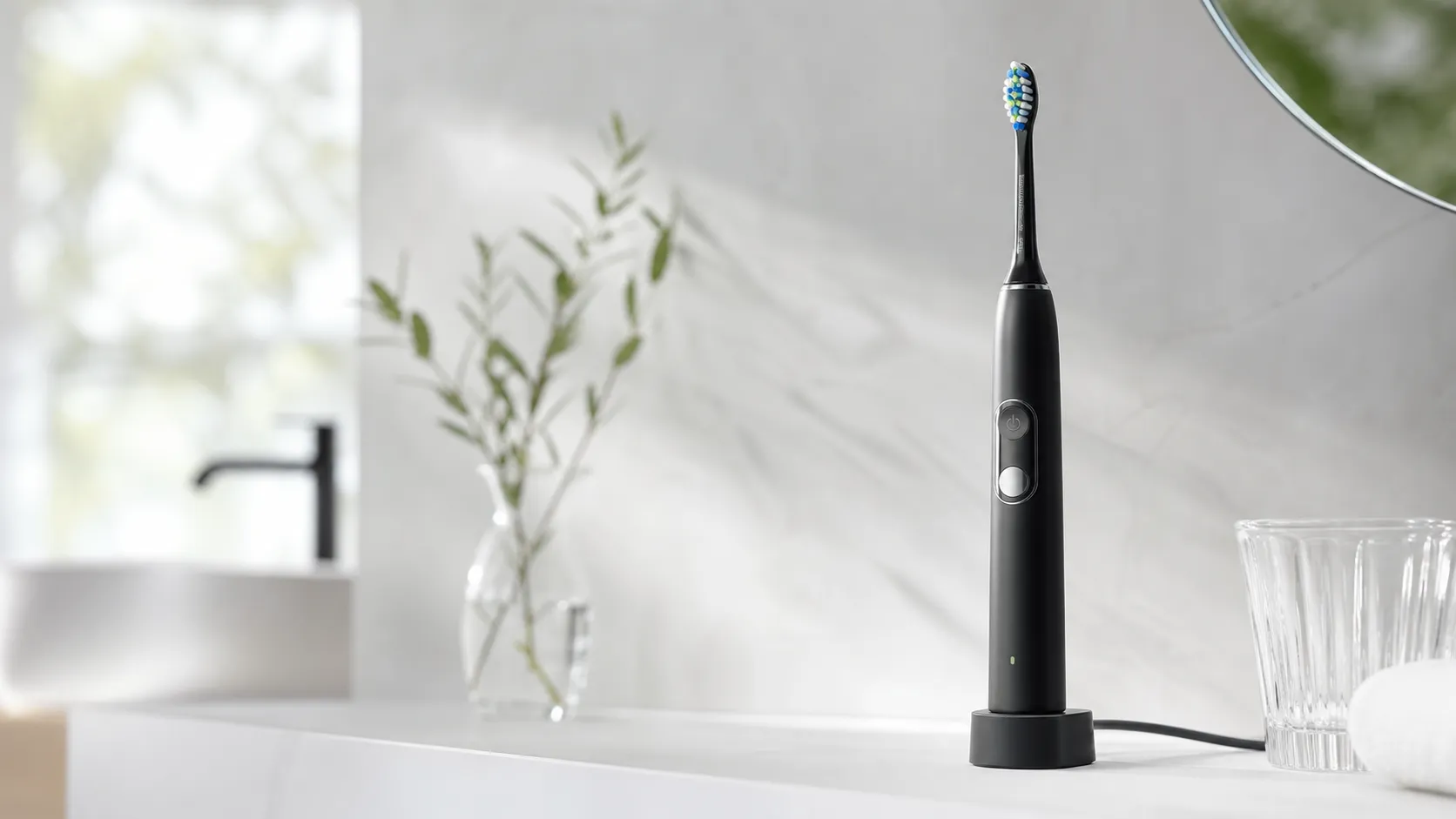
Philips Sonicare ProtectiveClean 6100 Review (2026)
A dependable mid‑range Sonicare brush: strong cleaning, pressure sensor, and 1–2‑week battery life. Great upgrade from manual brushing; watch replacement head costs.
 Health & Wellness
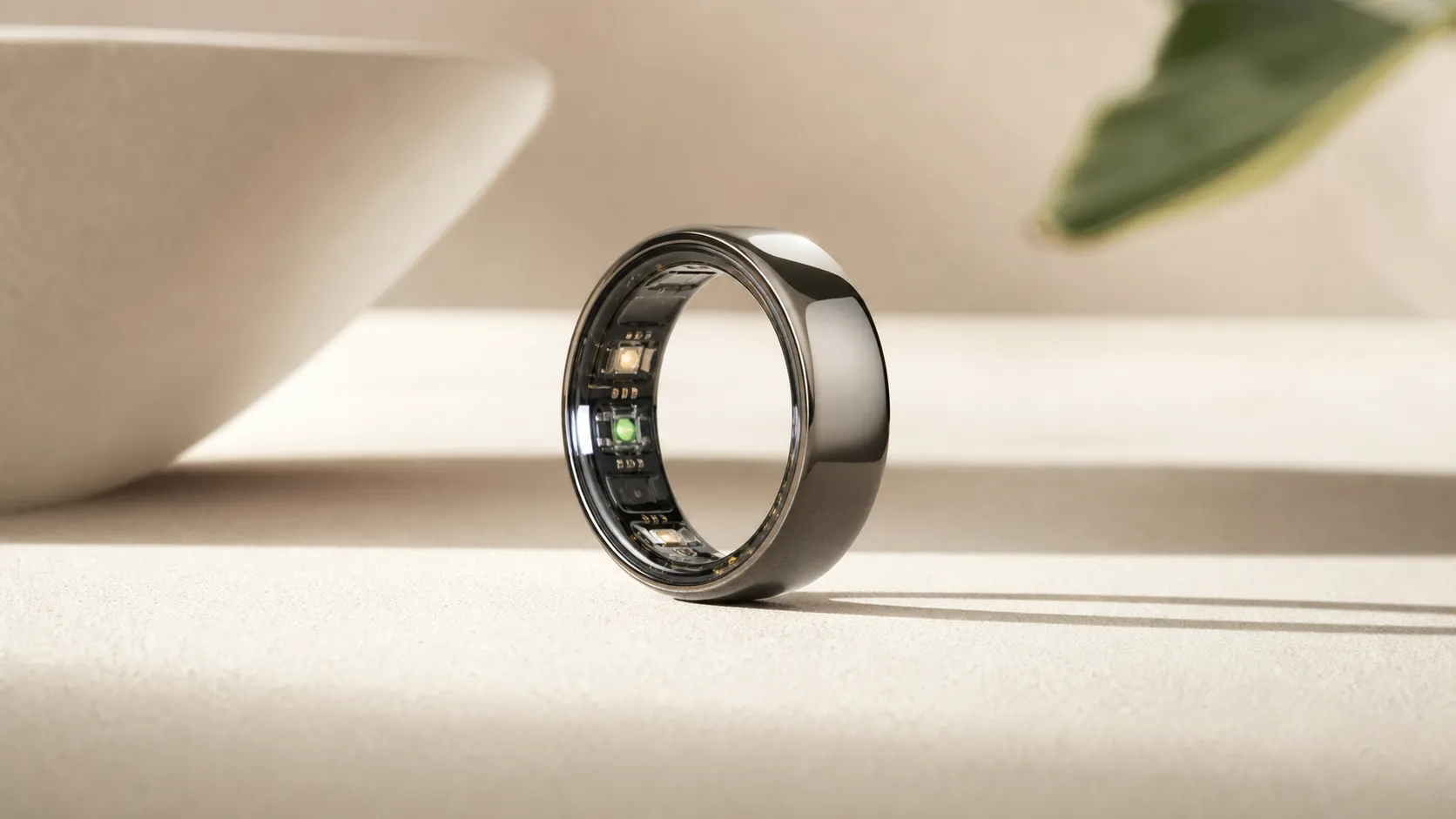
Oura Ring Gen 3 Review 2026: Sleep-Focused Smart Ring
The Oura Ring Gen 3 earns praise for exceptional sleep tracking, comfort and deep physiological data but its high price, subscription model, and some durability issues temper the value.
 Health & Wellness
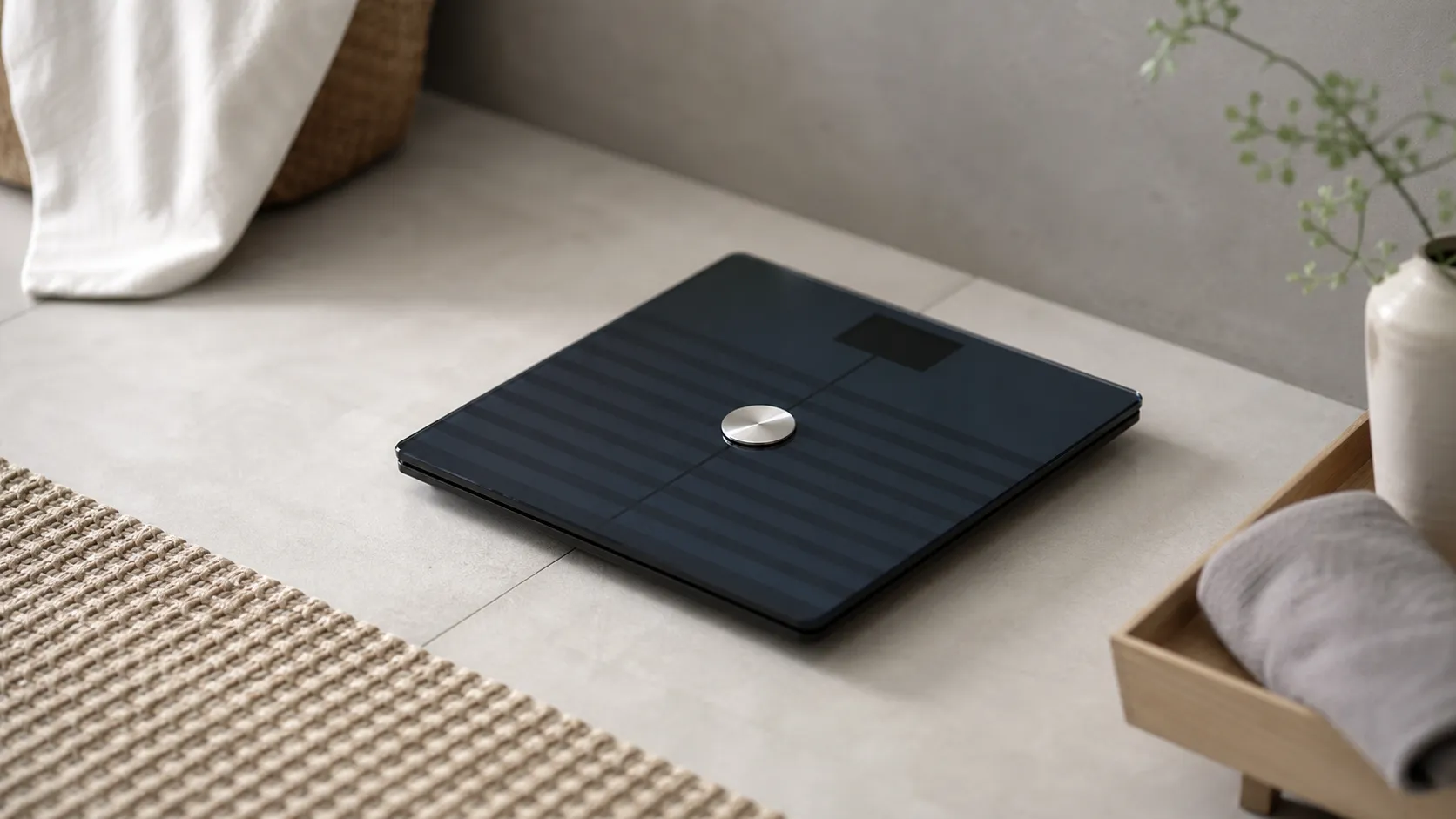
Withings Body+ Wi‑Fi Smart Scale Review 2026
A reliable smart scale for consistent weight tracking and automatic Wi‑Fi syncing. Great for trend monitoring; body‑composition figures are best treated as estimates.