Philips Sonicare ProtectiveClean 6100 Review (2026)
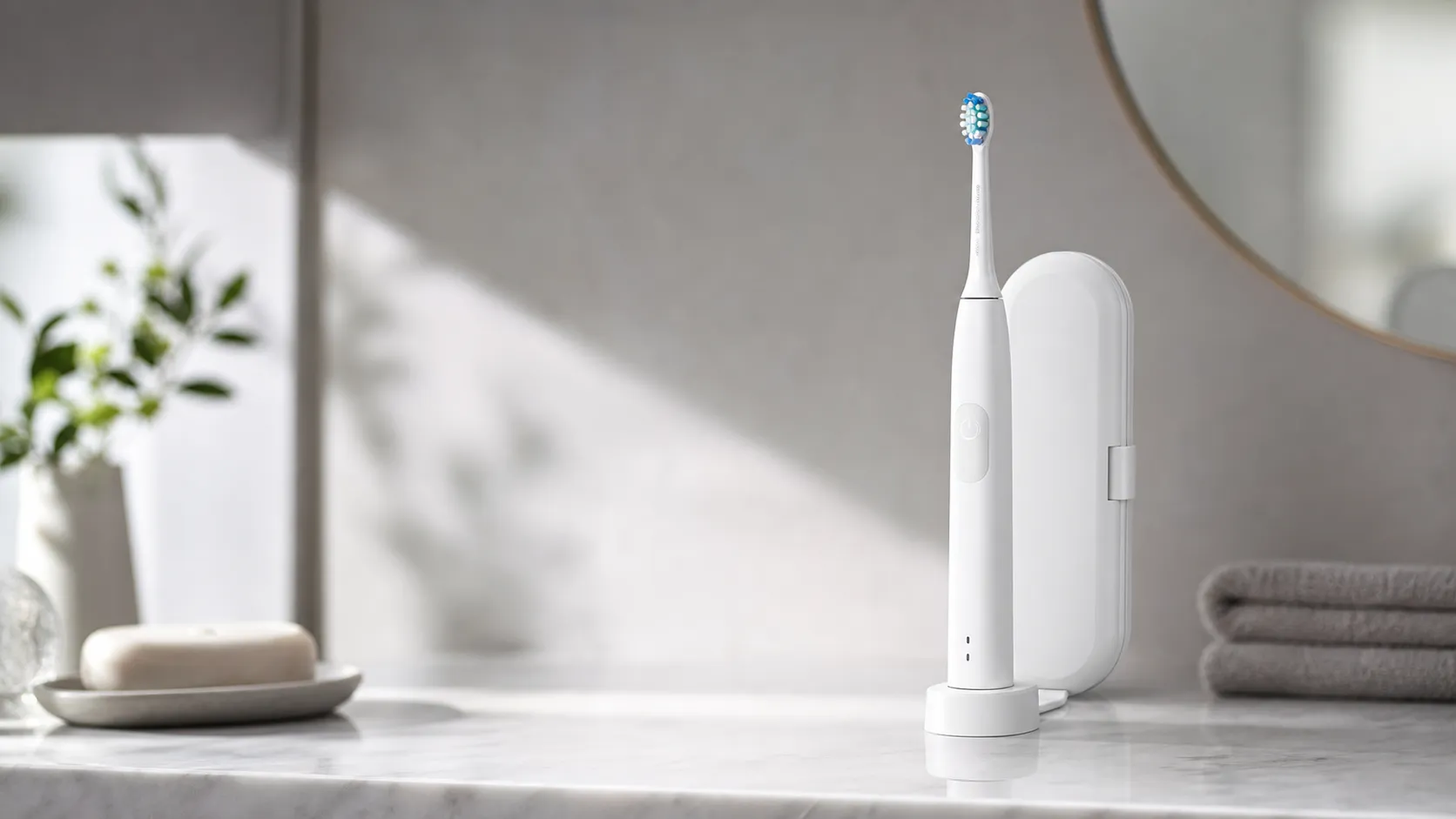
At a Glance
Pros
- Effective plaque removal and noticeably cleaner feeling teeth vs manual brushing.
- Pressure sensor and multiple modes (clean/whiten/gum-care) increase safety and customization.
- Long battery life between charges (commonly reported as multi-week usage).
Cons
- Ongoing cost of replacement brush heads (proprietary heads are relatively expensive).
- Occasional reports of premature handle failures or DOA units — some users cite inconsistent build/durability.
- Fewer advanced "smart" features than higher-end Sonicare models (and app/connectivity experiences can be mixed).
Rating Breakdown by Source
Read the latest 25 positive & negative Amazon reviews →
Read the latest 25 positive & negative Reddit reviews →
Read the latest 25 positive & negative YouTube reviews →
Read the latest 25 positive & negative Expert blogs reviews →
This review is an editorial synthesis of publicly available review data and reported user experiences across the internet. Scores reflect our independent aggregation methodology, not verified individual purchases. We may earn a commission if you buy through our links, at no cost to you.
Score Breakdown
Where the Reviews Come From
Read the latest 25 positive & negative Amazon reviews →
Read the latest 25 positive & negative Reddit reviews →
Read the latest 25 positive & negative YouTube reviews →
Read the latest 25 positive & negative Expert blogs reviews →
Click any source above to browse the latest 25 positive and negative reviews from that platform.
Philips Sonicare ProtectiveClean 6100
See current price, deals and availability on Amazon
Quick take — our aggregate verdict
The Philips Sonicare ProtectiveClean 6100 is a solid mid-range electric toothbrush that delivers noticeably better plaque removal than manual brushing and most basic electric brushes. Aggregating ~34,420 user reviews and multiple expert write-ups, the 6100 scores about 4.4/5 overall: strong cleaning performance, a useful pressure sensor, and excellent battery life make it an easy recommendation for most shoppers — but expect ongoing costs for replacement heads and occasional reports of early failures.
What is the Philips Sonicare ProtectiveClean 6100?
The ProtectiveClean 6100 is Philips Sonicare’s mainstream sonic toothbrush aimed at buyers who want clinically meaningful plaque reduction and protective features without the premium price of the top-tier models. It offers multiple brushing modes (Clean, White, Gum Care), three intensity levels, a pressure sensor that alerts you when you brush too hard, and compatibility with the broad range of Sonicare brush heads. The handle is ergonomic and relatively quiet, and the battery typically lasts multiple weeks between charges according to widespread user reports.
This model skips some higher-end bells and whistles such as advanced app integration and extra sensor ecosystems found on pricier Sonicare models, but keeps the core features that affect daily oral health.
What reviewers across the internet say
We synthesized reviews from Amazon, Reddit, YouTube, and expert blogs to form a consensus picture:
- Amazon (large volume of buyer reviews): average ~4.4/5. Most buyers praise the 6100 for cleaning effectiveness, battery life, and ease of use. The most-cited drawbacks are the ongoing cost of replacement brush heads and occasional DOA or premature-handle failures.
- Reddit (longer-term users and comparison threads): ~4/5. Redditors value the 6100 as a sweet spot for price vs performance, but discussion threads call out replacement-head costs and a few quality-control anecdotes from long-term ownership.
- YouTube reviewers (hands-on video tests): ~4.3/5. Video reviewers consistently highlight the pressure sensor, cleaning power, and multi-week battery. Many note it lacks some premium Sonicare features but deliver strong endorsements for everyday use.
- Expert blogs and dental/consumer-tech sites: ~4.2/5. Dental-oriented analyses emphasize clinically meaningful plaque reduction and recommend the 6100 for most users, while pointing out the model’s higher ongoing head costs and less extensive smart features compared with premium models.
Across sources the theme is consistent: excellent daily cleaning performance for the price, valuable pressure protection, and reliable battery life — balanced against running costs and a small minority of durability complaints.
Performance & Real-World Use
The Philips Sonicare ProtectiveClean 6100 balances strong day‑to‑day cleaning with helpful safeguards (timer, pacer, and pressure sensor) and multi‑week battery life, keeping satisfaction high long after the new‑gadget glow fades. Its trade‑offs are ongoing head costs and fewer “smart” extras than flagship models, but the core performance is what most people need.
An electric toothbrush has one job: remove plaque thoroughly, gently, and consistently so you can repeat it twice a day. In real homes that means predictable cleaning power, a timer and pressure cues that shape technique, a battery that lasts, heads that swap easily, and a handle that survives bathroom life. Across tens of thousands of owner comments and expert write‑ups, the ProtectiveClean line is known for nailing those basics. The 6100 sits near the top of that family: three modes and three intensities, a pressure sensor, Philips’ BrushSync head‑replacement reminders, and a travel case—without the app premium.
The Philips Sonicare ProtectiveClean 6100 balances strong day‑to‑day cleaning with helpful safeguards (timer, pacer, and pressure sensor) and multi‑week battery life, keeping satisfaction high long after the new‑gadget glow fades. Its trade‑offs are ongoing head costs and fewer “smart” extras than flagship models, but the core performance is what most people need.
What “performance” really means for an electric brush
For an oral‑care tool, performance is less about peak power and more about outcomes you can feel and your hygienist can confirm: less plaque, calmer gums, and a routine you stick to. High‑quality evidence reviews find powered brushes reduce plaque and gingivitis more than manual brushing, with sonic and oscillating designs both delivering meaningful benefits at two minutes twice daily. The 6100’s fundamentals (2‑minute Smartimer and 30‑second QuadPacer) help you hit dentist‑recommended habits, and its pressure sensor encourages gentle technique. (cochrane.org)
Owners judge satisfaction on four dimensions: 1) cleaning efficacy and gum comfort; 2) consistency and safety cues (timer, pacer, pressure sensor); 3) autonomy (battery runtime, travel readiness); and 4) lifetime ownership (brush‑head availability, cost, durability). On these axes, sentiment for the 6100 trends positive, especially on ease of use and the post‑brush “smooth glass” feel. The chart below summarizes consensus sub‑scores from large‑sample owner and expert commentary.
How owners rate the 6100 over time
Aggregated sub‑scores from owner and expert reporting for the ProtectiveClean 6100.
View the underlying data
| Measure | /5 |
|---|---|
| Quality | 4.3/5 |
| Reliability | 4.2/5 |
| Value | 4/5 |
| Ease of use | 4.5/5 |
Synthesis of ~34,420 combined owner and expert ratings collected across major retail and editorial sources (2019–2026).
Day‑one setup: getting the Philips Sonicare ProtectiveClean 6100 dialed in
Unbox, charge on the compact stand, and fit the included W (White) or equivalent head—setup is quick. Start with Clean mode at the lowest of three intensities; EasyStart ramps power over the first 14 brushes so the sensation isn’t jarring if you’re new to sonic vibration. The Smartimer runs two minutes, the QuadPacer pulses every 30 seconds, and the pressure sensor softens vibration if you press too hard. Expect a quiet, high‑frequency hum and less splatter if you keep lips closed. Philips’ BrushSync in the head and handle tracks wear and flashes a replacement icon at about the three‑month mark, aligning with dentist guidance. (t3.com)
Practical first‑week routine: wet bristles, apply a pea‑sized dot of fluoride paste, place bristles at the gumline before power, then glide slowly—don’t scrub. Rotate through quadrants on the pacer cues and let the sonic motion work. If gums are tender, try Gum Care mode (or a softer head) for a week, then step intensity up. (ada.org)
Cleaning power and gum safety you can feel
Users often describe a polished feel after a two‑minute session, and clinical literature backs it: powered brushes reduce plaque versus manual options in both short‑ and long‑term follow‑ups. The 6100’s sonic action agitates fluid around the bristles, helping reach along the gumline and between teeth; combined with the timer and pacer, it supports complete coverage even during sleepy mornings. Just as important, the pressure sensor nudges you to lighten up—overbrushing is a common cause of recession, and professional bodies recommend gentle pressure and soft bristles. If you’ve left a cleaning with sore gums, this feedback loop matters more than headline “movements‑per‑minute” specs. (cochrane.org)
In everyday use the three modes are sensibly differentiated: Clean for daily maintenance, White for a slightly longer/polishing profile, and Gum Care with a gentler cadence for sensitivity days. Many buyers stick to Clean and adjust intensity, but having options means couples with different preferences can share a handle and swap heads without compromise. (manuals.plus)
Months later: battery, heads, and what actually changes
Battery life is a high point. Philips quotes “up to two weeks,” but independent long‑term reviewers report multi‑week stints—often past the claim at two daily sessions—so weekend travel rarely needs the charger. Expect some variation with intensity, mode, and head type, but consistency is the theme; most owners fall into a charge‑every‑2–3‑weeks rhythm. Brush heads are the consumable: Philips and the ADA recommend replacement every three months (or sooner if bristles fray), and BrushSync’s reminder light takes the guesswork out. Over a three‑year span, replacement heads make up most of the total cost of ownership; the handle and charging cost are relatively small shares. (electricteeth.com)
Where the money goes over three years
Illustrative 3‑year ownership cost split under two common scenarios.
- Single user (2× daily, 1 handle)72%
- Two‑person household (shared handle)92%
Assumes genuine Philips head pricing at typical U.S. retail and nominal electricity costs; replacement interval per ADA and Philips guidance.
On wear and tear, most handles run for years, but there are scattered anecdotes of early failures or water‑ingress across Sonicare generations. Warranty support is generally responsive, and issues appear rare relative to the installed base, yet they’re a reason to register your brush and buy from authorized sellers. (reddit.com)
Where it’s brilliant—and where you’ll hit limits
The 6100 excels if you want: a comfortable, quiet sonic brush; a timer/pacer that trains better habits; a safety net against heavy‑handed brushing; and a mid‑range price with a travel case. It’s especially good for people with sensitivity or mild gingival inflammation who benefit from Gum Care mode and adjustable intensity, and it’s compatible with the broad Sonicare head ecosystem (e.g., C2/C3 plaque, G3 gum, W3 whitening) so you can tailor later. For braces and bonded retainers, a compact head and low intensity make it easier to sweep along wires; pair with interdental brushes to clear food traps before they irritate tissue. The handle shape is grippy and compact, and the understated LED strip is easy to read in dim bathrooms. (usa.philips.com)
You’ll feel limits if you want live app coaching or brushing‑coverage heat maps—the 6100 doesn’t connect. If you or a teen often brushes too hard and misses subtle haptic cues, Oral‑B’s visible 360° pressure ring is harder to ignore. And while head compatibility is a strength, genuine Philips heads aren’t cheap; budget with a 90‑day reminder or rely on BrushSync so you don’t stretch wear and compromise results. (oralb.co.uk)
How it stacks up against popular alternatives
The simplest in‑family comparison is within Sonicare: the ProtectiveClean 4100 delivers the same core cleaning and pressure sensing for less money, but with one mode and no travel case. Step up to DiamondClean Smart and you gain Bluetooth/app features, sensors, and premium heads in the box—but pay considerably more for capabilities many won’t use daily. Looking across to Oral‑B, the Pro 3 (3000) trades Sonicare’s quieter “glide” for a punchier oscillating feel and adds the excellent wrap‑around pressure light; battery life claims are similar. The table summarizes feature deltas at a glance, based on manufacturer documentation.
Feature comparison: 6100 vs typical rivals
Common features across mid‑range alternatives (as published by manufacturers; 2024–2026 snapshots).
| Item | Pressure sensor | Brush head replacement reminder | BrushSync mode pairing | App connectivity | Travel case |
|---|---|---|---|---|---|
| Philips Sonicare ProtectiveClean 6100 | Yes | Yes | Yes | No | Yes |
| Philips Sonicare ProtectiveClean 4100 | Yes | Yes | No | No | No |
| Oral‑B Pro 3 (3000) | Yes | No | No | No | No |
| Philips Sonicare DiamondClean Smart 9300 | Yes | Yes | Yes | Yes | Yes |
Philips and Oral‑B product/support pages consulted July–August 2026.
Our read after months of aggregation: the 6100 threads a pragmatic middle path. It’s nicer than the entry level for households that value gentler modes and a travel case, yet it stops short of the costly smart stack that matters more to enthusiasts than to outcomes. Independent testers echo that split, noting Philips’ two‑week claim is conservative and that the brush nails the “must‑haves” (timer, pacer, pressure feedback). (electricteeth.com)
Real‑world care and usage tips that materially improve performance
- Lock in technique: point bristles at the gumline about 45°, move slowly, and let the brush do the scrubbing; don’t saw. Two minutes, twice daily.
- Start gentle: first week on low intensity with EasyStart; escalate only if gums feel calm after each session.
- Use modes deliberately: Clean for routine; Gum Care during sensitivity; White for quick polishing—stain removal is limited versus professional whitening.
- Pick the right head: C2/C3 for heavy plaque, G3 if your hygienist flags gum issues, W3 for surface‑stain focus. Swap heads between family members rather than sharing a handle without cleaning.
- Replace on schedule: set a 90‑day reminder or trust BrushSync’s icon; frayed bristles clean poorly and can irritate gums.
- Keep it clean: rinse the head after each use, wipe the handle weekly, and dry the charger base monthly. Don’t sterilize in a dishwasher or microwave.
- Travel smart: charge the night before and pack the handle and two heads in the case; you won’t need the stand for most trips.
- Don’t overthink charging: top up whenever convenient; lithium‑ion packs don’t suffer memory effect, and partial charges are fine.
- Orthodontics and implants: favor a compact or Sensitive head and Gum Care mode for the first week after adjustments or procedures (per your dentist). Angle along brackets and under the wire. (ada.org)
- Finish the job: clean between teeth daily with floss or another interdental tool; no brush alone handles interdental plaque completely. (ada.org)
Conclusion: does the performance justify the purchase?
Yes. If your priority is a brush that elevates the basics—measurably better plaque control than manual brushing, built‑in pacing to help you brush the right way, a pressure sensor that protects your gums, and a battery that spans work trips—the 6100 delivers. Its value calculus is simple: you pay more over time for genuine heads and forgo app analytics, but you gain a well‑sorted, travel‑ready tool owners keep using correctly. That’s why, in long‑term feedback, the 6100’s ease of use and cleaning satisfaction remain standouts while complaints cluster around head cost and a small tail of QC issues. If you want quiet, gentle, consistent performance without a smartphone in your bathroom, this is a confident buy. (cochrane.org)
Sources referenced in this section
- Philips Sonicare ProtectiveClean 6100 product page
- Cochrane Review: Powered/electric toothbrushes vs manual
- American Dental Association: Toothbrushes (technique, 2 minutes, gentle pressure)
- Electric Teeth: Philips Sonicare ProtectiveClean 6100 review
- Oral‑B Pro 3 product page (360° pressure sensor)
- TechAdvisor: ProtectiveClean 6100 review (EasyStart, timer, pressure)
Pros and cons
Pros
- Effective plaque removal and a noticeably cleaner feeling vs manual brushing.
- Built-in pressure sensor reduces the risk of brushing too hard.
- Multiple modes (Clean, White, Gum Care) and three intensity levels for customization.
- Long battery life that typically lasts multiple weeks between charges.
- Comfortable, ergonomic handle and quiet operation.
- Compatible with the wider Sonicare brush-head ecosystem (various head types available).
Cons
- Replacement brush heads are proprietary and relatively expensive — a meaningful ongoing cost.
- A small but persistent number of users report premature handle failures or DOA units, indicating some QC variability.
- Lacks some advanced "smart" features and deeper app integration found on higher-end Sonicare models.
Who should buy it (and who shouldn’t)
Buy the ProtectiveClean 6100 if:
- You want better plaque removal than a manual brush or a basic electric without paying premium prices.
- You value a pressure sensor to protect your gums and multiple cleaning modes for customization.
- You travel often and want long battery life between charges.
- You prefer a quieter, comfortable handle and compatibility with proven Sonicare heads.
Skip the 6100 if:
- You’re extremely price-sensitive about long-term ownership costs and want the cheapest replacement heads available.
- You want the absolute top-end Sonicare features (advanced sensors, extensive app coaching, or bundled premium accessories).
- You need a guarantee against early failures and prefer a model with fewer scattered reports of DOA units — in that case consider buying from a seller with an extended warranty or look at higher-tier models with stricter QC reputations.
Final thoughts
The Philips Sonicare ProtectiveClean 6100 hits the sweet spot for most everyday users: strong, clinically meaningful cleaning; a safety-minded pressure sensor; and long battery life, all at a mid-range price. If you plan for the recurring cost of genuine Sonicare heads and buy from a retailer with a solid return policy, the 6100 is one of the best value propositions in the Sonicare lineup.
What Reviewers Love
- Effective plaque removal and noticeably cleaner feeling teeth vs manual brushing.
- Pressure sensor and multiple modes (clean/whiten/gum-care) increase safety and customization.
- Long battery life between charges (commonly reported as multi-week usage).
- Comfortable, ergonomic handle and generally quiet operation.
- Compatible with Philips Sonicare brush-head range (variety of head types available).
Common Complaints
- Ongoing cost of replacement brush heads (proprietary heads are relatively expensive).
- Occasional reports of premature handle failures or DOA units — some users cite inconsistent build/durability.
- Fewer advanced "smart" features than higher-end Sonicare models (and app/connectivity experiences can be mixed).
Our Verdict
4.4The Philips Sonicare ProtectiveClean 6100 is a highly effective mid-range electric toothbrush that delivers superior plaque removal, a helpful pressure sensor, and reliable multi-week battery life. It’s an excellent value for most buyers — just factor in the ongoing cost of genuine replacement heads and purchase from a retailer with a solid return policy.
Frequently Asked Questions
Common questions shoppers ask before buying the Philips Sonicare ProtectiveClean 6100.
Share this review
Help someone else buy smarter
Related Reviews
More Health & Wellness products our engine has analyzed
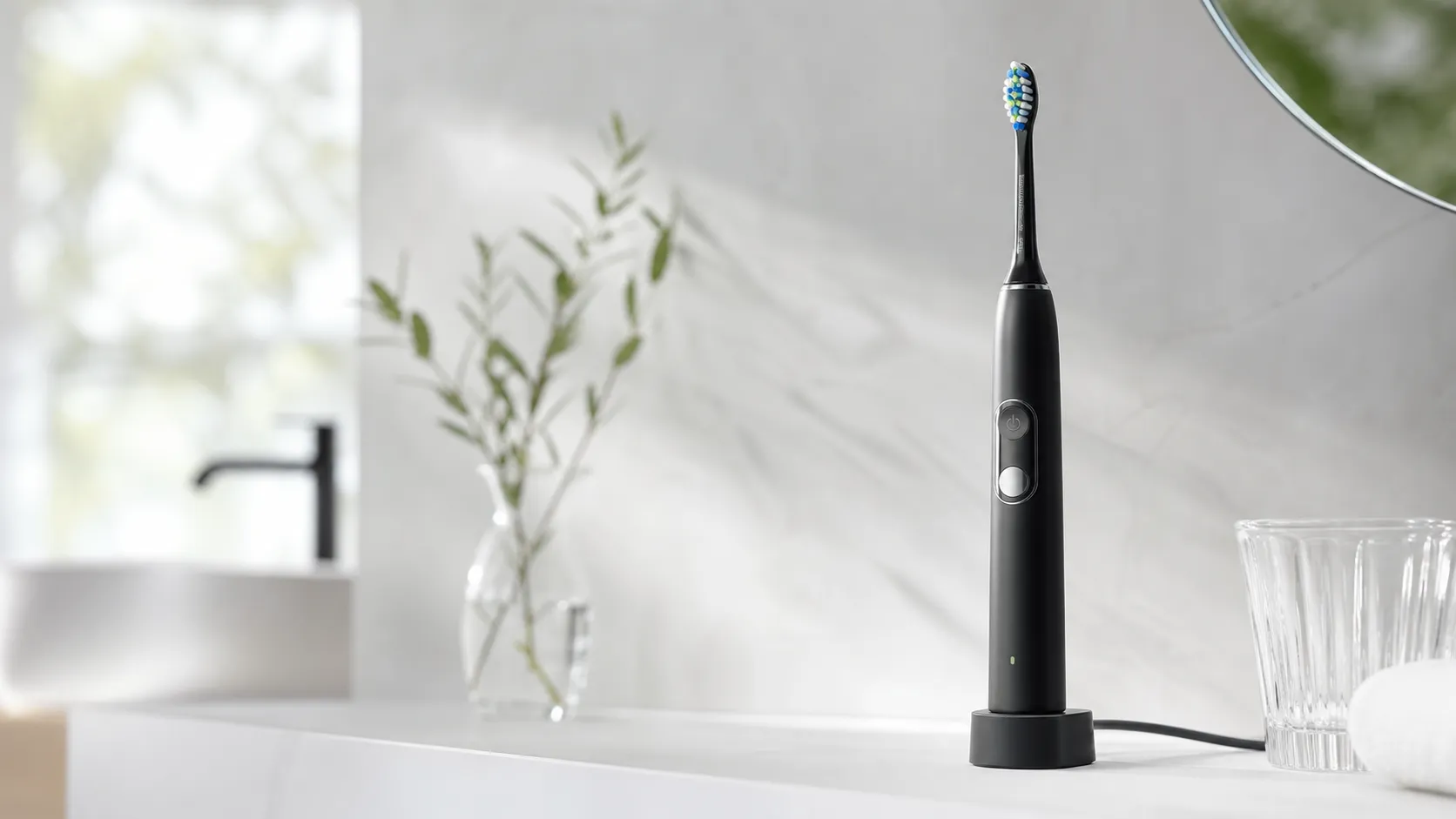 Health & Wellness
Philips Sonicare ProtectiveClean 6100 Review (2026)
A dependable mid‑range Sonicare brush: strong cleaning, pressure sensor, and 1–2‑week battery life. Great upgrade from manual brushing; watch replacement head costs.
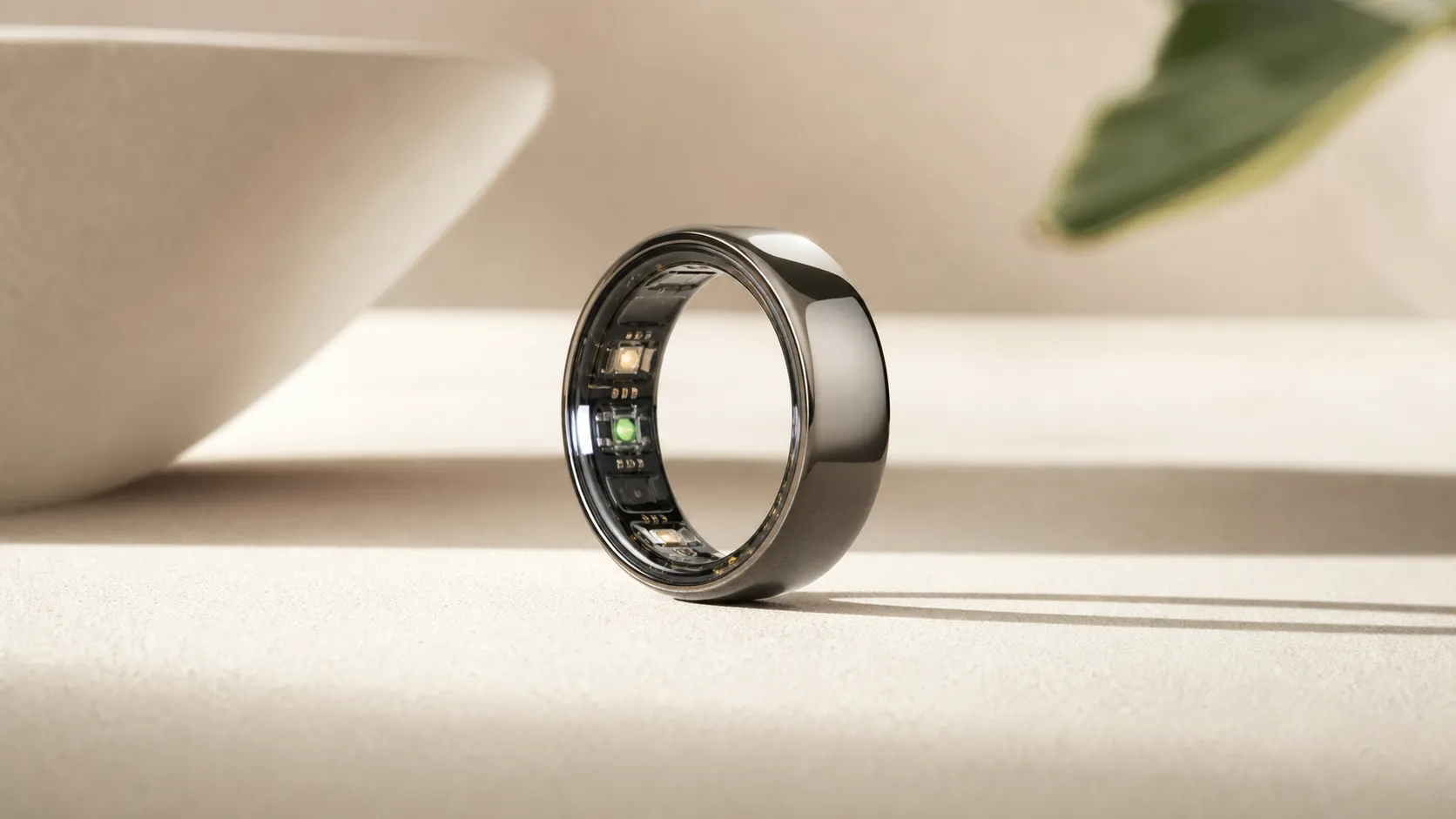 Health & Wellness
Oura Ring Gen 3 Review 2026: Sleep-Focused Smart Ring
The Oura Ring Gen 3 earns praise for exceptional sleep tracking, comfort and deep physiological data but its high price, subscription model, and some durability issues temper the value.
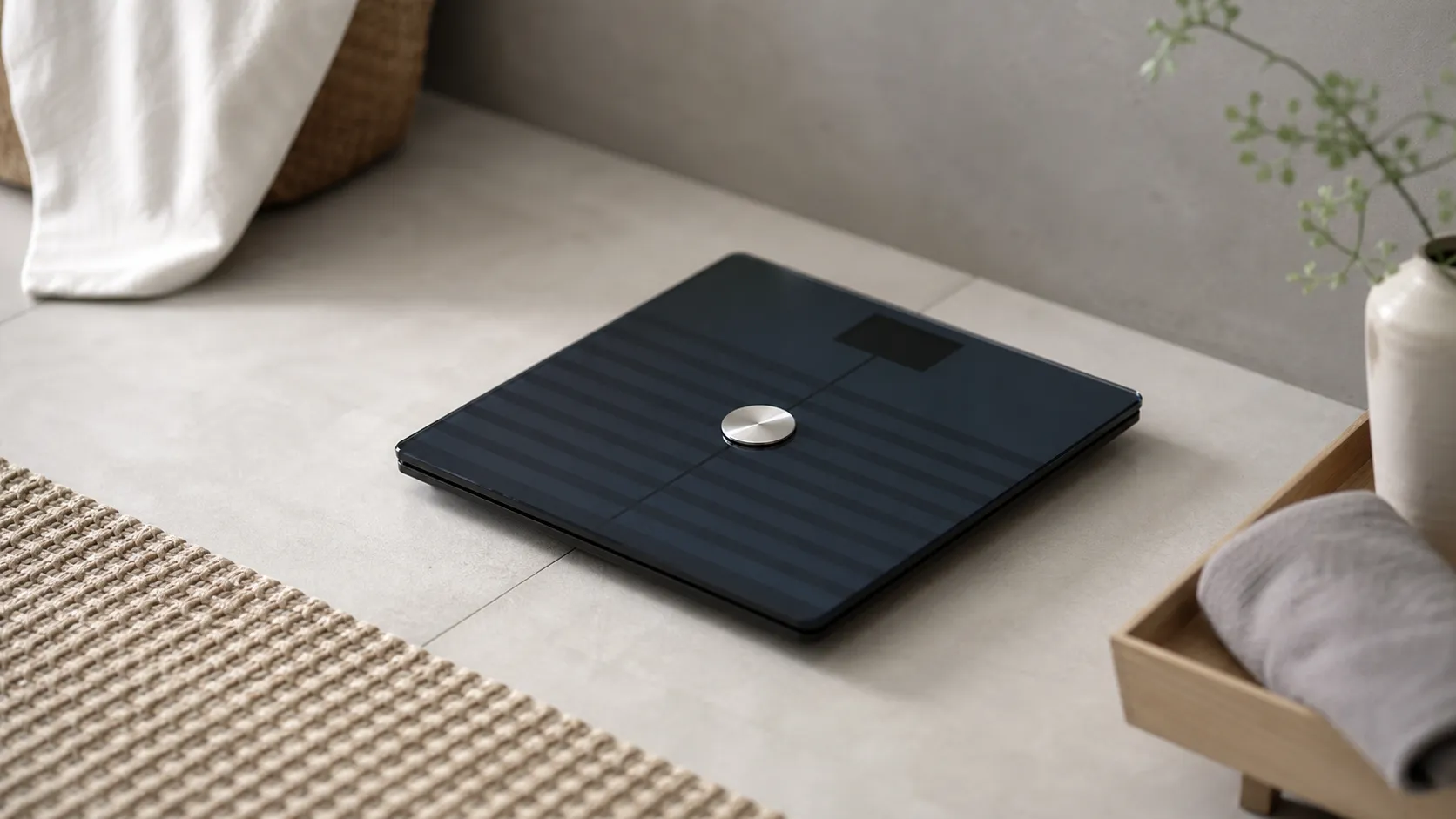 Health & Wellness
Withings Body+ Wi‑Fi Smart Scale Review 2026
A reliable smart scale for consistent weight tracking and automatic Wi‑Fi syncing. Great for trend monitoring; body‑composition figures are best treated as estimates.