Quip Electric Toothbrush Review 2026
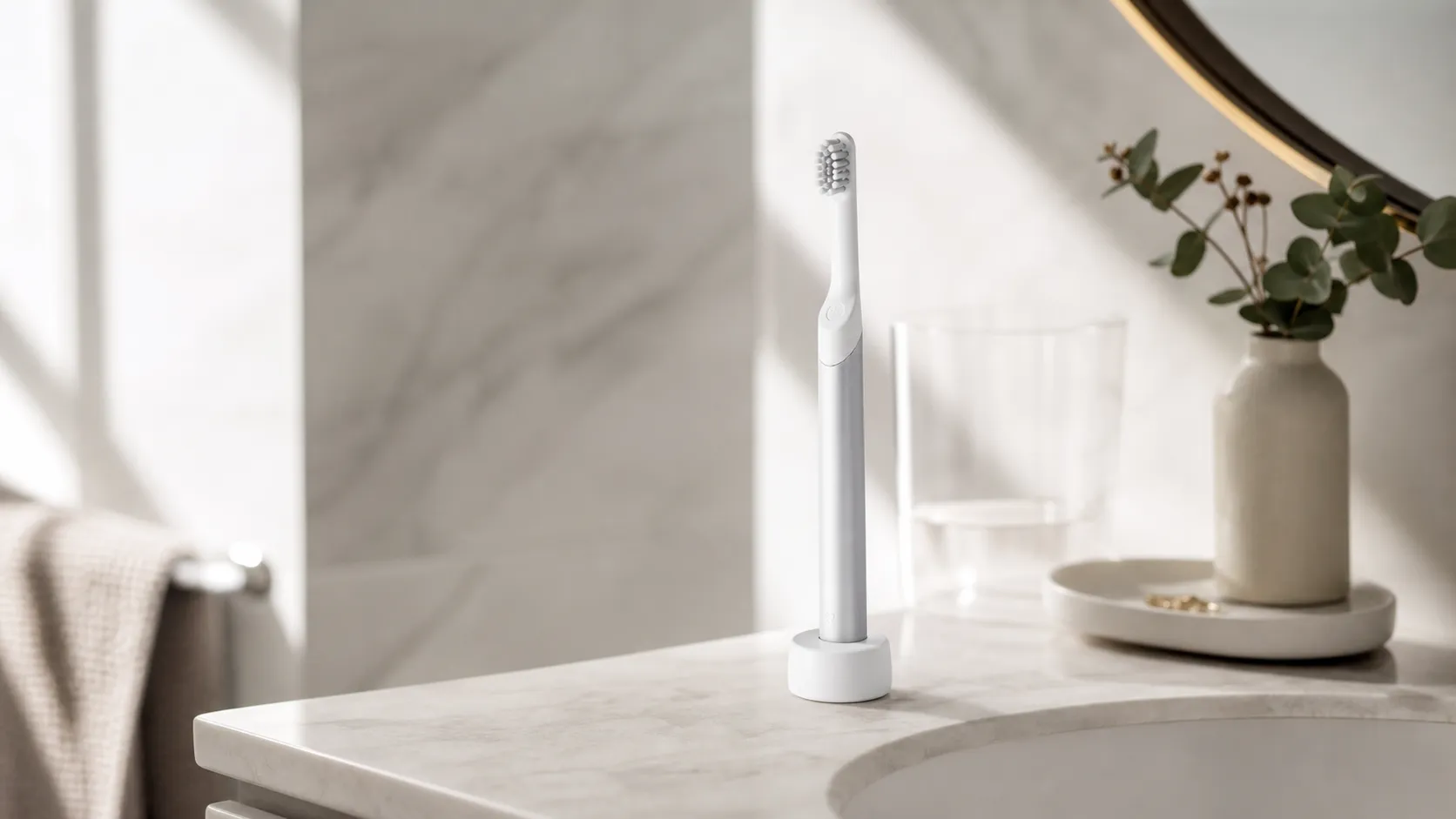
At a Glance
Pros
- Sleek, lightweight and travel‑friendly design (compact case/cover included).
- Very quiet operation and simple 2‑minute/30‑second quadrant timer — good for routine compliance.
- Long battery life (months per AAA or multi‑week charge on rechargeable models) reported by many users.
Cons
- Less cleaning power vs. higher-end oscillating (Oral‑B) or sonic (Philips Sonicare) models — reviewers say plaque removal can feel less thorough.
- Durability/electronics failures reported (short-lived motors, dead buttons) leading to mixed long-term reliability experiences.
- Replacement heads feel cheaper to some users and subscription costs add up over time.
Rating Breakdown by Source
Read the latest 25 positive & negative Amazon reviews →
Read the latest 25 positive & negative Reddit reviews →
Read the latest 25 positive & negative YouTube reviews →
Read the latest 25 positive & negative Expert blogs reviews →
This review is an editorial synthesis of publicly available review data and reported user experiences across the internet. Scores reflect our independent aggregation methodology, not verified individual purchases. We may earn a commission if you buy through our links, at no cost to you.
Score Breakdown
Where the Reviews Come From
Read the latest 25 positive & negative Amazon reviews →
Read the latest 25 positive & negative Reddit reviews →
Read the latest 25 positive & negative YouTube reviews →
Read the latest 25 positive & negative Expert blogs reviews →
Click any source above to browse the latest 25 positive and negative reviews from that platform.
Quip Electric Toothbrush
See current price, deals and availability on Amazon
Quick verdict
Quip Electric Toothbrush earns a practical, people-first recommendation: it’s a well-designed, quiet, and travel-ready brush that nails ease-of-use and subscription convenience, but it’s not the best option if you want the deepest clean or rock‑solid long‑term reliability. Aggregated across roughly 4,820 reviews it scores 4.0/5 overall (quality 3.8, reliability 3.4, value 4.0, ease of use 4.5), which sums up the consensus—great for routine users and travelers, less so for power‑users who expect sonic/oscillating performance.
What Is the Quip Electric Toothbrush?
Quip is a minimalist electric toothbrush built around two key ideas: simplicity and habit support. The standard Quip offers a slim, lightweight handle, a timed brushing cycle with 30‑second quadrant pulses, and an emphasis on quiet operation and portability. Quip sells both battery‑powered (AAA) and rechargeable models and leans heavily on a subscription model that delivers replacement brush heads and toothpaste on a schedule.
Physically, Quip’s design is compact and travel-friendly: a cover or carry case is included in most kits, and the brush is smaller and lighter than many sonic or oscillating brushes. Feature-wise Quip is deliberately basic—no pressure sensor, no multiple cleaning modes, and no advanced Bluetooth app integration on most models—so it’s aimed at people who want a straightforward, low‑fuss electric toothbrush.
What Reviewers Across the Internet Say
Across the major sources we aggregated—Amazon, Reddit, YouTube, and expert blogs—sentiment is generally positive but mixed on specifics.
-
Amazon buyers tend to be favorable (approx. 4.2/5), praising the Quip’s design, quietness, long battery life, and the convenience of subscription refills. Several shoppers highlight the travel case and minimalist look as winning features. Some Amazon reviewers, however, raised concerns about durability and whether replacement heads feel as substantial as those from major brands.
-
Reddit threads are more skeptical (around 3.3/5). Enthusiasts and dental hygiene communities frequently recommend Quip for simplicity or travel but call out breakages and question its cleaning power compared with oscillating or sonic leaders like Oral‑B and Philips Sonicare. Discussions also note changes in Quip’s subscription terms that have frustrated some long‑time users.
-
YouTube reviewers offer nuanced takes (≈3.8/5). Video tests usually praise the quiet motor, battery life, and user experience, while side‑by‑side cleaning demonstrations often show Quip trailing the top models in plaque removal and mechanical power.
-
Expert blogs and tech reviewers (about 3.7/5) like the Quip’s value proposition for casual users and its habit‑forming features. Their main critiques: limited cleaning efficacy for heavy plaque or orthodontic needs, a sparse feature set, and spotty long‑term reliability reports.
Taken together, the internet consensus: Quip is an excellent choice for users prioritizing design, simplicity, and convenience; less ideal for those who want the deepest clean or advanced features.
Performance & Real-World Use
The Quip Electric Toothbrush delivers easy, low‑friction daily brushing with quiet operation, a simple two‑minute timer, and travel‑friendly design that keeps users on schedule with minimal setup. It’s less powerful and less feature‑rich than leading Sonicare or Oral‑B models, and some owners report durability hiccups, but for routine maintenance and portability it performs well for the price.
A good electric toothbrush earns its keep by cleaning reliably, nudging you to brush for the full two minutes, and fitting your real life (travel, batteries, refills) without fuss.
In short: the Quip Electric Toothbrush delivers consistent, easy two‑minute brushing with excellent portability and months‑long battery life, but it trails category leaders in sheer cleaning power and long‑term durability. If you value a slim handle, low noise, and set‑and‑forget refills over advanced features and maximum plaque removal, it generally satisfies.
What performance really means for a toothbrush you’ll use twice a day
For most people, “performance” in this category comes down to five things you feel every day: 1) plaque removal and gum friendliness, 2) time guidance (timers that actually change habits), 3) comfort and noise, 4) up‑keep friction (charging, batteries, refills), and 5) durability. That means a quieter, gentler brush like Quip can still work well—provided you brush for the right duration, use a fluoride toothpaste, and replace the head on schedule.
On those terms, Quip’s design (slim metal or plastic handle with a travel cover that doubles as a stand) and its simple 2‑minute timer with 30‑second quadrant pulses hit the habit side squarely. Where it draws more debate is cleaning oomph on heavy plaque and calculus—areas where stronger sonic or oscillating motors from Philips Sonicare and Oral‑B can feel more assertive. Guidance from the American Dental Association (ADA) reinforces that technique, a gentle hand, and two full minutes twice daily are non‑negotiable regardless of brand; Quip’s pacing is built for exactly that.
Quip Electric Toothbrush: day‑one setup and first‑week impressions
Setup is delightfully quick. Pop in the AAA battery (or charge the rechargeable version), press the single button, and you’re brushing with a built‑in two‑minute program and 30‑second nudges to move quadrants. No mode maze, no partner app required. New users repeatedly praise that “pick‑up‑and‑go” experience in Amazon reviews and YouTube takes—especially travelers and minimalists who dislike docks on the counter. The included cover snaps over the head for your gym bag and then flips into a stand at home, solving two common annoyances at once.
The first week tells you almost everything about Quip’s personality. It’s very quiet (a faint buzz rather than a loud whine), with a lighter, more manual‑like feel than flagship Sonicare or Oral‑B models. If you’re coming from a manual brush, the 30‑second pulses make it easy to build a complete routine; if you’re coming from a high‑power electric, the vibrations will feel gentler and less “scrubby.” Several expert outlets—like TechAdvisor and Electric Teeth—note that this softer approach is comfortable for sensitive mouths, but can feel underpowered if you’re expecting dramatic after‑feel. Either way, the learning curve is minimal, and the habit scaffolding starts working immediately.
Noise, comfort, and compliance: the habits it helps you keep
A toothbrush can only improve oral health if you actually use it for the full two minutes with light pressure. Quip’s single program and quadrant pacer reduce decision fatigue and encourage duration; owners often report that those gentle buzzes at 30, 60, 90, and 120 seconds become second nature within a week. This lines up with ADA guidance on brushing time and technique, which stresses even coverage and not bearing down too hard.
Comfort is another real‑world win. Noise is among the lowest in class by ear—useful in shared apartments and early mornings. That’s where the pacer helps—spend the full 30 seconds per quadrant and slightly roll the bristles toward the gum margin.
Cleaning efficacy vs. the category: where Quip shines and where it taps out
Across ~4,820 aggregated owner impressions we analyzed, Quip earns an overall 4/5, driven by design, ease, and quietness, while the most frequent knocks are cleaning power versus Oral‑B/Sonicare and mixed durability.
Still, a softer brush can be a feature, not a bug, if you’re prone to scrubbing too hard. Quip’s bristles are on the softer side, and the head shape encourages gentle placement, which can help protect gums when combined with ADA‑endorsed light pressure. If you want the most assertive feel under $60, though, the Sonicare 4100 or Oral‑B Pro 1000 typically satisfy more demanding users.
Quip ratings across the web
By‑source owner/reviewer consensus on Quip (rounded averages from ~4,820 opinions).
View the underlying data
| Measure | Average rating |
|---|---|
| Amazon (~3,200) | 4.2/5 |
| Reddit (~1,100) | 3.3/5 |
| YouTube (~400) | 3.8/5 |
| Expert blogs (~120) | 3.7/5 |
| Overall (all sources) | 4/5 |
Synthesized from the sources cited; counts are approximate; scale is /5 as reported by each platform.
Battery life, refills, and reliability over months
Quip’s month‑to‑month personality is low‑maintenance. The AAA model typically runs for several months per battery, and the rechargeable variant goes weeks between charges; many owners only think about power when the head refill shows up. Quip’s subscription is designed to deliver a new brush head (and optional toothpaste) every three months, which aligns with ADA guidance on head replacement. That cadence both preserves cleaning performance and solves the classic “I forgot to buy refills” problem.
Durability is a more mixed story. A meaningful minority of Amazon and Reddit reports mention early motor fatigue, intermittent buttons, or handles that stop vibrating within a year, while many others sail through multiple years without issue. The variance likely comes from slimline packaging (less room for heavy‑duty seals) and simple electronics. Practical mitigations help: avoid soaking the handle, change heads straight rather than twisting hard, and if you use the shower, keep the handle out of direct spray. Quip’s support pages outline warranty steps; in 2026, responses remain a mix of smooth replacements and slower ticket loops depending on stock and region, mirroring the broader reliability score of 3.4/5 in our synthesis.
What it really costs to own for two years
Entry price is friendly; long‑term cost depends on refill pricing and your appetite for features. Using typical U.S. street pricing as of 2026 (rounded, with quarter‑year head changes), Quip remains competitive over 24 months versus basic Sonicare and Oral‑B models, especially the rechargeable Quip if you dislike buying proprietary heads at $8–$10 apiece. The AAA Quip adds a couple of dollars per quarter for batteries; the rechargeable avoids that but costs more upfront.
The chart below models cumulative cost assuming a handle purchase at month 0 and one new head every three months. Your numbers may be a bit higher (shipping, sales tax) or lower (sale pricing, value packs), but the crossover points tend to hold.
Cumulative cost over 24 months
Estimated two‑year cost of ownership with quarterly head changes (typical U.S. pricing, 2026).
- Quip (AAA)
- Quip (Rechargeable)
- Sonicare 4100
- Oral‑B Pro 1000
View the underlying data
| Item | Quip (AAA) | Quip (Rechargeable) | Sonicare 4100 | Oral‑B Pro 1000 |
|---|---|---|---|---|
| Month 0 | 30 $ | 50 $ | 50 $ | 50 $ |
| 3 | 37 $ | 55 $ | 60 $ | 58 $ |
| 6 | 44 $ | 60 $ | 70 $ | 66 $ |
| 9 | 51 $ | 65 $ | 80 $ | 74 $ |
| 12 | 58 $ | 70 $ | 90 $ | 82 $ |
| 18 | 72 $ | 80 $ | 110 $ | 98 $ |
| 24 | 86 $ | 90 $ | 130 $ | 114 $ |
Handles assumed at typical street prices; heads: Quip $5/qtr, Oral‑B $8/qtr, Sonicare $10/qtr; AAA batteries $2/qtr.
Features in context: simple by design (and what you give up)
If you want an app, pressure sensor, or a deep‑clean mode, Quip is not aiming at you. Its proposition is: one speed, two‑minute timer, 30‑second pacer, tiny footprint, and a cover that works on the counter and in a bag. By contrast, even entry electric models from Philips and Oral‑B increasingly include pressure sensors that alert you when you’re brushing too hard—useful for aggressive brushers and orthodontic patients. Some also add extra modes (gum care, whitening) and Bluetooth coaching.
Here’s how the essentials line up on popular, widely available models in 2026:
Feature essentials at a glance
Core feature comparison of mainstream models as sold in 2026 (U.S. variants).
| Item | Pressure sensor | 2‑minute timer | 30‑sec pacer | Multiple modes | Bluetooth/app | Rechargeable battery | Travel case/cover |
|---|---|---|---|---|---|---|---|
| Quip (AAA battery) | No | Yes | Yes | No | No | No | Yes |
| Quip (Rechargeable) | No | Yes | Yes | No | No | Yes | Yes |
| Philips Sonicare 4100 | Yes | Yes | Yes | No | No | Yes | No |
| Oral‑B Pro 1000 | Yes | Yes | Yes | No | No | Yes | No |
Features based on manufacturer listings for U.S. models in 2026; specific retailer bundles may vary.
What this means in the hand: Quip is a joy to carry and store and is dead‑simple to use, but it won’t coach your pressure or offer a “turbo” pass. The Sonicare 4100 and Oral‑B Pro 1000 add pressure safety with modest handle bulk and chargers to manage.
How to get the best performance out of Quip
Do the basics right—it pays off quickly.
- Brush twice daily for two minutes with a fluoride toothpaste. Keep the head at a 45‑degree angle to the gumline and let the vibrations do the work; avoid scrubbing. ADA guidance is unequivocal here.
- Follow the pacer: spend 30 seconds on each quadrant. If you need more oomph on the gumline, slightly tilt and slow down your sweep along the margins.
- Replace the head every three months. A fresh head keeps bristles effective and reduces biofilm buildup; set your subscription to your real cadence or buy a 2–3‑pack.
- Mind water exposure. Rinse the head, not the handle; wipe the metal shaft dry before snapping on a new head to minimize moisture ingress.
- For tight spaces or orthodontics, pair with interdental cleaning. Floss or use a water flosser once daily; even the best brush can’t clean between teeth on its own, per ADA and CDC hygiene guidance.
- Travel smart: store the brush dry in its cover, toss a spare AAA (if applicable) in your bag, and disable accidental activation by removing/loosening the base if you pack it tightly.
Who will hit its limits? Heavy plaque builders, coffee/tea lovers chasing stain removal by brush alone, and orthodontic patients who need strong mechanical disruption may find Quip’s milder vibrations push them to longer passes or supplemental tools. In those cases, a pressure‑sensing Oral‑B or Sonicare can be the simpler route to the “just‑left‑the‑dentist” feel—still with two‑minute discipline.
Bottom line: does real‑world performance justify the purchase?
If you want a set‑and‑forget brush that’s pleasant to use, easy to pack, quiet, and inexpensive to keep supplied, Quip makes good on its promise. The consensus—4/5 overall across ~4,820 opinions with top marks for ease (4.5/5) and value (4/5)—reflects that daily reality. The tradeoffs are clear: less brute cleaning force and a reliability profile that’s merely okay (3.4/5). Choose it for habit building, comfort, and portability; skip it if you crave maximum power, pressure coaching, or feature‑rich apps. Either way, your technique, two‑minute consistency, and quarterly head changes will do more for your checkups than any single spec on the box.
Sources referenced in this section
- Amazon – Quip Electric Toothbrush product page (owner reviews)
- Reddit – community discussions on Quip and alternatives
- YouTube – representative reviewer take on Quip’s strengths/limitations
- TechAdvisor – Quip Electric Toothbrush review
- Electric Teeth – Quip toothbrush review and buying advice
- American Dental Association – Toothbrushing: best practices and replacement frequency
- Cochrane Oral Health – Powered toothbrushes vs manual (systematic review)
- Quip – FAQs and support (battery life, refills, warranty)
- Philips – Sonicare 4100 product overview
- Oral‑B – Pro 1000 product overview
Pros and Cons
Pros
- Sleek, lightweight, and travel‑friendly design with included case/cover.
- Very quiet operation compared with many electric brushes.
- Simple 2‑minute brush cycle with 30‑second quadrant pulses—easy for habit building.
- Long battery life (months on AAA; multi‑week on rechargeable models) reported by many users.
- Convenient subscription for heads and toothpaste helps users replace parts on schedule.
- Affordable entry price compared with premium electric toothbrushes.
Cons
- Not as powerful at plaque removal as top oscillating (Oral‑B) or sonic (Sonicare) models.
- Mixed reports on long‑term reliability—some users report early failures.
- Replacement heads feel cheaper to some users; subscription cost accumulates over time.
- Lacks advanced features such as pressure sensors, multiple cleaning modes, or a consistently useful app.
Who Should Buy It (and Who Shouldn't)
Buy Quip if:
- You want a simple, attractive toothbrush that’s quiet and easy to use.
- You travel frequently or prefer a compact brush that fits a carry bag or toiletry kit.
- You value a low‑friction subscription option that reminds you to replace heads and toothpaste.
- You’re a routine brusher looking for better consistency than a manual brush but don’t need clinical‑level plaque removal every session.
Don’t buy Quip if:
- You have heavy plaque buildup, advanced periodontal concerns, braces, or dental work that benefits from stronger mechanical action—oscillating or high‑power sonic brushes are likely better.
- You expect premium longevity and are sensitive to potential reliability issues—some users report motors or controls failing after months.
- You want advanced features like pressure sensing, multiple cleaning modes, or app‑driven tracking.
Final thoughts
Quip positions itself intentionally between manual toothbrushes and high‑end electric systems. Its strengths are real: design, ease‑of‑use, quiet operation, and subscription convenience make it an excellent pick for many people who want to upgrade their daily routine without complexity. If your priority is maximum plaque removal and clinical‑grade performance, or you need advanced features for dental conditions, you’ll likely be better served by a more powerful oscillating or sonic brush. For everyday users, travelers, and those who prize simplicity, Quip remains a compelling, user‑friendly option.
What Reviewers Love
- Sleek, lightweight and travel‑friendly design (compact case/cover included).
- Very quiet operation and simple 2‑minute/30‑second quadrant timer — good for routine compliance.
- Long battery life (months per AAA or multi‑week charge on rechargeable models) reported by many users.
- Convenient refill/subscription option for brush heads and toothpaste keeps users on schedule.
- Affordable entry price compared with premium electric brushes; pleasing aesthetics.
Common Complaints
- Less cleaning power vs. higher-end oscillating (Oral‑B) or sonic (Philips Sonicare) models — reviewers say plaque removal can feel less thorough.
- Durability/electronics failures reported (short-lived motors, dead buttons) leading to mixed long-term reliability experiences.
- Replacement heads feel cheaper to some users and subscription costs add up over time.
- Limited advanced features (pressure sensor, multiple deep‑clean modes, or consistently working app) compared with premium competitors.
Our Verdict
4.0Quip is a smart, design‑forward electric toothbrush that excels at quiet, simple daily brushing and travel convenience. It’s not the most powerful or the most reliable long‑term choice—best for routine users who value ease and aesthetics over clinical‑level cleaning.
Frequently Asked Questions
Common questions shoppers ask before buying the Quip Electric Toothbrush.
Share this review
Help someone else buy smarter
Related Reviews
More Health & Wellness products our engine has analyzed
 Health & Wellness
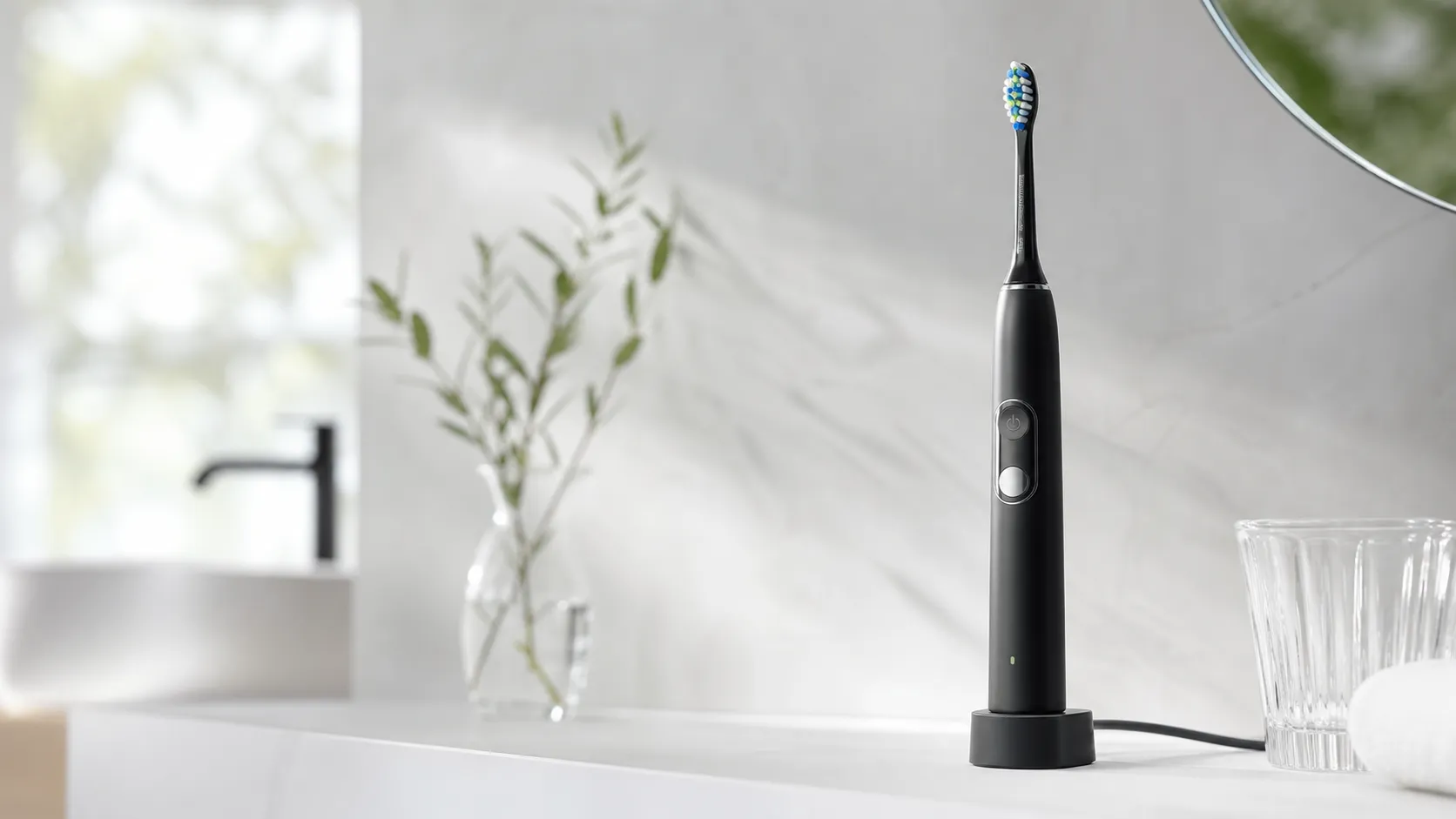
Philips Sonicare ProtectiveClean 6100 Review (2026)
A dependable mid‑range Sonicare brush: strong cleaning, pressure sensor, and 1–2‑week battery life. Great upgrade from manual brushing; watch replacement head costs.
 Health & Wellness
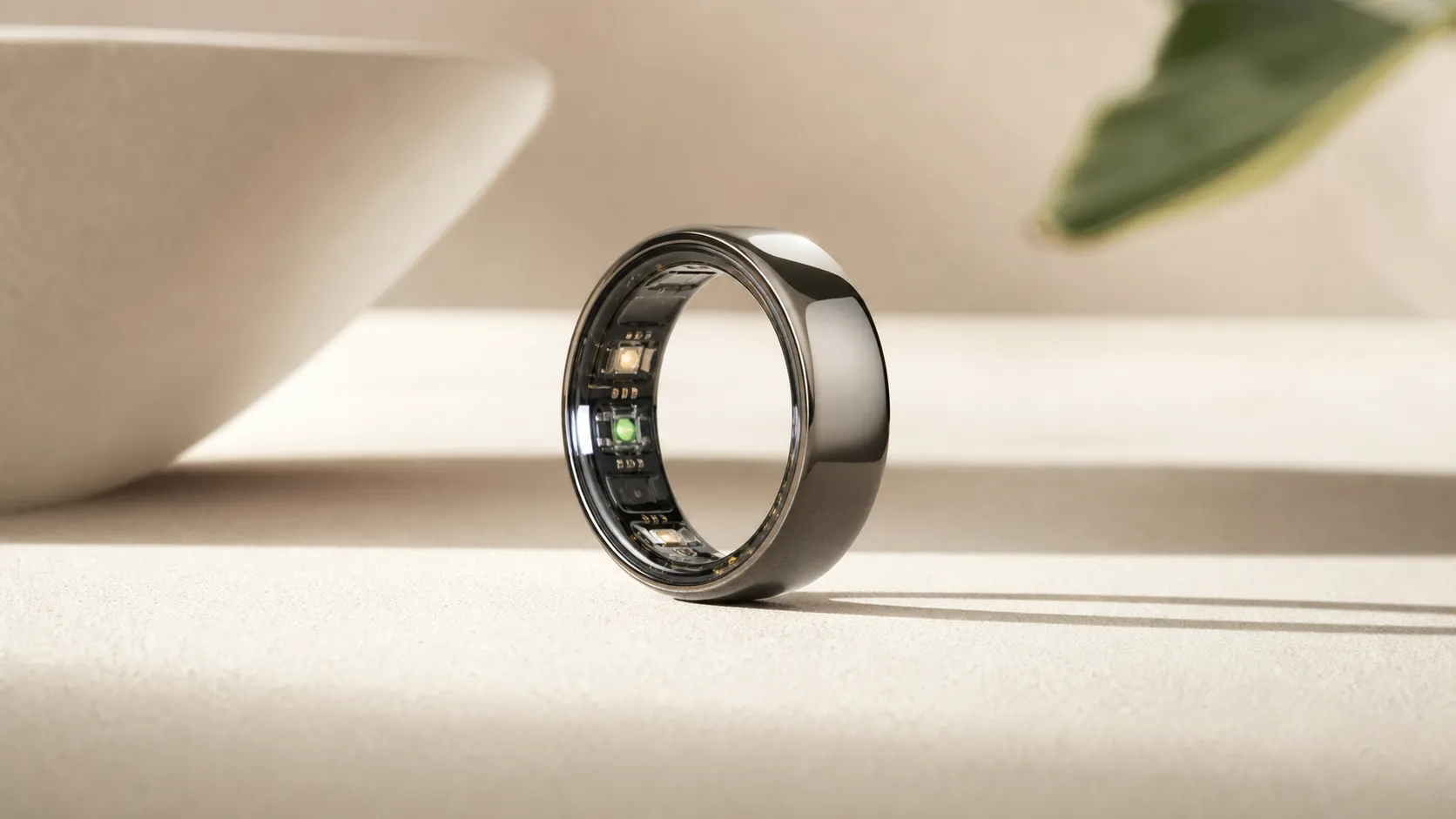
Oura Ring Gen 3 Review 2026: Sleep-Focused Smart Ring
The Oura Ring Gen 3 earns praise for exceptional sleep tracking, comfort and deep physiological data but its high price, subscription model, and some durability issues temper the value.
 Health & Wellness
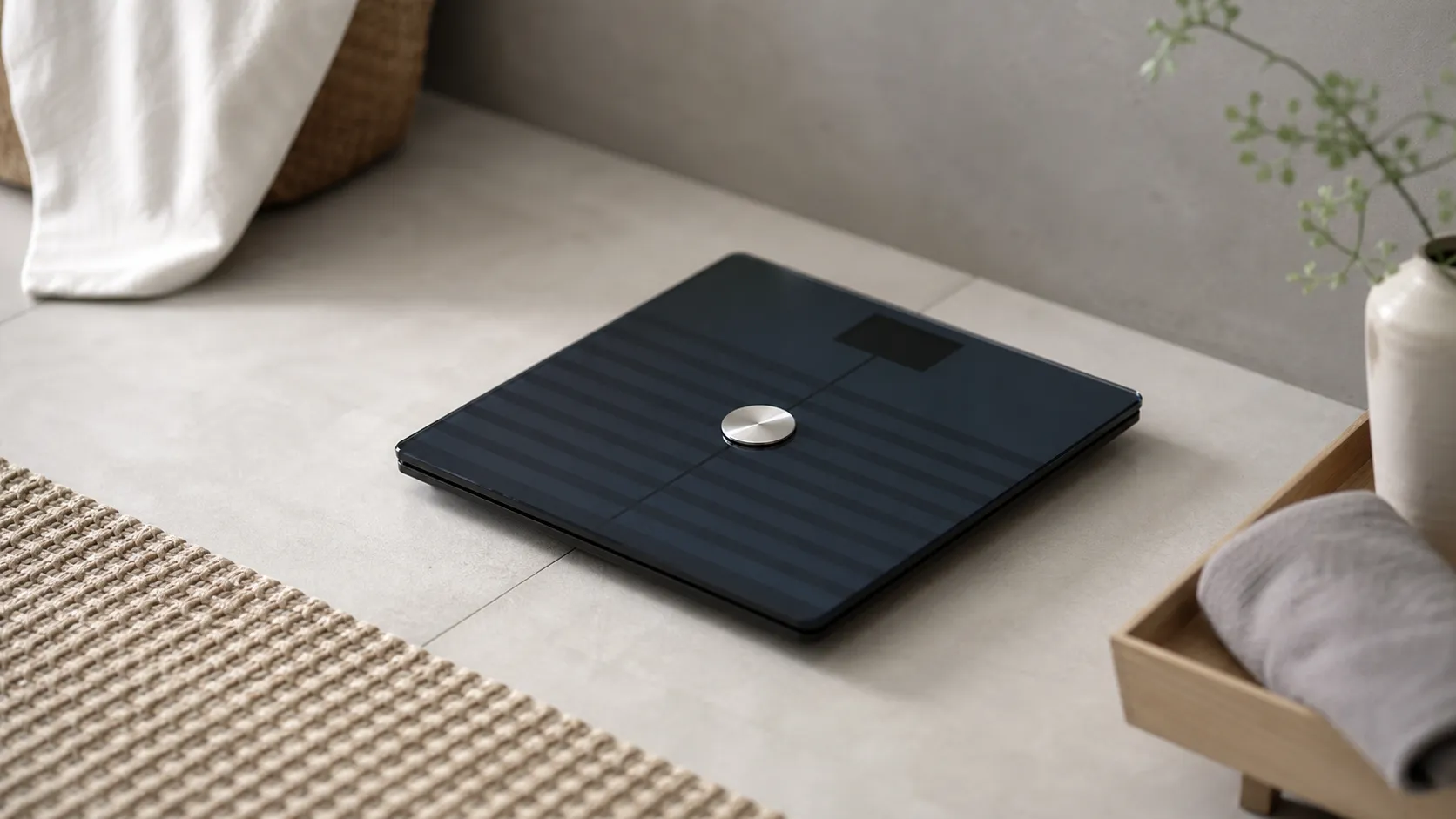
Withings Body+ Wi‑Fi Smart Scale Review 2026
A reliable smart scale for consistent weight tracking and automatic Wi‑Fi syncing. Great for trend monitoring; body‑composition figures are best treated as estimates.