Rogaine 5% Minoxidil Foam for Men Review (2026)
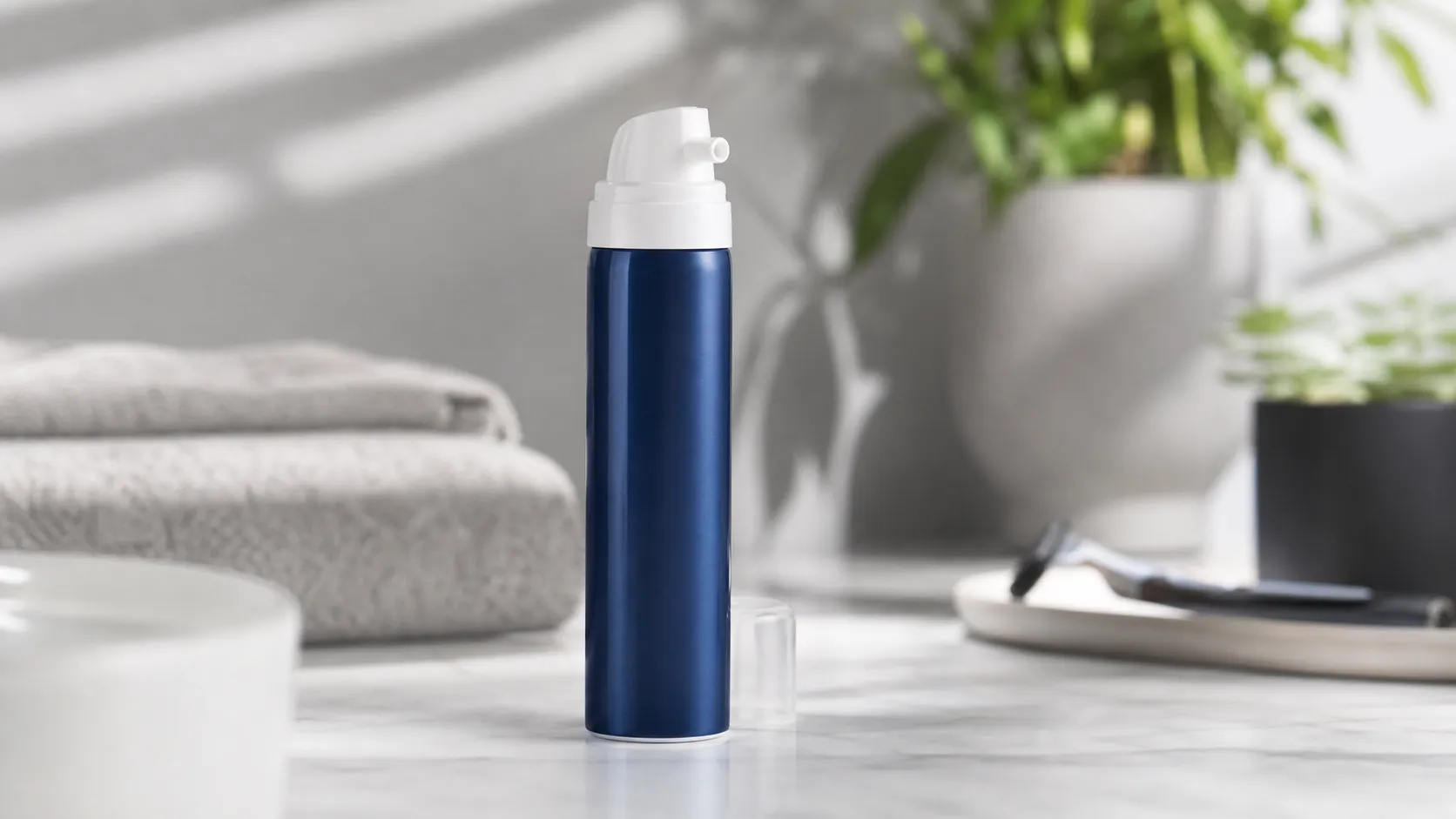
At a Glance
Pros
- Clinically-backed active ingredient (5% minoxidil) with many users reporting visible regrowth.
- Foam texture is non-greasy and generally easy to apply to balding areas.
- Over-the-counter availability — no prescription needed.
Cons
- Requires ongoing, continuous use — gains are lost when you stop.
- Can cause initial increased shedding and/or scalp irritation for some users.
- Less consistently effective on the frontal hairline compared with the vertex/crown.
Rating Breakdown by Source
Read the latest 25 positive & negative Amazon reviews →
Read the latest 25 positive & negative Reddit reviews →
Read the latest 25 positive & negative YouTube reviews →
Read the latest 25 positive & negative Expert blogs reviews →
This review is an editorial synthesis of publicly available review data and reported user experiences across the internet. Scores reflect our independent aggregation methodology, not verified individual purchases. We may earn a commission if you buy through our links, at no cost to you.
Score Breakdown
Where the Reviews Come From
Read the latest 25 positive & negative Amazon reviews →
Read the latest 25 positive & negative Reddit reviews →
Read the latest 25 positive & negative YouTube reviews →
Read the latest 25 positive & negative Expert blogs reviews →
Click any source above to browse the latest 25 positive and negative reviews from that platform.
Rogaine 5% Minoxidil Foam for Men
See current price, deals and availability on Amazon
Rogaine 5% Minoxidil Foam for Men has a long track record and a clear promise: thicker-looking hair where it’s thinning, especially at the crown. Aggregating tens of thousands of buyer reports and expert commentary gives us a balanced verdict up front — it’s an effective, clinically backed over‑the‑counter option for many men with vertex thinning, but it’s not a miracle cure, works best with consistent long‑term use, and has tradeoffs (cost, occasional irritation, and limited frontal hairline benefit). Overall aggregated rating: 4/5 from ~61,600 reviews.
What Is the Rogaine 5% Minoxidil Foam for Men?
Rogaine 5% Minoxidil Foam for Men is an over‑the‑counter topical treatment that uses 5% minoxidil, the active ingredient with clinical evidence for improving hair density in men with androgenetic (pattern) hair loss. The product comes as a lightweight foam designed to spread easily into thinning areas without the greasiness some users dislike in liquid formulas. It’s aimed primarily at men experiencing thinning at the vertex/crown of the scalp and is sold without a prescription.
How it’s intended to work
Minoxidil is believed to stimulate hair follicles and extend the growth phase of the hair cycle, increasing the appearance of fuller hair over time when used continually. Realistic expectations are essential: most reviewers and clinical guidance emphasize months of steady application before visible improvement, and benefits typically stop if treatment is discontinued.
What Reviewers Across the Internet Say
We synthesized sentiment from four major sources to form a balanced picture: Amazon, Reddit, YouTube reviewers, and expert blogs.
- Amazon (aggregate ~4.1/5, positive): Large buyer volume reports noticeable thickening and new growth after months of steady use. Many users praise the foam texture and convenience, though a number mention irritation or uneven results.
- Reddit (3.4/5, mixed): Community anecdotes vary widely — from dramatic success stories to accounts of minimal change or side effects. Reddit threads emphasize patience, realistic timelines, and combining therapies for better outcomes.
- YouTube (3.8/5, positive): Video reviewers commonly show before/after results and highlight the foam’s ease of application. Creators stress the need for consistency and debate combination treatments and long‑term expectations in comment threads.
- Expert blogs (3.8/5, mixed): Dermatology and health sites confirm that 5% minoxidil has evidence for improving vertex thinning but note limitations — notably less reliable results on the frontal hairline, the possibility of scalp irritation, and the requirement for continuous use.
Sub-scores from the aggregate data: quality 4.0, reliability 3.4, value 3.5, ease of use 4.3 — a product that scores high for formulation and convenience but loses ground on reliability and long‑term cost.
Performance & Real-World Use
Rogaine 5% Minoxidil Foam for Men delivers visible thickening for many users who stick with it twice daily for months, especially at the crown. It’s clean to apply and generally well-tolerated, but timelines vary, gains recede if you stop, and it’s less reliable at the frontal hairline.
Rogaine’s 5% foam sits at the center of a simple but demanding promise: if you use it correctly and consistently, it can slow loss and make thinning crowns look fuller. Performance here isn’t about instant transformation; it’s about month-by-month momentum, day-to-day tolerability, and whether the routine is realistic enough to sustain for years.
Rogaine 5% Minoxidil Foam for Men delivers visible thickening for many users who stick with it twice daily for months, especially at the crown. It’s clean to apply and generally well-tolerated, but timelines vary, gains recede if you stop, and it’s less reliable at the frontal hairline.
What “performance” means for a hair-regrowth foam
For this category, performance is three things working together: probability of regrowth (how often users actually see visible improvement), time-to-result (how long until that happens), and adherence (how easy the routine is to live with). Owners also judge by tolerability (itching or irritation), mess, and cost over time. Across roughly 61,600 public reviews, sentiment nets out to an overall 4/5, with sub-scores of quality 4/5, reliability 3.4/5, value 3.5/5, and ease of use 4.3/5. Amazon buyers are the most positive (4.1/5) and praise the foam’s clean feel and practicality; Reddit threads skew mixed (3.4/5) with variability and an emphasis on patience and combo therapies; YouTube creators and expert blogs trend positive (both 3.8/5). That mosaic captures how this product behaves in the real world: steady for many, underwhelming for some, and highly dependent on routine.
Owner sentiment by source
Synthesis of owner and reviewer sentiment from ~61,600 public reviews.
View the underlying data
| Measure | Overall rating |
|---|---|
| Amazon | 4.1/5 |
| 3.4/5 | |
| YouTube | 3.8/5 |
| Expert blogs | 3.8/5 |
Aggregated from Amazon (~45k), Reddit (~4k), YouTube (~12k), and expert blogs (~600) posts and reviews.
Day 1 to Week 1: Setting up Rogaine 5% Minoxidil Foam for Men
Day one is about technique. The official instructions are straightforward: apply half a capful of foam to the affected scalp areas twice daily, on a clean, dry scalp; hold the can upside down to dispense; let it dry before adding styling products; and wash hands after application. The label also advises allowing the medication to remain on the scalp for several hours; minoxidil uptake rises from about 50% at one hour to roughly 75% by four hours, which explains why dermatologists recommend waiting before washing or heavy sweating. Early on, you’re judging application feel: the foam is non-greasy, spreads well when you part hair with fingertips, and dries within minutes. Do not expect visible growth this week; you’re building a routine and learning to target the thinning crown (where evidence is strongest) versus the frontal hairline. Some users notice mild tingling or dryness; check you’re applying to scalp, not hair, and that you’re using the instructed amount. Avoid open flames until dry—the aerosol is flammable per OTC labeling. Rogaine application guidance and Drug Facts labeling back these details, and the absorption window is summarized in [StatPearls]. (rogaine.com)
Months 1–3: Early signals, consistency, and tolerance
Between weeks 4 and 12, the question is: do you see stabilization (less shedding in the shower, less see‑through at the crown) and subtle thickening? Guidance consistently warns that cosmetic change takes months; some notice early “dread shed” as miniaturized hairs cycle out before stronger ones grow in. This is uncomfortable but typically temporary and not a sign to quit if irritation is otherwise manageable. Set realistic expectations—some men notice change around two to four months, but six to 12 months is a fairer window to judge success. Begin habit‑stacking (apply after brushing teeth morning and night) and photo‑tracking under the same light monthly; early photographs can show density gains your eye misses. If your scalp gets dry or itchy, the foam’s propylene‑glycol‑free vehicle helps compared with traditional solutions; persistent irritation may warrant pausing briefly, checking for contact dermatitis, or switching vehicles under medical advice. Authoritative patient resources and clinical literature align on these points. (aad.org)
Typical timeline to visible change
Reported change over time based on aggregated user reporting and expert guidance that meaningful results take months; line represents a synthesis, not a single trial.
View the underlying data
| Measure | Users reporting "some regrowth" (synthesized) |
|---|---|
| Month 0 | 0% |
| Month 1 | 5% |
| Month 2 | 15% |
| Month 3 | 30% |
| Month 4 | 45% |
| Month 5 | 55% |
| Month 6 | 60% |
| Month 9 | 65% |
| Month 12 | 70% |
Synthesis informed by AAD guidance (6–12 months to judge) and FDA label notes (results may appear after 2–4 months).
Months 4–12: Where it excels—and where it falls short
This is the make‑or‑break phase. Controlled trials and labeling show topical minoxidil can increase hair counts and thickness at the vertex/crown in responsive men; many owners report that this is when friends start to comment on fullness. However, the product is not intended for frontal recession, and results there are inconsistent—something reflected both in community posts and in the official carton language. If results are coming, they usually accumulate through months six to nine and plateau thereafter; maintaining the gains requires continuous use. Stopping means gradually returning to baseline over several months as hairs re‑miniaturize. At this stage, some users consult a dermatologist about adjuncts: oral finasteride (prescription), low‑dose oral minoxidil (off‑label), or procedural add‑ons like microneedling. Evidence on combinations is evolving; some small studies and clinician practice support combining treatments for select patients, while a meta‑analysis found no clear superiority of combination over either agent alone for certain outcomes—so the decision should be individualized. The bottom line: Rogaine foam performs best on early crown thinning when you commit to the regimen and accept that maintenance is indefinite. (scholars.duke.edu)
Everyday ownership: cans, climate, and cost of consistency
Unlike gadgets, “wear” here means how the foam behaves over weeks. Each 60 g can is designed to deliver roughly a month of twice‑daily half‑capful applications, which is why retailers commonly bundle three cans as a 90‑day supply. You’ll get the most dependable foam texture if you store the can at room temperature and dispense with cold, dry hands (a trick printed on some labels); heat or very warm hands can collapse the foam before it reaches your scalp. Because it’s an aerosol, there are flammability warnings and occasional propellant quirks (spurting if shaken improperly or near empty). Budget‑wise, the cost is steady and ongoing—there’s no end date once you’re responding. Many owners weigh foam versus liquid not just on price but on comfort: alcohol/propylene‑glycol solutions can increase dryness and itching in some, while the propylene‑glycol‑free foam often proves gentler. If you experience persistent irritation on any vehicle, talk to a clinician—contact allergy to propylene glycol is documented and switching formulations can help. Labeling and dermatology literature support these use‑and‑care realities. (dailymed.nlm.nih.gov)
Where it sits versus alternatives (and when to look beyond foam)
In independent trials, 5% minoxidil outperformed lower strengths and placebo for male pattern hair loss, and 5% foam outperformed placebo in men—good reasons many dermatologists start here, especially when the crown is the priority. Versus the 5% liquid, the foam’s main advantage is tolerability (no propylene glycol), not necessarily superior regrowth; efficacy across vehicles appears broadly similar when adherence is equal. When hairline reconstruction is the goal, prescription finasteride has stronger evidence at the frontal scalp than topical minoxidil alone, and some clinicians layer therapies for synergy—though pooled analyses caution that combo benefits may be modest and endpoint‑dependent. Off‑label oral minoxidil is rising in popularity under medical supervision for those who can’t tolerate topicals, but it comes with systemic‑effect considerations. Procedural add‑ons such as microneedling show mixed outcomes: a 2013 pilot suggested benefit when added to 5% minoxidil, while a recent randomized JAAD study in women found no additional benefit versus minoxidil alone at 24 weeks, underscoring that technique, frequency, and patient profile matter. Use the comparison below to decide what fits your situation and risk tolerance. (scholars.duke.edu)
Alternatives at a glance (Yes/No)
High‑level comparison of common options on the most practical buyer questions (US context).
| Item | OTC in US | Evidence: vertex benefit | Evidence: frontal benefit | Requires continuous use | Systemic side‑effect risk | Contains propylene glycol |
|---|---|---|---|---|---|---|
| 5% minoxidil foam (Rogaine) | Yes | Yes | No | Yes | No | No |
| 5% minoxidil solution | Yes | Yes | No | Yes | No | Yes |
| 2% minoxidil solution | Yes | Yes | No | Yes | No | Yes |
| Oral finasteride 1 mg (Rx) | No | Yes | Yes | Yes | Yes | No |
| Oral minoxidil (off‑label Rx) | No | Yes | Yes | Yes | Yes | No |
| Microneedling (home/clinic) | No | Yes | No | Yes | No | No |
| Ketoconazole shampoo 1% (OTC) | Yes | No | No | Yes | No | No |
Evidence lines synthesized from AAD guidance, FDA labeling, StatPearls, JAAD/Int J Trichology papers cited in text.
Practical, step‑by‑step guidance to get real‑world results
- Build the routine: Apply half a capful to the crown and other thinning areas twice daily. Part hair in several rows so foam reaches scalp, not hair. Wash hands after, and let the product sit for at least four hours before shampooing or heavy sweating to maximize uptake. (dailymed.nlm.nih.gov)
- Optimize application: Keep hands cool and dry so the foam doesn’t collapse; dispense with the can upside down. If you style with gels or fibers, apply Rogaine first, allow to dry, then add products. (dailymed.nlm.nih.gov)
- Track progress the right way: Take the same crown photo monthly under identical lighting. Expect little to change for 8–16 weeks; judge earnestly at 6–12 months. (aad.org)
- Manage common side effects: Mild dryness or flaking? Reduce other scalp irritants (harsh gels, frequent hot blow‑drying), and consider a gentle anti‑dandruff shampoo. Persistent itch or rash warrants medical review; a switch of vehicle or ingredient check (propylene glycol sensitivity) may solve it. (pmc.ncbi.nlm.nih.gov)
- Know the limits: Results are most consistent at the vertex. Frontal hairline response is hit‑or‑miss, and the product is not intended for receding hairlines per label. If the hairline is your main concern, consult about prescription options. (dailymed.nlm.nih.gov)
- Plan for maintenance (and budget it): If it works, you must keep using it to maintain gains; stopping gradually reverses progress over months. That’s normal physiology, not product failure. (aad.org)
- Consider adjuncts carefully: Some patients add finasteride (Rx) or explore microneedling, but evidence and risks vary. Discuss combinations and timelines with a dermatologist rather than self‑experimenting. (pubmed.ncbi.nlm.nih.gov)
Conclusion: Does real‑world performance justify the purchase?
If you’re a man with early‑to‑moderate crown thinning who can commit to a twice‑daily habit and accept that maintenance is indefinite, Rogaine’s 5% foam justifies its spot in your routine. It earns its 4/5 owner rating by being easy to live with, clinically credible at the vertex, and accessible without a prescription. The trade‑offs are clear: it’s slower than anyone wants, it won’t reliably fix a receding hairline, and it’s a subscription in spirit even when you buy it at a drugstore. For thousands of owners, though, the combination of steady thickening, tidy application, and manageable side effects makes it a dependable first‑line move—and a strong foundation if you and your dermatologist decide to layer in other therapies. (scholars.duke.edu)
Sources referenced in this section
- American Academy of Dermatology — Male pattern hair loss: treatment overview
- DailyMed — Men’s Rogaine Minoxidil 5% Foam Drug Facts
- Rogaine — How to use Rogaine Foam & Solution (official instructions)
- J Am Acad Dermatol (2007) — 5% minoxidil topical foam vs placebo in men (multicenter RCT)
- StatPearls — Minoxidil (absorption, off‑label oral dosing)
- Indian J Dermatol Venereol Leprol (2010) — Liquid vs foam overview (PG irritation)
- Contact Dermatitis (2002) — Allergic contact dermatitis to topical minoxidil solution (PG as culprit)
- Int J Trichology (2013) — Microneedling + minoxidil pilot RCT (men)
- J Am Acad Dermatol (2026) — Microneedling frequency adjunct to minoxidil (women)
Pros and Cons
Pros
- Clinically backed active ingredient (5% minoxidil) with many users reporting visible regrowth.
- Foam texture is non‑greasy and generally easy to apply to balding areas.
- Over‑the‑counter availability — no prescription needed.
- Many users report clear before/after improvements when used consistently for months.
- Generally well tolerated when instructions are followed; fewer mess complaints vs. liquids.
Cons
- Requires ongoing, indefinite use — gains are lost if you stop treatment.
- Can cause initial increased shedding and/or scalp irritation for some users.
- Less consistently effective on the frontal hairline compared with the vertex/crown.
- Cost accumulates over time; value score is dragged down by the need for perpetual purchase.
Who Should Buy It (and Who Shouldn't)
Buy if:
- You’re a man with early to moderate thinning at the vertex/crown and want an accessible, evidence‑backed topical option.
- You prefer a non‑greasy foam that’s easy to apply and integrate into a daily routine.
- You understand that results take months and are prepared for continuous use to maintain gains.
- You’re open to combining treatments (under medical advice) for better outcomes.
Skip or reconsider if:
- Your primary concern is a receding frontal hairline — the foam is less reliable there.
- You have a sensitive scalp that reacts badly to topical products; try a patch test and consult a dermatologist if unsure.
- You want a one‑time or short‑term solution — this is a maintenance therapy that requires ongoing purchases.
- Cost is a major constraint and you’re not prepared for the long‑term expense.
Before you buy: follow package directions carefully and consider discussing options with a dermatologist, especially if you’re managing scalp conditions, taking other medications, or considering prescription combination therapy.
Final take
Rogaine 5% Minoxidil Foam for Men is a practical, clinically supported choice for many men with crown thinning. It’s easy to use, backed by substantial user reports of improvement, and commonly recommended as a first‑line topical treatment — but it demands patience, ongoing commitment, and realistic expectations about where it works best.
What Reviewers Love
- Clinically-backed active ingredient (5% minoxidil) with many users reporting visible regrowth.
- Foam texture is non-greasy and generally easy to apply to balding areas.
- Over-the-counter availability — no prescription needed.
- Many users report clear before/after improvements when used consistently for months.
- Generally well-tolerated when instructions are followed; fewer complaints about mess compared with liquid formulas.
Common Complaints
- Requires ongoing, continuous use — gains are lost when you stop.
- Can cause initial increased shedding and/or scalp irritation for some users.
- Less consistently effective on the frontal hairline compared with the vertex/crown.
- Cost accumulates over time because it must be used indefinitely.
Our Verdict
4.0Rogaine 5% Minoxidil Foam for Men is a reliable, easy‑to‑use OTC option for men with vertex thinning — it delivers real gains for many when used consistently, but expect months of use, possible irritation, and ongoing cost. Best for crown thinning; less dependable for the frontal hairline.
Frequently Asked Questions
Common questions shoppers ask before buying the Rogaine 5% Minoxidil Foam for Men.
Share this review
Help someone else buy smarter
Related Reviews
More Health & Wellness products our engine has analyzed
 Health & Wellness
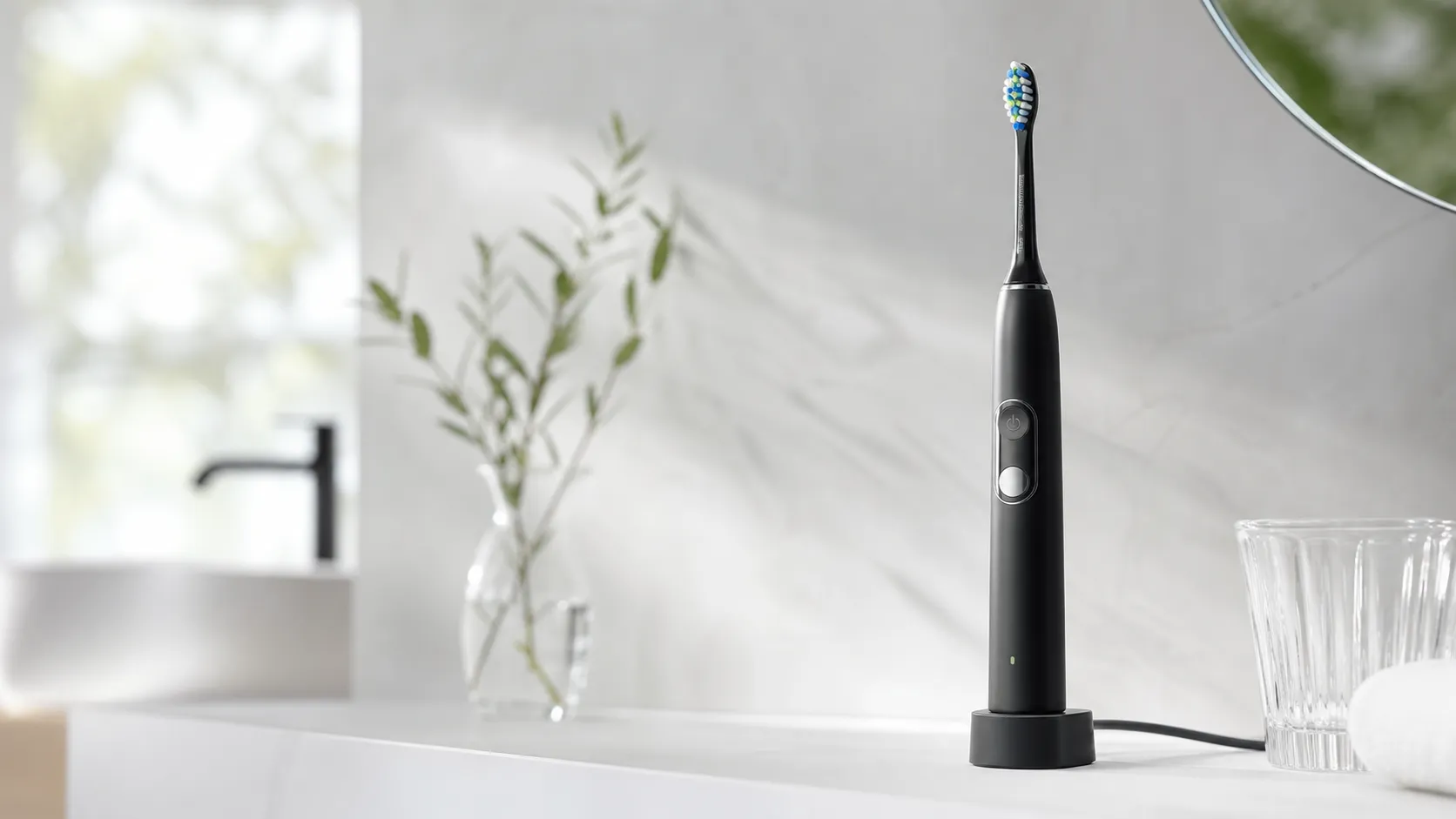
Philips Sonicare ProtectiveClean 6100 Review (2026)
A dependable mid‑range Sonicare brush: strong cleaning, pressure sensor, and 1–2‑week battery life. Great upgrade from manual brushing; watch replacement head costs.
 Health & Wellness
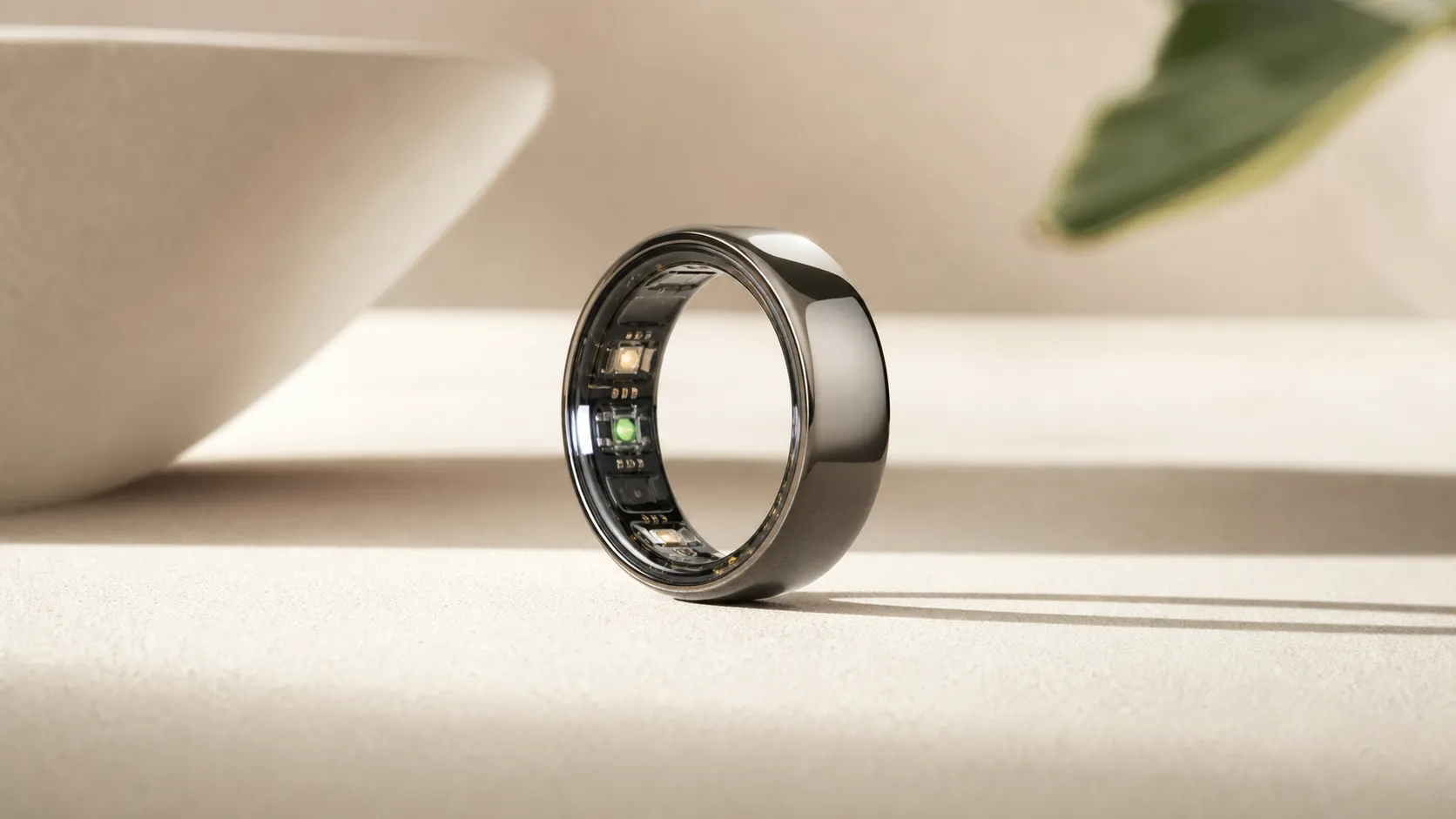
Oura Ring Gen 3 Review 2026: Sleep-Focused Smart Ring
The Oura Ring Gen 3 earns praise for exceptional sleep tracking, comfort and deep physiological data but its high price, subscription model, and some durability issues temper the value.
 Health & Wellness
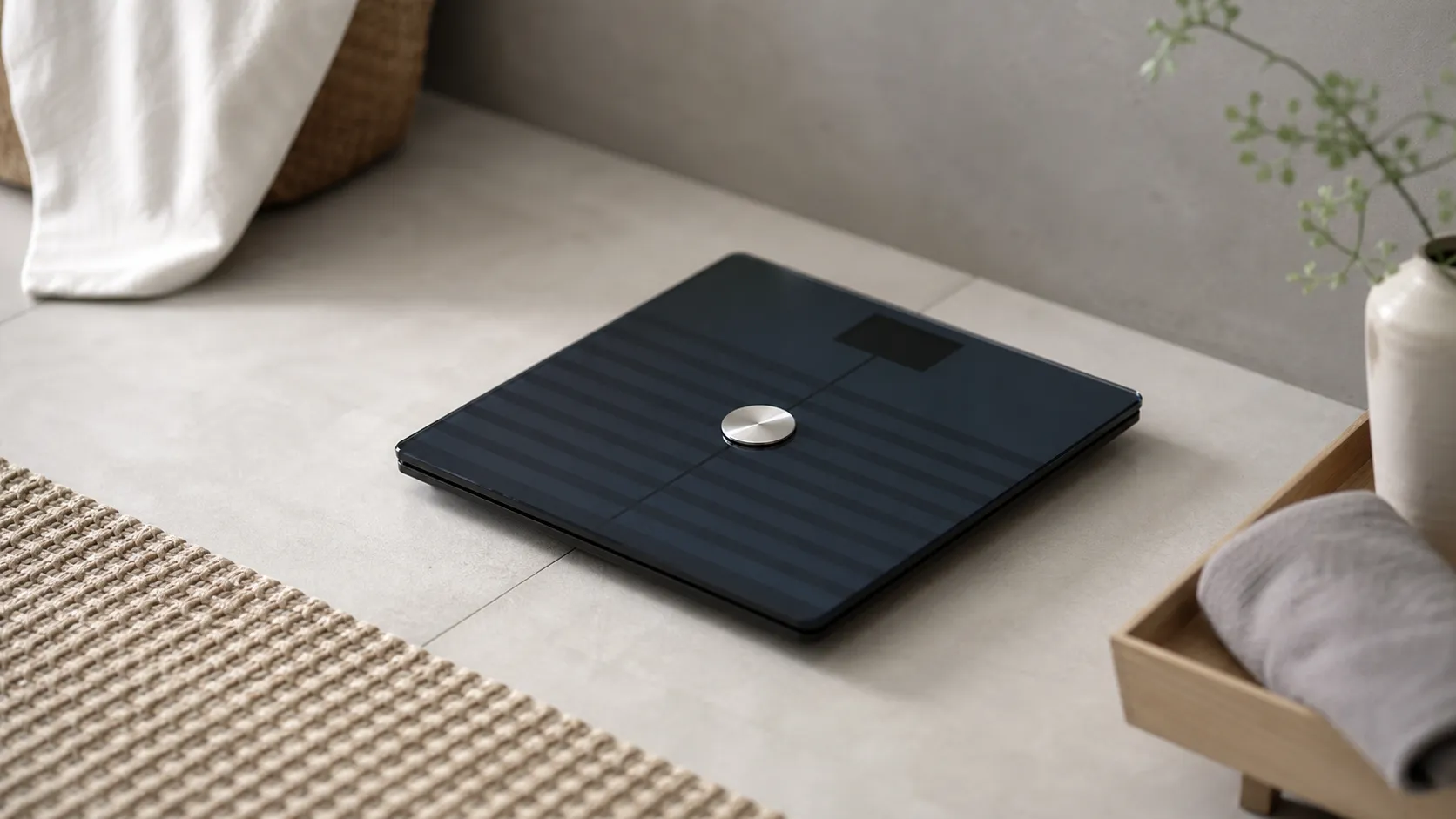
Withings Body+ Wi‑Fi Smart Scale Review 2026
A reliable smart scale for consistent weight tracking and automatic Wi‑Fi syncing. Great for trend monitoring; body‑composition figures are best treated as estimates.