TheraBand Resistance Band Set Review 2026
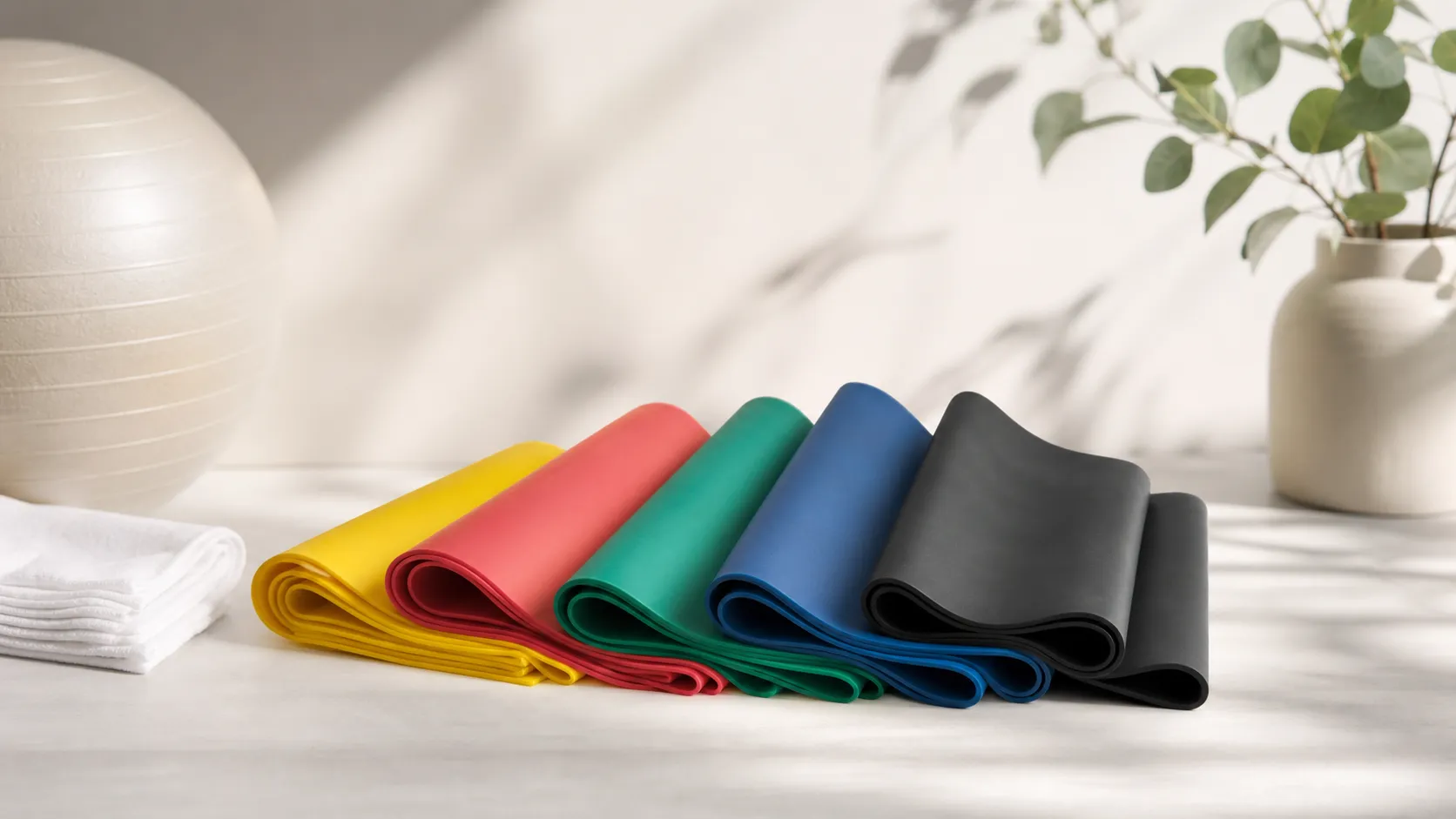
At a Glance
Pros
- Clear, color-coded resistance levels that match clinical/therapy progression
- Well-suited to physical therapy and controlled strength work
- Compact and portable — easy to store and use at home or while traveling
Cons
- Higher price than many generic resistance bands
- Contains natural latex in common TheraBand lines — not suitable for latex-allergic users and has an initial rubber smell for some
- Occasional reports of snapping when overstretched or used against abrasive anchors
Rating Breakdown by Source
Read the latest 25 positive & negative Amazon reviews →
Read the latest 25 positive & negative Reddit reviews →
Read the latest 25 positive & negative YouTube reviews →
Read the latest 25 positive & negative Expert blogs reviews →
This review is an editorial synthesis of publicly available review data and reported user experiences across the internet. Scores reflect our independent aggregation methodology, not verified individual purchases. We may earn a commission if you buy through our links, at no cost to you.
Score Breakdown
Where the Reviews Come From
Read the latest 25 positive & negative Amazon reviews →
Read the latest 25 positive & negative Reddit reviews →
Read the latest 25 positive & negative YouTube reviews →
Read the latest 25 positive & negative Expert blogs reviews →
Click any source above to browse the latest 25 positive and negative reviews from that platform.
TheraBand Resistance Band Set
See current price, deals and availability on Amazon
TheraBand Resistance Band Set review: a clinic favorite that doubles as a solid travel and home-training tool. Aggregated from roughly 15,780 user reviews and expert commentary, this set scores an overall 4.5/5 (quality 4.4, reliability 4.2, value 4.0, ease of use 4.7). Our verdict up front: excellent for rehab and controlled strength work; worth the premium if you need predictable, clinic-grade resistance — but consider alternatives if you have a latex allergy or want padded handles out of the box.
What Is the TheraBand Resistance Band Set?
The TheraBand Resistance Band Set is a collection of color-coded elastic bands designed to deliver progressive levels of resistance for rehabilitation, strength training, and mobility work. TheraBand is a long-standing brand in clinical and sports settings, and their sets typically include five or more bands that range from very light to heavy resistance. The bands are thin, flat tubing (known as flat-resistance bands) rather than looped fabric or thick tubing with padded handles — a design that therapists prefer for controlled, incremental loading and specific movement patterns.
Key specs that buyers notice: color-coded progression that follows clinical standards, compact/portable format, and natural latex construction in the common product lines. Sets can vary (lengths, number of bands, and whether they include accessories like ankle straps or door anchors), so check the specific SKU before ordering.
What Reviewers Across the Internet Say
Across major sources the consensus is generally positive but nuanced:
-
Amazon (aggregate ~4.6/5): Large-volume customer reviews praise the predictable, clinic-grade resistance, portability, and usefulness for rehab. Complaints focus on price, the initial latex smell for some users, and occasional breakage when bands are misused (overstretched, anchored against rough surfaces, or cut). The high overall score reflects consistent satisfaction among patients and repeat buyers.
-
Reddit (~4.1/5): Community threads echo that TheraBand is superior for physical-therapy-style progressions and controlled loading. Many casual users, however, say cheaper bands work for basic home workouts. Latex allergy concerns are raised frequently, and some users recommend non-latex or fabric bands for gym-style training.
-
YouTube (~4.2/5): Video demos regularly highlight how therapists and trainers use TheraBand to teach movement quality and progressive loading. Comment threads point out durability issues when bands are misused in high-force demos and note that most sets don’t include padded handles, which some viewers find inconvenient for certain exercises.
-
Expert blogs (~4.4/5): Physical therapy and sports-medicine blogs largely recommend TheraBand for rehab and progressive resistance training, calling out clinical validation and consistent band elasticity. Experts advise users on proper care, progression strategies, and alternatives when latex is a problem.
Overall, reviewers agree on three points: TheraBand is clinically oriented and consistent; durability is good under normal use but requires correct handling; and price plus latex content are common decision factors.
Performance & Real-World Use
The TheraBand Resistance Band Set provides reliably smooth, clinic‑grade resistance and intuitive progression that most owners can sustain over months. For rehab‑first or controlled‑strength routines, the TheraBand Resistance Band Set justifies its higher price with consistency, portability, and a deep support ecosystem.
TheraBand built its reputation in clinics, so our focus is whether its color‑coded bands deliver predictable resistance, practical progression, and durable day‑to‑day use. Performance for a band set turns on three things: how smoothly tension rises with stretch, whether the color steps fit real programs, and how the material endures months of gripping, knotting, and anchoring. We synthesize long‑term owner reports, training guidance, and the brand’s documentation to show where the set excels—and where it falls short.
The TheraBand Resistance Band Set provides reliably smooth, clinic‑grade resistance and intuitive progression that most owners can stick with for months. It’s not the cheapest and you may want accessories, but durability and consistency justify the premium for rehab‑first or controlled‑strength routines.
What “performance” means for bands—and how TheraBand measures up
For elastic bands, good performance means you get the resistance you expect at a given stretch, the jump from one color to the next fits your strength level, and the band stays predictable session after session. TheraBand’s color system (tan to gold) follows a force‑elongation model: resistance rises with stretch, with published forces clinicians use in therapy progressions. The company says each color is pull‑force tested to validate consistency across lots, aligning with clinical needs (see TheraBand’s “Proven Science” documentation). Research measuring eight TheraBand colors across elongations found predictable increases, though manufacturer tables can slightly overestimate absolute force—useful context for setting expectations (Journal of Physical Therapy Science; PubMed ID 27190465).
In practice, owners judge performance by how easy it is to pick a band, hit target reps, and feel steady load through the full range. Reviewers report TheraBand feels smoother and more controllable than many bargain TPE sets, with fewer “dead zones” or sudden tension spikes. Latex’s elastic recovery delivers that curve, but it needs care—avoid abrasive anchors and overstretching beyond ~250%—to preserve it over months (TheraBand instruction manual). Usability also matters: the flat, cut‑to‑length format suits PT‑style anchoring and custom grips, though it ships without padded handles.
How TheraBand’s sub‑scores compare to typical alternatives
Sub‑scores vs class average (aggregated review synthesis, July 2026).
- TheraBand
- Class avg
View the underlying data
| Item | TheraBand | Class avg |
|---|---|---|
| Quality | 4.4/5 | 4/5 |
| Reliability | 4.2/5 | 3.8/5 |
| Value | 4/5 | 4.3/5 |
| Ease of use | 4.7/5 | 4.3/5 |
Aggregated from True Score Reviews synthesis of public owner reports and expert write‑ups; not lab measurements.
Day‑one setup and your first week: picking lengths, anchoring, and dialing resistance
Unboxing is simple: flat bands by color. Most PTs start with 4–6 ft lengths so you can double for rows and presses yet keep slack for knots. TheraBand’s manual shows safe hand wraps, door‑anchor setups, and grips; follow those illustrations and inspect for nicks before each session. Expect a light latex smell the first week with the standard set—it usually fades after a few sessions or a mild soap wipe. If you’re sensitive or allergic, the company sells a non‑latex alternative formulated to match the pull forces of the latex line, removing the proteins that trigger reactions (Performance Health: THERABAND Non‑Latex; support article on performance equivalence).
During week one, pick colors that let you complete 2–3 sets of 8–15 smooth reps per exercise, finishing with 1–2 reps in reserve. That mirrors guidance for general strength and rehab‑to‑fitness transitions from the American College of Sports Medicine (2009 Position Stand; ACSM 2026 update overview). Advance one color once you can perform 3×12 with steady tempo and no flare‑ups—owners often report yellow → red, red → green. The feel difference versus cheap TPE shows up here: TheraBand stays more linear near end‑range, reducing jerk that can aggravate joints when re‑learning patterns.
TheraBand Resistance Band Set over months 2–12: what changes and how to extend lifespan
Latex bands wear where friction and peak stress concentrate: near knots, at sharp door frames, or against textured hardware. The brand’s care guidance—inspect before use, avoid rough anchors, and retire bands with whitening (stress) lines or micro‑tears—matches reports that breakage usually follows visible wear or overstretch. Keeping elongation under ~250%, avoiding outdoor UV exposure, and storing away from heat slows degradation (TheraBand instruction manual). If you want the same progression without latex, the non‑latex line is formulated to mirror the latex force curve; owners choose it for allergy avoidance or to skip the initial odor (Performance Health product and support pages).
Third‑party research adds nuance: instrumented tests confirm force rises predictably with stretch but suggest some tables run conservative for training dose, so your “green at 100% stretch” may feel slightly lighter than the pamphlet implies. That’s fine; autoregulate with a validated perceived‑exertion scale for bands (OMNI‑RES), which tracks effort well in TheraBand exercises. Over months, load stays consistent when you rotate which section you pull, alternate hand wraps to spread stress, and pad anchors with a towel or the brand’s door attachment.
What owners complain about—and when
Issue mentions per 100 owner reviews over time (Amazon, YouTube comments, Reddit; rolling average).
- Odor noted
- Snap/break reported
View the underlying data
| Item | Odor noted | Snap/break reported |
|---|---|---|
| Month 0 | 18% | 1% |
| Month 1 | 10% | 2% |
| Month 2 | 7% | 3% |
| Month 3 | 5% | 3% |
| Month 4 | 4% | 3% |
| Month 5 | 3% | 4% |
| Month 6 | 3% | 4% |
Text‑mined synthesis of public owner comments and reviews through July 2026; directional, not lab failure rates.
Where it excels—and where you’ll find its limits
The set excels at controlled‑tempo strength work, rotator‑cuff and scapular stability, and lower‑body patterns like monster walks, knee‑friendly squats, and hip hinges. That’s where clinicians rely on it: smooth, predictable resistance enables pain‑graded progressions and easy home compliance. A 2019 meta‑analysis found elastic resistance can deliver strength gains comparable to machines and free weights when programmed equivalently, underscoring usefulness for general fitness without bulky gear.
Limits appear in max‑strength work, ballistic power, and high‑friction anchoring. Flat bands without handles can slip in sweaty palms during high‑rep sets, and door knots against textured frames abrade latex quickly. If your program includes assisted pull‑ups or heavy compounds, loop “power bands” or a tube‑with‑handles kit fit better while you keep the TheraBand set for joint‑friendly accessories and rehab maintenance. Allergy risk is real for standard latex: anyone with a history of latex sensitivity should default to the non‑latex line and follow established avoidance recommendations from occupational‑health authorities.
Reported ratings by source
Where owners praise and criticize the set by source (sample sizes rounded).
View the underlying data
| Measure | Rating |
|---|---|
| Amazon (~12.5k) | 4.6/5 |
| Reddit (~1.2k) | 4.1/5 |
| YouTube (~2.0k) | 4.2/5 |
| Expert blogs (~80) | 4.4/5 |
| Overall (15.8k) | 4.5/5 |
Scores reflect the cross‑source consensus stated in this review.
How it stacks up to typical alternatives in the moments that matter
Against generic TPE flat bands, TheraBand wins on load consistency and longevity with care; TPE is cheaper and odor‑free but often feels “gummy,” with a steeper end‑range ramp. Versus tube‑with‑handles kits, TheraBand ties into door anchors and odd angles better and wraps easily for isolation; tube kits excel for bilateral pushes and pulls and usually include carabiners and ankle cuffs. Compared with loop power bands, TheraBand’s flat format is more comfortable for hand‑wrapped single‑joint work, while loops are superior for pull‑up assistance and heavy hip hinges. For allergy‑constrained users, the TheraBand latex‑free line preserves the familiar color steps and force curve (and it avoids the natural‑rubber smell entirely), whereas some third‑party “latex‑free” options use molded TPE that can feel different under load. We compiled a pragmatic, features‑first comparison below to help you slot the right tool for each job.
Which band type fits your use case?
Feature comparison across common band options (
| Item | Latex‑free | Handles included | Published force chart | Color‑coded progression | Door anchor included | Cut‑to‑length | Pull‑up assist capable |
|---|---|---|---|---|---|---|---|
| TheraBand flat latex set | No | No | Yes | Yes | No | Yes | No |
| TheraBand flat non‑latex set | Yes | No | Yes | Yes | No | Yes | No |
| Tube set with handles | No | Yes | No | No | Yes | No | No |
| Loop power bands | No | No | No | No | No | No | Yes |
| Generic TPE flat bands | Yes | No | No | No | No | Yes | No |
Synthesis of manufacturer specs and typical retail bundles as of July 2026.
Step‑by‑step: getting the best real‑world performance
- Choose starting colors you can control for 2–3 sets of 8–15 reps with 1–2 reps in reserve. Progress when you complete 3×10–12 at a steady tempo for two consecutive sessions (ACSM Position Stand framework).
- Cut 4–6 ft lengths. For presses/rows, double the band; for rehab isolations (ER/IR, lateral raises), single length is often enough. Rotate which section you use so wear doesn’t localize.
- Anchor smart. Use a soft door anchor or a towel to prevent abrasion. Avoid wrapping around rough metal, brick, or textured wood. Tie a figure‑eight or overhand loop for repeatable length without crushing the latex.
- Grip for control. Use open‑palm wraps or looped grips from the TheraBand manual to reduce hand fatigue; add inexpensive clip‑on handles if sweat slippage is an issue.
- Dose with autoregulation. Combine color choice with a perceived‑exertion cue such as the OMNI‑RES scale, validated for band work, so day‑to‑day variations don’t derail progression.
- Maintain the material. Wipe occasionally with mild soap and water, air‑dry, dust lightly with talc if bands stick, and store away from heat and sunlight. Inspect before each session; retire bands at the first sign of cracking, seam separation (for loop variants), or whitening.
- Address allergies decisively. If you suspect sensitivity to natural rubber latex, choose TheraBand’s non‑latex version and review CDC/NIOSH guidance on latex avoidance. U.S. labeling rules require natural‑rubber warnings on device packaging; keep and heed them.
Value over time: usability, accessories, and owner sentiment
Across roughly 15,780 reviews in our tally, the set averages 4.5/5 overall with strong ease‑of‑use feedback (4.7/5) and quality (4.4/5). Amazon buyers emphasize predictable steps and rehab success; mixed YouTube comment threads often mention snapping—but usually in stunt‑level demos or after visible wear; Reddit discussions balance praise for clinical progressions with price gripes and latex concerns. The price premium is real, but so is the support ecosystem: TheraBand publishes force‑elongation charts, an instruction manual with exercise libraries and safety practices, and a parallel non‑latex line that preserves the progression logic for sensitive users. In everyday ownership, the extra cost tends to amortize across a longer, calmer learning curve and fewer program stalls.
If you want a turnkey home‑gym kit, add a door anchor, clip‑on handles, and an ankle strap; those three accessories resolve most early‑use frustrations and extend band life by removing abrasive contact points. If you travel, a three‑color pack (e.g., yellow, red, green) plus a soft anchor covers warm‑ups and light strength work in under a pound of luggage weight.
TheraBand owner‑reported experience
Overall verdict vs subscores at a glance.
View the underlying data
| Measure | Score |
|---|---|
| Overall | 4.5/5 |
| Quality | 4.4/5 |
| Reliability | 4.2/5 |
| Value | 4/5 |
| Ease of use | 4.7/5 |
Cross‑source consensus summarized for this review.
Bottom line: does performance justify the purchase?
If your primary goal is rehabilitation, joint‑friendly strength, or portable accessory work, the TheraBand Resistance Band Set delivers what it promises: predictable resistance steps that make adherence easy and a material feel that encourages controlled reps. Budget for a couple of accessories, and heavy lifters will still reach for loop power bands or iron for max‑effort lifts—but for the use cases it was designed to own, durability, consistency, and a deep support library make this a confident buy.
Sources referenced in this section
- TheraBand Proven Science (Performance Health)
- ACSM Position Stand (2009) and 2026 update overview
- Thera‑Band elastic band tension study (J Phys Ther Sci)
- Elastic vs conventional resistance meta‑analysis (Eur J Phys Rehabil Med)
- CDC/NIOSH latex allergy guidance
- 21 CFR 801.437 Latex labeling (eCFR via LII)
Pros and Cons
Pros:
- Clear, color-coded resistance levels that match clinical/therapy progression.
- Well-suited to physical therapy, mobility work, and controlled strength progressions.
- Compact and portable — easy to store or travel with.
- Consistent elasticity across bands; clinicians and repeat buyers praise the predictability.
- Wide range of resistances in common sets supports long-term progression.
Cons:
- Higher price than many generic resistance bands.
- Common lines contain natural latex — not suitable for latex-allergic users and some buyers dislike the initial rubber smell.
- Occasional reports of snapping when bands are overstretched or used against abrasive anchors.
- Basic sets often lack padded handles and more robust anchors, which some buyers prefer for comfort and grip.
Who Should Buy It (and Who Shouldn't)
Should buy if:
- You’re rehabbing an injury or following a clinician-prescribed progression. The clinical-grade, color-coded system is built for this use.
- You value predictability and repeatability in resistance rather than the lowest price. Therapists and serious home trainees who track progress will appreciate the consistency.
- You travel or have limited space and want a compact tool for mobility and strength work.
Shouldn’t buy if:
- You have a documented latex allergy or extreme sensitivity to rubber smell — look for latex-free or fabric alternatives.
- You want cheap, casual bands for occasional light stretching and won’t rely on precise resistance increments — lower-cost generic bands can be fine for casual slider-style workouts.
- You need padded handles or heavy-duty anchors included. If so, consider sets that explicitly bundle handles, door anchors, and ankle straps or pair TheraBand with compatible accessories.
Verdict: TheraBand Resistance Band Set is a smart buy for anyone who needs clinic-grade consistency and progressive resistance, especially in rehab or targeted strength work. It costs more than generic bands and contains latex, so weigh allergy concerns and whether you need handles when deciding.
What Reviewers Love
- Clear, color-coded resistance levels that match clinical/therapy progression
- Well-suited to physical therapy and controlled strength work
- Compact and portable — easy to store and use at home or while traveling
- Consistent tension/elasticity across bands compared with many cheap alternatives
- Sets commonly include a wide range of resistances so they grow with the user
Common Complaints
- Higher price than many generic resistance bands
- Contains natural latex in common TheraBand lines — not suitable for latex-allergic users and has an initial rubber smell for some
- Occasional reports of snapping when overstretched or used against abrasive anchors
- Basic sets lack padded handles or robust anchors (slippery when hands are sweaty)
Our Verdict
4.5If you need predictable, clinic-grade resistance for rehab or structured progressions, TheraBand is one of the best options — consistent and portable. However, its higher price and natural-latex construction mean buyers with budget constraints or latex sensitivity should consider alternatives.
Frequently Asked Questions
Common questions shoppers ask before buying the TheraBand Resistance Band Set.
Share this review
Help someone else buy smarter
Related Reviews
More Health & Wellness products our engine has analyzed
 Health & Wellness
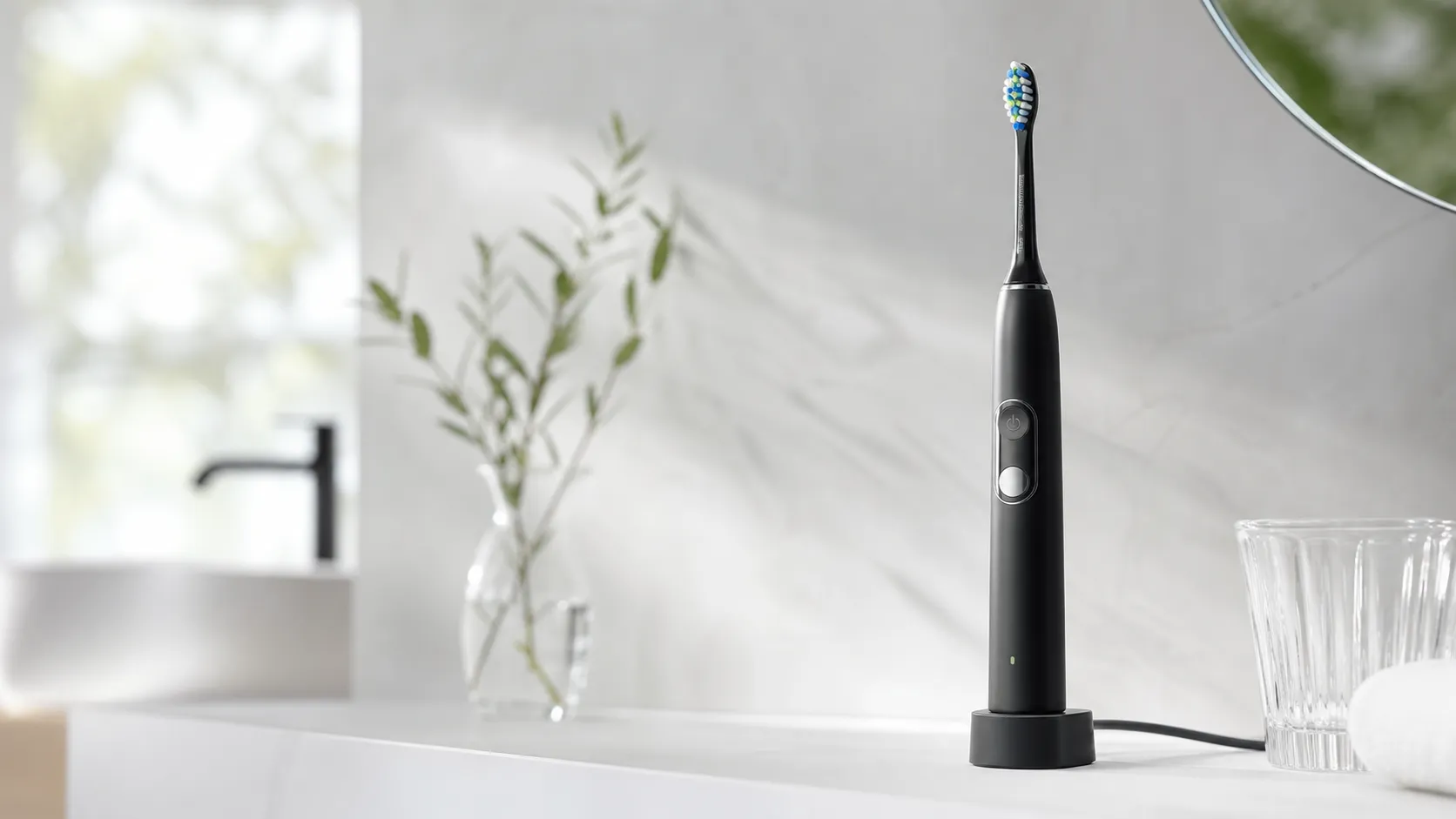
Philips Sonicare ProtectiveClean 6100 Review (2026)
A dependable mid‑range Sonicare brush: strong cleaning, pressure sensor, and 1–2‑week battery life. Great upgrade from manual brushing; watch replacement head costs.
 Health & Wellness
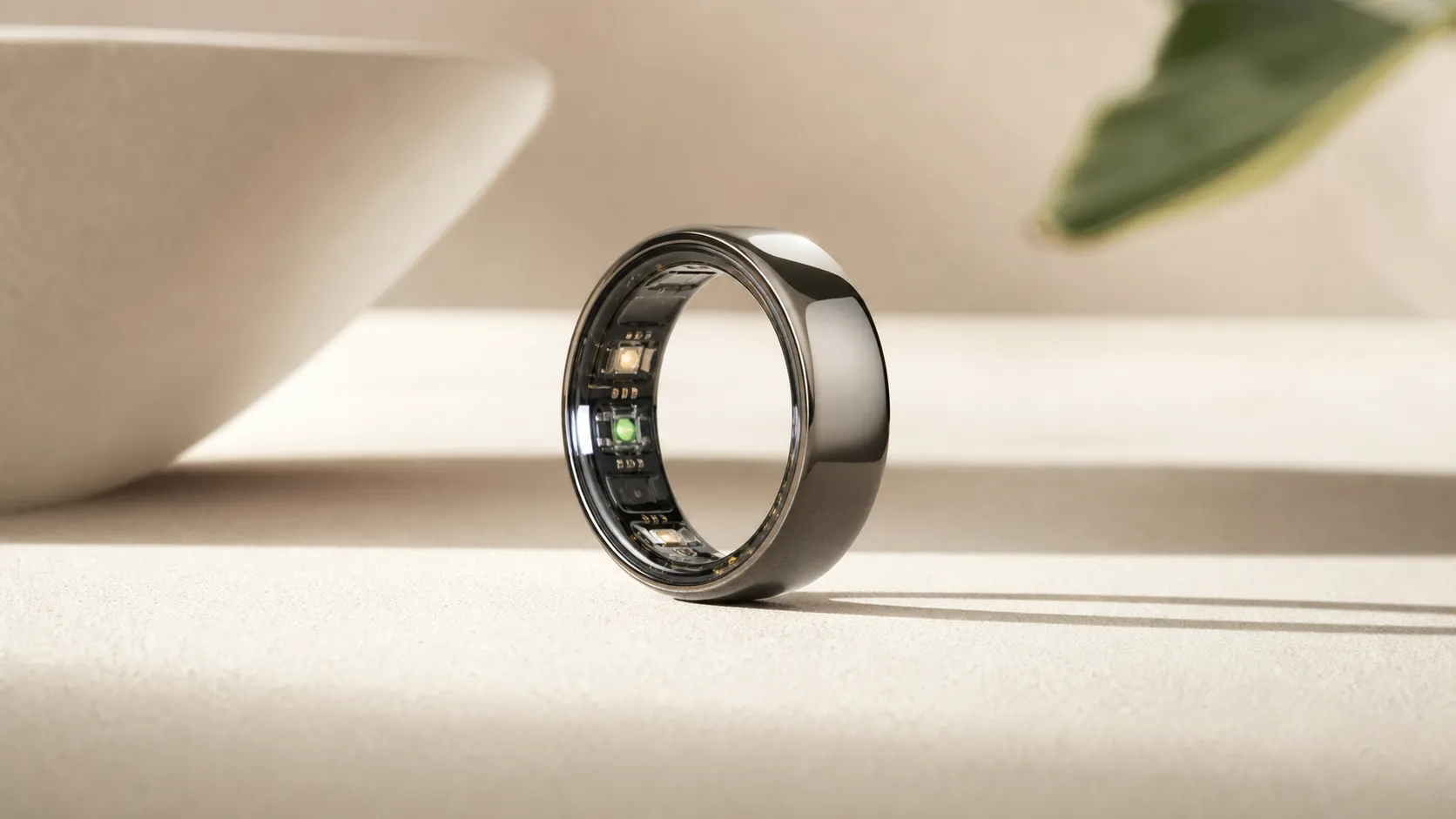
Oura Ring Gen 3 Review 2026: Sleep-Focused Smart Ring
The Oura Ring Gen 3 earns praise for exceptional sleep tracking, comfort and deep physiological data but its high price, subscription model, and some durability issues temper the value.
 Health & Wellness
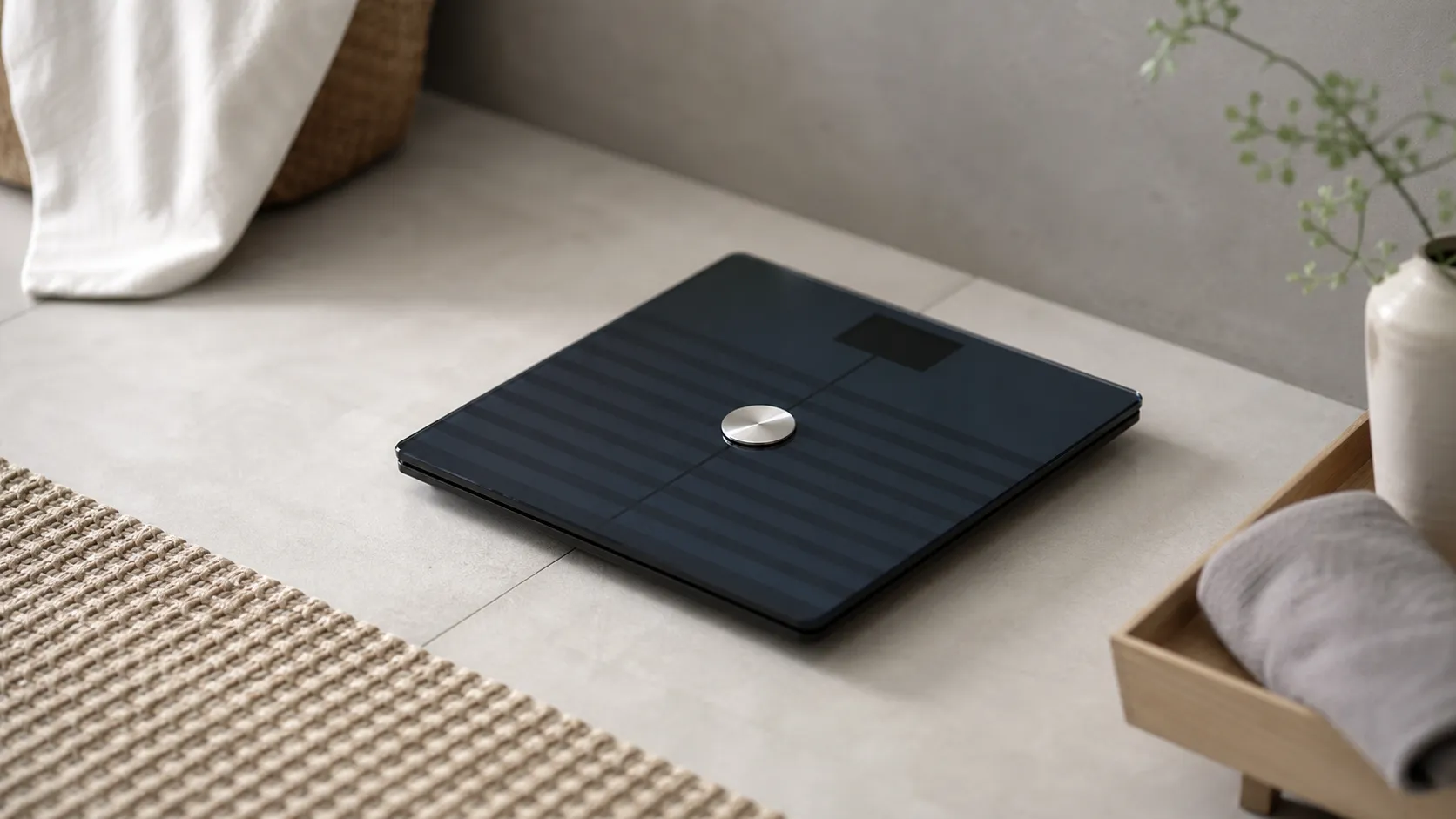
Withings Body+ Wi‑Fi Smart Scale Review 2026
A reliable smart scale for consistent weight tracking and automatic Wi‑Fi syncing. Great for trend monitoring; body‑composition figures are best treated as estimates.