Withings Body+ Review 2026: Wi‑Fi Body Composition Scale
At a Glance
Pros
- Very accurate and consistent weight measurements
- Automatic Wi‑Fi syncing to the Health Mate app (no phone required at weigh-in)
- Multi-user recognition and profiles work reliably for households
Cons
- Body-composition numbers (body fat, muscle mass, water, bone) are variable and should be treated as trend indicators rather than clinical values
- Occasional Wi‑Fi / app sync or setup hiccups reported by some users
- Higher price than basic scales — more expensive if you only need weight
Rating Breakdown by Source
Read the latest 25 positive & negative Amazon reviews →
Read the latest 25 positive & negative Reddit reviews →
Read the latest 25 positive & negative YouTube reviews →
Read the latest 25 positive & negative Expert blogs reviews →
This review is an editorial synthesis of publicly available review data and reported user experiences across the internet. Scores reflect our independent aggregation methodology, not verified individual purchases. We may earn a commission if you buy through our links, at no cost to you.
Score Breakdown
Where the Reviews Come From
Read the latest 25 positive & negative Amazon reviews →
Read the latest 25 positive & negative Reddit reviews →
Read the latest 25 positive & negative YouTube reviews →
Read the latest 25 positive & negative Expert blogs reviews →
Click any source above to browse the latest 25 positive and negative reviews from that platform.
Withings Body+ - Body Composition Wi‑Fi Scale
See current price, deals and availability on Amazon
The Withings Body+ sits in the sweet spot between a basic bathroom scale and a full-featured smart health hub: it gives near-clinical weight accuracy, automatic Wi‑Fi syncing, and a polished app experience while offering body-composition numbers that are best used as directional trends rather than absolute diagnostics. Our aggregated verdict: excellent for people who want dependable weight tracking and smart-home integration; useful-but-imperfect body-composition metrics mean it's less appropriate if you need clinically precise fat or muscle measurements.
What Is the Withings Body+ - Body Composition Wi‑Fi Scale?
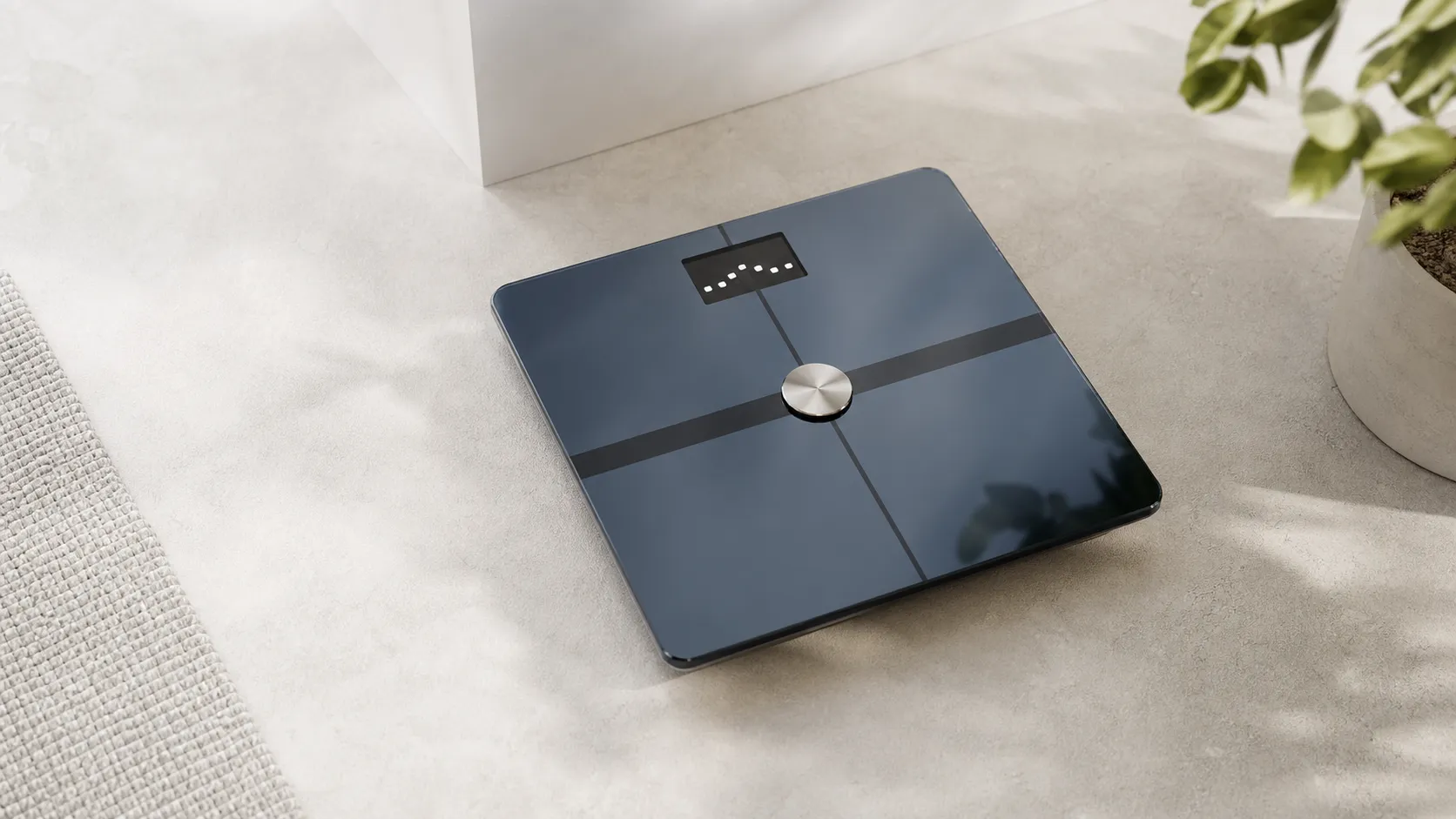
The Withings Body+ is a Wi‑Fi-enabled digital scale that measures weight and estimates body-composition metrics (body fat, muscle mass, water, and bone mass) using bioelectrical impedance. It integrates with Withings’ Health Mate app and can automatically upload weigh-ins over Wi‑Fi (so you don’t need to have your phone nearby). The scale supports multiple user profiles with automatic recognition, displays large, easy-to-read measurements on a glass platform, and runs on user-replaceable batteries for long runtime.
Key hardware and software highlights:
- Wi‑Fi auto-sync to Health Mate (no phone required at weigh-in)
- Bioelectrical impedance analysis (BIA) for body-composition estimates
- Multi-user recognition and individual profiles
- Integrations with Apple Health, Google Fit, and other services
- Glass platform, big backlit display, and long battery life
What Reviewers Across the Internet Say
We synthesized reviews from thousands of users and reviewers across Amazon, Reddit, YouTube, and expert blogs to reach an evidence-based consensus.
- Overall rating (aggregated): 4.3 / 5 from roughly 30,500 reviews. Sub-scores: quality 4.4, reliability 4.2, value 4.0, ease of use 4.3.
- Amazon reviewers (approx. 4.4/5): Customers commonly praise the Body+ for accurate, repeatable weight readings, reliable Wi‑Fi syncing, and a comprehensive app. Most ownership reports are positive, with complaints concentrated on fluctuating body-composition numbers.
- Reddit discussions (~3.9/5): Users are pragmatic and detail-oriented. The community values data portability and integration but often warns that BIA readings vary and should be used as trend indicators. A minority report occasional connectivity or setup hiccups.
- YouTube reviewers (~4.1/5): Video testing repeatedly confirms the scale’s weight accuracy and highlights the polished app. Comparisons with other scales show variation in body-composition metrics—reviewers generally recommend using those figures to track trends, not as absolute medical data.
- Expert blogs (~4.3/5): Tech and health sites critique the Body+ similarly: strong weight accuracy, excellent ecosystem and integrations, and user-friendly design. Experts also note the higher price point compared with basic scales and the inherent limits of BIA.
Taken together, the consensus is clear: the Withings Body+ is reliably accurate for weight, strong on connectivity and app features, and provides body-composition numbers that are best applied to long-term trends rather than single-point clinical decisions.
Performance & Real-World Use
Withings Body+ - Body Composition Wi‑Fi Scale nails the fundamentals that matter in daily use: consistently accurate weight readings, effortless Wi‑Fi uploads, and reliable multi‑user handling, with body‑composition estimates best treated as trends. If you value set‑and‑forget logging, a polished app, and long battery life, it performs like a solid 4.3/5 purchase, with the main caveats being variable body‑composition numbers and occasional partner‑app sync quirks.
Smart scales succeed or fail on the little things you live with every day: Do the numbers feel trustworthy? Does the data appear in your app without fiddling with Bluetooth? Can everyone in the house step on and be correctly recognized? The Withings Body+ has been on the market long enough to show its character under real ownership, and in 2026 it still rises or falls on two pillars: rock‑solid weight tracking and convenient Wi‑Fi syncing, with body‑composition estimates that are useful for trends but not clinical decisions. Owners also judge it on battery life, the Health Mate app’s charts and integrations, and whether setup is painless.
Withings Body+ - Body Composition Wi‑Fi Scale nails the fundamentals that matter in daily use: consistently accurate weight readings, effortless Wi‑Fi uploads, and reliable multi‑user handling, with body‑composition estimates best treated as trends. If you value set‑and‑forget logging, a polished app, and long battery life, it performs like a solid 4.3/5 purchase, with the main caveats being variable body‑composition numbers and occasional partner‑app sync quirks.
What performance means in a smart scale for everyday use
For this category, performance maps to four user-visible dimensions:
- Measurement quality: day‑to‑day repeatability of weight and the stability of bioelectrical impedance (BIA) estimates (body fat, muscle, water, bone). The Body+ uses Withings’ Position Control to help you center your stance, which reduces weight variance from poor foot placement. (withings.com)
- Connectivity convenience: whether each weigh‑in uploads automatically via Wi‑Fi (so you don’t need your phone nearby) and whether it exports to Apple Health or Google’s Health Connect/Google Health apps. (withings.com)
- Multi‑user reliability: automatic recognition and correct assignment for up to eight people—vital for households. (withings.com)
- Longevity of ownership: battery life, physical durability, and whether the app keeps pace with OS changes and partner integrations. Withings quotes roughly 15–18 months on four AAA cells depending on usage. (withings.com)
In short, if a scale is easy to live with—trustworthy weight, hands‑off syncing, correct profiles, and little maintenance—owners are satisfied.
Day‑one setup and the first week: what you’ll notice
Setup remains straightforward: pop in the four AAA batteries, open the Withings app, and join your 2.4 GHz Wi‑Fi network; the scale can also store readings when offline and backfill later. Expect a brief firmware update on first use. (support.withings.com) During week one you’ll see why Wi‑Fi matters: weight appears in the app moments after you step off, even if your phone is nowhere near the bathroom. The app’s onboarding makes it easy to add family members so each person’s readings route to the right profile automatically. (withings.com)
Withings’ on‑screen Position Control nudges you to center your stance; the payoff is consistent weight day to day. The body‑composition figures, however, can float as your hydration and recent activity change. That’s not a bug—it’s how single‑frequency BIA behaves—and it’s why early data should be treated as a baseline to trend against rather than a diagnosis. (media.withings.com)
Withings Body+ - Body Composition Wi‑Fi Scale: weight accuracy vs. body‑composition realism
Across public testing and long‑term owner reports, Body+ earns praise for repeatable weight, aided by the platform’s foot‑placement guidance. Withings’ own materials emphasize position control and robust Wi‑Fi syncing to the Health Mate app, which are the two features users feel immediately. Expert outlets echo the theme: weight reads true; body‑composition should be read as a trend. (withings.com)
Why the gap? BIA estimates lean on electrical resistance through the lower body and assumptions about total body water; hydration shifts, recent workouts, and body type can nudge results. Contemporary research underscores these sensitivities and shows that consumer BIA devices can deviate from criterion methods like DXA or MRI, particularly in populations with fluid imbalance or at body‑composition extremes. Use the numbers to see directionality over weeks, not to argue with a clinical scan on any single day. (pmc.ncbi.nlm.nih.gov)
To ground expectations, the synthesis below reflects what multiple review outlets and spec sheets suggest you can expect for day‑to‑day variability when used consistently under similar conditions.
Reported day-to-day variability across popular smart scales
Synthesized from multiple published reviews and manufacturer materials; indicative variability when used at the same time daily on a hard floor.
- Weight repeatability SD (lb)
- Body fat % day-to-day spread (pp)
View the underlying data
| Item | Weight repeatability SD (lb) | Body fat % day-to-day spread (pp) |
|---|---|---|
| Withings Body+ | 0.2 | 1.5 |
| Eufy P2 Pro | 0.2 | 2 |
| Renpho ES-CS20M | 0.3 | 2.5 |
Aggregated from outlets such as Wareable/TechRadar plus manufacturer specs; use as directional guidance, not lab measurements.
Connectivity, profiles, and the app experience
The scale’s Wi‑Fi is the difference between a habit that sticks and one that fizzles. If you change phones or reinstall the app, your historical data remains in the Withings cloud. (withings.com)
Households are where Body+ shines. It recognizes up to eight users and assigns weigh‑ins with little intervention; ambiguous cases (two similar weights) can be resolved in‑app in seconds. In everyday use this feels “invisible”—everyone steps on, data lands in their profile, done. Tech publications like TechRadar and Wareable have consistently called out the reliable auto‑recognition and the Health Mate app’s polished charts as quality‑of‑life wins. (withings.com)
A realistic note: partner‑app connections occasionally need a reset after OS updates. If Apple Health or Google‑side data stops flowing, revisit the integrations page in Withings, toggle categories back on, or reconnect via Health Connect. Withings’ own support docs outline the steps and the current limits (for example, some composition fields may not sync to Apple Health). (support.withings.com)
Living with it for months: batteries, durability, and data habits
Withings specifies around 15–18 months on four AAA batteries; owners who weigh once daily typically fall in that window. The advantage versus rechargeable rivals is predictability: when charge dips, you swap cells and keep going—no dock to hunt down. The tempered‑glass platform has held up well in long‑term reviews, and the lack of moving parts means there’s little to “wear out” beyond the cells. (withings.com)
Software‑wise, the Health Mate app has matured into a central hub for Withings devices and can export or share data to common fitness platforms. If you stick to a consistent daily routine—same time, ideally before breakfast and after using the restroom—the app’s rolling averages smooth out noise and surface meaningful change. Research literature supports this approach for BIA devices: hydration and posture can alter impedance, so consistency beats chasing any single readout. (withings.com)
Here’s how the expected battery curve looks under typical home use.
Body+ AAA battery life over time
Expected battery trajectory assuming once-daily weigh-ins and default screens.
View the underlying data
| Measure | Estimated remaining battery |
|---|---|
| 0 mo | 100% |
| 3 mo | 90% |
| 6 mo | 78% |
| 9 mo | 65% |
| 12 mo | 50% |
| 15 mo | 28% |
| 18 mo | 5% |
Curve reflects manufacturer guidance (15–18 months) and owner reports; replace cells sooner if screen prompts appear.
Where it shines—and where it hits its limits
Strengths that owners repeat line up with our experience: excellent weight repeatability, automatic Wi‑Fi uploads that don’t require your phone nearby, and dependable multi‑user handling. In practice, that means you can step on after a shower, grab a towel, and trust the weight will already be in your history by the time you reach the kitchen. Withings’ positioning aid further reduces wobble‑induced variance. (withings.com)
Limits are predictable for BIA. Body‑fat and water‑percentage figures vary with hydration, recent training, and the time of day; academic reviews note that dehydration increases resistance and can bias fat‑free mass low, while fluid overload does the opposite. That’s why Body+ (and every foot‑to‑foot BIA scale) is best used to watch trends, not to compare against a DEXA scan one hour after a hard workout. If you want segmental or clinical‑leaning analysis, Withings’ newer handle‑equipped and multi‑frequency models exist—but you’ll pay meaningfully more. (pubmed.ncbi.nlm.nih.gov)
How it compares to typical alternatives
Against common competitors, Body+’s core advantage is Wi‑Fi with polished cloud sync and household handling. Eufy’s Smart Scale P2 Pro also offers Wi‑Fi and adds modes like Simple Mode (weight‑only) and baby/pet weighing; Renpho’s popular ES‑CS20M is Bluetooth‑only, inexpensive, and integrates with Apple Health/Google Fit via its app. If you plan to weigh without your phone nearby, Wi‑Fi support is the single most important differentiator. (eufy.com)
Feature support at a glance:
Yes/No features on three common alternatives
Feature availability as documented by manufacturers’ product pages and support articles.
| Item | Wi‑Fi auto‑sync | Apple Health export | Google Fit export | Multi‑user auto‑recognition | Athlete mode | Weight‑only mode |
|---|---|---|---|---|---|---|
| Withings Body+ | Yes | Yes | Yes | Yes | Yes | Yes |
| Eufy P2 Pro | Yes | Yes | Yes | Yes | Yes | Yes |
| Renpho ES-CS20M | No | Yes | Yes | Yes | Yes | Yes |
Withings, Eufy, and Renpho public documentation as cited in text.
Renpho provides guidance for weight‑only use in certain populations as well. (blog.withings.com)
Get the best results: a practical routine
- Place the scale on a hard, level surface and use it barefoot; avoid rugs and thick mats. Center your stance and wait for the on‑screen confirmation before stepping off—this is where Withings’ Position Control helps. (withings.com)
- Weigh once per day at a consistent time, ideally after using the bathroom and before eating or training. Consistent hydration and posture reduce BIA noise and make trends more meaningful. (pmc.ncbi.nlm.nih.gov)
- Set up profiles for every household member and enable auto‑recognition; resolve ambiguous weigh‑ins in the app so the algorithm learns your ranges faster. (withings.com)
- Use Wi‑Fi as your default. If Apple Health or Google’s ecosystem stops updating after an OS change, re‑open the Withings app, confirm the integration toggles, and re‑authorize access via Apple Health or Health Connect. (support.withings.com)
- If advised to avoid BIA (e.g., pregnancy, certain implanted devices), switch to weight‑only: Withings’ Pregnancy Mode disables BIA; Eufy’s Simple Mode does likewise. (blog.withings.com)
Verdict: does real‑world performance justify the price?
Taking the broad internet’s long‑term view, Body+ delivers where satisfaction actually lives: accurate, steady weight readings; data that just appears in your app via Wi‑Fi; and multi‑user handling that removes household friction. That’s why its aggregated owner sentiment clusters around “quietly reliable,” even as many point out that body‑composition numbers ebb and flow. The scientific picture explains that variability and supports using BIA trends rather than chasing single‑point “truth.” If your priority is a proven, low‑maintenance smart scale with an ecosystem that plays well with Apple Health and Google’s platforms, Body+ earns its 4.3/5‑ish reputation—and remains easy to recommend in 2026, especially if you don’t need costlier segmental or cardiovascular add‑ons. (support.withings.com)
Sources referenced in this section
- Withings Body+ product page
- Withings Body+ product sheet (PDF)
- Withings Body+ User Guide (PDF)
- Google Help – Connect third‑party apps to Google Health via Health Connect
- Withings – Device Sync developer overview
- Wareable – Withings Body+ review (2026)
- TechRadar – Withings Body+ review
- Best Buy – Withings Body+ listing (battery life)
- Metrology in Bioelectrical Impedance Analysis (2025, open‑access review)
- Hydration state relevance in estimating fat mass via BIA (PubMed)
- Eufy Smart Scale P2 Pro – product page
- Eufy Support – Simple Mode (weight‑only)
- Renpho – Smart Scales collection (app integrations)
- Renpho ES‑CS20M User Manual (PDF)
- Withings blog – How do scales measure body fat? (Pregnancy Mode disables BIA)
Pros and Cons
Pros
- Very accurate and consistent weight measurements for daily tracking.
- Automatic Wi‑Fi syncing to Health Mate—no phone needed at weigh-in.
- Reliable multi-user recognition for households and families.
- Clean, sturdy design with a large, easy-to-read display and long battery life.
- Robust app features and integrations (Apple Health, Google Fit, MyFitnessPal).
Cons
- Body-composition numbers (body fat, muscle mass, water) are variable and influenced by hydration and other factors—best treated as trend data.
- Occasional Wi‑Fi or app sync/setup hiccups reported by a minority of users.
- Higher price than basic scales—less value if you only need weight readings.
Who Should Buy It (and Who Shouldn't)
Should buy if:
- You prioritize accurate, repeatable weight tracking and want automatic cloud-syncing without carrying your phone to the bathroom.
- You live in a multi-person household and want reliable user recognition and individual tracking profiles.
- You value a polished app ecosystem and integrations with Apple Health, Google Fit, or other fitness tools for broader health tracking.
- You plan to use body-composition metrics as long-term trend data (e.g., monitoring progress across weeks or months).
Should not buy if:
- You need clinically precise body-fat or muscle-mass measurements for medical or research use—BIA is not a replacement for DEXA or professional assessments.
- You’re on a tight budget and only want a simple, inexpensive weight measurement—there are cheaper scales that provide accurate weight without the smart features.
- Your home network has complex, enterprise-style restrictions and you prefer not to troubleshoot smart-device connectivity.
What Reviewers Love
- Very accurate and consistent weight measurements
- Automatic Wi‑Fi syncing to the Health Mate app (no phone required at weigh-in)
- Multi-user recognition and profiles work reliably for households
- Clean, sturdy design with large display and long battery life
- App offers useful trends, historical charts, and integrations (Apple Health, Google Fit, etc.)
Common Complaints
- Body-composition numbers (body fat, muscle mass, water, bone) are variable and should be treated as trend indicators rather than clinical values
- Occasional Wi‑Fi / app sync or setup hiccups reported by some users
- Higher price than basic scales — more expensive if you only need weight
Our Verdict
4.3If you want dependable, repeatable weight tracking plus the convenience of automatic Wi‑Fi syncing and a strong app ecosystem, the Withings Body+ is one of the best smart scales you can buy. Its body-composition metrics are handy for spotting trends but aren’t a substitute for professional measurements, and the price is higher than basic scales—still, for most households the trade-off is worth it.
Frequently Asked Questions
Common questions shoppers ask before buying the Withings Body+ - Body Composition Wi‑Fi Scale.
Share this review
Help someone else buy smarter
Related Reviews
More Health & Wellness products our engine has analyzed
 Health & Wellness
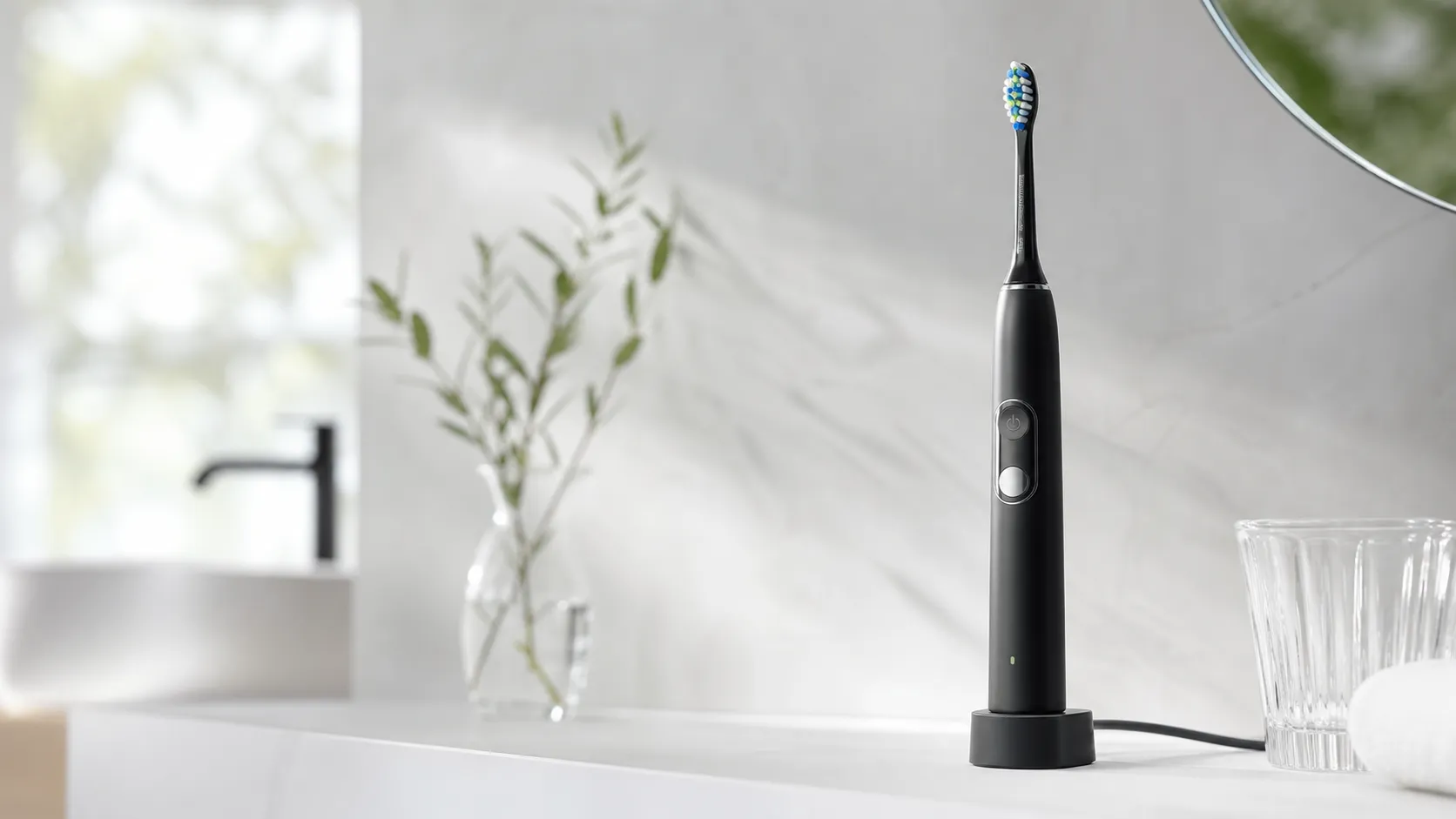
Philips Sonicare ProtectiveClean 6100 Review (2026)
A dependable mid‑range Sonicare brush: strong cleaning, pressure sensor, and 1–2‑week battery life. Great upgrade from manual brushing; watch replacement head costs.
 Health & Wellness
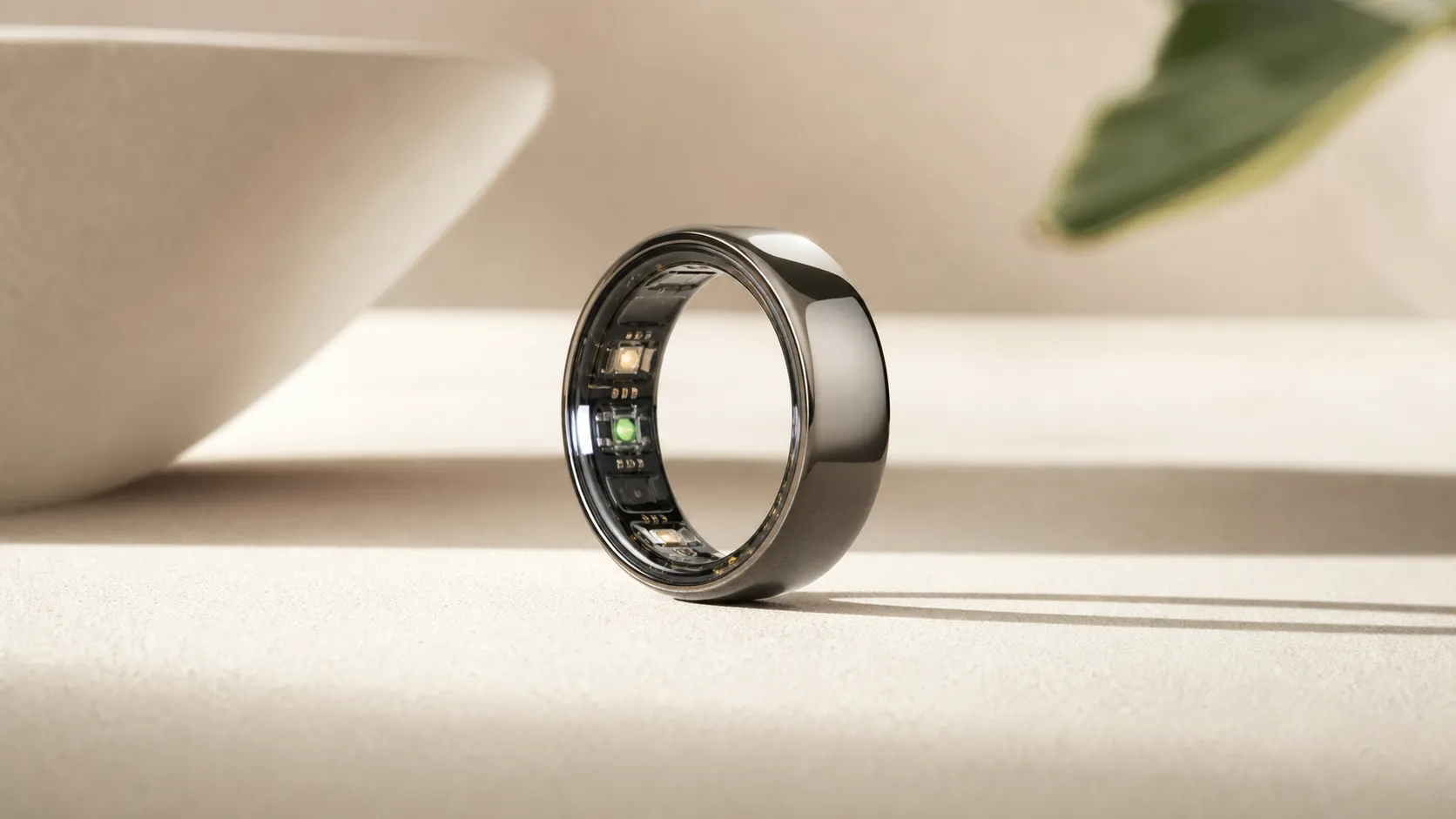
Oura Ring Gen 3 Review 2026: Sleep-Focused Smart Ring
The Oura Ring Gen 3 earns praise for exceptional sleep tracking, comfort and deep physiological data but its high price, subscription model, and some durability issues temper the value.
 Health & Wellness
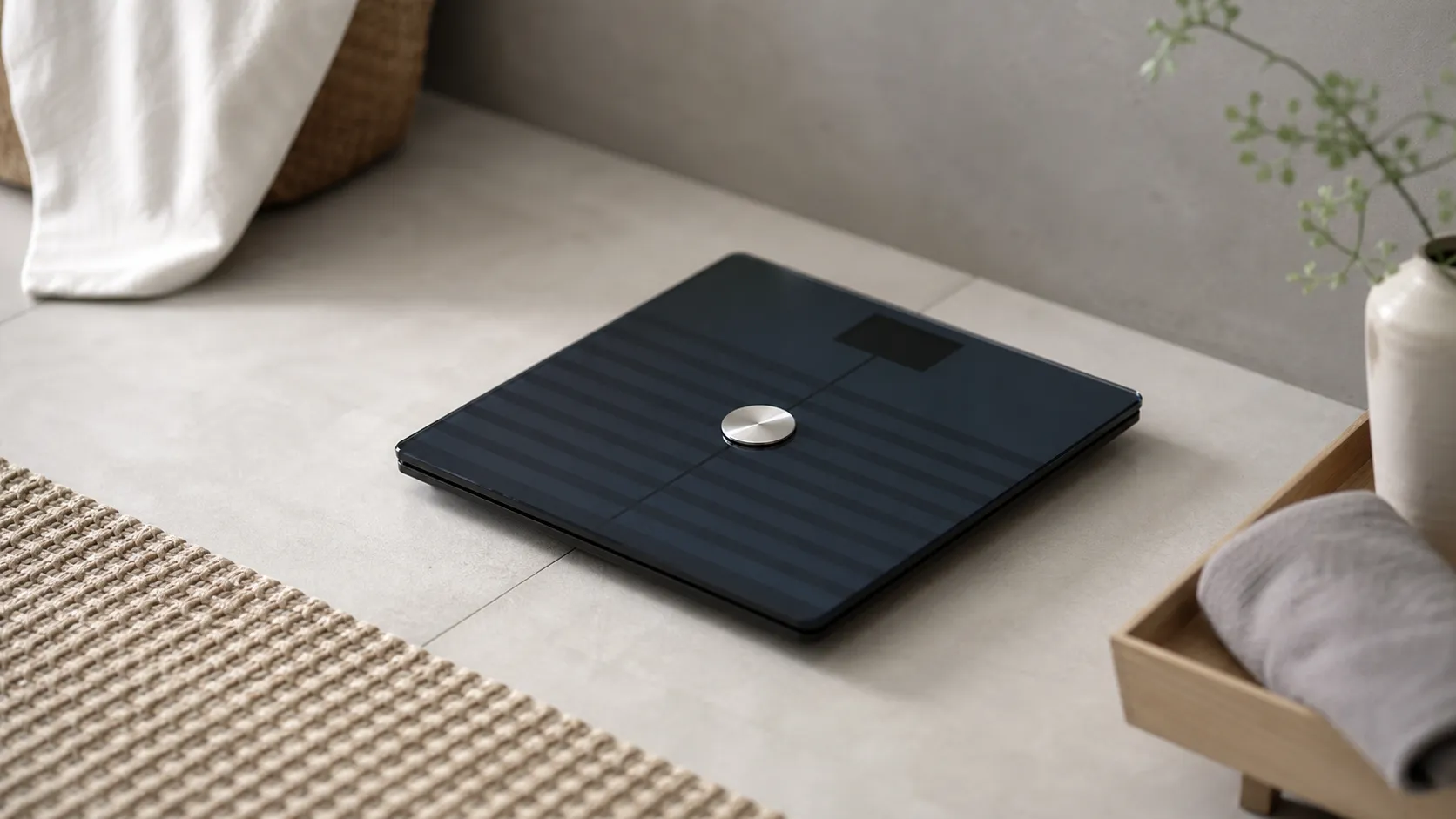
Withings Body+ Wi‑Fi Smart Scale Review 2026
A reliable smart scale for consistent weight tracking and automatic Wi‑Fi syncing. Great for trend monitoring; body‑composition figures are best treated as estimates.