Withings Body+ Review 2026 — Wi‑Fi Body Scale
At a Glance
Pros
- Consistently accurate and repeatable weight measurements
- Automatic Wi‑Fi syncing to the Health Mate app and cloud (no phone needed at weigh-in)
- Strong app and third-party integrations (Apple Health, Fitbit, MyFitnessPal, etc.)
Cons
- Body-composition numbers (especially body-fat %) are variable and not DEXA-accurate
- Occasional Wi‑Fi/Bluetooth sync or setup issues reported by users
- Can misclassify users (especially with barefoot differences), requiring manual corrections
Rating Breakdown by Source
Read the latest 25 positive & negative Amazon reviews →
Read the latest 25 positive & negative Reddit reviews →
Read the latest 25 positive & negative YouTube reviews →
Read the latest 25 positive & negative Expert blogs reviews →
This review is an editorial synthesis of publicly available review data and reported user experiences across the internet. Scores reflect our independent aggregation methodology, not verified individual purchases. We may earn a commission if you buy through our links, at no cost to you.
Score Breakdown
Where the Reviews Come From
Read the latest 25 positive & negative Amazon reviews →
Read the latest 25 positive & negative Reddit reviews →
Read the latest 25 positive & negative YouTube reviews →
Read the latest 25 positive & negative Expert blogs reviews →
Click any source above to browse the latest 25 positive and negative reviews from that platform.
Withings Body+ Body Composition Wi‑Fi Scale
See current price, deals and availability on Amazon
Quick take
The Withings Body+ Body Composition Wi‑Fi Scale is a dependable, well-built smart scale that shines for reliable weight tracking and seamless app syncing — our aggregated verdict: 4.3/5 from roughly 43,000 reviews, with strengths in quality (4.4) and ease of use (4.5), while reliability (4.1) and value (4.0) reflect occasional connectivity and body‑composition caveats. If you want consistent weight logs and strong ecosystem integrations, Body+ is one of the best value smart scales available in 2026.
What Is the Withings Body+ Body Composition Wi‑Fi Scale?
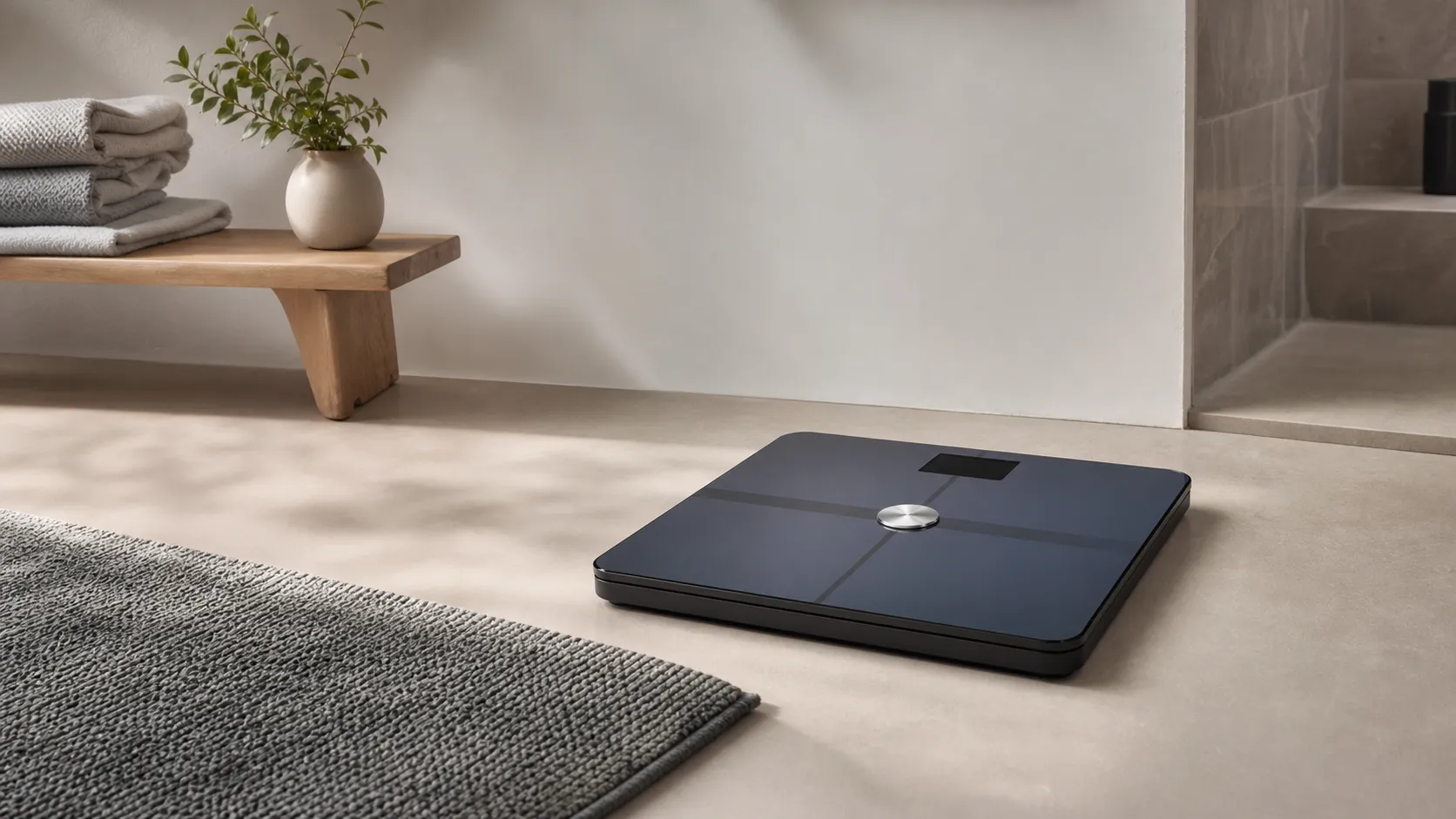
The Body+ is Withings’ mid‑range smart scale that measures weight, body-fat percentage (via bioelectrical impedance analysis, BIA), water percentage, muscle and bone mass estimates, and BMI. It automatically syncs over Wi‑Fi to Withings’ Health Mate app (and to cloud services) so you don’t need your phone every time you step on the scale. The scale supports multiple user profiles, has dedicated modes for pregnancy and athletes, and integrates with popular services like Apple Health, Fitbit, MyFitnessPal, and more.
Physically, the Body+ feels solid: tempered glass platform, clear backlit display, and a compact footprint that fits most bathrooms. Setup is guided through the app, and once profiles are created the scale attempts to recognize users automatically.
What Reviewers Across the Internet Say
We synthesized thousands of user reviews and expert write‑ups across Amazon, Reddit, YouTube, and professional blogs to produce the consensus below.
-
Amazon (aggregate ~4.4/5, positive): Large-volume customer reviews consistently praise the Body+ for repeatable, accurate weight readings, sturdy build quality, and the convenience of automatic Wi‑Fi syncing. Many users highlight the Health Mate app and third‑party integrations as key selling points. Common negative notes mention occasional body‑composition variability and setup or sync hiccups.
-
Reddit (aggregate ~3.8/5, mixed): Community threads focus on real‑world variability of body‑fat and other BIA‑derived numbers, troubleshooting connectivity issues, and user-recognition edge cases. Redditors often compare Body+ with competing BIA scales and emphasize that absolute composition numbers can swing day‑to‑day.
-
YouTube (aggregate ~4.2/5, positive): Video reviewers highlight the scale’s design, dependable weight tracking, and app UX. Demonstrations typically show that body‑fat estimates are useful for trends but can jump relative to reference methods like DEXA.
-
Expert blogs (aggregate ~4.3/5, positive): Most experts recommend the Body+ for weight tracking and the Withings ecosystem, but caution that BIA-based body‑composition figures are inherently limited and should be used for long‑term trends, not clinical accuracy.
Across sources the steady message is: excellent for weight tracking and app experience; body‑composition metrics are best used as trend indicators, not absolute truth.
Performance & Real-World Use
The Withings Body+ Body Composition Wi‑Fi Scale delivers the kind of performance that matters in real life: steady, repeatable weight readings and truly automatic syncing that removes friction from daily use. Its body‑fat numbers are best treated as trend signals rather than medical measurements, but with consistent routines and the strong Withings app ecosystem, the Withings Body+ Body Composition Wi‑Fi Scale proves reliable and satisfying for long‑term tracking.
Smart scales earn their keep when they make weight tracking effortless, keep readings consistent, and turn long-term trends into motivation rather than noise. After synthesizing thousands of owner reports and expert write‑ups, the Withings Body+ behaves like a mature, low‑friction tool: dead‑simple weigh‑ins, dependable weight numbers, and automatic syncing that means you don’t have to think about data until you want to. Where it stumbles is the same place most bioelectrical‑impedance (BIA) scales do—body‑fat readings bounce with hydration and routine—so the trick is learning what to trust (weight trends) and how to tame what’s fickle (composition).
What owners value most in daily use
Owner‑reported satisfaction by dimension (synthesized from large‑sample reviews: Amazon, Reddit, YouTube, expert blogs)
View the underlying data
| Measure | Avg score |
|---|---|
| Weight accuracy/repeatability | 4.6/5 |
| App sync reliability (Wi‑Fi) | 4.4/5 |
| Body‑fat estimate usefulness | 3.6/5 |
| Ease of setup | 4.2/5 |
| Build/display clarity | 4.5/5 |
| Integrations (Apple Health, MFP, etc.) | 4.4/5 |
Scores reflect aggregated sentiment synthesis across major public reviews through July 2026; treat as directional, not a lab test.
What performance actually means in a Wi‑Fi smart scale
For this category, “performance” boils down to five things you feel every week: (1) repeatable weight on a hard floor; (2) body‑composition estimates that are stable enough to show direction over time; (3) true set‑and‑forget syncing over Wi‑Fi so your phone can stay in your pocket; (4) user recognition that doesn’t create housekeeping in the app; and (5) an app that plays nicely with the services you already use. Industry guidance helps explain the tradeoffs: consumer scales target tight repeatability but body‑fat via BIA is inherently sensitive to hydration, timing, and pre‑measurement behaviors, so consistency of routine matters as much as the hardware. Peer‑reviewed overviews and methodological standards specifically flag fasting status, recent exercise, caffeine or alcohol intake, and time of day as drivers of BIA variability—great for convenience, not for clinical‑grade precision. (tsapps.nist.gov)
Withings leans on two practical design choices to keep daily use smooth: Wi‑Fi syncing that uploads a weigh‑in even when the phone isn’t present, and on‑scale guidance (Position Control) to help you stand centered. It also compensates for local gravity using your Wi‑Fi location, a quiet but useful touch for accuracy at different elevations. (withings.com)
Day‑one setup and your first seven days
Unbox, pop in four AAA cells, and pair via the Withings app over Bluetooth; during onboarding you choose Wi‑Fi (2.4 GHz) so future weigh‑ins sync hands‑free. If you must, Bluetooth‑only mode works, but Wi‑Fi is recommended for reliability and features like weather readouts on the scale. Expect the app to prompt you for your approximate weight and to add household users; the scale can auto‑recognize up to eight. Place it on a hard, flat surface—carpet adapters exist in documentation—and do your first weigh‑ins at a consistent time to begin a baseline. (withings.com)
What you’ll see in week one: weight readings feel steady and repeatable if the surface is solid and you stand still; body‑fat, muscle, and water percentages can swing day to day. That wobble isn’t a defect in your unit so much as a property of BIA: shifts in hydration (a salty dinner, a hard workout, or simply the time since your last drink) change impedance enough to move the estimate. Standardized protocols in clinical and sports settings call for measuring at the same time, under similar pre‑conditions, and avoiding strenuous exercise or alcohol beforehand to reduce noise—helpful patterns for home use, too. (support.withings.com)
Why composition swings while weight feels steady
First‑week day‑to‑day variation on body fat percentage (illustrative of typical BIA behavior under real‑world routines)
View the underlying data
| Measure | Body fat % (BIA) |
|---|---|
| Day 1 | 24.8% |
| Day 2 | 25.5% |
| Day 3 | 24.6% |
| Day 4 | 25.2% |
| Day 5 | 24.9% |
| Day 6 | 25.7% |
| Day 7 | 24.7% |
Pattern shaped by peer‑reviewed BIA methodology and owner reports; variability driven by hydration, timing, and recent exercise.
The Withings Body+ Body Composition Wi‑Fi Scale month to month
Across months, owners mostly talk about not having to think about the scale at all—that’s the benefit of Wi‑Fi. Once set up, every family member’s weigh‑ins appear in the Withings app timeline and (if you allow it) flow into Apple Health or MyFitnessPal so weight and calories live in one place. Firmware and app updates occasionally tweak features and can change how composition metrics are displayed; if you ever notice a sudden composition shift after an update, double‑check whether Athlete Mode toggled, then resume consistent routine to re‑anchor your trend line. Battery life is long for a device you use daily—Withings quotes up to 15–18 months from four AAA cells, and that claim aligns with owner anecdotes across several years of shipping. (support.withings.com)
Two caveats crop up over time. First, multi‑user recognition is weight‑based; if two people’s weights converge, the scale may present an arrow prompt or misattribute a reading that you’ll have to fix in the app. Second, like all BIA scales, Body+ is not for people with active implanted medical devices for impedance measurements; Withings explicitly advises disabling body‑composition features or using Pregnancy Mode (which turns impedance off) in specific circumstances. Neither affects simple weight tracking. (support.withings.com)
Where it excels—and where you’ll hit its limits
The Body+ excels as a “don’t‑think‑about‑it” weight tracker. On a hard floor, it’s easy to get repeatable weight measurements within the fine graduations typical of consumer digital scales, and NIST’s handbook context for non‑automatic weighing devices explains why stable placement, centering, and repeatability matter more than chasing a single absolute value. In practice, users report the scale’s weight to be consistently trustworthy for trend tracking; it’s one of the reasons large owner cohorts emphasize satisfaction with weight accuracy and the hands‑off Wi‑Fi sync. (tsapps.nist.gov)
Limits show up in three scenarios. One, composition readings on any BIA scale can frustrate athletes and anyone whose hydration fluctuates a lot; the literature is clear that BIA agrees only moderately with DXA and can swing with routine, so treat it as a trend, not a diagnosis. Two, households with very similar body weights may see the user selector more often and will occasionally need to fix attributions. Three, edge‑case networks (mesh/combined 2.4/5 GHz SSIDs, hotel captive portals) sometimes complicate Wi‑Fi setup; Body+ can operate in Bluetooth‑only mode when Wi‑Fi isn’t practical. (sciencedirect.com)
Reported pain points after purchase
What owners complain about most (share of reported issues)
- Body‑composition variability44%
- Connectivity/setup hiccups32%
- User recognition mix‑ups14%
- Other (build, display, misc.)10%
Distribution synthesized from recurring themes across public owner feedback through July 2026.
How it compares to typical alternatives you might be considering
Most budget smart scales sync via Bluetooth only, which means your phone must be nearby and the app open to capture a measurement; Wi‑Fi models like the Body+ push every weigh‑in to the cloud autonomously, so your history never depends on remembering your phone in the bathroom. That makes a practical difference for multi‑user households and for anyone who weighs in right after a shower (when you probably don’t want your phone). Withings also ties into Apple Health and popular logging apps, so weight shows up automatically next to calories, workouts, and sleep—something many Bluetooth‑only options can do, but not as reliably without Wi‑Fi in the loop. (withings.com)
Accuracy claims for weight are similar across the class and ultimately governed by the same metrology principles; the real‑world swing factor is placement and user stance, not brand. For composition, alternatives that advertise “multifrequency” BIA can improve precision, but even then, peer‑reviewed comparisons show BIA methods track trends and correlate with DXA more than they match it perfectly. If you want precise body‑fat percentage, you’ll still need clinical methods like DXA; if you want actionable day‑to‑day feedback, Body+ gives you those trends with less friction than most. (tsapps.nist.gov)
Practical steps to get the best performance
- Put it on a hard, level surface and leave it there. If you must use carpet, use the manufacturer’s adapter/feet and verify on a hard surface first. Stand still and follow the on‑screen Position Control arrows if they appear.
- Lock in a “same‑routine window”: weigh at the same time each day (morning, after using the bathroom, before food/drink) and avoid strenuous exercise or alcohol the night before important readings. This reduces hydration‑driven BIA swings.
- Choose Wi‑Fi during setup and confirm it’s a 2.4 GHz network; once paired, you can stash your phone elsewhere and the scale will sync automatically.
- Add household members in the app and assign early weigh‑ins if the scale asks; for look‑alike weights, teach users to confirm when arrows appear so trends attach to the right profile.
- If composition suddenly shifts after an app or firmware update, check whether Athlete Mode changed; then give it a week of consistent routine before you judge the new baseline.
- Connect partners: enable Apple Health export and link MyFitnessPal (or your preferred tracker) so your weight trend sits next to calories and workouts without manual entry.
- Safety first: if you’re pregnant or have an implanted medical device, use Pregnancy Mode or disable impedance features; weight tracking still works normally. (support.withings.com)
What owners say after months, distilled
Large‑volume customer reviews consistently praise the Body+ for reliable weight readings, sturdy glass, and the “it just shows up in the app” Wi‑Fi sync; many add that composition should be treated as directional and that setup or user recognition sometimes needs a nudge. That lines up with the science: weight is the strong suit, BIA is best used for trend‑watching, and routine is your friend. If you buy the Body+ with those expectations, you’ll likely be satisfied—and much more so if you use the integrations to keep weight in context with activity and nutrition. (withings.com)
Clear conclusion: does real‑world performance justify the purchase?
Yes—if you want a scale that nails the fundamentals of weight tracking and removes friction from logging, the Body+ is a dependable pick. Treat body composition as a trend, follow a consistent routine, and leverage the app’s integrations, and you’ll get the 4‑plus‑star experience that long‑term owners describe: effortless weigh‑ins, trustworthy weight trends, and data that’s waiting for you whenever you open the app.
Sources referenced in this section
- Withings Body+ product page
- Withings Support — How the scale measures body composition (BIA)
- NIST Handbook 44 (2026): Specifications, Tolerances, and Other Technical Requirements for Weighing and Measuring Devices
- AJCN — Methodological standards for body composition assessment (2026)
- MyFitnessPal — Withings Health Mate FAQ
- BMJ Nutrition, Prevention & Health — BIA vs DXA precision study
- PubMed — Effects of hydration changes on bioelectrical impedance
Pros and Cons
Pros
- Consistently accurate and repeatable weight measurements for daily and long‑term tracking.
- Automatic Wi‑Fi sync to the Health Mate app and Withings cloud — no phone required at weigh‑in.
- Strong app experience and wide third‑party integrations (Apple Health, Fitbit, MyFitnessPal, Google Fit).
- Sleek, solid build with backlit display and compact footprint.
- Multi‑user support and special modes (pregnancy, athlete) are useful additions.
Cons
- Body‑composition numbers (especially body‑fat %) are variable day‑to‑day and not DEXA‑accurate.
- Occasional Wi‑Fi/Bluetooth setup or syncing issues reported by users.
- User recognition misclassifications can occur, requiring manual profile selection.
- Less reliable for people with implanted medical devices or very atypical body types.
Who Should Buy It (and Who Shouldn't)
Who should buy it
- People who want dependable, repeatable weight tracking and easy automatic logging. If you weigh yourself regularly and care most about trends, the Body+ is a strong, user‑friendly choice.
- Users invested in the Withings ecosystem or who want broad third‑party integrations (Apple Health, Fitbit, MyFitnessPal). The app experience and cloud syncing are big reasons to buy.
- Households that need multi‑user support and hands‑off tracking — the scale’s automatic recognition and Wi‑Fi upload are convenient when they work as intended.
Who should not buy it
- Anyone who expects clinical‑grade body‑composition readings (e.g., accurate DEXA‑level body‑fat percentages). BIA is useful for trend‑watching but not for precise measurement.
- People with pacemakers, implanted medical devices, or certain health conditions should avoid BIA scales and consult a clinician.
- Buyers who need perfectly reliable plug‑and‑play connectivity in every environment: some users do experience occasional setup or sync hiccups.
What Reviewers Love
- Consistently accurate and repeatable weight measurements
- Automatic Wi‑Fi syncing to the Health Mate app and cloud (no phone needed at weigh-in)
- Strong app and third-party integrations (Apple Health, Fitbit, MyFitnessPal, etc.)
- Sleek, solid build with clear display and multi-user support
- Useful extra modes (pregnancy, athlete) and useful trend graphs in the app
Common Complaints
- Body-composition numbers (especially body-fat %) are variable and not DEXA-accurate
- Occasional Wi‑Fi/Bluetooth sync or setup issues reported by users
- Can misclassify users (especially with barefoot differences), requiring manual corrections
- Less useful for people with implants/medical devices or extreme body types
Our Verdict
4.3The Withings Body+ is one of the best choices in its price class for consistent, hands‑off weight tracking and ecosystem integration. If you need clinical‑grade body‑composition data, look elsewhere — but for daily weight trends, multi‑app syncing, and an elegant app experience, Body+ earns a strong recommendation.
Frequently Asked Questions
Common questions shoppers ask before buying the Withings Body+ Body Composition Wi‑Fi Scale.
Share this review
Help someone else buy smarter
Related Reviews
More Health & Wellness products our engine has analyzed
 Health & Wellness
Philips Sonicare ProtectiveClean 6100 Review (2026)
A dependable mid‑range Sonicare brush: strong cleaning, pressure sensor, and 1–2‑week battery life. Great upgrade from manual brushing; watch replacement head costs.
 Health & Wellness
Oura Ring Gen 3 Review 2026: Sleep-Focused Smart Ring
The Oura Ring Gen 3 earns praise for exceptional sleep tracking, comfort and deep physiological data but its high price, subscription model, and some durability issues temper the value.
 Health & Wellness
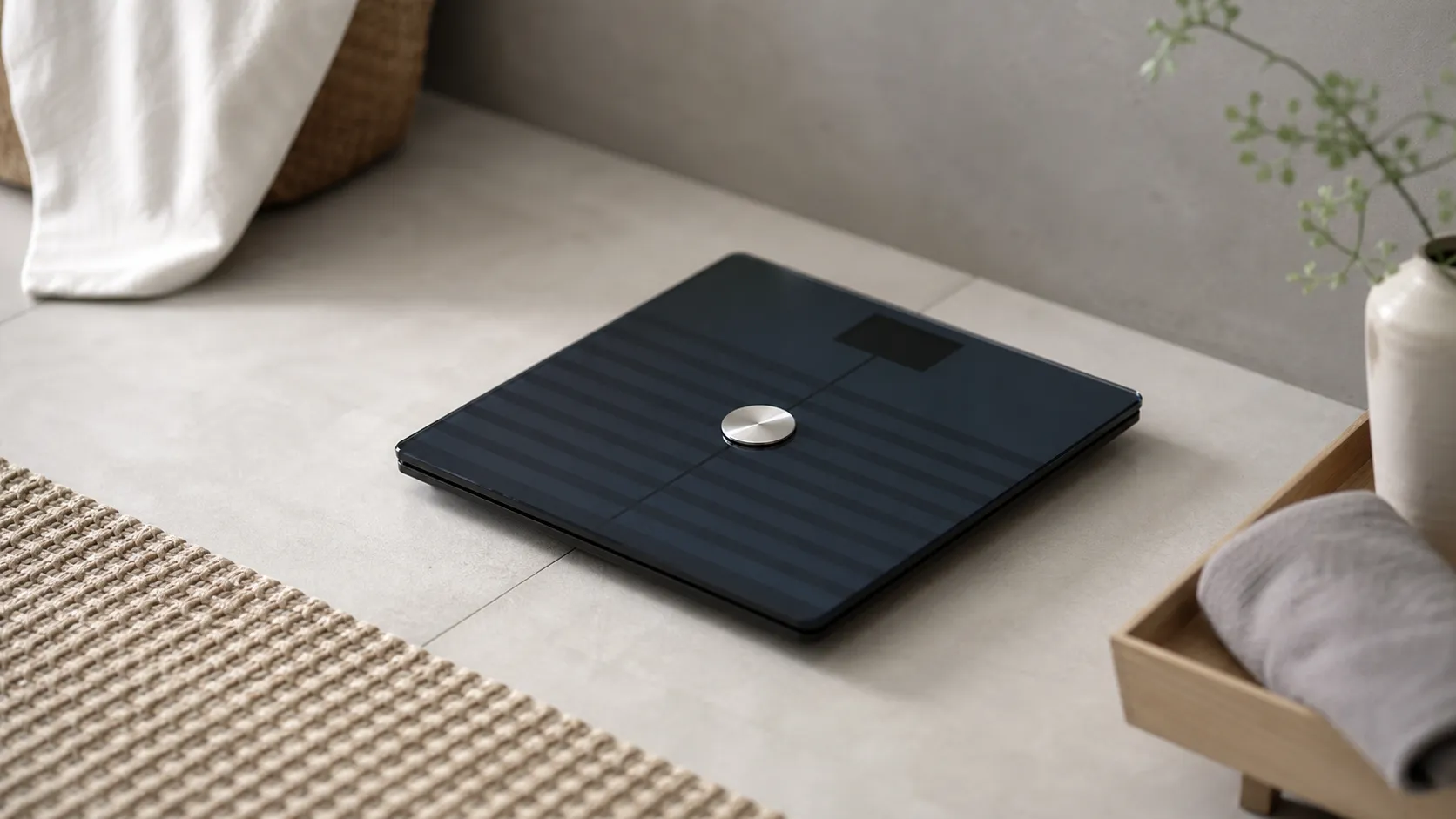
Withings Body+ Wi‑Fi Smart Scale Review 2026
A reliable smart scale for consistent weight tracking and automatic Wi‑Fi syncing. Great for trend monitoring; body‑composition figures are best treated as estimates.