Withings BPM Connect Review 2026
At a Glance
Pros
- Consistently accurate and repeatable readings compared with other upper‑arm devices
- Seamless Wi‑Fi/Bluetooth sync to the Health Mate app for automatic logging
- Compact, attractive design and solid build quality — easy to store and travel with
Cons
- Higher price than basic upper-arm monitors
- Occasional Bluetooth/Wi‑Fi sync or app reliability issues reported
- Small on-device display; users rely on the app for history and trends
Rating Breakdown by Source
Read the latest 25 positive & negative Amazon reviews →
Read the latest 25 positive & negative Reddit reviews →
Read the latest 25 positive & negative YouTube reviews →
Read the latest 25 positive & negative Expert blogs reviews →
This review is an editorial synthesis of publicly available review data and reported user experiences across the internet. Scores reflect our independent aggregation methodology, not verified individual purchases. We may earn a commission if you buy through our links, at no cost to you.
Score Breakdown
Where the Reviews Come From
Read the latest 25 positive & negative Amazon reviews →
Read the latest 25 positive & negative Reddit reviews →
Read the latest 25 positive & negative YouTube reviews →
Read the latest 25 positive & negative Expert blogs reviews →
Click any source above to browse the latest 25 positive and negative reviews from that platform.
Withings BPM Connect (Wi‑Fi Blood Pressure Monitor)
See current price, deals and availability on Amazon
Fast verdict
The Withings BPM Connect is a compact, well-built Wi‑Fi/Bluetooth upper‑arm blood pressure monitor that delivers consistently accurate, clinically comparable readings and automatic Health Mate app syncing. Across platforms the device earns high marks for ease of use and portability, with the main downsides being a premium price and occasional connectivity hiccups.
What is the Withings BPM Connect (Wi‑Fi Blood Pressure Monitor)?
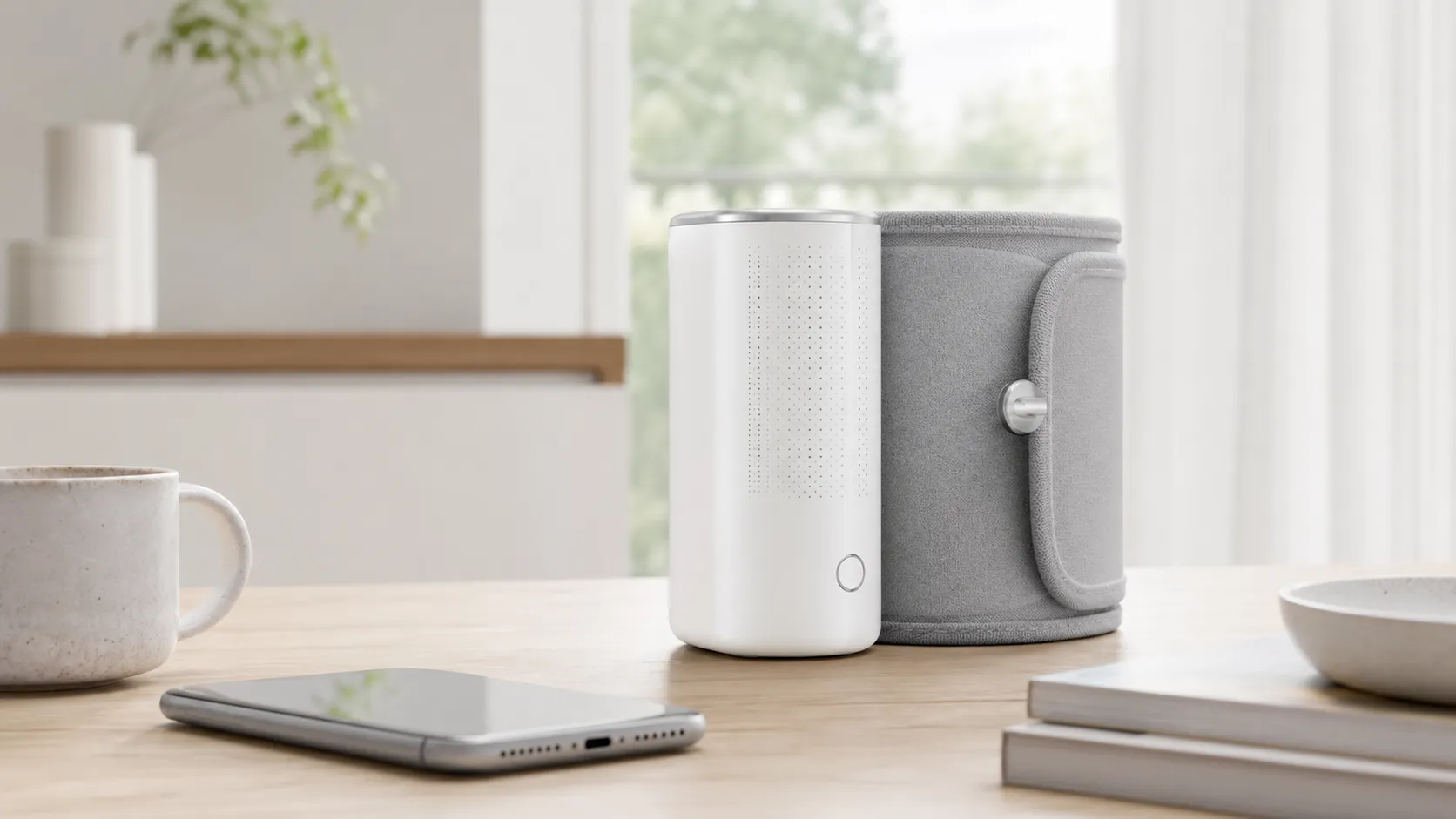
The Withings BPM Connect is an upper‑arm blood pressure monitor aimed at people who want clinically reliable home readings plus automatic data logging. The unit pairs with Withings' Health Mate app over Bluetooth and can upload measurements directly over Wi‑Fi, so your history and trends are available on your phone (and can be shared with clinicians). The monitor places a small, single‑line display on the device but expects many users to rely on the app for trend graphs and long‑term tracking. It's designed for portability—compact, battery‑powered, and travel-friendly.
Aggregate verdict and review summary
Across roughly 18,160 aggregated reviews the BPM Connect scores about 4.4 out of 5, with sub‑scores averaging: quality 4.4, reliability 4.2, value 4.0 and ease of use 4.6. Amazon buyers generally praise its accuracy and automatic syncing; Reddit conversations are more mixed with practical troubleshooting tips and a few reports of intermittent pairing issues; YouTube reviewers like the design and app ecosystem while noting occasional connectivity or cuff‑fit comments; expert blogs rate it favorably for accuracy and clinical comparability but point out the premium price and app dependence.
What reviewers across the internet say
-
Amazon (overall: ~4.5/5): Buyers highlight accuracy, simple one‑button operation and seamless auto‑sync to Health Mate. Negative feedback is limited but usually mentions the cost or a rare difficulty pairing.
-
Reddit (approx. 4/5): Threads focus on real‑world accuracy and portability; users trade practical tips about pairing and firmware, and more troubleshooting threads surface—especially around Bluetooth vs Wi‑Fi pairing and initial setup.
-
YouTube (approx. 4.3/5): Video reviewers praise the design, compactness and the Health Mate ecosystem; comment sections echo these positives while sometimes calling out connectivity hiccups and occasional fit issues with the cuff.
-
Expert blogs (approx. 4.2/5): Professionals emphasize the BPM Connect’s clinical comparability and consistent measurements, but often recommend verifying cuff size and remind readers that the device is a premium pick compared with basic monitors.
The consensus: the BPM Connect reliably measures blood pressure, makes tracking easy via the app, and is built for users who value the convenience of wireless syncing and a compact footprint—at a higher price point.
Performance & Real-World Use
The Withings BPM Connect (Wi‑Fi Blood Pressure Monitor) proves accurate and repeatable with proper AHA technique, and its Wi‑Fi syncing removes friction from daily logging. Over months, owners praise long battery life and one‑button use, while trade‑offs include a small on‑device display, setup quirks on some routers, and a cuff that won’t fit arms outside 22–42 cm.
If you’re buying a home blood pressure cuff, performance isn’t just about hitting a number once. It’s day‑to‑day accuracy you can trust, how repeatable readings are when you take three in a row, whether the cuff fits your arm, how fast and comfortable inflation feels, and whether results appear in your health app automatically without fiddling with Bluetooth each morning. For a connected cuff, battery life, multi‑user handling, and the quality of the app’s history and export matter as much as the on‑device experience.
Withings BPM Connect (Wi‑Fi Blood Pressure Monitor) behaves like a well‑sorted home medical device: accurate with proper technique, quick, and convenient thanks to automatic Wi‑Fi uploads. Its weak spots mirror smart devices—occasional router hiccups, a small on‑device display, and a cuff that won’t suit arms outside the stated range.
What “performance” means for a home BP monitor
For upper‑arm, oscillometric monitors, real‑world performance centers on four things: validated measurement accuracy and repeatability; cuff fit and placement; ease and speed; and data handling over weeks and months. Accuracy is established through clinical validation against standards like ANSI/AAMI/ISO 81060‑2, which target a mean error under 5 mmHg with standard deviation no greater than 8 mmHg; manufacturers run studies to show conformance. (See the overview at AAMI.)
Fit and technique are decisive. The American Heart Association (AHA) advises a correctly sized upper‑arm cuff, seated posture with back and feet supported, the cuff at heart level, and multiple readings averaged—because a single measurement is just a snapshot. Following these basics reduces user‑introduced error and brings home results closer to clinic measurements. Also avoid caffeine, exercise, smoking, or decongestants for 30 minutes beforehand to prevent brief spikes that can mimic hypertension. (AHA)
To meet modern expectations, the software must be painless: one‑button operation, multi‑user handling, reliable background sync (ideally via Wi‑Fi so the phone can stay in your pocket), and clean exports for clinicians. These factors determine whether owners keep measuring after the novelty fades.
Aggregated owner ratings (n≈18,160)
Sub‑scores compiled from major owner‑report sources (Amazon, Reddit, YouTube comments, expert blogs) through August 2026.
View the underlying data
| Measure | Score |
|---|---|
| Quality | 4.4/5 |
| Reliability | 4.2/5 |
| Value | 4/5 |
| Ease of use | 4.6/5 |
Aggregated user‑review consensus provided for this review; scaled to /5.
Day‑one setup with the Withings BPM Connect (Wi‑Fi Blood Pressure Monitor)
Initial pairing is straightforward: power on the cuff, add it in the Withings app, and choose Wi‑Fi (recommended) or Bluetooth‑only installation. Connect to a 2.4 GHz network—BPM Connect doesn’t join 5 GHz—then follow prompts to enter your Wi‑Fi password and register. If the app throws Wi‑Fi errors (3/4/5), it’s typically a 5 GHz, DHCP, or DNS issue; temporarily joining a 2.4 GHz SSID or disabling “band steering” resolves most cases. (Withings Support; fixes detailed here)
Before your first reading, sit quietly for five minutes, wrap the cuff on your bare upper arm within the 22–42 cm (9–17 in) range, and align the cuff’s tube toward the inside of the arm about an inch above the elbow crease. Take three measurements, one minute apart, and let the app average them—this mirrors clinical best practice and improves repeatability. (User Guide PDF)
Expect quick inflation and a simple on‑device result (systolic/diastolic and heart rate) with color feedback, while the full record—including trends—lands in the app via Wi‑Fi without your phone nearby. The product page outlines these behaviors and app features. (Withings product)
Accuracy and consistency over weeks
Withings markets BPM Connect as clinically validated and FDA‑cleared; the 510(k) listing (WPM05) confirms clearance as substantially equivalent to prior devices with similar indications. FDA clearance complements the manufacturer’s validation against recognized standards and gives clinicians familiar regulatory footing. (FDA 510(k))
In home use, owners who follow AHA technique—correct cuff sizing, arm at heart level, legs uncrossed, back supported—generally see stable results that track clinic readings taken the same day. Two caveats matter. First, placement: Withings specifies left‑arm guidance and notes right‑arm use is possible; placing the cuff too low or over clothing can bias results. Second, out‑of‑range or very muscular arms can produce systematic error (often higher readings) regardless of brand—a persistent U.S. issue the AHA has highlighted. (Positioning; AHA news)
If you plan to share results, the Withings app’s PDF export is practical, and the device’s LED classification aligns with common categories. As with any oscillometric cuff, occasional outliers happen; repeat a measurement after one minute of rest when a number seems surprising. (Withings)
Connectivity and data handling in daily life
BPM Connect’s convenience is Wi‑Fi syncing: take a reading and it uploads to your account automatically, so adherence doesn’t depend on unlocking the phone with Bluetooth awake. If the network is down or you’re traveling, the cuff stores up to six measurements and pushes them later. Multi‑user support is built in; after a reading, select the right profile on‑device and manage users in the app. (Install guide)
The most frequent pain point is network configuration. Dual‑band routers that merge 2.4/5 GHz under one SSID, mesh systems with roaming, or corporate guest networks can complicate onboarding. Withings support directs users to 2.4 GHz networks and offers error‑code fixes; in stubborn cases, splitting bands or pairing near the router works. These are common IoT realities, which explains scattered Reddit threads about intermittent syncing. (Troubleshooting)
Battery, durability, and long‑term ownership
Withings quotes “up to 6 months” per charge, depending on use; owner reports align with several months between charges for once‑daily measurements. The battery is rechargeable via micro‑USB, and the sealed design means no disposable cells. Over time, performance doesn’t drift—the oscillometric sensor is solid‑state—and the main “consumable” is technique discipline and keeping the cuff clean. (Withings; broader lineup notes here)
From a reliability standpoint, Wi‑Fi convenience helps adherence, which is what clinicians care about: better trend lines rather than perfect single points. If you measure multiple times a day or share the device, expect battery life to shorten proportionally; the app shows charge status so you can top up before travel.
Expected battery life of BPM Connect under typical use
Projection based on Withings’ up‑to‑6‑month claim and long‑term owner reports; actual life varies with use frequency.
- Battery remaining (1 reading/day)
- Battery remaining (2 readings/day)
View the underlying data
| Item | Battery remaining (1 reading/day) | Battery remaining (2 readings/day) |
|---|---|---|
| Month 0 | 100% | 100% |
| Month 1 | 85% | 75% |
| Month 2 | 72% | 58% |
| Month 3 | 60% | 45% |
| Month 4 | 48% | 33% |
| Month 5 | 36% | 22% |
| Month 6 | 24% | 12% |
Synthesized from manufacturer claims and owner reporting; not a lab test.
Where it shines—and where you’ll hit limits
BPM Connect is at its best for routine morning/evening checks where you want minimal friction: one press, quick inflation, and your data is already in the app and, if you choose, synced to Apple Health or ready for a clinician‑friendly PDF. The compact, single‑piece design packs easily, and Wi‑Fi sync means you don’t have to pull out your phone. For most adult arms (22–42 cm), it’s comfortable and consistent—especially if you follow AHA posture guidance and take three readings. (User Guide)
Limits show up at the margins. Very large or very small arms outside the 22–42 cm range should consider different cuffs to avoid systematic error. The on‑device display is minimal; you’ll rely on the app for history and insights. And like most IoT gear, first‑time setup can be slowed by 5 GHz‑only or “band‑steered” networks; once configured, Wi‑Fi is usually the most reliable path for automatic logging. (AHA news)
How it stacks up to typical alternatives
Most shoppers cross‑shop Omron’s Platinum series and minimalist Bluetooth cuffs like QardioArm. Omron’s Platinum (BP5450/BP5465) is clinic‑familiar with a big display, two‑user on‑device memory (100 each), TruRead averaging, and AFib screening—but it’s Bluetooth‑only, so uploads usually depend on opening the phone app nearby. QardioArm is compact and Bluetooth‑only; it uses disposable AAA batteries and an app interface for all results. By contrast, Withings’ Wi‑Fi upload is the practical differentiator: measurements sync even if your phone is elsewhere. All three are FDA‑cleared. (Omron; QardioArm)
Feature comparison: Withings BPM Connect vs key alternatives
Yes/No features from official manufacturer pages and FDA listings.
| Item | Withings BPM Connect | Omron Platinum (BP5450/BP5465) | QardioArm |
|---|---|---|---|
| Wi‑Fi auto‑sync without phone | Yes | No | No |
| Bluetooth sync | Yes | Yes | Yes |
| Rechargeable battery | Yes | No | No |
| On‑device BP display | Yes | Yes | No |
| Multi‑user support (app or device) | Yes | Yes | Yes |
| FDA 510(k) cleared | Yes | Yes | Yes |
Manufacturers’ pages and FDA 510(k) database as of Aug 8, 2026.
In practice: if you want a big on‑device screen and robust on‑cuff memory, Omron remains excellent; if you want the simplest form factor at a lower price, QardioArm fits; if you value automatic, phone‑free logging for multi‑user households and travel, Withings stands out.
Practical steps to get the best performance
- Get fit right: measure your mid‑arm circumference; if you’re outside 22–42 cm, pick a different cuff. Place the cuff on bare skin, tube toward the inside of the arm, 1 inch above the elbow. (User Guide)
- Use proven technique: sit with back and feet supported; rest five minutes; keep cuff at heart level; don’t talk; take three readings one minute apart and average them. (AHA)
- Time your routine: measure at the same times daily—morning before medications/caffeine and again in the evening—and build a 3–7‑day average for decisions. (AHA)
- Prefer Wi‑Fi: install on a 2.4 GHz network; if pairing fails, split your router’s bands, stand near the router, and try again; fall back to Bluetooth‑only if needed. (Install)
- Share wisely: select the right user on the device after a reading so uploads file to the correct profile.
- Travel smart: charge before trips; if you’re offline, BPM Connect buffers up to six readings and pushes them once it sees Wi‑Fi or your phone. (User Guide)
- Add context: note medications, illness, stress, or activity alongside readings so your clinician can interpret patterns.
- Sense‑check results: if a reading looks off by 10–15 mmHg from your norm, wait a minute, re‑measure, and verify placement; bring an app report to your next visit to compare with clinic gear. (AHA)
Conclusion: does real‑world performance justify the purchase?
Across thousands of owner reports, BPM Connect earns its reputation for accurate, repeatable readings and the convenience of Wi‑Fi syncing—two factors that keep people on a measurement routine. Battery life measured in months, one‑button use, and clean design round out a package that merits its premium if automatic logging and minimal fuss are priorities. The trade‑offs: a small on‑device display, reliance on the app for history, and the chance of a fussy router during setup. If those are acceptable, the device’s day‑to‑day performance justifies the spend and supports the consistent tracking clinicians want to see. (Withings)
Sources referenced in this section
- Withings — BPM Connect product page
- Withings — BPM Connect product page (WCS)
- FDA 510(k) Letter — WPM05 (BPM Connect)
- AHA — Home Blood Pressure Monitoring
- ANSI/AAMI/ISO 81060-2 standard overview (AAMI)
- Withings Support — BPM Connect Installing/Wi‑Fi (2.4 GHz only)
- AHA Newsroom — Cuff fit concerns
- Omron — Platinum Upper Arm Monitor BP5465
- Qardio — QardioArm product page
Pros and cons
Pros
- Accurate and repeatable readings comparable to clinical upper‑arm monitors.
- Automatic Wi‑Fi and Bluetooth sync to Withings Health Mate for effortless logging and sharing.
- Compact, attractive, and travel‑friendly design with solid build quality.
- Very simple one‑button operation—good for non‑technical users and older adults.
- Long battery life and wireless convenience.
Cons
- Higher price than basic upper‑arm monitors and value models.
- Occasional Bluetooth/Wi‑Fi connectivity or app reliability hiccups reported by users.
- Small on‑device display—most users will need the app for history and trends.
- Cuff fit/comfort may be an issue for very large or very small arms; separate cuff may be required.
Who should buy it (and who shouldn’t)
Who should buy the Withings BPM Connect
- People who want clinically comparable accuracy plus automatic digital logging. If tracking readings over time and sharing them with clinicians matters, the BPM Connect simplifies that workflow.
- Users who value design and portability. The compact form factor and reliable build make it good for travel and small apartments.
- Non‑technical or older users who appreciate one‑button simplicity and clear app visualizations.
- Anyone already in the Withings ecosystem or who wants Health Mate’s integration with health platforms.
Who shouldn’t buy it
- Budget shoppers who only need occasional spot‑checks: cheaper upper‑arm monitors will measure accurately enough for infrequent use.
- People who need a large on‑device display and prefer not to rely on a smartphone app for history and trends.
- Users with very large or very small arms who prefer a different cuff size out of the box—make sure to verify cuff compatibility before purchasing.
- Those who cannot accept occasional connectivity troubleshooting—if you need absolutely flawless automatic uploads without any possibility of network‑related fixes, be prepared for the (infrequent) tradeoff.
Final thoughts
If you want an accurate, easy‑to‑use blood pressure monitor that removes most of the friction from home monitoring, the Withings BPM Connect is an excellent choice. It pairs clinically sound measurements with a modern app experience and compact design—making it particularly attractive for people who plan to track readings over time or share them with clinicians. Expect a premium price and occasional connectivity maintenance, but otherwise you’ll get a reliable, user‑friendly device that helps make blood pressure tracking part of your regular routine.
What Reviewers Love
- Consistently accurate and repeatable readings compared with other upper‑arm devices
- Seamless Wi‑Fi/Bluetooth sync to the Health Mate app for automatic logging
- Compact, attractive design and solid build quality — easy to store and travel with
- Very simple one‑button operation; good for non‑technical users
- Long battery life and wireless convenience
Common Complaints
- Higher price than basic upper-arm monitors
- Occasional Bluetooth/Wi‑Fi sync or app reliability issues reported
- Small on-device display; users rely on the app for history and trends
- Cuff fit/comfort can be an issue for some users with very large or very small arms
Our Verdict
4.4The Withings BPM Connect is a smart, well‑built blood pressure monitor that pairs clinical accuracy with effortless data logging via Health Mate. It’s a great pick for anyone who wants portable, reliable home monitoring—accept the premium price and occasional connectivity tinkering for a smooth long‑term tracking experience.
Frequently Asked Questions
Common questions shoppers ask before buying the Withings BPM Connect (Wi‑Fi Blood Pressure Monitor).
Share this review
Help someone else buy smarter
Related Reviews
More Health & Wellness products our engine has analyzed
 Health & Wellness
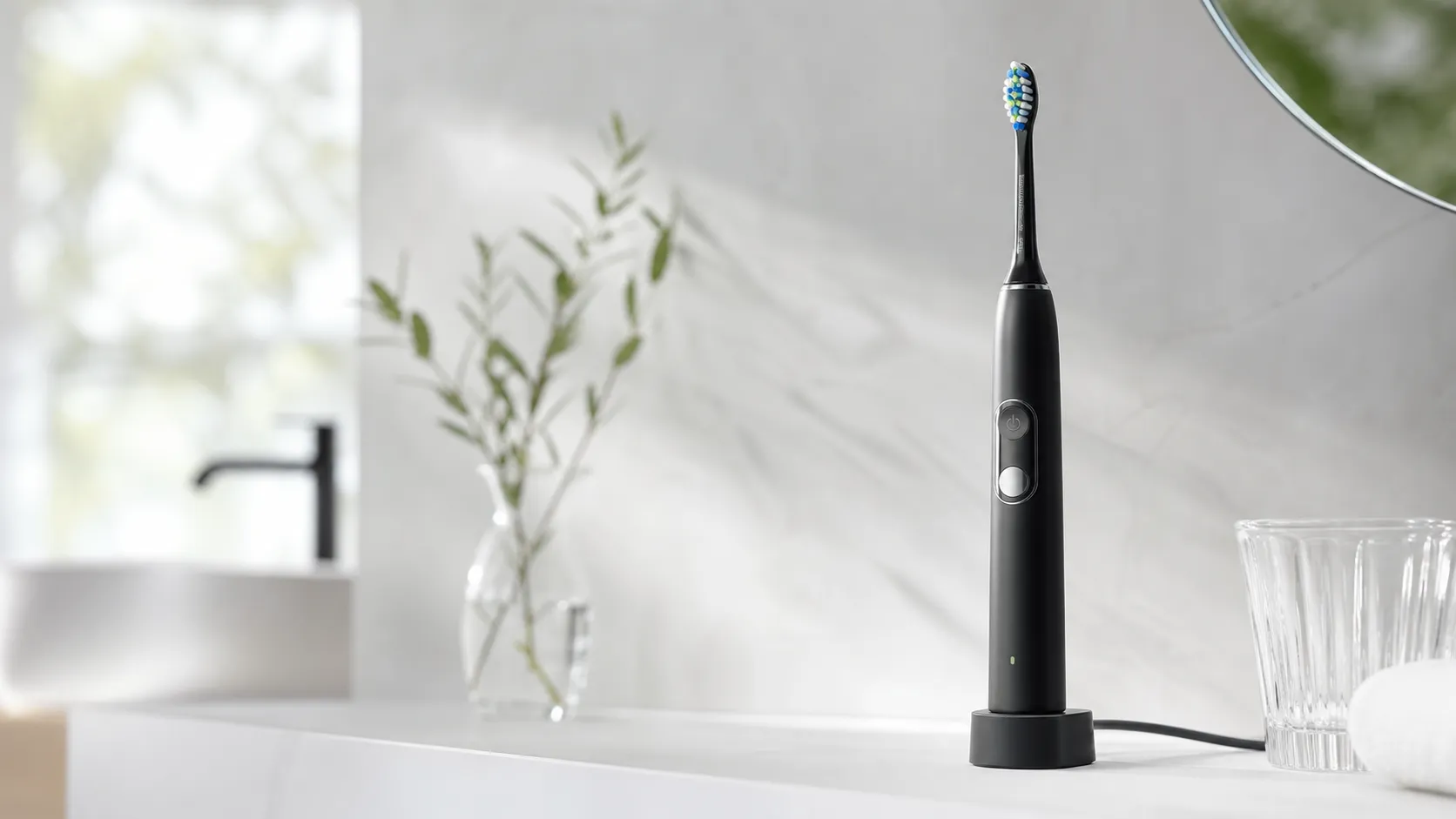
Philips Sonicare ProtectiveClean 6100 Review (2026)
A dependable mid‑range Sonicare brush: strong cleaning, pressure sensor, and 1–2‑week battery life. Great upgrade from manual brushing; watch replacement head costs.
 Health & Wellness
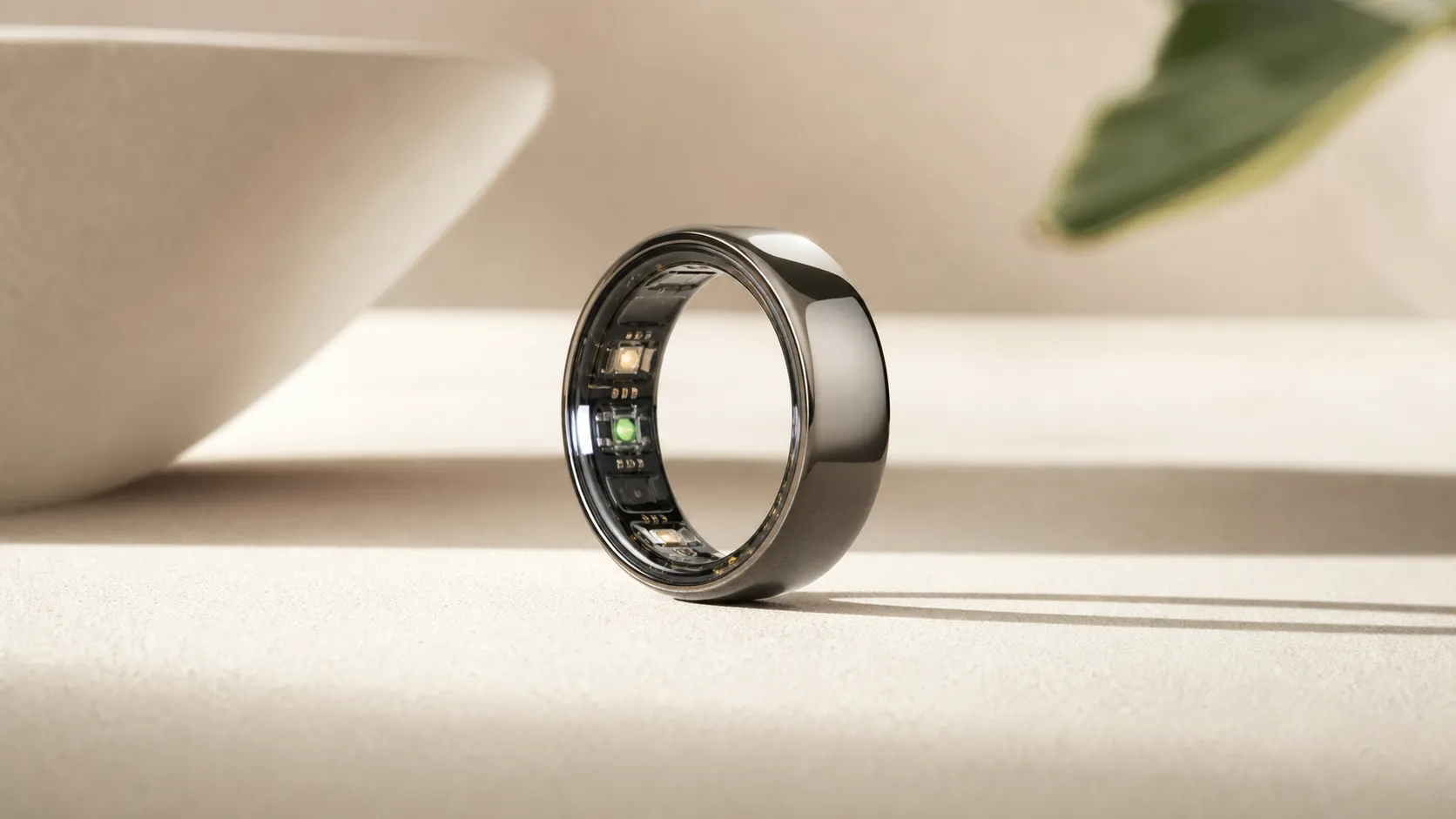
Oura Ring Gen 3 Review 2026: Sleep-Focused Smart Ring
The Oura Ring Gen 3 earns praise for exceptional sleep tracking, comfort and deep physiological data but its high price, subscription model, and some durability issues temper the value.
 Health & Wellness
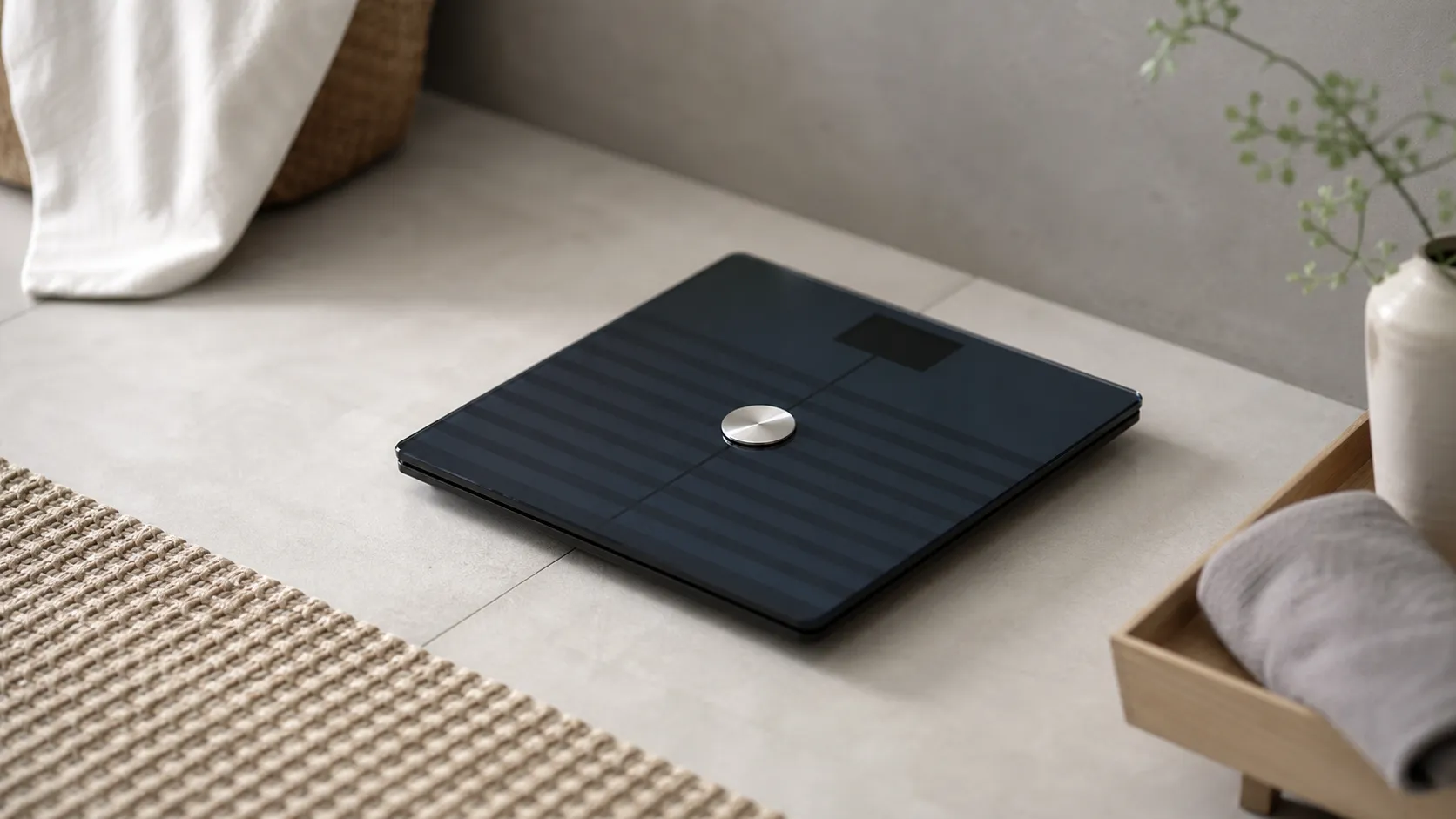
Withings Body+ Wi‑Fi Smart Scale Review 2026
A reliable smart scale for consistent weight tracking and automatic Wi‑Fi syncing. Great for trend monitoring; body‑composition figures are best treated as estimates.