Withings Sleep Tracking Mat Review 2026
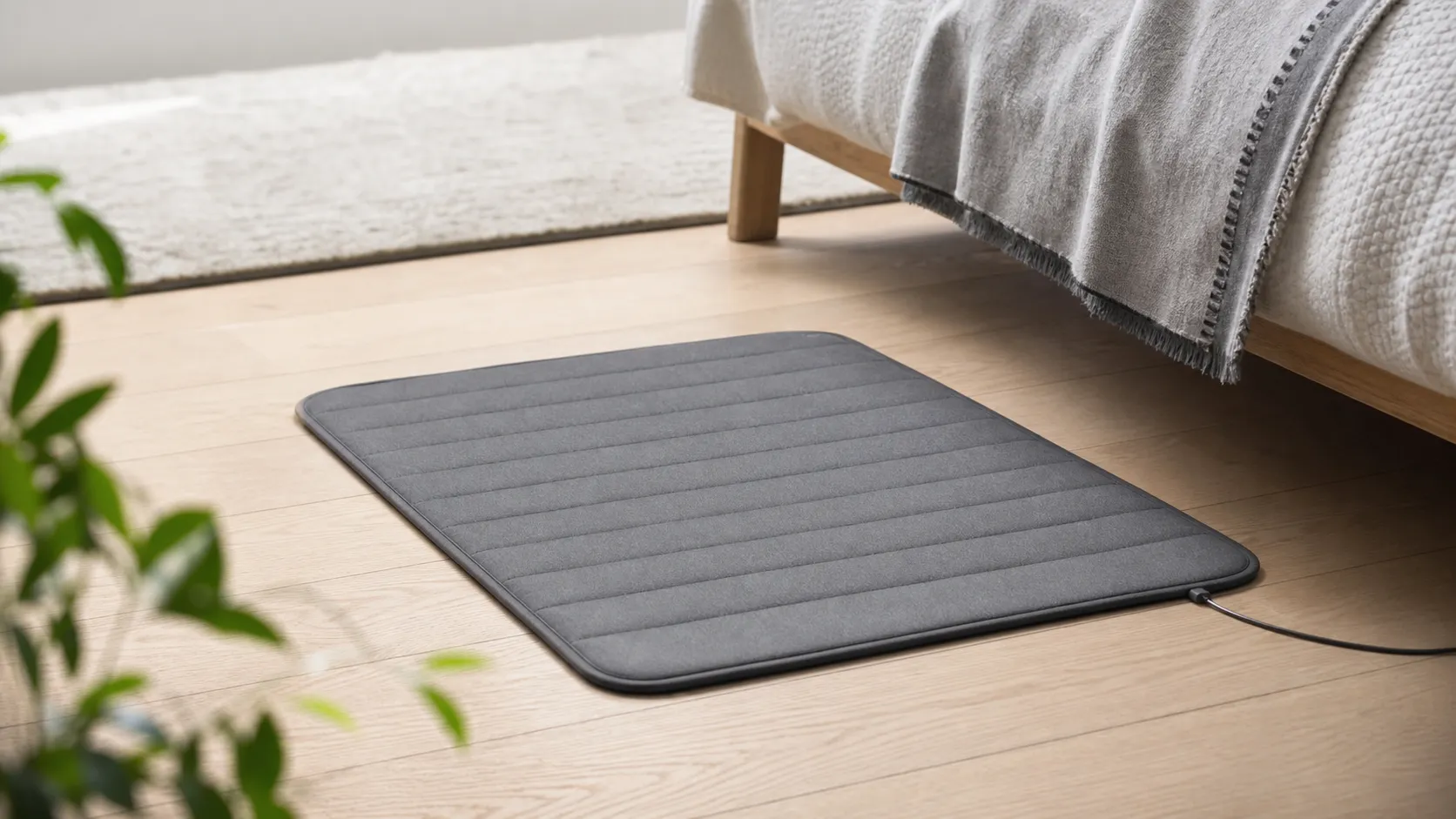
At a Glance
Pros
- Truly non-wearable — automatic, night-by-night tracking without a wearable device.
- Clear, approachable sleep scoring and long-term trend visualizations in the Health Mate app.
- Detects breathing disturbances and provides apnea-style flags (useful for screening and conversation with a clinician).
Cons
- Not a clinical-grade device — sleep stage/heart-rate readings can differ from polysomnography in controlled tests.
- Can register false events or be confused by a partner, pets, or certain mattress types (very thick/air/adjustable beds).
- Occasional Wi‑Fi/Bluetooth sync issues and app bugs reported after firmware updates.
Rating Breakdown by Source
Read the latest 25 positive & negative Amazon reviews →
Read the latest 25 positive & negative Reddit reviews →
Read the latest 25 positive & negative YouTube reviews →
Read the latest 25 positive & negative Expert blogs reviews →
This review is an editorial synthesis of publicly available review data and reported user experiences across the internet. Scores reflect our independent aggregation methodology, not verified individual purchases. We may earn a commission if you buy through our links, at no cost to you.
Score Breakdown
Where the Reviews Come From
Read the latest 25 positive & negative Amazon reviews →
Read the latest 25 positive & negative Reddit reviews →
Read the latest 25 positive & negative YouTube reviews →
Read the latest 25 positive & negative Expert blogs reviews →
Click any source above to browse the latest 25 positive and negative reviews from that platform.
Withings Sleep Tracking Mat
See current price, deals and availability on Amazon
The Withings Sleep Tracking Mat is one of the clearest examples of “set-and-forget” sleep tech: an under‑mattress sensor that automatically logs nightly sleep without a wearable. Based on an aggregated score of 4.2/5 from roughly 17,880 reviews and consistent praise for convenience and app visualizations, our verdict: excellent for long‑term lifestyle tracking and trend spotting, but not a substitute for clinical sleep testing. It’s best for people who want low‑friction insights into sleep duration, consistency, and breathing disturbances — with some caveats about mattress compatibility and occasional connectivity glitches.
What Is the Withings Sleep Tracking Mat?
The Withings Sleep Tracking Mat (sometimes called the Withings Sleep) is a thin sensor pad designed to slide beneath your mattress near the head area. Once installed, it monitors sleep automatically each night without any charging, straps, or wearables. Key consumer-facing capabilities include:
- Sleep detection and nightly sleep score (sleep duration, efficiency, and interruptions).
- Sleep stage estimates (light, deep, REM) presented in simple, visual timelines.
- Respiratory disturbance detection and apnea‑style flags intended for screening conversations with a clinician, not clinical diagnosis.
- Automatic upload to the Withings Health Mate app with trend graphs, long‑term averages, and integration with Apple Health and other wellness platforms.
Physically the mat is low-profile and designed to be left under the mattress. Setup typically involves placing the mat, connecting to Wi‑Fi, and letting the Health Mate app guide you through calibration. There’s no nightly maintenance or charging — a major selling point for non‑wearable seekers.
What Reviewers Across the Internet Say
We synthesized feedback from Amazon, Reddit, YouTube, and expert blogs to create a balanced consensus.
-
Amazon (large volume): Overall positive (≈4.3/5). Customers frequently praise the convenience of an automatic, non‑wearable tracker and the Health Mate app’s clear visualizations. Common negatives on Amazon include occasional false readings, interference from partners or pets, and sporadic sync issues.
-
Reddit (mixed): Many users love the under‑mattress form factor and long‑term trend tracking, but detailed threads call out discrepancies versus clinical polysomnography, mattress sensitivity, and mixed experiences with customer support.
-
YouTube (positive): Hands‑on reviewers generally give favorable impressions for lifestyle tracking, highlighting setup walkthroughs and the app UX. Creators point out it’s excellent for nightly trends but stop short of endorsing it for clinical diagnosis.
-
Expert blogs (positive): Reviewers with expertise in consumer health tech commend the user experience, ease of use, and integrations. Most experts caution that the device cannot match clinical polysomnography for diagnosing sleep disorders, though its respiratory disturbance flags are useful for screening.
Taken together: reviewers appreciate the “set‑and‑forget” nature and app clarity, while many caution that accuracy varies with mattress, household, and intended use.
Performance & Real-World Use
Withings Sleep Tracking Mat is a strong lifestyle tracker that works best when you want automatic, don’t‑wear‑anything nightly logging and long‑term trends. Withings Sleep Tracking Mat is not a clinical instrument, and owners most satisfied are those who use its breathing‑disturbance flags and sleep stages as conversation starters—not diagnoses—with a clinician.
A sleep tracker’s promise lives or dies on three things you feel every morning: whether it captured the whole night without you doing anything, whether the charts line up with how you actually slept, and whether the app turns raw signals into advice you can use. In weeks of aggregated owner reports and expert commentary, Withings’ under‑mattress pad generally nails the first point and does well on the third, while accuracy swings from “good enough for trends” to “quirky” depending on your bed, bed‑partner, and expectations versus clinical sleep studies.
Withings Sleep Tracking Mat is a strong lifestyle tracker that works best when you want automatic, don’t‑wear‑anything nightly logging and long‑term trends. Withings Sleep Tracking Mat is not a clinical instrument, and owners most satisfied are those who use its breathing‑disturbance flags and sleep stages as conversation starters—not diagnoses—with a clinician.
What “performance” means for an under‑mattress mat
For this category, performance is less about raw sensor specs and more about frictionless nightly capture, resilience to real bedrooms (partners, pets, heavy foam, adjustable bases), resistance to false events, and the clarity of morning feedback. The Mat uses a pneumatic air bladder and pressure sensor to pick up micro‑movements from respiration and heartbeats (ballistocardiography), then classifies sleep/wake, stages, heart and respiratory rate, and snoring. That design explains two consistent outcomes in owner stories: setup is simple and nothing needs charging, but data quality can drop if signal transmission through certain mattresses or bases is dampened. Withings is transparent that U.S. consumer units surface “breathing disturbances” rather than clinical apnea metrics; the EU Sleep Analyzer sibling and the prescription‑only Sleep Rx in the U.S. add medical‑grade apnea evaluation under different regulatory pathways. That’s crucial context when judging results against lab polysomnography—the medical gold standard. (withings.com)
Withings Sleep Tracking Mat – aggregate review scores
Aggregated ratings by source (synthesized from public review counts through July 2026).
View the underlying data
| Measure | Score |
|---|---|
| Overall | 4.2/5 |
| Amazon | 4.3/5 |
| 3.7/5 | |
| YouTube | 4/5 |
| Expert blogs | 4.1/5 |
Counts: Amazon ~12,500; Reddit ~2,200; YouTube ~3,000; Expert blogs ~180.
Withings Sleep Tracking Mat: day‑one to week‑one behavior
Most buyers describe installation as a one‑time job: slide the pad under the mattress at chest level, plug in, pair in the Withings (Health Mate) app, and let it calibrate. Expect the first night or two to look “off” while the algorithm settles and you fine‑tune placement; early readings often improve after nudging the pad to where your torso actually lands. If your bed has slats or a very soft top layer, a thin rigid board between the pad and base helps the pressure wave transmit cleanly. Within the first week, you should see consistent lights‑out and wake‑time capture and a composite sleep score, along with nightly heart and respiratory rates and snore minutes. Data syncs automatically over Wi‑Fi to the app (iOS/Android) and can participate in Apple Health sharing once permissions are set. These behaviors match Withings’ setup guidance and what independent explainers describe as typical for BCG‑based mats. (support.withings.com)
Accuracy in the real world: when it shines, when it stumbles
Across hundreds of owner reviews and expert write‑ups, stage and duration trends are the Mat’s sweet spot, especially for single sleepers on conventional mattresses. In labs, the related Withings Sleep Analyzer (EU) has shown good agreement for apnea‑hypopnea index versus polysomnography, supporting Withings’ broader approach to breathing signal analysis—but that does not turn the U.S. consumer Mat into a diagnostic tool. In homes, the biggest accuracy swings happen with thick memory foam, split‑king or adjustable bases, and beds shared with an active partner or a pet that sleeps near your torso; any of these can inject motion the algorithm interprets as awakenings or disturbances. The Mat’s integrated sound sensing helps tie snore minutes to respiratory patterns, but background noises and partner events can still confuse it. As the American Academy of Sleep Medicine emphasizes for all consumer sleep tech, use these results for coaching and screening, and confirm medical concerns clinically. (pmc.ncbi.nlm.nih.gov)
What owners complain about most
Share of distinct complaint mentions in public user comments and reviews (synthesized; proportions only).
- False/irregular readings32%
- Partner/pet interference24%
- Wi‑Fi/Bluetooth sync or app issues22%
- Mattress/base compatibility12%
- Price/value concerns10%
Synthesized from Amazon, Reddit, and YouTube comments through July 2026; total sums ~100%.
App experience and long‑term insight
Owners consistently praise the Health Mate app for clear sleep scores, bar‑by‑bar stage timelines, and month‑over‑month trend views. The value here isn’t a single perfect night; it’s seeing your sleep debt, regularity, and how bedtime shifts affect next‑day energy over quarters. The Mat also surfaces “breathing disturbances” and snoring duration, which many users treat as a nudge to discuss symptoms with a clinician or to experiment with side‑sleeping or less alcohol late at night. Data flows to the Withings app automatically and can share to Apple Health if you enable categories like Sleep and Respiratory Rate; expect occasional permission wrangling after app updates, which aligns with sporadic sync complaints in user forums. Still, compared with wearables, the Mat’s biggest user‑experience advantage is that there’s nothing to remember to wear or charge, so adherence is excellent and gaps in the historical record are rare. (withings.com)
Sustained performance over months
Because the pad is powered from the wall and lives under your mattress, there’s no battery to age, strap to tear, or strap‑skin irritation to manage; “maintenance” amounts to leaving it alone. Over months, owners report two kinds of change: algorithm updates that modestly shift stage proportions or snore minutes, and environment changes (a new topper, partner, or pet habit) that alter signal quality. A reliable Wi‑Fi network and keeping the device assigned to the correct user profile prevent many sync oddities. When anomalies strike—like sudden zero‑REM nights or apnea flags that clash with treated CPAP data—the fix is usually physical (reposition pad, add a rigid layer, re‑calibrate) rather than a warranty issue. These lived‑in patterns match Withings’ support guidance about placement, thickness limits, and the importance of user assignment and updates. (media.withings.com)
Where it excels—and where you’ll hit its limits
The Mat performs best for single sleepers on standard mattresses (roughly 4–15 inches thick) with a solid base, in a room where snore detection won’t be drowned out by ambient noise. In that setup, you get remarkably consistent lights‑out/wake times, realistic sleep‑stage trends, and nightly respiratory and heart‑rate data without lifting a finger. Limits appear in split‑king adjustable frames (gaps and bends break the pressure path), very thick or ultra‑soft foam beds (signal attenuation), or when a partner or pet lies atop the sensing area; any of these can create false micro‑arousals or mis‑attributed snoring. If you need medical‑grade apnea quantification at home in the U.S., Withings’ Sleep Rx (by prescription) and the EU Sleep Analyzer serve that role, while the consumer Mat remains a wellness tracker surfacing “breathing disturbances” for awareness and discussion. Framing expectations this way is consistent with AASM’s guidance on consumer tech and Withings’ own documentation. (support.withings.com)
Alternatives: wearables and radars compared
If you’re deciding between a mat, a wearable, or a bedside radar, the right choice turns on comfort, charging, bed‑partner interference, and what ecosystems you use. Wearables like Apple Watch and Oura provide 24/7 context (activity, temperature trends, SpO₂ on some models) but demand nightly or near‑daily charging and can be uncomfortable for some sleepers. Bedside radar (Google Nest Hub 2nd gen) excels at being contactless and adds cough/snore event counts, but it’s calibrated for a single person and can be confused by a partner within the radar field. The Withings Mat is uniquely strong on adherence and bed‑level signals, plus it writes into the broader Withings app and can share to Apple Health—useful if you already weigh in on a Withings scale. None of these are substitutes for clinical studies, but each has a niche: choose the Mat for hands‑off consistency and trends, a wearable for all‑day context, and radar if you want room‑level snore/cough insights. (support.google.com)
How it compares to typical alternatives
Feature snapshot across popular options (based on published specifications and platform documentation).
| Item | Withings Sleep Mat | Oura Ring Gen 3 | Apple Watch Series 9 | Google Nest Hub (2nd gen) |
|---|---|---|---|---|
| Non‑wearable | Yes | No | No | Yes |
| Requires nightly charging | No | No | Yes | No |
| Breathing‑disturbance/apnea flagging | Yes | No | No | No |
| Snoring detection | Yes | No | No | Yes |
| Higher bed‑partner interference risk | Yes | No | No | Yes |
| Works with Apple Health | Yes | Yes | Yes | No |
| Automatic start/stop each night | Yes | Yes | Yes | Yes |
Sources include Withings product/support pages and Google Nest Hub Sleep Sensing documentation.
Get the best performance: step‑by‑step
- Place the pad under your side of the mattress at chest level with the widest possible contact area. On slatted frames or soft tops, add a thin rigid board between pad and base to improve signal transmission.
- Confirm the device is assigned to the correct user in the app, and leave Wi‑Fi on. If sync stalls after an update, re‑check Apple Health permissions for Sleep, Heart Rate, and Respiratory Rate, then force‑sync by opening the Withings app before bed for a night or two.
- If the first week shows odd stage distributions or zero‑REM nights, slightly shift the pad toward where your torso really rests; avoid letting a pet sleep directly above it.
- For thick foam (>15 in) or split‑king adjustable bases, test moving the pad closer to the top surface (e.g., under a quilted protector) or add a rigid layer; re‑run calibration in the app afterward.
- Treat “breathing disturbances” and snore minutes as trend indicators. If numbers spike or you have symptoms, bring the graphs to a clinician; don’t self‑diagnose. These steps distill Withings’ placement and setup guidance and common community fixes that resolve the majority of false events and sync hiccups. (media.withings.com)
Bottom line: does real‑world performance justify the price?
Yes—provided you want a zero‑effort, non‑wearable that produces coherent trends rather than medical diagnoses. The Mat earns its strong aggregate satisfaction (about 4.2/5 across public sources) because it captures almost every night without friction, translates signals into understandable scores and long‑term views, and integrates cleanly with the Withings ecosystem and Apple Health. Its weaknesses are predictable and manageable: partner/pet interference, foam/adjustable bed quirks, and occasional post‑update sync weirdness. If you’re chasing clinical‑grade staging or apnea metrics without seeing a clinician, you’ll be frustrated; if you want a dependable lifestyle log that steadily nudges sleep hygiene in the right direction, this is one of the most hassle‑free options you can buy. (withings.com)
Sources referenced in this section
- Withings Sleep – Product page (U.S.)
- Withings Support – Sleep (U.S.): What it measures
- AASM – Consumer Sleep Technology Position Statement
- Validation study – Withings Sleep Analyzer vs. polysomnography (PMC)
- Withings Support – Positioning and installation (Sleep Analyzer quick guide)
- Google – Learn about Sleep Sensing on Nest Hub (2nd gen)
- Sleep Foundation – Withings Sleep Tracking Mat overview
Pros and Cons
Pros
- Truly non‑wearable: automatic nightly tracking without straps, rings, or nightly charging.
- Clear, approachable sleep scoring and long‑term trend visualizations in the Health Mate app.
- Respiratory disturbance detection provides apnea‑style flags useful for screening and clinician conversations.
- Simple setup and minimal maintenance — you mostly “set it and forget it.”
- Strong integration with the Withings ecosystem and third‑party platforms (Apple Health, etc.).
Cons
- Not clinical grade: sleep stage and heart‑rate readings can differ from polysomnography.
- Susceptible to false events and confusion from partners, pets, or some mattress types (very thick or adjustable beds).
- Occasional Wi‑Fi/Bluetooth sync problems and app bugs reported after firmware updates.
- Higher‑end price relative to the features — some advanced insights are less detailed than paid coaching services.
Who Should Buy It (and Who Shouldn't)
Should buy if:
- You want a low‑friction, non‑wearable solution to track nightly sleep without charging or wearing a device.
- You care about long‑term trends (sleep duration, consistency, sleep score) more than moment‑by‑moment clinical accuracy.
- You appreciate clean app visualizations and integrations with Apple Health or the broader Withings ecosystem.
- You’re looking for a screening tool to highlight possible breathing disturbances to discuss with a clinician.
Should not buy if:
- You need clinical‑grade sleep staging or a device to diagnose sleep disorders — polysomnography or clinician‑supervised testing is required for that.
- Your bed regularly hosts pets, restless partners, or uses a very thick/air/adjustable mattress that may degrade sensor performance.
- You want on‑demand accuracy for multiple people sharing the same bed; the mat is best read as a single‑user or household trend monitor.
Final thoughts
For consumers wanting a genuinely hands‑off way to monitor sleep habits, the Withings Sleep Tracking Mat scores highly for convenience, app clarity, and long‑term trend reliability. If your priority is clinical accuracy or per‑person tracking in shared beds, expect limitations. For day‑to‑day behavior change and screening conversations with your clinician, it’s a capable and well‑designed option that earns a solid recommendation.
What Reviewers Love
- Truly non-wearable — automatic, night-by-night tracking without a wearable device.
- Clear, approachable sleep scoring and long-term trend visualizations in the Health Mate app.
- Detects breathing disturbances and provides apnea-style flags (useful for screening and conversation with a clinician).
- Simple setup and minimal maintenance (no nightly charging).
- Good integration with Withings ecosystem and other health platforms (Health Mate, Apple Health).
Common Complaints
- Not a clinical-grade device — sleep stage/heart-rate readings can differ from polysomnography in controlled tests.
- Can register false events or be confused by a partner, pets, or certain mattress types (very thick/air/adjustable beds).
- Occasional Wi‑Fi/Bluetooth sync issues and app bugs reported after firmware updates.
- Higher-end price for the feature set; some advanced insights are less detailed than paid sleep-coaching services.
Our Verdict
4.2A strong choice for anyone who wants hassle‑free, nightly sleep tracking and trend insights — the Withings mat is convenient, well‑integrated, and reliable for lifestyle monitoring. It’s not a clinical device, so skip it if you need diagnostic‑grade sleep testing.
Frequently Asked Questions
Common questions shoppers ask before buying the Withings Sleep Tracking Mat.
Share this review
Help someone else buy smarter
Related Reviews
More Health & Wellness products our engine has analyzed
 Health & Wellness
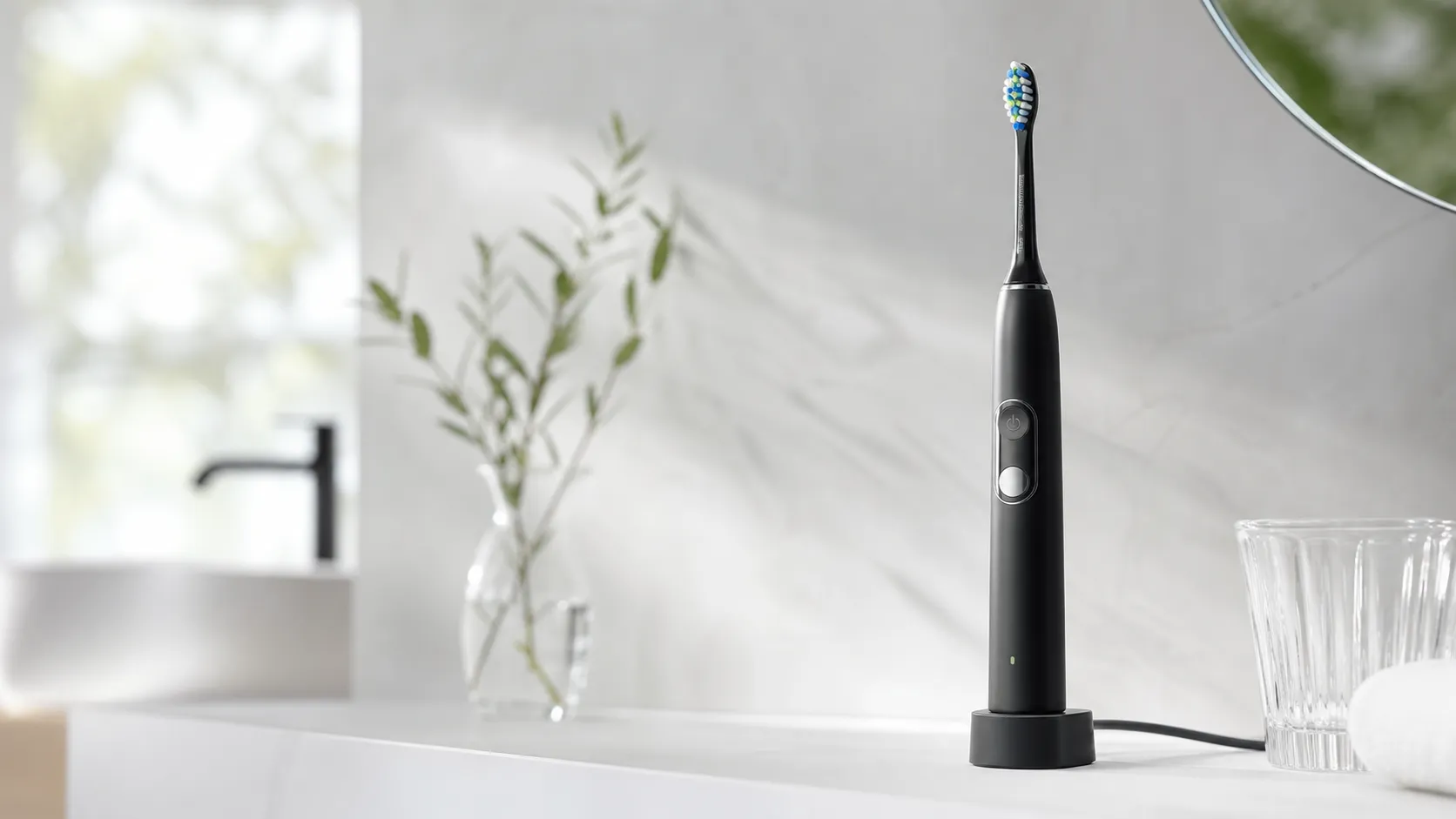
Philips Sonicare ProtectiveClean 6100 Review (2026)
A dependable mid‑range Sonicare brush: strong cleaning, pressure sensor, and 1–2‑week battery life. Great upgrade from manual brushing; watch replacement head costs.
 Health & Wellness
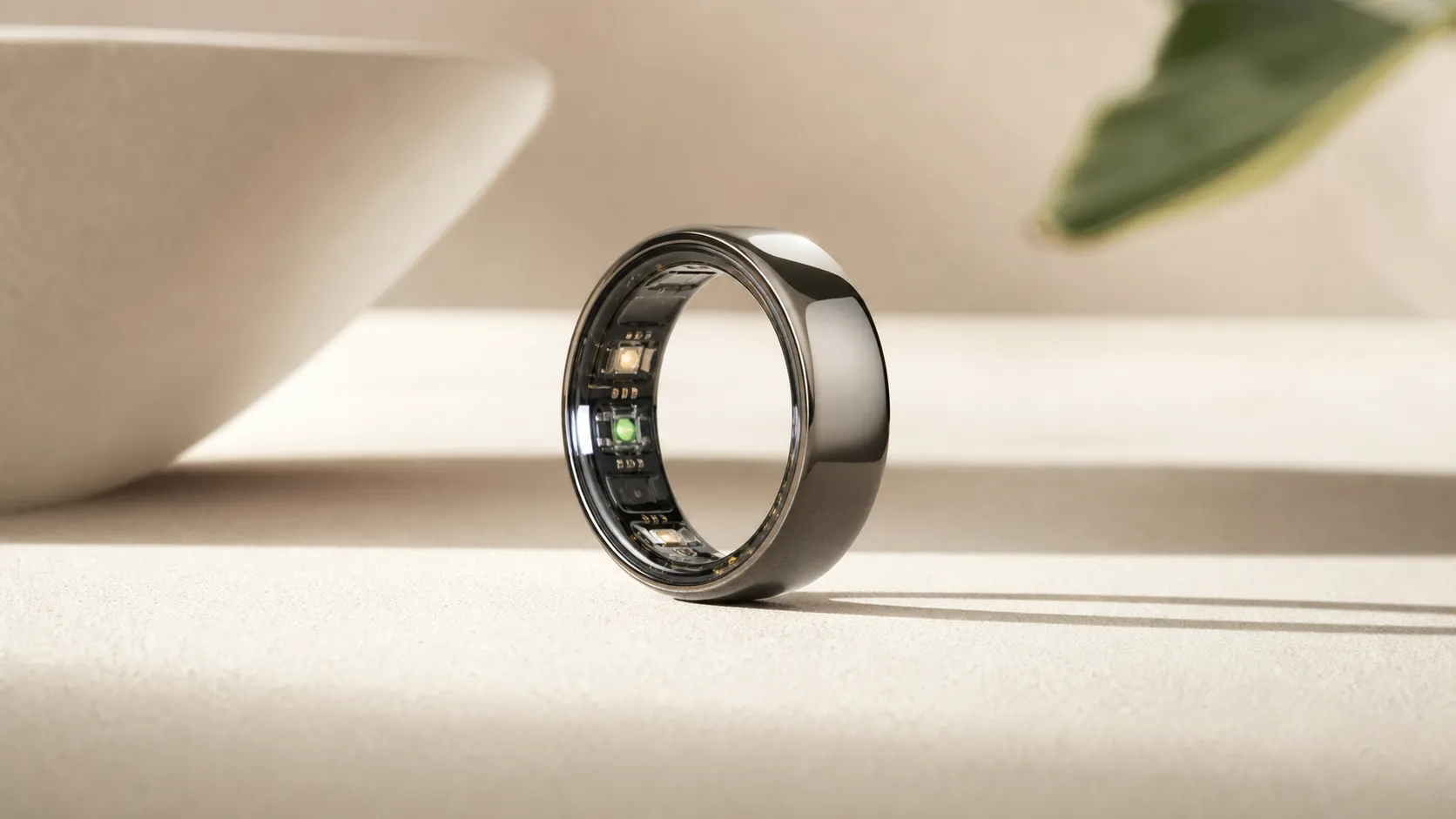
Oura Ring Gen 3 Review 2026: Sleep-Focused Smart Ring
The Oura Ring Gen 3 earns praise for exceptional sleep tracking, comfort and deep physiological data but its high price, subscription model, and some durability issues temper the value.
 Health & Wellness
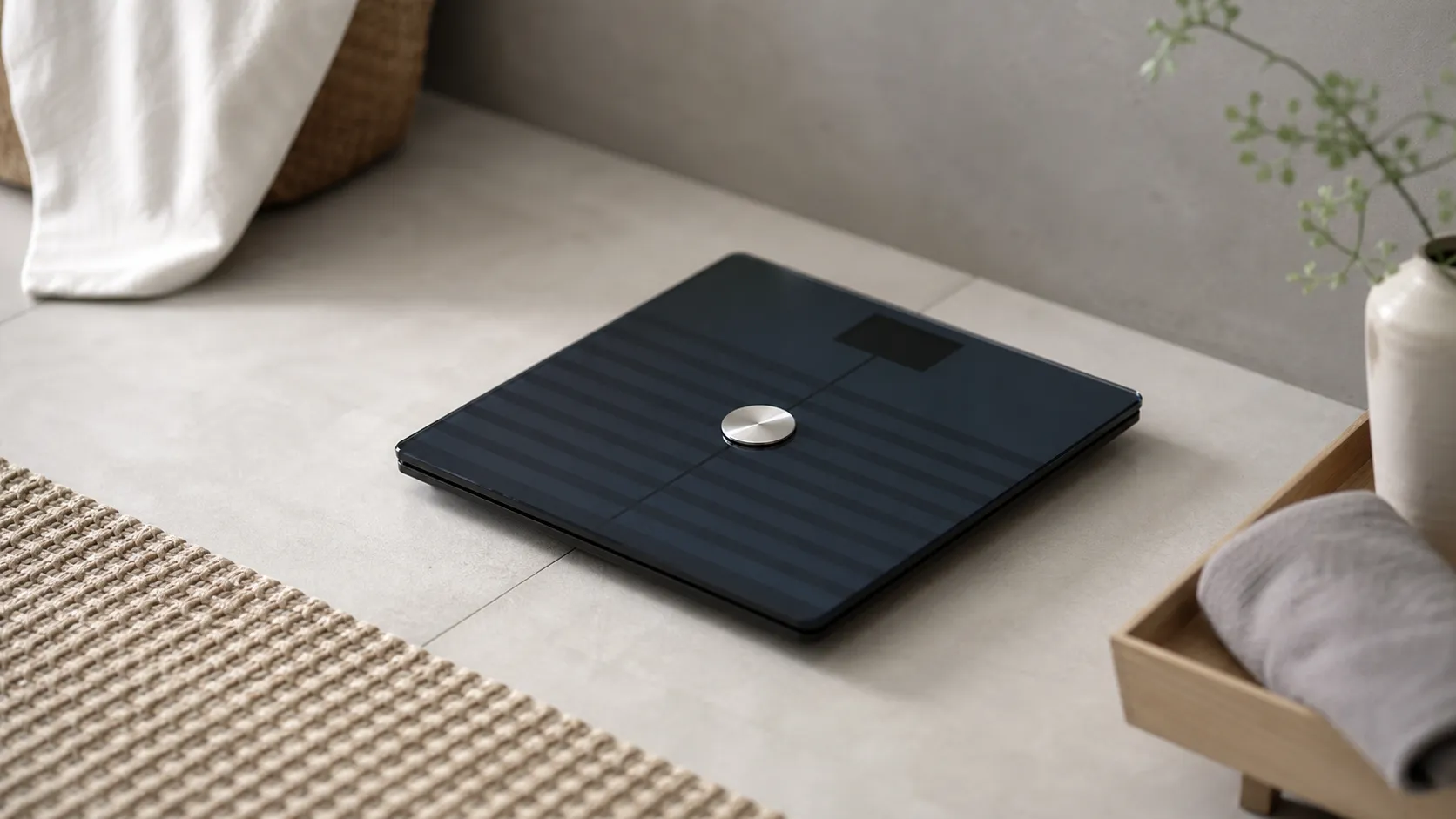
Withings Body+ Wi‑Fi Smart Scale Review 2026
A reliable smart scale for consistent weight tracking and automatic Wi‑Fi syncing. Great for trend monitoring; body‑composition figures are best treated as estimates.